

Kettlebell Double Push Press vs Kettlebell Thruster: Complete Comparison Guide
Kettlebell Double Push Press vs Kettlebell Thruster — you can use either to build stronger shoulders, but they load your body very differently. In this comparison you'll get clear technique cues, biomechanics-backed muscle activation differences, rep ranges (strength: 3–6, hypertrophy: 6–12, conditioning: 12+), and programming suggestions. I’ll show how each move transfers force from hips and legs to the delts, when to prioritize one over the other, and simple progressions you can use in a 3–4 day plan. By the end you’ll know which exercise suits your goal and how to perform it safely.
Exercise Comparison
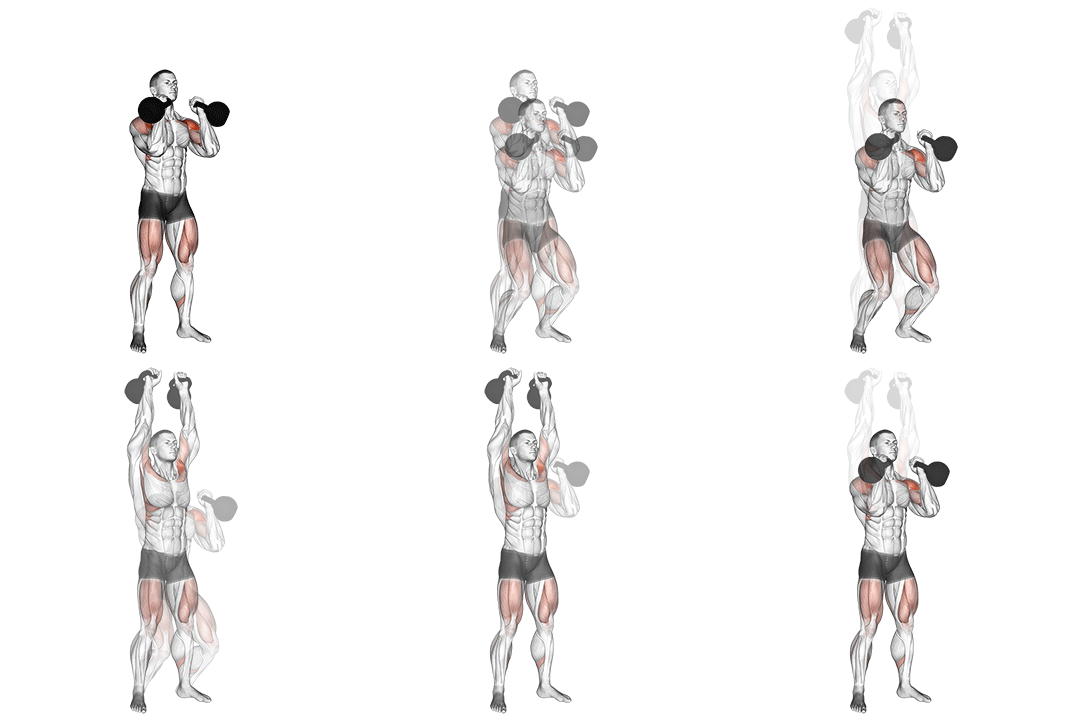
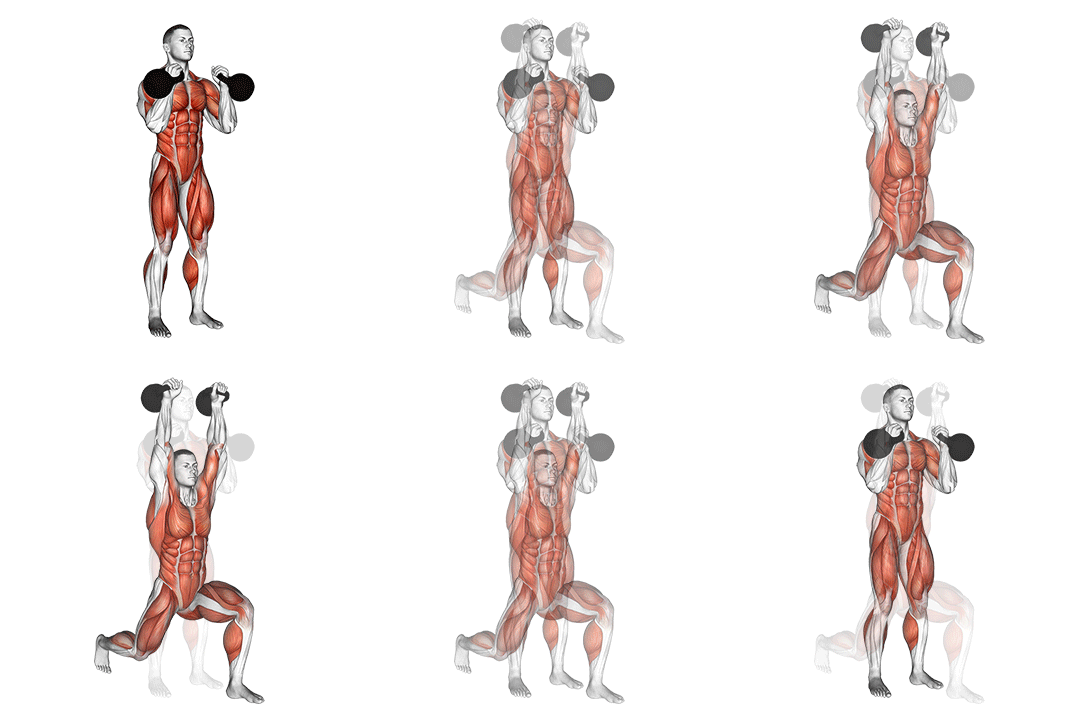
Kettlebell Double Push Press
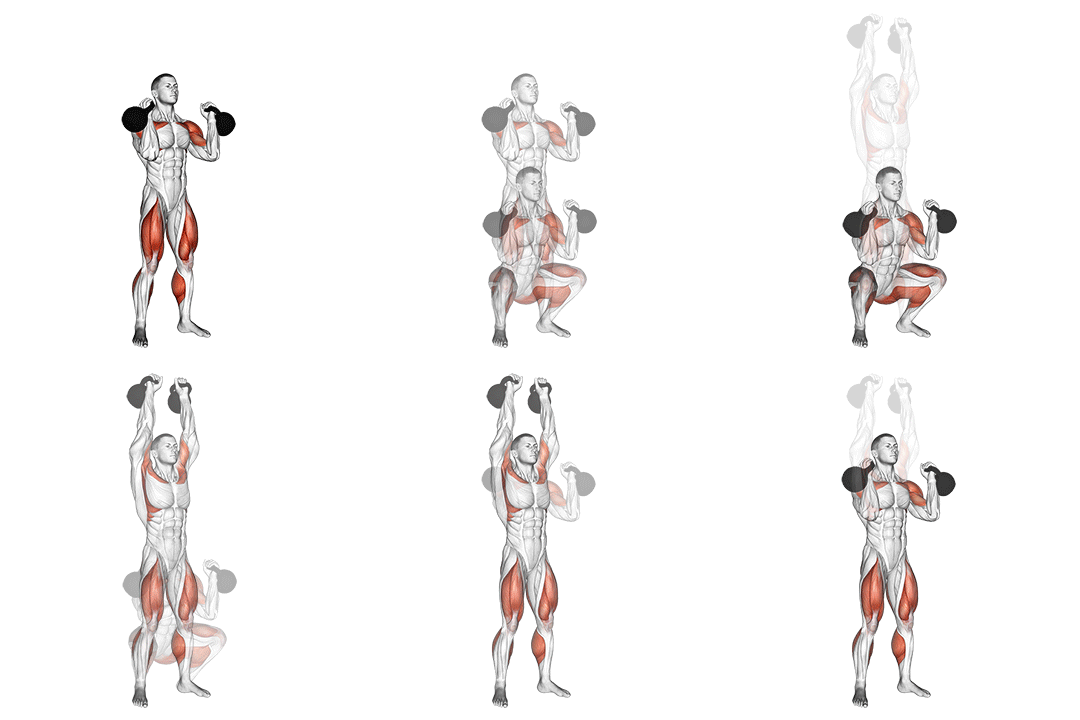
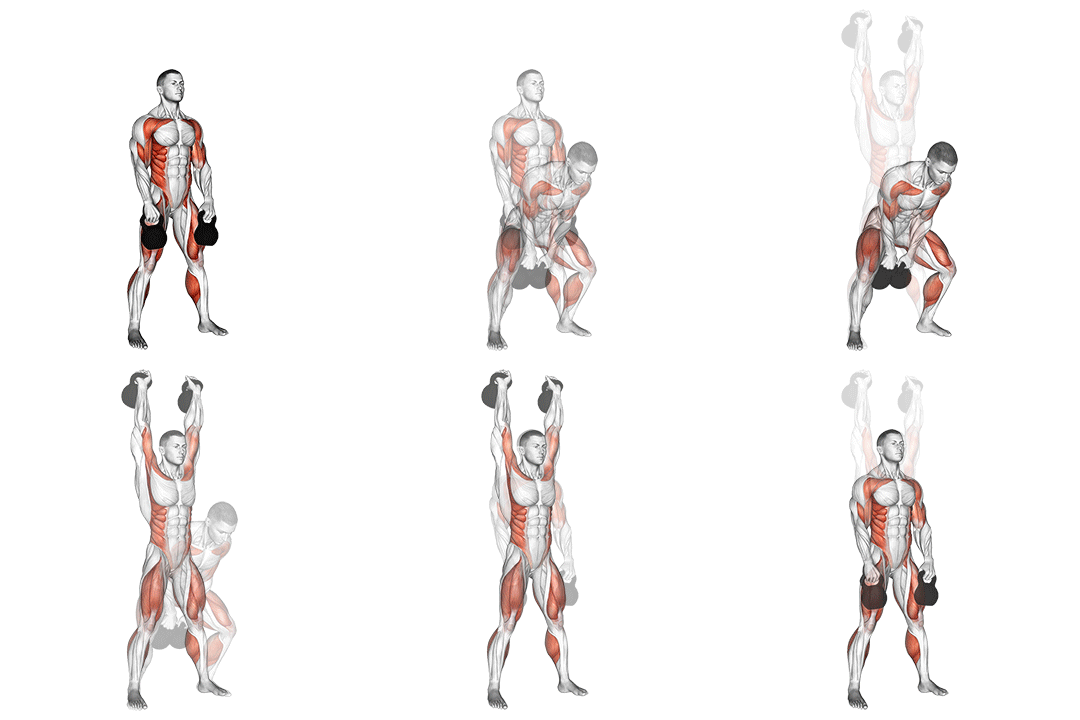
Kettlebell Thruster
Head-to-Head Comparison
| Attribute | Kettlebell Double Push Press | Kettlebell Thruster |
|---|---|---|
| Target Muscle |
Delts
|
Delts
|
| Body Part |
Shoulders
|
Shoulders
|
| Equipment |
Kettlebell
|
Kettlebell
|
| Difficulty |
Intermediate
|
Intermediate
|
| Movement Type |
Compound
|
Compound
|
| Secondary Muscles |
2
|
3
|
Secondary Muscles Activated
Kettlebell Double Push Press
Kettlebell Thruster
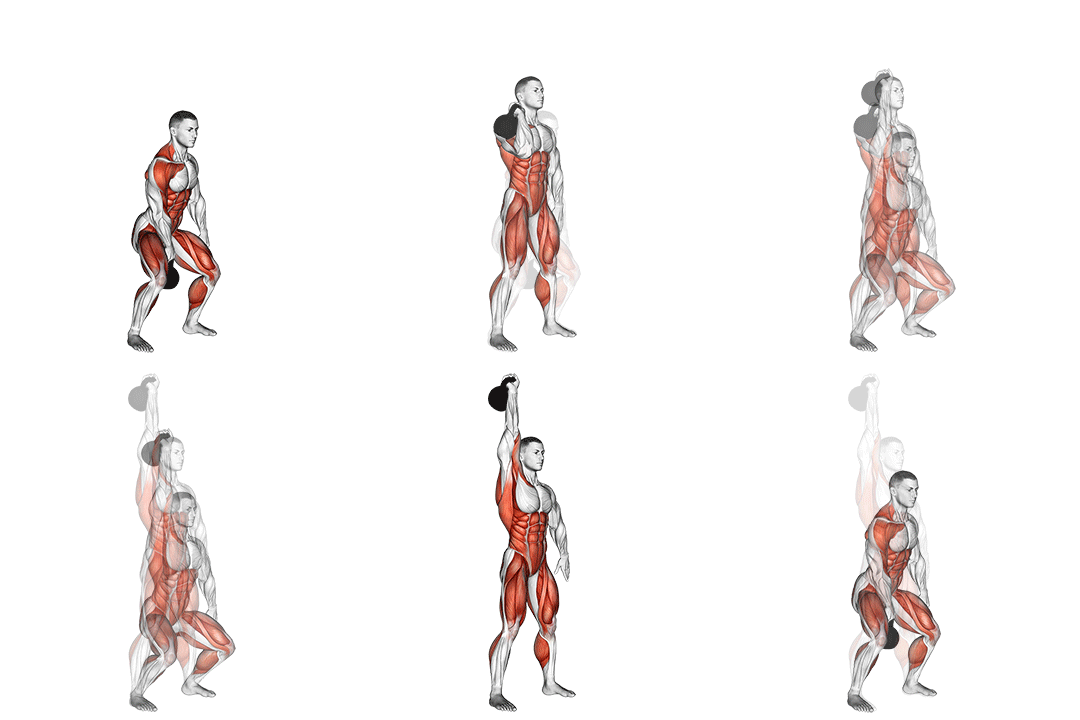
Visual Comparison
Overview
Kettlebell Double Push Press vs Kettlebell Thruster — you can use either to build stronger shoulders, but they load your body very differently. In this comparison you'll get clear technique cues, biomechanics-backed muscle activation differences, rep ranges (strength: 3–6, hypertrophy: 6–12, conditioning: 12+), and programming suggestions. I’ll show how each move transfers force from hips and legs to the delts, when to prioritize one over the other, and simple progressions you can use in a 3–4 day plan. By the end you’ll know which exercise suits your goal and how to perform it safely.
Key Differences
- Both exercises target the Delts using Kettlebell. The main differences are in their movement patterns and muscle activation angles.
Pros & Cons
Kettlebell Double Push Press
+ Pros
- Allows heavier overhead loading for shoulder and triceps strength
- Simpler motor pattern; faster to learn and cue
- Easy to program for low-rep strength work (3–6 reps)
- Less demanding on knee mobility and deep ankle dorsiflexion
− Cons
- Less total-body metabolic stimulus than the thruster
- Requires strict core bracing to avoid lumbar extension
- Can overload shoulders if technique breaks under heavier loads
Kettlebell Thruster
+ Pros
- Combines lower-body and shoulder work for time-efficient training
- Excellent for hypertrophy and conditioning in 8–15+ rep ranges
- Improves quad and glute strength via full squat mechanics
- Promotes coordinated hip-knee-shoulder power transfer
− Cons
- Harder to master due to deeper squat mechanics
- Requires good ankle, hip, and thoracic mobility to hit depth
- Higher cardiovascular and systemic fatigue at high volumes
When Each Exercise Wins
Thrusters create continuous tension across quads, glutes, and delts and let you use moderate loads for 8–15 reps, maximizing time under tension and metabolic stress for muscle growth.
Push presses let you overload the overhead portion with heavier kettlebells and low-rep sets (3–6), emphasizing maximal force production in the delts and triceps with less systemic fatigue.
The simpler dip-drive-press pattern is easier to teach and demands less squat mobility, so beginners can develop shoulder strength and bracing before adding full squat-to-press complexity.
Thrusters offer a full-body stimulus with one pair of kettlebells, saving time and equipment while delivering both strength and conditioning in the same movement.
Frequently Asked Questions
Can I do both Kettlebell Double Push Press and Kettlebell Thruster in the same workout?
Yes. Pair them smartly: do push presses early in the session for heavy, low-rep strength work (3–6 reps), then finish with thruster sets at higher reps (8–12) for hypertrophy and conditioning. Watch total volume to avoid shoulder and lower-back fatigue.
Which exercise is better for beginners?
The Double Push Press is generally better for beginners because it has a smaller range of motion and simpler timing. Teach proper rack position, a controlled 15–30° dip, and a tight core before progressing to thrusters.
How do the muscle activation patterns differ?
Thrusters use a deep eccentric squat that pre-stretches quads and glutes, then a triple-extension drives momentum into the press, so lower-body and shoulder activation are blended. Push presses use a short leg drive to preload the system, shifting peak deltoid activation to the press phase and increasing triceps demand.
Can Kettlebell Thruster replace Kettlebell Double Push Press?
Only if your goal is total-body conditioning or hypertrophy; thrusters give more quad and glute stimulus. If your priority is pure overhead strength or heavy pressing, keep push presses in the program rather than substituting them entirely.
Expert Verdict
Use the Kettlebell Double Push Press when your priority is overhead strength and cleaner shoulder loading—program it for 3–6 heavy reps or cluster sets and focus on a tight dip (15–30° knee flexion), explosive hip drive, and solid bracing. Choose the Kettlebell Thruster when you want a time-efficient total-body lift that builds quad/glute size and conditions your work capacity—aim for 8–15 reps per set, full squat to about 90° knee flexion, then drive into the press. Rotate both across a mesocycle: prioritize push presses for strength blocks and thrusters for hypertrophy or conditioning blocks.
Also Compare
More comparisons with Kettlebell Double Push Press
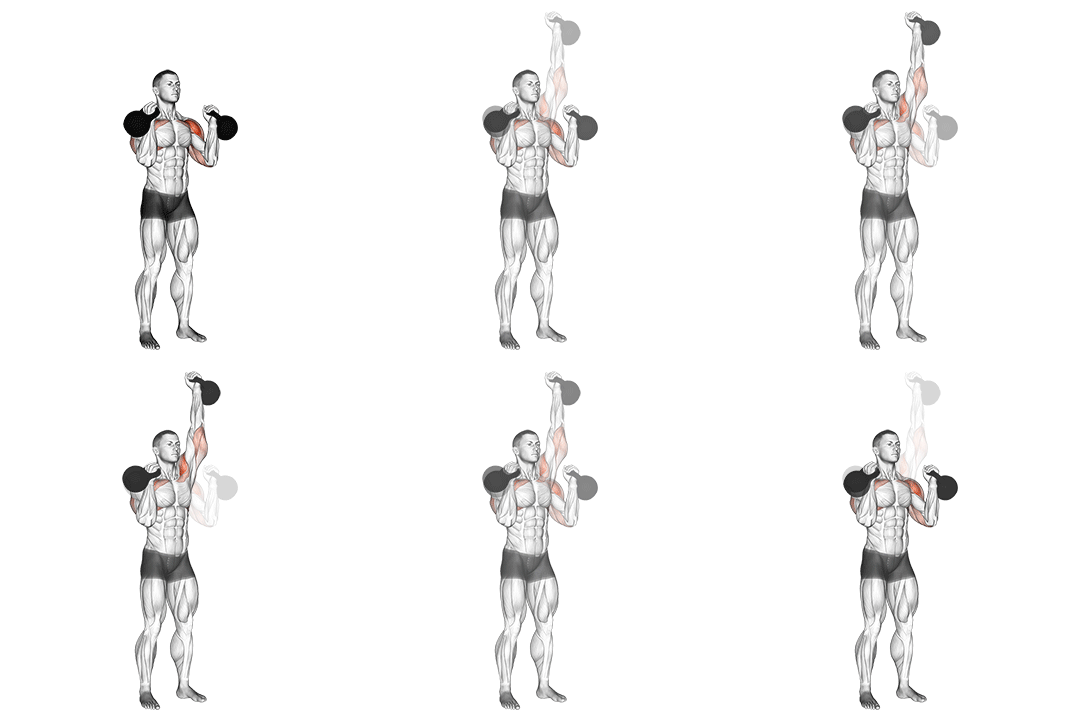
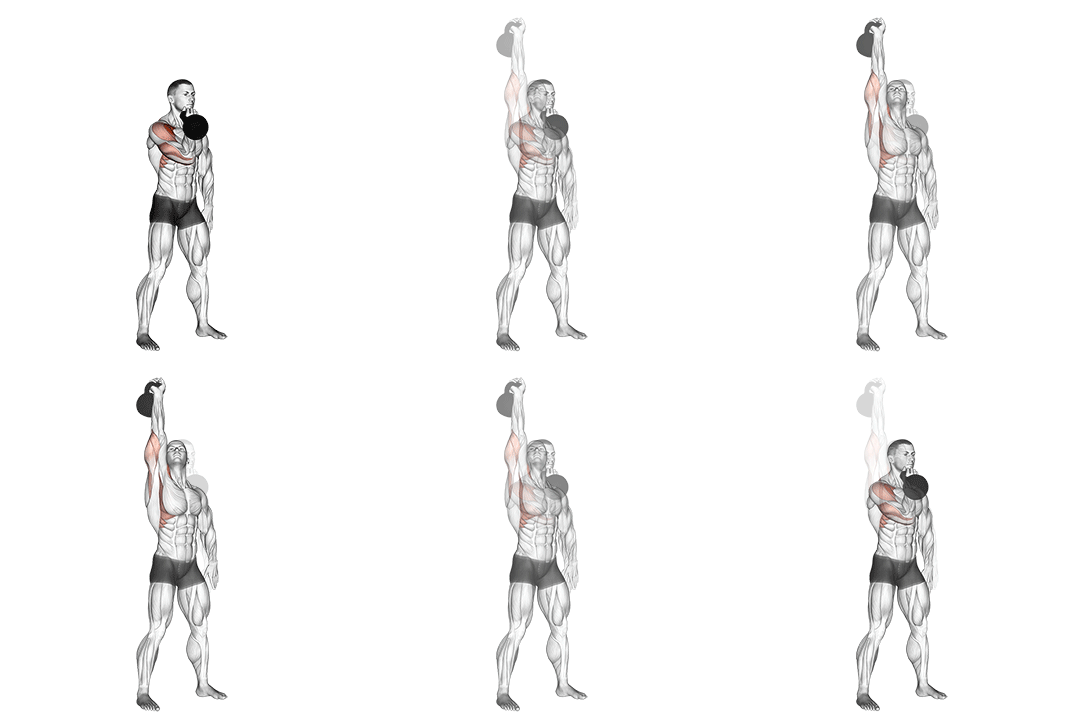
More comparisons with Kettlebell Thruster
Compare More Exercises
Use our free comparison tool to analyze any two exercises head-to-head.
Compare Exercises