

Kettlebell Double Snatch vs Kettlebell One Arm Clean And Jerk: Complete Comparison Guide
Kettlebell Double Snatch vs Kettlebell One Arm Clean And Jerk — two advanced kettlebell moves that hammer your delts but do it with different mechanics. You’ll learn how each exercise loads the shoulder, which secondary muscles take over, the equipment and space you need, and clear rep and progression recommendations. I’ll break down movement patterns, give specific technique cues (hip hinge angles, timing cues, and rep ranges), and show when to pick one exercise over the other based on muscle growth, strength, or conditioning goals.
Exercise Comparison
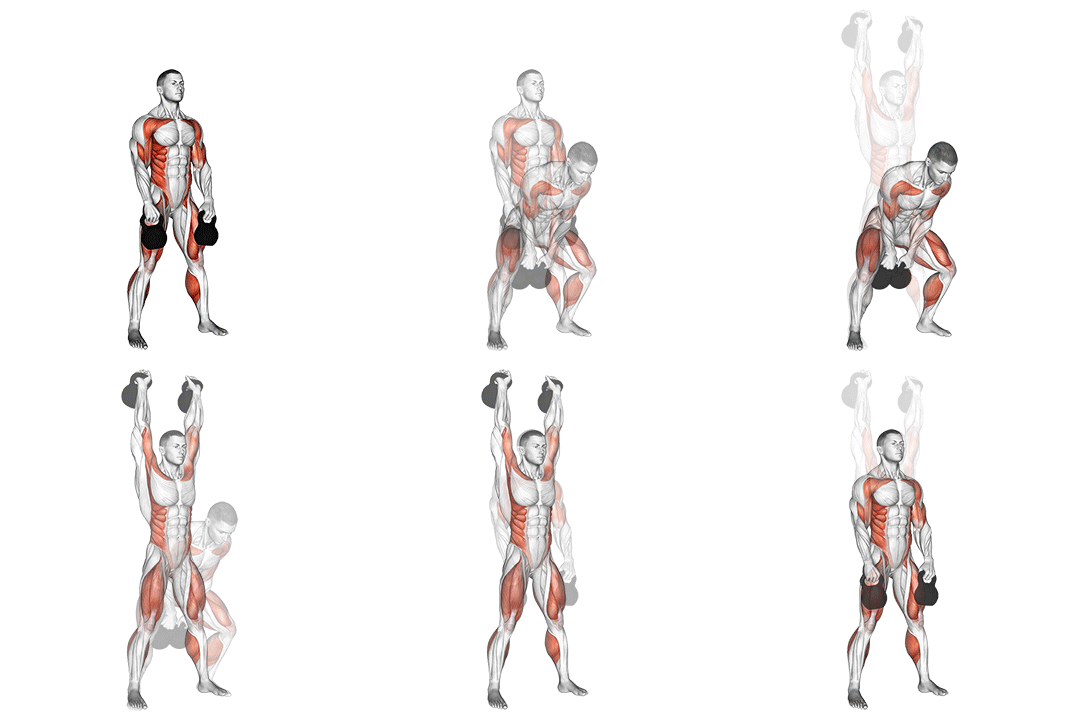
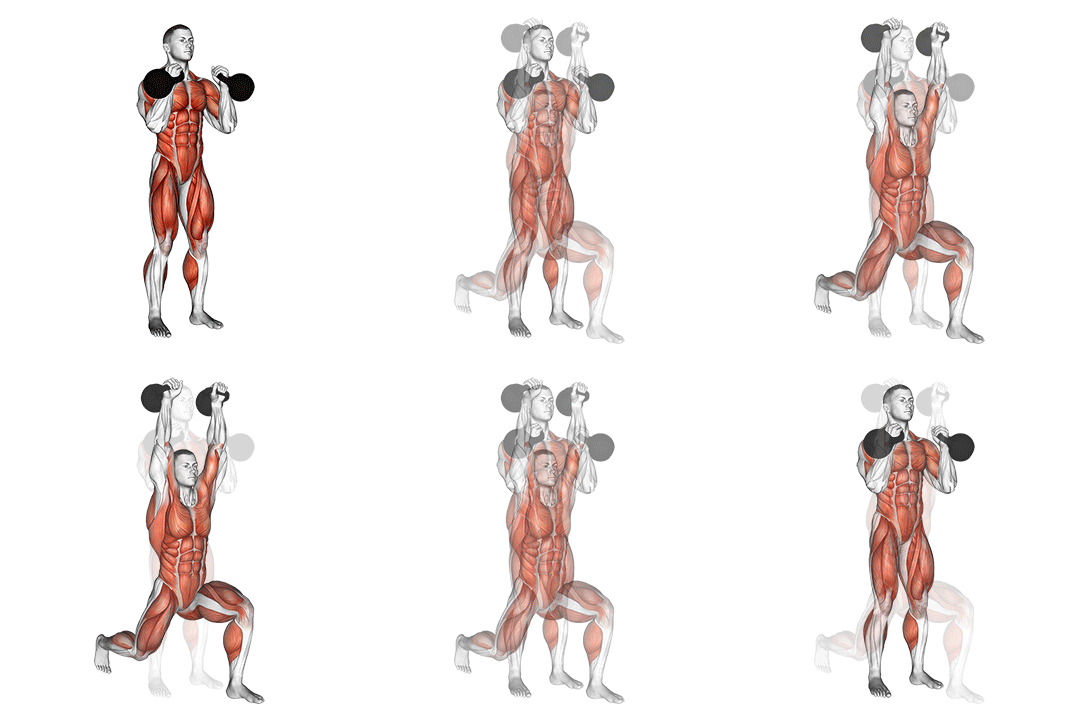
Kettlebell Double Snatch
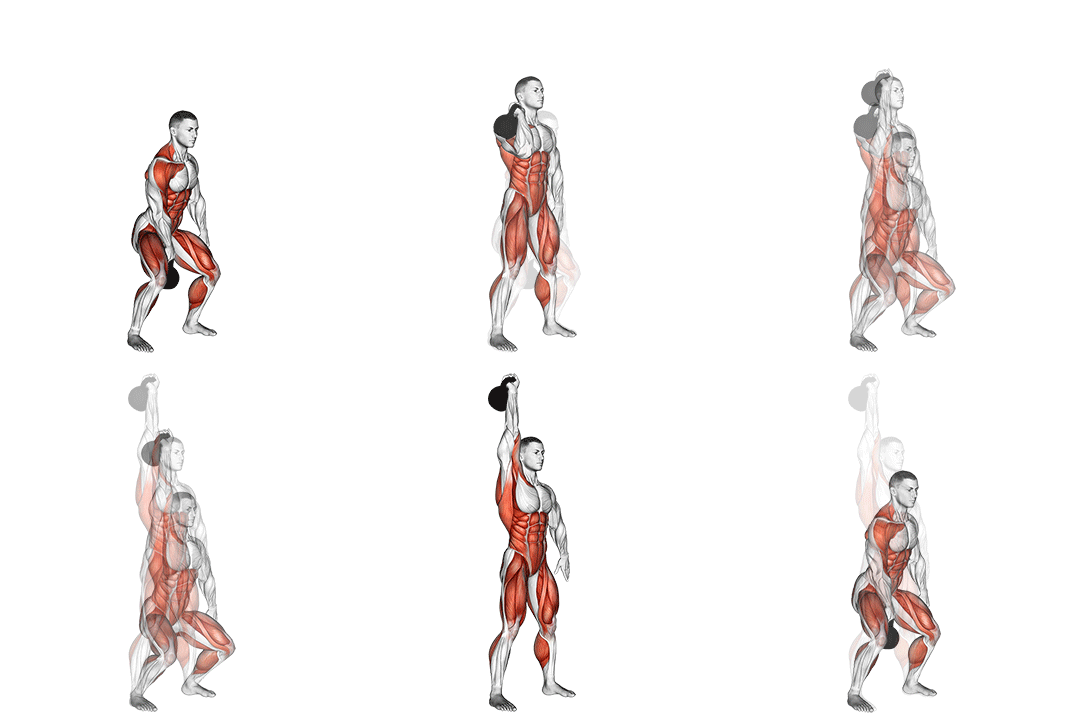
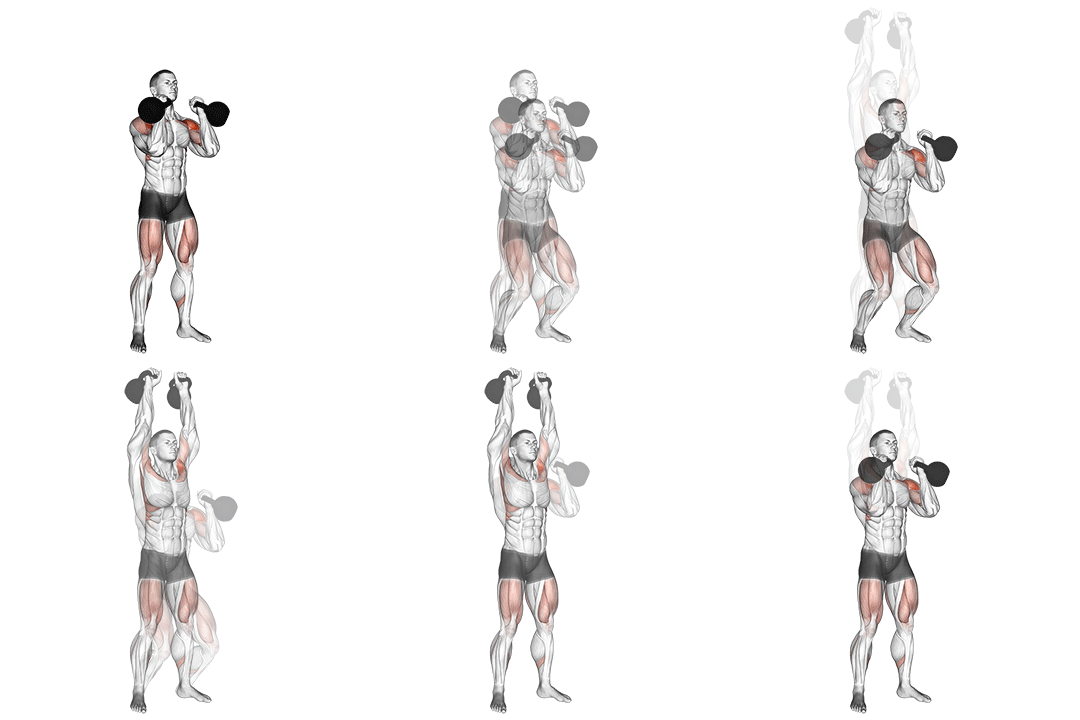
Kettlebell One Arm Clean And Jerk
Head-to-Head Comparison
| Attribute | Kettlebell Double Snatch | Kettlebell One Arm Clean And Jerk |
|---|---|---|
| Target Muscle |
Delts
|
Delts
|
| Body Part |
Shoulders
|
Shoulders
|
| Equipment |
Kettlebell
|
Kettlebell
|
| Difficulty |
Advanced
|
Advanced
|
| Movement Type |
Compound
|
Compound
|
| Secondary Muscles |
3
|
2
|
Secondary Muscles Activated
Kettlebell Double Snatch
Kettlebell One Arm Clean And Jerk
Visual Comparison
Overview
Kettlebell Double Snatch vs Kettlebell One Arm Clean And Jerk — two advanced kettlebell moves that hammer your delts but do it with different mechanics. You’ll learn how each exercise loads the shoulder, which secondary muscles take over, the equipment and space you need, and clear rep and progression recommendations. I’ll break down movement patterns, give specific technique cues (hip hinge angles, timing cues, and rep ranges), and show when to pick one exercise over the other based on muscle growth, strength, or conditioning goals.
Key Differences
- Both exercises target the Delts using Kettlebell. The main differences are in their movement patterns and muscle activation angles.
Pros & Cons
Kettlebell Double Snatch
+ Pros
- Excellent for developing explosive shoulder power and rate of force development
- Simultaneous bilateral loading improves symmetry and conditioning
- Strong trap and forearm recruitment improves upper-back strength and grip
- High metabolic demand — great for conditioning sets (8–20+ reps)
− Cons
- Requires two kettlebells and more overhead clearance
- Technically complex — timing and turnover are difficult to learn
- Higher cumulative shoulder and lower-back stress with frequent sets
Kettlebell One Arm Clean And Jerk
+ Pros
- Easier to scale with one kettlebell and progressive overload
- Builds unilateral shoulder strength and strong triceps lockout
- Better for heavy singles/doubles and strict strength work (3–6 reps)
- Unilateral core challenge improves anti-rotation stability
− Cons
- Places concentrated stress on one shoulder and elbow during jerks
- Less conditioning capacity per set compared to double snatch
- Requires strong rack position and wrist mobility for efficient cleans
When Each Exercise Wins
The clean-and-jerk lets you load each deltoid with heavier absolute weight and control eccentric phases, producing more mechanical tension for hypertrophy. Target 6–12 reps or controlled tempo sets to emphasize time under tension.
Single-arm cleans allow heavier singles and doubles with clear progression and overload on the press and jerk, improving shoulder and triceps strength through 3–6 rep work and overloaded negatives.
Although both are advanced, the clean and jerk breaks into teachable phases (deadlift–clean–press/jerk) so you can practice the rack and press separately. Progress gradually before combining phases.
Needing only one kettlebell and minimal space makes the one-arm clean and jerk ideal for home use, while still providing strength and core stimulus without requiring two bells or high ceiling clearance.
Frequently Asked Questions
Can I do both Kettlebell Double Snatch and Kettlebell One Arm Clean And Jerk in the same workout?
Yes — but sequence matters. Do technical, high-skill work like snatches early in the session when fresh to protect form, then use single-arm clean-and-jerk sets for heavier strength work. Limit total volume to avoid shoulder overload (e.g., 3–5 snatch sets plus 3 clean-and-jerk sets).
Which exercise is better for beginners?
Neither is beginner-level, but the one-arm clean and jerk is easier to teach because you can separate clean and jerk drills and scale load. Start with hip-hinge, rack holds, and strict presses before combining into full cleans and jerks.
How do the muscle activation patterns differ?
The double snatch produces short, high-frequency activation bursts as you transfer hip power into a rapid shoulder elevation and turnover, emphasizing traps and forearms for the high pull. The clean-and-jerk features a deceleration/catch in the rack (isometric control) followed by concentric shoulder/triceps work during the jerk, increasing triceps and unilateral core activation.
Can Kettlebell One Arm Clean And Jerk replace Kettlebell Double Snatch?
Yes for strength and hypertrophy goals — the one-arm clean and jerk is a versatile substitute that scales easily. For power, conditioning, and explosive rate-of-force development, keep the double snatch in your toolbox instead of replacing it entirely.
Expert Verdict
If you want explosive shoulder power, conditioning, and high-rate force development, pick the Kettlebell Double Snatch and program it for power sets (3–6 explosive reps per set or 8–20 for conditioning) with strict attention to hip drive and turnover. If your goal is raw shoulder strength, unilateral control, and progressive overload, choose the Kettlebell One Arm Clean And Jerk — work in 3–6 heavy reps for strength or 6–12 controlled reps for hypertrophy. Use mobility work (thoracic extension, 90/90 shoulder rotations) and core bracing cues for both. Be decisive: double snatch when you want power and conditioning; one-arm clean and jerk when you want strength and scalable load.
Also Compare
More comparisons with Kettlebell Double Snatch
More comparisons with Kettlebell One Arm Clean And Jerk
Compare More Exercises
Use our free comparison tool to analyze any two exercises head-to-head.
Compare Exercises