

Left Hook. Boxing vs Pull-up: Complete Comparison Guide
Left Hook. Boxing vs Pull-up — which one should you add to your routine? You’ll get a direct comparison of muscle targets, biomechanics, technique cues, progression options, and injury risk so you can pick based on your goals. I’ll show how each move loads the shoulder girdle, how the torso and hips transfer force, recommended rep ranges (for strength and hypertrophy), and simple drills to improve skill and safety. Read on so you can choose the drill that matches your goal: shoulder power/endurance or vertical pulling strength and back muscle growth.
Exercise Comparison
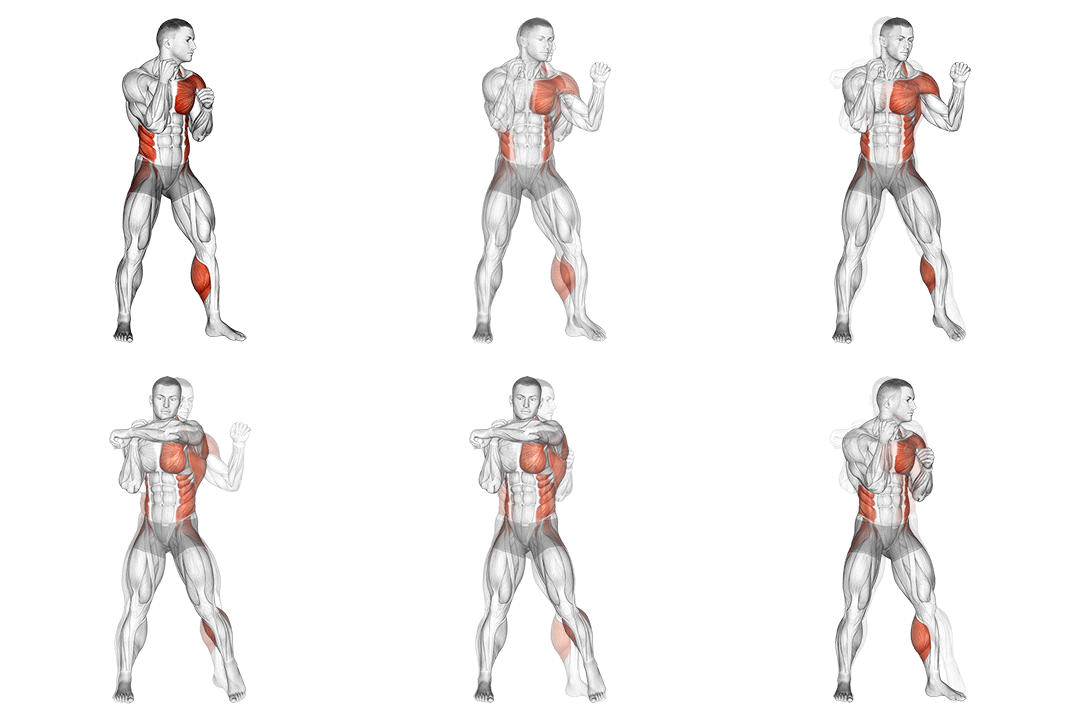
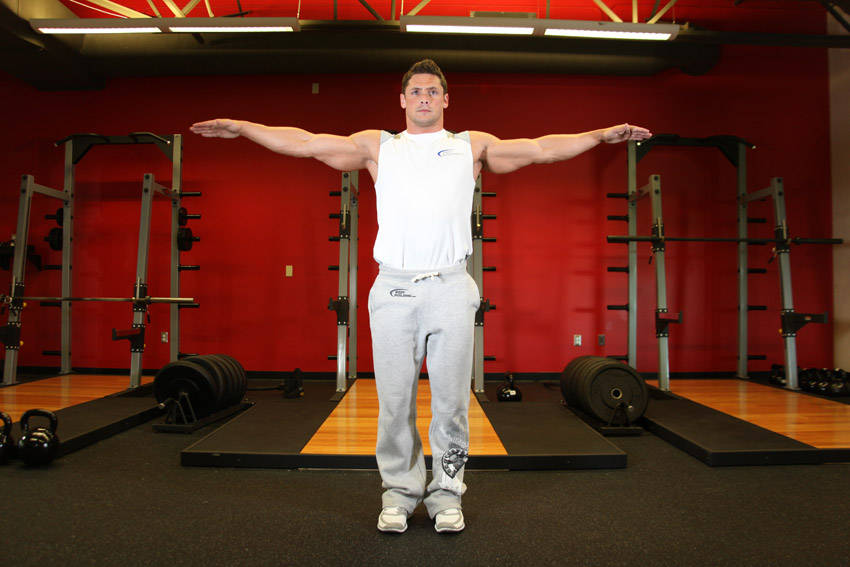
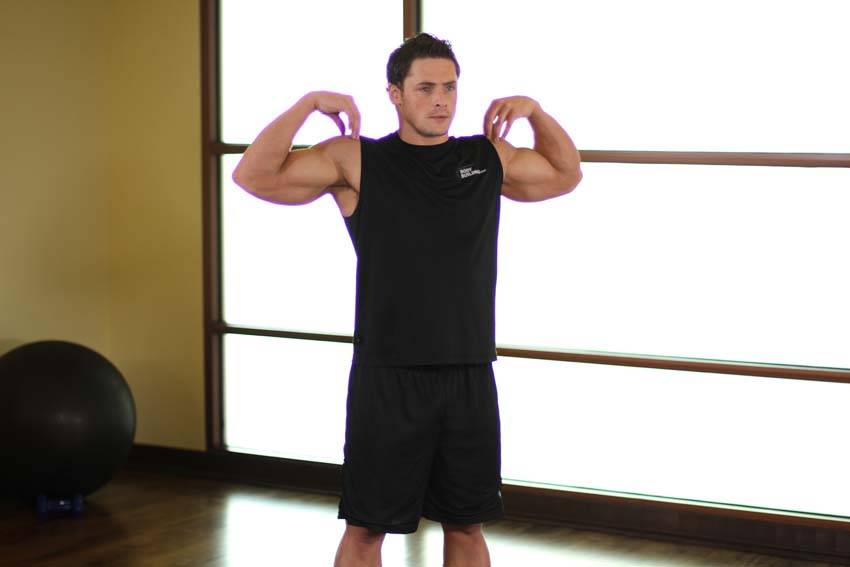
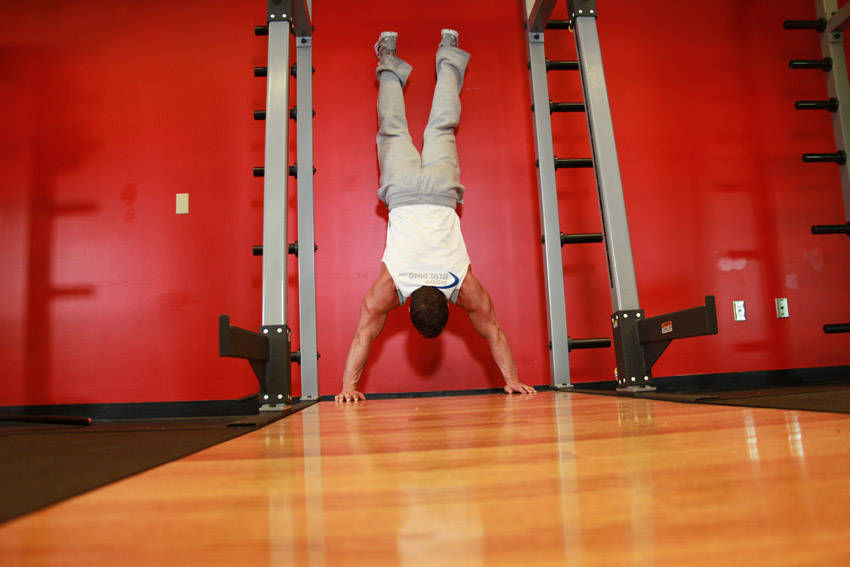
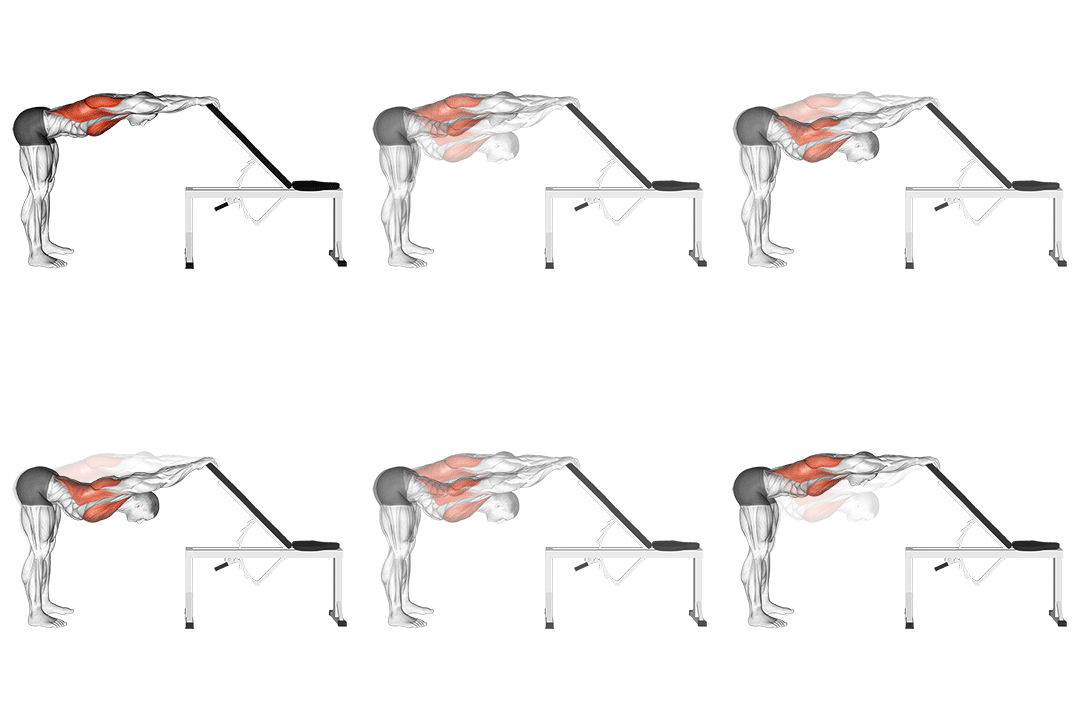
Left Hook. Boxing
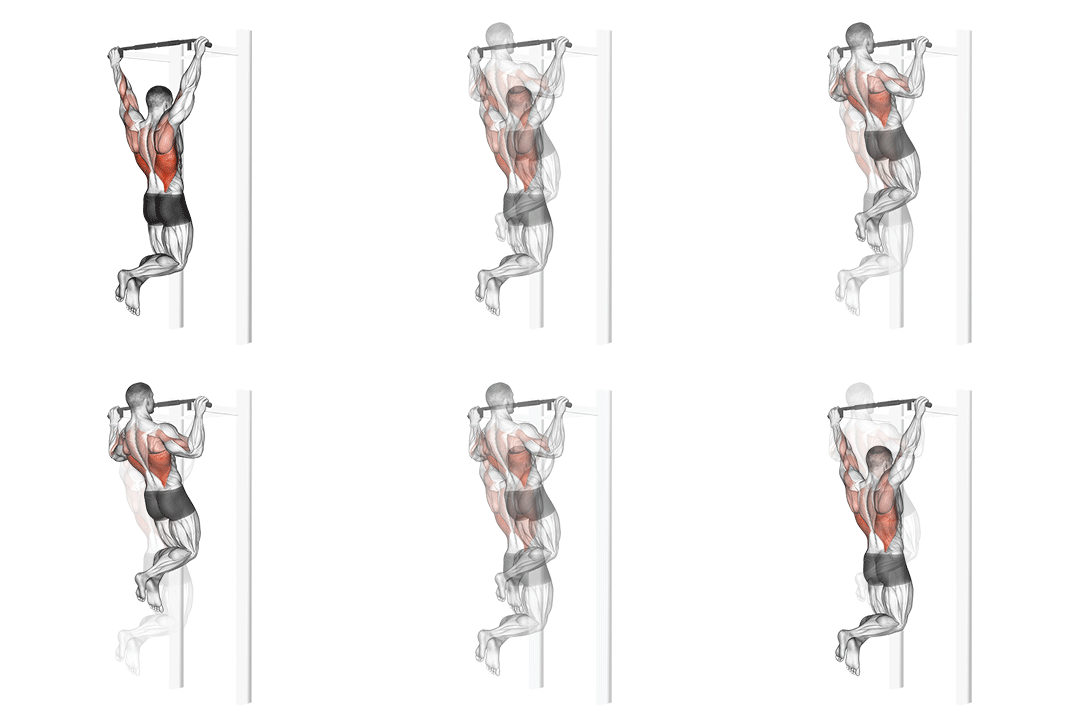
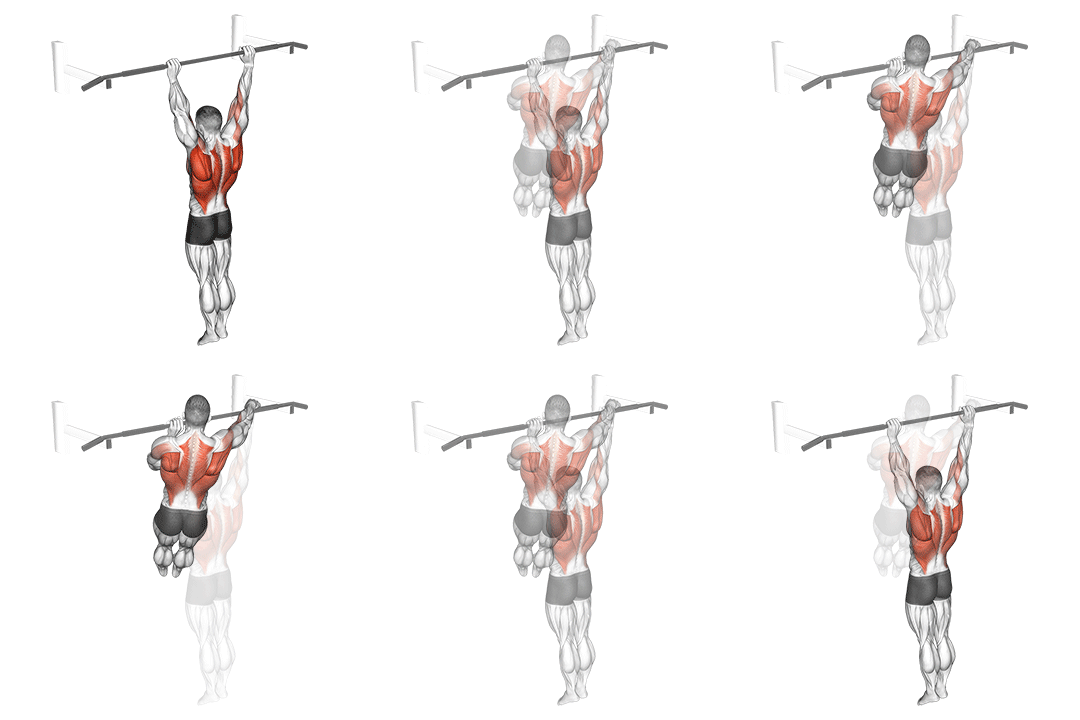
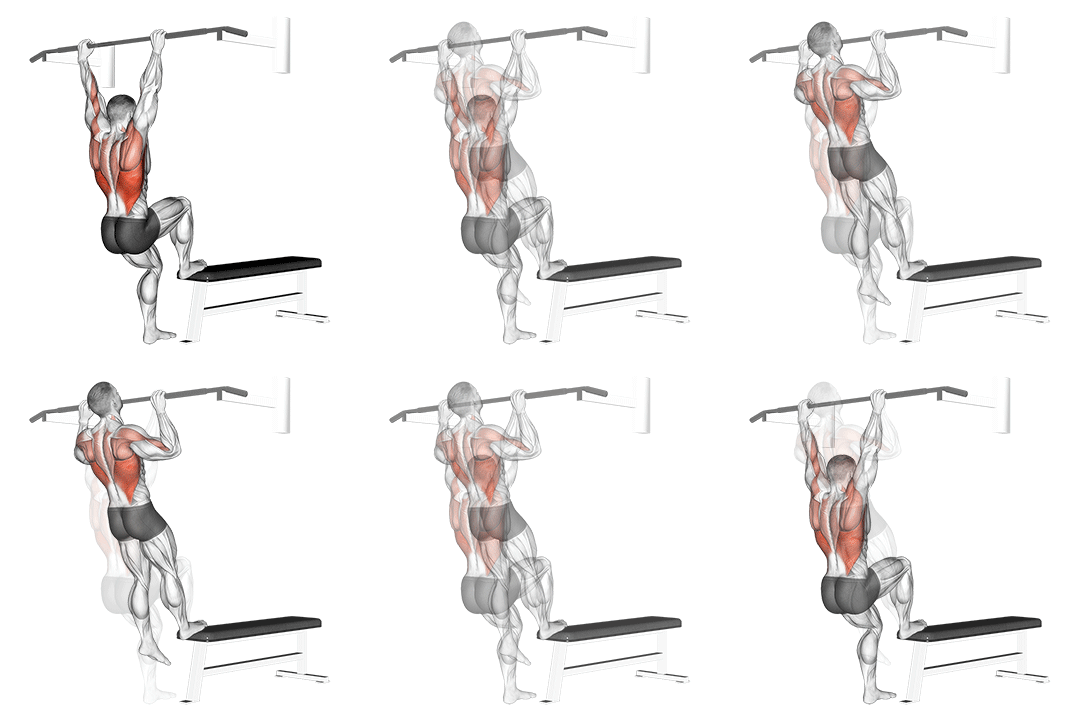
Pull-up
Head-to-Head Comparison
| Attribute | Left Hook. Boxing | Pull-up |
|---|---|---|
| Target Muscle |
Delts
|
Lats
|
| Body Part |
Shoulders
|
Back
|
| Equipment |
Body-weight
|
Body-weight
|
| Difficulty |
Intermediate
|
Advanced
|
| Movement Type |
Compound
|
Compound
|
| Secondary Muscles |
3
|
2
|
Secondary Muscles Activated
Left Hook. Boxing
Pull-up
Visual Comparison
Overview
Left Hook. Boxing vs Pull-up — which one should you add to your routine? You’ll get a direct comparison of muscle targets, biomechanics, technique cues, progression options, and injury risk so you can pick based on your goals. I’ll show how each move loads the shoulder girdle, how the torso and hips transfer force, recommended rep ranges (for strength and hypertrophy), and simple drills to improve skill and safety. Read on so you can choose the drill that matches your goal: shoulder power/endurance or vertical pulling strength and back muscle growth.
Key Differences
- Left Hook. Boxing primarily targets the Delts, while Pull-up focuses on the Lats.
- Difficulty levels differ: Left Hook. Boxing is intermediate, while Pull-up is advanced.
Pros & Cons
Left Hook. Boxing
+ Pros
- Trains shoulder power and transverse-plane strength with hip-to-shoulder kinetic chain
- No equipment required—easy to practice anywhere
- Improves timing, coordination, and rotational core strength
- Low-external-load option for high-rep endurance and conditioning (30–60s rounds)
− Cons
- Limited progressive overload for targeted muscle hypertrophy
- Higher acute risk when striking hard surfaces with poor wrist or shoulder alignment
- Less direct development of the lats and vertical pulling strength
Pull-up
+ Pros
- Direct, scalable overload for lats and upper-back strength (add weight for 1–5RM work)
- Clear progression ladder (bands → negatives → full → weighted)
- Strong carryover to pulling strength and posture via scapular control
- Multiple grip variations to emphasize different fibers (wide, neutral, supinated)
− Cons
- Requires a bar or rings—less accessible for some home setups
- Can cause shoulder impingement or elbow tendon stress if performed with poor scapular mechanics
- Harder for true beginners without regressions or assistance
When Each Exercise Wins
Pull-ups allow progressive overload (weighted vests, plates) and controlled tempo work to create time under tension across a 6–12 rep range, which is ideal for muscle growth. The vertical pulling vector targets the lats and upper back in a way the hook cannot be easily matched for hypertrophy.
Pull-ups scale well for maximal strength—use 1–5 reps with added weight and slow eccentrics to increase force capacity. They produce a large internal moment arm for humeral extension, directly building pulling strength through full ROM.
Left Hook. Boxing is easier to practice without heavy strength demands and teaches coordination, hip drive, and shoulder control quickly. You can build conditioning and technique with shadow drills and light bag work before adding load.
No bar required—shadow boxing, mitt work, or a makeshift bag give you immediate training options. Pull-ups need a safe anchor point, which may not be available in many homes.
Frequently Asked Questions
Can I do both Left Hook. Boxing and Pull-up in the same workout?
Yes. Start with pull-ups while you’re fresh if your priority is strength (3–6 heavy reps or 6–12 for hypertrophy), then finish with boxing drills—3–5 rounds of 30–60 seconds—for power and conditioning. Separate high-skill heavy sets from high-speed punching to avoid fatigue interfering with technique.
Which exercise is better for beginners?
Left Hook. Boxing is more beginner-friendly for general fitness because you can practice technique and conditioning without needing high relative strength. Pull-ups are advanced; beginners should use band assistance, negatives, and scapular pull drills before full reps.
How do the muscle activation patterns differ?
Pull-ups activate the lats through a vertical humeral extension/adduction pattern with scapular retraction followed by elbow flexion. The left hook produces a transverse-plane internal rotation and horizontal adduction pattern, spiking anterior/lateral deltoid activity during the acceleration phase and relying on the rotator cuff during deceleration.
Can Pull-up replace Left Hook. Boxing?
No—if your goal is shoulder rotational power, timing, and hip-to-shoulder transfer, pull-ups won’t replicate the transverse-plane demands of a hook. Pull-ups can replace the strength component but not the sport-specific power and coordination benefits of boxing drills.
Expert Verdict
Choose Left Hook. Boxing when your primary goal is shoulder power, rotational core development, conditioning, or you need an equipment-free option. It trains the delts in a transverse-plane, explosive pattern and improves coordination and hip-to-shoulder transfer. Choose Pull-up when you prioritize lats, upper-back hypertrophy, and pure pulling strength; pull-ups allow progressive loading with bands, negatives, and added weight and respond well to 3–6 rep strength blocks or 6–12 rep hypertrophy phases. For a balanced program, pair both: use pull-ups as the backbone for back and pulling strength and integrate punches and rotational throws for shoulder power and athletic transfer.
Also Compare
More comparisons with Left Hook. Boxing
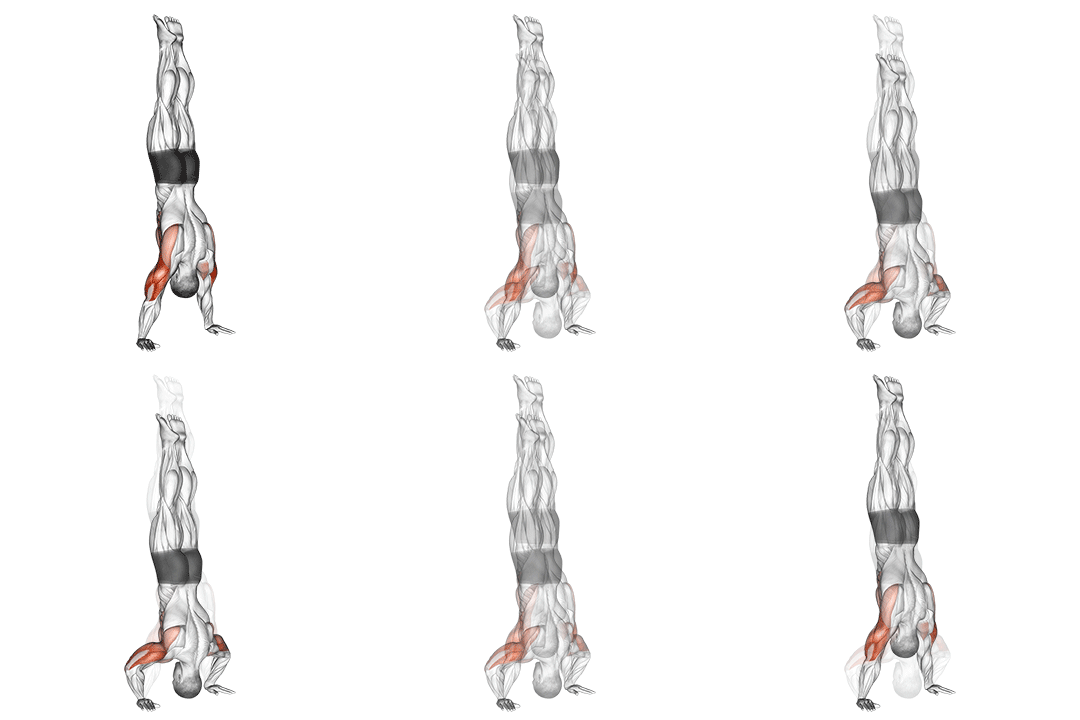
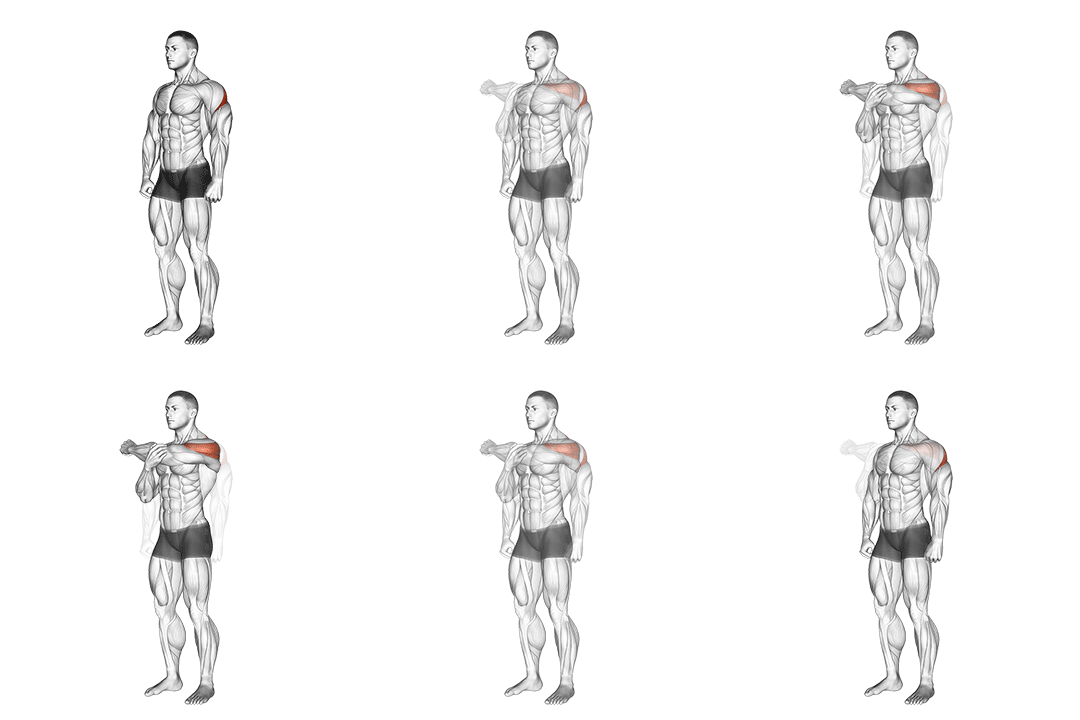
Compare More Exercises
Use our free comparison tool to analyze any two exercises head-to-head.
Compare Exercises