

Lever Alternating Narrow Grip Seated Row vs Two-Arm Kettlebell Row: Complete Comparison Guide
Lever Alternating Narrow Grip Seated Row vs Two-Arm Kettlebell Row — if you want a tougher middle-back workout, you need to pick the right tool. In this comparison I’ll walk you through muscle activation, equipment needs, learning curve, progression strategies, and injury risk so you can choose the best row for your goals. You’ll get clear technique cues, rep ranges for hypertrophy and strength, and practical scenarios showing which exercise to use in a program.
Exercise Comparison
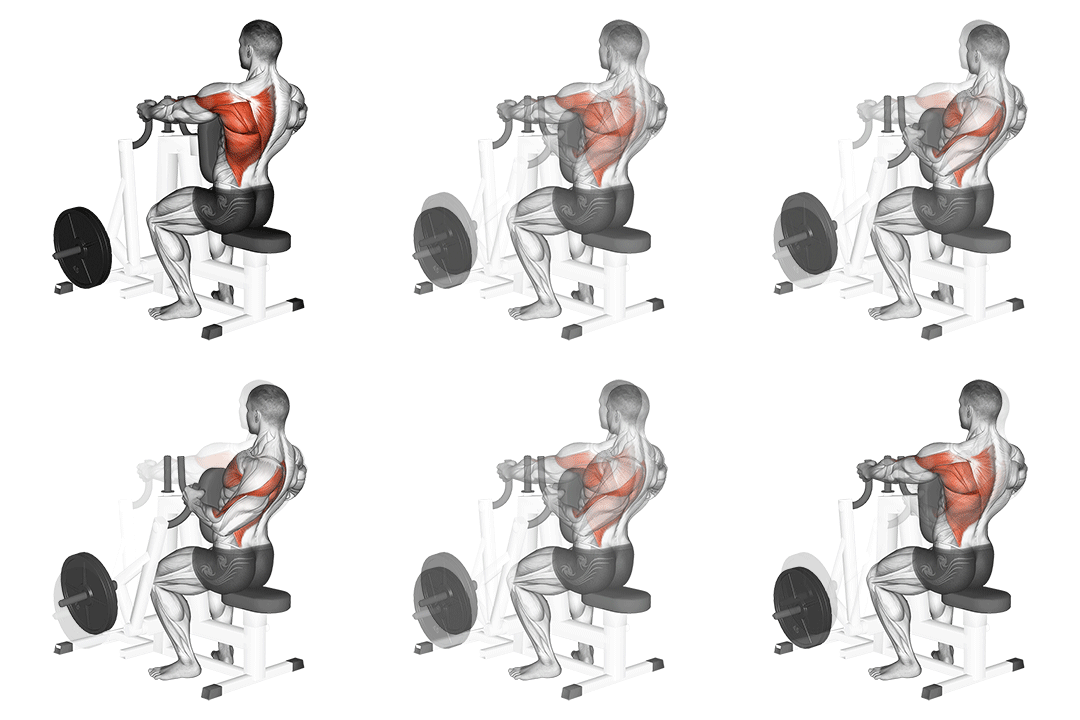
Lever Alternating Narrow Grip Seated Row
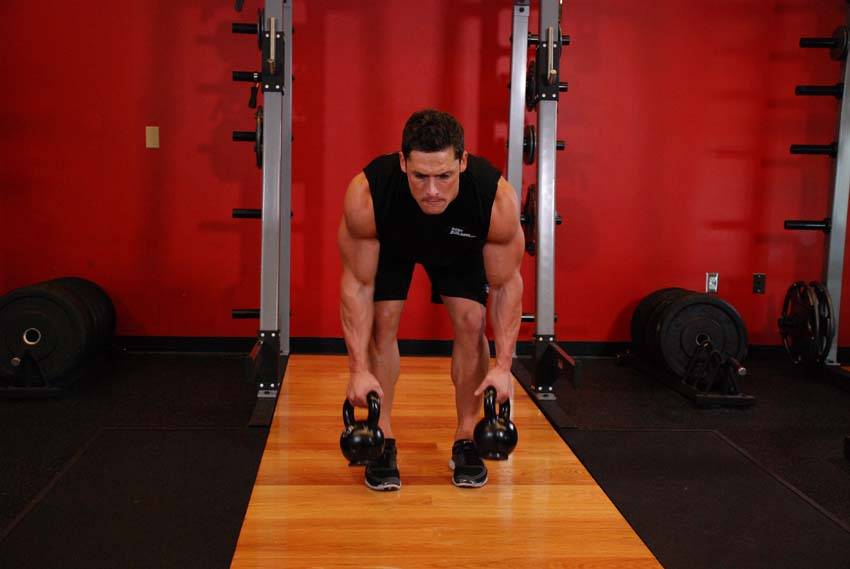
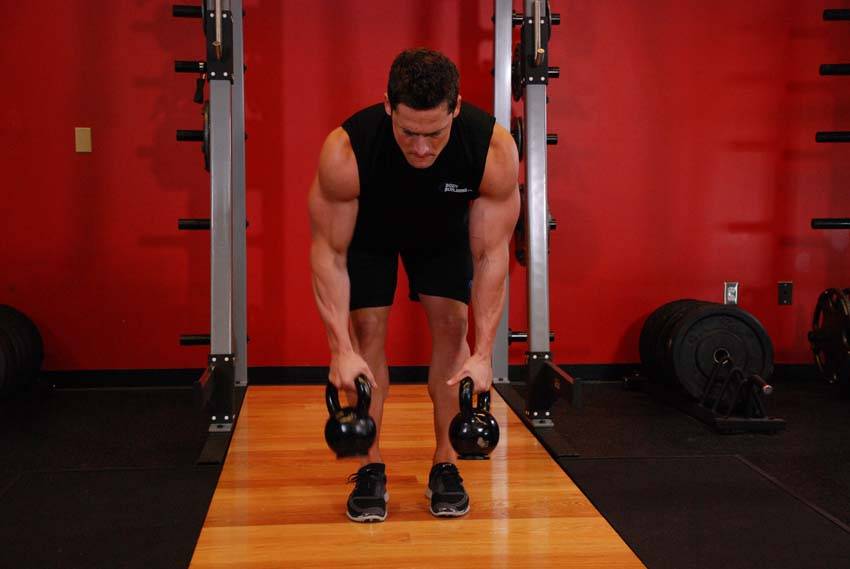
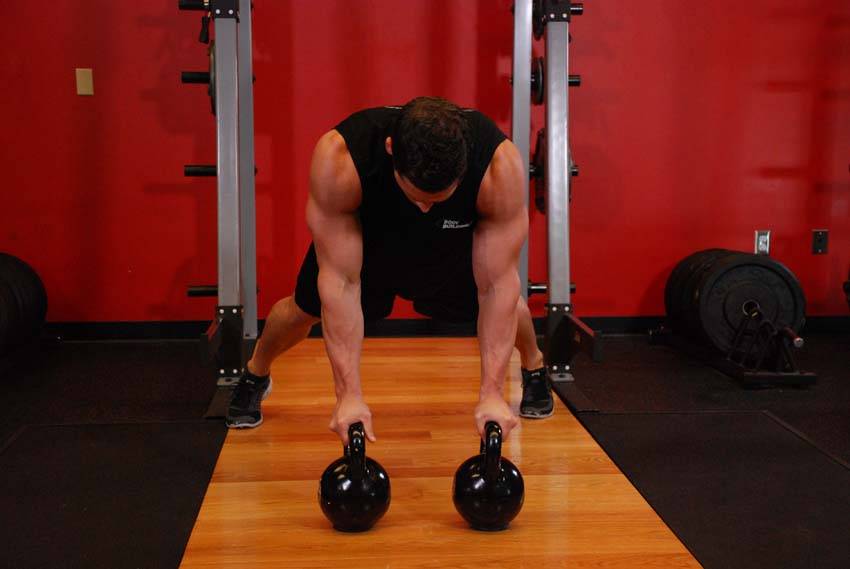
Two-arm Kettlebell Row
Head-to-Head Comparison
| Attribute | Lever Alternating Narrow Grip Seated Row | Two-arm Kettlebell Row |
|---|---|---|
| Target Muscle |
Middle-back
|
Middle-back
|
| Body Part |
Back
|
Back
|
| Equipment |
Lever
|
Kettlebell
|
| Difficulty |
Intermediate
|
Intermediate
|
| Movement Type |
Compound
|
Compound
|
| Secondary Muscles |
2
|
2
|
Secondary Muscles Activated
Lever Alternating Narrow Grip Seated Row
Two-arm Kettlebell Row
Visual Comparison
Overview
Lever Alternating Narrow Grip Seated Row vs Two-Arm Kettlebell Row — if you want a tougher middle-back workout, you need to pick the right tool. In this comparison I’ll walk you through muscle activation, equipment needs, learning curve, progression strategies, and injury risk so you can choose the best row for your goals. You’ll get clear technique cues, rep ranges for hypertrophy and strength, and practical scenarios showing which exercise to use in a program.
Key Differences
- Equipment differs: Lever Alternating Narrow Grip Seated Row uses Lever, while Two-arm Kettlebell Row requires Kettlebell.
Pros & Cons
Lever Alternating Narrow Grip Seated Row
+ Pros
- Stable chest support reduces lumbar shear and lets you load the mid-back safely
- Fixed path enforces consistent horizontal pull, improving mid-trap and rhomboid focus
- Fine incremental loading via weight stacks or small plate increases
- Better for strict tempo and time-under-tension work (e.g., 6–12 reps, 2–3s concentric, 2–4s eccentric)
− Cons
- Requires gym access and specific lever machine
- Less core and stabilization challenge compared with free-weight rows
- Handles and machine geometry may limit natural scapular motion for some lifters
Two-arm Kettlebell Row
+ Pros
- Highly accessible for home use with a single kettlebell
- Increases lat contribution and anti-rotation core demand due to torso angle
- Improves functional strength and coordination with a natural hip-hinge pattern
- Versatile—easy to vary angle, tempo, and unilateral work to target weak points
− Cons
- Requires solid hip-hinge and core bracing to protect the lower back
- Progression can be jumpy due to limited kettlebell sizes
- Grip and forearm fatigue may limit sets before middle-back is fully taxed
When Each Exercise Wins
The lever row lets you maintain constant mid-back tension with a pure horizontal pull and controlled tempo, ideal for 6–12 rep ranges and 30–60 seconds total time under tension per set. Its machine support lets you use strict form to maximize rhomboid and mid-trap hypertrophy.
For raw horizontal pulling strength, the lever row enables smaller incremental loading and safer heavy sets (4–6 reps) because it reduces lower-back involvement and lets you push heavier without technique breakdown.
Machines guide the path and limit compensatory movement, making it easier for beginners to learn scapular retraction and elbow control before progressing to free-weight rows that demand hip-hinge mechanics.
Kettlebells are portable and affordable for home use; the row builds middle-back and lats while also training core stability, making it the better option when you lack gym machines.
Frequently Asked Questions
What is the difference between Lever Alternating Narrow Grip Seated Row and Two-arm Kettlebell Row?
Lever Alternating Narrow Grip Seated Row primarily targets the Middle-back, while Two-arm Kettlebell Row focuses on the Middle-back. They also differ in equipment requirements: Lever Alternating Narrow Grip Seated Row uses Lever, while Two-arm Kettlebell Row requires Kettlebell.
Which is better: Lever Alternating Narrow Grip Seated Row or Two-arm Kettlebell Row?
Neither exercise is universally better - it depends on your goals. Choose Lever Alternating Narrow Grip Seated Row to emphasize the Middle-back. Choose Two-arm Kettlebell Row for focus on the Middle-back. Many training programs include both for balanced development.
Can I do Lever Alternating Narrow Grip Seated Row and Two-arm Kettlebell Row in the same workout?
Yes, you can perform both exercises in the same workout. Since they target the same muscle group (Middle-back), consider spacing them apart or doing them on different days for optimal recovery.
Which exercise is harder: Lever Alternating Narrow Grip Seated Row or Two-arm Kettlebell Row?
Lever Alternating Narrow Grip Seated Row is rated as intermediate difficulty, while Two-arm Kettlebell Row is intermediate. Both exercises have similar difficulty levels.
Expert Verdict
If your primary goal is controlled middle-back development and steady progressive overload, the Lever Alternating Narrow Grip Seated Row is the clearer choice. The machine’s chest support and horizontal line-of-pull let you target rhomboids and mid-trapezius with precise tempo and incremental loading. If you train at home, want more lat involvement, or prioritize core anti-rotation and functional strength, choose the Two-Arm Kettlebell Row and focus on a solid hip hinge with a 30–45° torso angle. For most lifters, use the lever row for focused mid-back work in the gym and the kettlebell row to add variety, carryover, and core demand.
Also Compare
More comparisons with Lever Alternating Narrow Grip Seated Row
More comparisons with Two-arm Kettlebell Row
Compare More Exercises
Use our free comparison tool to analyze any two exercises head-to-head.
Compare Exercises