

Lever Assisted Chin-up vs Lever Bent-over Row With V-bar: Complete Comparison Guide
Lever Assisted Chin-up vs Lever Bent-over Row With V-bar — you're weighing two lever-based back moves that both hit the lats but do so differently. I’ll walk you through muscle activation, joint angles, equipment needs, difficulty, and when to pick each for hypertrophy or strength. Expect specific technique cues (scapular set, elbow path, torso angle), rep ranges (6-12 for growth, 3-6 for strength), and practical progressions you can use this week. Read on to decide which exercise matches your experience level, training frequency, and available gear.
Exercise Comparison
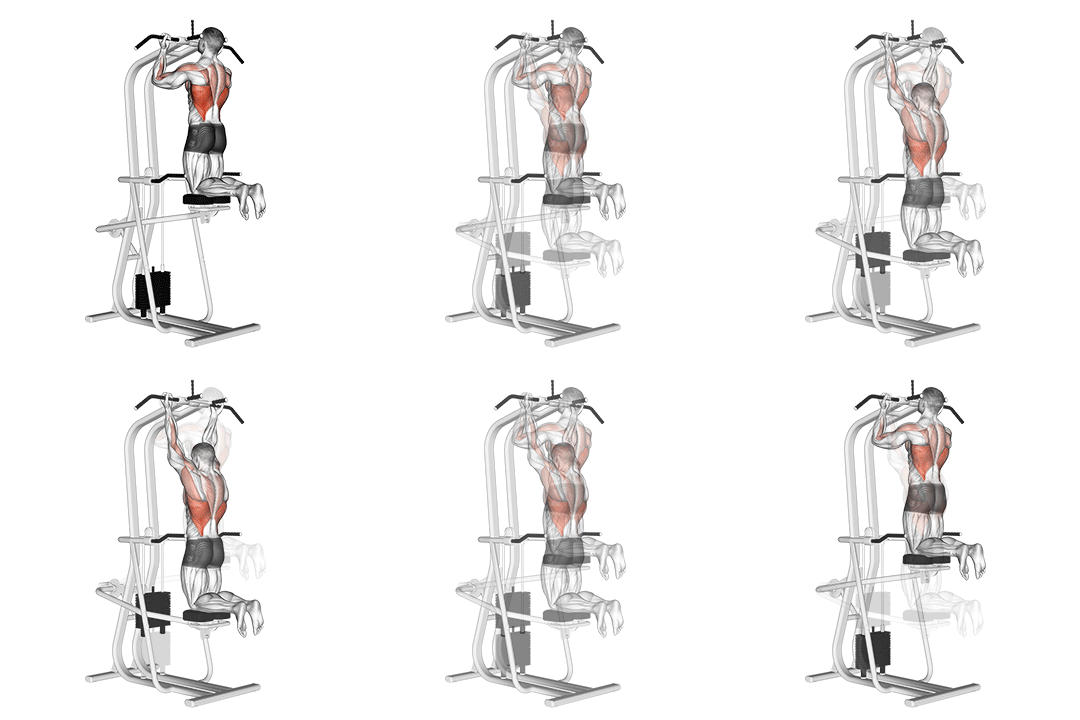
Lever Assisted Chin-up
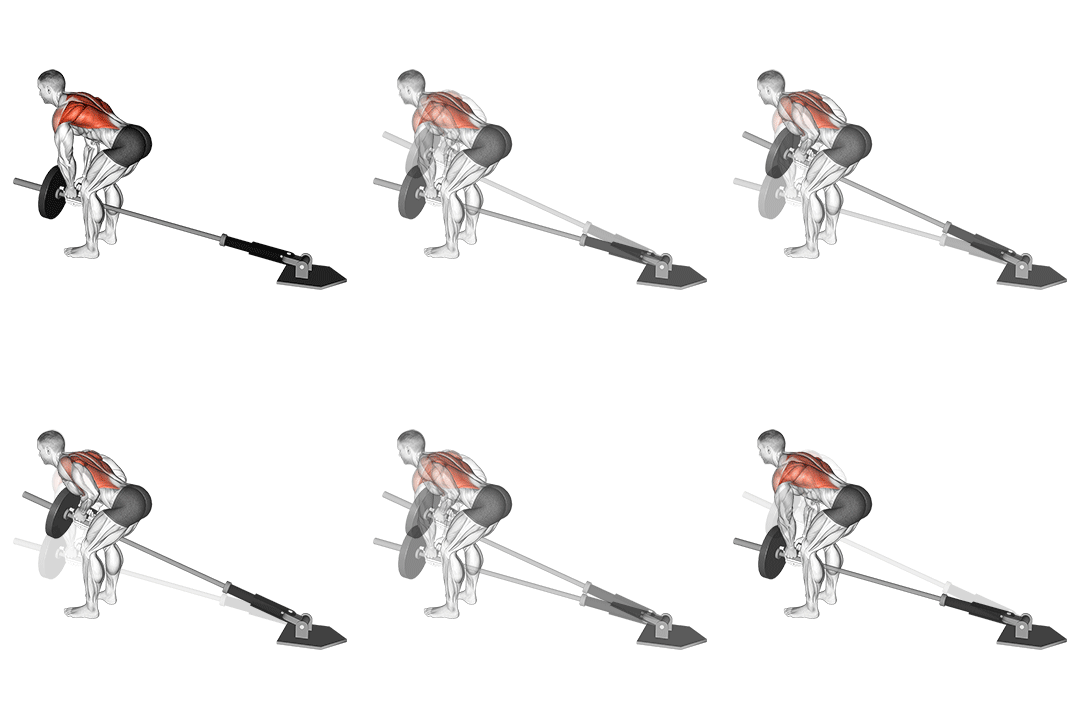
Lever Bent-over Row With V-bar
Head-to-Head Comparison
| Attribute | Lever Assisted Chin-up | Lever Bent-over Row With V-bar |
|---|---|---|
| Target Muscle |
Lats
|
Lats
|
| Body Part |
Back
|
Back
|
| Equipment |
Lever
|
Lever
|
| Difficulty |
Beginner
|
Intermediate
|
| Movement Type |
Compound
|
Compound
|
| Secondary Muscles |
2
|
2
|
Secondary Muscles Activated
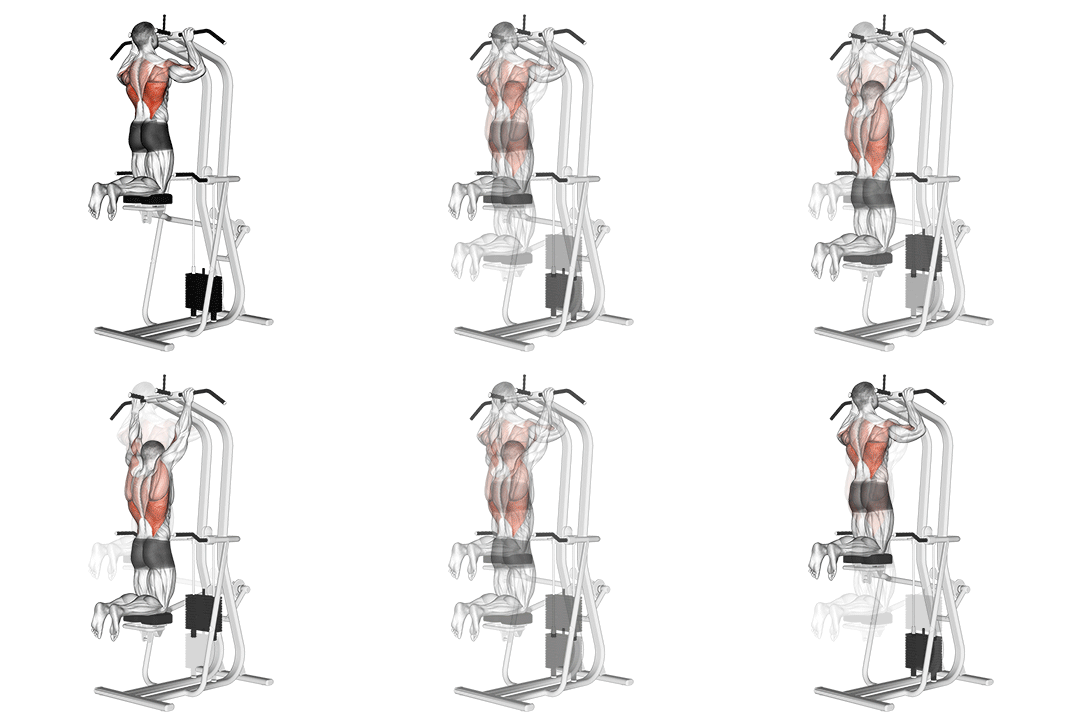
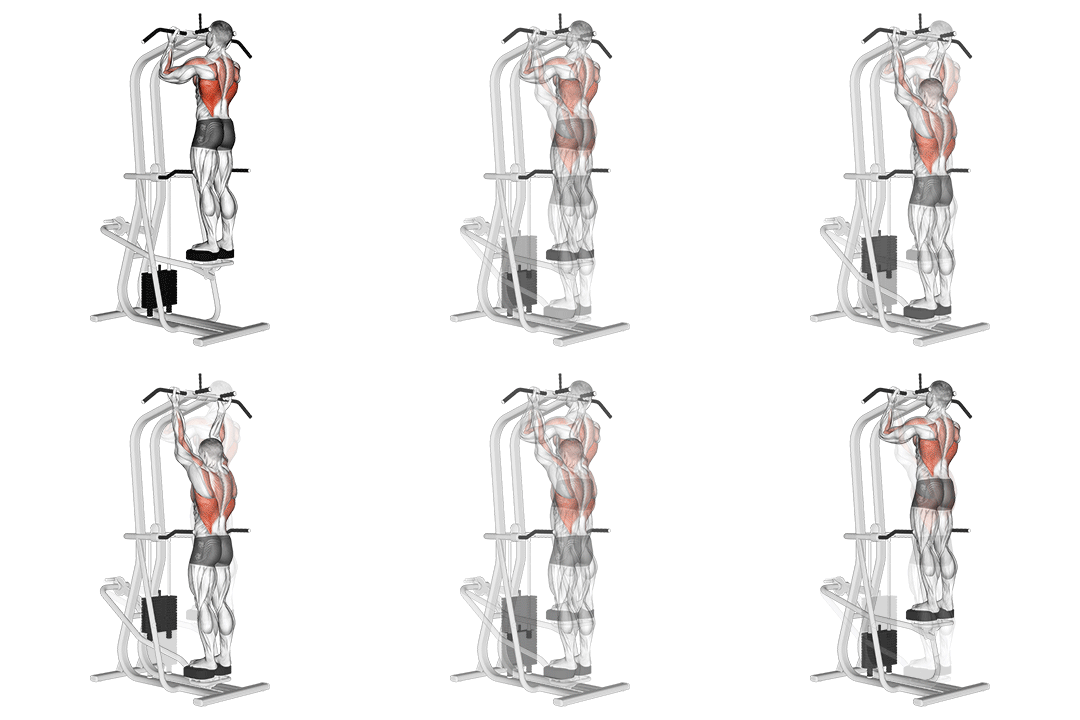
Lever Assisted Chin-up
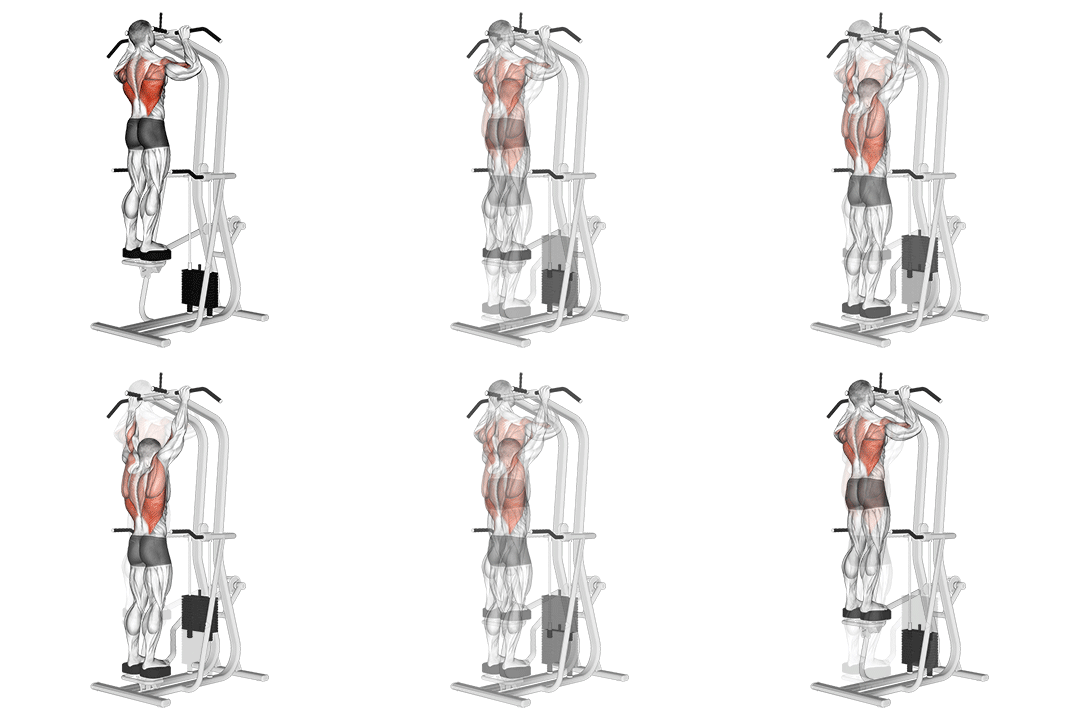
Lever Bent-over Row With V-bar
Visual Comparison
Overview
Lever Assisted Chin-up vs Lever Bent-over Row With V-bar — you're weighing two lever-based back moves that both hit the lats but do so differently. I’ll walk you through muscle activation, joint angles, equipment needs, difficulty, and when to pick each for hypertrophy or strength. Expect specific technique cues (scapular set, elbow path, torso angle), rep ranges (6-12 for growth, 3-6 for strength), and practical progressions you can use this week. Read on to decide which exercise matches your experience level, training frequency, and available gear.
Key Differences
- Difficulty levels differ: Lever Assisted Chin-up is beginner, while Lever Bent-over Row With V-bar is intermediate.
- Both exercises target the Lats using Lever. The main differences are in their movement patterns and muscle activation angles.
Pros & Cons
Lever Assisted Chin-up
+ Pros
- Reduces effective load so beginners can perform full ROM chin-ups
- Places lats at a longer muscle length, aiding eccentric overload and muscle growth
- Low lumbar demand compared to bent-over variations
- Good carryover to vertical pulling strength and functional pull-ups
− Cons
- Limited maximal external loading compared to plate-loaded rows
- Dependent on machine availability and calibration
- Can under-train scapular retractors if you focus only on elbow flexion
Lever Bent-over Row With V-bar
+ Pros
- Allows large absolute loads for progressive overload and strength
- Strong mid-back and scapular retraction stimulus (traps, rhomboids)
- Neutral V-bar grip reduces shoulder impingement risk for some lifters
- Easily manipulated tempo and partials to increase time under tension
− Cons
- Higher technical demand: requires solid hip hinge and lumbar bracing
- Greater compression/shear on the lower back if form breaks
- Less accessible in smaller gyms lacking the specific lever station
When Each Exercise Wins
The row lets you load the lats with higher absolute weight and control time under tension (6-12 rep ranges) while emphasizing scapular retraction. That greater external load and ability to use slower eccentrics deliver consistent progressive overload for muscle growth.
Rows allow heavier loading and force production in a horizontal vector that transfers to deadlifts and rowing strength. You can safely add plates and work in 3-6 rep ranges to build raw pulling strength.
Assistance reduces the effective load and lets you learn full-range vertical pulling mechanics, scapular control, and eccentric pacing. It’s easier to progress by decreasing assistance and tracking repetition quality.
While both require specialized equipment, many home setups or small gyms offer assisted chin-up stations or resistance-band-assisted alternatives. The chin-up movement pattern is easier to replicate with minimal gear for gradual progress.
Frequently Asked Questions
Can I do both Lever Assisted Chin-up and Lever Bent-over Row With V-bar in the same workout?
Yes — pairing them is effective: use rows as a heavy first movement (3-6 or 6-8 reps) and assisted chin-ups later for volume and eccentric control (6-12 reps). Sequence rows before chin-ups if you want maximum loading, or do chin-ups first if you prioritize vertical pulling skill.
Which exercise is better for beginners?
Lever Assisted Chin-up is better for most beginners because the machine reduces load and lets you practice full ROM and scapular mechanics. It builds the motor pattern for unassisted pull-ups with lower technical and lumbar demand.
How do the muscle activation patterns differ?
Chin-ups bias vertical shoulder adduction and longer lat length-tension positions with higher biceps contribution during elbow flexion. The bent-over V-bar row emphasizes horizontal force vectors, greater scapular retraction, mid-lat and trap activation, and increased spinal erector demand for torso stabilization.
Can Lever Bent-over Row With V-bar replace Lever Assisted Chin-up?
It can replace chin-ups for lat development if your goal is heavy loading and mid-back thickness, but you’ll lose some vertical pulling transfer and the long-lat stretch that chin-ups provide. For balanced back development, include both across training cycles.
Expert Verdict
Both exercises target the lats but serve different roles. Choose Lever Assisted Chin-up if you’re building vertical pulling skill, need lower lumbar stress, or you’re a beginner working on full ROM and controlled eccentrics (aim for 6-12 reps, lower assistance over time). Pick Lever Bent-over Row With V-bar when your goal is heavy progressive overload, mid-back thickness, and strength in horizontal pulling (work 3-6 reps for strength, 6-12 for hypertrophy). Ideally, rotate both across training blocks: emphasize rows for loading and chin-ups for stretch and transfer to unassisted pull-ups.
Also Compare
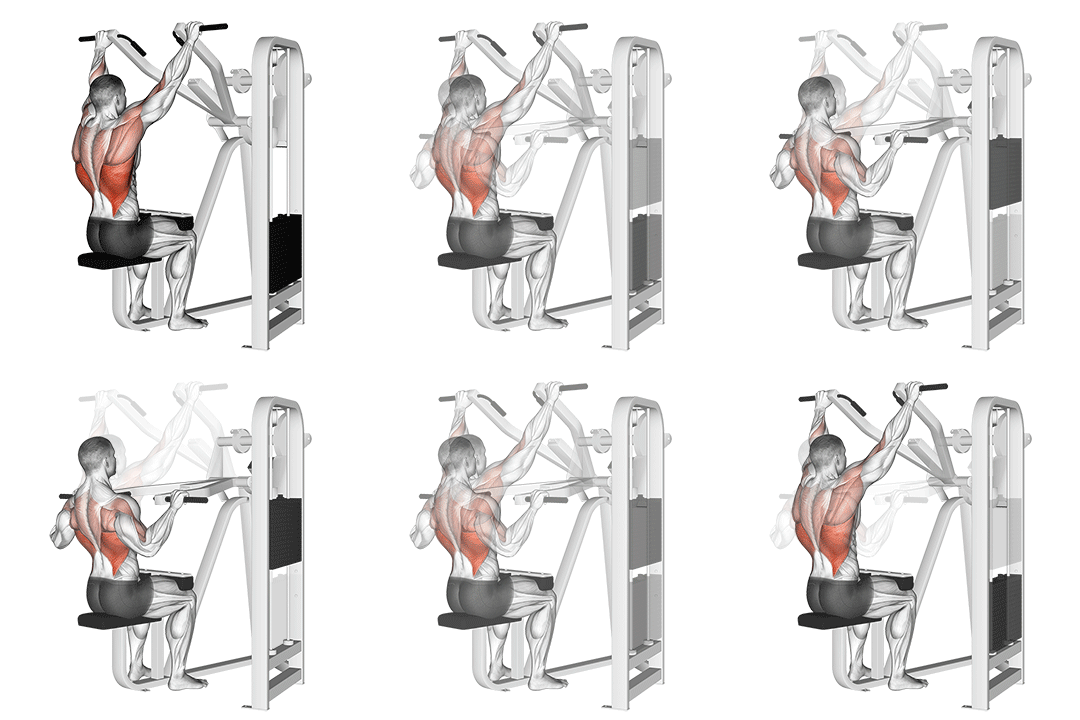
More comparisons with Lever Assisted Chin-up
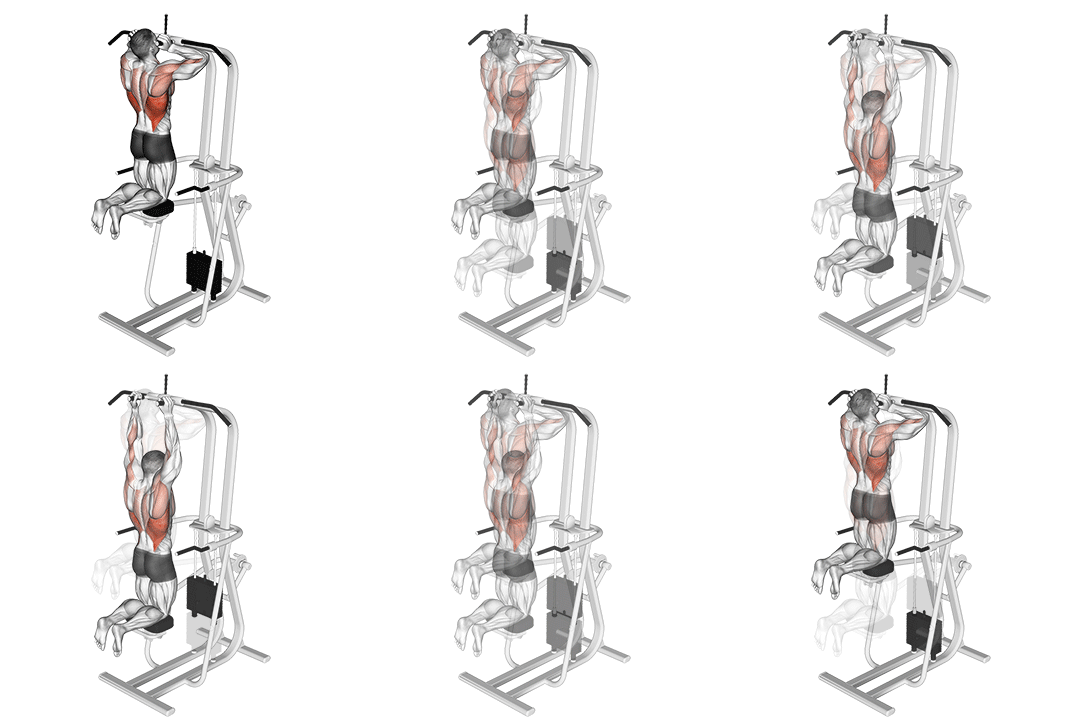
More comparisons with Lever Bent-over Row With V-bar
Compare More Exercises
Use our free comparison tool to analyze any two exercises head-to-head.
Compare Exercises