

Lever Bent-over Row With V-bar vs Lever Front Pulldown: Complete Comparison Guide
Lever Bent-over Row With V-bar vs Lever Front Pulldown is a common crossroads when you want to build thicker, wider lats. You’ll get a clear breakdown of how each move loads the shoulder and elbow, which parts of the lat they emphasize, the muscle activation differences, and concrete technique cues you can use today. I’ll cover biomechanics (force vectors, length–tension and joint angles), rep ranges for hypertrophy and strength, equipment needs, and when to pick one exercise based on your goals and training experience.
Exercise Comparison
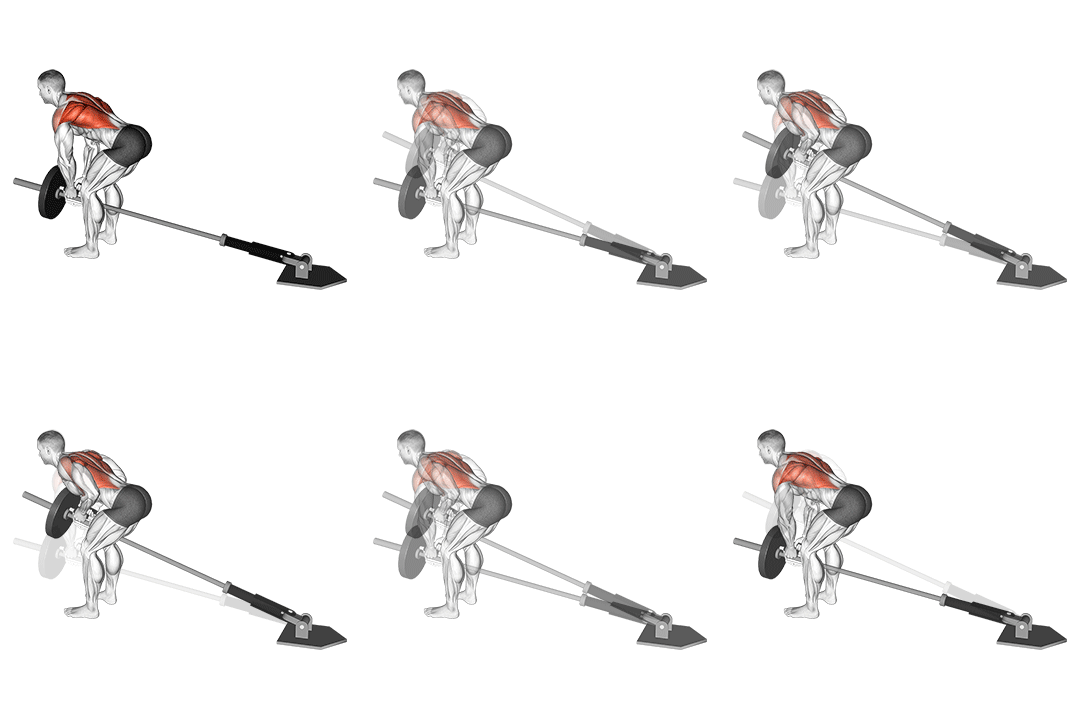
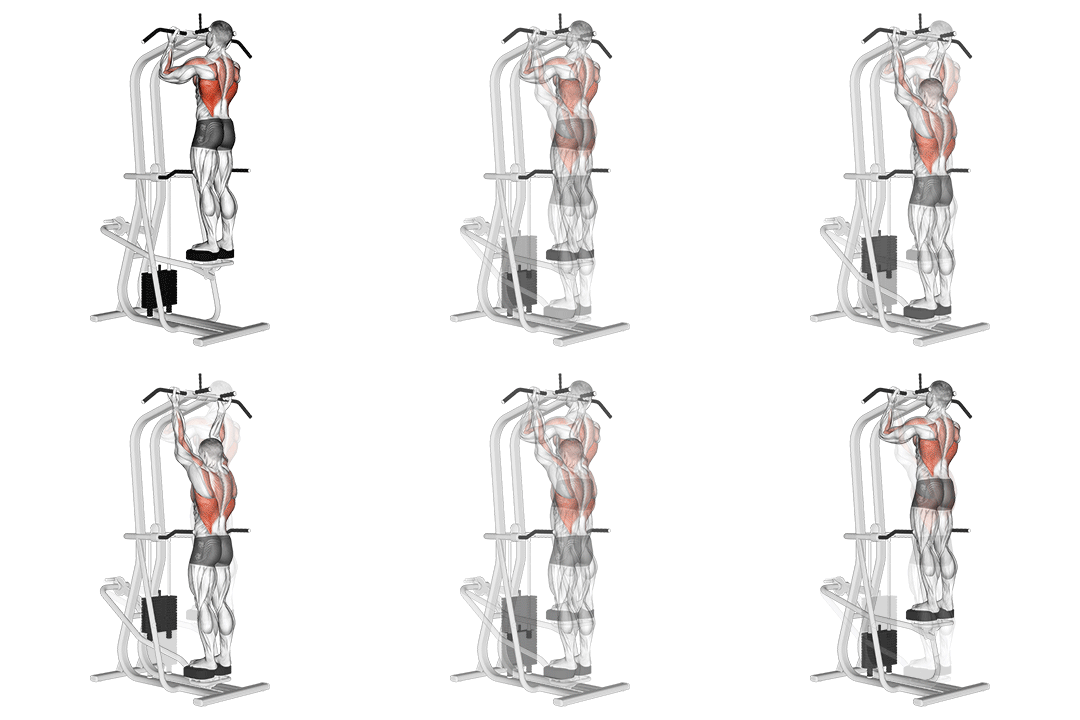
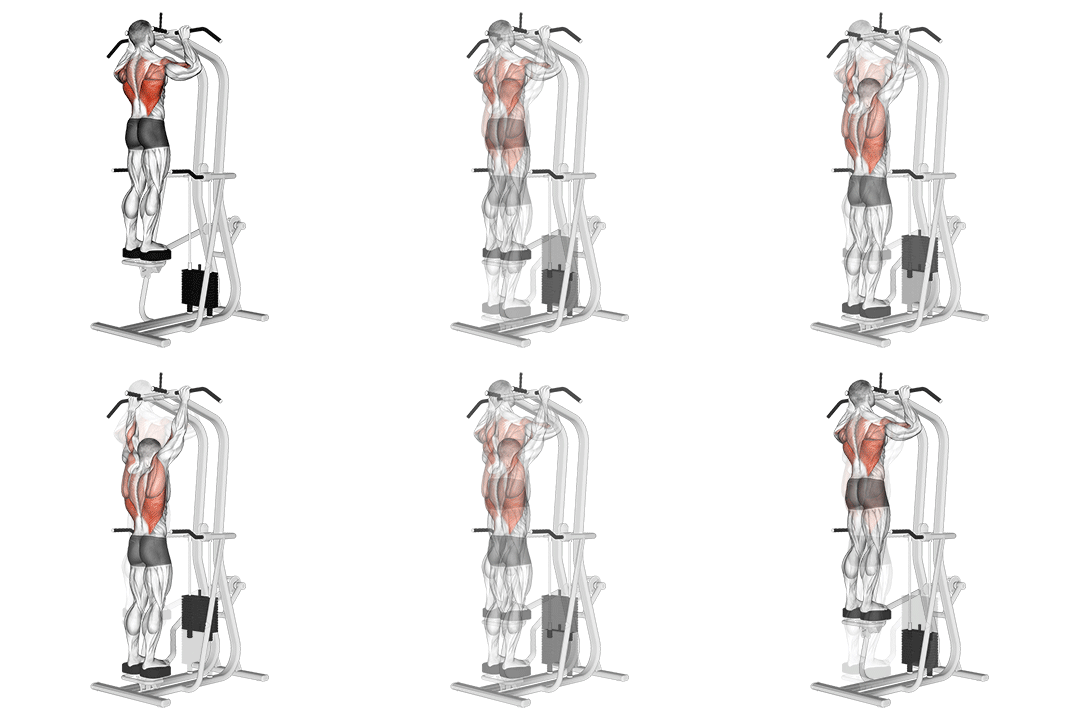
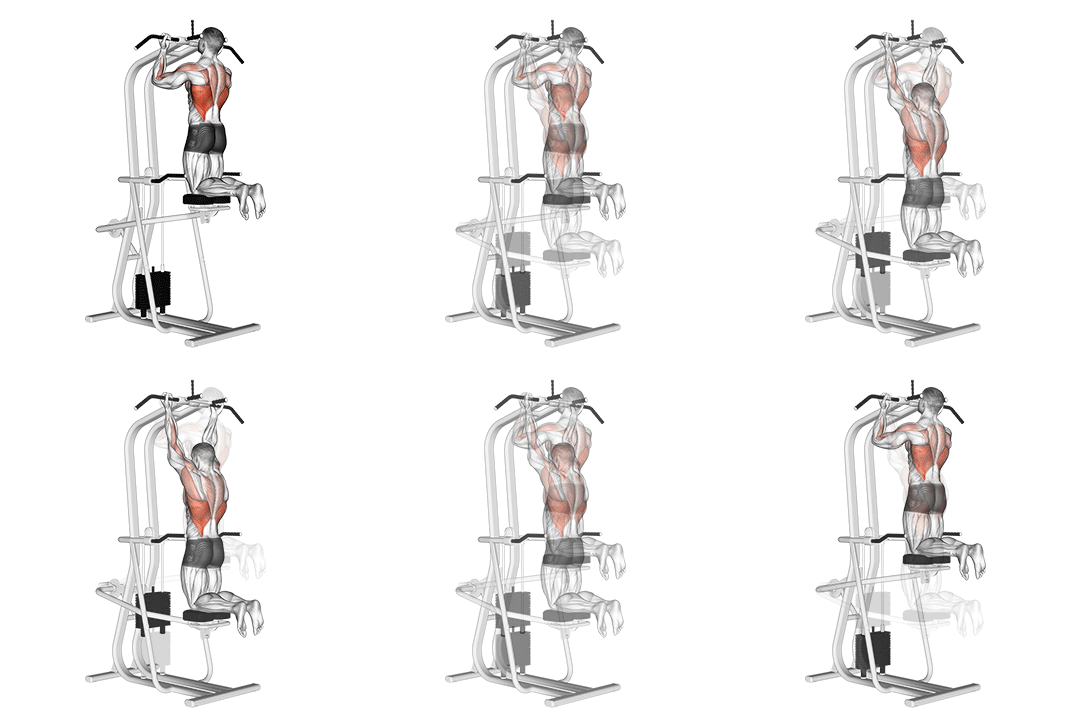
Lever Bent-over Row With V-bar
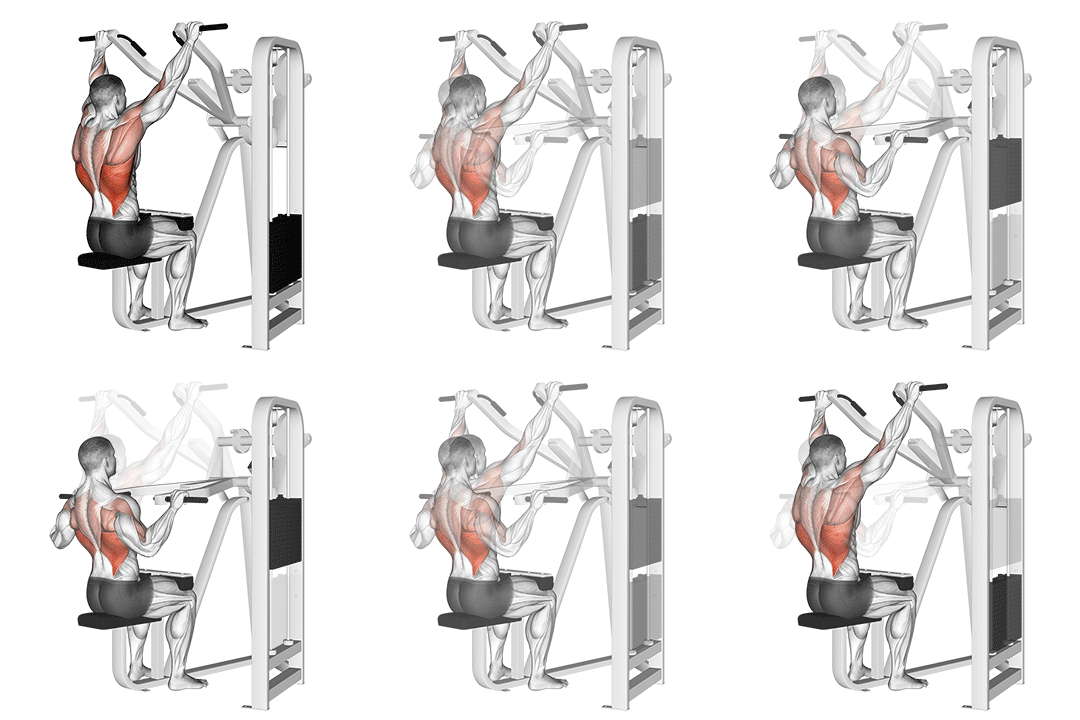
Lever Front Pulldown
Head-to-Head Comparison
| Attribute | Lever Bent-over Row With V-bar | Lever Front Pulldown |
|---|---|---|
| Target Muscle |
Lats
|
Lats
|
| Body Part |
Back
|
Back
|
| Equipment |
Lever
|
Lever
|
| Difficulty |
Intermediate
|
Beginner
|
| Movement Type |
Compound
|
Compound
|
| Secondary Muscles |
2
|
3
|
Secondary Muscles Activated
Lever Bent-over Row With V-bar
Lever Front Pulldown
Visual Comparison
Overview
Lever Bent-over Row With V-bar vs Lever Front Pulldown is a common crossroads when you want to build thicker, wider lats. You’ll get a clear breakdown of how each move loads the shoulder and elbow, which parts of the lat they emphasize, the muscle activation differences, and concrete technique cues you can use today. I’ll cover biomechanics (force vectors, length–tension and joint angles), rep ranges for hypertrophy and strength, equipment needs, and when to pick one exercise based on your goals and training experience.
Key Differences
- Difficulty levels differ: Lever Bent-over Row With V-bar is intermediate, while Lever Front Pulldown is beginner.
- Both exercises target the Lats using Lever. The main differences are in their movement patterns and muscle activation angles.
Pros & Cons
Lever Bent-over Row With V-bar
+ Pros
- Allows heavier loading and lower-rep strength work (3–6 reps).
- Horizontal force vector targets mid-lat and mid-back thickness.
- Strong forearm and biceps recruitment improves grip strength.
- Teaches scapular retraction under load, transferring to deadlift/row strength.
− Cons
- Higher demand on the lower back and core—needs solid hip hinge.
- More technical skill required to maintain neutral spine.
- Less ideal for pure lat width and top-range stretch compared with vertical pulls.
Lever Front Pulldown
+ Pros
- Easier to learn and coach—stable seated position with thigh pad.
- Great top-range stretch on the lats for width and long-head development.
- Lower spinal load makes it beginner-friendly and safer for rehab.
- Simple progressive overload with weight-stack increments and higher rep ranges.
− Cons
- Limited maximal loading compared with plate-loaded rows.
- Can underload lower back and mid-thoracic stabilizers if that’s a goal.
- Poor technique (leaning back or pulling behind the neck) reduces lat focus and increases shoulder risk.
When Each Exercise Wins
The horizontal force vector and ability to load heavier weights produce high mechanical tension across mid-range repetitions (6–12). For thicker mid-back development and progressive overload, the bent-over row wins, though you should still include pulldowns for upper-lat lengthened positions.
You can use lower rep ranges (3–6) and heavier absolute loads on the plate-loaded lever row, which transfers better to compound pulling strength. The greater requirement for spinal stability also improves core-force transfer needed in heavy lifts.
The seated position, thigh restraints, and straightforward line of pull make it easier to teach scapular control and lat activation. It lets you focus on controlled eccentrics and 8–15 rep ranges without risking lumbar overload.
If you have one machine available, a pulldown station is more commonly found and easier to use safely at home. The pulldown also scales well with resistance bands or cable attachments if you lack a plate-loaded lever.
Frequently Asked Questions
Can I do both Lever Bent-over Row With V-bar and Lever Front Pulldown in the same workout?
Yes. Pair the Bent-over Row earlier in the session when you’re freshest for heavy sets (3–6 or 6–8 reps), then use Front Pulldown later for higher-volume work (8–15 reps) to target the lats at longer muscle lengths and add metabolic stress.
Which exercise is better for beginners?
Lever Front Pulldown is better for beginners because the seated, supported position reduces lumbar stress and isolates the lats. It lets you rehearse scapular depression and controlled eccentrics before progressing to more technical bent-over rows.
How do the muscle activation patterns differ?
Bent-over rows bias mid-lat and mid-back thickness through a horizontal force vector and greater elbow drive, with higher forearm isometric demand. Front pulldowns use a vertical vector with a larger stretch at the start of the movement, emphasizing upper-lat length–tension and scapular depression/retraction.
Can Lever Front Pulldown replace Lever Bent-over Row With V-bar?
The Front Pulldown can replace rows for volume and lat width, especially for beginners or those with back issues, but it won’t fully replace the horizontal loading and spinal stability benefits of heavy bent-over rows. For complete development, rotate or combine both based on your goals.
Expert Verdict
Choose the Lever Bent-over Row With V-bar when you want raw mechanical tension, mid-back thickness, and the ability to progressively overload with heavy plates—aim for 3–6 reps for strength or 6–12 for hypertrophy while maintaining a solid hip hinge and neutral spine. Choose the Lever Front Pulldown if you’re a beginner, rehabbing, or prioritizing lat width and a strong stretch at top range; use 8–15 reps with slow eccentrics. Ideally, include both in a program: heavy rows once per week for strength and pulldowns as a volume hammer for muscle growth and technical reinforcement.
Also Compare
More comparisons with Lever Bent-over Row With V-bar
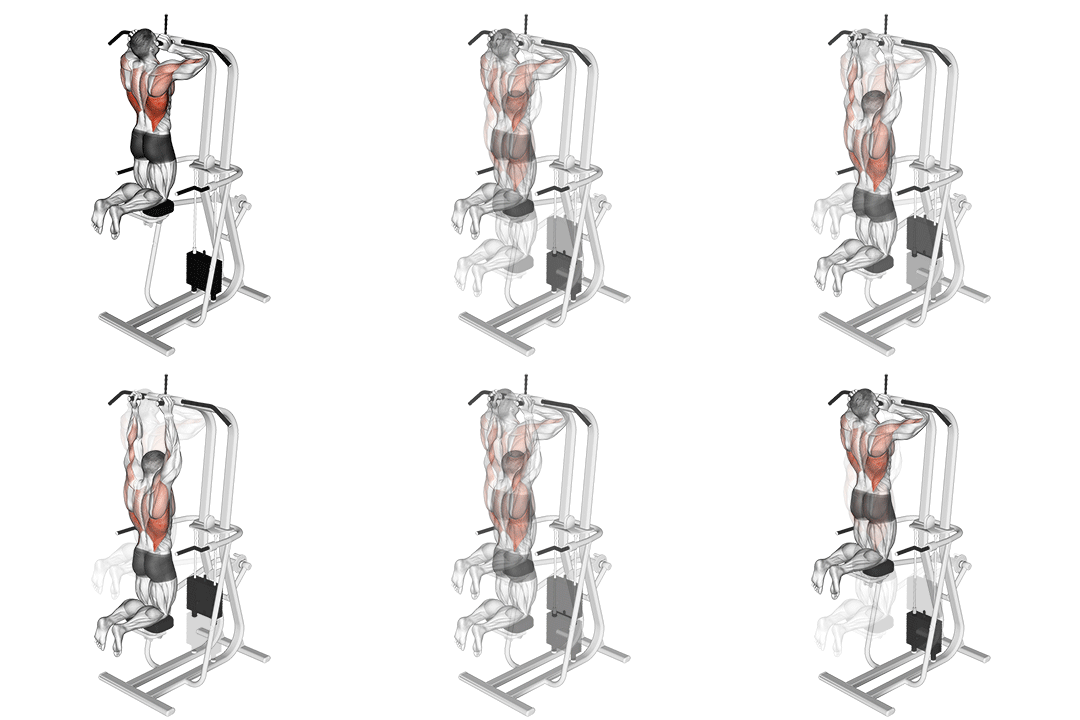
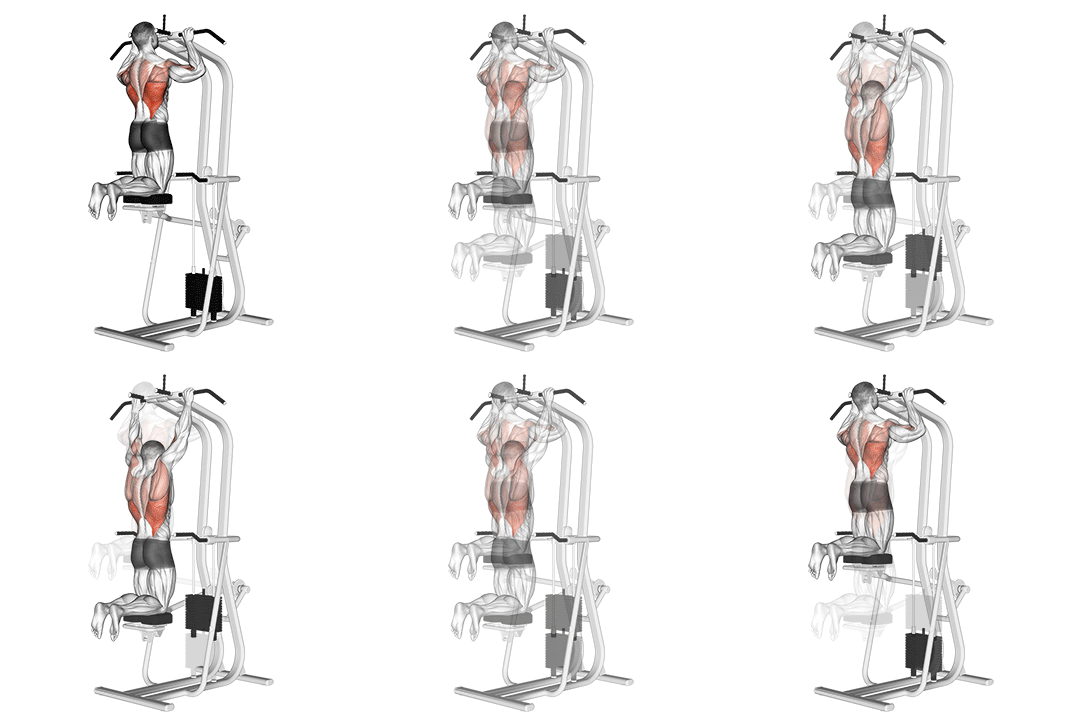
More comparisons with Lever Front Pulldown
Compare More Exercises
Use our free comparison tool to analyze any two exercises head-to-head.
Compare Exercises