

Pull-up vs Wide-grip Lat Pulldown
Compare target muscles, equipment, difficulty, movement type, and secondary muscles for Pull-up and Wide-grip Lat Pulldown.
Get comparison link
Select the link and use your device's Copy command.
Comparison overview
AI-generatedExercise Comparison
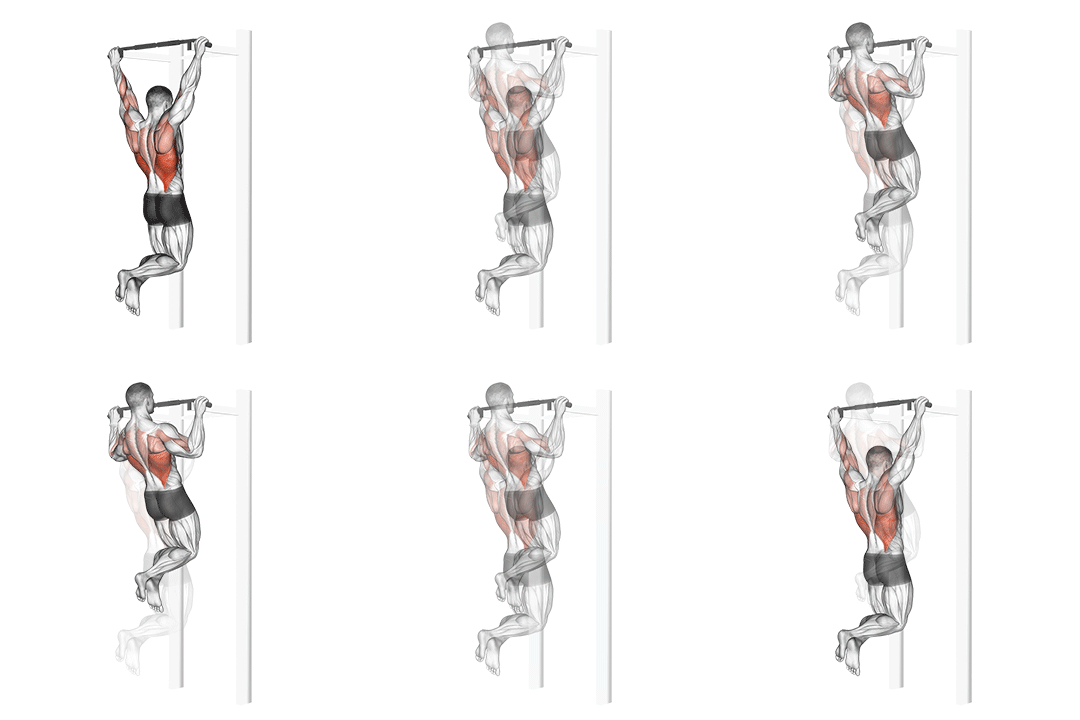
Pull-up
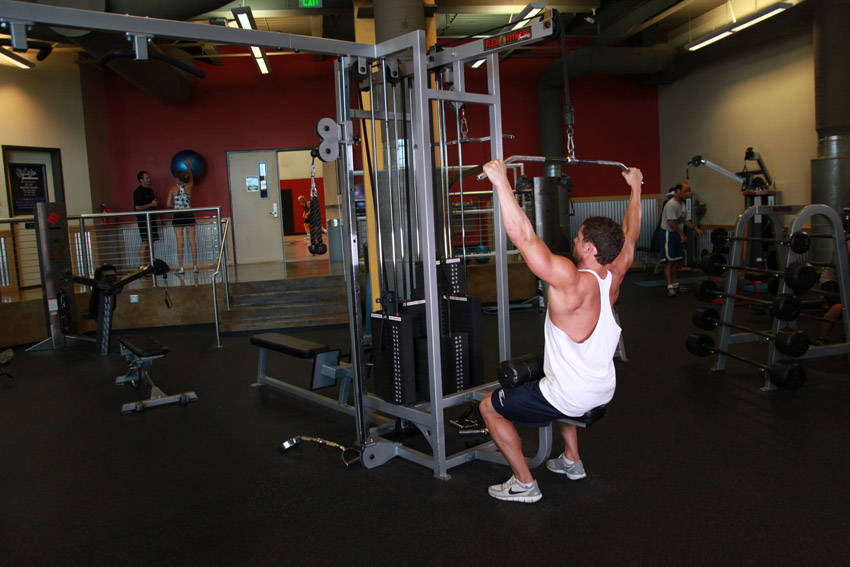
Wide-grip Lat Pulldown
Head-to-Head Comparison
Different values are marked. These are catalogue attributes, not performance scores.
Muscles used
Listed target and secondary muscles, shown on the body. Locations, not activation or strength scores.
- Target
- Secondary
- Not highlighted
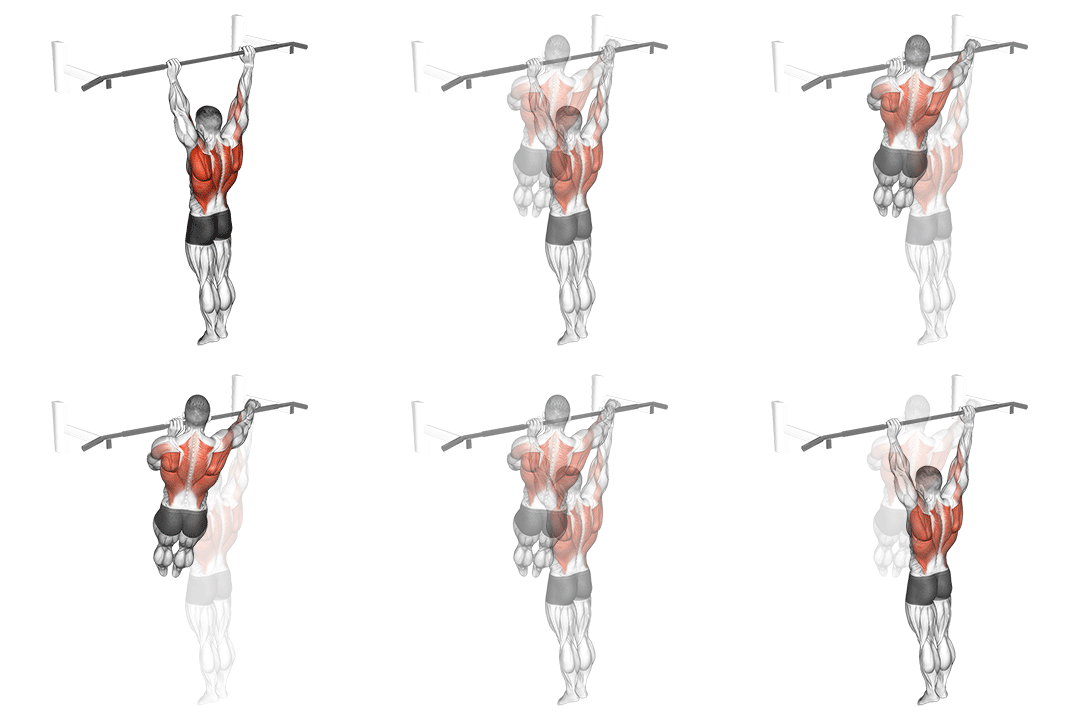
Pull-up
- Target
- Lats
- Secondary
- Biceps, Forearms
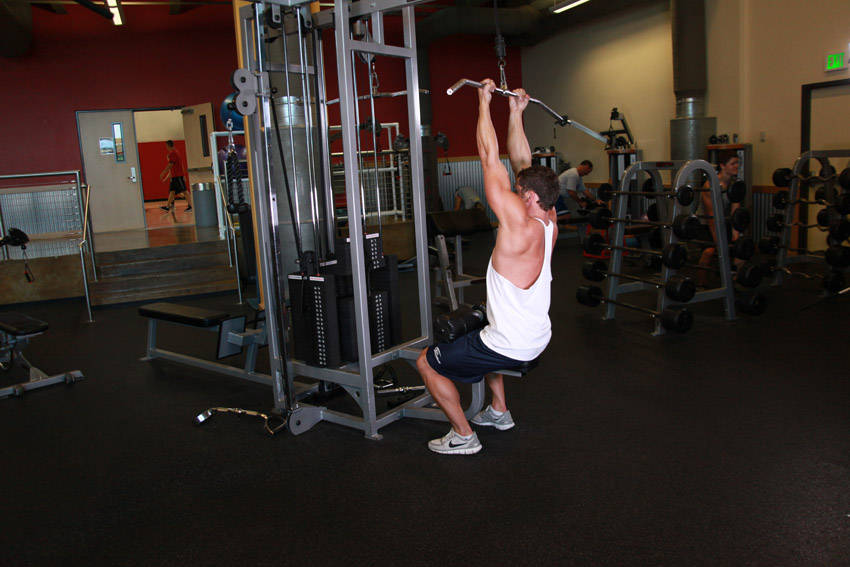
Wide-grip Lat Pulldown
- Target
- Lats
- Secondary
- Biceps, Middle Back, Shoulders
Not shown on diagram: Middle Back, Shoulders. These labels do not identify a precise region on this map.
Grey does not mean a muscle is unused. The diagrams show only the mapped catalogue labels.
| Attribute | Pull-up | Wide-grip Lat Pulldown |
|---|---|---|
| Target Muscle | Lats |
Lats |
| Body Part | Back |
Back |
| Equipment Different | Body-weight |
Cable |
| Difficulty Different | Advanced |
Intermediate |
| Movement Type | Compound |
Compound |
| Secondary Muscles Different | Biceps, Forearms |
Biceps, Middle Back, Shoulders |
Visual Comparison
An illustrative 1–10 profile derived from catalog difficulty, equipment, and listed-muscle fields—not measured performance or muscle activation.
Key Differences
- Equipment differs: Pull-up uses Body-weight, while Wide-grip Lat Pulldown requires Cable.
- Difficulty levels differ: Pull-up is advanced, while Wide-grip Lat Pulldown is intermediate.
Muscle comparison
Shared target muscles
Secondary muscle differences
Muscle involvement analysis
Equipment and setup
Pull-up: setup
Wide-grip Lat Pulldown: setup
Access and practicality
Learning and progression
Learning the movements
Progression considerations
Limitations and precautions
Pros & Cons
Pull-up
+ Pros
- High lat recruitment and functional strength carryover
- Requires minimal equipment — just a bar or rings
- Excellent progression options (assistance, added weight, tempo)
- Improves scapular control, core stability, and grip strength
− Cons
- Difficult for beginners without assistance
- Higher demand on grip and forearms can limit volume
- Risk of shoulder strain if performed with poor scapular mechanics
Wide-grip Lat Pulldown
+ Pros
- Easy to load precisely for hypertrophy (8–12 rep ranges)
- Stable seated position reduces extraneous movement
- Lower immediate coordination requirement for novices
- Adjustable resistance allows progressive overload with fine increments
− Cons
- Machine limits carryover to free-body pulling strength
- Less core and stabilizer engagement compared to pull-ups
- Wider grips can place stress on the shoulder joint if excessive
When Each Exercise Wins
Pulldowns let you load precisely and accumulate volume in the 8–12 rep range with consistent tension on the lats. The fixed torso and selectable load make it easier to reach target sets and reps without early grip or core failure.
Weighted pull-ups force neural adaptation and whole-body coordination. Moving your full body through the vertical pull recruits additional stabilizers and produces stronger carryover to bodyweight strength and athletic tasks.
The seated, stabilized setup reduces coordination demands and lets you train the lats while you build scapular control and elbow flexor strength. You can progress load in 5–10% jumps safely.
A doorway bar or rings give you a low-cost, space-efficient option to train vertical pulling. You can scale with bands or a backpack for progressive overload without a machine.
Frequently Asked Questions
Can I do both Pull-up and Wide-Grip Lat Pulldown in the same workout?
Which exercise is better for beginners?
How do the muscle activation patterns differ?
Can Wide-Grip Lat Pulldown replace Pull-up?
Comparison Summary
Exercise instructions
Steps from the exercise catalogue. Read the full sequence before starting.
Pull-up
- Hang from a pull-up bar with your palms facing away from you and your arms fully extended.
- Engage your core and squeeze your shoulder blades together.
- Pull your body up towards the bar by bending your elbows and bringing your chest towards the bar.
Read remaining steps for Pull-up
- Pause at the top of the movement, then slowly lower your body back down to the starting position.
- Repeat for the desired number of repetitions.
Wide-grip Lat Pulldown
- Sit down on a pull-down machine with a wide bar attached to the top pulley. Make sure that you adjust the knee pad of the machine to fit your height. These pads will prevent your body from being raised by the resistance attached to the bar.
- Grab the bar with the palms facing forward using the prescribed grip. Note on grips: For a wide grip, your hands need to be spaced out at a distance wider than shoulder width. For a medium grip, your hands need to be spaced out at a distance equal to your shoulder width and for a close grip at a distance smaller than your shoulder width.
- As you have both arms extended in front of you holding the bar at the chosen grip width, bring your torso back around 30 degrees or so while creating a curvature on your lower back and sticking your chest out. This is your starting position.
Read remaining steps for Wide-grip Lat Pulldown
- As you breathe out, bring the bar down until it touches your upper chest by drawing the shoulders and the upper arms down and back. Tip: Concentrate on squeezing the back muscles once you reach the full contracted position. The upper torso should remain stationary and only the arms should move. The forearms should do no other work except for holding the bar; therefore do not try to pull down the bar using the forearms.
- After a second at the contracted position squeezing your shoulder blades together, slowly raise the bar back to the starting position when your arms are fully extended and the lats are fully stretched. Inhale during this portion of the movement.
- Repeat this motion for the prescribed amount of repetitions.
Also Compare
More comparisons with Pull-up
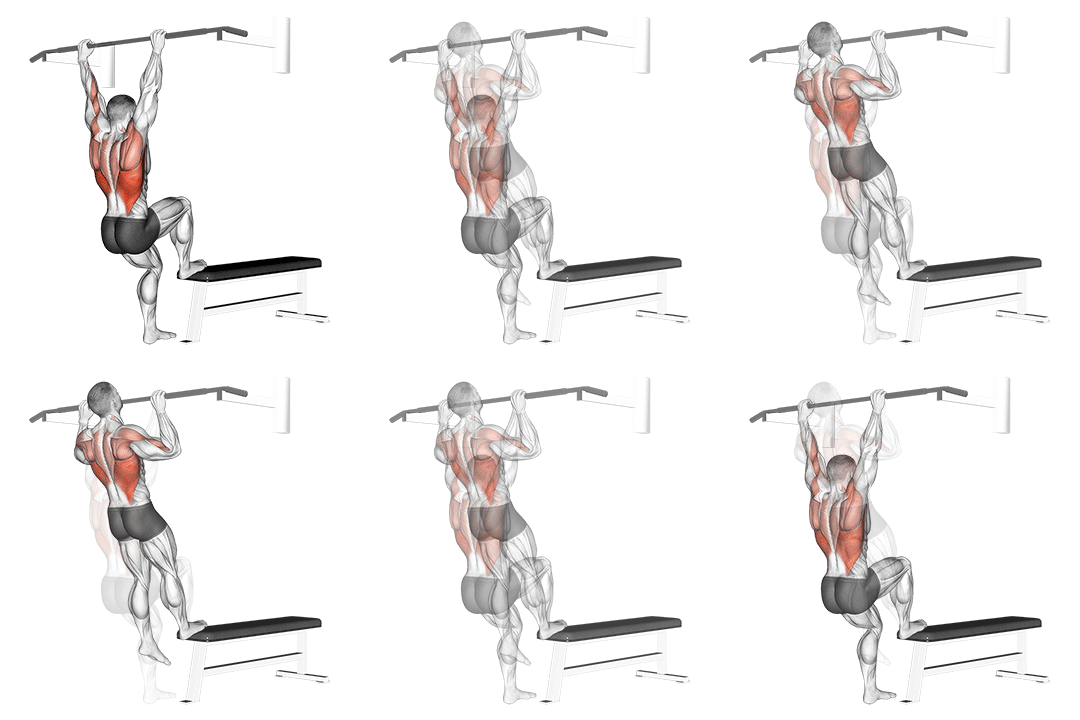
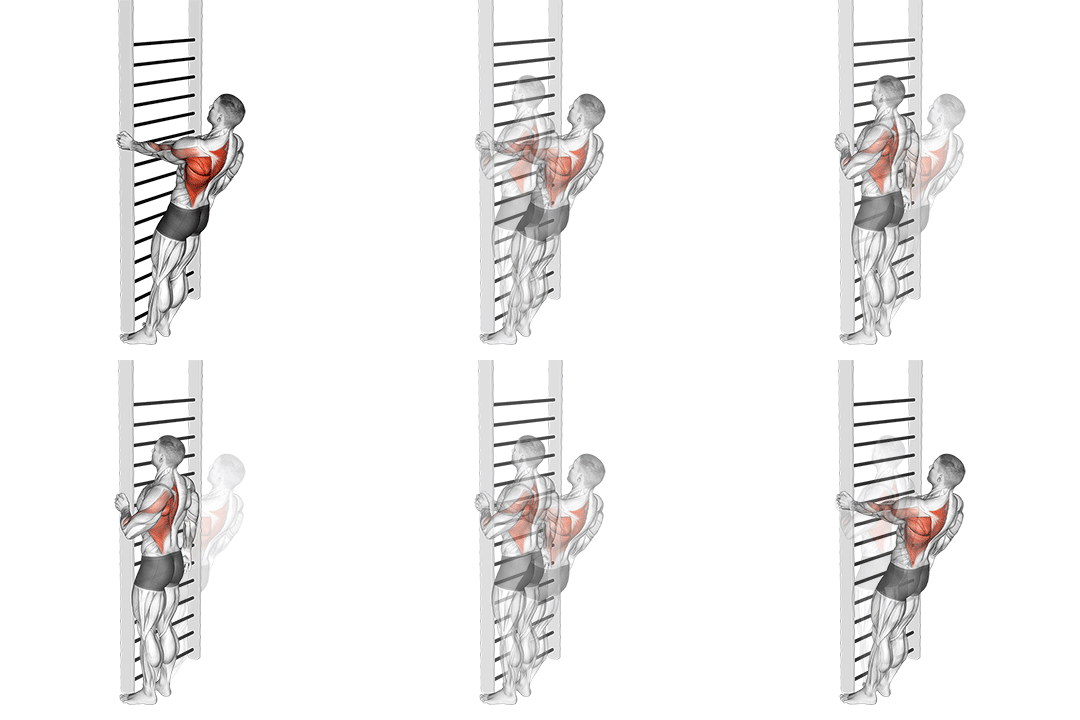
More comparisons with Wide-grip Lat Pulldown
Compare another pair
Choose two exercises to see their differences side by side.