

Rowing, Stationary vs Running, Treadmill: Complete Comparison Guide
Rowing, Stationary vs Running, Treadmill — two machine-based cardio staples that both tax your quads but do so in very different ways. If you want clear guidance on which one builds more muscle tension, which is kinder to your joints, and how to program each for intervals or steady-state work, you’re in the right place. I’ll walk you through muscle activation, biomechanics, equipment needs, ease of learning, injury risk, and practical progressions so you can pick the tool that matches your goals and training time.
Exercise Comparison
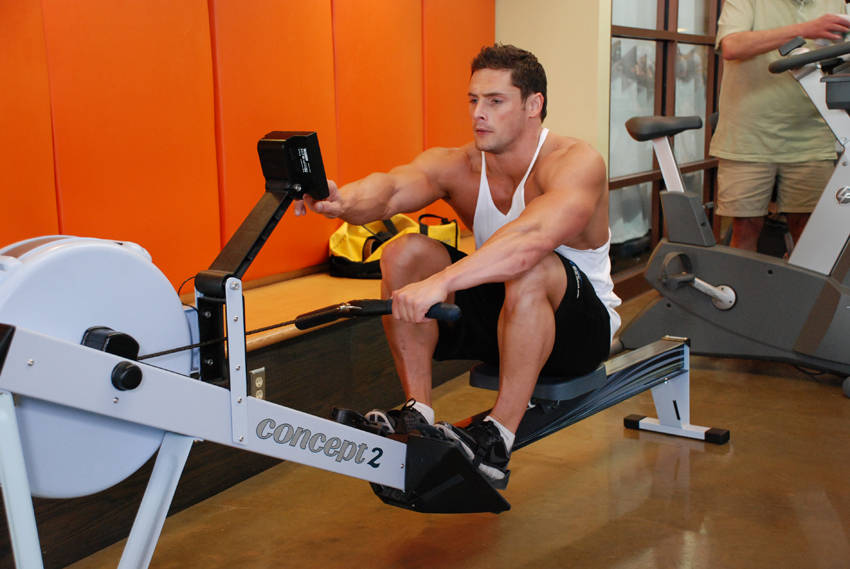
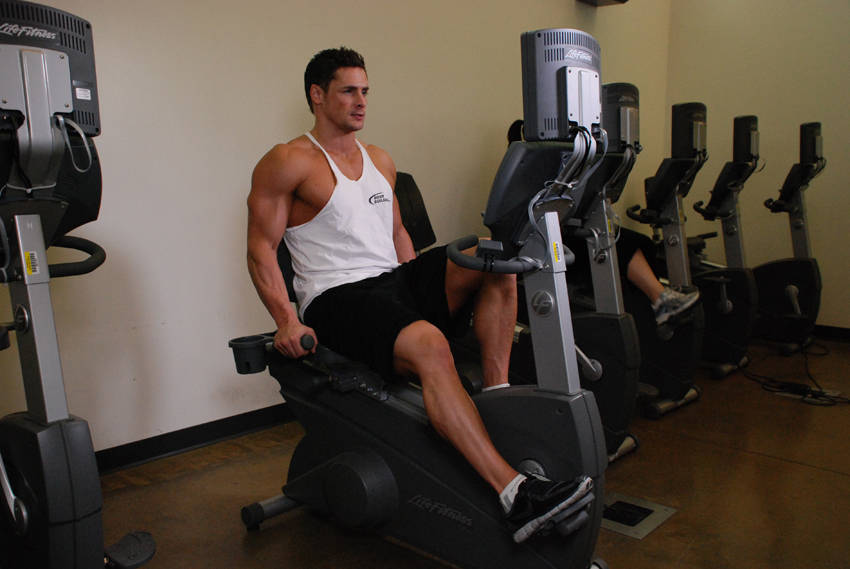
Rowing, Stationary
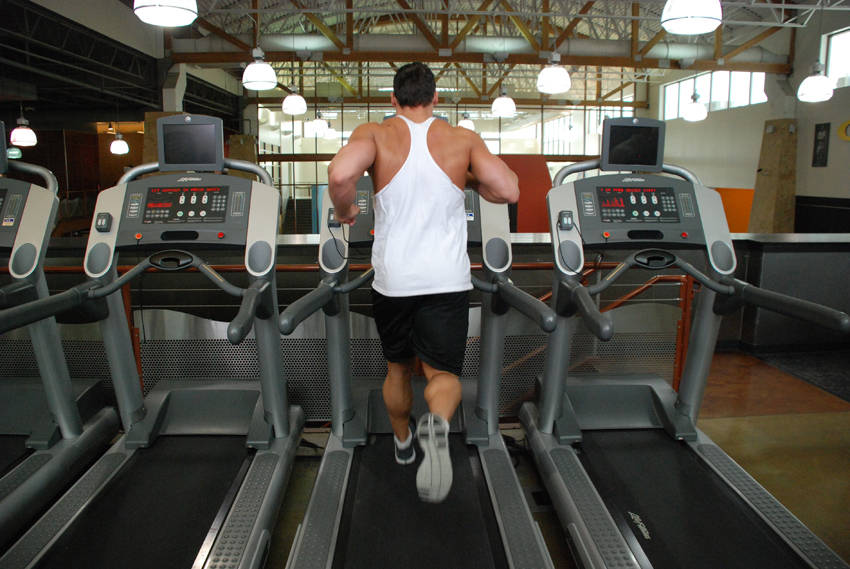
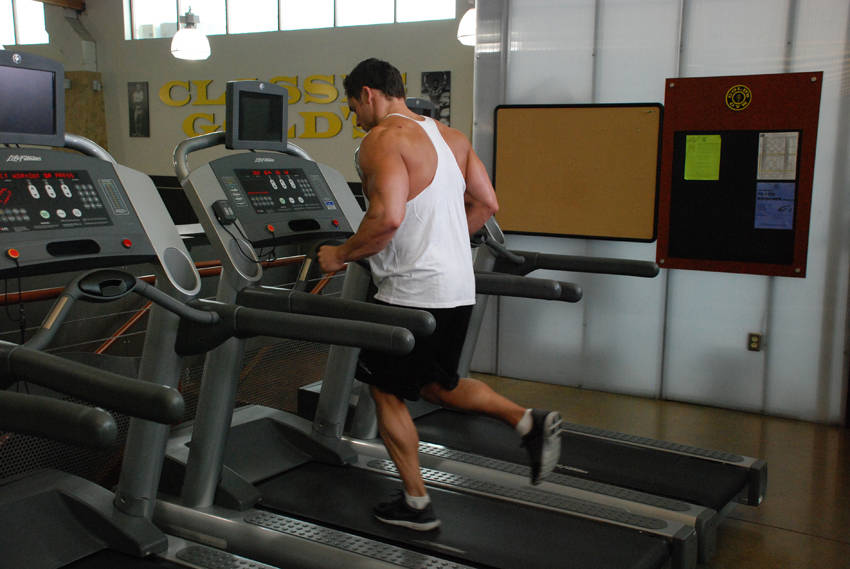
Running, Treadmill
Head-to-Head Comparison
| Attribute | Rowing, Stationary | Running, Treadmill |
|---|---|---|
| Target Muscle |
Quads
|
Quads
|
| Body Part |
Cardio
|
Cardio
|
| Equipment |
Machine
|
Machine
|
| Difficulty |
Intermediate
|
Beginner
|
| Movement Type |
Compound
|
Compound
|
| Secondary Muscles |
6
|
3
|
Secondary Muscles Activated
Rowing, Stationary
Running, Treadmill
Visual Comparison
Overview
Rowing, Stationary vs Running, Treadmill — two machine-based cardio staples that both tax your quads but do so in very different ways. If you want clear guidance on which one builds more muscle tension, which is kinder to your joints, and how to program each for intervals or steady-state work, you’re in the right place. I’ll walk you through muscle activation, biomechanics, equipment needs, ease of learning, injury risk, and practical progressions so you can pick the tool that matches your goals and training time.
Key Differences
- Difficulty levels differ: Rowing, Stationary is intermediate, while Running, Treadmill is beginner.
- Both exercises target the Quads using Machine. The main differences are in their movement patterns and muscle activation angles.
Pros & Cons
Rowing, Stationary
+ Pros
- Delivers true full-body workload: legs, posterior chain, back, and arms work together.
- Low-impact on joints compared with running—suitable for many with knee pain.
- High controllability: power (watts), stroke rate, and distance allow precise programming.
- Supports sustained concentric force production and long-range muscle tension useful for hypertrophy-like stimulus.
− Cons
- Requires technique practice—poor hip-hinge and spinal rounding increase lumbar load.
- Higher equipment cost and larger footprint than basic treadmills.
- Less transfer to upright, impact-based sports and running-specific conditioning.
Running, Treadmill
+ Pros
- Easy to start: intuitive movement for most people with minimal setup.
- Portable training effect for sport-specific conditioning and bone health via impact.
- Wide availability in gyms and homes; simple speed/incline adjustments for intervals.
- Effective at training the stretch-shortening cycle and improving running economy.
− Cons
- Higher repetitive impact increases overuse injury risk at high volume.
- Less upper-body and posterior chain recruitment—lower total-body stimulus.
- Harder to measure whole-body power precisely without external devices.
When Each Exercise Wins
Rowing produces long-duration concentric tension across quads, glutes, and posterior chain and lets you manipulate resistance and rep-like intervals (e.g., 4 x 1000 m or 20–30 min steady). Its combined leg drive and upper-body pull increases total mechanical work, promoting greater muscle growth stimulus when paired with resistance training.
Rowing allows more precise overload via watts and stroke rate and recruits the posterior chain in a controlled, powerful triple-extension pattern that translates to strength. You can perform high-intensity efforts (e.g., 6–10 x 500 m hard) to build force capacity with lower impact than running.
Running is more intuitive and requires less technical coaching to get a meaningful cardio session. Beginners can progress with simple metrics—pace, time, incline—and start with walking or light jogging to build base fitness safely.
Basic treadmills are more common in home settings and often cheaper and easier to store than a high-quality rower. If space and budget are limited, a treadmill gives reliable cardio options; choose rowing only if you can commit to the learning curve and space.
Frequently Asked Questions
Can I do both Rowing, Stationary and Running, Treadmill in the same workout?
Yes. Start with the modality that requires the most technical freshness—typically rowing for quality power intervals—then finish with short treadmill work for speed or cooldown. Keep total high-intensity volume reasonable (e.g., 15–20 min hard effort combined) to avoid excess joint or low-back fatigue.
Which exercise is better for beginners?
Running, Treadmill is generally better for absolute beginners because it’s easier to self-regulate intensity with pace and incline. Begin with walk/jog progressions and short intervals; add rowing once you’ve learned proper hip-hinge, neutral spine, and stroke timing.
How do the muscle activation patterns differ?
Rowing produces a coordinated burst of concentric force from hip, knee, and ankle extension (triple extension) with large contributions from quads and posterior chain, while running uses cyclic eccentric loading followed by rapid concentric rebound—relying more on tendon elastic recoil and calf/quad stretch-shortening dynamics.
Can Running, Treadmill replace Rowing, Stationary?
Running can replace rowing if your goal is aerobic conditioning or running-specific performance, but it won’t replicate rowing’s full-body load or the same concentric power profile. If you want posterior-chain development and measurable power output, keep rowing in your program.
Expert Verdict
Choose Rowing, Stationary when you want a low-impact, full-body cardio session that produces measurable power and a large mechanical work load on quads, glutes, hamstrings, and back. It’s the clearer pick for muscle-focused conditioning and structured power intervals. Choose Running, Treadmill if you need an accessible, sport-specific option that trains the stretch-shortening cycle, bone loading, and running economy with minimal coaching. For beginners or limited budgets go treadmill; for precise progression and greater posterior-chain recruitment go rower. Pair both across a program for balanced conditioning.
Also Compare
More comparisons with Rowing, Stationary
Compare More Exercises
Use our free comparison tool to analyze any two exercises head-to-head.
Compare Exercises