

Straight Bar Bench Mid Rows vs T-Bar Row With Handle: Complete Comparison Guide
Straight Bar Bench Mid Rows vs T-Bar Row With Handle — you’ll get a clear, practical comparison so you can pick the pull that fits your goals. I’ll show you how each exercise loads the middle-back, outline secondary muscle recruitment (biceps and lats), break down equipment needs and injury risk, and give rep ranges and technique cues you can use next session. Expect specific biomechanics (force vectors, length-tension effects) and concise recommendations for hypertrophy, strength, beginners, and home setups so you leave with a clear training plan.
Exercise Comparison
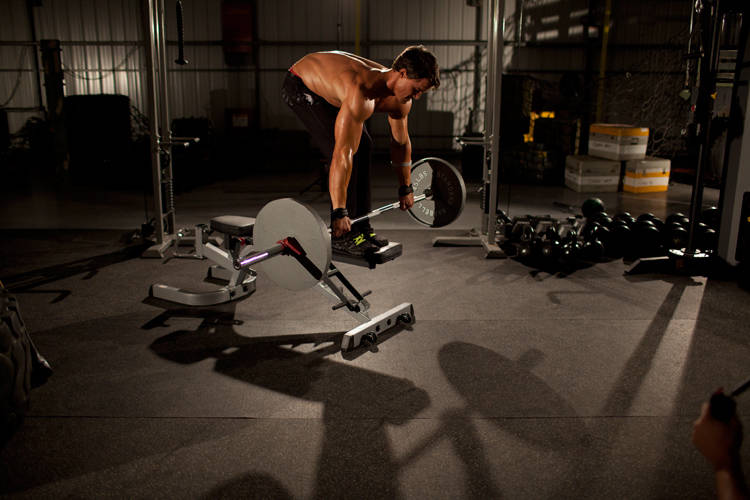
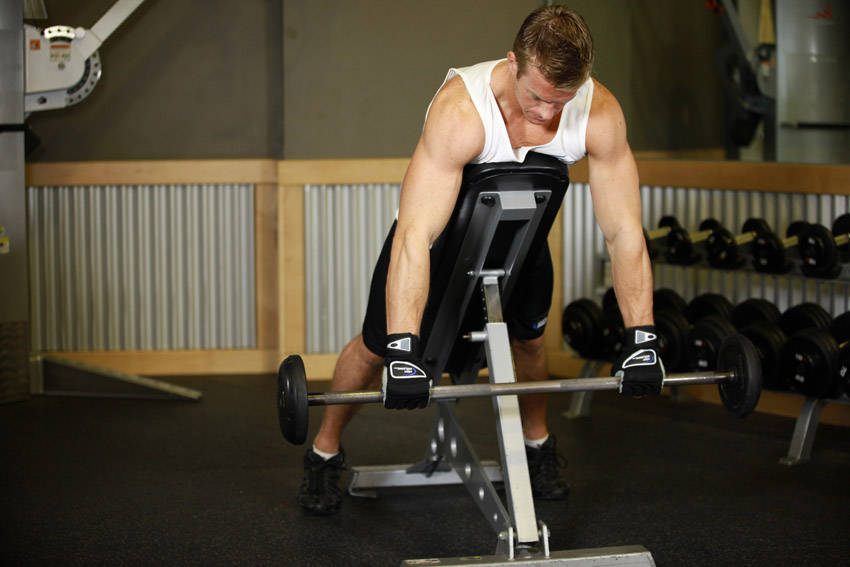
Straight Bar Bench Mid Rows
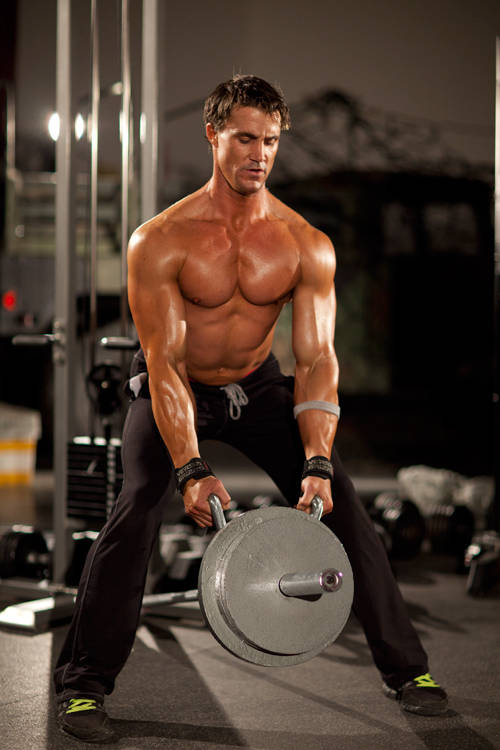
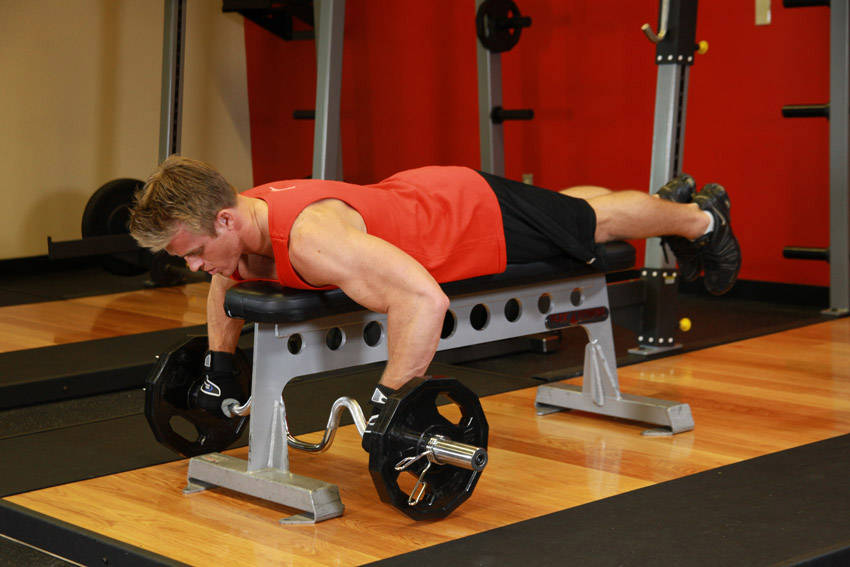
T-bar Row With Handle
Head-to-Head Comparison
| Attribute | Straight Bar Bench Mid Rows | T-bar Row With Handle |
|---|---|---|
| Target Muscle |
Middle-back
|
Middle-back
|
| Body Part |
Back
|
Back
|
| Equipment |
Barbell
|
Barbell
|
| Difficulty |
Intermediate
|
Intermediate
|
| Movement Type |
Compound
|
Compound
|
| Secondary Muscles |
2
|
2
|
Secondary Muscles Activated
Straight Bar Bench Mid Rows
T-bar Row With Handle
Visual Comparison
Overview
Straight Bar Bench Mid Rows vs T-Bar Row With Handle — you’ll get a clear, practical comparison so you can pick the pull that fits your goals. I’ll show you how each exercise loads the middle-back, outline secondary muscle recruitment (biceps and lats), break down equipment needs and injury risk, and give rep ranges and technique cues you can use next session. Expect specific biomechanics (force vectors, length-tension effects) and concise recommendations for hypertrophy, strength, beginners, and home setups so you leave with a clear training plan.
Key Differences
- Both exercises target the Middle-back using Barbell. The main differences are in their movement patterns and muscle activation angles.
Pros & Cons
Straight Bar Bench Mid Rows
+ Pros
- Strong isolation of middle-back due to chest support and restricted hip drive
- Lower lumbar stress — safer for lifters with back issues
- Easy to cue: chest on bench, scapula back, pull to lower chest/ribcage
- Excellent for strict tempo work (3–4 s eccentric) and hypertrophy-focused rep ranges (8–15)
− Cons
- Requires a bench and straight bar setup, less flexible for home without a bench
- Limited absolute load compared with free T-bar setups
- Less lat involvement — less carryover to standing pulling strength
T-bar Row With Handle
+ Pros
- Allows heavier loading and easy progressive overload for strength
- Versatile grips (neutral, wide) increase lat and mid-back recruitment
- Can be set up with a landmine at home — more accessible equipment-wise
- Better carryover to standing compound pulls and real-world strength
− Cons
- Higher demand on lower back and hips; technical hinge required
- Easier to cheat with torso momentum, reducing mid-back isolation
- Requires a landmine or T-bar attachment for ideal setup in many gyms
When Each Exercise Wins
Chest support eliminates hip drive so you can maximize time under tension and strictly load the rhomboids and middle traps. Use 8–15 reps, 3–5 sets, and slow eccentrics (2–4 s) to exploit length-tension for hypertrophy.
T-Bar rows let you stack more weight and vary grips, promoting progressive overload and transfer to heavy standing pulls. Aim for 4–6 reps, 3–6 sets, and prioritize tight bracing and hip hinge mechanics.
Bench support simplifies the movement pattern so you can learn scapular control and elbow path without needing an advanced hip hinge. Start with light loads, focus on scapular retraction, and build to heavier sets over 4–8 weeks.
A landmine or corner-anchored bar plus a handle reproduces the T-Bar setup with minimal gear, letting you load heavy without a bench. Use a neutral handle and keep torso angle controlled to protect the lumbar spine.
Frequently Asked Questions
Can I do both Straight Bar Bench Mid Rows and T-Bar Row With Handle in the same workout?
Yes — pair them intelligently: perform the bench-supported rows early for focused mid-back work (8–12 reps) and finish with T-bar rows as a heavier compound set (4–6 reps) or as a burnout (12–15 reps). Watch fatigue so your form on the heavier T-bar sets stays strict.
Which exercise is better for beginners?
Straight Bar Bench Mid Rows are better for beginners because the bench stabilizes the torso and narrows the motor pattern to scapular retraction and elbow drive. That lets you build mid-back strength with lower risk while you learn hinge mechanics separately.
How do the muscle activation patterns differ?
Straight Bar Bench Mid Rows emphasize scapular retraction with peak tension at full retraction and elbow flexion near the ribcage, favoring rhomboids and mid-traps. T-Bar Row With Handle shifts the force vector toward shoulder extension, increasing lat involvement and lengthening the lat’s role due to a steeper torso angle.
Can T-Bar Row With Handle replace Straight Bar Bench Mid Rows?
Yes for general back development, but not perfectly: T-bar rows can replace bench rows when you need heavy loading or home-friendly setups, yet they require better hip-hinge control. If your priority is lumbar safety and strict mid-back isolation, keep bench-supported rows in your program.
Expert Verdict
Both exercises are valuable: use Straight Bar Bench Mid Rows when your priority is strict mid-back isolation, safer lumbar mechanics, and hypertrophy-focused time under tension. Pick bench rows for rehab phases, strict sets, and when you want to emphasize scapular retraction without hip drive. Choose T-Bar Row With Handle when your goal is maximal loading, strength transfer to standing pulls, or when you need a flexible landmine-style setup at home. Program both across training blocks — prioritize the chest-supported variation during accumulation (higher volume, 8–15 reps) and the T-bar during intensification (heavier sets, 4–6 reps) for balanced mid-back development.
Also Compare
More comparisons with Straight Bar Bench Mid Rows
More comparisons with T-bar Row With Handle
Compare More Exercises
Use our free comparison tool to analyze any two exercises head-to-head.
Compare Exercises