

10 Best Ball Leg Curl Alternatives for Hamstring Strength
If you can’t do the Ball Leg Curl, use exercises that replicate hamstring knee-flexion and hip-extension under load. Top options include Nordic hamstring curls, Romanian deadlifts, glute-ham raises, single-leg RDLs, and machine leg curls. Cue: brace your core, hinge at the hips, and feel the hamstrings working through a controlled eccentric.
Original Exercise: Ball Leg Curl
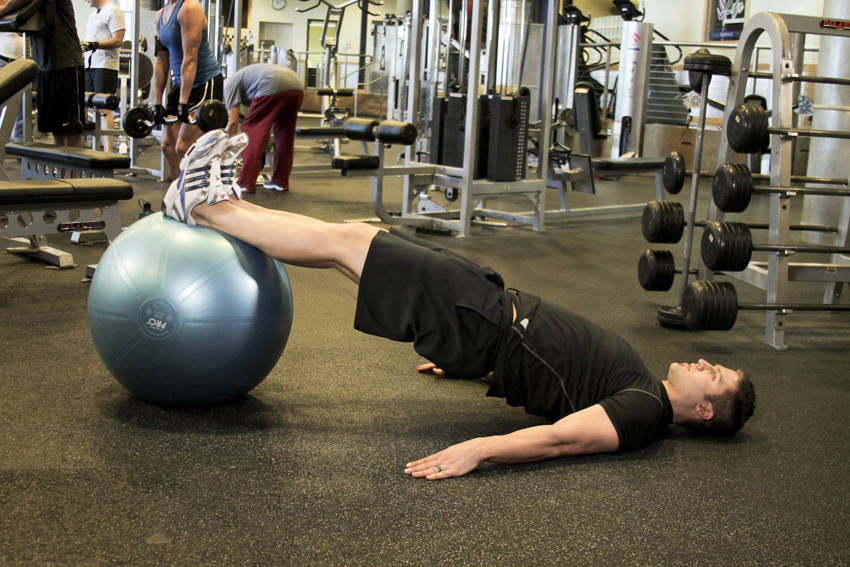
How to Perform Ball Leg Curl
- Begin on the floor laying on your back with your feet on top of the ball.
- Position the ball so that when your legs are extended your ankles are on top of the ball. This will be your starting position.
- Raise your hips off of the ground, keeping your weight on the shoulder blades and your feet.
- Flex the knees, pulling the ball as close to you as you can, contracting the hamstrings.
- After a brief pause, return to the starting position.
Pro Tips
- Category: Strength
- Force: Pull
- Movement type: Isolation
Ranked Ball Leg Curl Alternatives
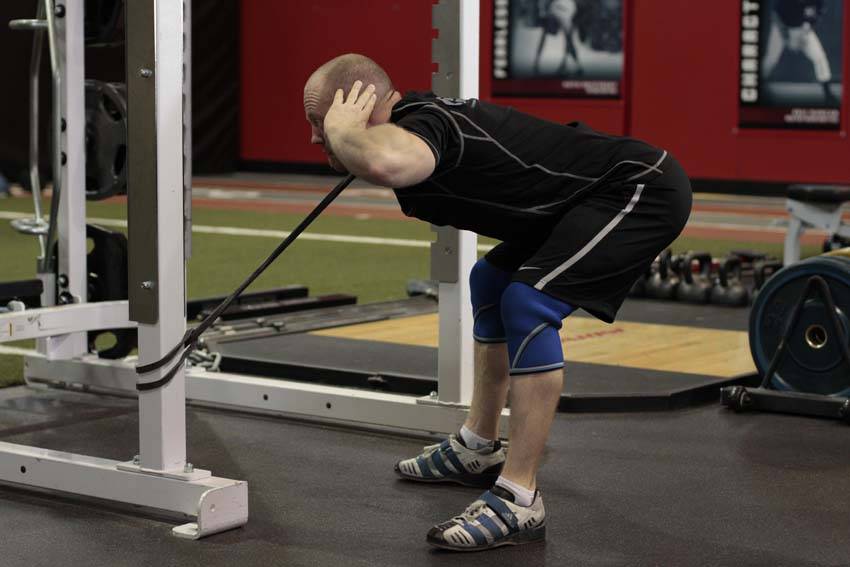
1. Band Good Morning (Pull Through)
79.1% MatchHow to perform this exercise
- Loop the band around a post. Standing a little ways away, loop the opposite end around the neck. Your hands can help hold the band in position.
- Begin by bending at the hips, getting your butt back as far as possible. Keep your back flat and bend forward to about 90 degrees. Your knees should be only slightly bent.
- Return to the starting position be driving through with the hips to come back to a standing position.
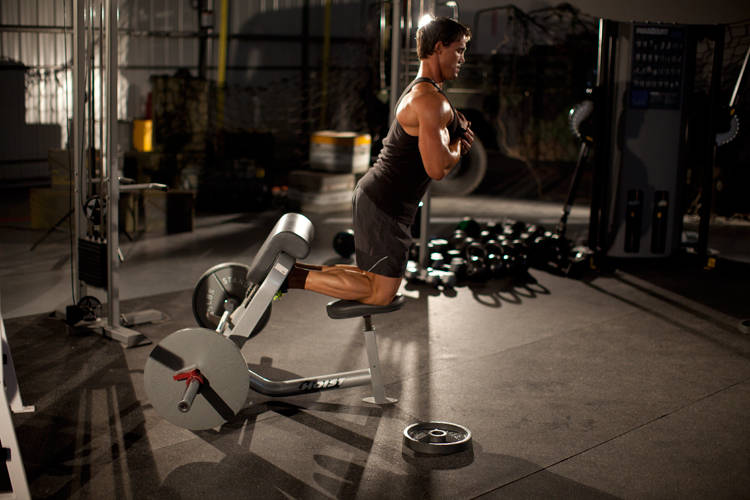
2. Natural Glute Ham Raise
77.4% MatchHow to perform this exercise
- Using the leg pad of a lat pulldown machine or a preacher bench, position yourself so that your ankles are under the pads, knees on the seat, and you are facing away from the machine. You should be upright and maintaining good posture.
- This will be your starting position. Lower yourself under control until your knees are almost completely straight.
- Remaining in control, raise yourself back up to the starting position.
- If you are unable to complete a rep, use a band, a partner, or push off of a box to aid in completing a repetition.
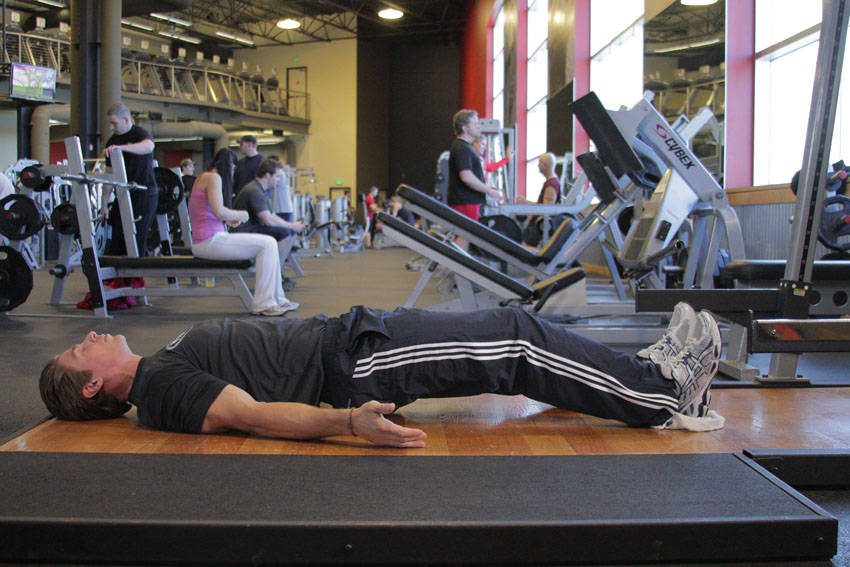
3. Platform Hamstring Slides
70.2% MatchHow to perform this exercise
- For this movement a wooden floor or similar is needed. Lay on your back with your legs extended. Place a gym towel or a light weight underneath your heel. This will be your starting position.
- Begin the movement by flexing the knee, keeping your other leg straight.
- Continue bringing the heel closer to you, sliding it on the floor.
- At full knee flexion, reverse the movement to return to the starting position.
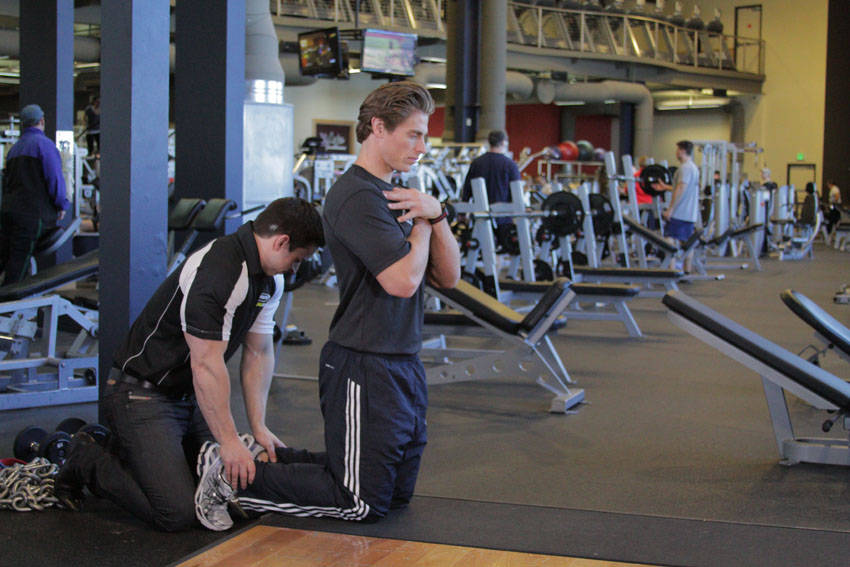
4. Floor Glute-Ham Raise
69.1% MatchHow to perform this exercise
- You can use a partner for this exercise or brace your feet under something stable.
- Begin on your knees with your upper legs and torso upright. If using a partner, they will firmly hold your feet to keep you in position. This will be your starting position.
- Lower yourself by extending at the knee, taking care to NOT flex the hips as you go forward.
- Place your hands in front of you as you reach the floor. This movement is very difficult and you may be unable to do it unaided. Use your arms to lightly push off the floor to aid your return to the starting position.
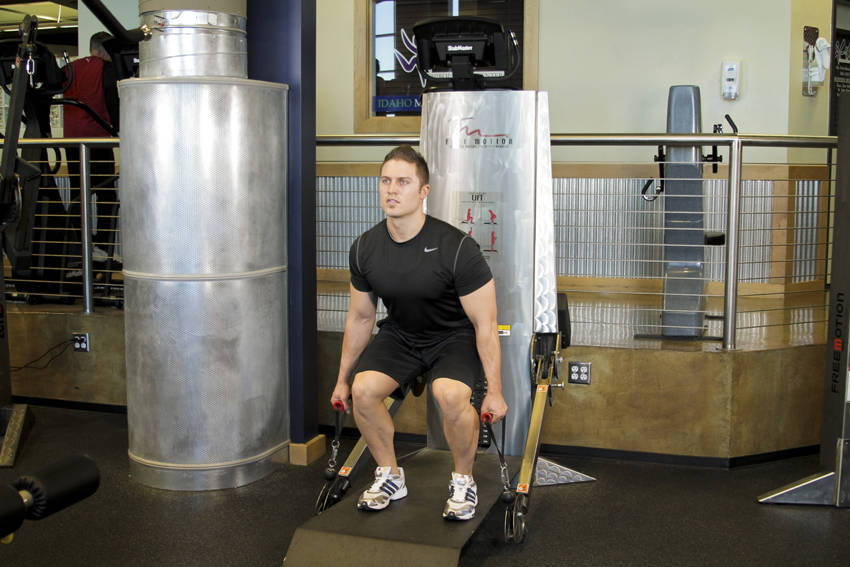
5. Cable Deadlifts
68.3% MatchHow to perform this exercise
- Move the cables to the bottom of the towers and select an appropriate weight. Stand directly in between the uprights.
- To begin, squat down be flexing your hips and knees until you can reach the handles.
- After grasping them, begin your ascent. Driving through your heels extend your hips and knees keeping your hands hanging at your side. Keep your head and chest up throughout the movement.
- After reaching a full standing position, Return to the starting position and repeat.
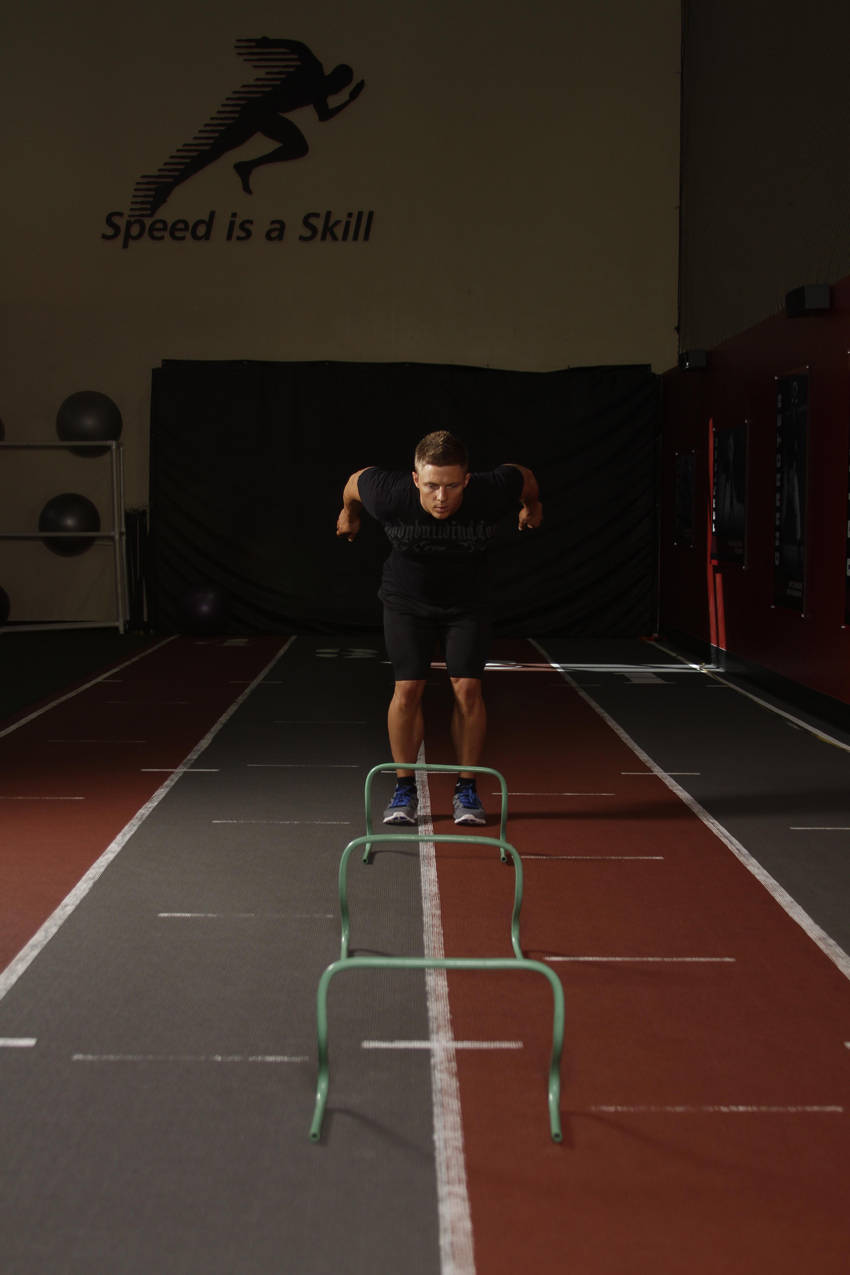
6. Hurdle Hops
68% MatchHow to perform this exercise
- Set up a row of hurdles or other small barriers, placing them a few feet apart.
- Stand in front of the first hurdle with your feet shoulder width apart. This will be your starting position.
- Begin by jumping with both feet over the first hurdle, swinging both arms as you jump.
- Absorb the impact of landing by bending the knees, rebounding out of the first leap by jumping over the next hurdle. Continue until you have jumped over all of the hurdles.
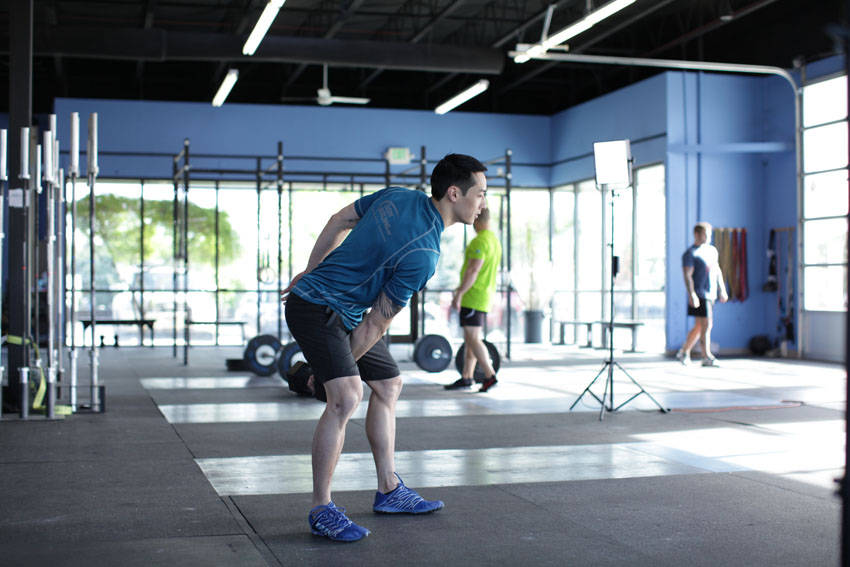
7. Vertical Swing
67.7% MatchHow to perform this exercise
- Allow the dumbbell to hang at arms length between your legs, holding it with both hands. Keep your back straight and your head up.
- Swing the dumbbell between your legs, flexing at the hips and bending the knees slightly.
- Powerfully reverse the motion by extending at the hips, knees, and ankles to propel yourself upward, swinging the dumbell over your head.
- As you land, absorb the impact through your legs and draw the dumbbell to your torso before the next repetition.
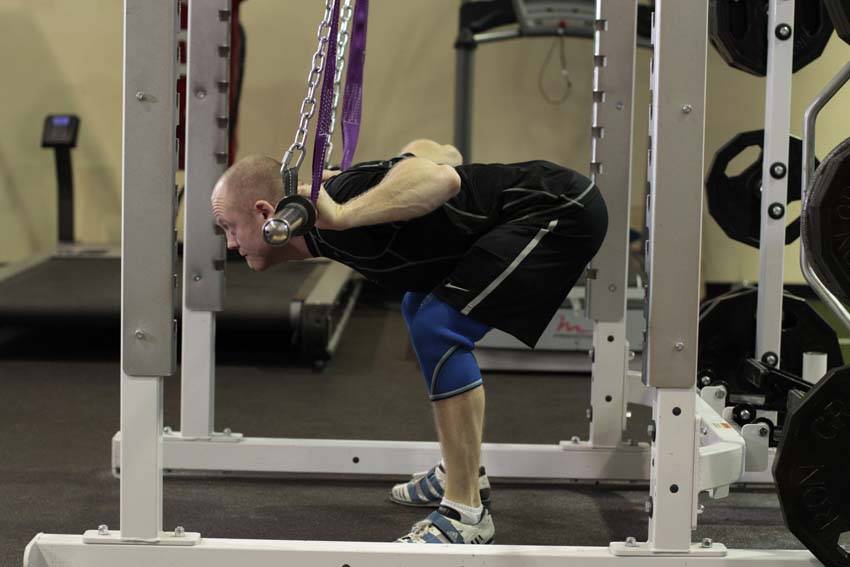
8. Hanging Bar Good Morning
67.4% MatchHow to perform this exercise
- Begin with a bar on a rack at about the same height as your stomach. Suspend the bar using chains or suspension straps.
- Bend over underneath the bar and rack the bar across the rear of your shoulders as you would a power squat, not on top of your traps. At the proper height, you should be near parallel to the floor when bent over. Keep your back tight, shoulder blades pinched together, and your knees slightly bent. Keep your back arched and your cervical spine in proper alignment.
- Begin the motion by extending through the hips with your glutes and hamstrings, and you are standing with the weight.
- Slowly lower the weight back to the starting position, where it is supported by the chains.
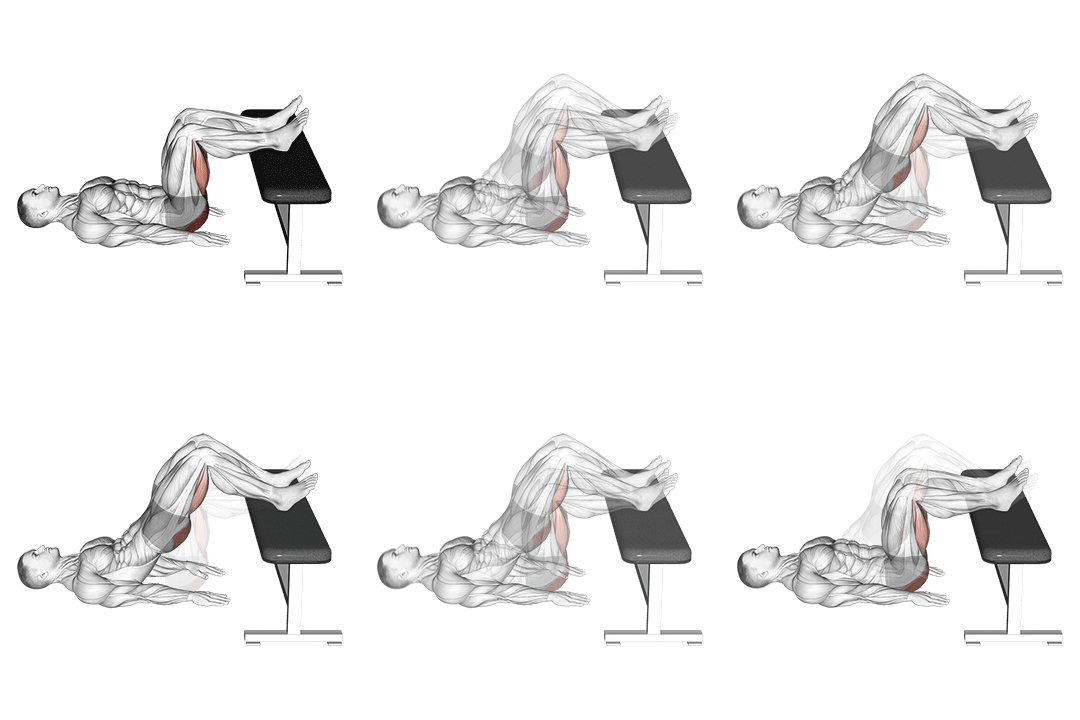
9. Glute Bridge Two Legs On Bench (male)
66.6% MatchHow to perform this exercise
- Sit on the edge of a bench with your back against it and your feet flat on the ground.
- Place your hands on the bench beside your hips for support.
- Engage your glutes and hamstrings, then lift your hips off the bench until your body forms a straight line from your knees to your shoulders.
- Pause for a moment at the top, then slowly lower your hips back down to the starting position.
- Repeat for the desired number of repetitions.
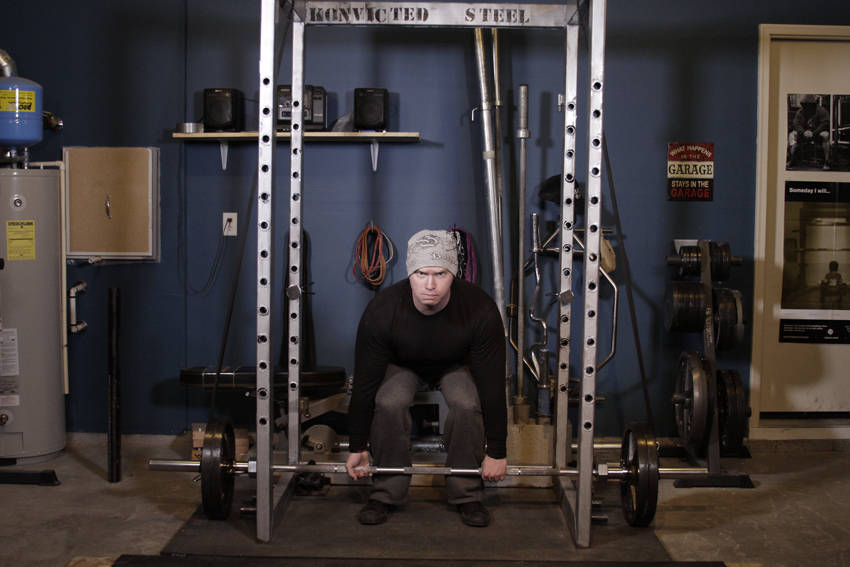
10. Reverse Band Deadlift
66.4% MatchHow to perform this exercise
- Set the bar up in a power rack. Attach bands to the top of the rack, using either bands pegs or the frame itself. Attach the other end of the bands to the bar.
- Approach the bar so that it is centered over your feet. You feet should be about hip width apart. Bend at the hip to grip the bar at shoulder width, allowing your shoulder blades to protract. Typically, you would use an overhand grip or an over/under grip on heavier sets.
- With your feet, and your grip set, take a big breath and then lower your hips and bend the knees until your shins contact the bar. Look forward with your head, keep your chest up and your back arched, and begin driving through the heels to move the weight upward.
- After the bar passes the knees, aggressively pull the bar back, pulling your shoulder blades together as you drive your hips forward into the bar.
- Lower the bar by bending at the hips and guiding it to the floor.
Why You Might Need a Ball Leg Curl Alternative
You may substitute the Ball Leg Curl for several reasons: no stability ball access, persistent knee discomfort, need for heavier loading, or desire for a different neuromuscular stimulus. The Ball Leg Curl blends knee flexion with hip extension and high hamstring activation; alternatives emphasize one or both patterns. For example, Romanian deadlifts prioritize hip-hinge and eccentric hamstring lengthening, while Nordics emphasize eccentric knee-flexor control. Choose an option when you need safer loading (machine leg curl), greater eccentric overload (Nordic), or progressive weight (RDL). Cue for any replacement: control the eccentric phase and maintain a neutral spine to target the posterior chain effectively.
How to Choose the Right Substitute
Select a substitute based on the movement pattern you want to preserve (knee flexion vs hip hinge), available equipment, and injury history. If you need to replicate the Ball Curl’s knee-flexor emphasis, choose Nordic curls or prone machine leg curls and cue a slow eccentric with hips stacked. If you need progressive overload and posterior-chain lengthening, pick Romanian deadlifts or single-leg RDLs and hinge at the hips with a slight knee bend to drive hamstring activation. Also consider bilateral stability, unilateral weakness, and how you’ll progress load or tempo in your program.
Frequently Asked Questions
What muscles does Ball Leg Curl work?
The Ball Leg Curl primarily targets the hamstrings, biceps femoris, semitendinosus, and semimembranosus, through knee flexion while the glutes assist in hip extension. You’ll also recruit core and posterior-chain stabilizers to keep hips elevated; cue yourself to squeeze the hamstrings behind the knee on each rep.
What is the best bodyweight alternative to Ball Leg Curl?
The Nordic hamstring curl is the best bodyweight alternative: it forces eccentric control of knee flexion and produces high hamstring activation. Cue: anchor your feet, keep hips and trunk rigid, and lower slowly to emphasize eccentric loading; push up with your hands if needed for progression.
Can I build muscle without doing Ball Leg Curl?
Yes. You can hypertrophy hamstrings using hip-hinge patterns (Romanian deadlifts, single-leg RDLs) and knee-flexion options (Nordic curls, machine leg curls) with progressive overload. Focus on controlled eccentrics, increasing load or reps, and maintaining proper hinge mechanics to maximize hamstring recruitment.
More Exercise Alternatives
Find Alternatives for Any Exercise
Use the exercise substitution finder to compare ranked alternatives for your available equipment and training preference.
Try the Exercise Substitution Finder →