

10 Best Band Hip Adductions Alternatives for Home Workouts
If you can’t do band hip adductions, choose exercises that load hip adduction and medial-thigh control. Try Copenhagen adduction, standing cable adduction, machine adductor press, wide-stance sumo squats, or ball squeezes. Emphasize a slow concentric squeeze and controlled eccentric lengthening to maximize adductor activation; cue hips level and knees tracking forward.
Original Exercise: Band Hip Adductions
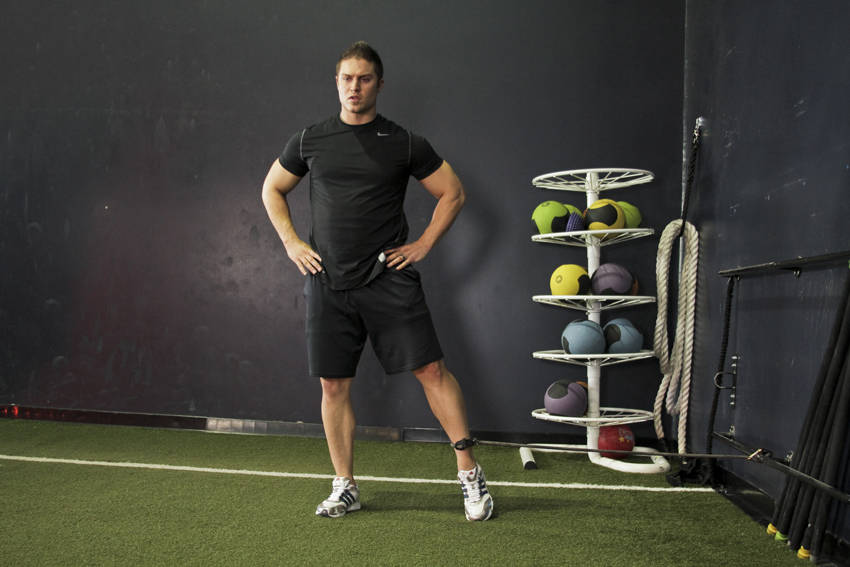
How to Perform Band Hip Adductions
- Anchor a band around a solid post or other object.
- Stand with your left side to the post, and put your right foot through the band, getting it around the ankle.
- Stand up straight and hold onto the post if needed. This will be your starting position.
- Keeping the knee straight, raise your right legs out to the side as far as you can.
- Return to the starting position and repeat for the desired rep count.
- Switch sides.
Pro Tips
- Category: Strength
- Force: Pull
- Movement type: Isolation
Ranked Band Hip Adductions Alternatives
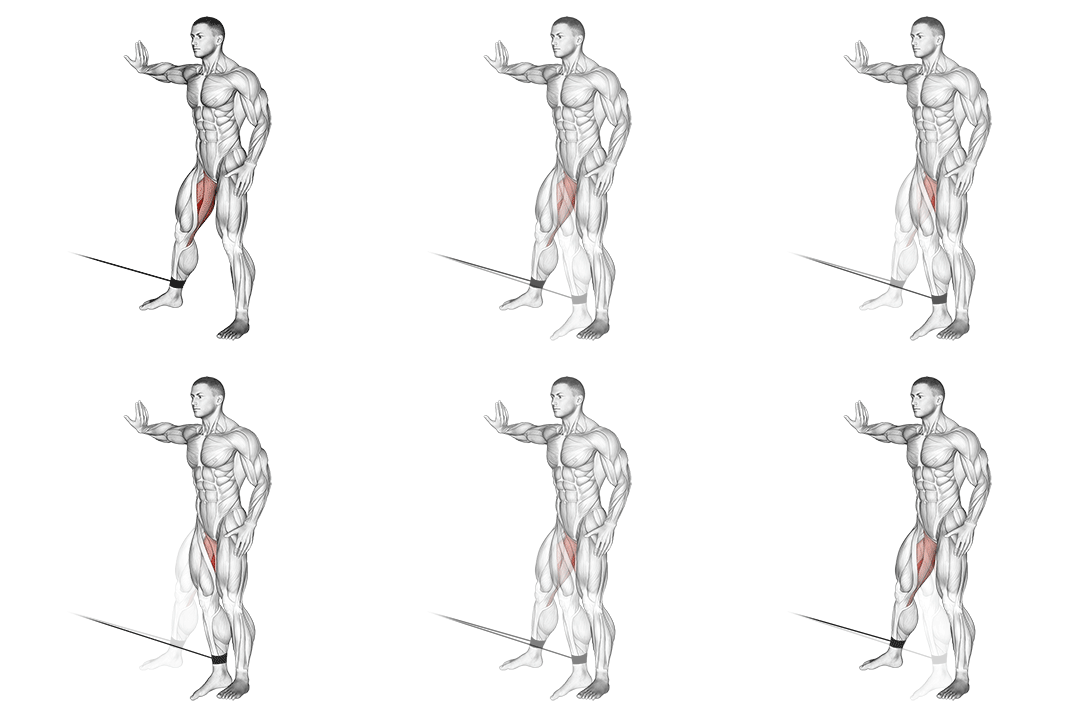
1. Cable Hip Adduction
90% MatchHow to perform this exercise
- Attach the ankle cuff to your ankle and stand facing the cable machine.
- Position yourself far enough away from the machine so that there is tension on the cable.
- Place your hands on the machine for support.
- Keeping your leg straight, slowly move your leg across your body towards the midline.
- Pause for a moment at the end of the movement, then slowly return to the starting position.
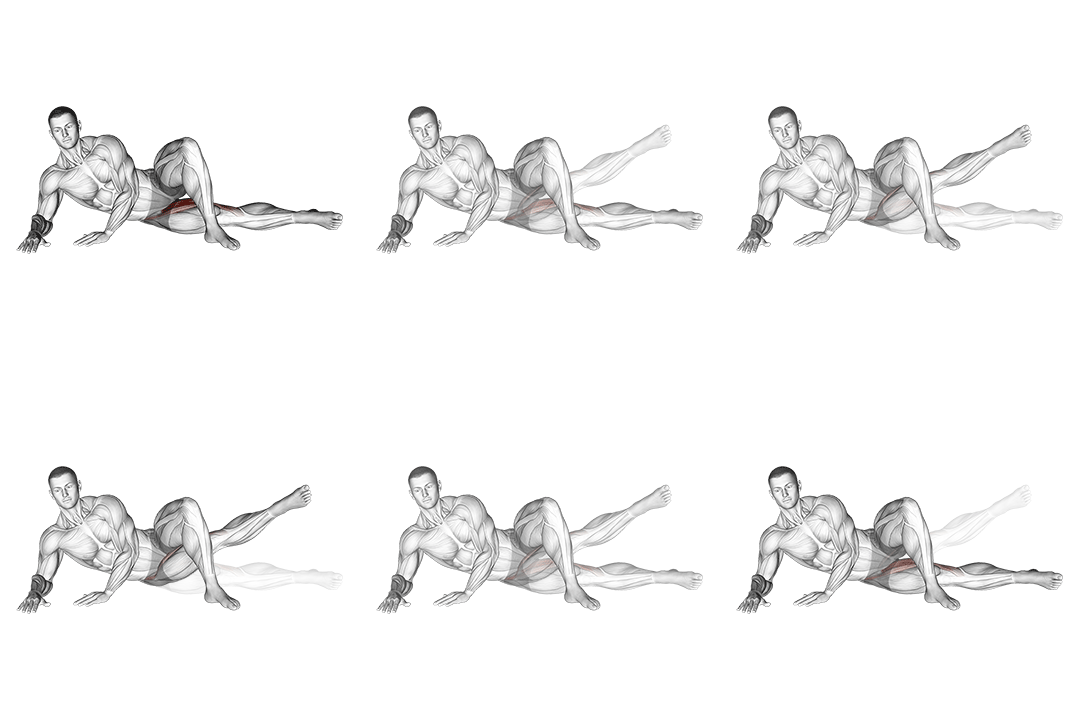
2. Side Lying Hip Adduction (male)
77% MatchHow to perform this exercise
- Lie on your side with your legs straight and stacked on top of each other.
- Place your bottom arm under your head for support.
- Engage your adductors and lift your top leg as high as possible without rotating your hips or leaning backward.
- Pause for a moment at the top, then slowly lower your leg back down to the starting position.
- Repeat for the desired number of repetitions, then switch sides.
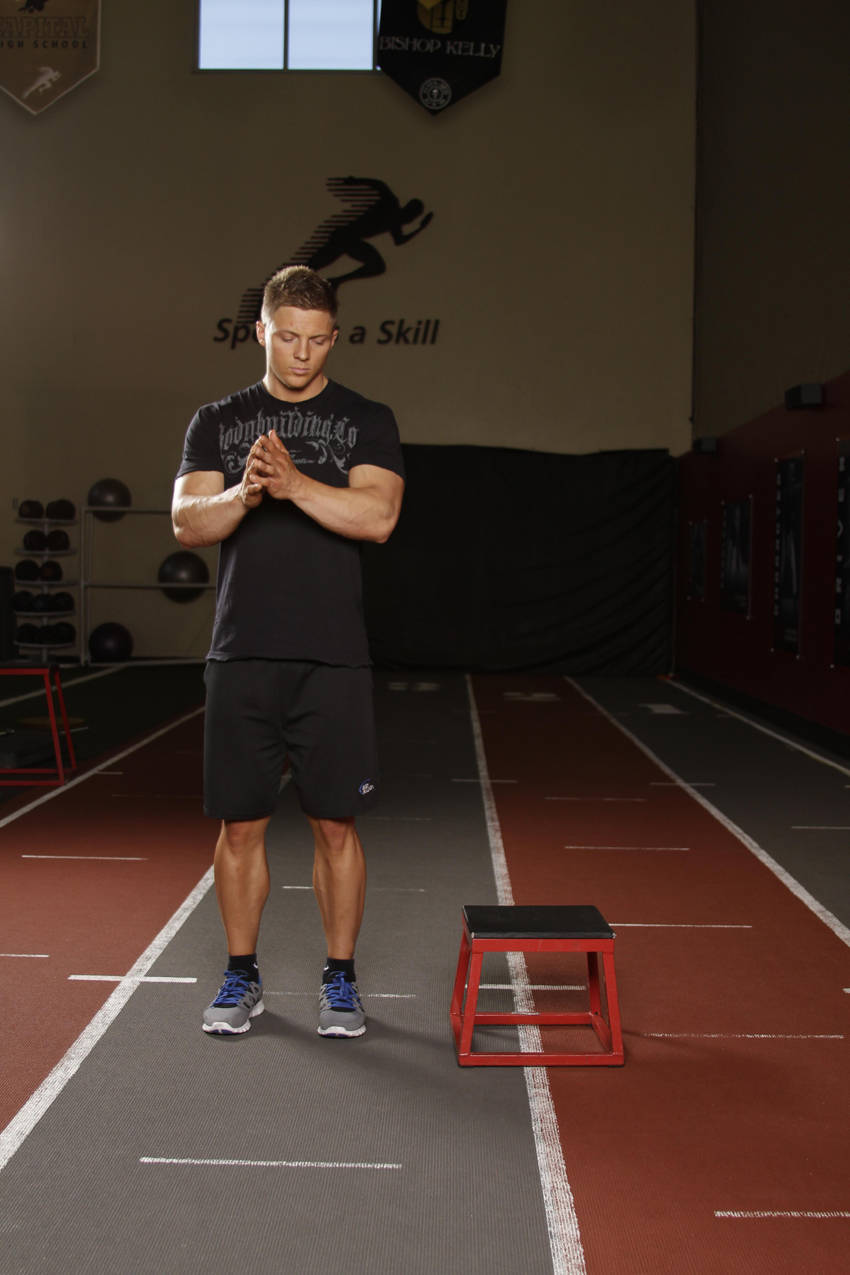
3. Lateral Box Jump
72.9% MatchHow to perform this exercise
- Assume a comfortable standing position, with a short box positioned next to you. This will be your starting position.
- Quickly dip into a quarter squat to initiate the stretch reflex, and immediately reverse direction to jump up and to the side.
- Bring your knees high enough to ensure your feet have good clearance over the box.
- Land on the center of the box, using your legs to absorb the impact.
- Carefully jump down to the other side of the box, and continue going back and forth for several repetitions.
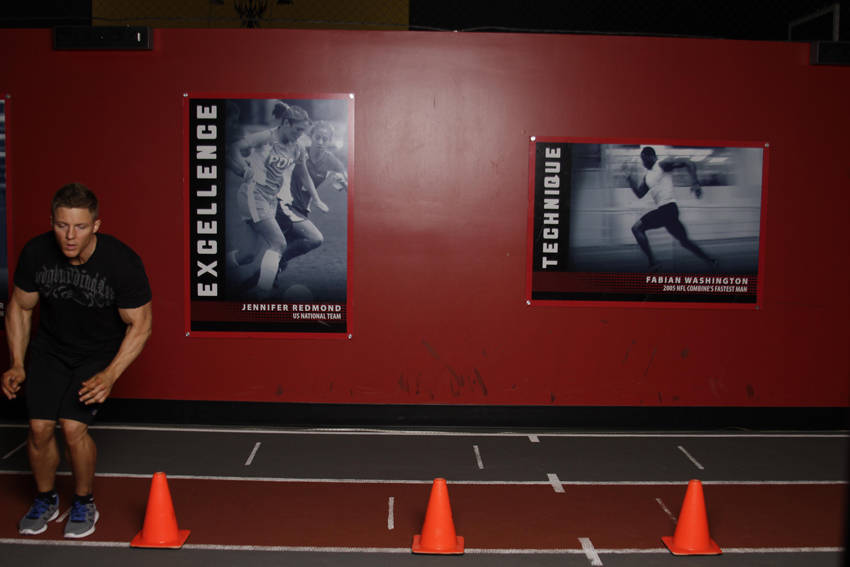
4. Lateral Cone Hops
72.1% MatchHow to perform this exercise
- Position a number of cones in a row several feet apart.
- Stand next to the end of the cones, facing 90 degrees to the direction of travel. This will be your starting position.
- Begin the jump by dipping with the knees to initiate a stretch reflex, and immediately reverse direction to push off the ground, jumping up and sideways over the cone.
- Use your legs to absorb impact upon landing, and rebound into the next jump, continuing down the row of cones.
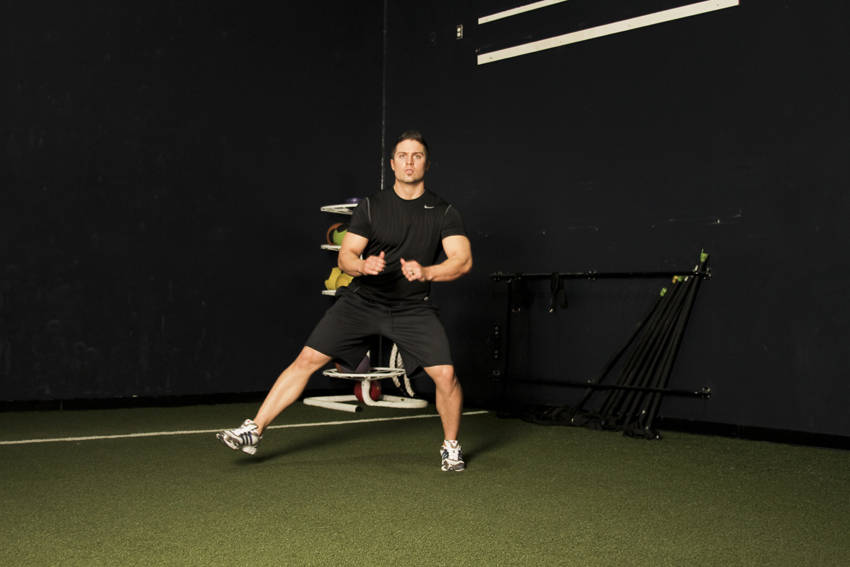
5. Lateral Bound
71.6% MatchHow to perform this exercise
- Assume a half squat position facing 90 degrees from your direction of travel. This will be your starting position.
- Allow your lead leg to do a countermovement inward as you shift your weight to the outside leg.
- Immediately push off and extend, attempting to bound to the side as far as possible.
- Upon landing, immediately push off in the opposite direction, returning to your original start position.
- Continue back and forth for several repetitions.
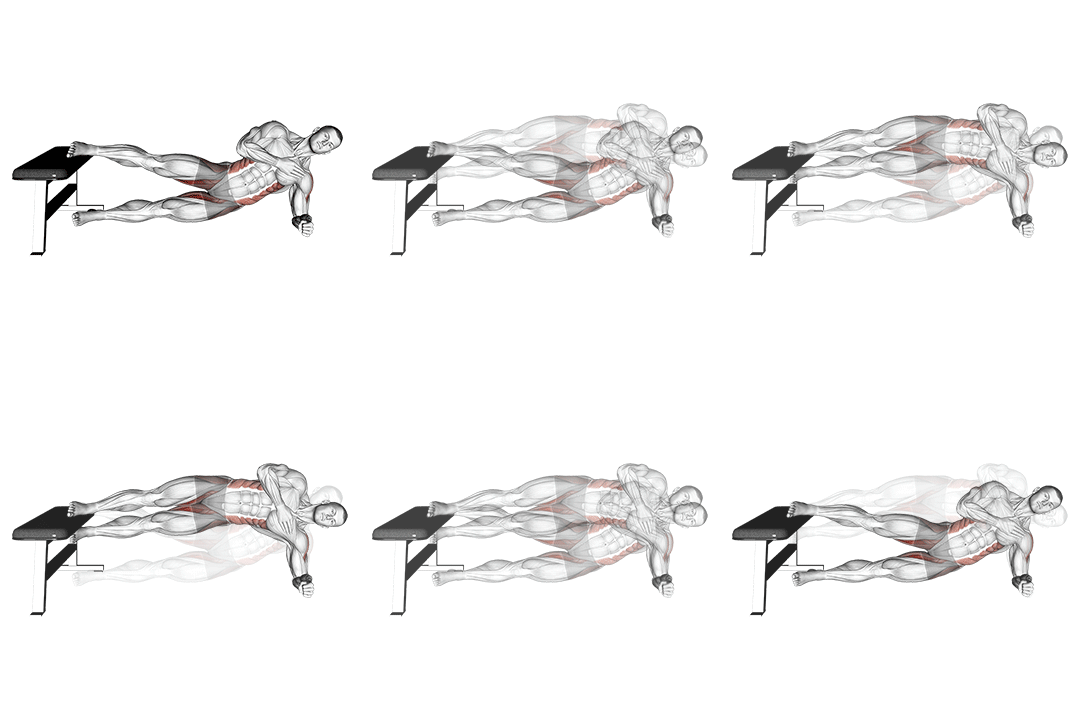
6. Side Plank Hip Adduction
70.3% MatchHow to perform this exercise
- Start by lying on your side with your legs extended and stacked on top of each other.
- Prop yourself up on your forearm, keeping your elbow directly below your shoulder.
- Engage your core and lift your hips off the ground, creating a straight line from your head to your feet.
- While maintaining the side plank position, lift your top leg towards the ceiling, keeping it straight.
- Slowly lower your leg back down to the starting position.
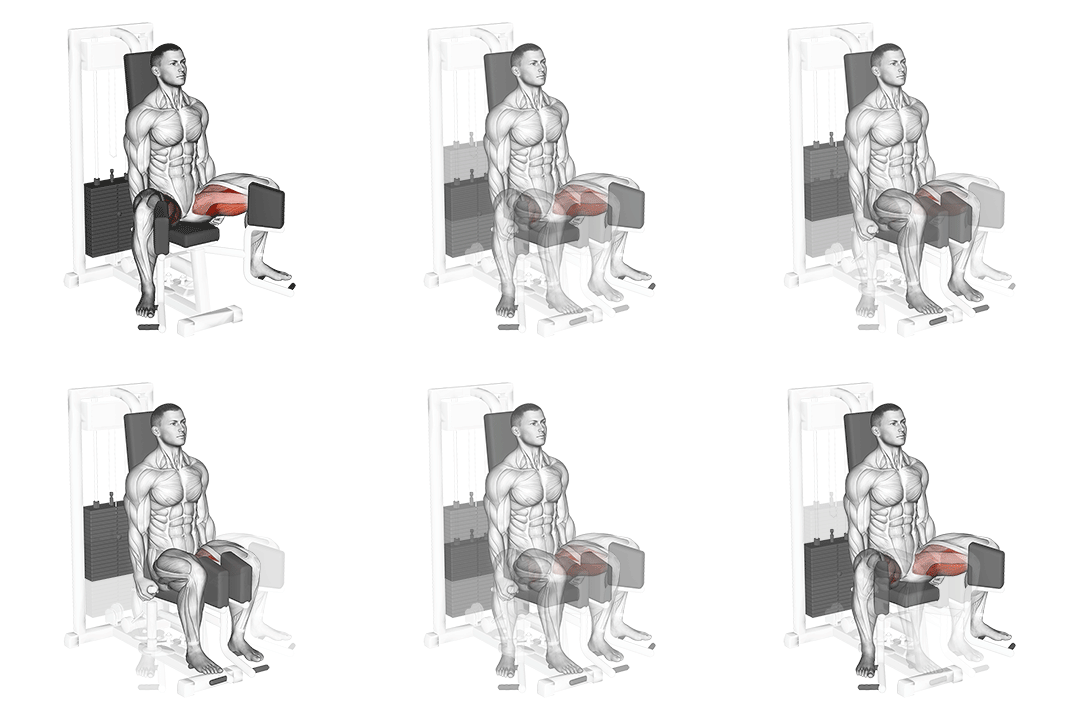
7. Lever Seated Hip Adduction
70% MatchHow to perform this exercise
- Adjust the seat height and position yourself on the machine with your back against the backrest.
- Place your feet on the footrests and grasp the handles for stability.
- Engage your adductor muscles and slowly bring your legs together, squeezing your inner thighs.
- Pause for a moment at the peak contraction, then slowly return to the starting position.
- Repeat for the desired number of repetitions.
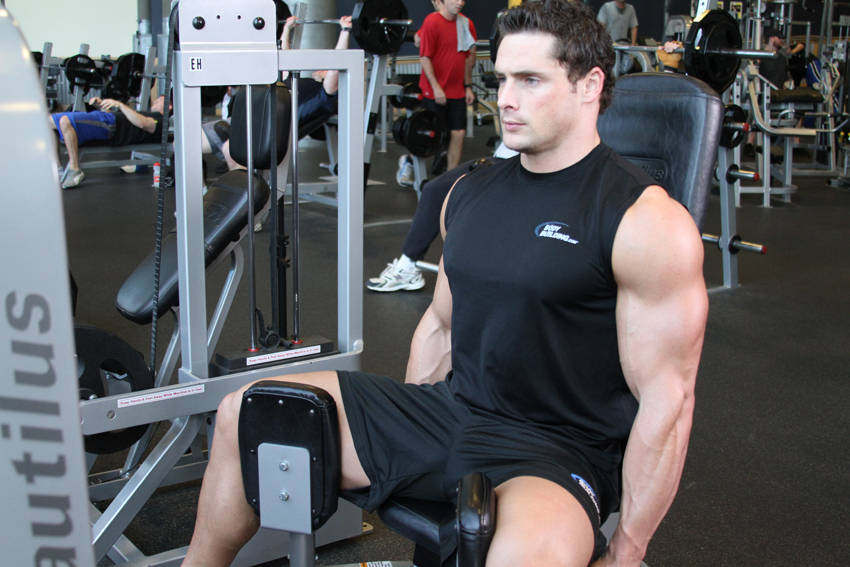
8. Thigh Adductor
68.7% MatchHow to perform this exercise
- To begin, sit down on the adductor machine and select a weight you are comfortable with. When your legs are positioned properly on the leg pads of the machine, grip the handles on each side. Your entire upper body (from the waist up) should be stationary. This is the starting position.
- Slowly press against the machine with your legs to move them towards each other while exhaling.
- Feel the contraction for a second and begin to move your legs back to the starting position while breathing in. Note: Remember to keep your upper body stationary and avoid fast jerking motions in order to prevent any injuries from occurring.
- Repeat for the recommended amount of repetitions.
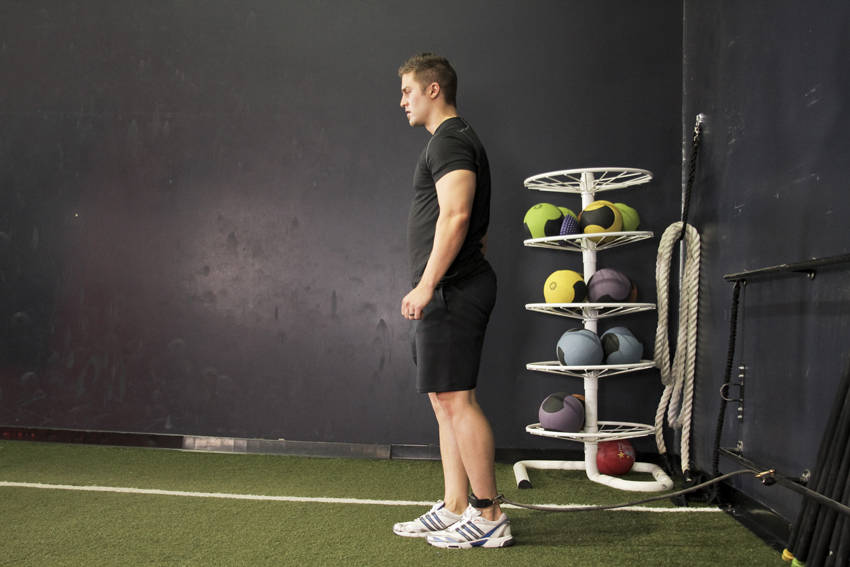
9. Hip Flexion With Band
66% MatchHow to perform this exercise
- Secure one end of the band to the lower portion of a post and attach the other to one ankle.
- Face away from the attachment point of the band.
- Keeping your head and your chest up, raise your knee up to 90 degrees and pause.
- Return the leg to the starting position.
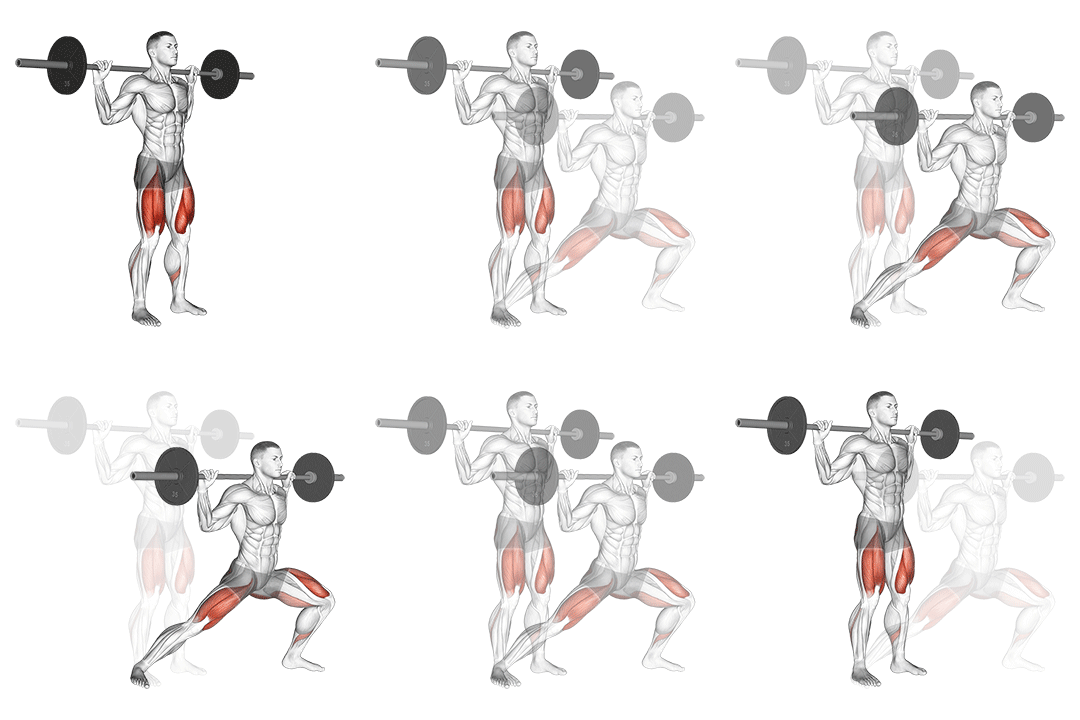
10. Barbell Lateral Lunge
64.1% MatchHow to perform this exercise
- Stand with your feet shoulder-width apart, holding a barbell across your upper back.
- Take a big step to the side with your right foot, keeping your left foot planted.
- Bend your right knee and lower your body down into a lunge position, keeping your left leg straight.
- Push off with your right foot and return to the starting position.
- Repeat on the other side, stepping with your left foot.
Why You Might Need a Band Hip Adductions Alternative
You may substitute band hip adductions for several reasons: lack of a band, hip or groin pain, desire for greater load progression, or need for a more functional pattern. Replacing the band with a cable or machine lets you apply progressive resistance and maintain consistent tension through the range of motion, increasing hypertrophic stimulus to the adductors. If pain limits full range, choose isometric holds (Copenhagen or ball squeeze) to load the adductors without end-range stretch. Always cue a firm pelvic position and active medial thigh squeeze to preserve hip joint mechanics and avoid compensatory lumbar movement.
How to Choose the Right Substitute
Select a substitute based on your goal, equipment, and pain status. For strength and progressive overload, use standing cable adduction or machine adductor press and load with slow 2–3 second concentric phases; cue toes pointing forward and controlled hip adduction. For rehab or pain, pick isometric options like Copenhagen holds or ball squeezes and hold 10–30 seconds to emphasize tendon-friendly tension. For transfer to sport, choose single-leg or loaded compound options (wide-stance sumo or Bulgarian split with adductor emphasis) to train adductor force during weight-bearing and pelvic stability.
Frequently Asked Questions
What muscles does Band Hip Adductions work?
Band hip adductions primarily target the adductor group, longus, brevis, magnus, and the gracilis. The movement emphasizes hip adduction and medial thigh tension; cue a deliberate concentric squeeze and slow eccentric lowering to maximize muscle fiber recruitment and hip joint control.
What is the best bodyweight alternative to Band Hip Adductions?
The Copenhagen adduction is the top bodyweight substitute because it creates high adductor activation through levered isometric and eccentric loading. Set up on your forearm with the top leg supported and lower slowly; cue a tight core and drive the working knee toward the midline to maintain adductor tension.
Can I build muscle without doing Band Hip Adductions?
Yes. You can hypertrophy the adductors using progressive overload with alternatives like cable adductions, machine adductor presses, heavy ball squeezes, or loaded wide-stance squats. Focus on increasing load or time under tension and use deliberate concentric contractions plus controlled eccentrics to drive muscle growth.
More Exercise Alternatives
Find Alternatives for Any Exercise
Use the exercise substitution finder to compare ranked alternatives for your available equipment and training preference.
Try the Exercise Substitution Finder →