

10 Best Barbell Wide-grip Upright Row Alternatives for Shoulder Development
If the Barbell Wide-grip Upright Row causes pain or you lack a barbell, choose alternatives that still target the delts. Top options include cable upright rows, dumbbell high pulls, lateral raises, face pulls, and pike push-ups. Cue: lead with the elbows and stop at collarbone height to load lateral delts and upper traps while protecting the shoulder joint.
Original Exercise: Barbell Wide-grip Upright Row
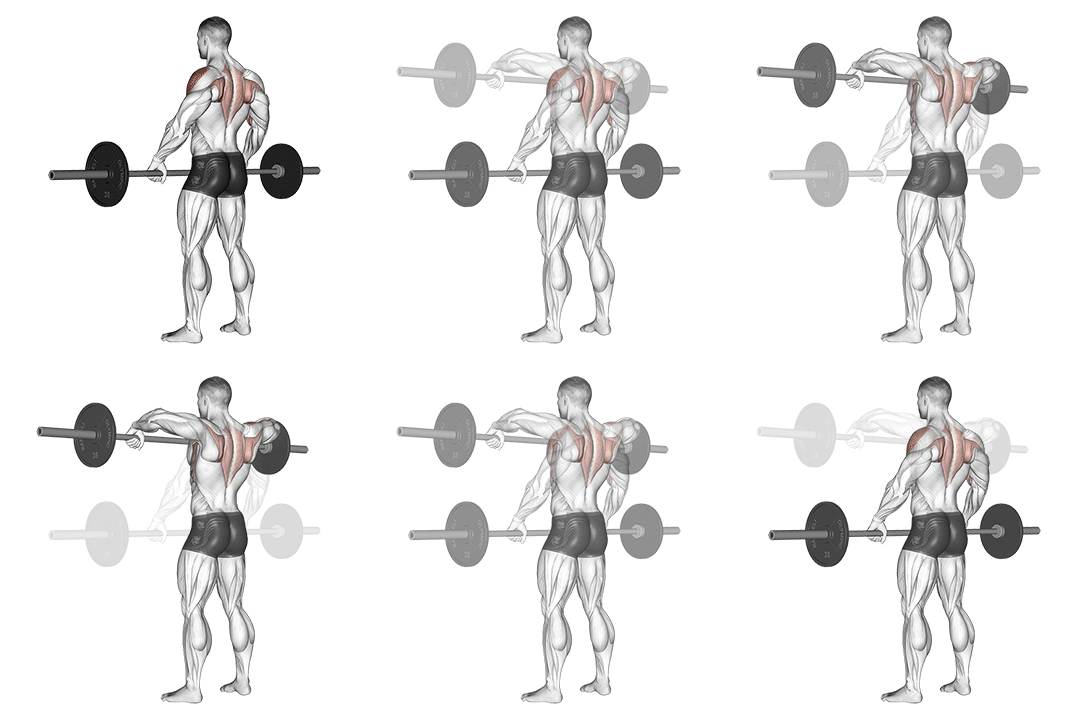
How to Perform Barbell Wide-grip Upright Row
- Stand with your feet shoulder-width apart and hold a barbell with an overhand grip, hands wider than shoulder-width apart.
- Let the barbell hang in front of your thighs, arms fully extended.
- Keeping your back straight, exhale and lift the barbell straight up towards your chin, leading with your elbows.
- Pause for a moment at the top, then inhale and slowly lower the barbell back down to the starting position.
- Repeat for the desired number of repetitions.
Ranked Barbell Wide-grip Upright Row Alternatives
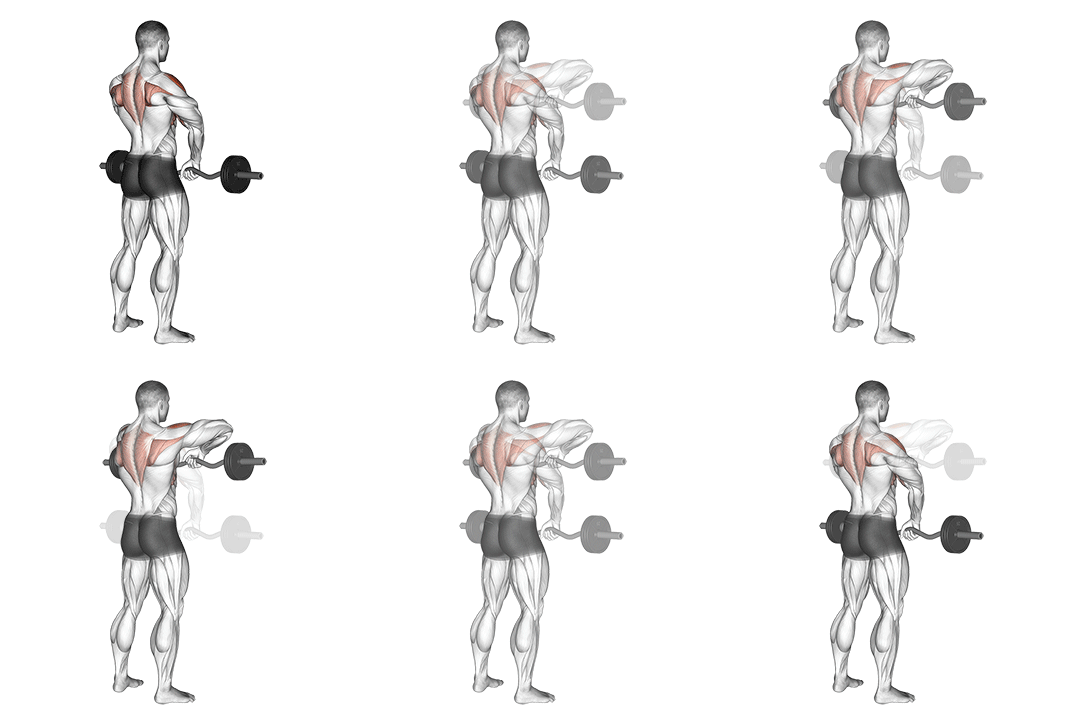
1. Barbell Upright Row
98% MatchHow to perform this exercise
- Stand with your feet shoulder-width apart and hold a barbell with an overhand grip, hands slightly wider than shoulder-width apart.
- Let the barbell hang in front of your thighs, arms fully extended.
- Keeping your back straight and core engaged, exhale and lift the barbell straight up towards your chin, leading with your elbows.
- Pause for a moment at the top, then inhale and slowly lower the barbell back down to the starting position.
- Repeat for the desired number of repetitions.
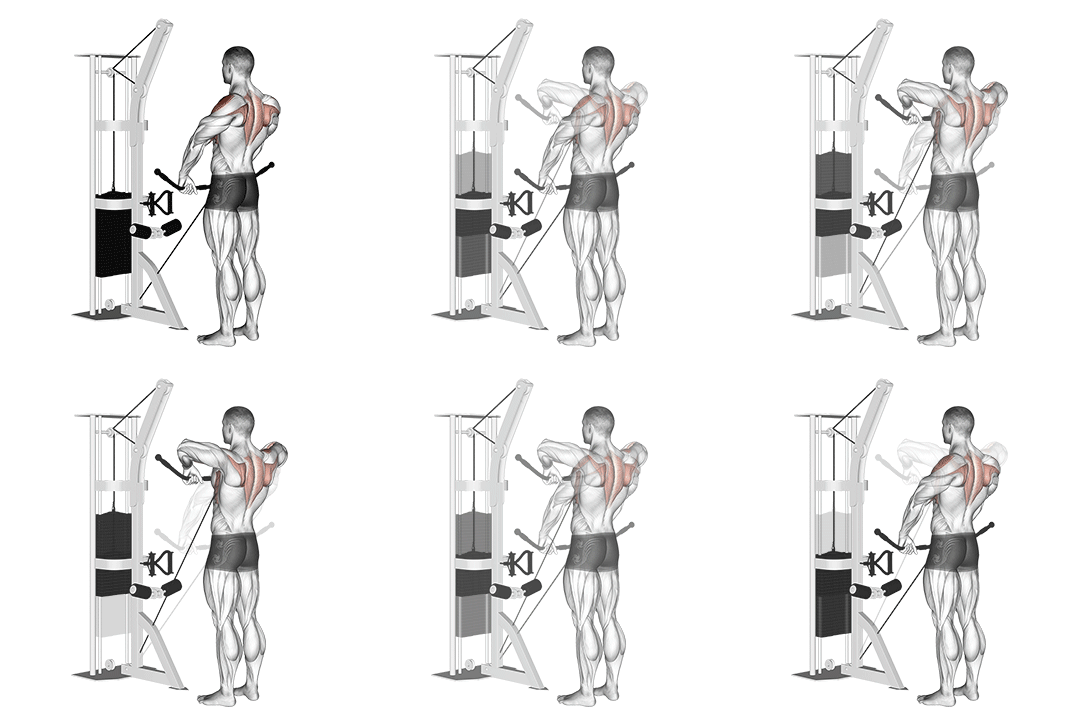
2. Cable Upright Row
75.4% MatchHow to perform this exercise
- Stand with your feet shoulder-width apart, knees slightly bent, and hold the cable attachment with an overhand grip.
- Keep your back straight and your core engaged throughout the exercise.
- Pull the cable attachment straight up towards your chin, leading with your elbows.
- Pause for a moment at the top, squeezing your shoulder blades together.
- Slowly lower the cable attachment back down to the starting position.
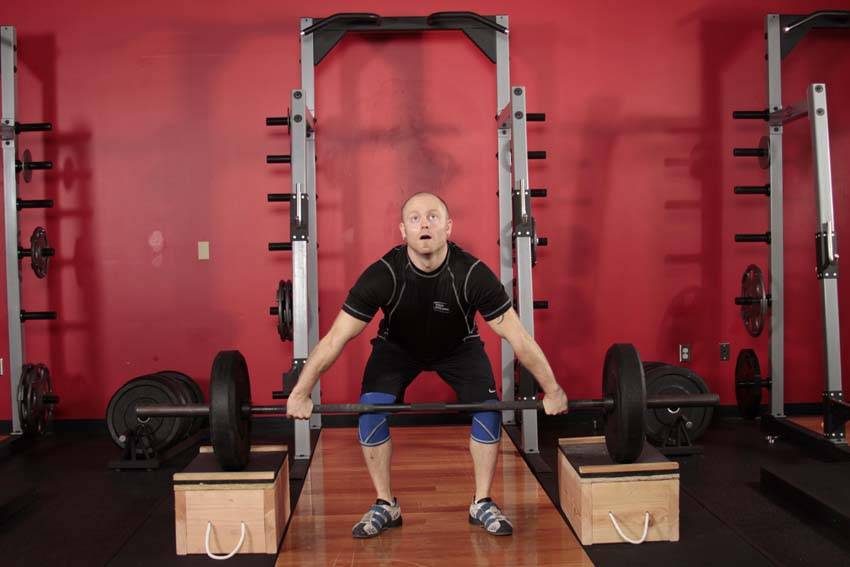
3. Snatch From Blocks
72.6% MatchHow to perform this exercise
- Begin with a loaded barbell on boxes or stands of the desired height. A wide grip should be taken on the bar. The feet should be directly below the hips, with the feet turned out as needed. Lower the hips, with the chest up and the head looking forward. The shoulders should be just in front of the bar, with the elbows pointed out. This will be the starting position.
- Begin the first pull by driving through the front of the heels, raising the bar from the boxes.
- Transition into the second pull by extending through the hips knees and ankles, driving the bar up as quickly as possible. The bar should be close to the body. At peak extension, shrug the shoulders and allow the elbows to flex to the side.
- As you move your feet into the receiving position, forcefully pull yourself below the bar as you elevate the bar overhead. The feet should move to just outside the hips, turned out as necessary. Receive the bar with your body as low as possible and the arms fully extended overhead.
- Keeping the bar aligned over the front of the heels, your head and chest up, drive through heels of the feet to move to a standing position. Carefully return the weight to the boxes.
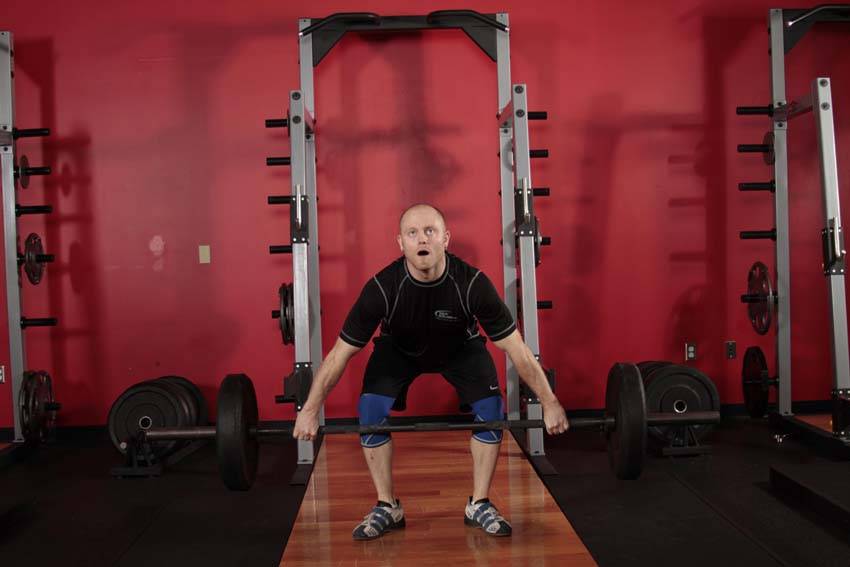
4. Hang Snatch - Below Knees
70.4% MatchHow to perform this exercise
- Begin with a wide grip on the bar, with an overhand or hook grip. The feet should be directly below the hips with the feet turned out. Your knees should be slightly bent, and the torso inclined forward. The spine should be fully extended and the head facing forward. The bar should be just below the knees. This will be your starting position.
- Aggressively extend through the legs and hips. At peak extension, shrug the shoulders and allow the elbows to flex to the side.
- As you move your feet into the receiving position, forcefully pull yourself below the bar as you elevate the bar overhead. Receive the bar with your body as low as possible and the arms fully extended overhead.
- Return to a standing position with the weight overhead, and then return the weight to the floor under control.
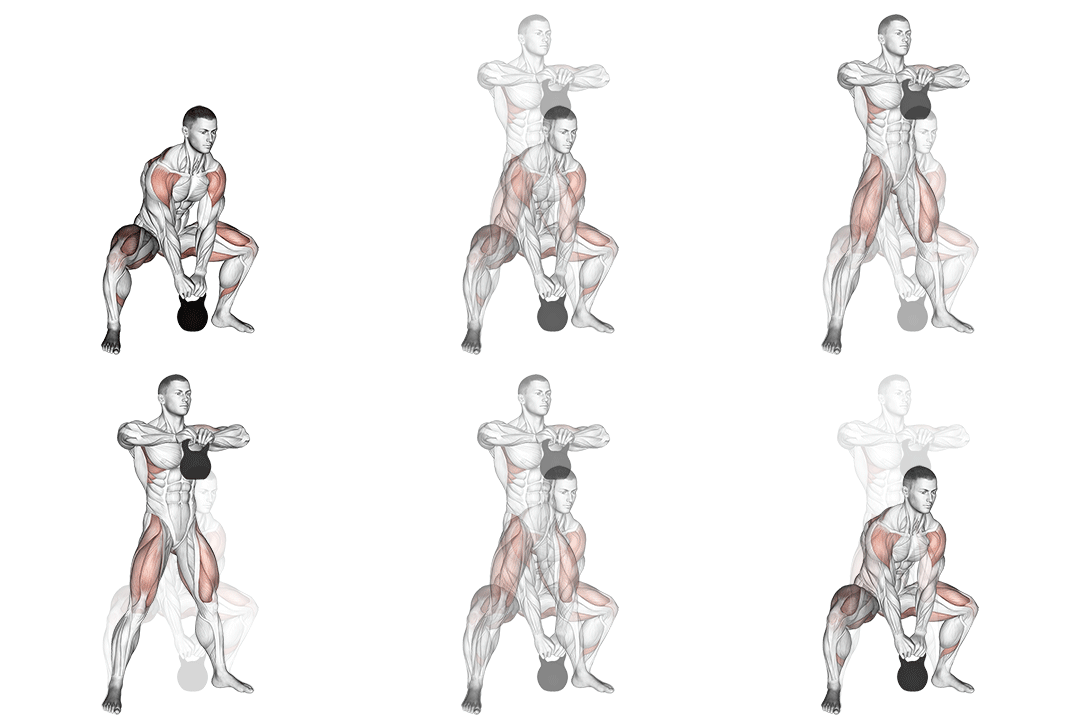
5. Kettlebell Sumo High Pull
69.3% MatchHow to perform this exercise
- Stand with your feet wider than shoulder-width apart, toes pointing outwards.
- Hold a kettlebell with both hands in front of your body, arms extended downwards.
- Bend your knees and lower your hips into a squat position, keeping your back straight.
- Drive through your heels and explosively extend your hips and knees, pulling the kettlebell up towards your chin.
- As you pull the kettlebell up, keep your elbows high and wide, and squeeze your shoulder blades together.
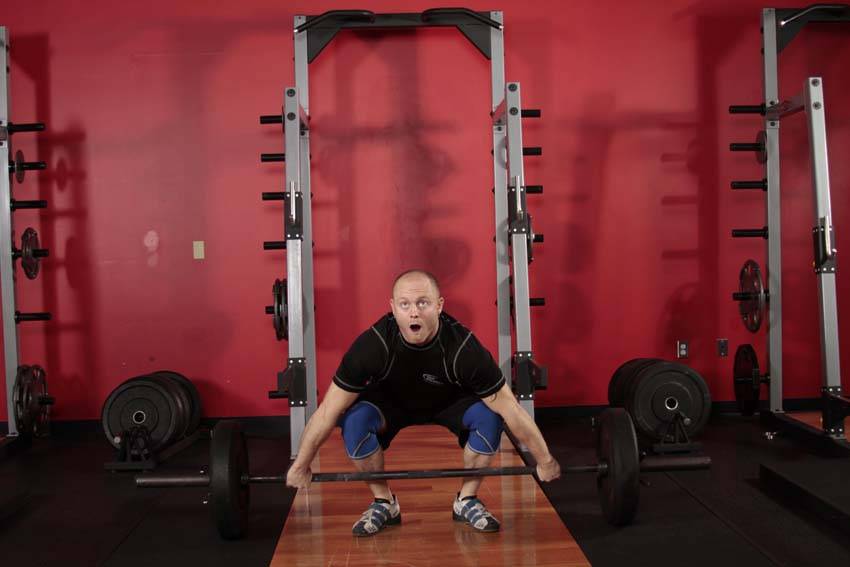
6. Snatch
66.7% MatchHow to perform this exercise
- Place your feet at a shoulder width stance with the barbell resting right above the connection between the toes and the rest of the foot.
- With a palms facing down grip, bend at the knees and keeping the back flat grab the bar using a wider than shoulder width grip. Bring the hips down and make sure that your body drops as if you were going to sit on a chair. This will be your starting position.
- Start pushing the floor as if it were a moving platform with your feet and simultaneously start lifting the barbell keeping it close to your legs.
- As the bar reaches the middle of your thighs, push the floor with your legs and lift your body to a complete extension in an explosive motion.
- Lift your shoulders back in a shrugging movement as you bring the bar up while lifting your elbows out to the side and keeping them above the bar for as long as possible.
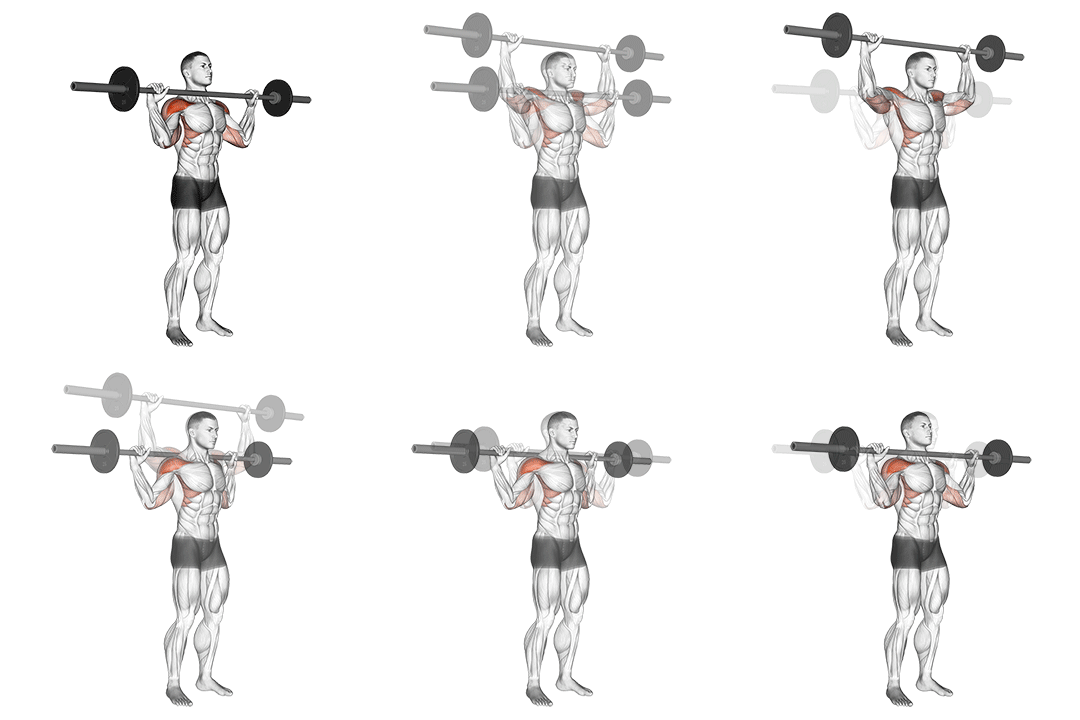
7. Barbell Standing Bradford Press
66.1% MatchHow to perform this exercise
- Stand with your feet shoulder-width apart and hold the barbell in front of your shoulders with an overhand grip.
- Press the barbell overhead, fully extending your arms.
- Lower the barbell back down to the starting position.
- Repeat for the desired number of repetitions.
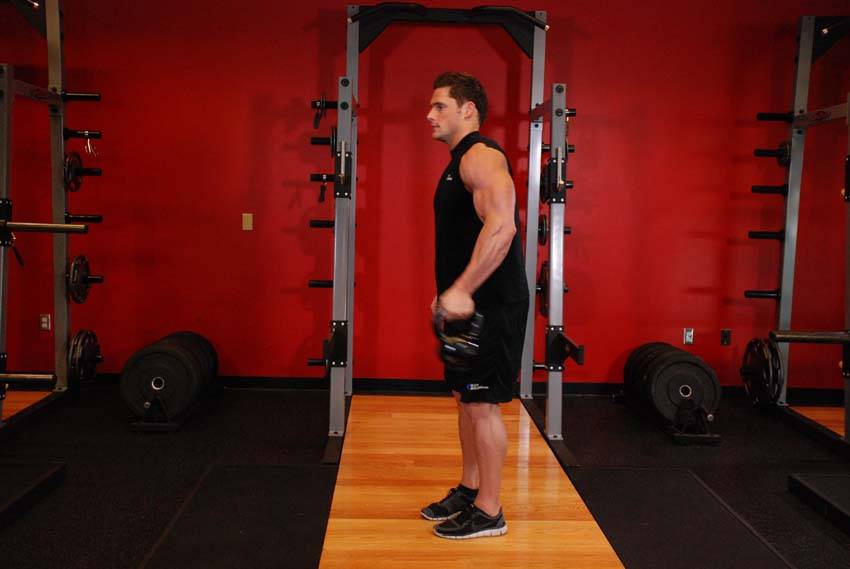
8. Bottoms-Up Clean From The Hang Position
66% MatchHow to perform this exercise
- Initiate the exercise by standing upright with a kettlebell in one hand.
- Swing the kettlebell back forcefully and then reverse the motion forcefully. Crush the kettlebell handle as hard as possible and raise the kettlebell to your shoulder.
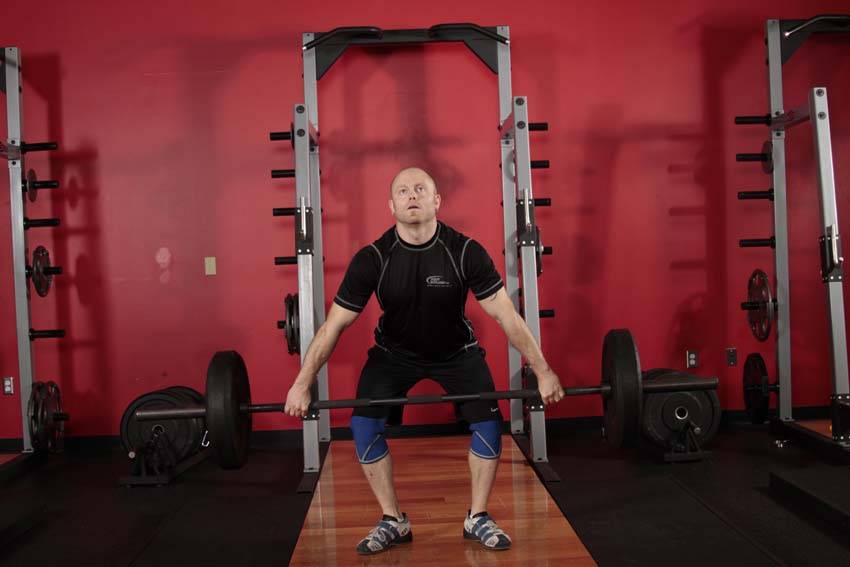
9. Hang Snatch
65.9% MatchHow to perform this exercise
- Begin with a wide grip on the bar, with an overhand or hook grip. The feet should be directly below the hips with the feet turned out. Your knees should be slightly bent, and the torso inclined forward. The spine should be fully extended and the head facing forward. The bar should be at the hips. This will be your starting position.
- Aggressively extend through the legs and hips. At peak extension, shrug the shoulders and allow the elbows to flex to the side.
- As you move your feet into the receiving position, forcefully pull yourself below the bar as you elevate the bar overhead. Receive the bar with your body as low as possible and the arms fully extended overhead.
- Return to a standing position with the weight overhead. Follow by returning the weight to the ground under control.
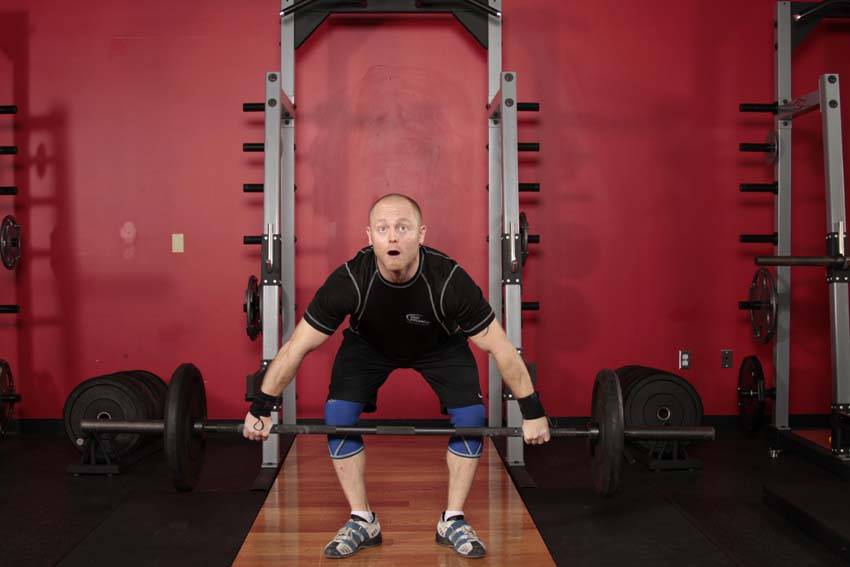
10. Muscle Snatch
65.9% MatchHow to perform this exercise
- Begin with a loaded barbell held at the mid thigh position with a wide grip. The feet should be directly below the hips, with the feet turned out as needed. Lower the hips, with the chest up and the head looking forward. The shoulders should be just in front of the bar. This will be the starting position.
- Begin the pull by driving through the front of the heels, raising the bar. Transition into the second pull by extending through the hips knees and ankles, driving the bar up as quickly as possible. The bar should be close to the body.
- Continue raising the bar to the overhead position, without rebending the knees.
Why You Might Need a Barbell Wide-grip Upright Row Alternative
You might replace the wide-grip upright row due to shoulder pain, impingement risk, or missing equipment. The upright-row pattern risks glenohumeral internal rotation plus elevation, which can pinch the subacromial space for some lifters. Substitutes let you preserve lateral-delt activation while changing arm path and scapular mechanics. For example, lateral raises use pure abduction with external rotation to isolate the middle deltoid, while face pulls emphasize scapular retraction and posterior deltoid balance. Technique cue: perform lateral raises with a slight external rotation and a controlled 2-second eccentrics to maximize deltoid activation.
How to Choose the Right Substitute
Select a substitute based on your goal, joint history, and available load. If you need heavy progressive overload, choose cable or dumbbell upright rows with a neutral grip and stop at clavicle height. If you want isolation and lower joint stress, pick dumbbell lateral raises and use 10–15 rep sets, keeping a 30–45 degree elbow bend. For scapular stability and posterior balance, use face pulls with external rotation, pulling to eye level to engage rear delts and scapular retractors. Cue: prioritize elbow-driven movement to maintain delt emphasis and avoid excessive internal rotation.
Frequently Asked Questions
What muscles does Barbell Wide-grip Upright Row work?
The exercise primarily loads the lateral deltoids and upper trapezius, with secondary activation of the anterior deltoid, rhomboids, and biceps. Biomechanically it combines shoulder abduction/elevation and scapular upward rotation; cue to pull with elbows higher than wrists to bias lateral delts and traps.
What is the best bodyweight alternative to Barbell Wide-grip Upright Row?
A pike push-up is the best bodyweight substitute to load the delts vertically and build shoulder strength. Set hips high, lower your head to the floor with elbows flared slightly, then drive up, this emphasizes the deltoids through a vertical pressing pattern similar in shoulder demand to upright rows.
Can I build muscle without doing Barbell Wide-grip Upright Row?
Yes. You can achieve hypertrophy with a combination of presses, lateral raises, and horizontal pulls that collectively load all deltoid heads. Use progressive overload, prioritize full range of motion, and employ cues like leading with the elbows and controlled eccentrics to maximize deltoid activation.
More Exercise Alternatives
Find Alternatives for Any Exercise
Use the exercise substitution finder to compare ranked alternatives for your available equipment and training preference.
Try the Exercise Substitution Finder →