

10 Best Arm Circles Alternatives for Shoulder Mobility
Arm Circles are done standing. Ranked closest by our scoring: the Lever Lateral Raise, the Shoulder Raise and the Seated Front Deltoid.
Updated Ranked by our 12-factor similarity model How it works
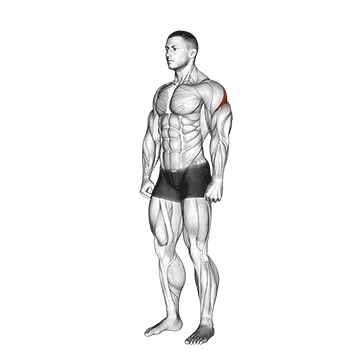
Original Exercise: Arm Circles
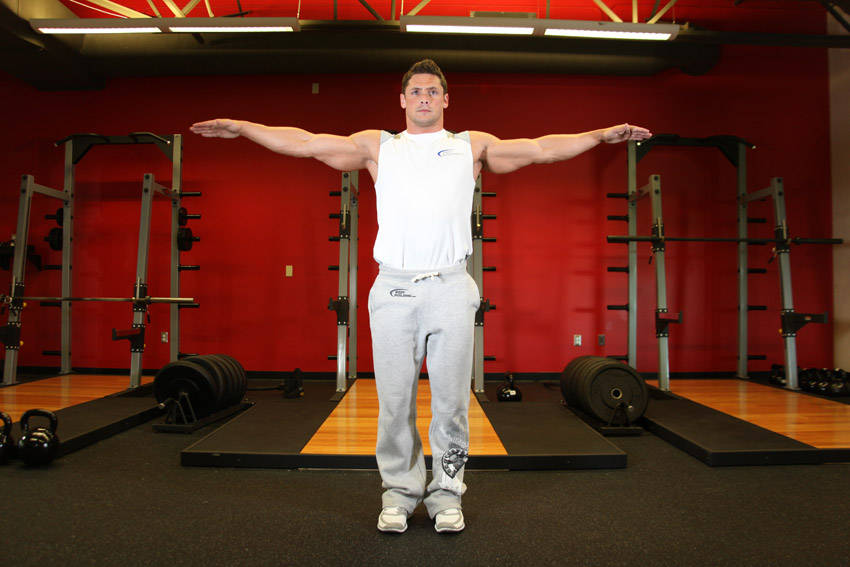
- Primary muscle
- Delts
- Equipment
- Bodyweight
- Difficulty
- Beginner
- Type
- Isolation
Secondary muscles: Traps
How to perform Arm Circles
- Stand up and extend your arms straight out by the sides. The arms should be parallel to the floor and perpendicular (90-degree angle) to your torso. This will be your starting position.
- Slowly start to make circles of about 1 foot in diameter with each outstretched arm. Breathe normally as you perform the movement.
- Continue the circular motion of the outstretched arms for about ten seconds. Then reverse the movement, going the opposite direction.
Ranked Arm Circles Alternatives
10 substitutes, ranked by how closely each one matches Arm Circles on movement pattern, muscles worked, equipment and body position. The higher the score, the less you change. Open "How to perform this exercise" on a card for the steps; every card title links to that exercise's own alternatives page.
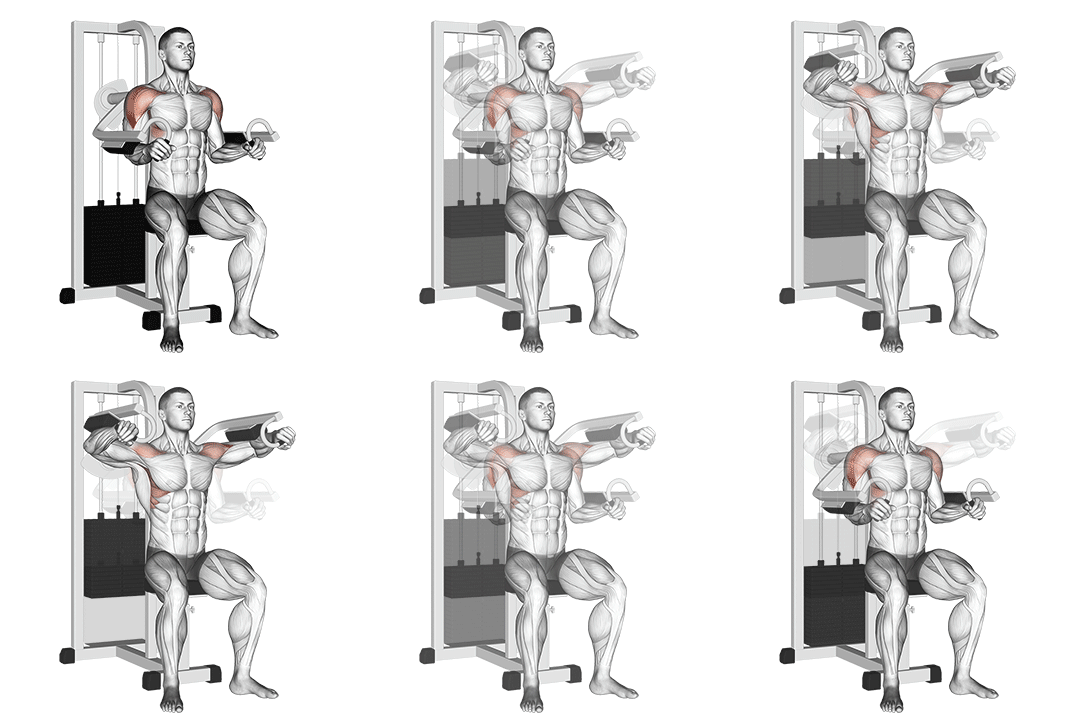
Best match 1. Lever Lateral Raise
89% match- Delts
- Lever
- Beginner
- Isolation
A good swap when you have a lever machine to work with, and it still works the delts.
How to perform this exercise
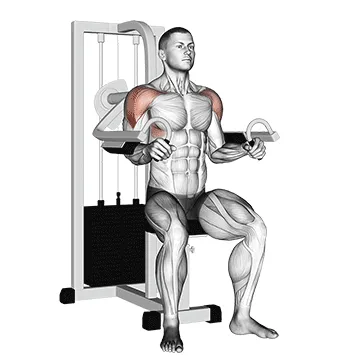
- Adjust the seat height and position yourself on the machine with your back against the pad.
- Grasp the handles with an overhand grip and keep your arms straight.
- Exhale and raise your arms out to the sides until they are parallel to the floor.
- Pause for a moment at the top, then inhale and slowly lower your arms back to the starting position.
- Repeat for the desired number of repetitions.
Sets and reps: 3 sets of 10 to 15 reps.
Why this matches
- Primary muscle: delts, the same as Arm Circles
- Equipment: a machine, not bodyweight only
- Body position: standing, the same as Arm Circles
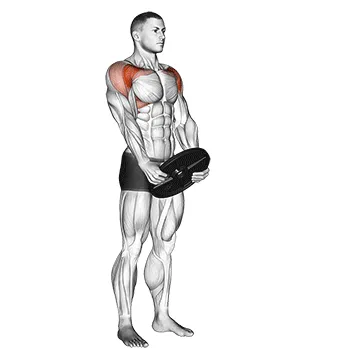
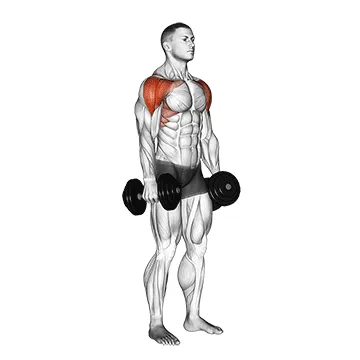
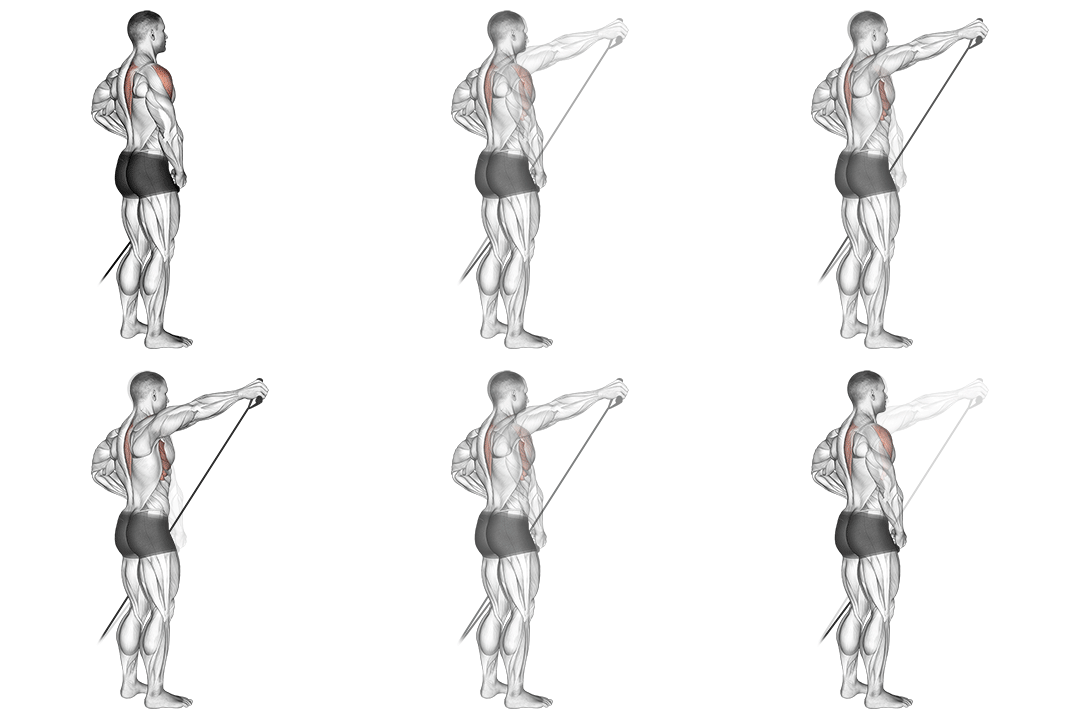
2. Shoulder Raise
87% match- Delts
- Dumbbell
- Beginner
- Isolation
A good swap when you have dumbbells to work with, and it still works the delts.
How to perform this exercise
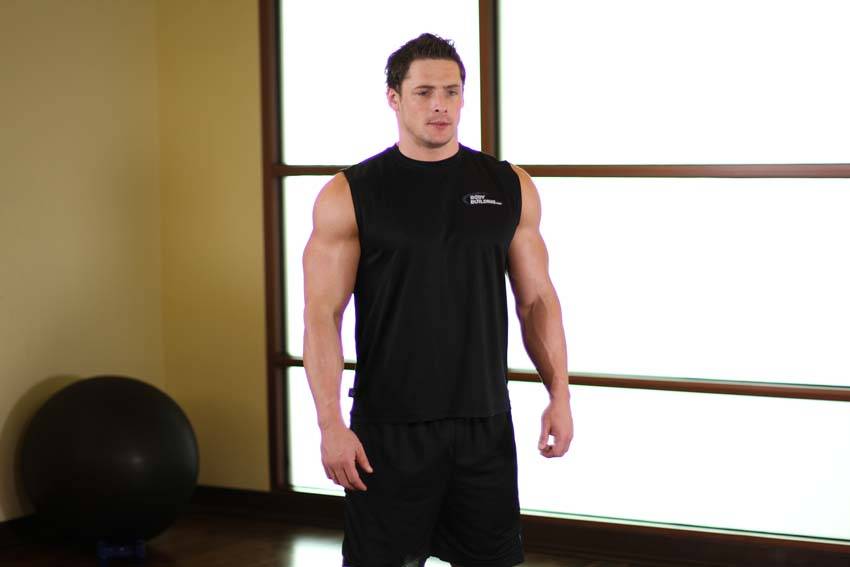
- Relax your arms to your sides and raise your shoulders up toward your ears, then back down.
Sets and reps: 3 sets of 10 to 15 reps.
Why this matches
- Primary muscle: delts, the same as Arm Circles
- Equipment: free weights, not bodyweight only
- Body position: standing, the same as Arm Circles
- Balance: harder to stay steady on than Arm Circles
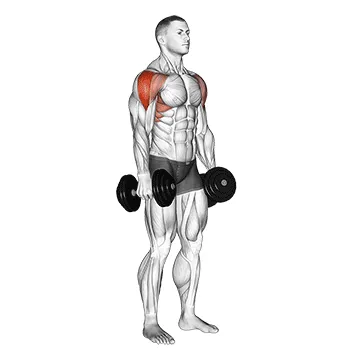
3. Seated Front Deltoid
86% match- Delts
- Bodyweight
- Beginner
- Isolation
The same equipment, done seated instead.
How to perform this exercise
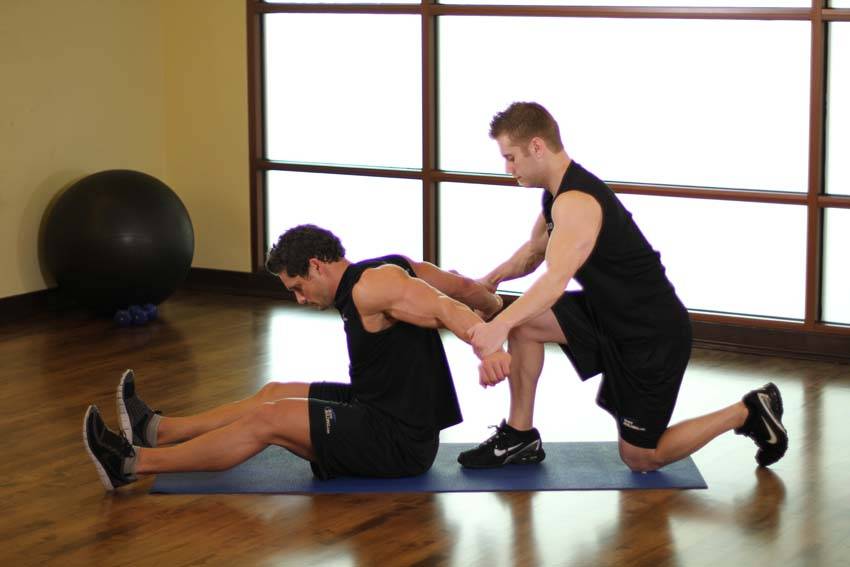
- Sit upright on the floor with your legs bent, your partner standing behind you. Stick your arms straight out to your sides, with your palms facing the ground. Attempt to move them as far behind you as possible, as your assistant holds your wrists. This will be your starting position.
- Keeping your elbows straight, attempt to move your arms to the front, with your partner gently restraining you to prevent any actual movement for 10-20 seconds.
- Now, relax your muscles and allow your partner to gently increase the stretch on the shoulders and chest. Hold for 10 to 20 seconds.
Sets and reps: 3 sets of 8 to 12 reps, and add reps before you add load.
Why this matches
- Primary muscle: delts, the same as Arm Circles
- Equipment: bodyweight only, the same as Arm Circles
- Body position: seated, not standing
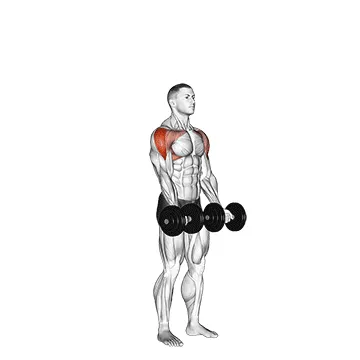
4. Dumbbell Standing Around World
85% match- Delts
- Dumbbell
- Beginner
- Isolation
How to perform this exercise
- Stand with your feet shoulder-width apart and hold a dumbbell in each hand.
- Extend your arms straight out to the sides at shoulder height, palms facing down.
- Keeping your arms straight, slowly rotate your arms in a circular motion, bringing the dumbbells in front of your body and then overhead.
- Continue the circular motion, bringing the dumbbells back down to the starting position.
- Repeat for the desired number of repetitions.
Sets and reps: 3 sets of 10 to 15 reps.
Why this matches
- Primary muscle: delts, the same as Arm Circles
- Equipment: free weights, not bodyweight only
- Body position: standing, the same as Arm Circles
- Balance: harder to stay steady on than Arm Circles
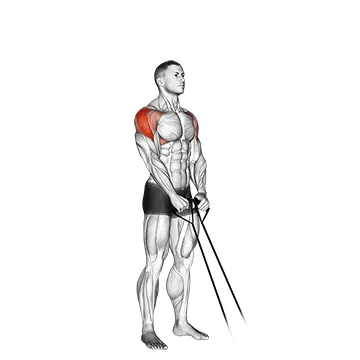
5. Band Front Lateral Raise
83% match- Delts
- Band
- Beginner
- Isolation
A good swap when you have a band to work with, and it still works the delts.
How to perform this exercise
- Stand with your feet shoulder-width apart and hold the band in front of your thighs with your palms facing down.
- Keep your arms straight and lift the band up in front of you until your arms are parallel to the ground.
- Pause for a moment at the top, then slowly lower the band back down to the starting position.
- Repeat for the desired number of repetitions.
Sets and reps: 3 sets of 10 to 15 reps.
Why this matches
- Primary muscle: delts, the same as Arm Circles
- Equipment: a band, not bodyweight only
- Body position: standing, the same as Arm Circles
- Balance: harder to stay steady on than Arm Circles
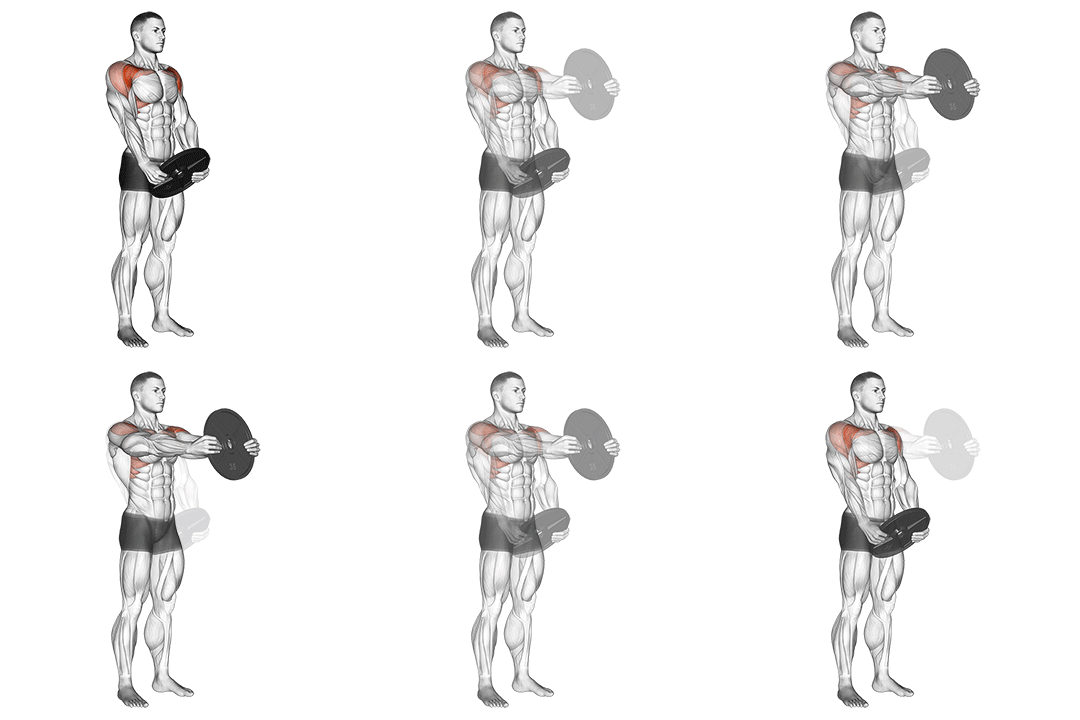
6. Weighted Front Raise
83% match- Delts
- Weighted
- Beginner
- Isolation
Pick this when you want to work the delts with more balance to manage.
How to perform this exercise
- Stand with your feet shoulder-width apart, holding a dumbbell in each hand with your palms facing your thighs.
- Keeping your arms straight, exhale and lift the dumbbells in front of you until they are at shoulder level.
- Pause for a moment at the top, then inhale and slowly lower the dumbbells back down to the starting position.
- Repeat for the desired number of repetitions.
Sets and reps: 3 sets of 10 to 15 reps.
Why this matches
- Primary muscle: delts, the same as Arm Circles
- Equipment: free weights, not bodyweight only
- Body position: standing, the same as Arm Circles
- Balance: harder to stay steady on than Arm Circles
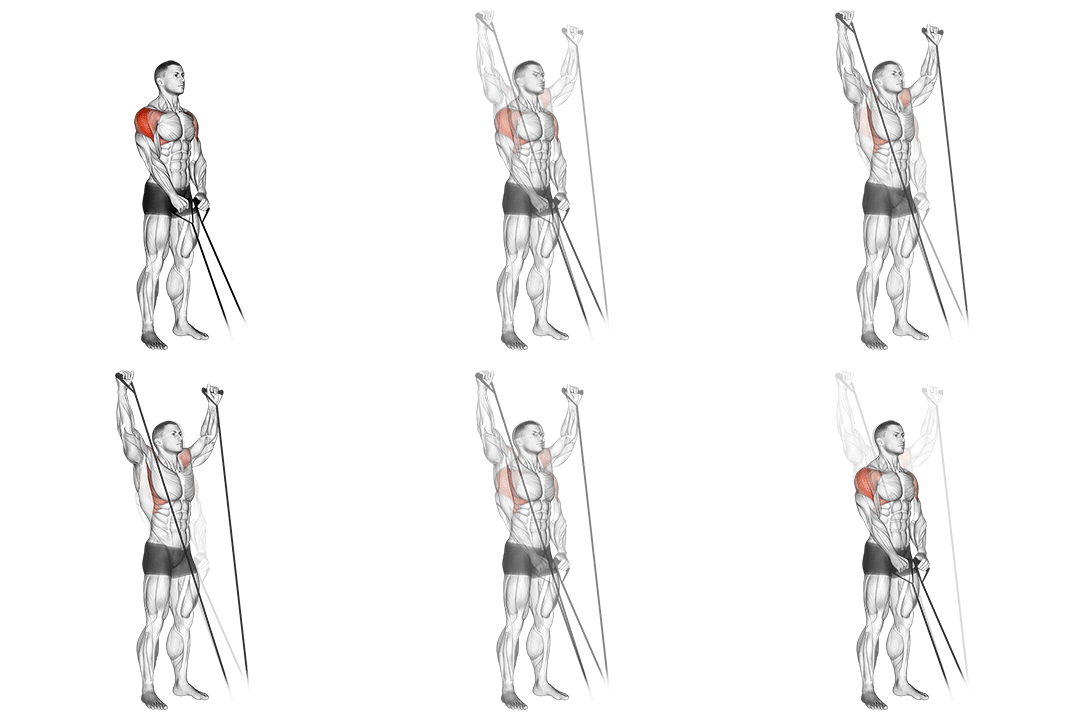
7. Band Y-raise
82% match- Delts
- Band
- Beginner
- Isolation
How to perform this exercise
- Stand with your feet shoulder-width apart and hold the band in front of your thighs with your palms facing inwards.
- Keep your arms straight and lift them up and out to the sides, forming a 'Y' shape with your body.
- Squeeze your shoulder blades together at the top of the movement.
- Slowly lower your arms back down to the starting position.
- Repeat for the desired number of repetitions.
Sets and reps: 3 sets of 10 to 15 reps.
Why this matches
- Primary muscle: delts, the same as Arm Circles
- Equipment: a band, not bodyweight only
- Body position: standing, the same as Arm Circles
- Balance: harder to stay steady on than Arm Circles
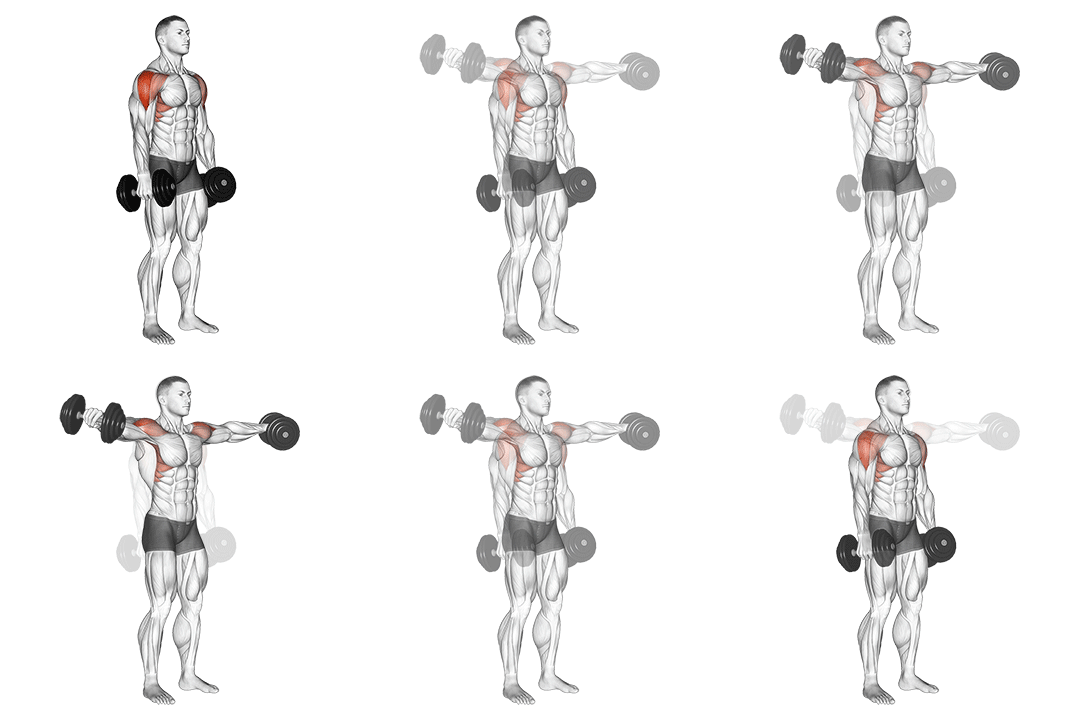
8. Dumbbell Lateral Raise
81% match- Delts
- Dumbbell
- Beginner
- Isolation
How to perform this exercise
- Stand with your feet shoulder-width apart and hold a dumbbell in each hand, palms facing your body.
- Keep your back straight and engage your core.
- Raise your arms out to the sides until they are parallel to the floor, keeping a slight bend in your elbows.
- Pause for a moment at the top, then slowly lower your arms back down to the starting position.
- Repeat for the desired number of repetitions.
Sets and reps: 3 sets of 10 to 15 reps.
Why this matches
- Primary muscle: delts, the same as Arm Circles
- Equipment: free weights, not bodyweight only
- Body position: standing, the same as Arm Circles
- Balance: harder to stay steady on than Arm Circles
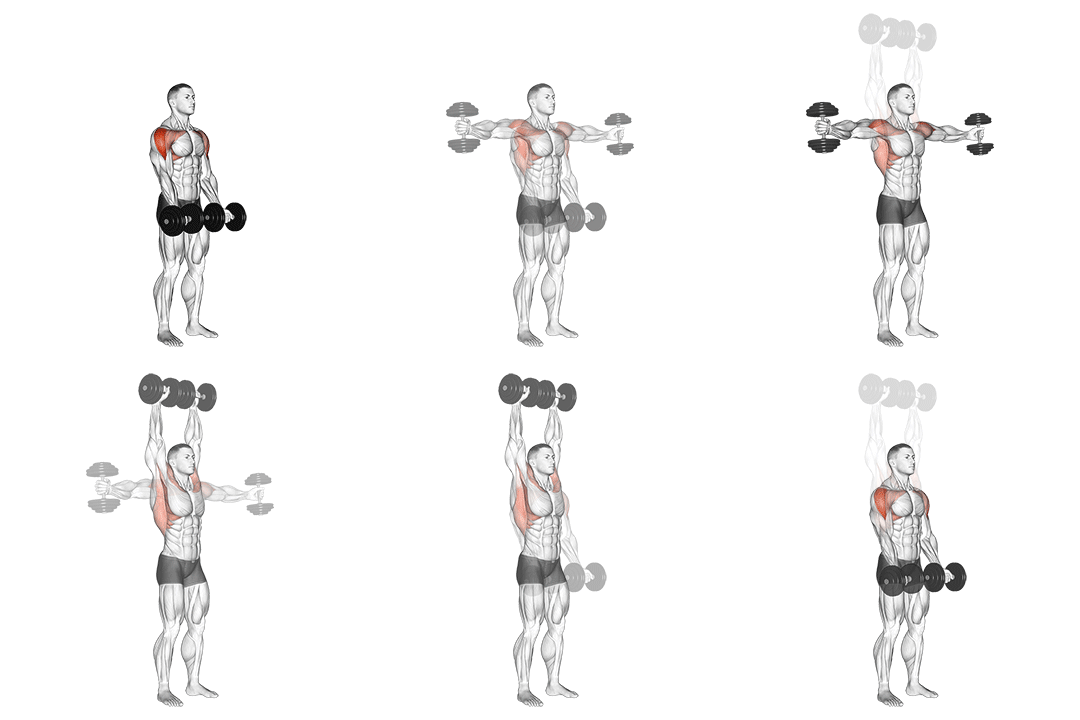
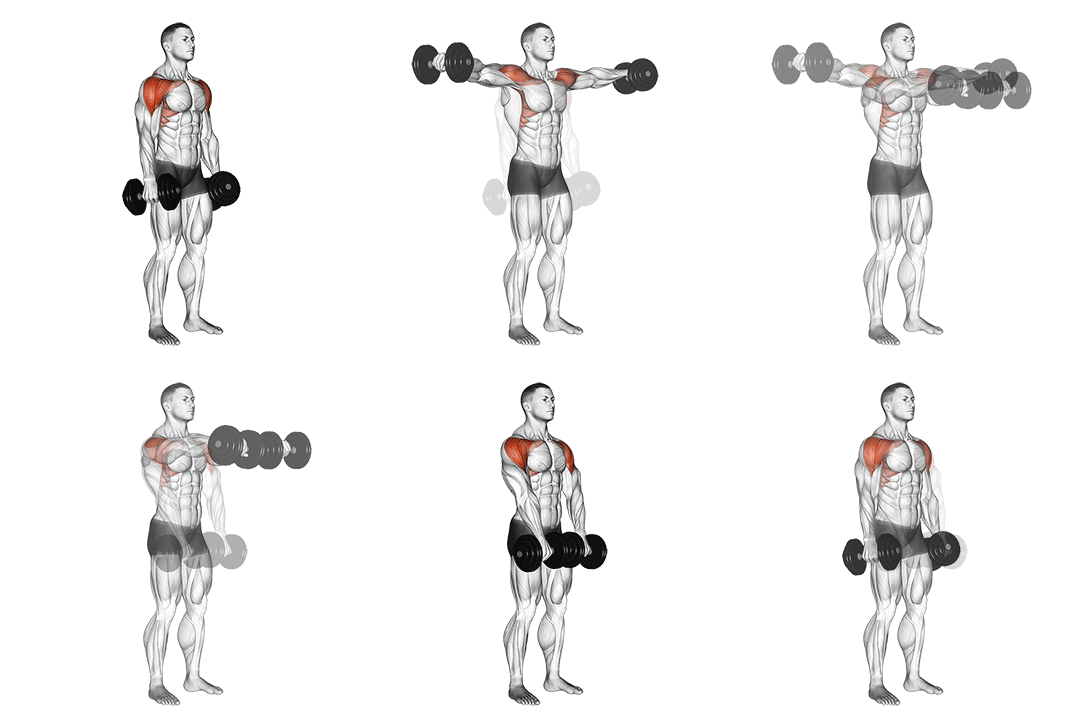
9. Dumbbell Lateral To Front Raise
80% match- Delts
- Dumbbell
- Intermediate
- Isolation
How to perform this exercise
- Stand with your feet shoulder-width apart, holding a dumbbell in each hand with your palms facing your body.
- Keep your back straight and engage your core.
- Raise your arms out to the sides until they are parallel to the ground, keeping a slight bend in your elbows.
- Pause for a moment at the top, then slowly lower your arms back down to the starting position.
- Next, raise your arms in front of you until they are parallel to the ground, again keeping a slight bend in your elbows.
- Pause for a moment at the top, then slowly lower your arms back down to the starting position.
- Repeat for the desired number of repetitions.
Sets and reps: 3 sets of 10 to 15 reps.
Why this matches
- Primary muscle: delts, the same as Arm Circles
- Equipment: free weights, not bodyweight only
- Body position: standing, the same as Arm Circles
- Balance: harder to stay steady on than Arm Circles
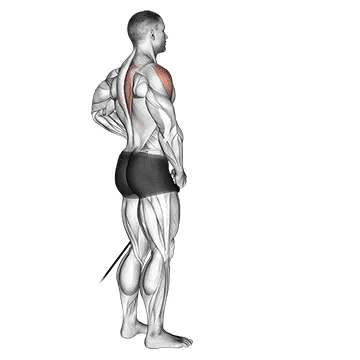
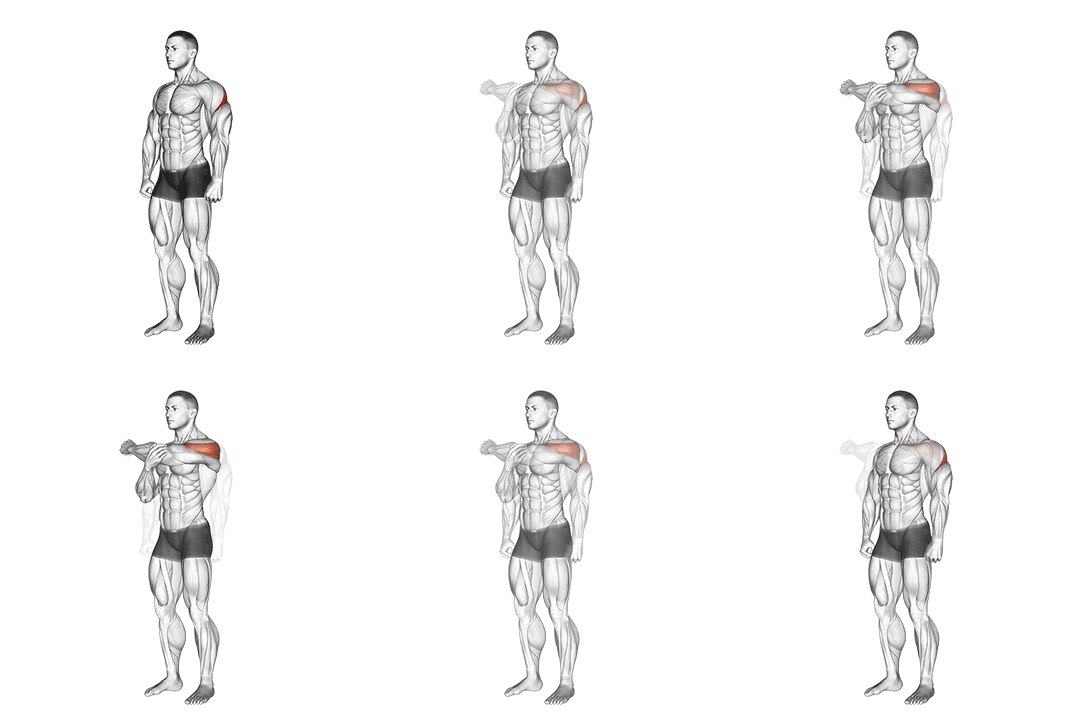
10. Rear Deltoid Stretch
80% match- Delts
- Bodyweight
- Beginner
- Isolation
How to perform this exercise
- Stand tall with your feet shoulder-width apart.
- Extend your right arm across your chest, placing your left hand on your right elbow.
- Gently pull your right arm towards your left shoulder, feeling a stretch in your right shoulder.
- Hold the stretch for 15-30 seconds, then release.
- Repeat on the other side.
Sets and reps: 3 sets of 8 to 12 reps, and add reps before you add load.
Why this matches
- Primary muscle: delts, the same as Arm Circles
- Equipment: bodyweight only, the same as Arm Circles
- Body position: standing, the same as Arm Circles
Why You Might Need an Arm Circles Alternative
People replace Arm Circles for several reasons: persistent shoulder pain, poor scapular control, the need for progressive overload, or a desire for more targeted deltoid development. Arm Circles are a low-load, transverse-plane isolation that can stress the subacromial space if scapular stabilizers are weak. Substitutes let you change torque and plane to emphasize specific deltoid heads. For example, pick lateral raises to preferentially load the lateral deltoid; cue: hinge slightly at the shoulder, lead with the elbow and stop before shrugging to prevent upper-trap takeover. These swaps adjust muscle activation and reduce risky joint positions.
Arm Circles FAQ
What muscles does Arm Circles work?
Arm Circles primarily target the deltoid, especially the anterior and lateral heads, while the rotator cuff and serratus anterior stabilize the joint and scapula. Cue: keep the scapula depressed and move only at the glenohumeral joint, leading the motion with the elbow to maximize deltoid activation and reduce compensatory trapezius engagement.
Can I build muscle without doing Arm Circles?
Yes, you can build deltoid muscle using progressive-loaded exercises like dumbbell lateral raises, overhead presses, and unilateral pressing variations. Cue: use a controlled tempo (for example 3 seconds down, 1 second up) on lateral raises to increase time under tension and maximize deltoid fiber recruitment while minimizing momentum.
Find Alternatives for Any Exercise
Search the exercise database and filter the ranked substitutes by the equipment you own.
Similarity scores compare exercise metadata such as movement pattern, muscles, equipment and body position. They are not a safety rating or a check that you own the equipment. Learn about our methodology