

5 Alternatives to Kettlebell Turkish Get-up (lunge Style) for Shoulder Strength
If you can't perform the lunge-style kettlebell Turkish get-up, use alternatives that preserve overhead loading, unilateral stability, and core anti-rotation. Try single-arm overhead presses, half-kneeling get-ups, or waiter carries. Cue: keep the shoulder packed, scapula upwardly rotated, and brace your obliques as you move to maintain shoulder-loading mechanics.
Original Exercise: Kettlebell Turkish Get-up (Lunge Style)
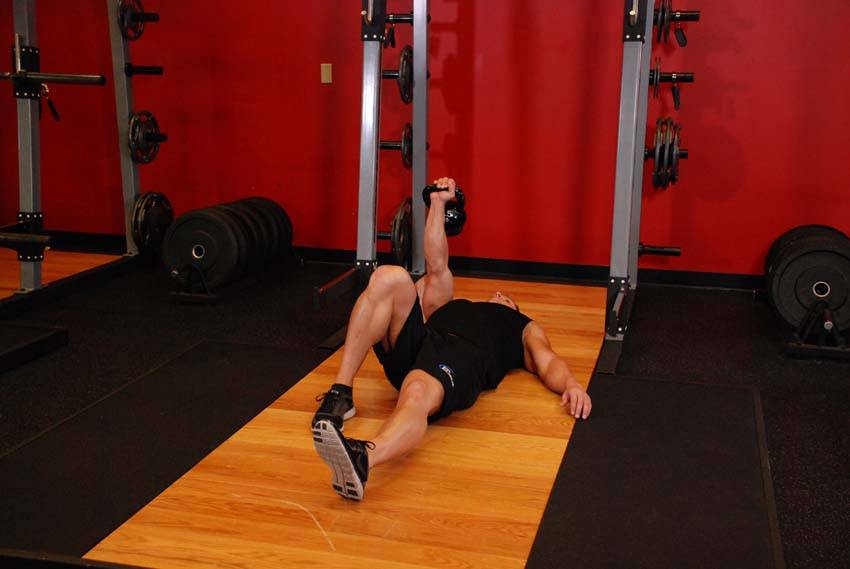
How to Perform Kettlebell Turkish Get-up (Lunge Style)
- Lie on your back on the floor and press a kettlebell to the top position by extending the elbow. Bend the knee on the same side as the kettlebell.
- Keeping the kettlebell locked out at all times, pivot to the opposite side and use your non- working arm to assist you in driving forward to the lunge position. Using your free hand, push yourself to a seated position, then progressing to one knee.
- While looking up at the kettlebell, slowly stand up. Reverse the motion back to the starting position and repeat.
Pro Tips
- Category: Strength
- Force: Push
- Movement type: Compound
Ranked Kettlebell Turkish Get-up (Lunge Style) Alternatives
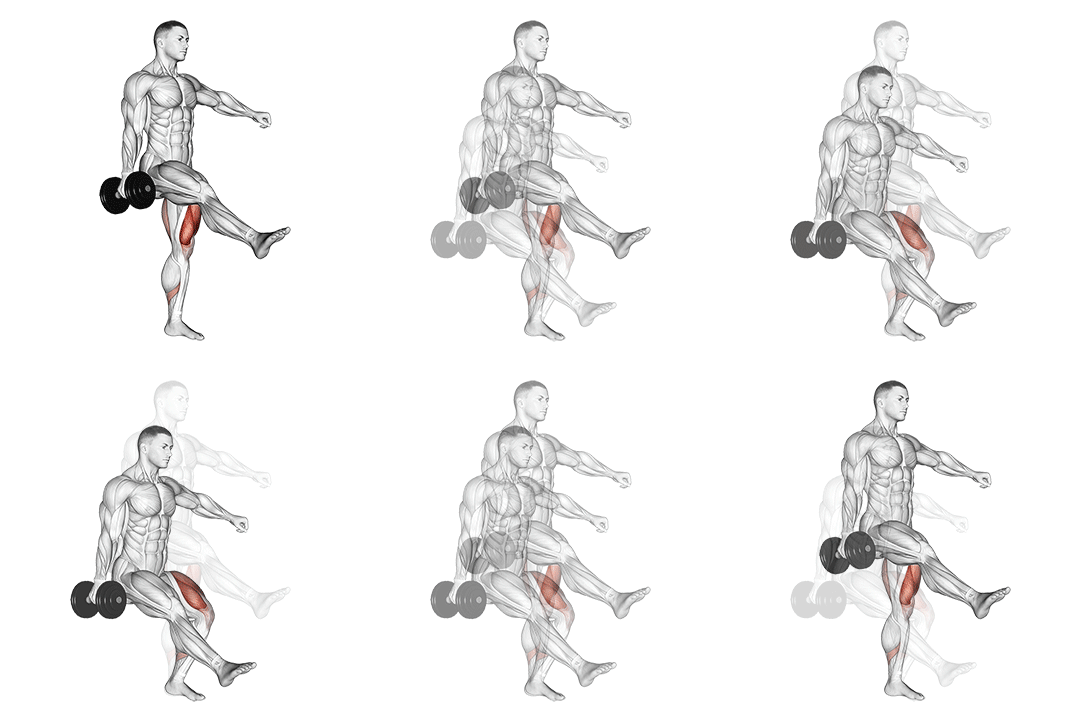
1. Dumbbell Single Leg Squat
70.7% MatchHow to perform this exercise
- Stand with your feet shoulder-width apart, holding a dumbbell in each hand.
- Extend one leg forward and keep it off the ground throughout the exercise.
- Bend your standing leg and lower your body down as if sitting back into a chair.
- Keep your chest up and your back straight.
- Pause for a moment at the bottom, then push through your heel to return to the starting position.
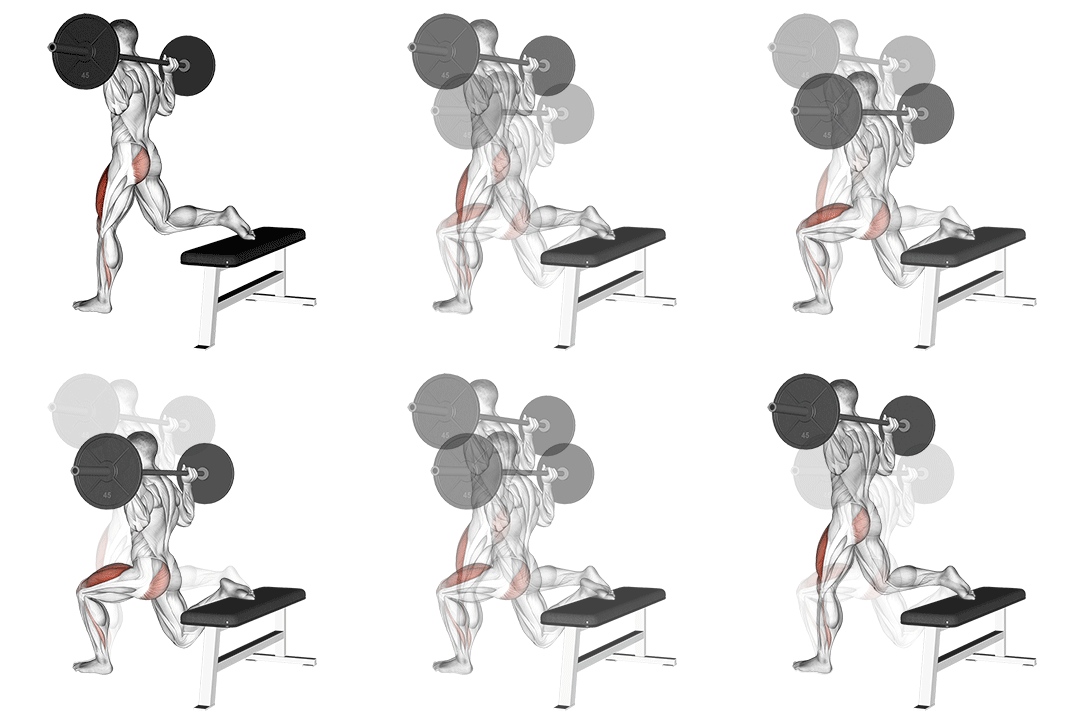
2. Elevated Back Lunge
69.8% MatchHow to perform this exercise
- Position a bar onto a rack at shoulder height loaded to an appropriate weight. Place a short, raised platform behind you.
- Rack the bar onto your upper back, keeping your back arched and tight. Step onto your raised platform with both feet. This will be your starting position.
- Begin by stepping backwards with one leg. Descend by flexing your hips and knees until your knee touches the floor.
- Pause, and extend through the hips and knees to rise up, returning all the way to the starting position before alternating.
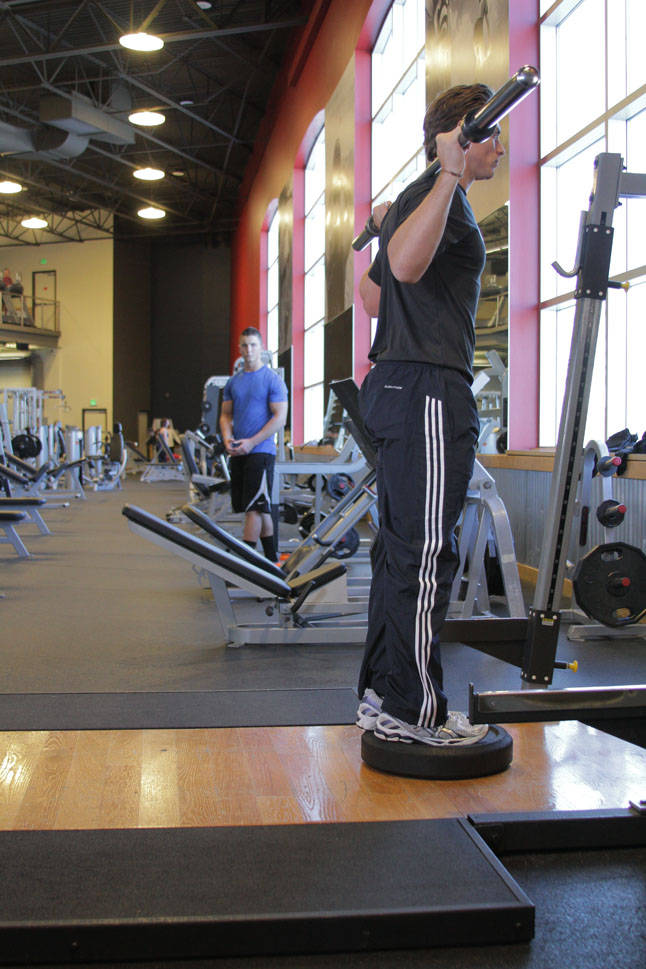
3. Barbell One Leg Squat
66.7% MatchHow to perform this exercise
- Stand with your feet shoulder-width apart and hold a barbell across your upper back.
- Lift one foot off the ground and extend it forward, keeping it parallel to the ground.
- Bend your standing leg and lower your body down as if sitting back into a chair, keeping your chest up and your back straight.
- Lower yourself until your thigh is parallel to the ground, then push through your heel to return to the starting position.
- Repeat for the desired number of repetitions, then switch legs and repeat.
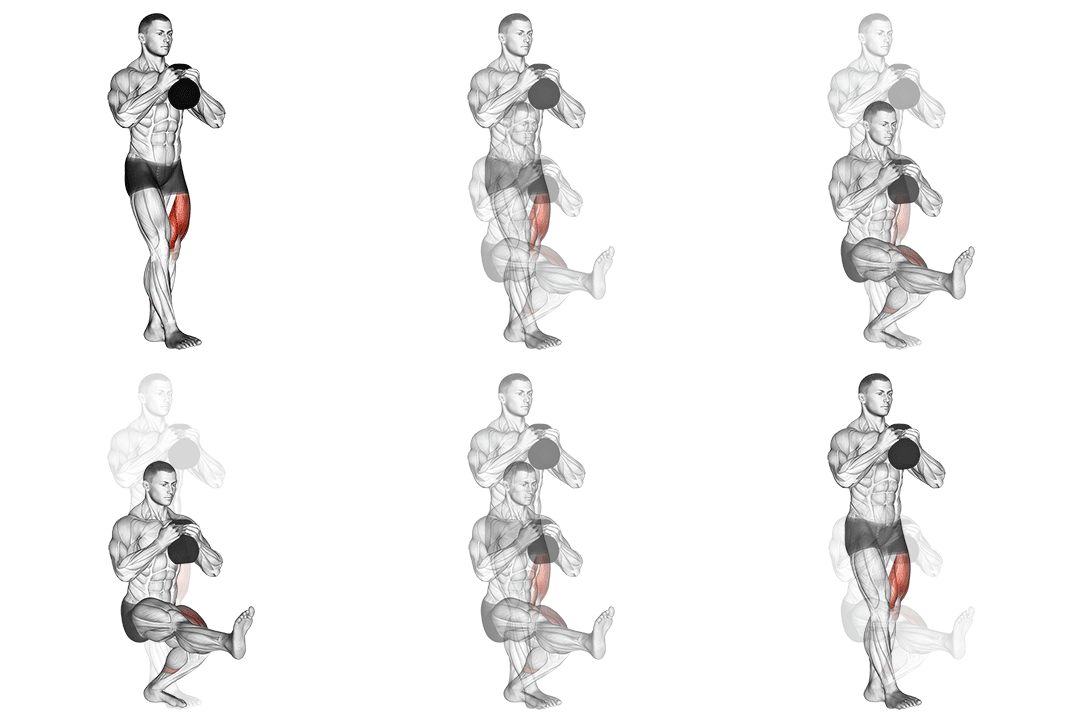
4. Kettlebell Pistol Squat
60.7% MatchHow to perform this exercise
- Stand with your feet shoulder-width apart, holding a kettlebell in front of your chest with both hands.
- Lift your left foot off the ground and extend it forward, keeping it parallel to the ground.
- Slowly lower your body down into a squat position, keeping your right foot flat on the ground and your left leg extended.
- Pause for a moment at the bottom of the squat, then push through your right heel to return to the starting position.
- Repeat for the desired number of repetitions, then switch legs.
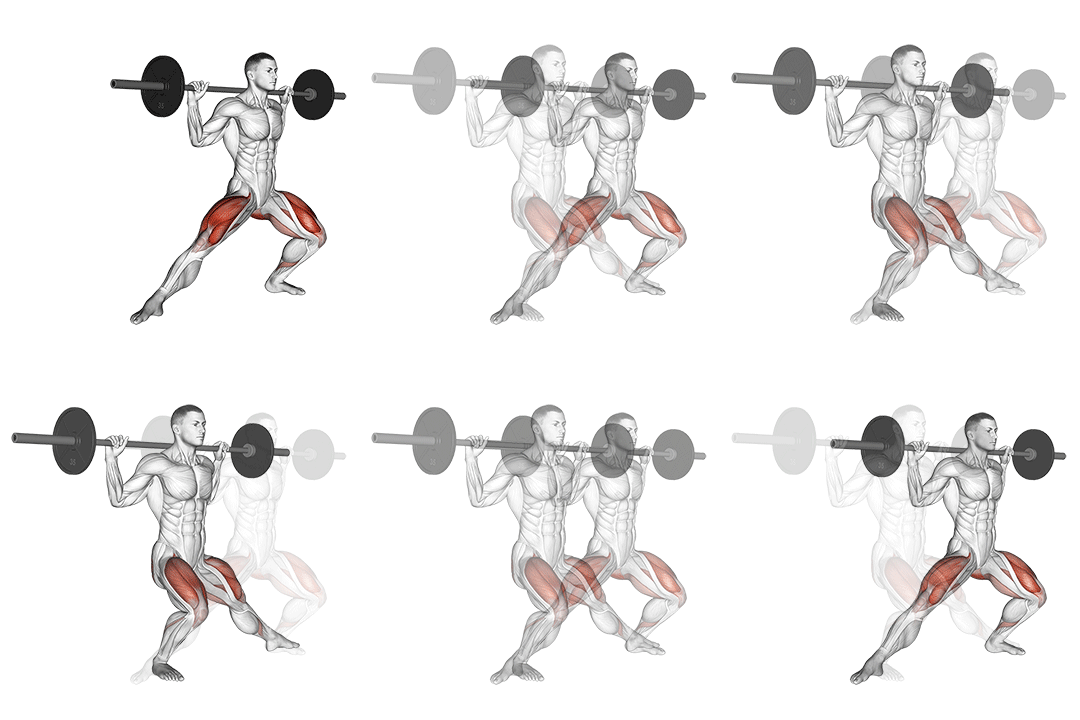
5. Barbell Side Split Squat
60.3% MatchHow to perform this exercise
- Stand with your feet wider than shoulder-width apart, toes pointing slightly outward.
- Hold a barbell across your upper back, resting it on your traps.
- Engage your core and keep your chest up as you lower your body down into a squat position, bending at the knees and hips.
- As you lower, push your knees out to the sides and keep your weight on your heels.
- Lower until your thighs are parallel to the ground, then push through your heels to return to the starting position.
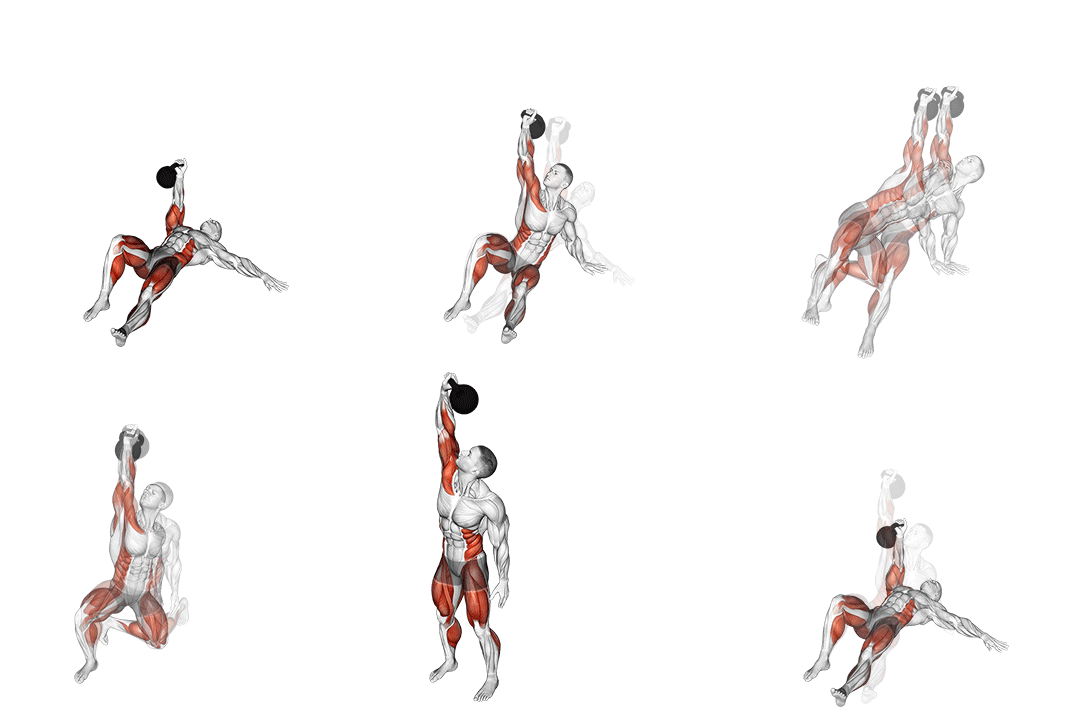
6. Kettlebell Turkish Get Up (squat Style)
60% MatchHow to perform this exercise
- Start by lying on your back with your legs extended and the kettlebell held in your right hand, arm fully extended above your shoulder.
- Bend your right knee and place your right foot flat on the ground, keeping your left leg extended.
- Pressing through your right foot, lift your hips off the ground, coming into a bridge position.
- Slide your left leg underneath your body, bending your left knee and placing your left foot flat on the ground.
- Rotate your torso to the left, bringing your left hand to the ground for support.
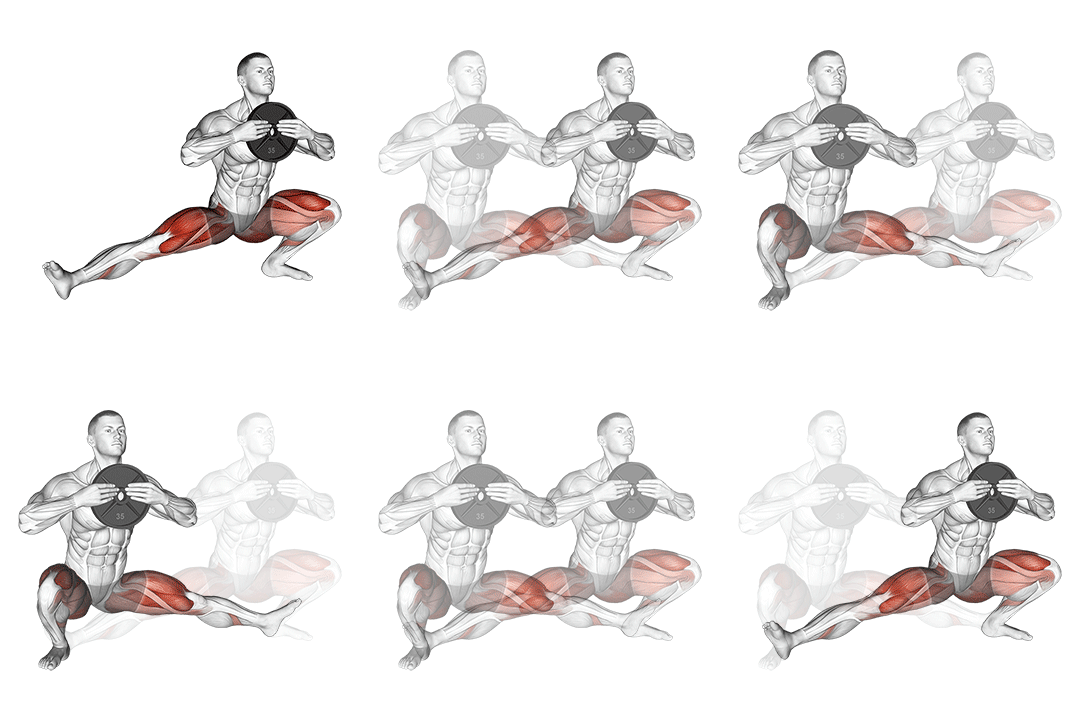
7. Weighted Cossack Squats (male)
59.3% MatchHow to perform this exercise
- Stand with your feet wider than shoulder-width apart and toes pointing slightly outward.
- Hold a weight in front of your chest with both hands.
- Shift your weight to one side and lower your body by bending the knee of the side you shifted towards, while keeping the other leg straight.
- Go as low as you can while maintaining balance and keeping your chest up.
- Push through the heel of the bent leg to return to the starting position.
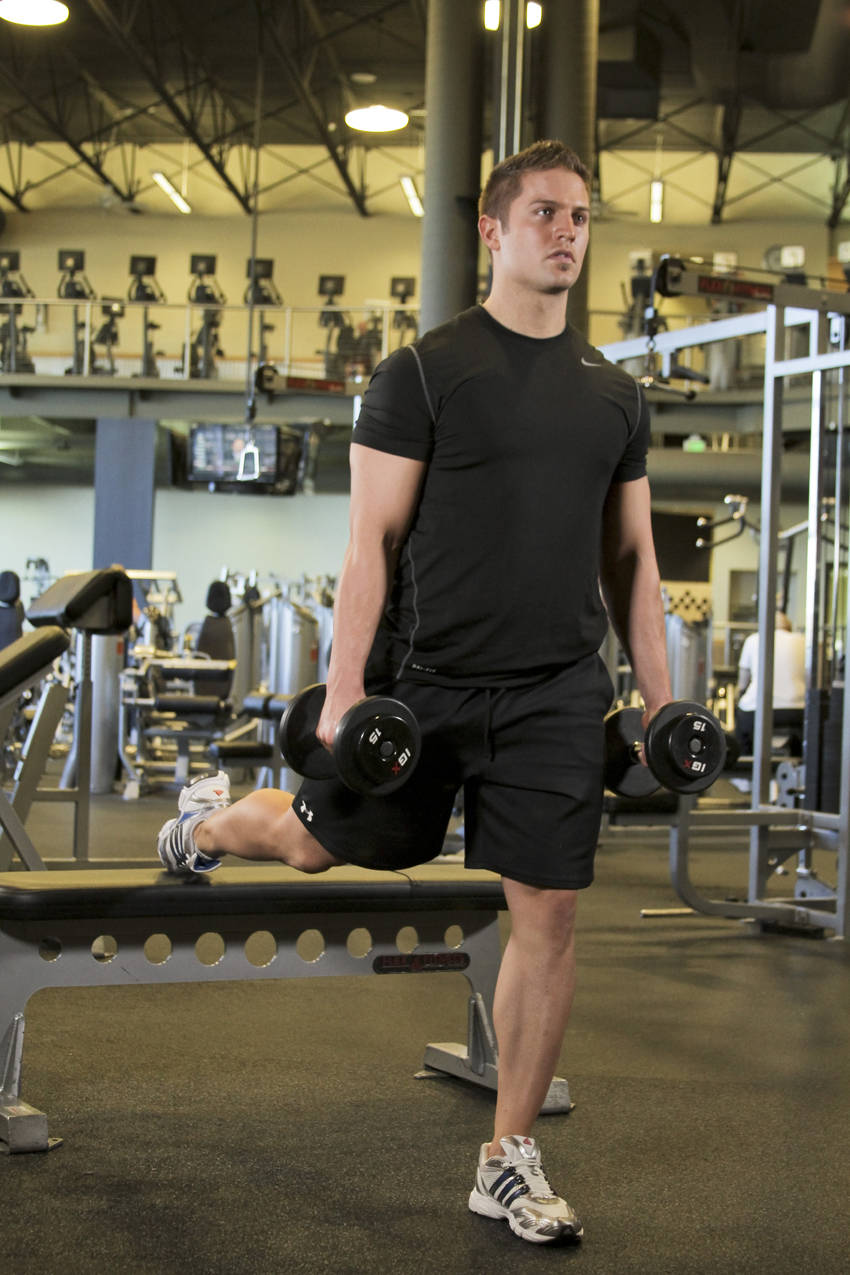
8. Split Squat With Dumbbells
58.8% MatchHow to perform this exercise
- Position yourself into a staggered stance with the rear foot elevated and front foot forward.
- Hold a dumbbell in each hand, letting them hang at the sides. This will be your starting position.
- Begin by descending, flexing your knee and hip to lower your body down. Maintain good posture througout the movement. Keep the front knee in line with the foot as you perform the exercise.
- At the bottom of the movement, drive through the heel to extend the knee and hip to return to the starting position.
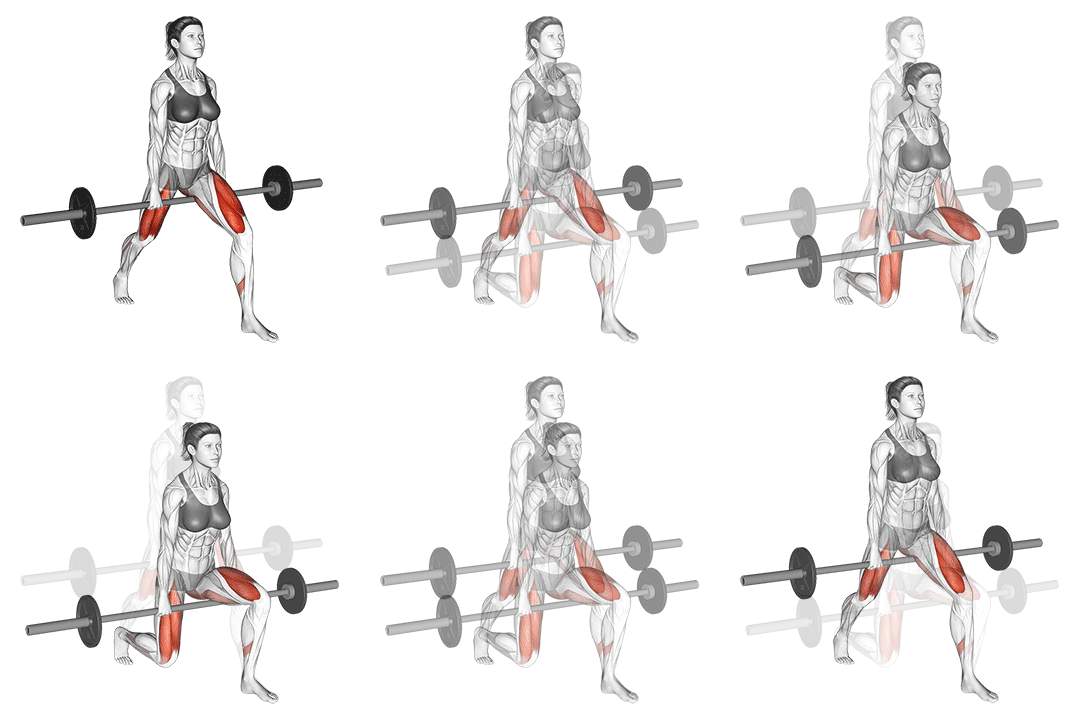
9. Barbell Split Squat V. 2
54.8% MatchHow to perform this exercise
- Start by standing with your feet shoulder-width apart, holding a barbell across your upper back.
- Take a large step forward with your right foot, keeping your torso upright.
- Lower your body by bending your knees and hips until your right thigh is parallel to the ground.
- Pause for a moment, then push through your right heel to return to the starting position.
- Repeat with your left leg forward for the desired number of repetitions.
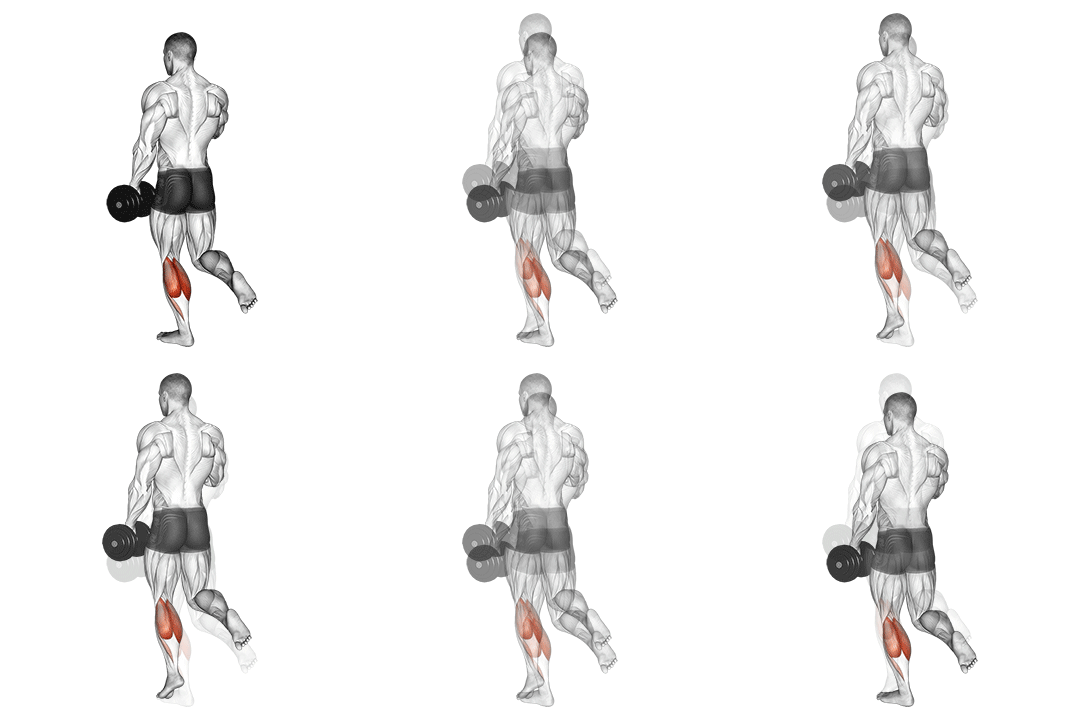
10. Dumbbell Single Leg Calf Raise
53.2% MatchHow to perform this exercise
- Stand on the edge of a step or platform with your heels hanging off and your toes on the step.
- Hold a dumbbell in one hand and place your other hand on a wall or railing for support.
- Raise your heel as high as possible, lifting your body up onto your toes.
- Pause for a moment at the top, then slowly lower your heel back down below the step.
- Repeat for the desired number of repetitions, then switch to the other leg.
Why You Might Need a Kettlebell Turkish Get-up (Lunge Style) Alternative
You may substitute the lunge-style Turkish get-up for several practical reasons: current shoulder pain, limited hip or thoracic mobility, lack of a kettlebell, or a need to isolate overhead pressing mechanics. Alternatives let you reduce shear on the glenohumeral joint while preserving deltoid and rotator-cuff activation. For rehab choose half-kneeling presses to control scapular position; for strength pick single-arm strict presses to overload the posterior deltoid and serratus anterior while maintaining core tension.
How to Choose the Right Substitute
Select a substitute based on the movement qualities you want to preserve: unilateral overhead load, core anti-rotation, or full-body sequencing. If your goal is stability and motor control, pick carries or half-kneeling get-ups. For pure strength, pick single-arm presses or strict overhead presses with progressive loading. Consider shoulder ROM, scapular control, and available equipment. Technique cue: start each rep with a packed shoulder, protract the scapula at lockout when appropriate, and breathe into the brace to protect the rotator cuff and spine.
Frequently Asked Questions
What muscles does Kettlebell Turkish Get-up (lunge Style) work?
The lunge-style Turkish get-up primarily stresses the deltoids, rotator cuff, and serratus anterior for overhead stability while recruiting the glutes, hamstrings, and quadriceps during the lunge. It also demands core anti-rotation via the obliques and deep spinal stabilizers to transfer load between positions.
What is the best bodyweight alternative to Kettlebell Turkish Get-up (lunge Style)?
A controlled single-arm waiter carry or overhead walking hold is the best bodyweight-style substitute because it preserves unilateral overhead stability and core anti-rotation without heavy loading. Cue: maintain a tall posture, keep the shoulder packed, and take short steps to emphasize scapular and trunk control.
Can I build muscle without doing Kettlebell Turkish Get-up (lunge Style)?
Yes. You can build shoulder and upper-body muscle using single-arm overhead presses, incline presses, and loaded carries that target the deltoids and serratus anterior. Progressive overload and consistent eccentric-concentric loading of the shoulder complex will stimulate hypertrophy even if you omit the get-up.
More Exercise Alternatives
Find Alternatives for Any Exercise
Use the exercise substitution finder to compare ranked alternatives for your available equipment and training preference.
Try the Exercise Substitution Finder →