

10 Best Lever Seated Row Alternatives for When You Can't Use a Lever
If you can't perform the lever seated row, use horizontal pulling alternatives that load the upper back. Choose exercises like the chest-supported dumbbell row, barbell bent-over row, inverted row, single-arm cable row, or T-bar row. Focus on scapular retraction, pulling the elbows back to emphasize rhomboids and mid-traps for similar upper-back activation.
Original Exercise: Lever Seated Row
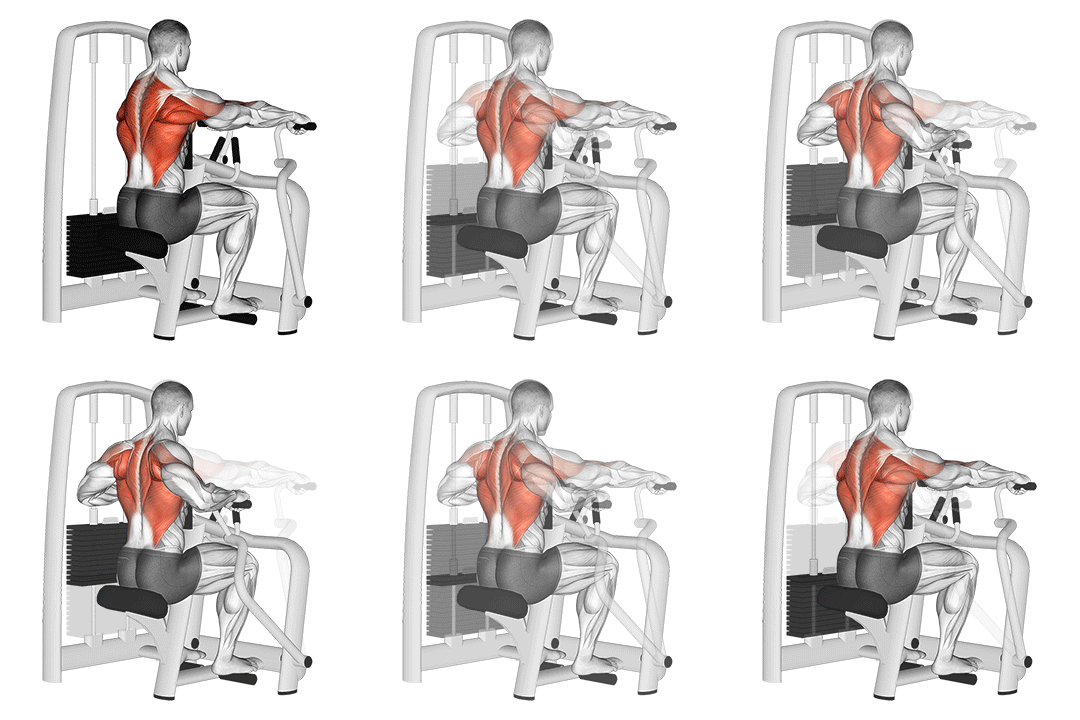
How to Perform Lever Seated Row
- Adjust the seat height and footrests to a comfortable position.
- Sit on the machine with your chest against the pad and your feet on the footrests.
- Grasp the handles with an overhand grip, shoulder-width apart.
- Keep your back straight and your core engaged.
- Pull the handles towards your body, squeezing your shoulder blades together.
- Pause for a moment at the peak of the movement.
- Slowly release the handles and return to the starting position.
- Repeat for the desired number of repetitions.
Ranked Lever Seated Row Alternatives
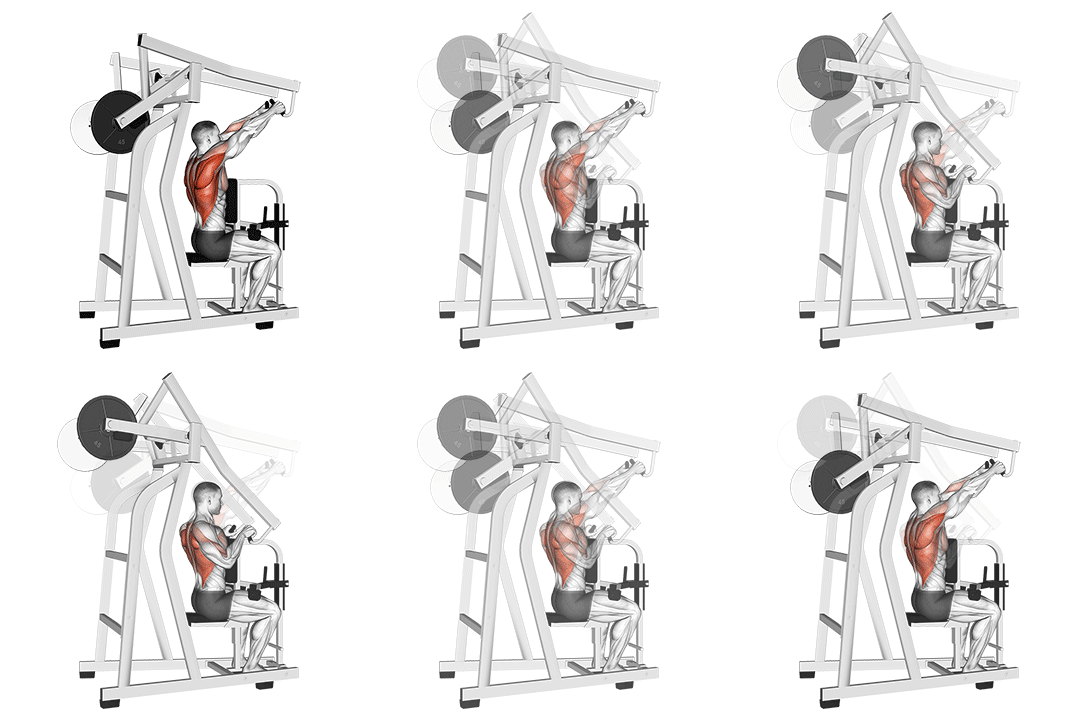
1. Lever High Row
99.9% MatchHow to perform this exercise
- Adjust the seat height and foot platform to a comfortable position.
- Sit on the machine with your chest against the pad and your feet flat on the foot platform.
- Grasp the handles with an overhand grip, slightly wider than shoulder-width apart.
- Keep your back straight and engage your core.
- Pull the handles towards your body, squeezing your shoulder blades together.
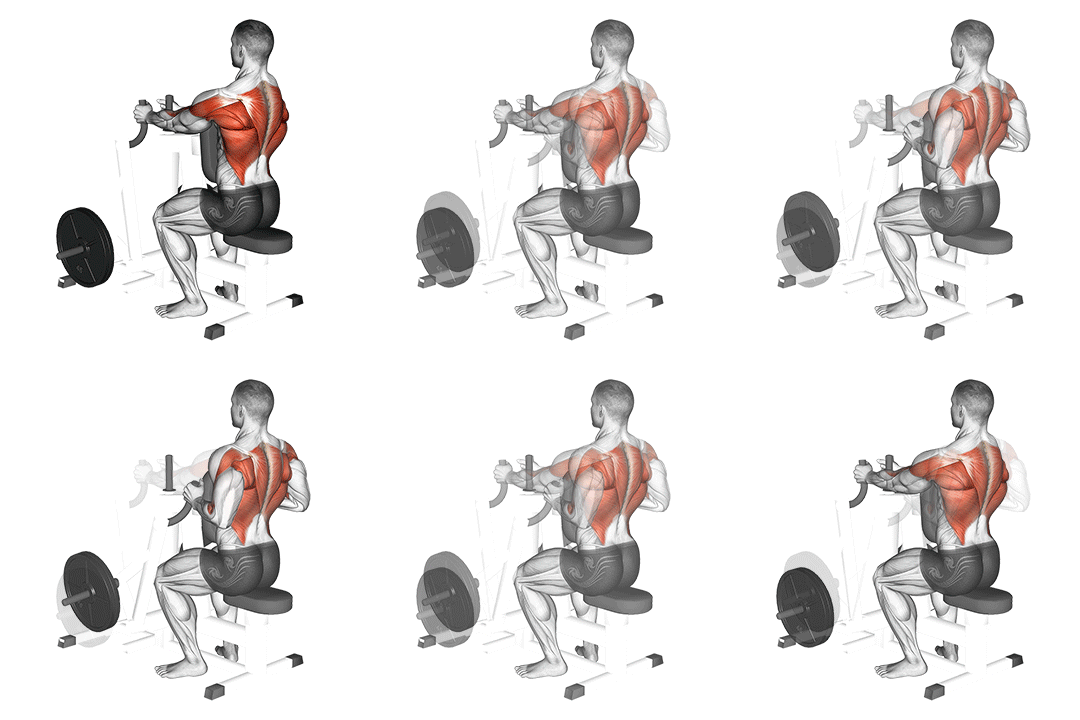
2. Lever Reverse Grip Vertical Row
95.4% MatchHow to perform this exercise
- Adjust the seat height and footplate position to ensure proper alignment.
- Sit on the machine with your chest against the pad and your feet flat on the footplate.
- Grasp the handles with an underhand grip, palms facing up.
- Keep your back straight and engage your core.
- Pull the handles towards your chest, squeezing your shoulder blades together.
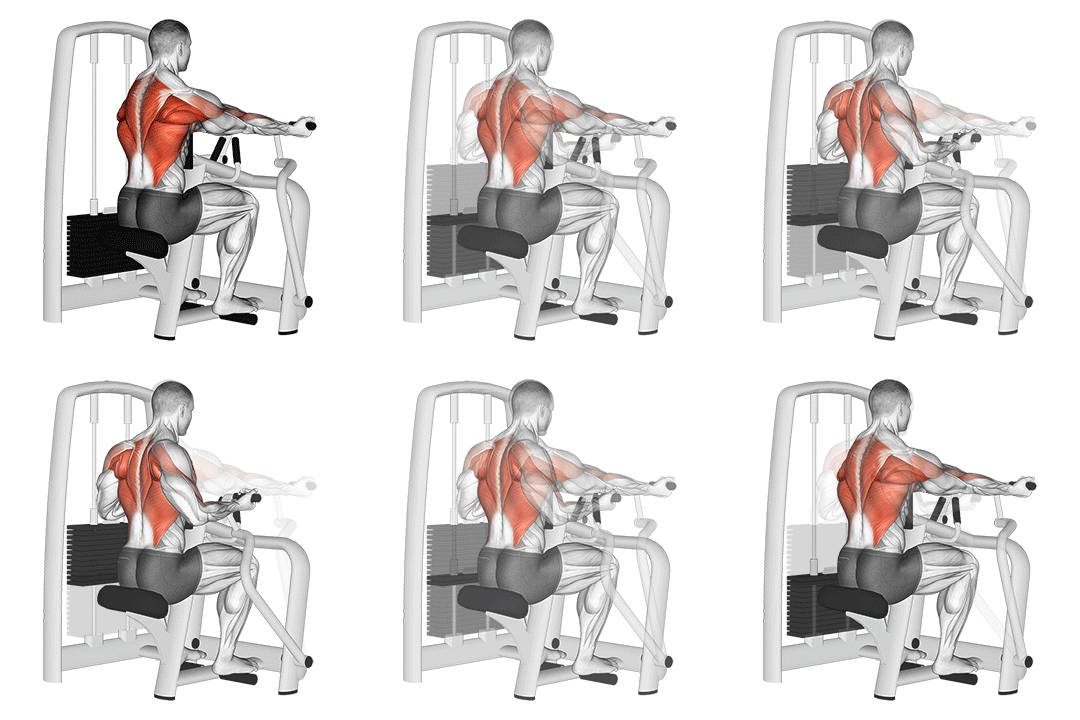
3. Lever Narrow Grip Seated Row
94.7% MatchHow to perform this exercise
- Adjust the seat height and footrests to ensure proper form.
- Sit on the machine with your feet flat on the footrests and your knees slightly bent.
- Grasp the handles with a narrow grip, palms facing each other.
- Keep your back straight and lean slightly forward.
- Pull the handles towards your torso, squeezing your shoulder blades together.
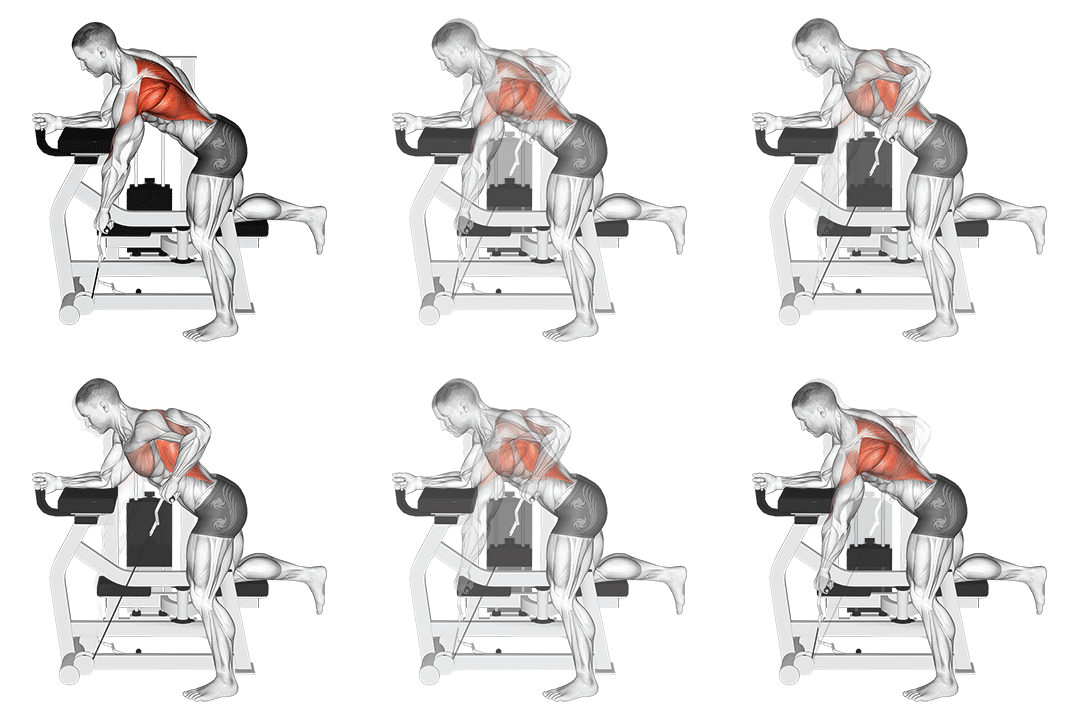
4. Lever Unilateral Row
93% MatchHow to perform this exercise
- Adjust the seat height and position yourself facing the machine.
- Grasp the handles with an overhand grip and keep your back straight.
- Pull the handles towards your body, squeezing your shoulder blades together.
- Pause for a moment at the peak of the movement, then slowly release and extend your arms back to the starting position.
- Repeat for the desired number of repetitions.
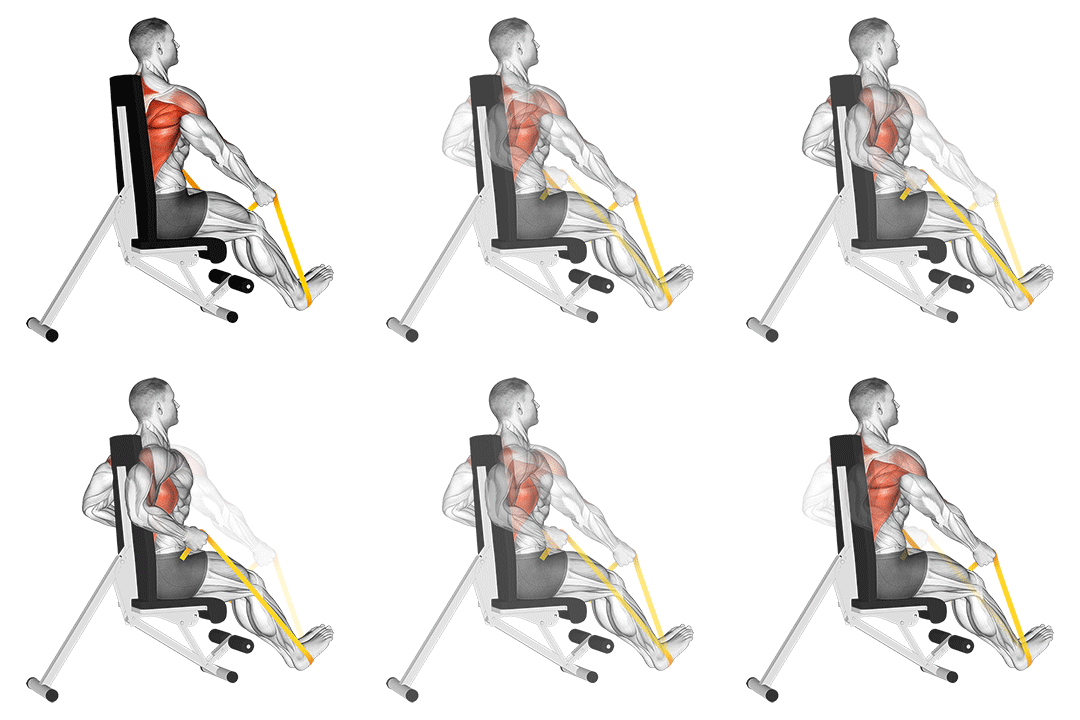
5. Resistance Band Seated Straight Back Row
89.4% MatchHow to perform this exercise
- Sit on the floor with your legs extended and loop the resistance band around your feet.
- Hold the ends of the resistance band with your hands, palms facing each other.
- Keep your back straight and lean slightly back, engaging your core.
- Pull the resistance band towards your chest, squeezing your shoulder blades together.
- Pause for a moment at the top, then slowly release the tension and return to the starting position.
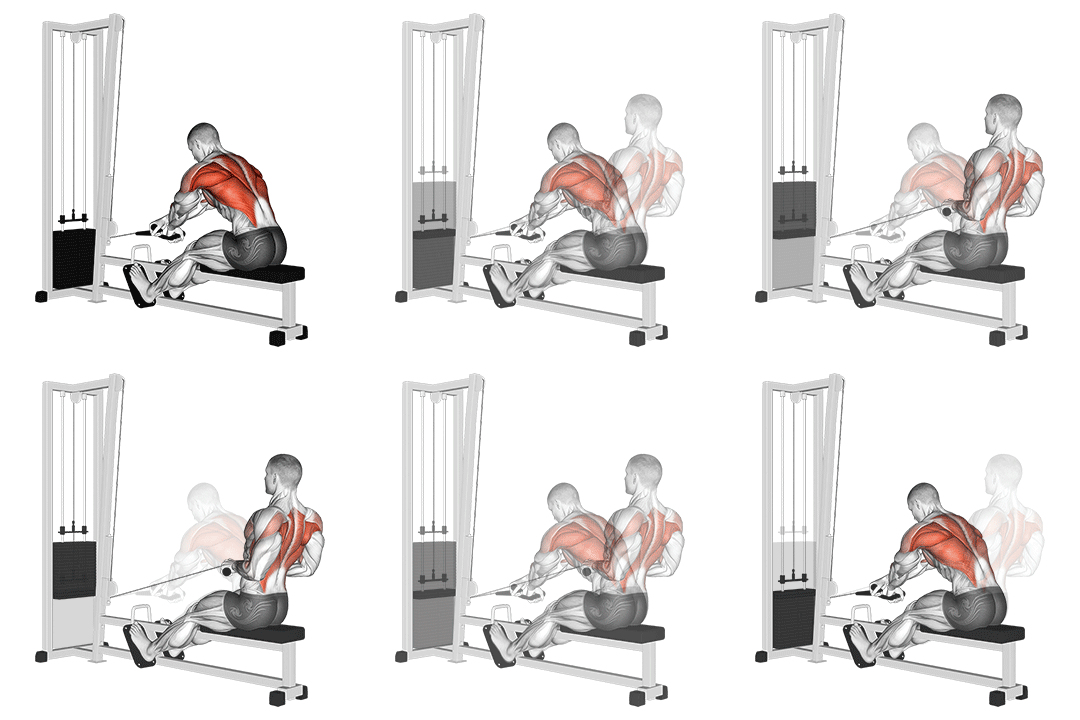
6. Cable Rope Crossover Seated Row
86% MatchHow to perform this exercise
- Sit on the rowing machine with your feet flat on the footrests and your knees slightly bent.
- Grasp the cable ropes with an overhand grip, palms facing each other.
- Lean back slightly, keeping your back straight and your core engaged.
- Pull the cable ropes towards your chest, squeezing your shoulder blades together.
- Pause for a moment at the peak of the movement, then slowly release the tension and return to the starting position.
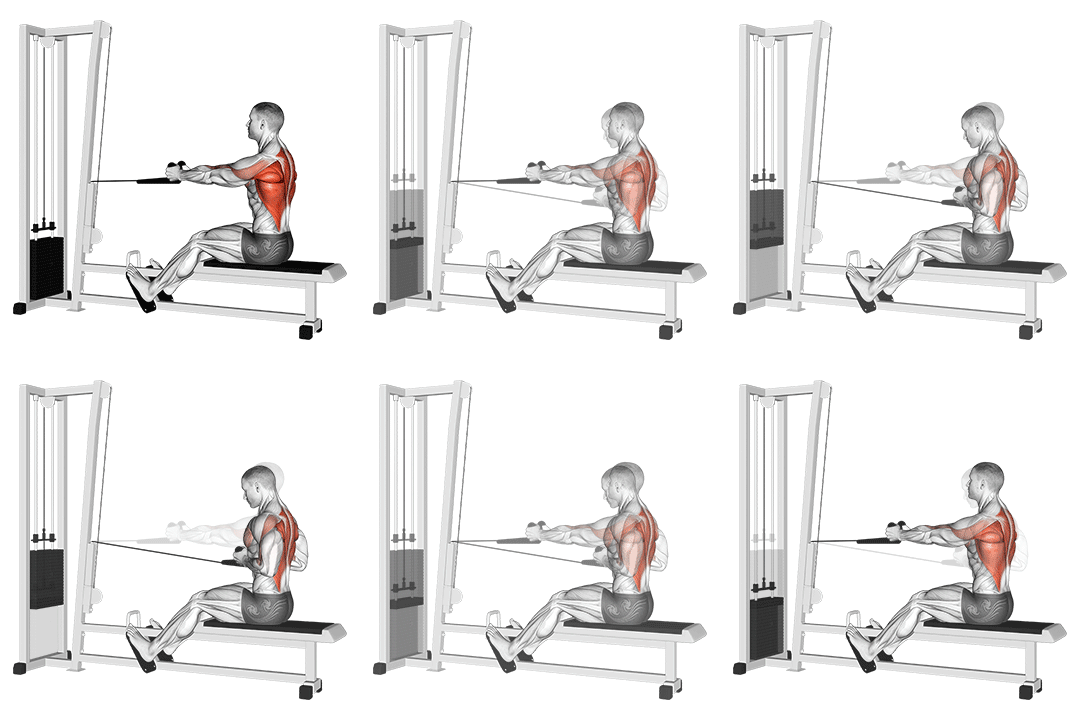
7. Cable Rope Seated Row
86% MatchHow to perform this exercise
- Sit on the rowing machine with your feet flat on the footrests and knees slightly bent.
- Grasp the cable ropes with an overhand grip, palms facing each other.
- Keep your back straight and lean slightly forward, maintaining a slight bend in your elbows.
- Pull the cable ropes towards your body, squeezing your shoulder blades together.
- Pause for a moment at the peak of the movement, then slowly release the tension and return to the starting position.
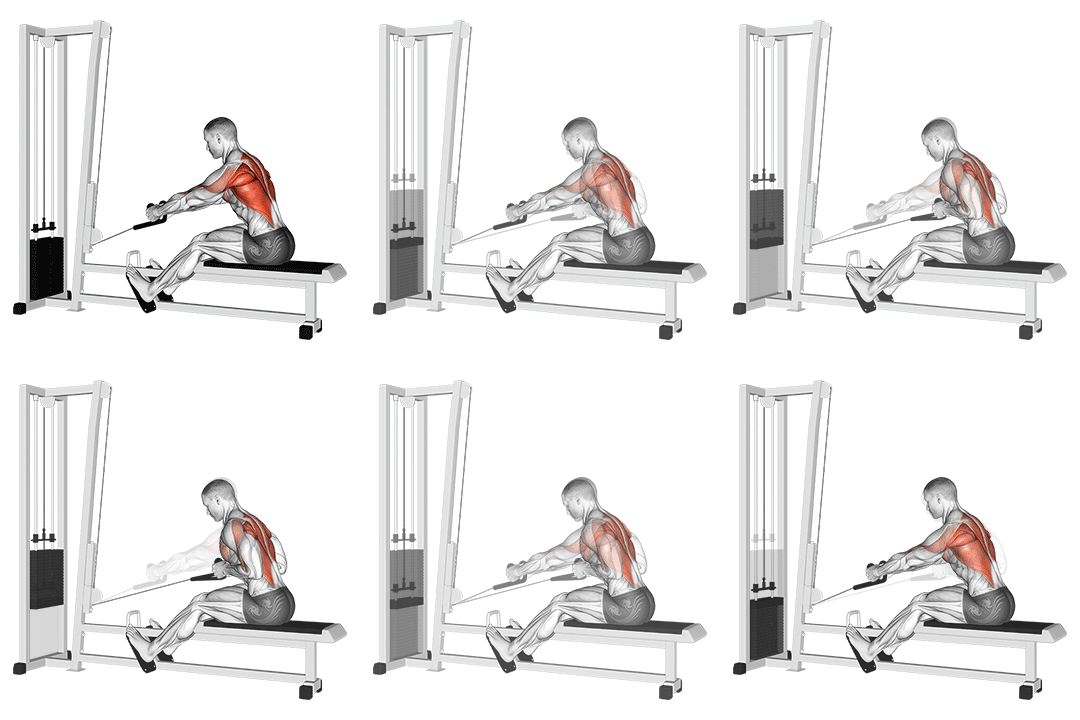
8. Cable Rope Elevated Seated Row
85.4% MatchHow to perform this exercise
- Sit on the elevated seat facing the cable machine.
- Grab the cable rope handles with an overhand grip, palms facing each other.
- Keep your back straight and lean slightly back, maintaining a slight bend in your knees.
- Pull the cable towards your body by retracting your shoulder blades and squeezing your back muscles.
- Pause for a moment at the fully contracted position.
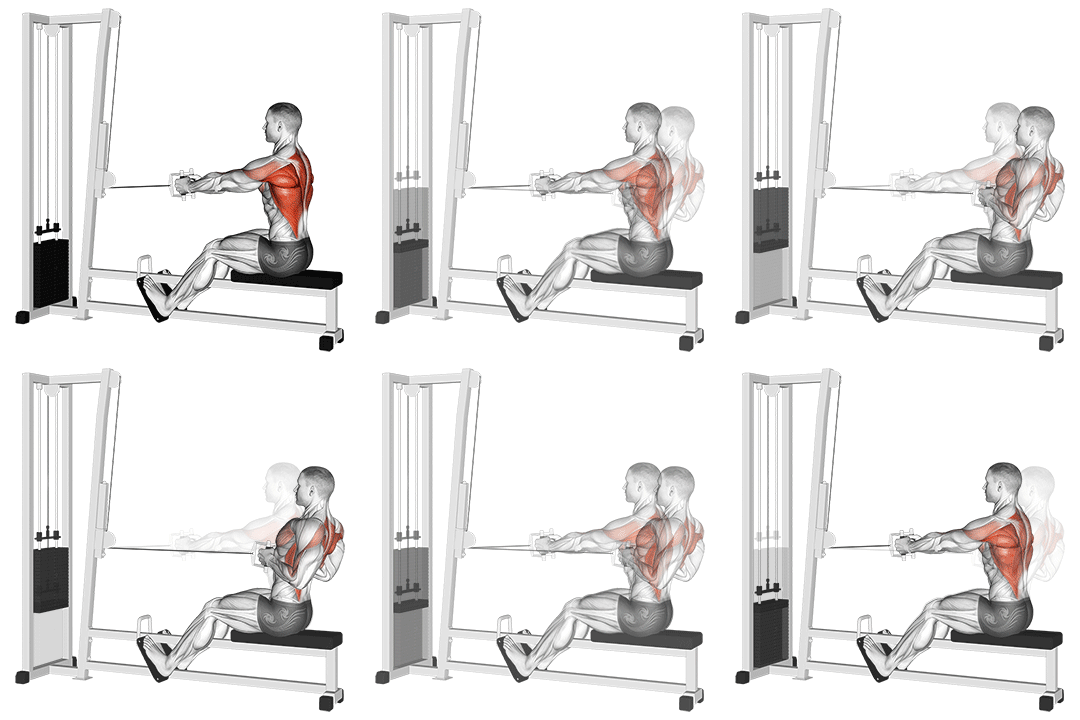
9. Cable Straight Back Seated Row
84.4% MatchHow to perform this exercise
- Sit on the cable row machine with your feet flat on the footrests and your knees slightly bent.
- Grasp the cable handles with an overhand grip, palms facing down.
- Keep your back straight and lean slightly forward from the hips.
- Pull the cable handles towards your body, squeezing your shoulder blades together.
- Pause for a moment at the peak of the movement, then slowly release the handles back to the starting position.
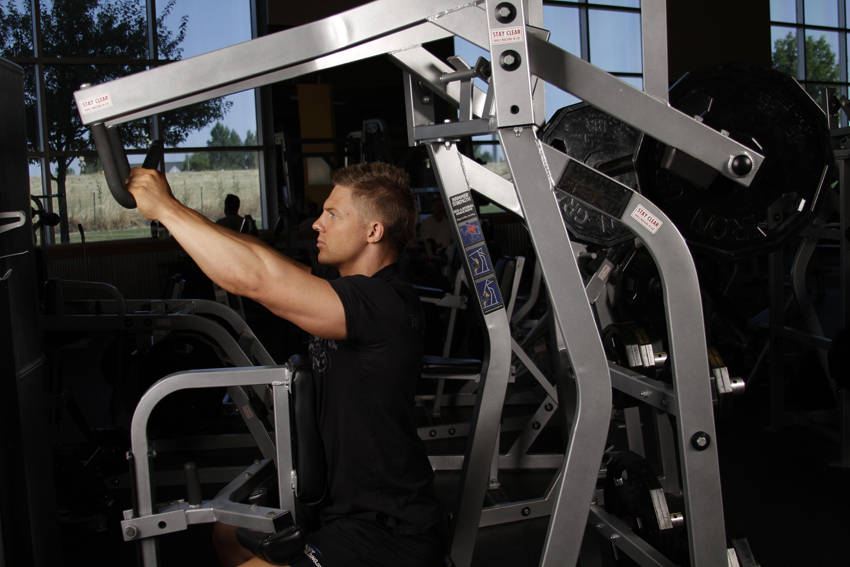
10. Leverage High Row
83.7% MatchHow to perform this exercise
- Load an appropriate weight onto the pins and adjust the seat height so that you can just reach the handles above you. Adjust the knee pad to help keep you down. Grasp the handles with a pronated grip. This will be your starting position.
- Pull the handles towards your torso, retracting your shoulder blades as you flex the elbow.
- Pause at the bottom of the motion, and then slowly return the handles to the starting position.
- For multiple repetitions, avoid completely returning the weight to the stops to keep tension on the muscles being worked.
Why You Might Need a Lever Seated Row Alternative
Substituting the lever seated row is common when you face equipment limits, shoulder or wrist pain, or need variation to force progress. The lever enforces a fixed path and grip; alternatives let you alter torso angle, grip width, and scapular motion to reduce impingement and shift muscle emphasis. For example, chest-supported rows remove lumbar shear by stabilizing the torso, while single-arm rows reveal and correct unilateral weakness by increasing core anti-rotation demands. Use the cue 'lead with the elbow and squeeze the shoulder blades' to drive rhomboid and mid-trap activation. Consider biomechanics: horizontal pulls bias rhomboids and mid-traps, while vertical pulls lengthen the lats differently.
How to Choose the Right Substitute
Match the substitute to the movement plane, loading potential, and joint tolerance. Prioritize horizontal-pull options to preserve rhomboid and mid-trap activation; if you must use a vertical pull, adjust grip and torso angle to bias the upper back. Evaluate load progression, barbell and T-bar rows allow heavy loading, chest-supported and single-arm rows offer safer spine mechanics and unilateral feedback. Check stability demands: chest-supported rows reduce lumbar shear, bent-over rows require stronger posterior chain bracing. Use cues like 'neutral spine, retract the scapula, drive the elbow to the hip' to keep the emphasis on the upper back while progressing sets, reps, and tempo.
Frequently Asked Questions
What muscles does Lever Seated Row work?
The lever seated row primarily targets the upper back: rhomboids, middle and lower trapezius, and posterior deltoids, with latissimus dorsi involvement depending on grip and torso angle. Biceps and forearms act as synergists; focused scapular retraction drives rhomboid and mid-trap activation.
What is the best bodyweight alternative to Lever Seated Row?
The inverted row (Australian pull-up) is the best bodyweight substitute because it preserves the horizontal pulling pattern and scapular retraction. Cue a straight-body plank under the bar, pull the chest to the bar while squeezing the shoulder blades, and move your feet forward to increase difficulty for greater upper-back recruitment.
Can I build muscle without doing Lever Seated Row?
Yes, you can build upper-back muscle using a variety of horizontal pulls and progressive overload, not a single machine. Use heavy barbell or T-bar rows, chest-supported dumbbell rows, single-arm cable rows, or high-volume inverted rows, focusing on full scapular retraction and progressive loading to stimulate hypertrophy.
More Exercise Alternatives
Find Alternatives for Any Exercise
Use the exercise substitution finder to compare ranked alternatives for your available equipment and training preference.
Try the Exercise Substitution Finder →