

10 Best Band One-arm Standing Low Row Alternatives for Home and Gym
The Band One Arm Standing Low Row is done standing with a band. Ranked closest by our scoring: the Cable One Arm Bent Over Row, the One Arm Towel Row and the Smith One Arm Row.
Updated Ranked by our 12-factor similarity model How it works
Original Exercise: Band One Arm Standing Low Row
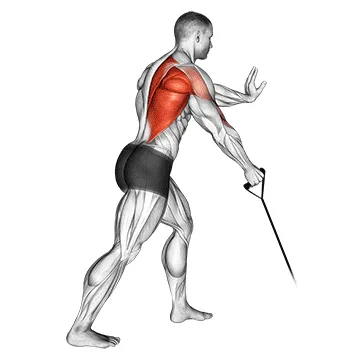
- Primary muscle
- Upper Back
- Equipment
- Band
- Difficulty
- Intermediate
- Type
- Compound
Secondary muscles: Biceps, Shoulders
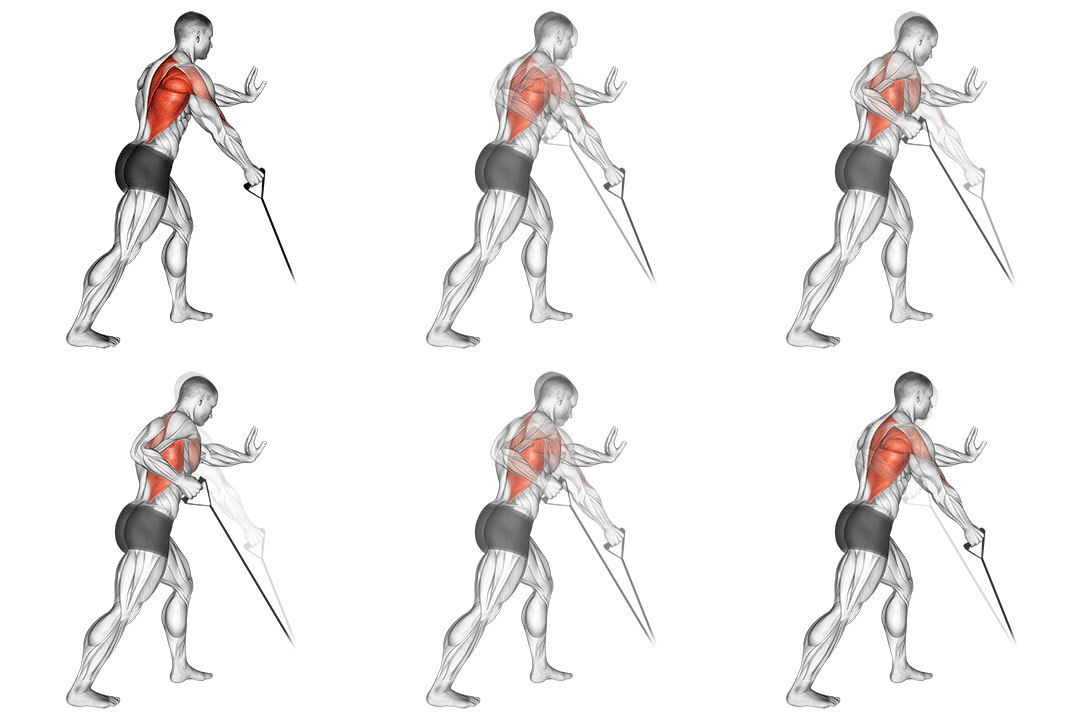
How to perform Band One Arm Standing Low Row
- Attach the band to a stable anchor point at waist height.
- Stand facing the anchor point with your feet shoulder-width apart.
- Hold the band with one hand, palm facing inward, and step back to create tension in the band.
- Bend your knees slightly and hinge forward at the hips, keeping your back straight.
- Pull the band towards your waist, squeezing your shoulder blades together.
- Pause for a moment at the top of the movement, then slowly release the band back to the starting position.
- Repeat for the desired number of repetitions, then switch sides.
Ranked Band One Arm Standing Low Row Alternatives
10 substitutes, ranked by how closely each one matches the Band One Arm Standing Low Row on movement pattern, muscles worked, equipment and body position. The higher the score, the less you change. Open "How to perform this exercise" on a card for the steps; every card title links to that exercise's own alternatives page.
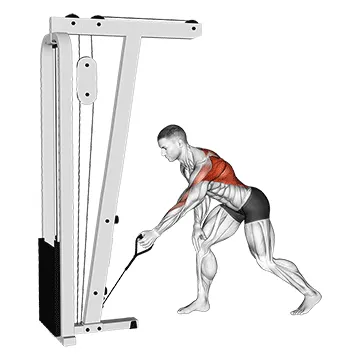
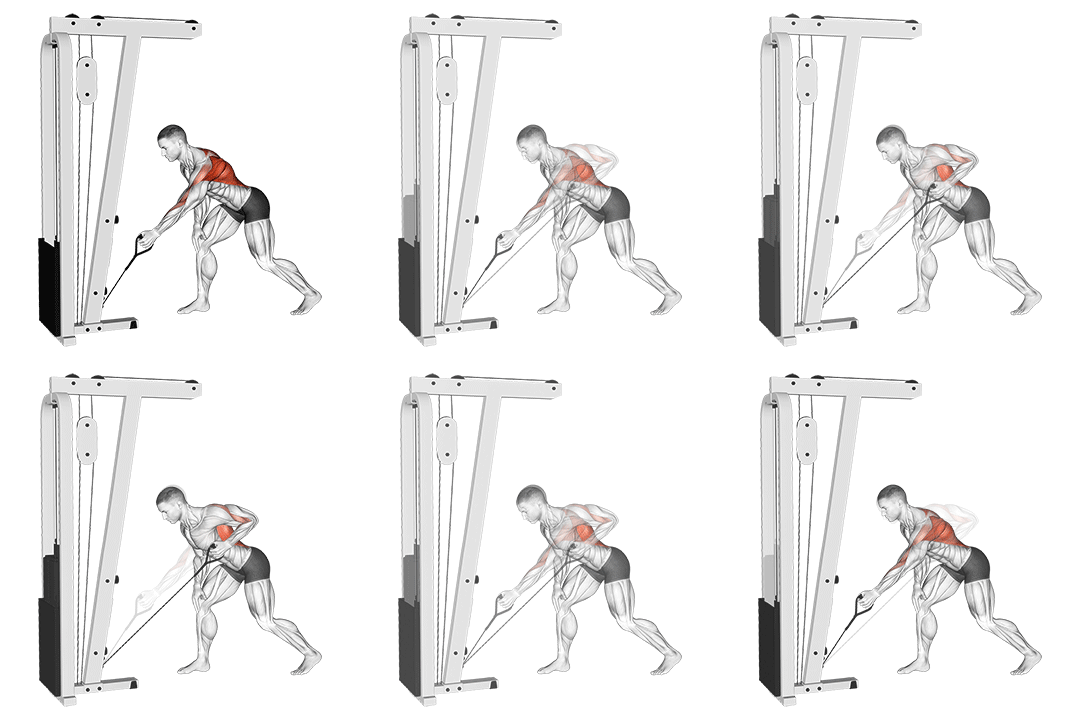
Best match 1. Cable One Arm Bent Over Row
90% match- Upper Back
- Cable
- Intermediate
- Compound
A good swap when you have a cable machine to work with, and it still works the upper back.
How to perform this exercise
- Stand facing a cable machine with your feet shoulder-width apart.
- Bend your knees slightly and hinge forward at the hips, keeping your back straight.
- Grasp the cable handle with one hand, palm facing inward, and extend your arm fully.
- Pull the cable handle towards your body, keeping your elbow close to your side, until your hand reaches your lower chest.
- Pause for a moment, then slowly extend your arm back to the starting position.
- Repeat for the desired number of repetitions, then switch sides.
Sets and reps: 3 or 4 sets of 6 to 10 reps on each side.
Why this matches
- Primary muscle: upper back, the same as the Band One Arm Standing Low Row
- Equipment: a cable, not a band
- Body position: standing, the same as the Band One Arm Standing Low Row
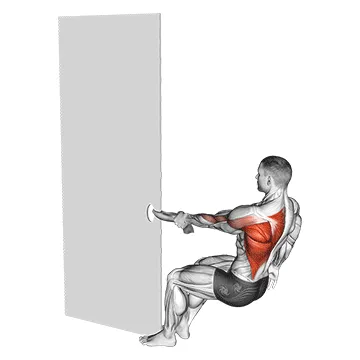
2. One Arm Towel Row
88% match- Upper Back
- Bodyweight
- Intermediate
- Compound
Use this when you have nothing to train with, because it works the upper back with bodyweight alone.
How to perform this exercise
- Stand with your feet shoulder-width apart, knees slightly bent, and hold a towel with one hand.
- Bend forward at the waist, keeping your back straight and your core engaged.
- Extend your arm fully, allowing the towel to hang in front of you.
- Pull the towel towards your chest, squeezing your shoulder blades together.
- Pause for a moment at the top, then slowly lower the towel back to the starting position.
- Repeat for the desired number of repetitions, then switch arms.
Sets and reps: 3 or 4 sets of 6 to 10 reps on each side.
Why this matches
- Primary muscle: upper back, the same as the Band One Arm Standing Low Row
- Equipment: bodyweight only, not a band
- Body position: standing, the same as the Band One Arm Standing Low Row
- Balance: harder to stay steady on than the Band One Arm Standing Low Row
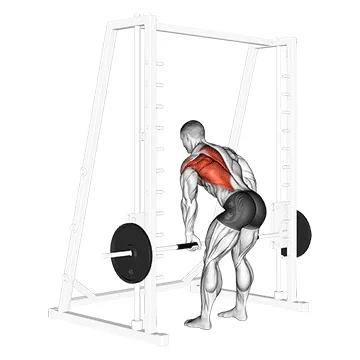
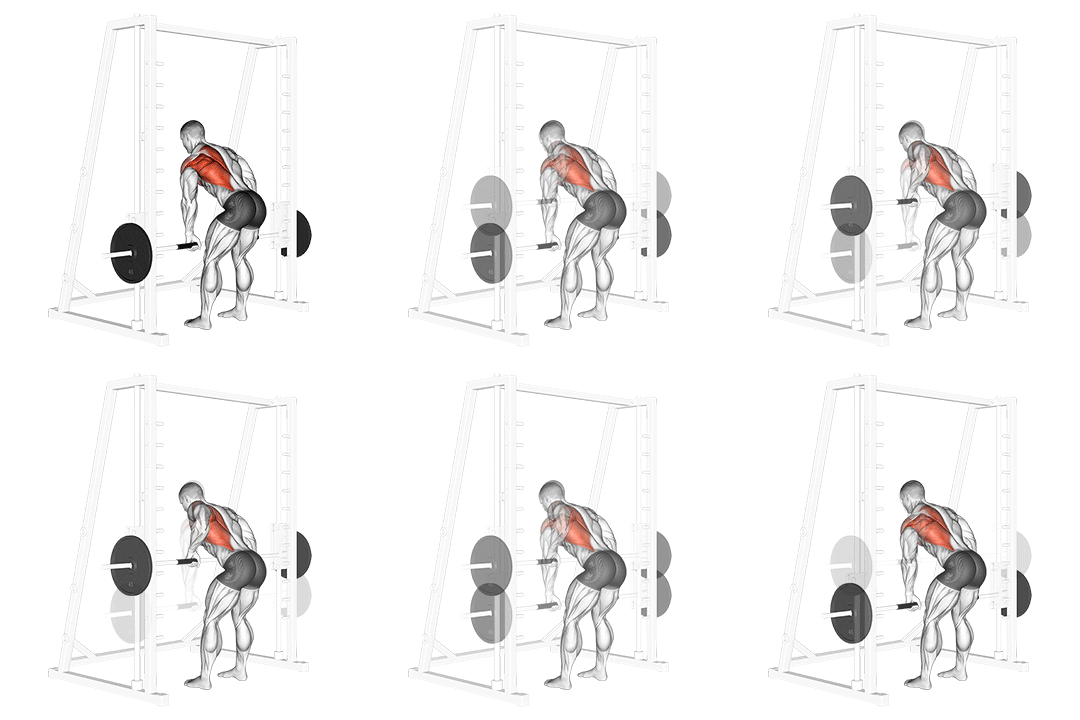
3. Smith One Arm Row
88% match- Upper Back
- Smith-machine
- Intermediate
- Compound
A good swap when you have a Smith machine to work with, and it still works the upper back.
How to perform this exercise
- Adjust the height of the smith machine bar to waist level.
- Stand facing the smith machine with your feet shoulder-width apart.
- Bend your knees slightly and hinge forward at the hips, keeping your back straight.
- Grasp the bar with one hand using an overhand grip, with your palm facing down.
- Keep your elbow close to your body and pull the bar towards your waist, squeezing your shoulder blades together.
- Pause for a moment at the top of the movement, then slowly lower the bar back to the starting position.
- Repeat for the desired number of repetitions, then switch to the other arm.
Sets and reps: 3 or 4 sets of 6 to 10 reps on each side.
Why this matches
- Primary muscle: upper back, the same as the Band One Arm Standing Low Row
- Equipment: a machine, not a band
- Body position: standing, the same as the Band One Arm Standing Low Row
- Balance: easier to stay steady on than the Band One Arm Standing Low Row
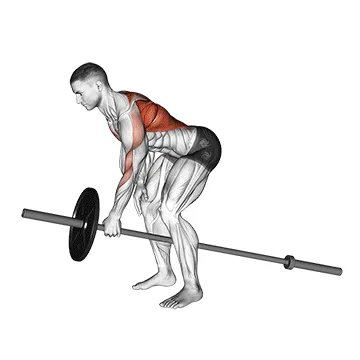
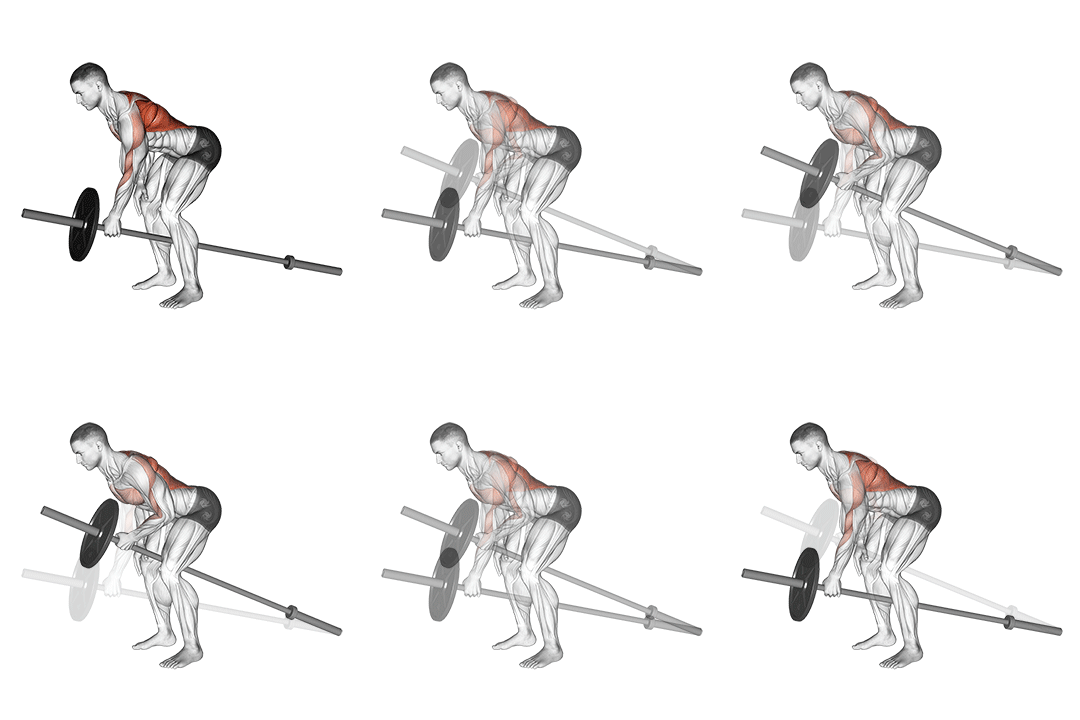
4. Lever One Arm Bent Over Row
85% match- Upper Back
- Barbell
- Intermediate
- Compound
A good swap when you have a barbell to work with, and it still works the upper back.
How to perform this exercise
- Stand with your feet shoulder-width apart, knees slightly bent, and hold a barbell with an overhand grip.
- Bend forward at the hips, keeping your back straight and your head up.
- Let the barbell hang in front of you with your arms fully extended.
- Pull the barbell up towards your chest, keeping your elbows close to your body.
- Squeeze your shoulder blades together at the top of the movement.
- Lower the barbell back down to the starting position.
- Repeat for the desired number of repetitions.
Sets and reps: 3 or 4 sets of 6 to 10 reps on each side.
Why this matches
- Primary muscle: upper back, the same as the Band One Arm Standing Low Row
- Equipment: free weights, not a band
- Body position: standing, the same as the Band One Arm Standing Low Row
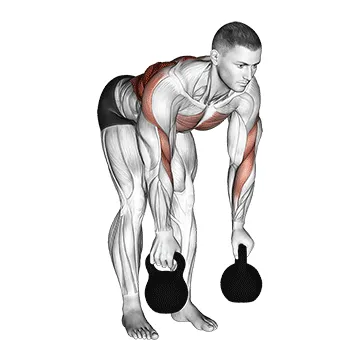
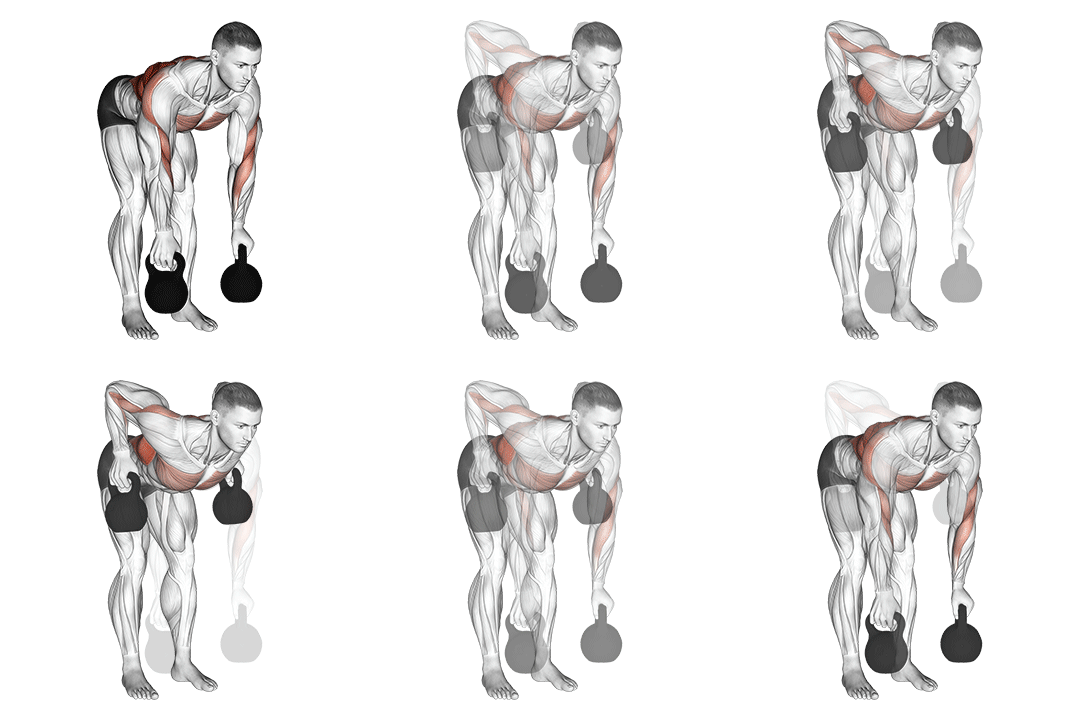
5. Kettlebell Two Arm Row
83% match- Upper Back
- Kettlebell
- Intermediate
- Compound
A good swap when you have a kettlebell to work with, and it still works the upper back.
How to perform this exercise
- Stand with your feet shoulder-width apart, knees slightly bent, and hold a kettlebell in each hand with your palms facing your body.
- Bend forward at the hips, keeping your back straight and your core engaged.
- Pull the kettlebells up towards your chest, squeezing your shoulder blades together.
- Pause for a moment at the top, then slowly lower the kettlebells back down to the starting position.
- Repeat for the desired number of repetitions.
Sets and reps: 3 or 4 sets of 6 to 10 reps.
Why this matches
- Primary muscle: upper back, the same as the Band One Arm Standing Low Row
- Equipment: free weights, not a band
- Body position: standing, the same as the Band One Arm Standing Low Row
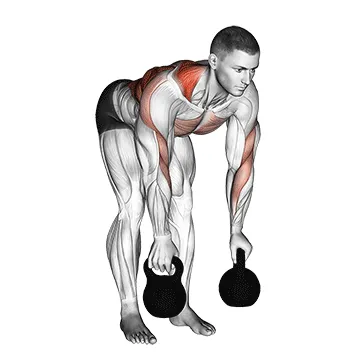
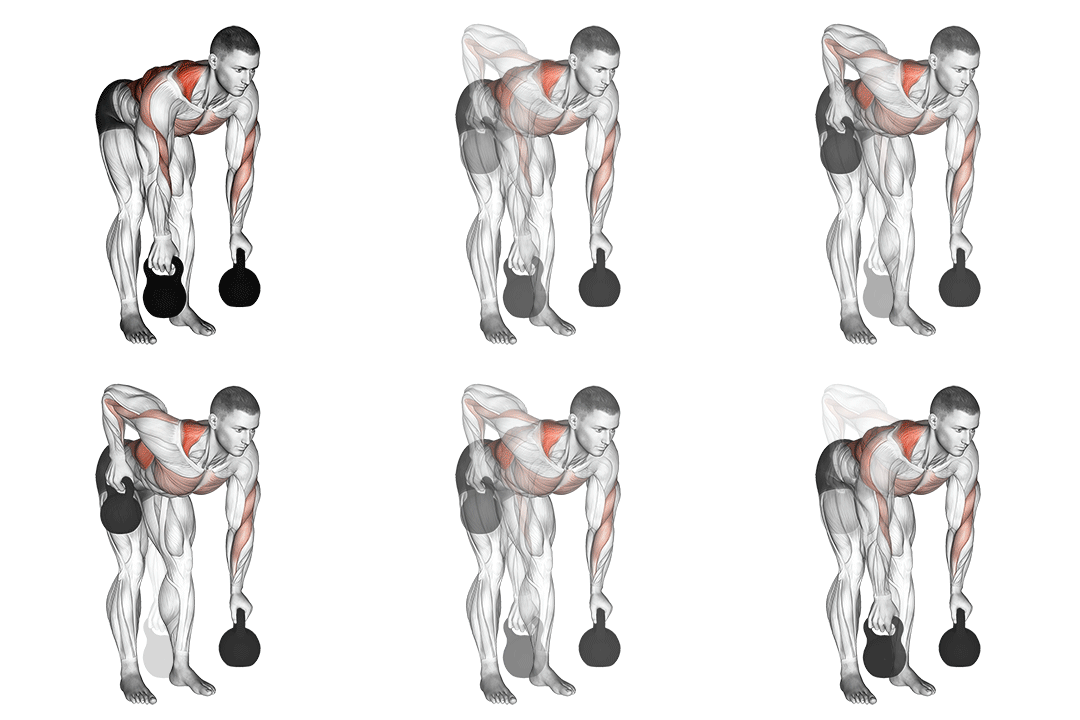
6. Kettlebell Alternating Row
82% match- Upper Back
- Kettlebell
- Intermediate
- Compound
How to perform this exercise
- Stand with your feet shoulder-width apart, knees slightly bent, and hold a kettlebell in each hand with your palms facing your body.
- Bend forward at the hips, keeping your back straight and your core engaged.
- Pull one kettlebell up towards your chest, keeping your elbow close to your body and squeezing your shoulder blades together.
- Lower the kettlebell back down to the starting position and repeat with the other arm.
- Continue alternating arms for the desired number of repetitions.
Sets and reps: 3 or 4 sets of 6 to 10 reps on each side.
Why this matches
- Primary muscle: upper back, the same as the Band One Arm Standing Low Row
- Equipment: free weights, not a band
- Body position: standing, the same as the Band One Arm Standing Low Row
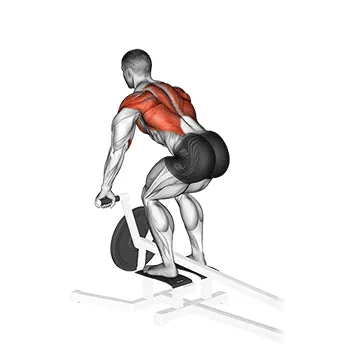
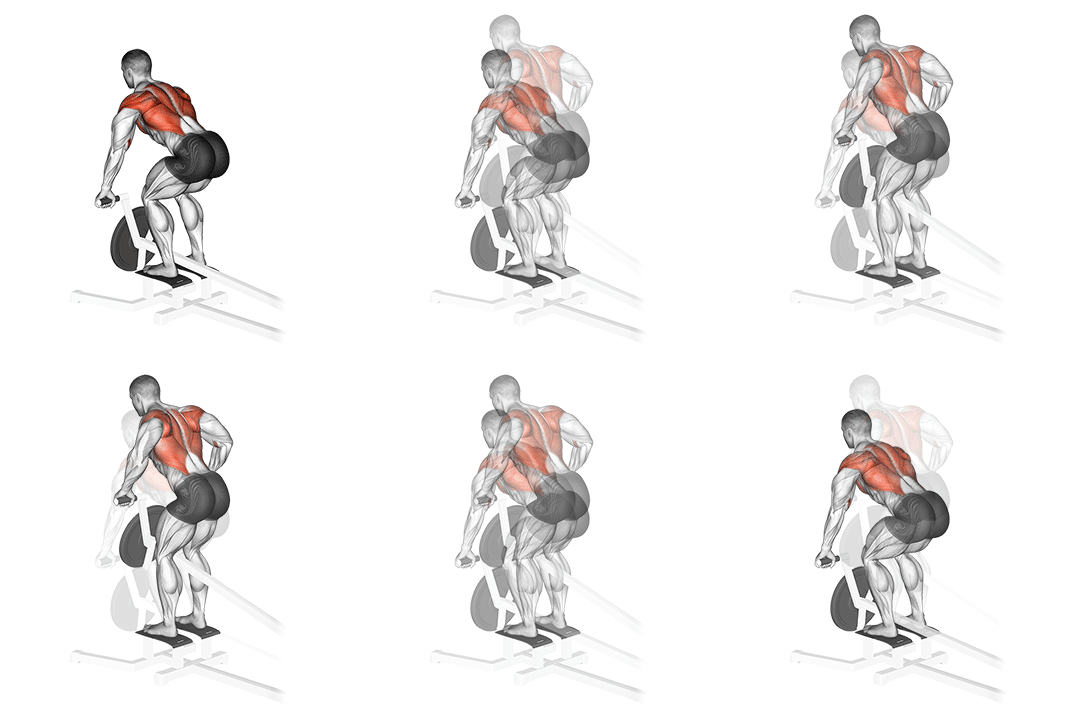
7. Lever T Bar Row
81% match- Upper Back
- Lever
- Intermediate
- Compound
A good swap when you have a lever machine to work with, and it still works the upper back.
How to perform this exercise
- Adjust the seat height and footplate position to ensure proper alignment.
- Sit on the machine with your chest against the pad and your feet flat on the footplate.
- Grasp the handles with an overhand grip, slightly wider than shoulder-width apart.
- Keep your back straight and engage your core.
- Pull the handles towards your torso, squeezing your shoulder blades together.
- Pause for a moment at the peak contraction, then slowly release the handles back to the starting position.
- Repeat for the desired number of repetitions.
Sets and reps: 3 or 4 sets of 6 to 10 reps.
Why this matches
- Primary muscle: upper back, the same as the Band One Arm Standing Low Row
- Equipment: a machine, not a band
- Body position: standing, the same as the Band One Arm Standing Low Row
- Balance: easier to stay steady on than the Band One Arm Standing Low Row
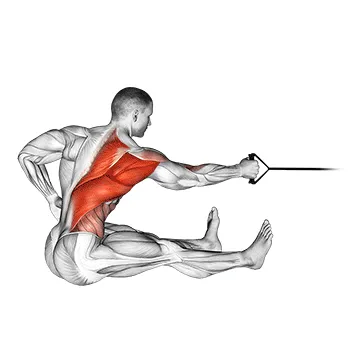
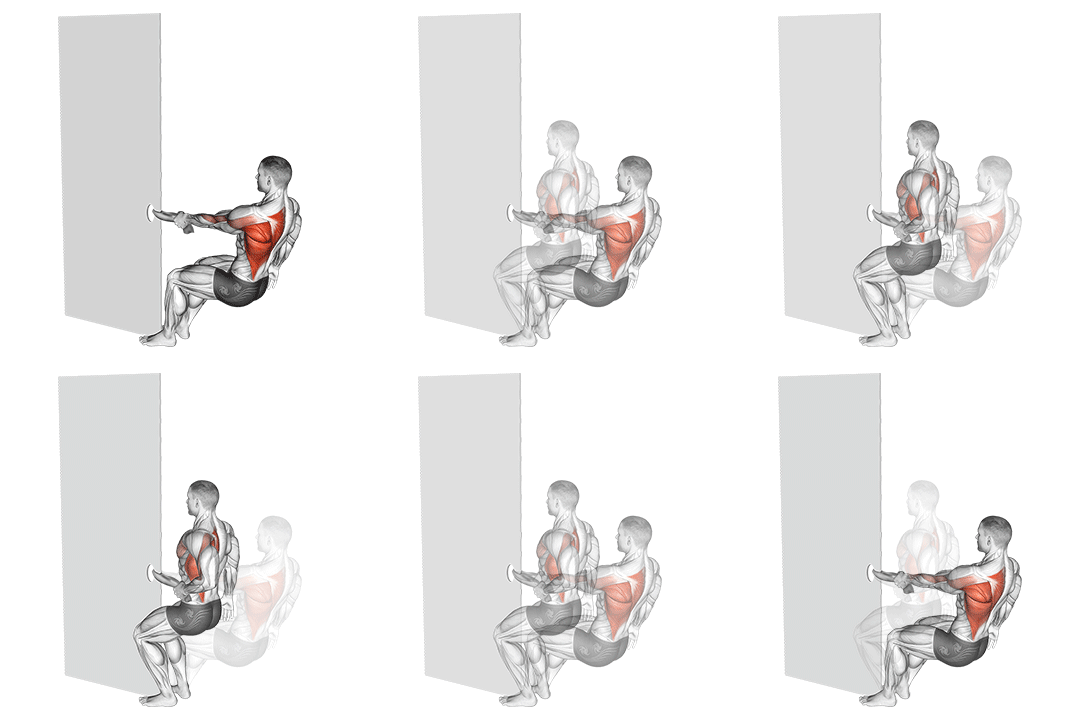
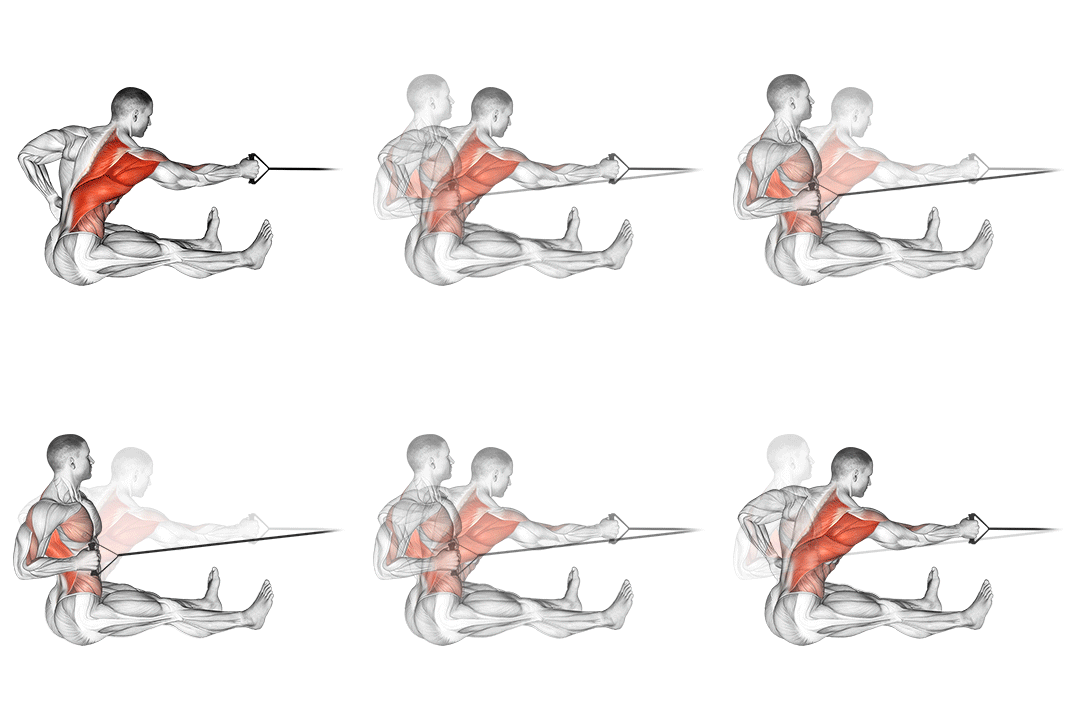
8. Band One Arm Twisting Seated Row
80% match- Upper Back
- Band
- Intermediate
- Compound
How to perform this exercise
- Sit on a bench or chair with your feet flat on the ground and your back straight.
- Hold the band with one hand and extend your arm fully in front of you.
- Keeping your back straight, pull the band towards your body by bending your elbow and squeezing your shoulder blades together.
- At the same time, twist your torso towards the side of the pulling arm.
- Pause for a moment at the top, then slowly release the tension in the band and return to the starting position.
- Repeat for the desired number of repetitions, then switch to the other arm.
Sets and reps: 3 or 4 sets of 6 to 10 reps on each side.
Why this matches
- Primary muscle: upper back, the same as the Band One Arm Standing Low Row
- Equipment: a band, the same as the Band One Arm Standing Low Row
- Body position: seated, not standing
- Balance: easier to stay steady on than the Band One Arm Standing Low Row
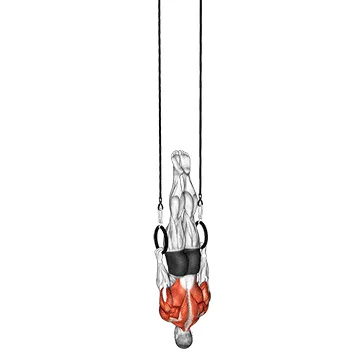
9. Elevator
79% match- Upper Back
- Bodyweight
- Intermediate
- Compound
How to perform this exercise
- Stand with your feet shoulder-width apart and your knees slightly bent.
- Place your hands on your hips or cross them in front of your chest.
- Keeping your back straight, slowly bend forward at the waist, lowering your upper body towards the ground.
- Pause for a moment at the bottom, then slowly raise your upper body back up to the starting position.
- Repeat for the desired number of repetitions.
Sets and reps: 3 or 4 sets of 6 to 10 reps.
Why this matches
- Primary muscle: upper back, the same as the Band One Arm Standing Low Row
- Equipment: bodyweight only, not a band
- Body position: standing, the same as the Band One Arm Standing Low Row
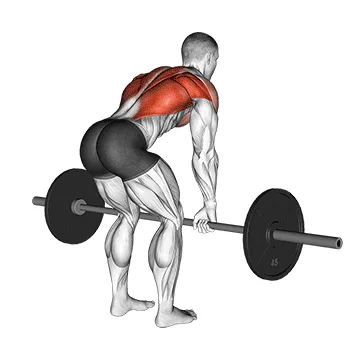
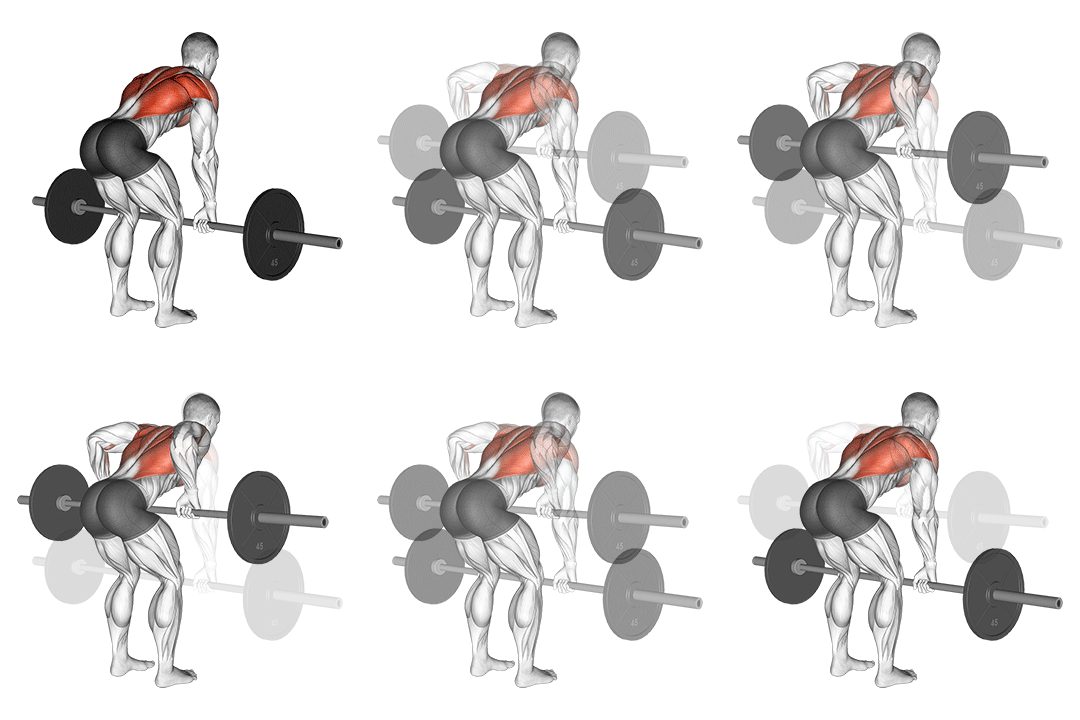
10. Barbell Bent Over Row
78% match- Upper Back
- Barbell
- Intermediate
- Compound
How to perform this exercise
- Stand with your feet shoulder-width apart and knees slightly bent.
- Bend forward at the hips while keeping your back straight and chest up.
- Grasp the barbell with an overhand grip, hands slightly wider than shoulder-width apart.
- Pull the barbell towards your lower chest by retracting your shoulder blades and squeezing your back muscles.
- Pause for a moment at the top, then slowly lower the barbell back to the starting position.
- Repeat for the desired number of repetitions.
Sets and reps: 3 to 5 sets of 5 to 8 reps.
Why this matches
- Primary muscle: upper back, the same as the Band One Arm Standing Low Row
- Equipment: free weights, not a band
- Body position: standing, the same as the Band One Arm Standing Low Row
Why You Might Need a Band One Arm Standing Low Row Alternative
You may substitute this exercise for many reasons: shoulder impingement from band angle, limited band resistance, lack of anchor points, or a need for heavier progressive loading. Alternatives let you change the line of pull, reduce lumbar shear with chest support, or load one side with heavier dumbbells or cables to address imbalances. Choose movements that preserve scapular retraction and humeral extension so the same motor units in the lats and rhomboids are stimulated. Cue each rep: depress and retract the shoulder blade before pulling, avoid shrugging, and keep the torso stable to prevent compensatory rotation.
How to Choose the Right Band One Arm Standing Low Row Substitute
Select a substitute based on equipment, training goal, and joint tolerance. For strength and progressive overload pick dumbbell or cable single-arm rows; for pain or rehab prefer chest-supported or seated band rows to remove lumbar load. Match the elbow path, keep the elbow close to the torso and pull to the ribcage to mimic the low-row moment arm and retain upper‑back emphasis. Test options with technique cues: set a solid torso angle, initiate with scapular retraction, and stop at full scapular squeeze to confirm the substitute produces similar rhomboid and lower‑trap activation.
Band One Arm Standing Low Row FAQ
What muscles does Band One Arm Standing Low Row work?
The Band One Arm Standing Low Row primarily targets the latissimus dorsi, rhomboids, middle and lower trapezius, and posterior deltoid, with secondary biceps involvement. Biomechanically it emphasizes scapular retraction and humeral extension, cue pulling the elbow to the hip while keeping the scapula depressed to maximize upper‑back activation.
Can I build muscle without doing Band One Arm Standing Low Row?
Yes, you can build upper‑back muscle through other horizontal pull patterns and progressive overload using dumbbells, cables, or bodyweight rows. Prioritize full scapular retraction, incremental loading, and range of motion; cue a sternum-to-elbow line and track load and volume to ensure progressive tension on the lats and rhomboids.
Find Alternatives for Any Exercise
Search the exercise database and filter the ranked substitutes by the equipment you own.
Similarity scores compare exercise metadata such as movement pattern, muscles, equipment and body position. They are not a safety rating or a check that you own the equipment. Learn about our methodology