

5 Seated Bent-over Rear Delt Raise Alternatives for Limited Gear
If you can't do the Seated Bent-over Rear Delt Raise, choose moves that reproduce its horizontal-abduction pattern and posterior deltoid loading. Use face pulls, reverse flyes, band pull-aparts, incline rear delt raises, and cable rear delt rows. Cue: hinge at the hips, keep a slight elbow bend and lead with the elbows to drive rear-delt activation.
Original Exercise: Seated Bent-over Rear Delt Raise
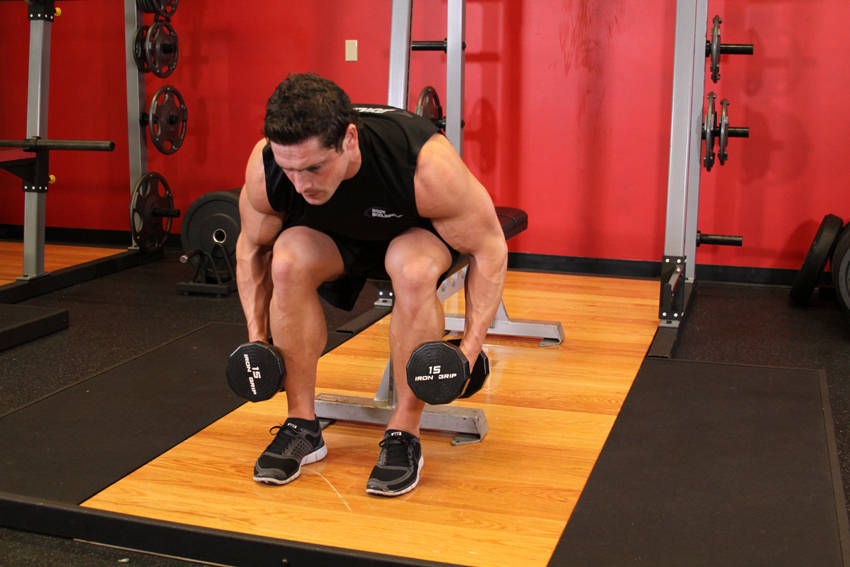
How to Perform Seated Bent-over Rear Delt Raise
- Place a couple of dumbbells looking forward in front of a flat bench.
- Sit on the end of the bench with your legs together and the dumbbells behind your calves.
- Bend at the waist while keeping the back straight in order to pick up the dumbbells. The palms of your hands should be facing each other as you pick them. This will be your starting position.
- Keeping your torso forward and stationary, and the arms slightly bent at the elbows, lift the dumbbells straight to the side until both arms are parallel to the floor. Exhale as you lift the weights. (Note: avoid swinging the torso or bringing the arms back as opposed to the side.)
- After a one second contraction at the top, slowly lower the dumbbells back to the starting position.
- Repeat for the recommended amount of repetitions.
Pro Tips
- Category: Strength
- Force: Pull
- Movement type: Isolation
Ranked Seated Bent-over Rear Delt Raise Alternatives
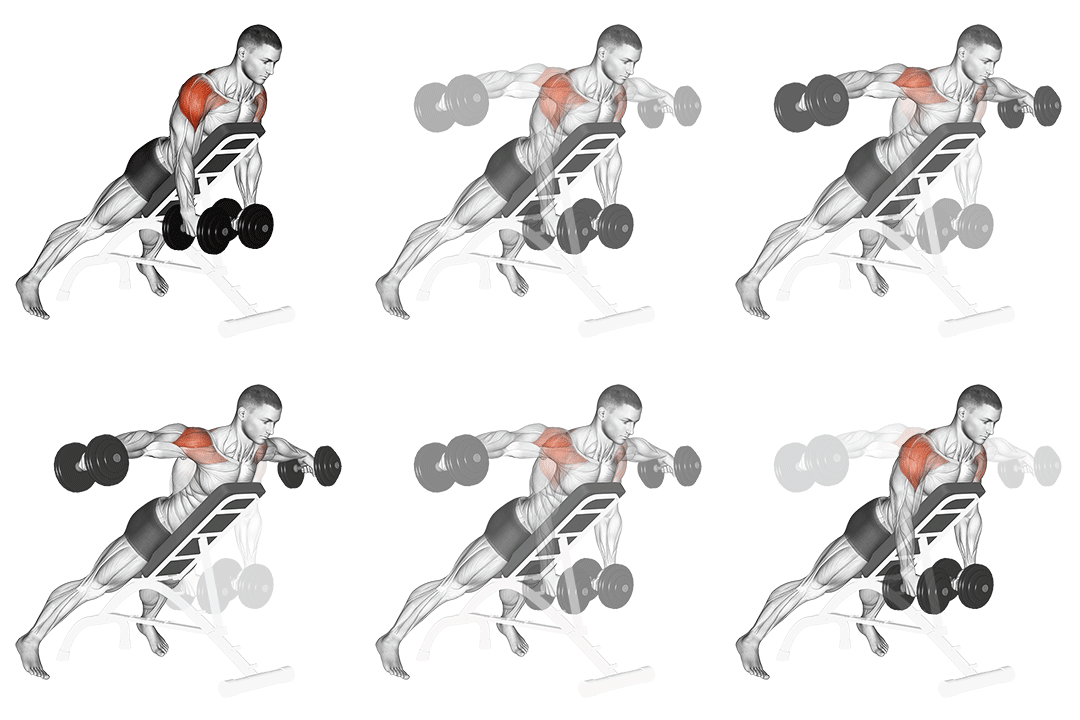
1. Dumbbell Incline Rear Lateral Raise
82.7% MatchHow to perform this exercise
- Set up an incline bench at a 45-degree angle.
- Sit on the bench with your chest against the backrest and hold a dumbbell in each hand.
- Extend your arms straight down with your palms facing each other.
- Keeping a slight bend in your elbows, raise your arms out to the sides until they are parallel to the ground.
- Pause for a moment at the top, then slowly lower your arms back down to the starting position.
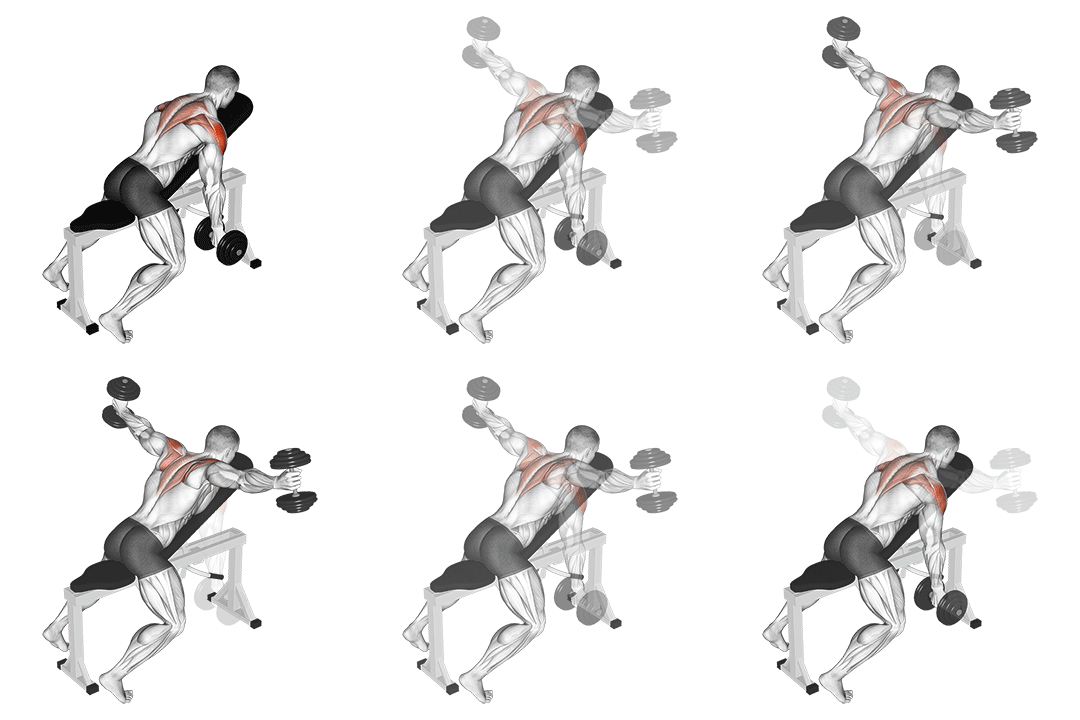
2. Dumbbell Incline T-raise
82.7% MatchHow to perform this exercise
- Set an incline bench to a 45-degree angle and sit on it with a dumbbell in each hand, palms facing inwards.
- Lean forward and let your arms hang straight down, perpendicular to the floor.
- Keeping your arms straight, raise them out to the sides until they are parallel to the floor, forming a 'T' shape with your body.
- Pause for a moment at the top, then slowly lower your arms back down to the starting position.
- Repeat for the desired number of repetitions.
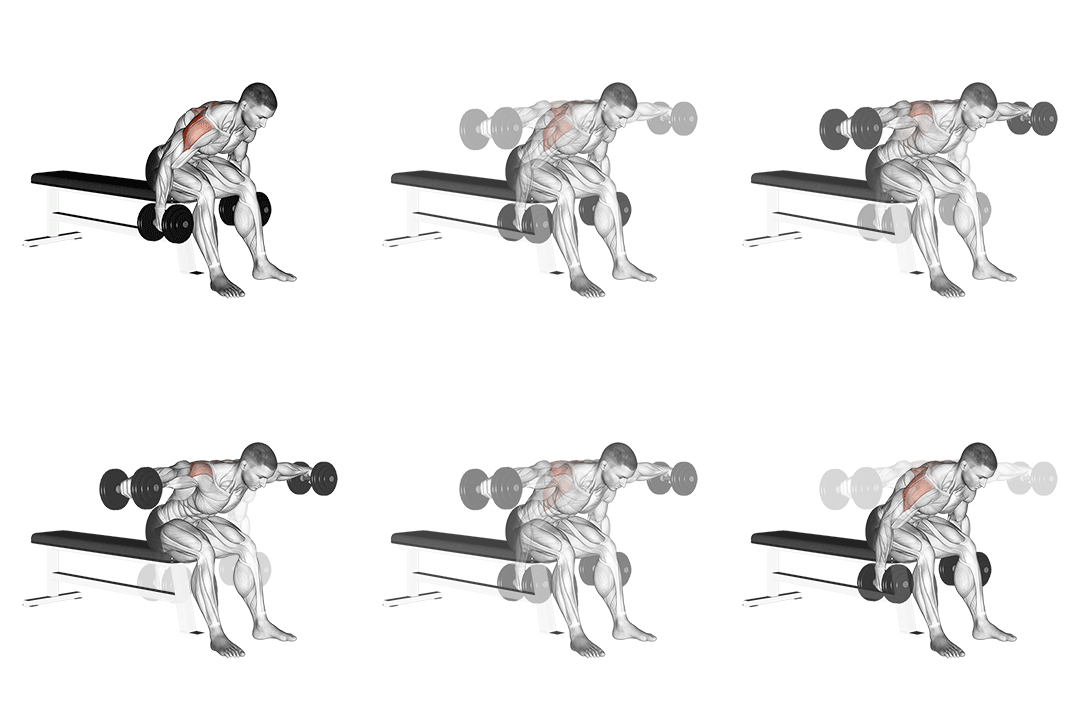
3. Dumbbell Rear Fly
77% MatchHow to perform this exercise
- Stand with your feet shoulder-width apart and hold a dumbbell in each hand.
- Bend your knees slightly and hinge forward at the hips, keeping your back straight.
- Extend your arms straight down towards the ground, palms facing each other.
- Keeping a slight bend in your elbows, lift your arms out to the sides and squeeze your shoulder blades together.
- Pause for a moment at the top, then slowly lower your arms back down to the starting position.
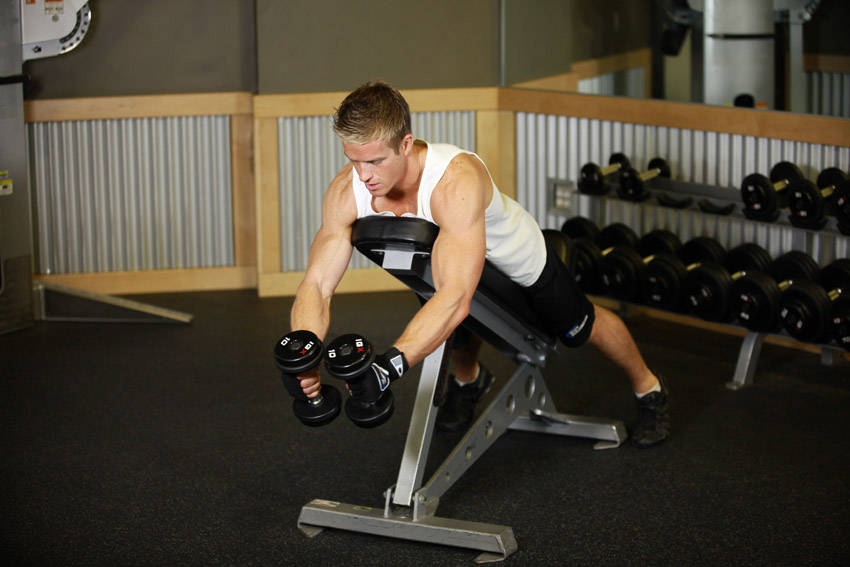
4. Dumbbell Reverse Fly
77% MatchHow to perform this exercise
- Stand with your feet shoulder-width apart and hold a dumbbell in each hand.
- Bend your knees slightly and hinge forward at the hips, keeping your back straight.
- Extend your arms straight down in front of you, palms facing each other.
- Keeping a slight bend in your elbows, raise your arms out to the sides until they are parallel to the ground.
- Pause for a moment at the top, then slowly lower your arms back down to the starting position.
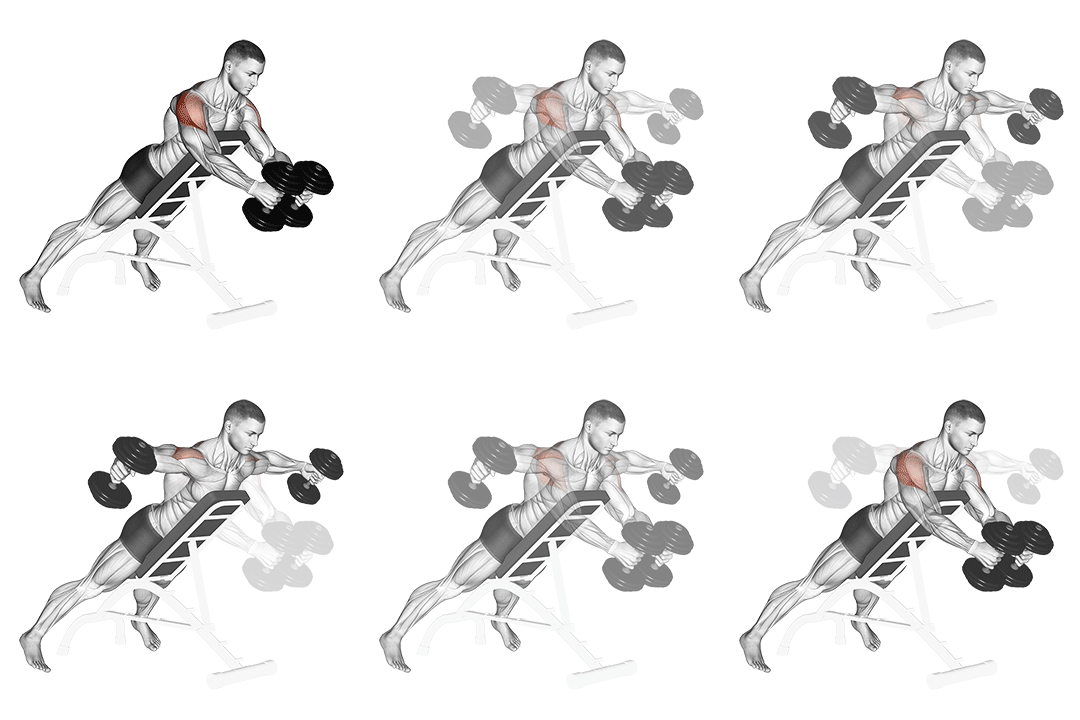
5. Reverse Flyes
77% MatchHow to perform this exercise
- To begin, lie down on an incline bench with the chest and stomach pressing against the incline. Have the dumbbells in each hand with the palms facing each other (neutral grip).
- Extend the arms in front of you so that they are perpendicular to the angle of the bench. The legs should be stationary while applying pressure with the ball of your toes. This is the starting position.
- Maintaining the slight bend of the elbows, move the weights out and away from each other (to the side) in an arc motion while exhaling. Tip: Try to squeeze your shoulder blades together to get the best results from this exercise.
- The arms should be elevated until they are parallel to the floor.
- Feel the contraction and slowly lower the weights back down to the starting position while inhaling.
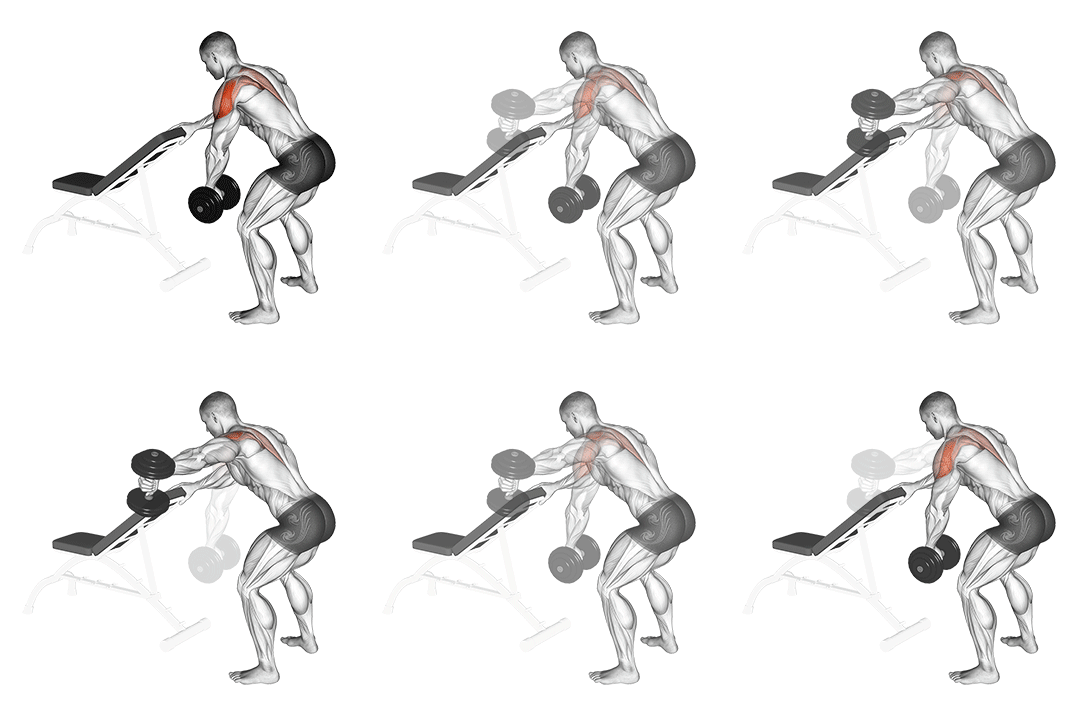
6. Dumbbell One Arm Reverse Fly (with Support)
76.4% MatchHow to perform this exercise
- Sit on a bench with your feet flat on the ground and your back straight.
- Hold a dumbbell in one hand with your palm facing inwards.
- Lean forward and place your free hand on the bench for support.
- Keep your arm slightly bent and raise it out to the side until it is parallel to the ground.
- Pause for a moment at the top, then slowly lower your arm back down to the starting position.
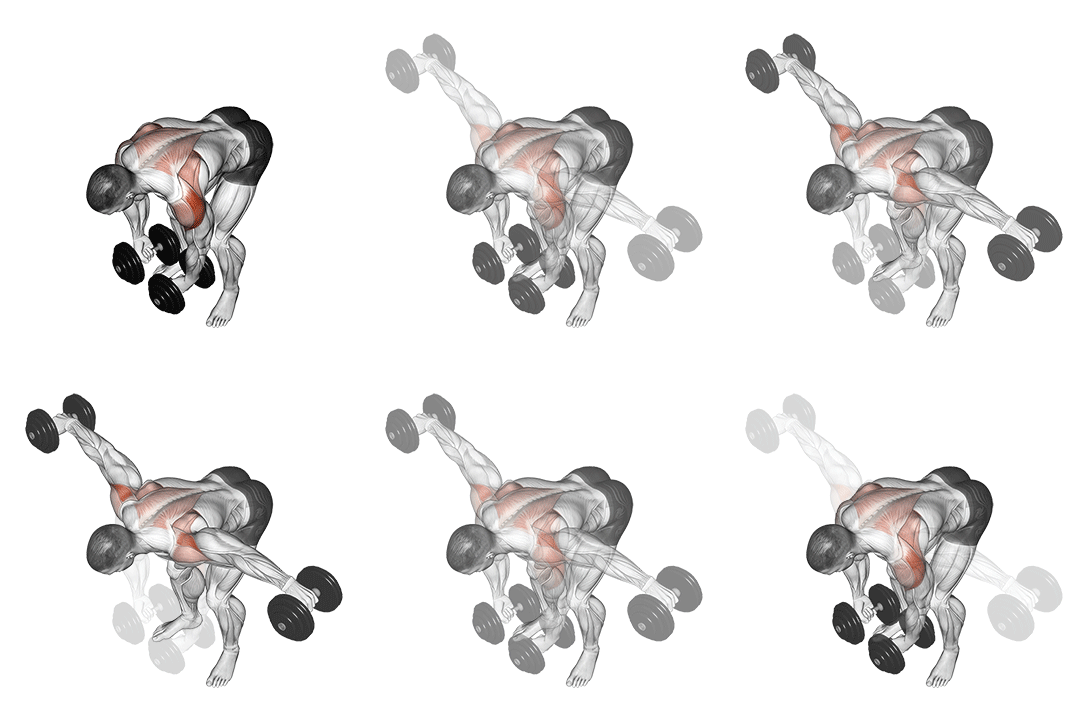
7. Dumbbell Rear Lateral Raise
76.2% MatchHow to perform this exercise
- Stand with your feet shoulder-width apart and hold a dumbbell in each hand, palms facing your body.
- Bend your knees slightly and hinge forward at the hips, keeping your back straight and core engaged.
- Raise your arms out to the sides, keeping a slight bend in your elbows, until they are parallel to the floor.
- Pause for a moment at the top, then slowly lower your arms back down to the starting position.
- Repeat for the desired number of repetitions.
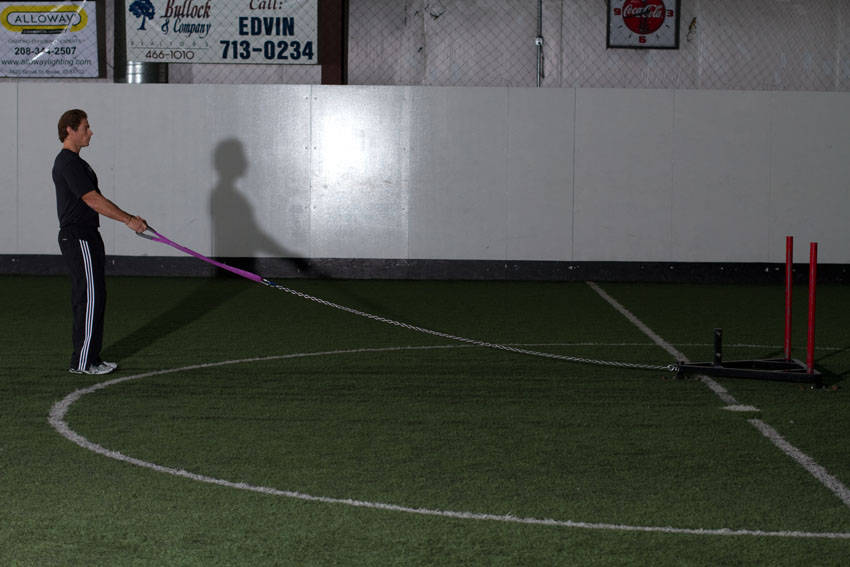
8. Sled Reverse Flye
76.2% MatchHow to perform this exercise
- Attach dual handles to a sled connected by a rope or chain. Load the sled to a light weight.
- Face the sled, backing up until there is some tension in the line. Take both handles at arms length at about waist level. Bend the knees slightly and keep your chest and head up. This will be your starting position.
- Without flexing the elbow, pull the handles upward and apart, performing a reverse fly with some external rotation. Your palms should be facing forward as you do this.
- Return to the starting position, taking a couple steps back to take the slack out of the line.
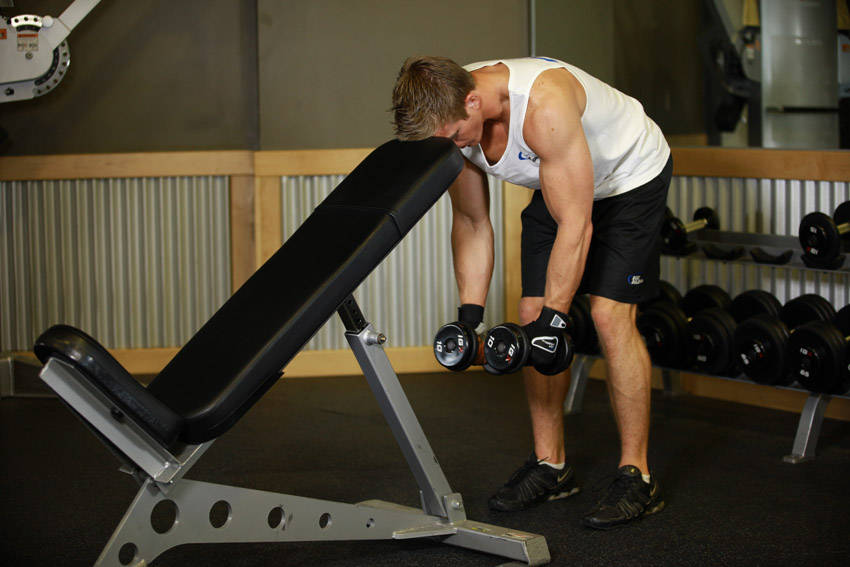
9. Bent Over Dumbbell Rear Delt Raise With Head On Bench
74.7% MatchHow to perform this exercise
- Stand up straight while holding a dumbbell in each hand and with an incline bench in front of you.
- While keeping your back straight and maintaining the natural arch of your back, lean forward until your forehead touches the bench in front of you. Let the arms hang in front of you perpendicular to the ground. The palms of your hands should be facing each other and your torso should be parallel to the floor. This will be your starting position.
- Keeping your torso forward and stationary, and the arms straight with a slight bend at the elbows, lift the dumbbells straight to the side until both arms are parallel to the floor. Exhale as you lift the weights. Caution: avoid swinging the torso or bringing the arms back as opposed to the side.
- After a one second contraction at the top, slowly lower the dumbbells back to the starting position.
- Repeat the recommended amount of repetitions.
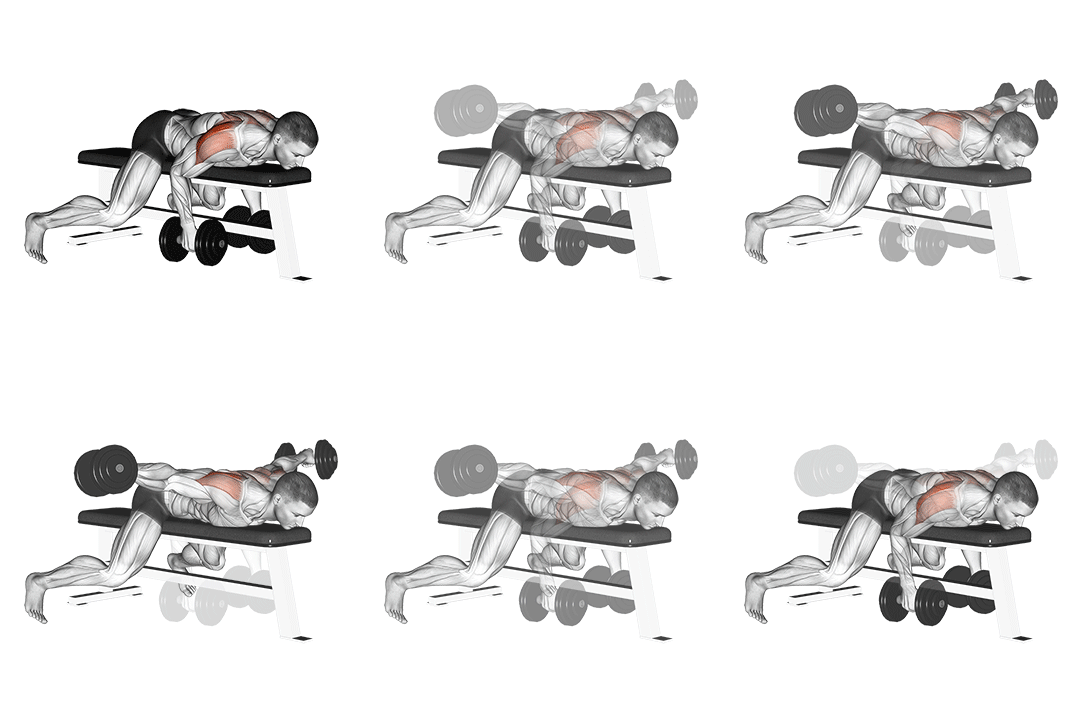
10. Dumbbell Lying Rear Lateral Raise
74.7% MatchHow to perform this exercise
- Lie face down on a flat bench with a dumbbell in each hand, palms facing each other.
- Extend your arms straight down towards the floor, keeping a slight bend in your elbows.
- Engaging your shoulder muscles, lift your arms out to the sides until they are parallel to the floor.
- Pause for a moment at the top, then slowly lower your arms back down to the starting position.
- Repeat for the desired number of repetitions.
Why You Might Need a Seated Bent-over Rear Delt Raise Alternative
You may swap the Seated Bent-over Rear Delt Raise because of shoulder pain, limited equipment, balance issues, or a need for greater load variability. Some lifters feel trap dominance or neck tension when seated and bent over; alternatives let you alter trunk angle and scapular position to bias the posterior deltoid. For example, face pulls keep the torso upright and emphasize external rotation and scapular retraction, while band pull-aparts allow high-rep, low-load work to train postural endurance. Cue: pull with the elbows and squeeze the scapulae to maximize rear-delt recruitment.
How to Choose the Right Substitute
Pick a substitute based on available equipment, desired loading scheme, and which movement plane you want to preserve. If you need strict isolation choose incline dumbbell rear delt raises or chest-supported reverse flyes to remove lumbar loading. If you lack weights use band pull-aparts or prone T-raises for consistent posterior deltoid tension. For hypertrophy prioritize exercises that allow progressive overload and full horizontal abduction; cue: keep elbows at shoulder height and minimize shoulder shrugging so the posterior deltoid, not the upper trapezius, does the work.
Frequently Asked Questions
What muscles does Seated Bent-over Rear Delt Raise work?
The primary mover is the posterior (rear) deltoid; secondary muscles include the infraspinatus and teres minor for external rotation and the rhomboids and middle traps for scapular retraction. Cue: perform horizontal abduction while retracting the scapulae to maximize posterior deltoid activation.
What is the best bodyweight alternative to Seated Bent-over Rear Delt Raise?
A prone T raise on the floor or on an incline bench is the top bodyweight option: lie chest-down and lift the arms in line with the shoulders, thumbs pointing up. Cue: squeeze the shoulder blades together and pause at peak contraction to emphasize posterior deltoid loading.
Can I build muscle without doing Seated Bent-over Rear Delt Raise?
Yes. You can build the posterior deltoid with many alternatives, face pulls, chest-supported reverse flyes, wide-grip rows, and progressive band work all work. Cue: maintain horizontal abduction and use progressive overload or increased time under tension to stimulate hypertrophy.
More Exercise Alternatives
Find Alternatives for Any Exercise
Use the exercise substitution finder to compare ranked alternatives for your available equipment and training preference.
Try the Exercise Substitution Finder →