

10 Best Smith Behind-head Military Press Alternatives for Shoulders
Can't use the Smith standing behind-head military press? Use seated dumbbell presses, landmine presses, pike push-ups, Arnold presses, or standing front barbell presses instead. Cue: brace your core, keep elbows under wrists and press in a 10-20° forward plane to load the medial delts while protecting the rotator cuff.
Original Exercise: Smith Standing Behind Head Military Press
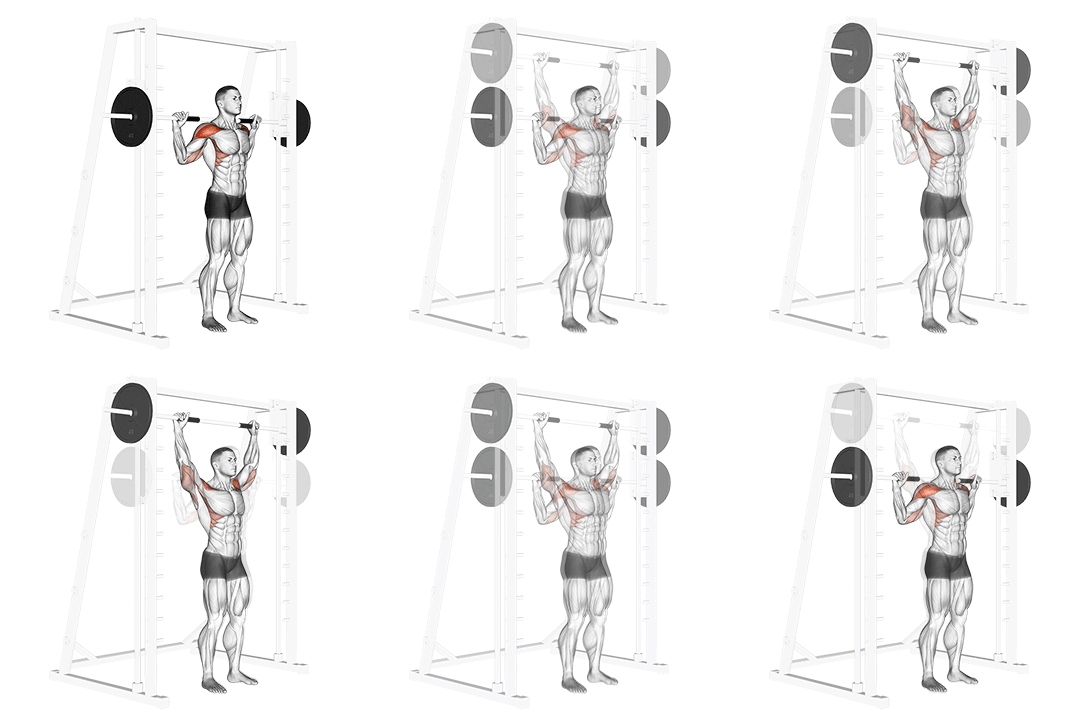
How to Perform Smith Standing Behind Head Military Press
- Adjust the seat height of the smith machine so that the bar is at shoulder level.
- Stand with your feet shoulder-width apart and your knees slightly bent.
- Grasp the bar with an overhand grip, slightly wider than shoulder-width apart.
- Lift the bar off the rack and step back, maintaining a stable stance.
- Position the bar behind your head, resting on your upper traps.
- Keep your core engaged and your chest lifted throughout the exercise.
- Press the bar overhead by extending your arms, fully straightening them.
- Pause briefly at the top of the movement, then slowly lower the bar back down to the starting position.
- Repeat for the desired number of repetitions.
Ranked Smith Standing Behind Head Military Press Alternatives
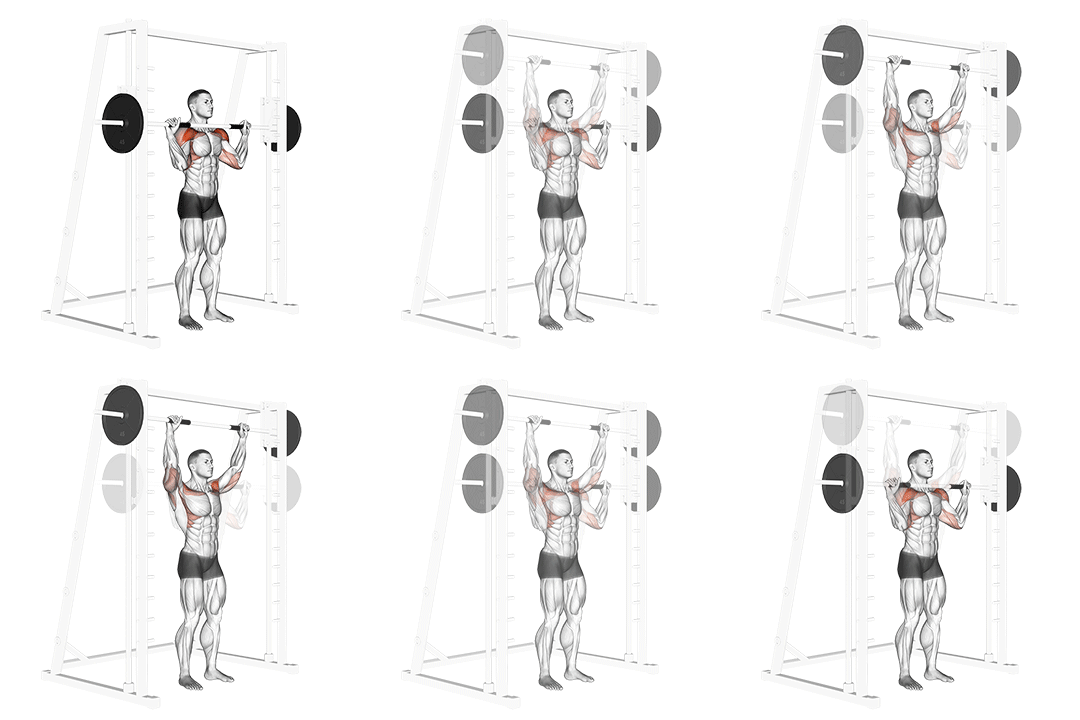
1. Smith Standing Military Press
99.9% MatchHow to perform this exercise
- Stand with your feet shoulder-width apart and your knees slightly bent.
- Grasp the barbell with an overhand grip, slightly wider than shoulder-width apart.
- Lift the barbell off the rack and bring it down to shoulder level, with your palms facing forward.
- Press the barbell upward until your arms are fully extended overhead.
- Pause for a moment at the top, then slowly lower the barbell back down to shoulder level.
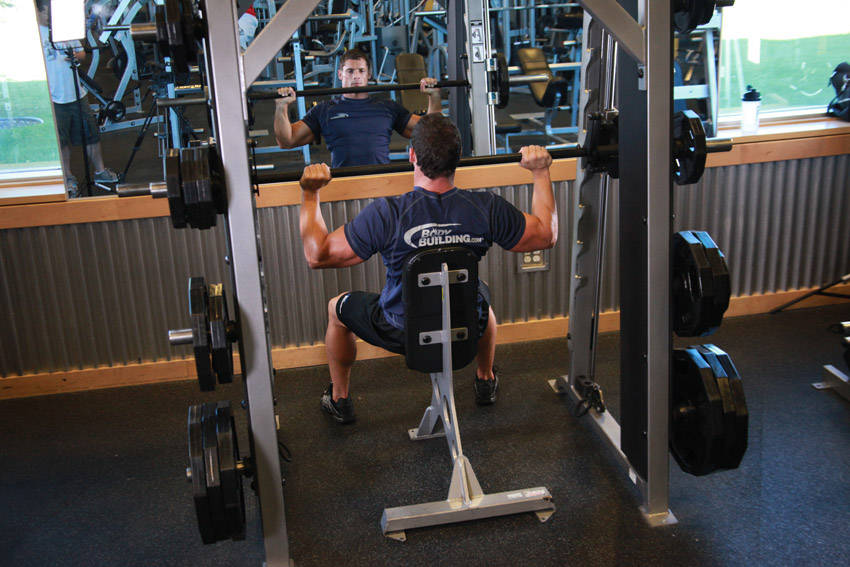
2. Smith Machine Overhead Shoulder Press
99.2% MatchHow to perform this exercise
- To begin, place a flat bench (or preferably one with back support) underneath a smith machine. Position the barbell at a height so that when seated on the flat bench, the arms must be almost fully extended to reach the barbell.
- Once you have the correct height, sit slightly in behind the barbell so that there is an imaginary straight line from the tip of your nose to the barbell. Your feet should be stationary. Grab the barbell with the palms facing forward, unlock it and lift it up so that your arms are fully extended. This is the starting position.
- Slowly begin to lower the barbell until it is level with your chin while inhaling.
- Then lift the barbell back to the starting position using your shoulders while exhaling.
- Repeat for the recommended amount of repetitions.
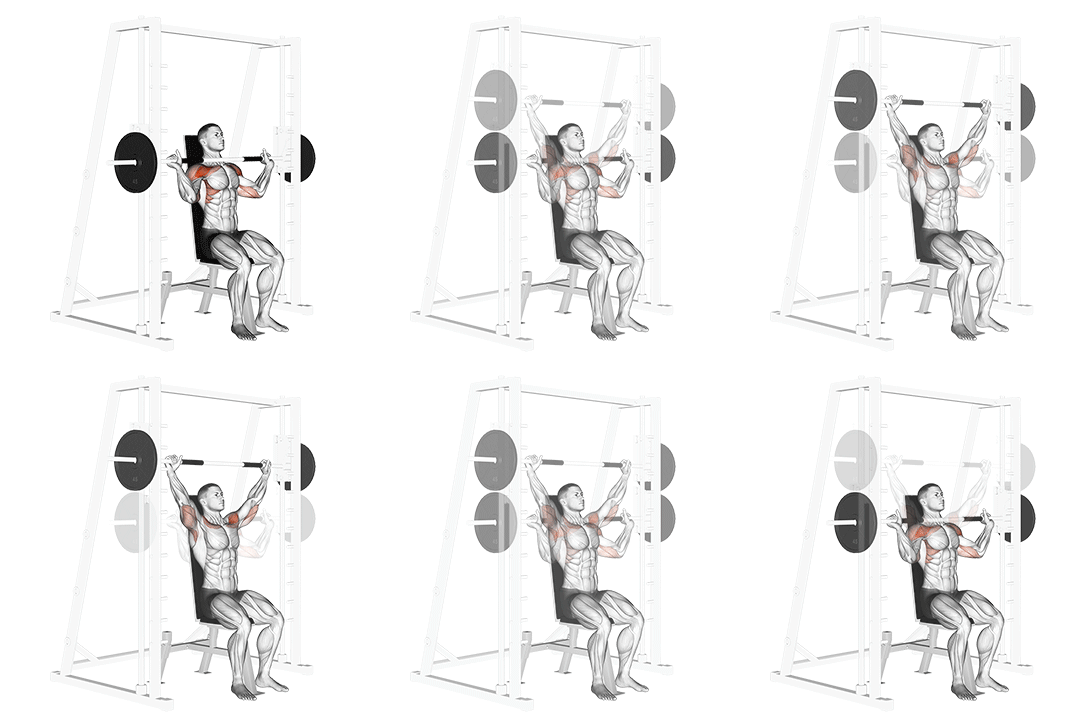
3. Smith Shoulder Press
97.9% MatchHow to perform this exercise
- Adjust the seat height and position yourself on the smith machine with your feet shoulder-width apart.
- Grasp the bar with an overhand grip, slightly wider than shoulder-width apart.
- Lift the bar off the rack and position it at shoulder level, with your elbows bent and palms facing forward.
- Press the bar upward until your arms are fully extended overhead.
- Pause for a moment at the top, then slowly lower the bar back down to shoulder level.
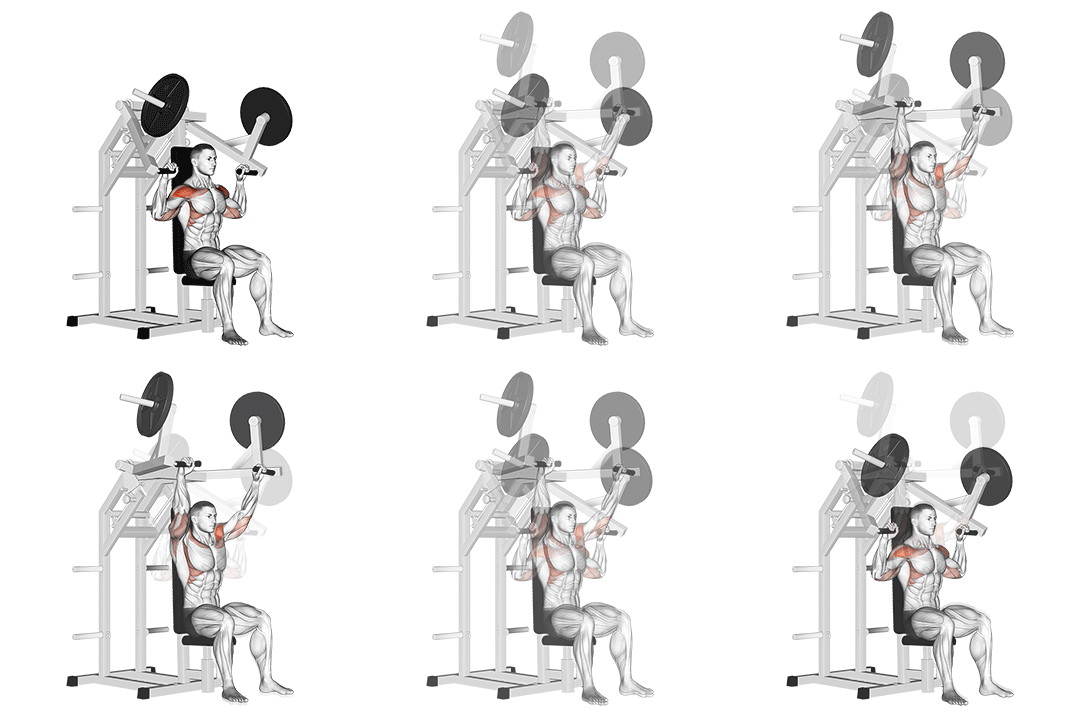
4. Lever Military Press
97.6% MatchHow to perform this exercise
- Adjust the seat height and position yourself on the machine with your back against the backrest.
- Grasp the handles with an overhand grip and position your hands slightly wider than shoulder-width apart.
- Push the handles upward until your arms are fully extended, but do not lock your elbows.
- Pause for a moment at the top, then slowly lower the handles back down to the starting position.
- Repeat for the desired number of repetitions.
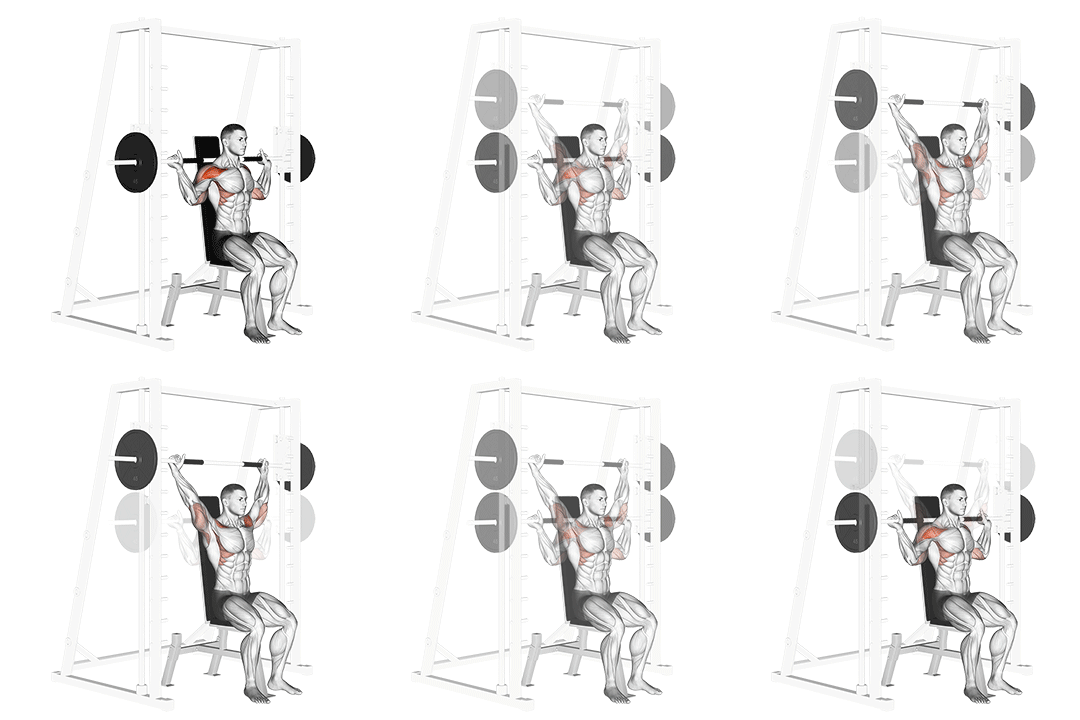
5. Smith Behind Neck Press
97.2% MatchHow to perform this exercise
- Adjust the seat height of the smith machine so that the bar is at shoulder level.
- Stand with your feet shoulder-width apart and your knees slightly bent.
- Grasp the bar with an overhand grip, slightly wider than shoulder-width apart.
- Lift the bar off the rack and step back, maintaining a stable stance.
- Lower the bar down to the back of your neck, keeping your elbows pointing forward.
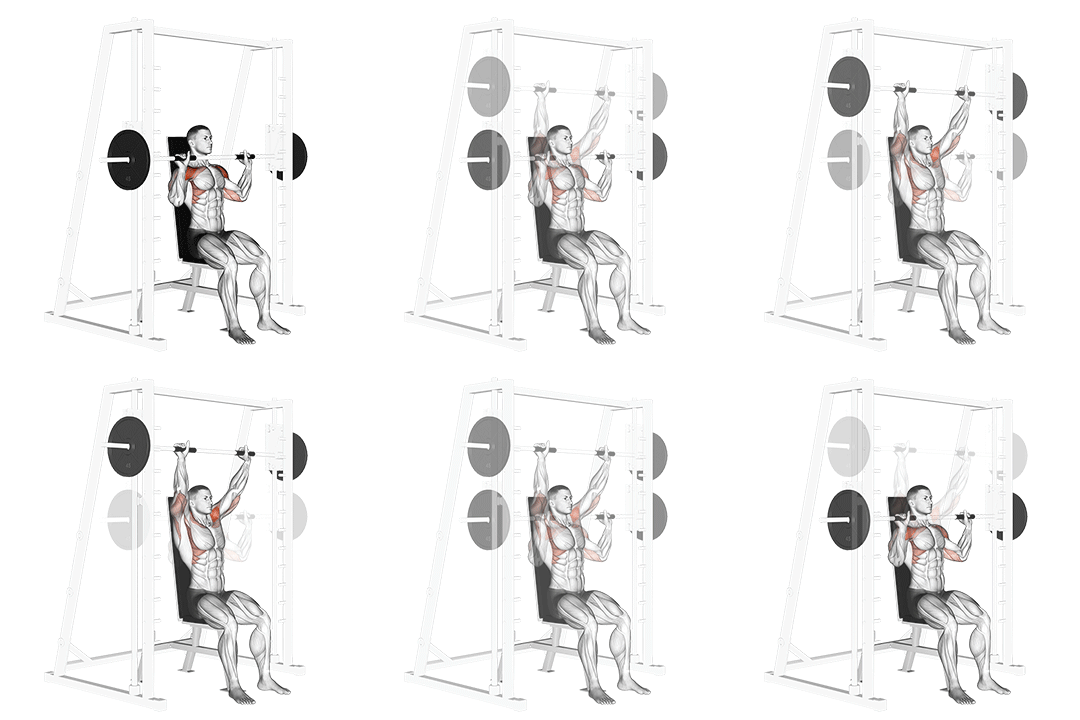
6. Smith Seated Shoulder Press
89.9% MatchHow to perform this exercise
- Adjust the seat height so that the handles are at shoulder level.
- Sit on the machine with your back against the pad and your feet flat on the floor.
- Grasp the handles with an overhand grip and lift them off the supports, extending your arms fully.
- Lower the handles down to shoulder level, keeping your elbows slightly bent.
- Press the handles up overhead until your arms are fully extended.
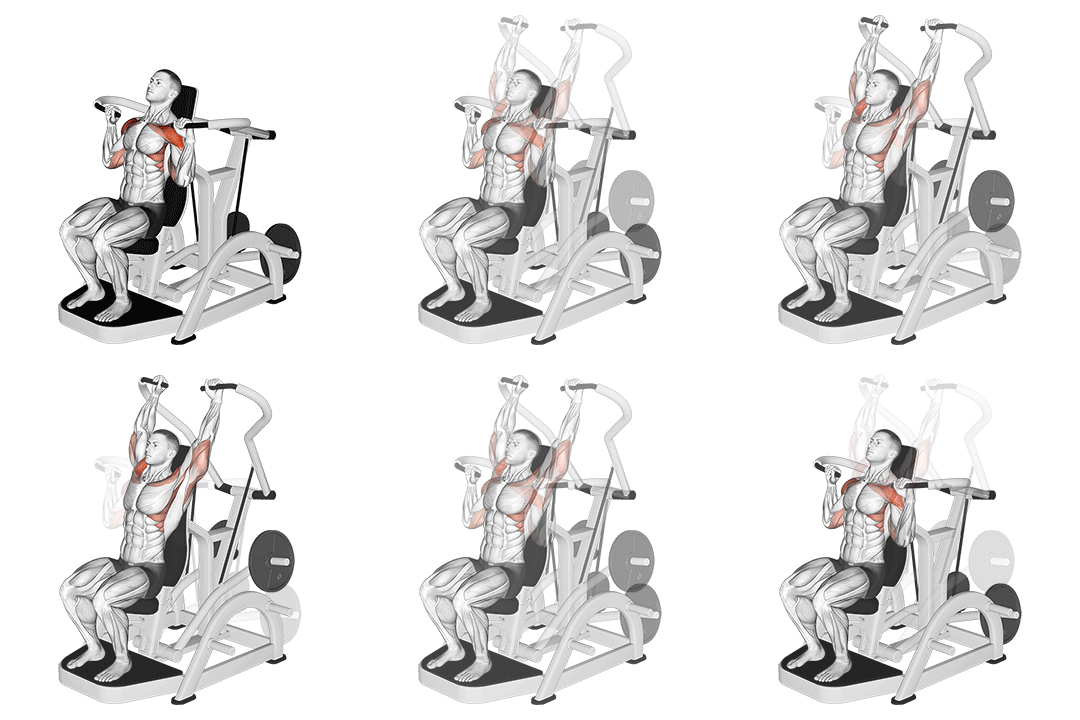
7. Lever Shoulder Press V. 3
89.9% MatchHow to perform this exercise
- Adjust the seat height and backrest of the leverage machine to a comfortable position.
- Sit on the machine with your back against the backrest and your feet flat on the floor.
- Grasp the handles of the machine with an overhand grip, slightly wider than shoulder-width apart.
- Push the handles upward and forward until your arms are fully extended, but not locked.
- Pause for a moment at the top, then slowly lower the handles back down to the starting position.
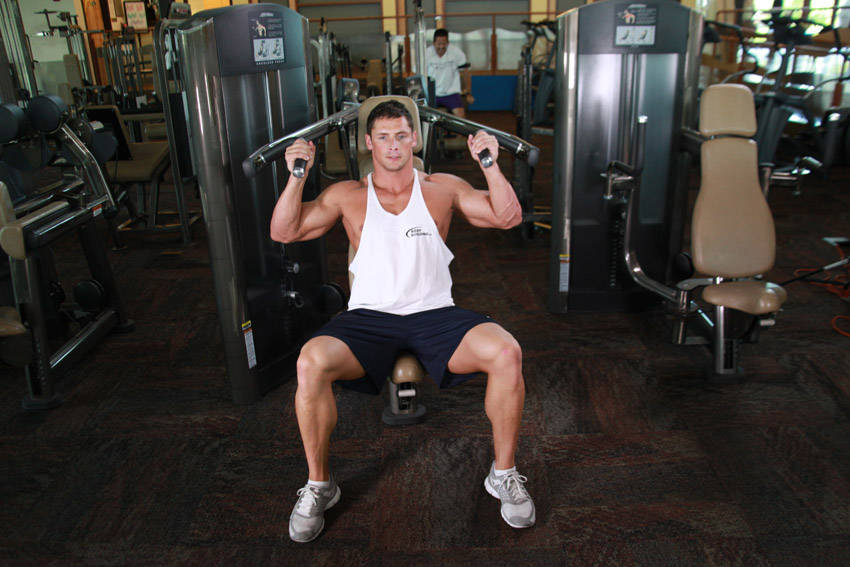
8. Machine Shoulder (Military) Press
89.3% MatchHow to perform this exercise
- Sit down on the Shoulder Press Machine and select the weight.
- Grab the handles to your sides as you keep the elbows bent and in line with your torso. This will be your starting position.
- Now lift the handles as you exhale and you extend the arms fully. At the top of the position make sure that you hold the contraction for a second.
- Lower the handles slowly back to the starting position as you inhale.
- Repeat for the recommended amount of repetitions.
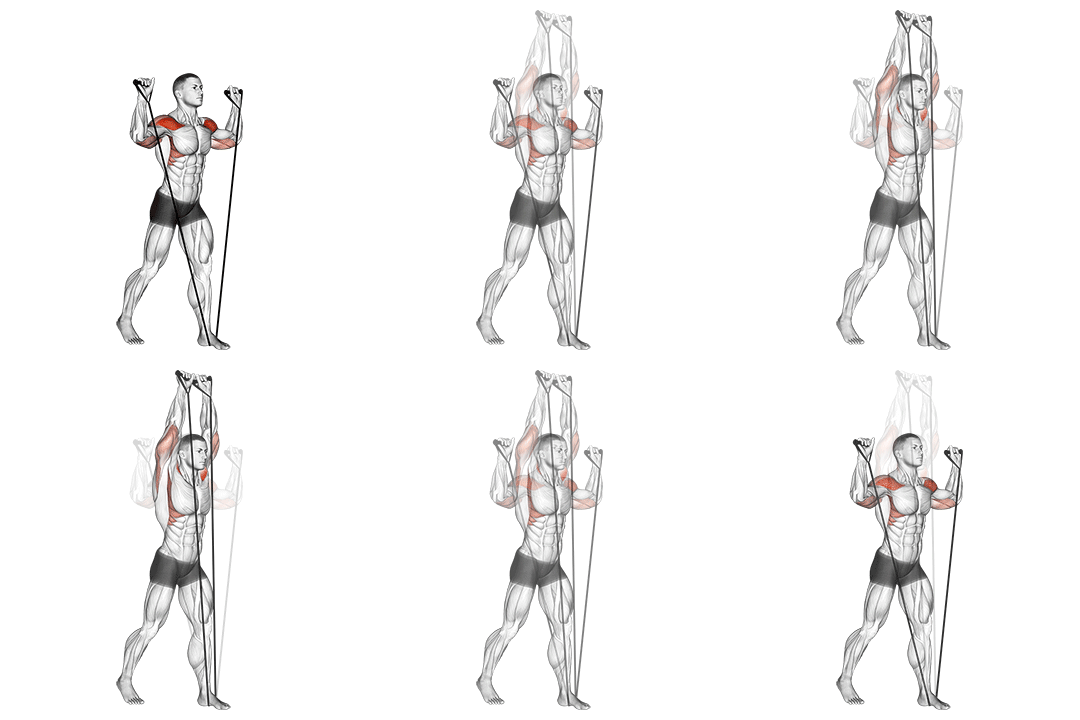
9. Band Shoulder Press
89.2% MatchHow to perform this exercise
- Stand with your feet shoulder-width apart and place the band under your feet.
- Hold the band with your palms facing forward and raise your hands to shoulder height, elbows bent.
- Press the band overhead, fully extending your arms.
- Pause for a moment at the top, then slowly lower the band back to shoulder height.
- Repeat for the desired number of repetitions.
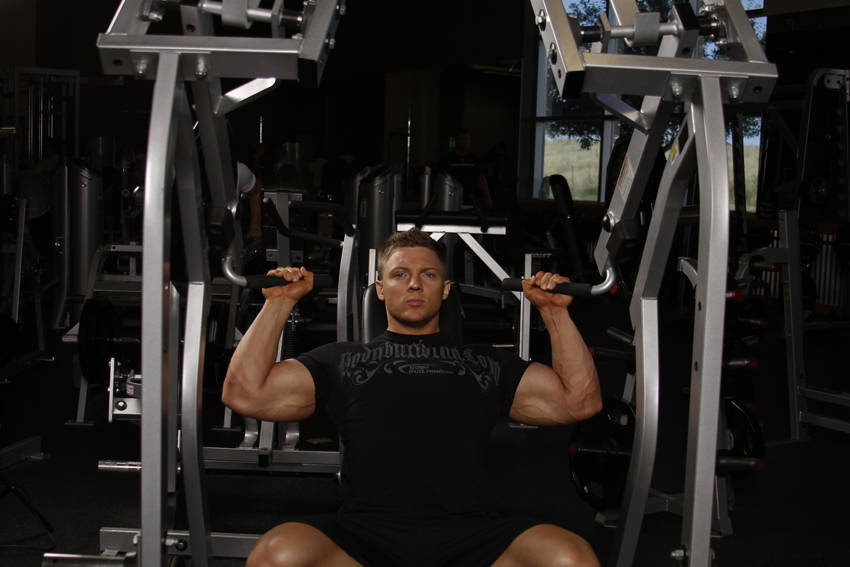
10. Leverage Shoulder Press
88.8% MatchHow to perform this exercise
- Load an appropriate weight onto the pins and adjust the seat for your height. The handles should be near the top of the shoulders at the beginning of the motion. Your chest and head should be up and handles held with a pronated grip. This will be your starting position.
- Press the handles upward by extending through the elbow.
- After a brief pause at the top, return the weight to just above the start position, keeping tension on the muscles by not returning the weight to the stops until the set is complete.
Why You Might Need a Smith Standing Behind Head Military Press Alternative
Many lifters replace the behind-head Smith press because the bar path forces extreme humeral external rotation and upward scapular rotation, increasing subacromial compression and impingement risk. You may also lack a Smith machine, have limited thoracic mobility, or prioritize safer joint mechanics. Good substitutes shift the press slightly forward and use neutral grips to reduce supraspinatus loading while still activating the medial and anterior deltoids. Cue: maintain slight scapular retraction, keep ribs down, and drive the elbow up and slightly forward to target the middle deltoid without excessive anterior shear.
How to Choose the Right Substitute
Select a substitute by matching mobility, load goals, and muscle emphasis. If you want strict deltoid hypertrophy choose seated dumbbell presses or Arnold presses; cue: keep elbows at roughly 90° and press vertically to maximize lateral head activation. For heavier loads use standing barbell fronts or push presses to recruit legs and overload the delts; cue: brace hips and drive through the heels. If you have shoulder pain pick landmine or neutral-grip dumbbell presses to keep the humerus in a safer rotation and reduce supraspinatus compression. Consider unilateral work to correct imbalances and improve scapular control.
Frequently Asked Questions
What muscles does Smith Standing Behind Head Military Press work?
The lift primarily targets the deltoids, especially the lateral and posterior heads, while also recruiting the upper trapezius and triceps for lockout. Cue: keep the scapula controlled and drive elbows upward to emphasize the mid delts and limit anterior shoulder overload.
What is the best bodyweight alternative to Smith Standing Behind Head Military Press?
Progressive pike push-ups or handstand push-ups are the best bodyweight substitutes because they create a vertical pressing line that loads the delts and triceps. Cue: elevate feet on a box, stack hips over shoulders, and tuck the chin to shift emphasis to the middle deltoid while protecting the cervical spine.
Can I build muscle without doing Smith Standing Behind Head Military Press?
Yes, you can build shoulder mass using a combination of vertical presses, unilateral dumbbell work, and isolation movements. Cue progressive overload with seated dumbbell presses, landmine presses, and lateral raises, keeping elbows under wrists and using controlled eccentrics to maximize deltoid activation.
More Exercise Alternatives
Find Alternatives for Any Exercise
Use the exercise substitution finder to compare ranked alternatives for your available equipment and training preference.
Try the Exercise Substitution Finder →