

10 Best Snatch Deadlift Alternatives for Hamstring Strength
If you cannot perform the snatch deadlift, use Romanian deadlifts, trap‑bar deadlifts, single‑leg Romanian deadlifts, deficit deadlifts, or kettlebell swings to load the hamstrings and glutes. Emphasize the hip hinge: push hips back, maintain a neutral spine, and feel controlled eccentric tension in the hamstrings as you lower the weight.
Original Exercise: Snatch Deadlift
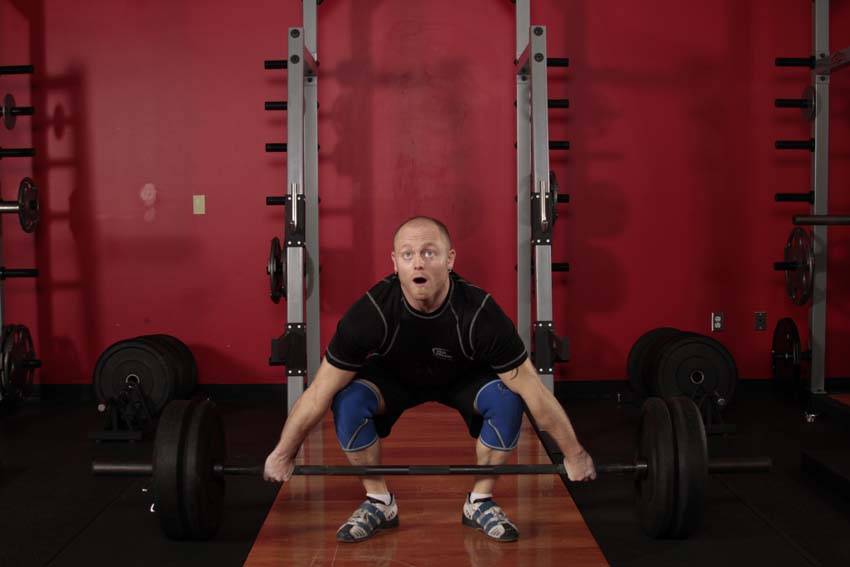
How to Perform Snatch Deadlift
- The snatch deadlift strengthens the first pull of the snatch. Begin with a wide snatch grip with the barbell placed on the platform. The feet should be directly under the hips, with the feet turned out. Squat down to the bar, keeping the back in absolute extension with the head facing forward.
- Initiate the movement by driving through the heels, raising the hips. The back angle should remain the same until the bar passes the knees.
- At that point, drive your hips through the bar as you lay back. Return the bar to the platform by reversing the motion.
Pro Tips
- Category: Olympic weightlifting
- Force: Pull
- Movement type: Compound
Ranked Snatch Deadlift Alternatives
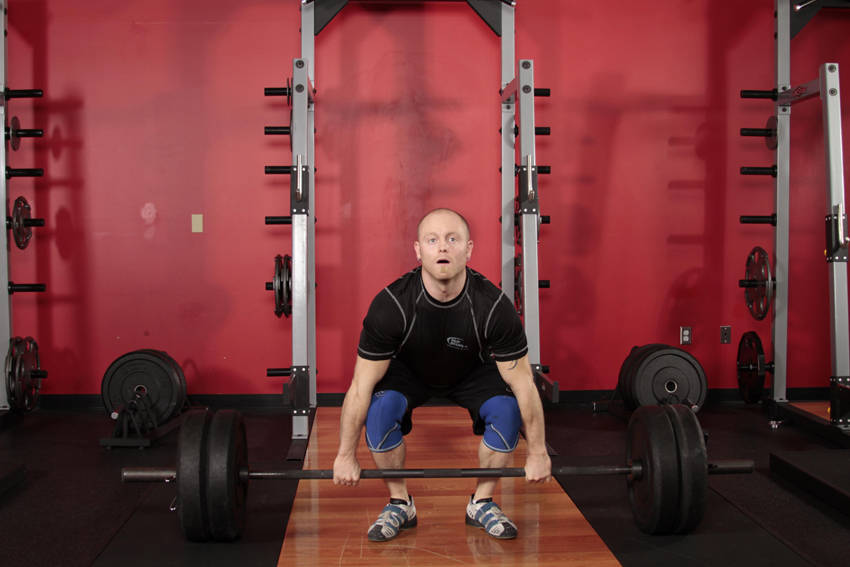
1. Clean Deadlift
96% MatchHow to perform this exercise
- Begin standing with a barbell close to your shins. Your feet should be directly under your hips with your feet turned out slightly. Grip the bar with a double overhand grip or hook grip, about shoulder width apart. Squat down to the bar. Your spine should be in full extension, with a back angle that places your shoulders in front of the bar and your back as vertical as possible.
- Begin by driving through the floor through the front of your heels. As the bar travels upward, maintain a constant back angle. Flare your knees out to the side to help keep them out of the bar's path.
- After the bar crosses the knees, complete the lift by driving the hips into the bar until your hips and knees are extended.
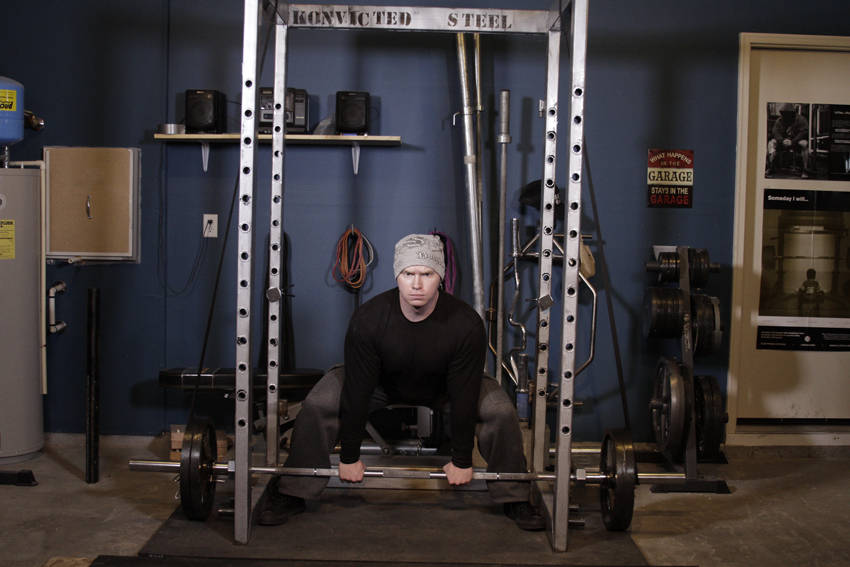
2. Reverse Band Sumo Deadlift
96% MatchHow to perform this exercise
- Begin with a bar loaded on the floor inside of a power rack. Attach bands to the top of the rack, using either pegs or the frame itself. Attach the other end to the barbell.
- Approach the bar so that the bar intersects the middle of the feet. The feet should be set very wide, near the collars. Bend at the hips to grip the bar. The arms should be directly below the shoulders, inside the legs, and you can use a pronated grip, a mixed grip, or hook grip. Relax the shoulders, which in effect lengthens your arms.
- Take a breath, and then lower your hips, looking forward with your head with your chest up. Drive through the floor, spreading your feet apart, with your weight on the back half of your feet. Extend through the hips and knees.
- As the bar passes through the knees, lean back and drive the hips into the bar, pulling your shoulder blades together.
- Return the weight to the ground by bending at the hips and controlling the weight on the way down.
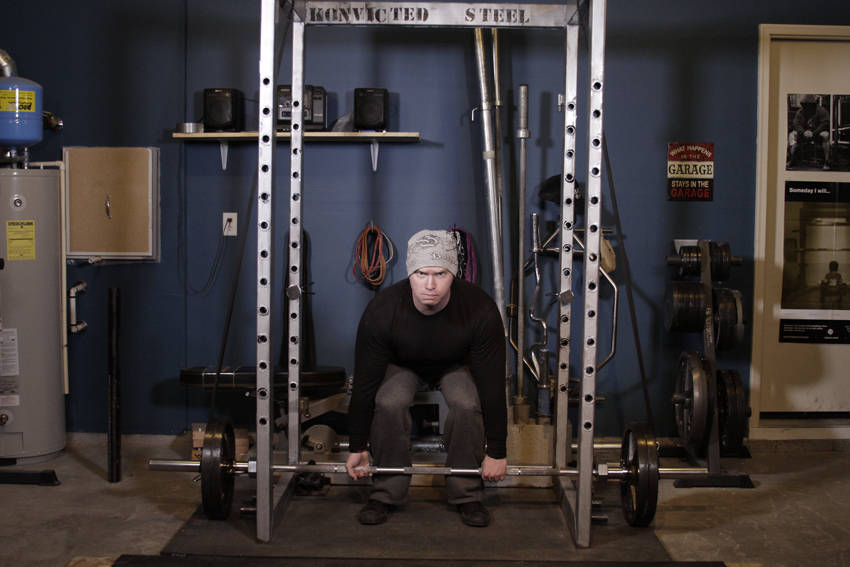
3. Reverse Band Deadlift
95.2% MatchHow to perform this exercise
- Set the bar up in a power rack. Attach bands to the top of the rack, using either bands pegs or the frame itself. Attach the other end of the bands to the bar.
- Approach the bar so that it is centered over your feet. You feet should be about hip width apart. Bend at the hip to grip the bar at shoulder width, allowing your shoulder blades to protract. Typically, you would use an overhand grip or an over/under grip on heavier sets.
- With your feet, and your grip set, take a big breath and then lower your hips and bend the knees until your shins contact the bar. Look forward with your head, keep your chest up and your back arched, and begin driving through the heels to move the weight upward.
- After the bar passes the knees, aggressively pull the bar back, pulling your shoulder blades together as you drive your hips forward into the bar.
- Lower the bar by bending at the hips and guiding it to the floor.
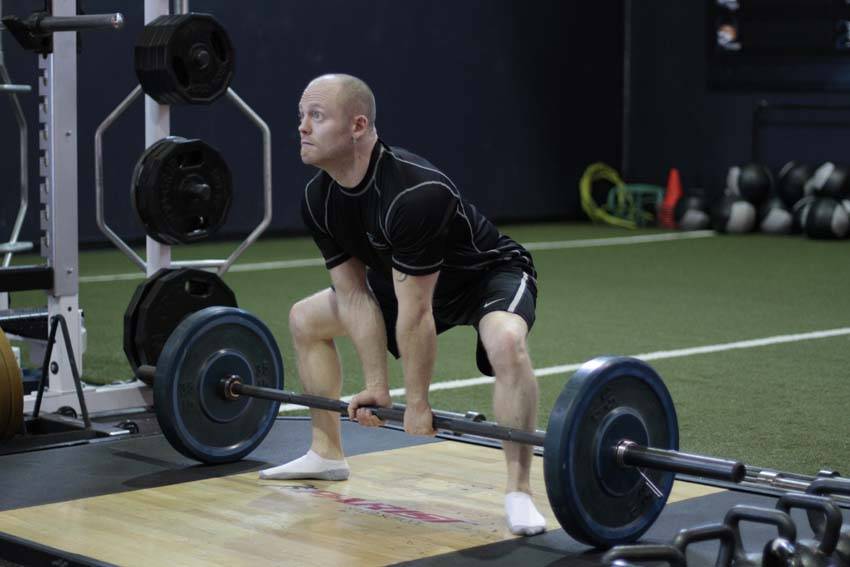
4. Sumo Deadlift
95.2% MatchHow to perform this exercise
- Begin with a bar loaded on the ground. Approach the bar so that the bar intersects the middle of the feet. The feet should be set very wide, near the collars. Bend at the hips to grip the bar. The arms should be directly below the shoulders, inside the legs, and you can use a pronated grip, a mixed grip, or hook grip. Relax the shoulders, which in effect lengthens your arms.
- Take a breath, and then lower your hips, looking forward with your head with your chest up. Drive through the floor, spreading your feet apart, with your weight on the back half of your feet. Extend through the hips and knees.
- As the bar passes through the knees, lean back and drive the hips into the bar, pulling your shoulder blades together.
- Return the weight to the ground by bending at the hips and controlling the weight on the way down.
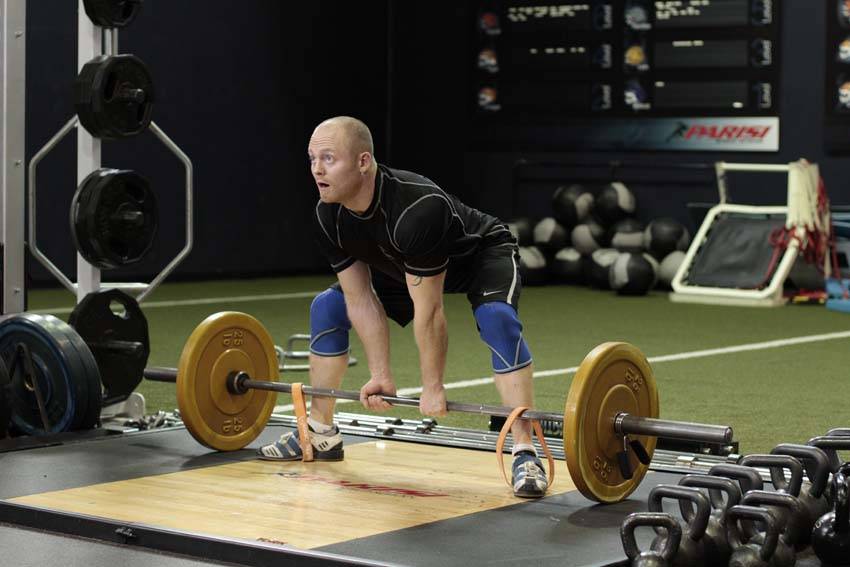
5. Sumo Deadlift With Bands
94.9% MatchHow to perform this exercise
- To deadlift with short bands, simply loop them over the bar before you start, and step into them to set up. Ensure that they under the back half of your foot, directly where you are driving into the floor.
- Begin with a bar loaded on the ground. Approach the bar so that the bar intersects the middle of the feet. The feet should be set very wide, near the collars. Bend at the hips to grip the bar. The arms should be directly below the shoulders, inside the legs, and you can use a pronated grip, a mixed grip, or hook grip.
- Take a breath, and then lower your hips, looking forward with your head with your chest up. Drive through the floor, spreading your feet apart, with your weight on the back half of your feet. Extend through the hips and knees.
- As the bar passes through the knees, lean back and drive the hips into the bar, pulling your shoulder blades together.
- Return the weight to the ground by bending at the hips and controlling the weight on the way down.
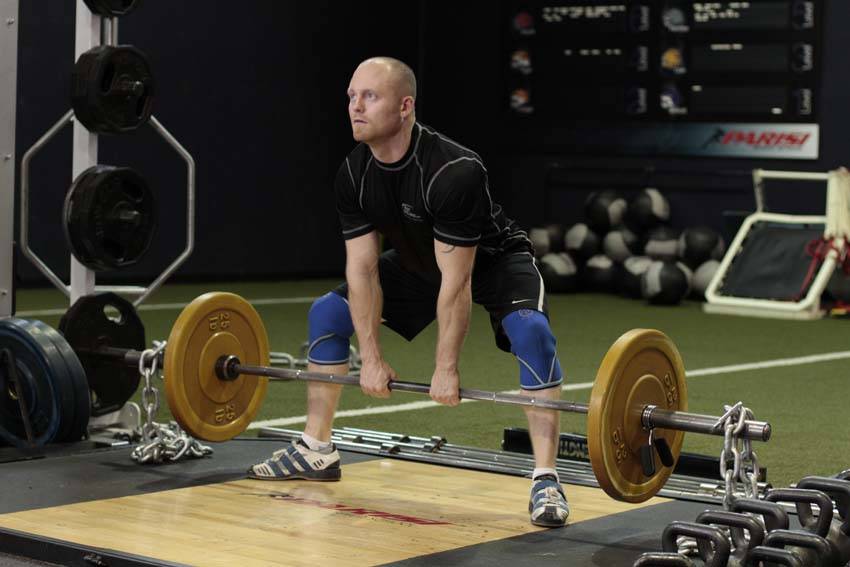
6. Sumo Deadlift With Chains
94.9% MatchHow to perform this exercise
- You can attach the chains to the sleeves of the bar, or just drape the middle over the bar so there is a greater weight increase as you lift. Attempt to keep the ends of the chains away from the plates so you don't hit them when you lower the weight.
- Begin with a bar loaded on the ground. Approach the bar so that the bar intersects the middle of the feet. The feet should be set very wide, near the collars. Bend at the hips to grip the bar. The arms should be directly below the shoulders, inside the legs, and you can use a pronated grip, a mixed grip, or hook grip. Relax the shoulders, which in effect lengthens your arms.
- Take a breath, and then lower your hips, looking forward with your head with your chest up. Drive through the floor, spreading your feet apart, with your weight on the back half of your feet. Extend through the hips and knees.
- As the bar passes through the knees, lean back and drive the hips into the bar, pulling your shoulder blades together.
- Return the weight to the ground by bending at the hips and controlling the weight on the way down.
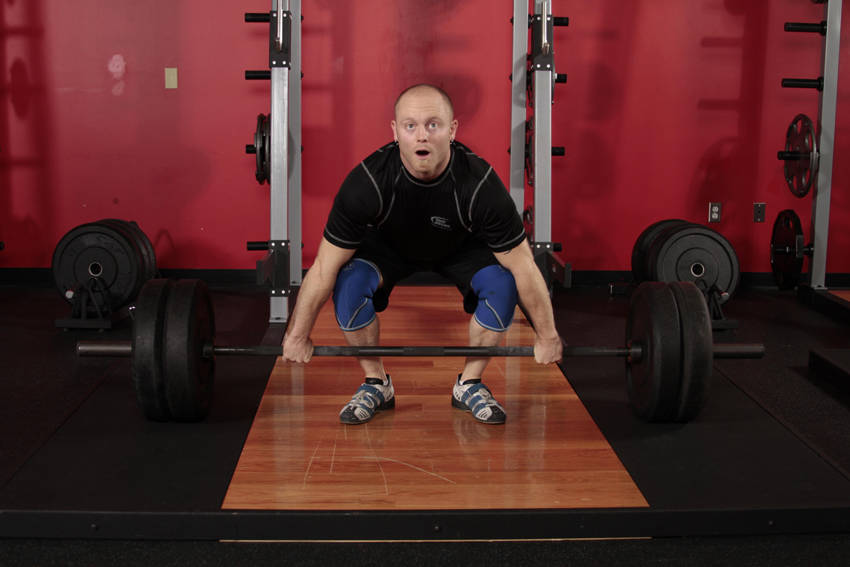
7. Clean
92.6% MatchHow to perform this exercise
- With a barbell on the floor close to the shins, take an overhand (or hook) grip just outside the legs. Lower your hips with the weight focused on the heels, back straight, head facing forward, chest up, with your shoulders just in front of the bar. This will be your starting position.
- Begin the first pull by driving through the heels, extending your knees. Your back angle should stay the same, and your arms should remain straight. Move the weight with control as you continue to above the knees.
- Next comes the second pull, the main source of acceleration for the clean. As the bar approaches the mid-thigh position, begin extending through the hips. In a jumping motion, accelerate by extending the hips, knees, and ankles, using speed to move the bar upward. There should be no need to actively pull through the arms to accelerate the weight; at the end of the second pull, the body should be fully extended, leaning slightly back, with the arms still extended.
- As full extension is achieved, transition into the third pull by aggressively shrugging and flexing the arms with the elbows up and out. At peak extension, aggressively pull yourself down, rotating your elbows under the bar as you do so. Receive the bar in a front squat position, the depth of which is dependent upon the height of the bar at the end of the third pull. The bar should be racked onto the protracted shoulders, lightly touching the throat with the hands relaxed. Continue to descend to the bottom squat position, which will help in the recovery.
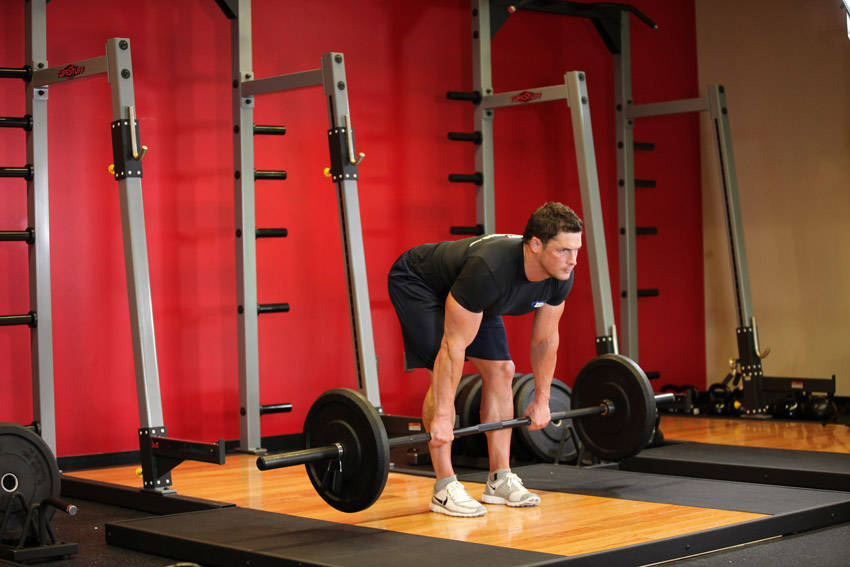
8. Stiff-Legged Barbell Deadlift
91.2% MatchHow to perform this exercise
- Grasp a bar using an overhand grip (palms facing down). You may need some wrist wraps if using a significant amount of weight.
- Stand with your torso straight and your legs spaced using a shoulder width or narrower stance. The knees should be slightly bent. This is your starting position.
- Keeping the knees stationary, lower the barbell to over the top of your feet by bending at the hips while keeping your back straight. Keep moving forward as if you were going to pick something from the floor until you feel a stretch on the hamstrings. Inhale as you perform this movement.
- Start bringing your torso up straight again by extending your hips until you are back at the starting position. Exhale as you perform this movement.
- Repeat for the recommended amount of repetitions.
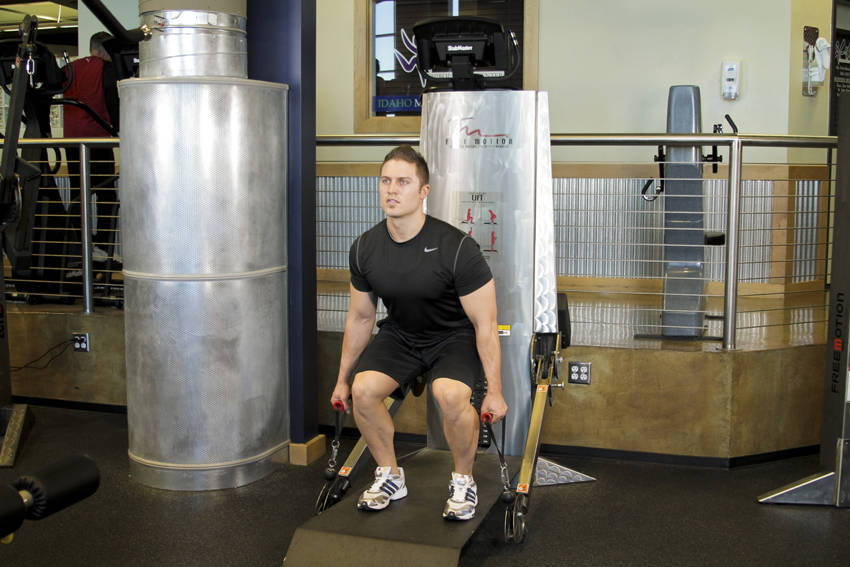
9. Cable Deadlifts
84.7% MatchHow to perform this exercise
- Move the cables to the bottom of the towers and select an appropriate weight. Stand directly in between the uprights.
- To begin, squat down be flexing your hips and knees until you can reach the handles.
- After grasping them, begin your ascent. Driving through your heels extend your hips and knees keeping your hands hanging at your side. Keep your head and chest up throughout the movement.
- After reaching a full standing position, Return to the starting position and repeat.
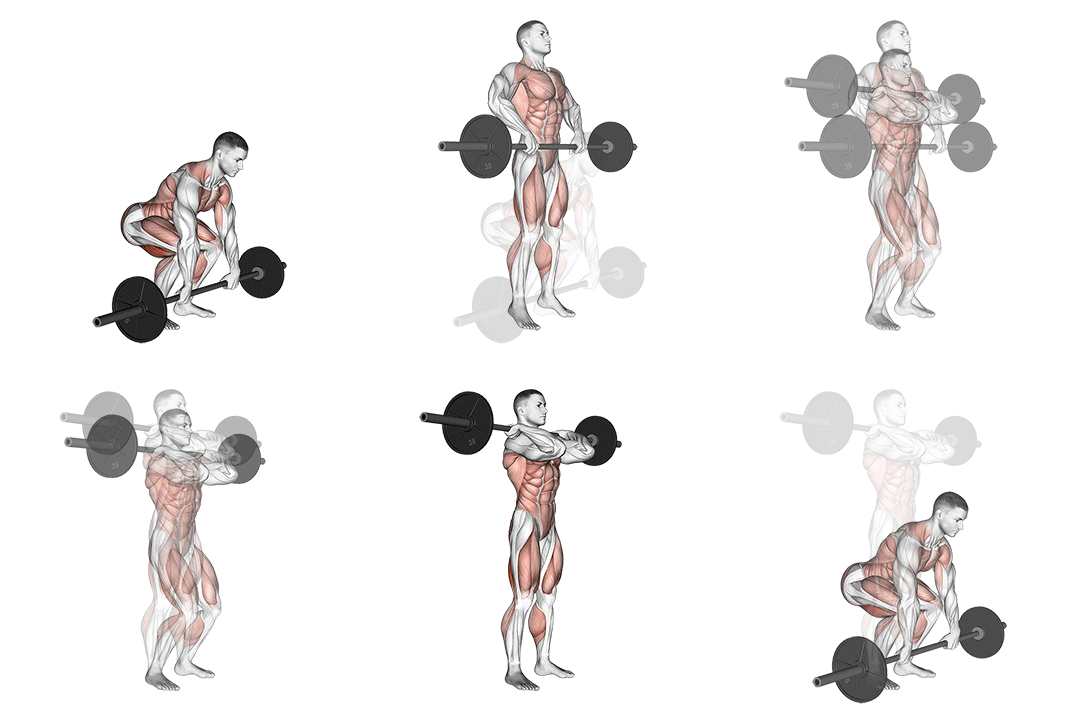
10. Power Clean
84% MatchHow to perform this exercise
- Start with the barbell on the ground in front of you, with your feet shoulder-width apart.
- Bend down and grip the barbell with an overhand grip, slightly wider than shoulder-width apart.
- Keep your back straight and chest up as you lift the barbell off the ground, extending your hips and knees.
- As the barbell reaches your mid-thigh, explosively pull it upwards, shrugging your shoulders and pulling your elbows high and to the sides.
- As the barbell reaches its highest point, quickly drop underneath it, rotating your elbows around and catching the barbell on your shoulders in a front squat position.
Why You Might Need a Snatch Deadlift Alternative
You might substitute the snatch deadlift because of limited shoulder or thoracic mobility, lack of an Olympic bar, existing low back or hip issues, or a need for simpler technical progressions. Alternatives let you preserve the hip hinge and posterior chain loading while reducing bar path complexity and spinal shear. For example, Romanian deadlifts keep constant hamstring tension with less bar height demand, cue: hinge from the hips, keep a soft knee bend, and feel the stretch in the distal hamstrings. Choosing an option that maintains eccentric hamstring loading preserves hypertrophy and strength outcomes while lowering technical risk.
How to Choose the Right Substitute
Pick a substitute based on movement pattern specificity, loading capacity, and equipment availability. For maximal strength choose trap‑bar or deficit deadlifts to increase vertical force and recruitment of quads and glutes. For hamstring hypertrophy choose Romanian deadlifts or Nordic curl variations to maximize slow eccentric load. If you need unilateral work select single‑leg Romanian deadlifts to correct imbalances. Check biomechanics: the chosen exercise should preserve the hip hinge and posterior chain activation, cue: initiate from the hips, keep the spine neutral, and drive through the heels on the concentric. Progress load, tempo, and range to prioritize hamstring recruitment.
Frequently Asked Questions
What muscles does Snatch Deadlift work?
The snatch deadlift emphasizes the hamstrings and glutes through a strong hip hinge, with secondary activation of the erector spinae and upper traps to stabilize the torso and bar. The quads assist on the initial pull depending on starting knee angle and stance.
What is the best bodyweight alternative to Snatch Deadlift?
A single‑leg Romanian deadlift done bodyweight is the best option; it preserves the hip‑hinge pattern while forcing unilateral hamstring and glute activation. Hinge at the hip, keep the standing knee slightly bent, and reach your chest toward the floor to feel the posterior chain load.
Can I build muscle without doing Snatch Deadlift?
Yes. You can build hamstring and glute muscle with Romanian deadlifts, trap‑bar deadlifts, kettlebell swings, Nordic curls, and heavy hip thrusts that preserve eccentric tension and progressive overload. Prioritize load, tempo, and full hip extension to maximize posterior chain hypertrophy.
More Exercise Alternatives
Find Alternatives for Any Exercise
Use the exercise substitution finder to compare ranked alternatives for your available equipment and training preference.
Try the Exercise Substitution Finder →