


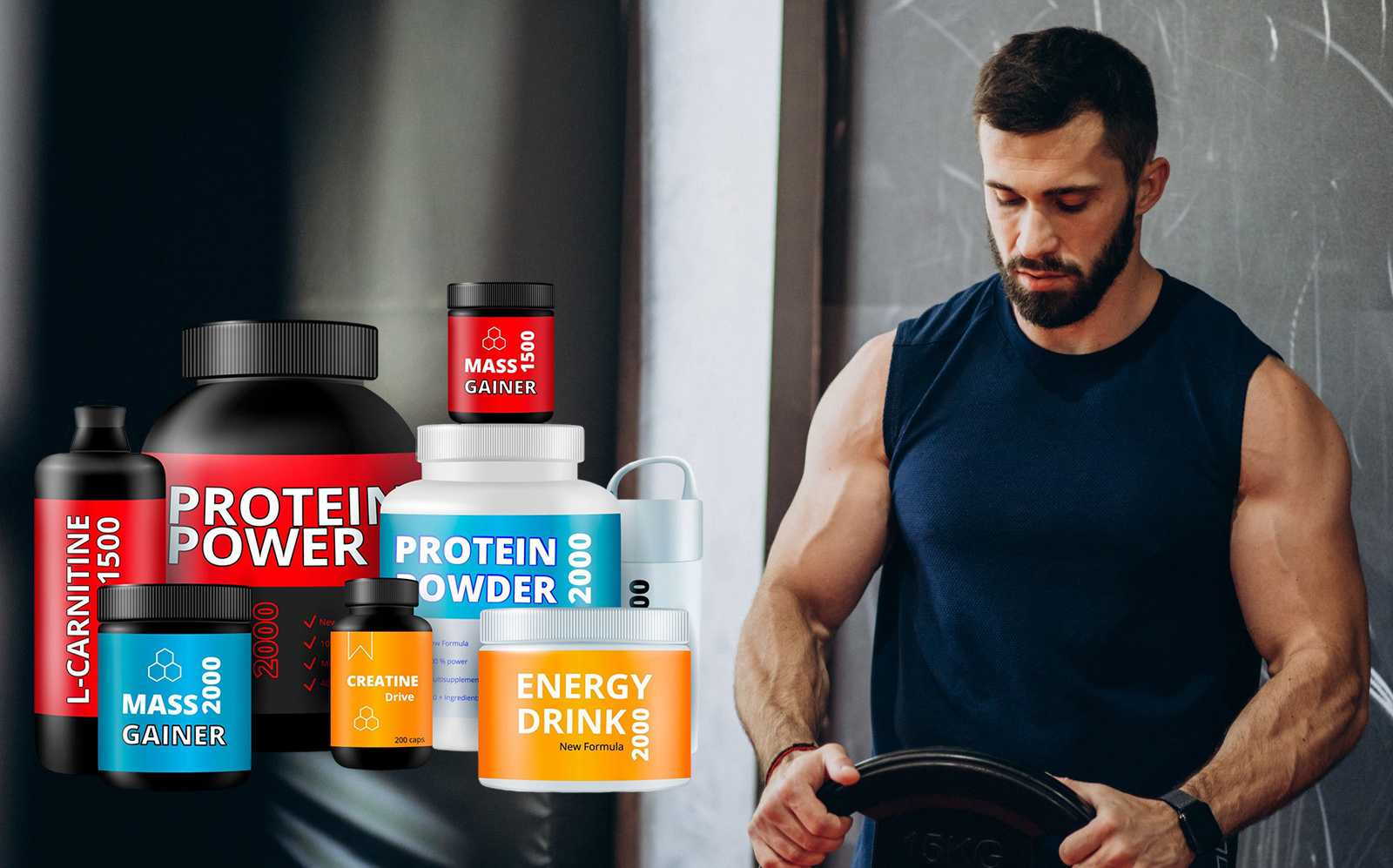
Whether you want to get fit, improve your sports performance, build muscle, get strong, or lose fat, consistent training and a healthy diet are the cornerstones of your success. The occasional workout or protein shake won’t do it.
Rather, you need to keep punching the clock week after week, month after month, and year after year to make progress. Even then, your transformation from flabby to fit, or skinny to buff, will probably be slower than you’d like.
Unfortunately, there are no safe shortcuts, even if you do everything right.
That said, there are a few supplements that can help give you an edge. None are powerful enough to make up for inconsistent workouts, a poor diet, or ignoring your body’s need for recovery and sleep. However, certain substances and products can enhance your results—albeit marginally.
Sadly, the supplement industry is largely unregulated and, as such, some manufacturers mislead their customers by making false claims about their products. Promises of “steroid-like” effects or “effortless fat loss” are seldom true, and celebrities are often paid to endorse products they don’t even use.
As a veteran personal trainer and nutrition coach with more than 30 years’ experience, I’ve done a lot of research into supplements and have a pretty good idea about what works and what doesn’t.
In this article, I share my top five supplements worth taking, and another five that are nothing but a waste of money.
Essential Supplements That Actually Work
While you can achieve your fitness goals without supplements, these are the products and substances that you can use to enhance your progress.
1. Creatine Monohydrate: The King of Performance Enhancers
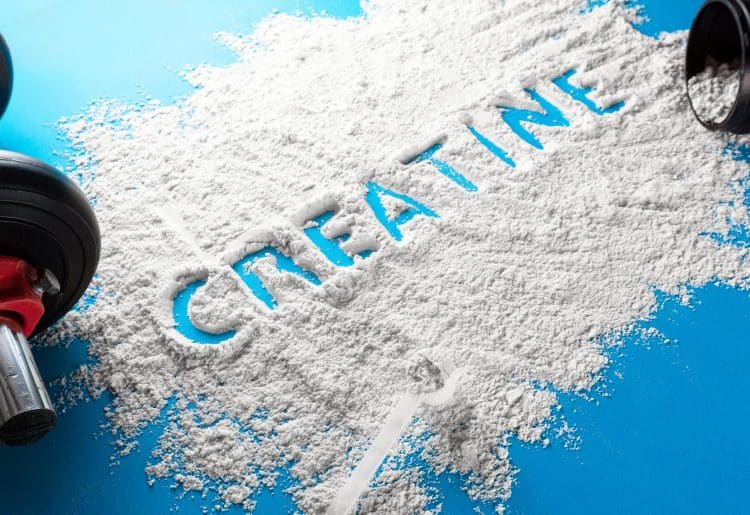
If you only take one supplement, creatine should be it. Backed by close to 50 years of research, creatine is a proven muscle builder and recovery booster. It’s also cheap, easy to use, and safe for most people (1).
Creatine is a naturally occurring substance found in meat and fish. It plays a critical role in anaerobic energy production and, as such, provides your muscles with the fuel they need during intense workouts.
You don’t need an exotic (and more expensive) form of creatine to enjoy the benefits of this popular supplement. Plain micronized creatine monohydrate is all you need.
You can “load” creatine by taking five grams five times a day for five days to achieve saturation quickly. Or, if you are happy to build your levels up slowly, just take 3-5 grams a day for as long as you want. There is no reason to cycle creatine, as it’s considered safe for long-term use.
Related: How Creatine Supplements Affect Your Body
2. Whey Protein: Convenient Muscle Fuel
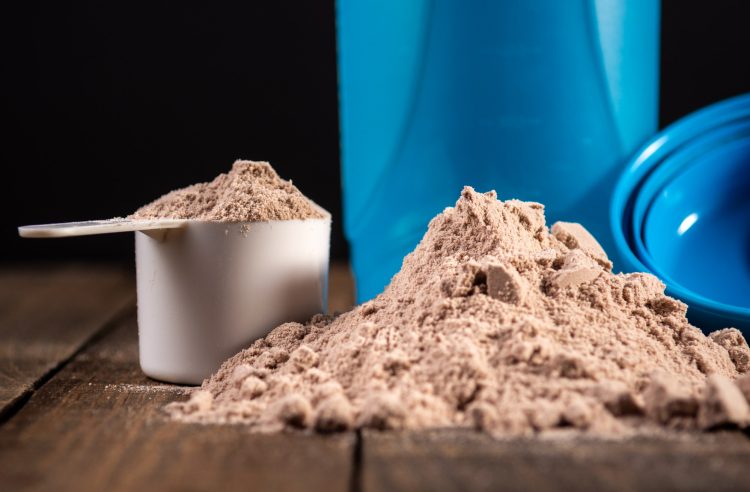
Protein is essential for post-workout muscle repair and growth. In addition, eating sufficient protein can help prevent muscle loss during a low-calorie diet, has a strong thermogenic (metabolism-boosting) effect, and is more filling than carbs or fat, making it helpful during weight loss diets (2).
And yet, despite all the evidence supporting the benefits of eating adequate protein, a lot of people fail to get enough.
Why?
High-protein foods are often impractical to eat “on the go”. Meat, eggs, chicken, fish—all great sources of protein, but you can’t really cook up a slab of steak while you’re sitting at your desk!
And that’s where whey protein supplements come in.
Whey protein (and other high-quality protein powders) make it much easier to consume protein. Add a scoop or two to a shaker cup of water, and in less than a minute, you’ll be chugging down anywhere from 20-40 grams of protein.
Most exercises need around 1.5 to 2.0 grams of protein per kilogram of bodyweight, roughly 0.75 to 1.0 grams per pound. These targets are much easier to hit when you add protein powder to your diet.
Related: Protein Calculator: Find Your Daily Protein Intake
3. Caffeine: Cheap and Reliable Energy
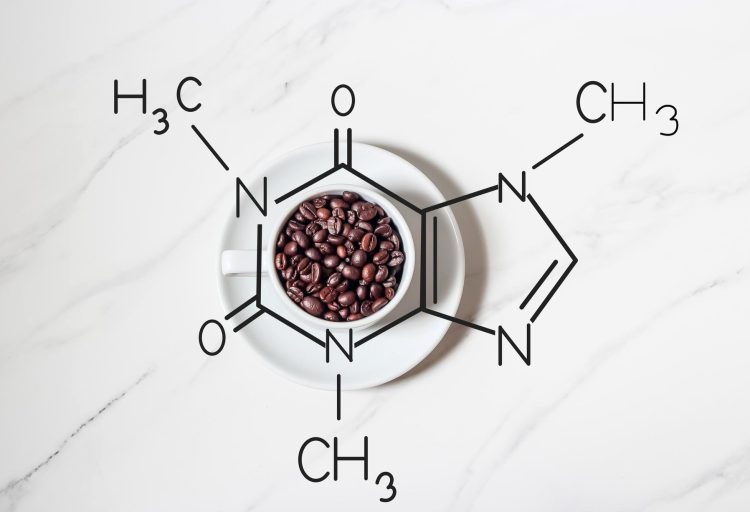
It’s easy to underestimate the performance-boosting power of caffeine. After all, it naturally occurs in tea, coffee, and chocolate, and is one of the main ingredients in most energy drinks and pre-workout supplements.
However, as recently as 2004, caffeine was on the IOC’s banned list when consumed above a certain threshold (roughly 6–8 cups of coffee in a short period).
Caffeine has been shown to improve endurance, increase strength and power output, delay fatigue, reduce perceived exertion, and improve focus and determination. It’s also a potent fat oxidizer (3).
Caffeine supplements are cheap, fast-acting, and provide a reliable boost in energy and exercise performance. 100-200 mg should be sufficient for most people. However, avoid taking caffeine too often, as you can develop a tolerance to it. Also, don’t take caffeine too close to bedtime as it can cause insomnia.
4. Beta-Alanine: Delay Fatigue in High-Intensity Training
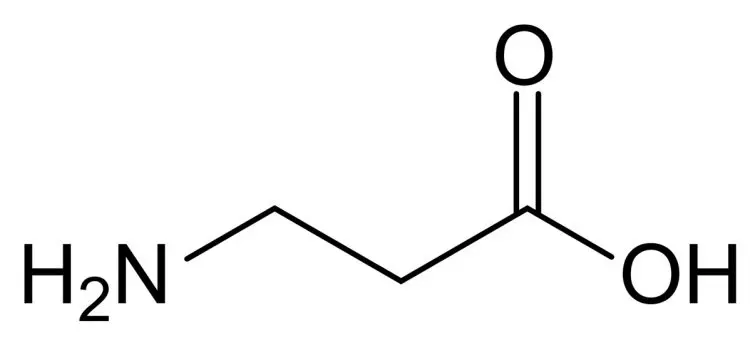
Beta-alanine is a naturally occurring amino acid found in meat, fish, poultry, and other animal proteins. But, rather than being used for muscle growth and repair, its main function is to provide a buffer against the fatiguing effects of lactic acid.
In short, beta-alanine helps to delay fatigue, especially during high-intensity exercise (4). This effect allows you to train longer and harder and recover faster, making training more effective.
Beta-alanine is also one of the few supplements you can actually feel working, and taking it can cause your skin to tingle. This is not a dangerous side-effect, but a small percentage of users find it distracting enough that they prefer not to use this supplement or pre-workouts that contain it.
That said, skin tingling is much less likely if you stick to a low, divided dose of around 0.8 to 1 g every 3 to 4 hours per day instead of one large dose. This totals 3–5 g daily, which is enough to boost performance.
5. Nitrates: Endurance Support from Beets
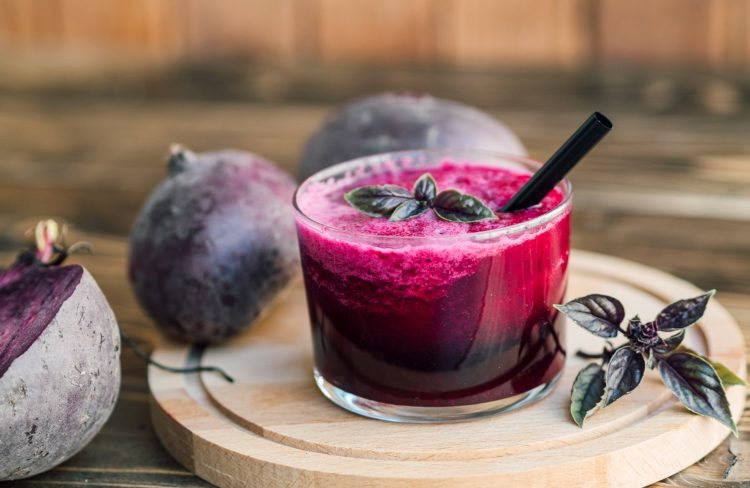
If you’re serious about boosting your endurance, nitrates deserve a place in your supplement lineup. Found naturally in beetroot and leafy greens, nitrates improve blood flow and oxygen delivery to working muscles, letting you train harder and longer.
In addition, a dose of nitrates before hitting the gym will improve your pump—a valuable benefit that may enhance muscle-building.
Beetroot juice or powder is the simplest way to get a concentrated dose. Consuming 300-500 mg of nitrates (roughly 500 ml of beet juice) 2 to 3 hours before exercise is enough to boost performance in cardio-heavy activities like circuit training, running, cycling, or rowing.
Research shows that even recreational exercisers can experience significant improvements in endurance and time-to-exhaustion tests. For anyone who trains multiple times per week, that extra edge can add up over time (5).
Related: Beet Juice Pre-Workout: Boost Your Pump, Power, and Performance Naturally
Five Supplements That Don’t Live Up to the Hype
Not all supplements live up to their promises. Some are less effective than advertised, while others provide no actual benefit. These five products do not deserve a place in your gym bag.
1. BCAAs: Unnecessary If You Eat Enough Protein
Branch-chain amino acids (BCAAs) are marketed as essential for muscle growth and recovery. But if you’re already hitting your daily protein targets, they won’t do anything for you. Complete protein sources already supply all the amino acids you need—branch-chain or otherwise.
So, unless you’re severely deficient in protein, BCAAs are just an expensive, unnecessary supplement that won’t speed gains or reduce soreness (6).
2. Glutamine: Overrated Recovery Aid

Glutamine—another amino acid—is often sold as a recovery booster or immune support for athletes. However, in healthy, well-fed exercisers, it’s unnecessary. Your body produces plenty of glutamine on its own, and dietary protein covers the rest.
Research shows no meaningful improvement in muscle growth, recovery, or immune function for the average gym-goer (7).
3. ZMA: Only Useful If You’re Deficient
ZMA contains zinc, magnesium, and vitamin B6, and is often marketed to boost testosterone and recovery. Unfortunately, benefits appear only in people who are deficient in zinc or magnesium. In well-nourished individuals, ZMA doesn’t increase testosterone, strength, or muscle gains (8). It’s essentially just vitamins and minerals you could get from food.
4. Testosterone Boosters: Big Claims, No Benefits
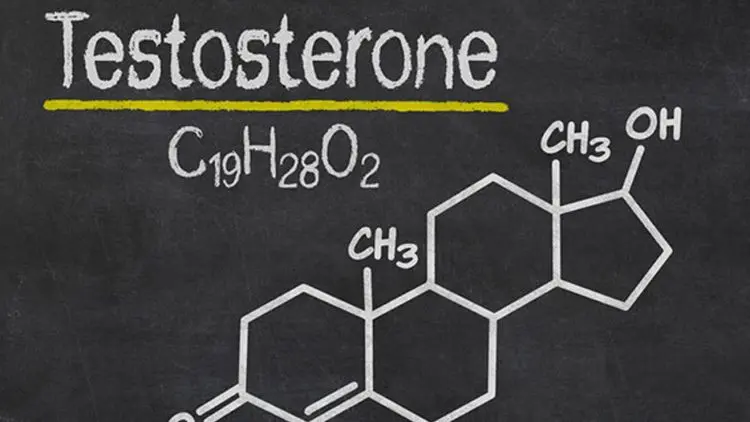
Supplements like tribulus, fenugreek, and D-aspartic acid promise higher testosterone and better muscle growth—just like steroids! In reality, clinical studies show minimal or no effect in healthy men (9).
These products are expensive, overhyped, and potentially toxic. And contrary to the marketing blurb and their evocative steroid-like names, they aren’t an alternative to “real” testosterone replacement therapy.
5. Fat Burners: No Substitute for a Calorie Deficit

Green tea extract, CLA, L-carnitine, and other so-called fat burners offer tiny effects at best. They won’t replace the energy deficit created by diet and exercise. Fat loss still comes down to calories in versus calories out, making most “fat burners” a waste of money for anyone serious about results (10).
Closing Thoughts
Supplements can give you an edge, but none are truly essential. If you train consistently, eat enough protein, sleep well, and respect your body’s need for rest and recovery, you’ll make progress without spending money on gimmicks or marketing hype.
That said, creatine, protein, caffeine, beta-alanine, and nitrates can enhance performance or recovery, but the effects are modest—they won’t replace hard work, consistency, or smart programming.
Meanwhile, products like BCAAs, glutamine, ZMA, testosterone boosters, and fat burners are mostly unnecessary for well-nourished, healthy people. Hard work, patience, and proper nutrition are still the ultimate “supplements” that deliver results!
Focus on the fundamentals first, then use science-backed supplements strategically to gain an additional edge. There are no shortcuts—consistency is what works best.
References:
1 – Wax B, Kerksick CM, Jagim AR, Mayo JJ, Lyons BC, Kreider RB. Creatine for Exercise and Sports Performance, with Recovery Considerations for Healthy Populations. Nutrients. 2021 Jun 2;13(6):1915. doi: 10.3390/nu13061915. PMID: 34199588; PMCID: PMC8228369.
2 – Cintineo HP, Arent MA, Antonio J, Arent SM. Effects of Protein Supplementation on Performance and Recovery in Resistance and Endurance Training. Front Nutr. 2018 Sep 11;5:83. doi: 10.3389/fnut.2018.00083. PMID: 30255023; PMCID: PMC6142015.
3 – Graham TE. Caffeine and exercise: metabolism, endurance, and performance. Sports Med. 2001;31(11):785-807. doi: 10.2165/00007256-200131110-00002. PMID: 11583104.
4 – Georgiou GD, Antoniou K, Antoniou S, Michelekaki EA, Zare R, Ali Redha A, Prokopidis K, Christodoulides E, Clifford T. Effect of Beta-Alanine Supplementation on Maximal Intensity Exercise in Trained Young Male Individuals: A Systematic Review and Meta-Analysis. Int J Sport Nutr Exerc Metab. 2024 Jul 19;34(6):397-412. doi: 10.1123/ijsnem.2024-0027. PMID: 39032921.
5 – Macuh M, Knap B. Effects of Nitrate Supplementation on Exercise Performance in Humans: A Narrative Review. Nutrients. 2021 Sep 13;13(9):3183. doi: 10.3390/nu13093183. PMID: 34579061; PMCID: PMC8465461.
6 – Martinho DV, Nobari H, Faria A, Field A, Duarte D, Sarmento H. Oral Branched-Chain Amino Acids Supplementation in Athletes: A Systematic Review. Nutrients. 2022 Sep 27;14(19):4002. doi: 10.3390/nu14194002. PMID: 36235655; PMCID: PMC9571679.
7 – Ramezani Ahmadi A, Rayyani E, Bahreini M, Mansoori A. The effect of glutamine supplementation on athletic performance, body composition, and immune function: A systematic review and a meta-analysis of clinical trials. Clin Nutr. 2019 Jun;38(3):1076-1091. doi: 10.1016/j.clnu.2018.05.001. Epub 2018 May 9. PMID: 29784526.
8 – Wilborn CD, Kerksick CM, Campbell BI, Taylor LW, Marcello BM, Rasmussen CJ, Greenwood MC, Almada A, Kreider RB. Effects of Zinc Magnesium Aspartate (ZMA) Supplementation on Training Adaptations and Markers of Anabolism and Catabolism. J Int Soc Sports Nutr. 2004 Dec 31;1(2):12-20. doi: 10.1186/1550-2783-1-2-12. PMID: 18500945; PMCID: PMC2129161.
9 – Almaiman AA. Effect of testosterone boosters on body functions: Case report. Int J Health Sci (Qassim). 2018 Mar-Apr;12(2):86-90. PMID: 29599700; PMCID: PMC5870326.
10 – Prather JM, Florez CM, Vargas A, Soto B, Harrison A, Willoughby D, Tinsley G, Taylor L. The effects of a thermogenic supplement on metabolic and hemodynamic variables and subjective mood states. J Int Soc Sports Nutr. 2023 Dec;20(1):2185538. doi: 10.1080/15502783.2023.2185538. PMID: 36862833; PMCID: PMC9987759.





Acetyl L-Carnitine (ALC) has MAJOR fat burning mojo. It should definitely be on the list.