
Playing a sport as a hobby and dedicating yourself to it as an athlete are two completely different things. They call for varying degrees of commitment and dedication.
For instance, a soccer hobbyist might join a local league with $100 cleats, $30 shin guards, and a $40 ball. A complete season might cost anywhere between $200-$300.
On the other hand, Pro athletes use dozens of $300 match boots per year, have GPS vests that cost over $1,000 each, and invest heavily in their recovery, which involves chirotherapy, hydrotherapy tools, etc. These folks usually end up spending over $100,000 annually on this sport.
It is no different for bodybuilders.
While some people get discouraged by these facts and give up on their ambitions before they even start their journeys, others find intelligent ways around these bottlenecks. Since you are reading this, I’m assuming you are a part of the latter bunch.
It’s a running joke that you need deep pockets if you want to be a bodybuilder. However, this isn’t actually true.
As a personal trainer with almost two decades of hands-on experience, I have helped countless people transform their physiques on a $50-per-week diet budget.
In this article, I’ll share the complete list of groceries that will help you hit 150 grams of protein per day without breaking the bank. You will also get a 3-meal sample template that you can prepare with these ingredients. So sit tight and read on.
The $50/Week Strategy Explained

It breaks my heart every time someone tells me they can’t achieve their fitness objectives because of budget constraints. I’ve had several students, beginners, and even clients going through a rough patch, dropping out just because they thought that exercising without dieting would make things more challenging.
It doesn’t have to be this way.
Protein is the building block of muscle and is the most important macronutrient that you should prioritize if you are aiming to build muscle and lose weight.
I have my clients use this total daily energy expenditure (TDEE) calculator to determine their ideal daily calorie and macronutrient needs. We then break down these numbers into 3-4 equal meals, focusing on protein, then carbs, and fats.
The Problem with Protein
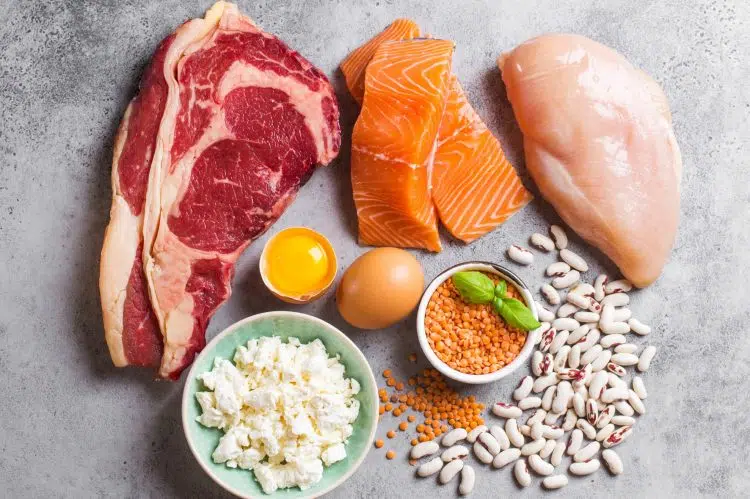
Protein is the darling of the fitness world. This is the reason the market is flooded with protein supplements that come in all sizes and shapes. However, sports supplement companies are exploiting this opportunity to maximize profits. It is the reason we see the price of protein supplements and other muscle-building products rise gradually.
Make no mistake, you don’t need to drop hundreds of dollars each month on fancy supplements or grass-fed steaks to build muscle and strength. All you need is a balanced direct plan that checks all of the right boxes.
Aim for roughly 0.8-1 grams of protein per pound of body weight, as it is the sweet spot for maximizing hypertrophy while staying in budget. (1)
Internalize The Cost Per Gram Philosophy
When buying a protein-packed food, always consider its cost per gram. Here is a quick example to make it easier to grasp:
| Food | Protein Content | Cost | Cost/Gram Protein |
| Eggs | 6–7 g per egg | ~$2 per dozen | ~3 cents |
| Canned Tuna | 25 g per can | ~$1.10 | ~4 cents |
| Chicken Thighs | 20 g per 4 oz | ~$2.00 per lb | ~5 cents |
Now compare this to a $40 tub of whey protein, which costs around 8-10 cents per gram.
While whey has its place, you should always prioritize whole foods in your diet if you want to stay under the $50 weekly budget.
The Core Grocery List
I’ll be honest with you. If you want to build muscle on $50 a week, your grocery list has to work as hard as you do in the gym.
Here are all the simple, time-tested ingredients that should be a part of your next grocery haul:
Eggs: The OG Fitness Food

These are undoubtedly one of the most popular high-protein food sources around the world. They have been bodybuilders’ go-to breakfast choice for decades, and for good reason. Eggs supply complete protein, choline for brain health, and fat to support hormone balance.
There are enough egg recipes on the internet that you won’t have to worry about eating the same dish for several months if you start today.
Instead of giving you the cost and protein calculations right now, I’ll save them for later and put them in a convenient table format so you can make more informed choices. You can find this information in the weekly price breakdown section below.
Canned Tuna and Sardines

Canned fish provides lean protein at one of the lowest costs per gram. Tuna works well in sandwiches or rice bowls, while sardines offer omega-3 fats that can support your recovery.
Many grocery stores often run clearance sales on canned fish. Be on the lookout for them and stock up whenever you see one of these sales.
Chicken Thighs and Drumsticks
Many lifters prefer chicken thighs and drumsticks over chicken breast because they are more forgiving to cook and cost almost the same. You can roast them in bulk, shred them for meal prep, or grill them if you want variety.
They do have slightly higher fat content, but you can use it to your advantage if you are on a bulking program.
Chicken Breast

The good old chicken breast is a favorite of bodybuilders as it delivers lean protein with minimal fat. Buy these in family packs and portion them into freezer bags. They are also incredibly easy to prepare, and this is one of the reasons it is a staple in the diets of most athletes.
Oats: The Complex Carb Powerhouse
Although oats aren’t necessarily a protein-packed food source, they can be incredibly useful as they can deliver slow-digesting carbs that can fuel your training. Many of my clients prefer mixing them with eggs or Greek yogurt for a budget-friendly meal option.
Rice and potatoes are other good options if you are looking to fuel your workouts on a shoestring budget. These complex carb sources can ensure sustained energy levels for several hours.
Beans and Lentils
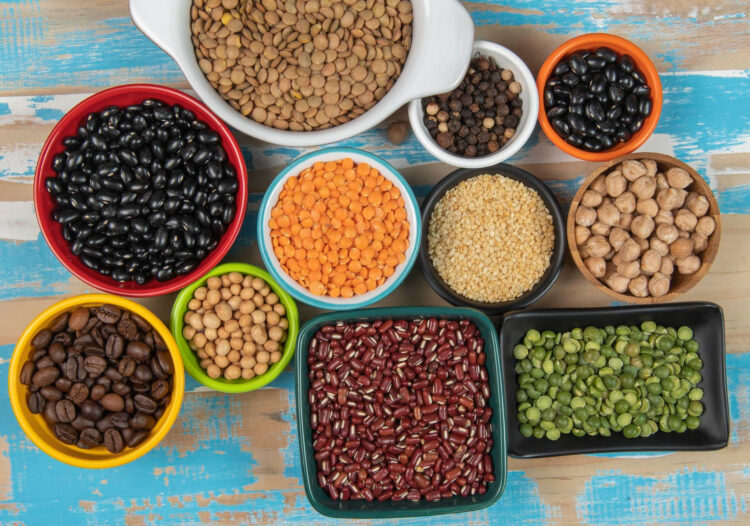
For vegans, beans and lentils should be their go-to protein source to ensure optimal recovery. They also contain a decent amount of carbs and plenty of fiber to promote gut health and improve digestion.
I recommend going for dried bags instead of canned options, as they cost even less. Combine them with rice for a complete amino acid profile and maximize hypertrophy.
Greek Yogurt & Milk
You cannot go wrong with dairy products while on a strength training program. They provide casein and whey protein, which help promote muscle growth and strength gains.
You are only limited by your own imagination when it comes to incorporating Greek yogurt in your diet. You could use it as a snack, a side dish, or even a dessert. On the other hand, milk can be paired with oats, shakes, or even post-workout cereals to guarantee that you are hitting your daily protein goals.
Also, in nine out of 10 cases, you’ll be better off sticking to store brands instead of opting for premium organic variants.

Weekly Price Breakdown
Let’s compare the average cost and cost per gram of protein of all of these ingredients, just like we did above. This will give you a better idea of which foods deserve a place in your shopping bag and, more importantly, your plate.
| Item | Average Cost | Servings | Protein (per serving) | Cost per g Protein |
| Eggs (1 dozen) | $2.00 | 12 | 6–7g | ~3 cents |
| Canned Tuna (1 can) | $1.10 | 1 | 25g | ~4 cents |
| Chicken Thighs (1 lb) | $2.00 | 4 | 20g | ~5 cents |
| Chicken breast (1 lb) | #3.00 | 4 | 23g | ~5 cents |
| Oats (42 oz tub) | $4.50 | 30 | 5g | ~4 cents |
| Beans (1 can) | $1.00 | 3 | 15g | ~2 cents |
| Lentils (1 lb dry) | $1.50 | 6 cups | 18g | ~2 cents |
| Greek Yogurt (32 oz) | $5.00 | 4–5 | 18g | ~6 cents |
| Milk (1 gallon) | $3.80 | 16 | 8g | ~5 cents |
| Peanut Butter (16 oz) | $2.50 | 14 | 8g | ~6 cents |
| Rice (10 lb bag) | $10.00 | 100+ | 4g | ~3 cents |
| Potatoes (5 lb bag) | $3.00 | 10+ | 4g | ~3 cents |
The prices for these foods are subject to change depending on the seasonality, supply, and demand of these ingredients.
Building a $50 Meal Template
Now that you know about the foods that should be a part of your diet, it’s time to turn them into meals that deliver 150g of protein a day without breaking the $50 budget.
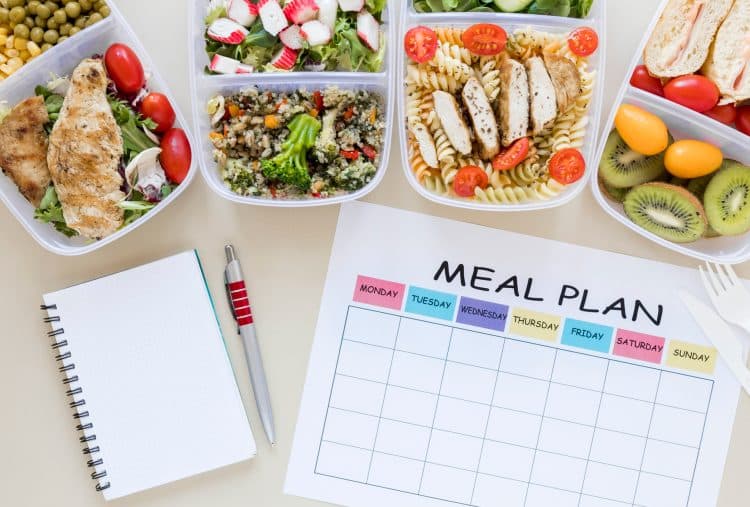
Below is my three-step process to ensure I am making the most of each dollar:
Step 1: Anchor each meal with 25-50 grams of protein
Protein should be at the center of every meal. For instance, three whole eggs and a cup of Greek yogurt for breakfast deliver 35 grams of muscle-building goodness. Combine foods that go well with each other to form unique flavors.
Step 2: Use the three-meal-plus-snack format
In my long career, I have tried almost every diet split imaginable, but I keep coming back to this one because of its convenience and effectiveness.
- Breakfast: Eggs and oats cooked in milk with peanut butter
- Lunch: Chicken thighs with rice and a side of frozen vegetables
- Dinner: Beans and potatoes seasoned with spices for flavor and satiety
- Snack: Greek yogurt mixed with peanut butter or a can of tuna with whole-grain bread
Step 3: Balance carbs and fats
Don’t run away from fats and carbs even if you are trying to lose weight and build muscle. Use them strategically in your diet to fuel your lifts and recovery.
Most of my clients consume a major chunk of their total daily carb allowance around their meals and workouts to ensure they have enough energy to sustain a high-intensity effort for up to an hour. Fats are mostly consumed in the morning and around dinner time, as they can help regulate hormones like testosterone and growth hormone, which directly impact muscle growth.
Meal Prep and Storage Hacks
Always ignore the flashy labels that nutrition brands love to slap on their products. Remember, a $7 ‘anabolic cereal’ isn’t any better than a $2 tub of oats. Don’t fall for clever branding tactics.
I also recommend that my clients buy food in bulk. A 10-pound bag of rice and family packs of chicken cut the per-serving price dramatically.
Since we are talking about getting the best bang for your buck, I’ll also let you in on a secret – go for store brands. Greek yogurt and milk will taste the same without the premium markup.
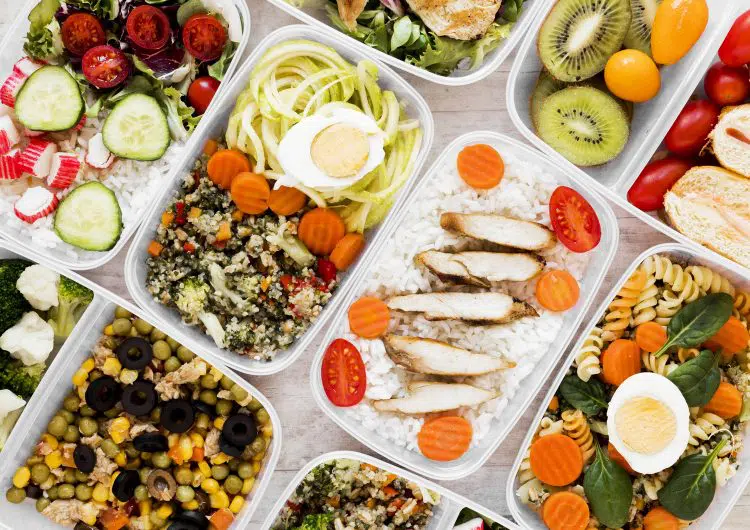
When you are buying food in bulk, it is always better to batch cook your meals so that you always have healthy meals at hand, especially when you are starving. This reduces the risk of binging on junk food and overstepping your calorie limits.
Things To Remember
Remember, while protein is the most important macronutrient, if you are aiming to maximize muscle gain, you cannot overlook carbs and fats. Carbohydrates in the form of glycogen are your body’s primary source of fuel. You need them for optimal training performance and recovery.
Fats, on the other hand, are necessary for maintaining hormonal balance and ensuring peak body functionality. The good thing is that carbs and fats are relatively budget-friendly and can play a big role in helping you crush your daily calorie goals.
Irrespective of how tight the money is, the hierarchy never changes – protein first, carbs second, and fats third.
Conclusion
When you are trying to build muscle on a budget, you must focus on versatility above all. Prioritize ingredients like eggs, beans, and oats as they can be included in multiple meals, stretching variety and your hard-earned dollars.
Building muscle on a $50-a-week budget is all about discipline and consistency. Start with this list, track your protein intake, and the results will take care of themselves. Best of luck.
References:
- Wu G. Dietary protein intake and human health. Food Funct. 2016 Mar;7(3):1251-65. doi: 10.1039/c5fo01530h. PMID: 26797090.