
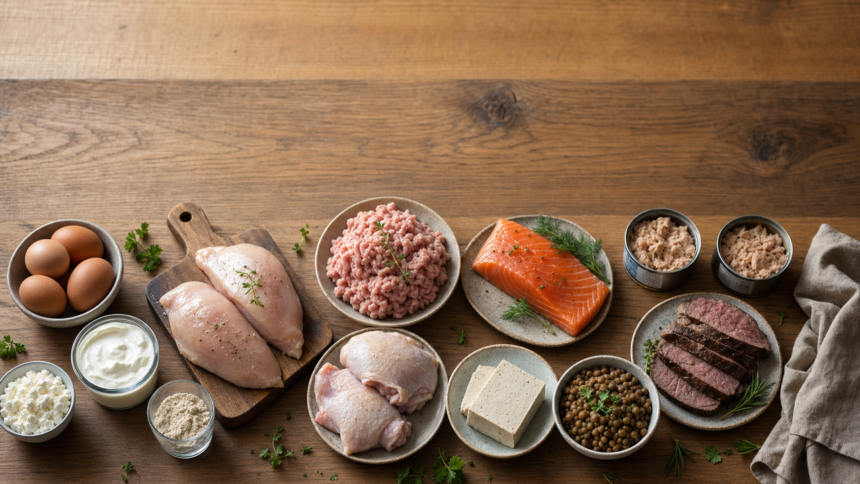
Short on time? The four easiest high-protein foods to repeat without wrecking your grocery budget are eggs, cottage cheese, canned tuna, and chicken thighs. Build your day around those four, then use Greek yogurt, salmon, lean turkey, tofu, lentils, and whey protein when you need variety, convenience, or a specific macro target.
Most high-protein food lists have the same problem: they rank foods like the reader is a nutrition database, not a person with a job, a budget, a sink full of dishes, and exactly 11 minutes before lunch. Chicken breast is useful, yes. Eating dry chicken breast seven days in a row is how good intentions go to die.
So we ranked these foods the way we would rank them for a lifter, a busy parent, or someone using a macronutrient calculator and trying to hit 130-180 grams of protein without turning every meal into a chore. Each pick below is graded on protein density, protein per dollar, satiety, prep effort, and repeatability. That last one matters more than most diet articles admit: the best protein source is the one you can still eat in week three.
How We Ranked the Best High-Protein Foods
The best high-protein foods are not just the foods with the most protein per 100 grams. They also need to be affordable, filling, easy to prepare, and realistic enough to repeat. For this ranking, a food had to deliver a strong protein return, fit a normal grocery-store budget, and solve a real eating problem.
We scored each food across five categories:
- Protein density: grams of protein per 100 grams of food, using USDA FoodData Central where possible.
- Protein per dollar: approximate cost per gram of protein from common US grocery pricing in May 2026.
- Satiety: whether the food actually keeps you full, not just whether the macro label looks pretty.
- Cooking friction: how much prep, cleanup, and technique the food needs.
- Repeatability: whether most people can eat it two to four times a week without burning out.
For daily protein targets, the International Society of Sports Nutrition position stand supports roughly 1.4-2.0 grams per kilogram of bodyweight per day for many active adults, while Morton and colleagues found muscle-gain benefits tend to plateau around 1.6 grams per kilogram per day in resistance-trained adults. If you need the exact number for your bodyweight and calorie target, start with our TDEE calculator, then set protein in the macronutrient calculator.
Quick Ranking Table: Protein, Best Use, and Skip-If Rules
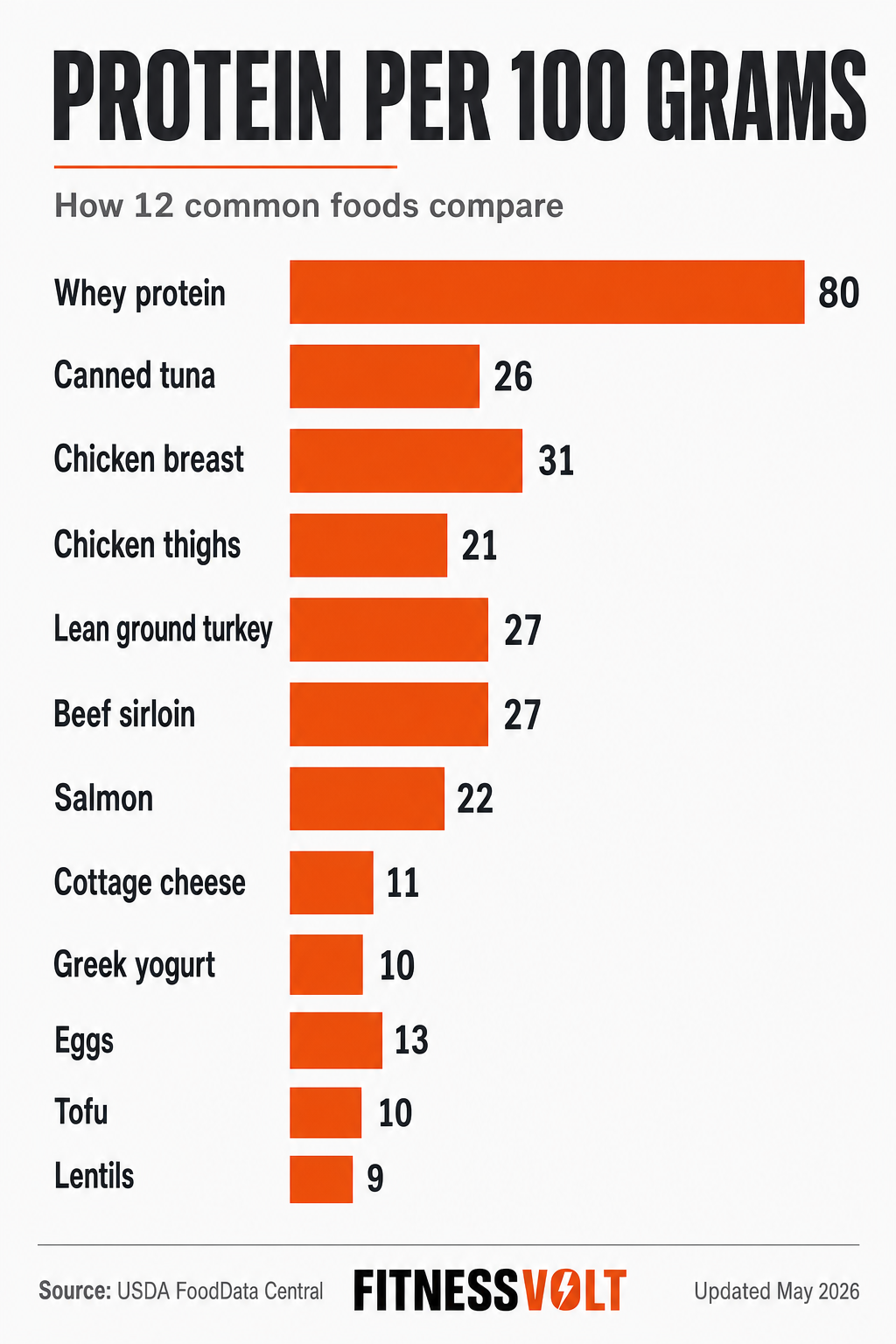
The fastest way to choose is to match the food to the problem. Need cheap protein? Start with eggs, tuna, lentils, and chicken thighs. Need low-calorie protein? Chicken breast, Greek yogurt, and whey protein are easier. Need plant-based protein? Tofu and lentils are the useful pair, but you may need a slightly higher total protein target.
| Rank | Food | Protein Snapshot | Best For | Skip If |
|---|---|---|---|---|
| 1 | Eggs | 6 g per large egg | Cheap breakfast protein | You have an egg allergy or clinician-directed cholesterol limits |
| 2 | Cottage cheese | 25 g per cup | High-satiety snacks | You cannot tolerate dairy or the texture |
| 3 | Greek yogurt | 17-20 g per cup | Fast breakfast or snack | You keep buying sugar-heavy flavored tubs |
| 4 | Whey protein | 20-25 g per scoop | Convenience and low appetite | Whole foods already cover your target |
| 5 | Chicken thighs | 21 g per 100 g cooked | Budget meal prep | You need the leanest possible cut |
| 6 | Chicken breast | 31 g per 100 g cooked | Low-fat protein | You always overcook it and quit by Thursday |
| 7 | Lean ground turkey | 27 g per 100 g cooked | Easy dinners | You dislike very lean ground meat texture |
| 8 | Salmon | 22 g per 100 g cooked | Protein plus omega-3s | Your budget needs cheaper daily protein |
| 9 | Canned tuna | 26-33 g per can | Emergency lunches | You need to limit mercury exposure |
| 10 | Lean beef sirloin | 27 g per 100 g cooked | Iron, B12, dinner variety | Your saturated-fat target is already tight |
| 11 | Firm tofu | 10 g per 100 g | Plant-based meals | You have a soy allergy |
| 12 | Lentils | 9 g per 100 g cooked | Fiber and budget stretching | You need very low-carb protein |
The 12 Best High-Protein Foods, Ranked
These are ranked by total usefulness, not only by protein density. Whey and chicken breast are denser than eggs, but eggs win the top spot because they are cheap, fast, complete, repeatable, and useful at breakfast, lunch, or dinner.
1. Eggs
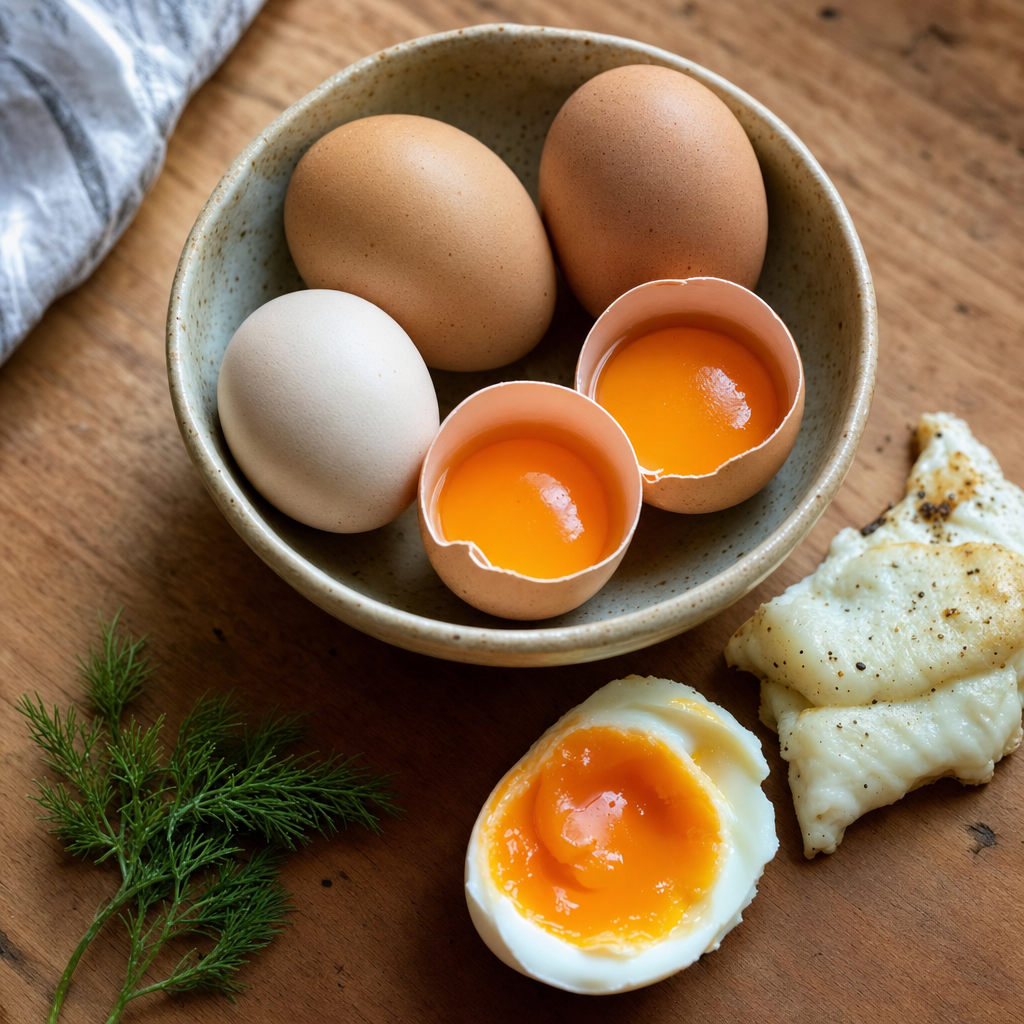
Eggs are the best all-around high-protein food because they are cheap, complete, easy to cook, and hard to get bored of. One large egg has about 6 grams of protein, plus choline and fat-soluble nutrients from the yolk. A four-egg breakfast gives you roughly 24 grams of protein before you add toast, fruit, or cottage cheese.
Best for: breakfast, quick dinners, anyone who wants cheap complete protein. Skip if: you have an egg allergy or a clinician has told you to limit eggs based on your bloodwork. Coach note: keep boiled eggs ready and protein becomes a two-minute decision.
2. Cottage Cheese
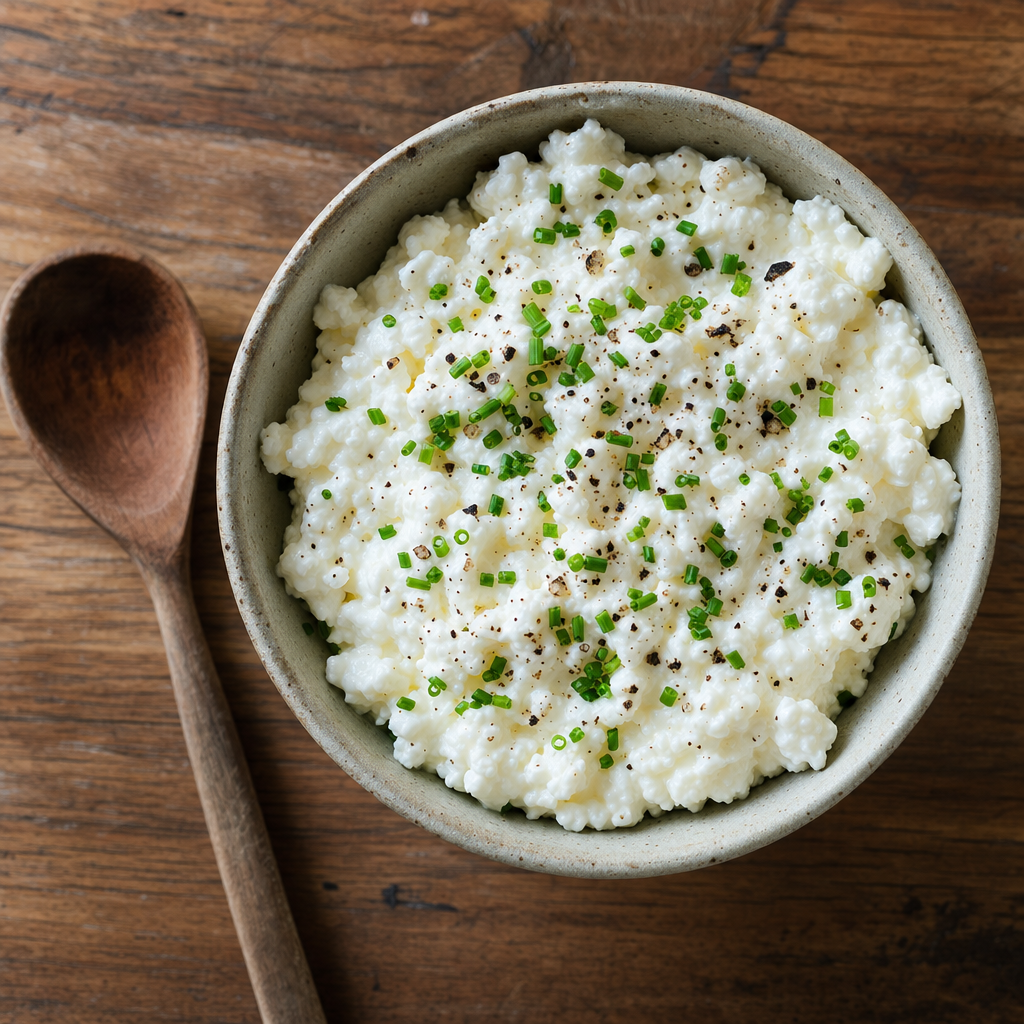
Cottage cheese is the grocery-store protein cheat code. One cup of 2% cottage cheese has about 25 grams of protein for roughly 190-200 calories, and it is more filling than most sweet snacks with twice the calories. Make it savory with hot sauce, mustard, pepper, and chives, or make it sweet with berries and cinnamon.
Best for: high-satiety snacks, calorie deficits, high-protein breakfasts. Skip if: dairy bothers your stomach or the texture is a deal-breaker. Better than: most flavored yogurts, which often trade protein space for added sugar.
3. Greek Yogurt
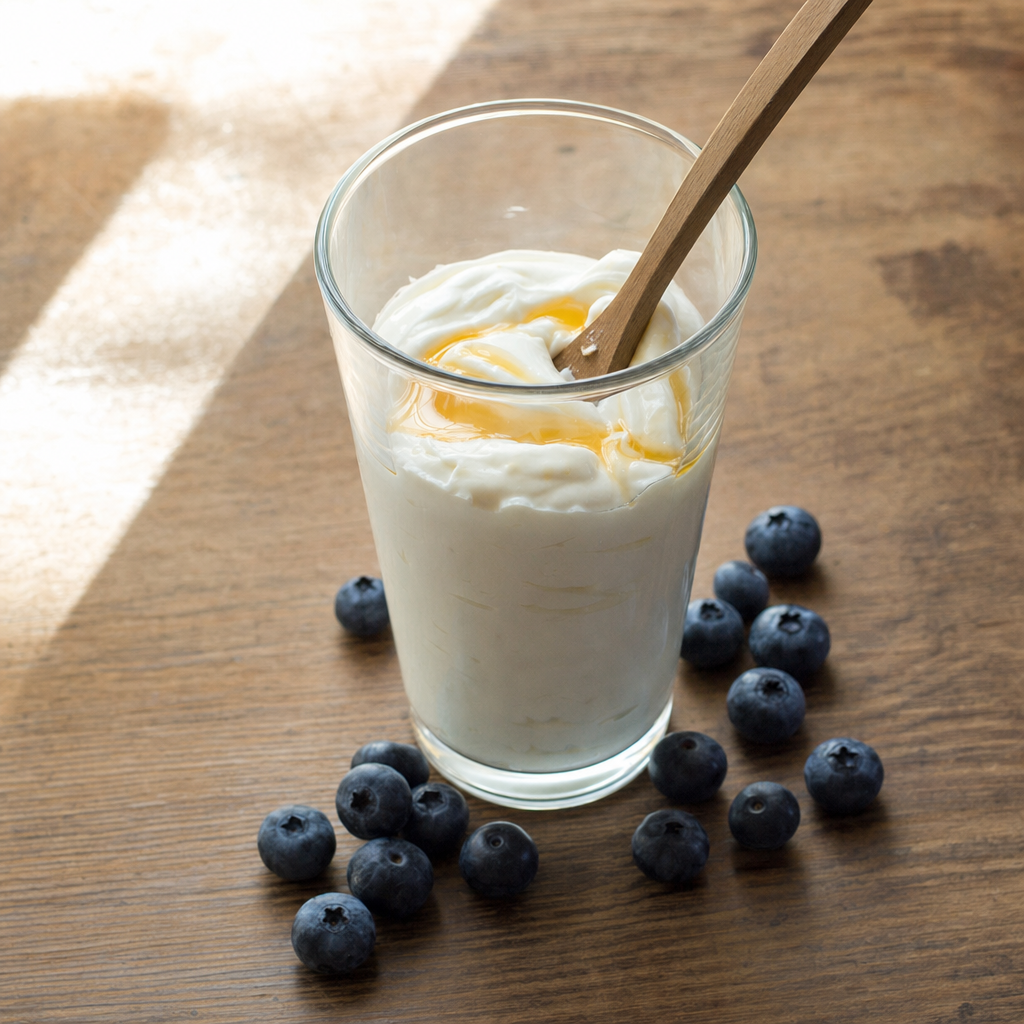
Plain Greek yogurt is the easiest high-protein food to eat when you do not want to cook. A cup usually lands around 17-20 grams of protein depending on brand and fat level. Use it as breakfast, a dip base, a sour-cream swap, or the protein anchor in a smoothie.
Best for: fast breakfast, post-workout snacks, higher-protein desserts. Skip if: you keep buying dessert-style tubs with 15-25 grams of sugar. Coach note: buy plain, then add your own fruit. You control the sugar and the portion.
4. Whey Protein Powder
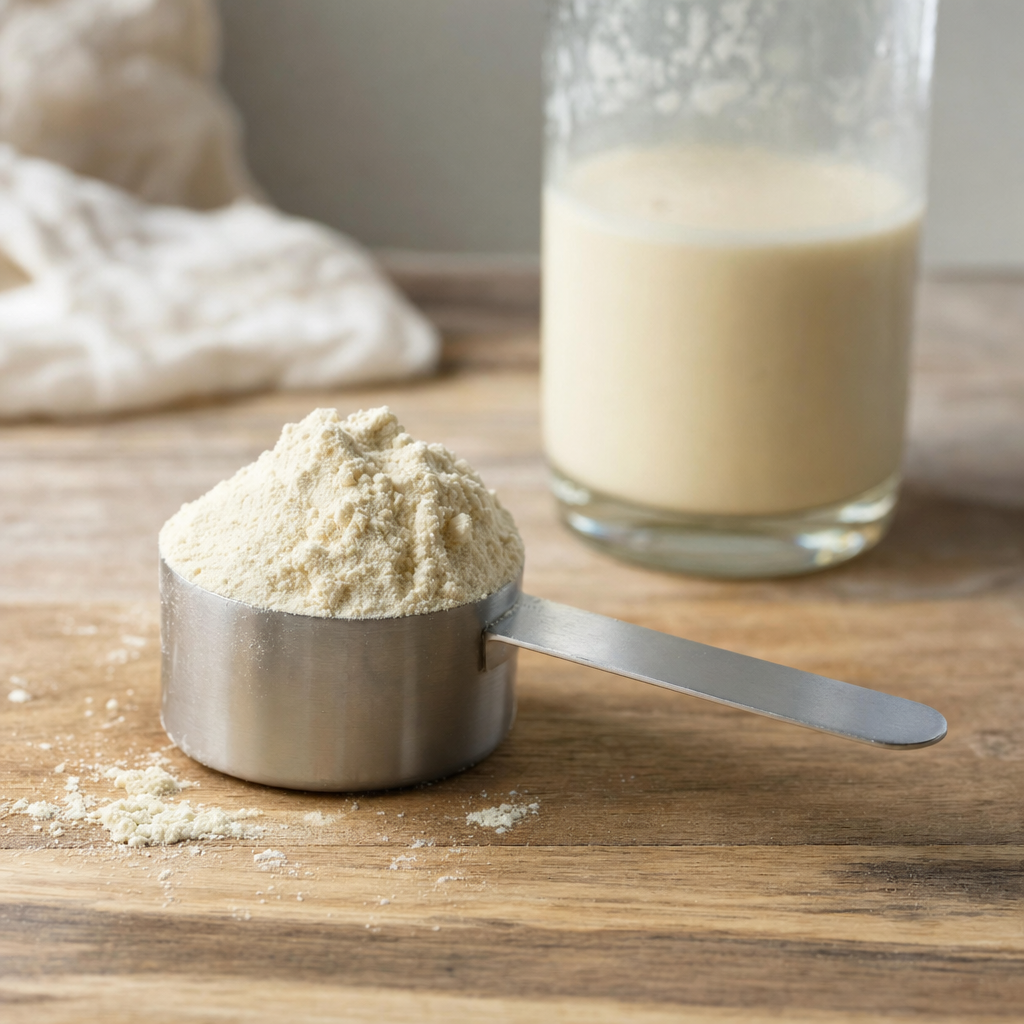
Whey protein is not magic, but it is useful. One scoop usually gives you 20-25 grams of complete protein with very little cooking, chewing, or cleanup. That matters if appetite is low, your schedule is chaotic, or you are using a medication that makes large meals harder. Our protein powders for GLP-1 users guide goes deeper on low-sugar, easy-digestion options.
Best for: convenience, post-workout shakes, appetite-suppressed days. Skip if: you can hit your protein floor comfortably with food. Rule: powder fills gaps. It should not replace every real meal.
5. Chicken Thighs
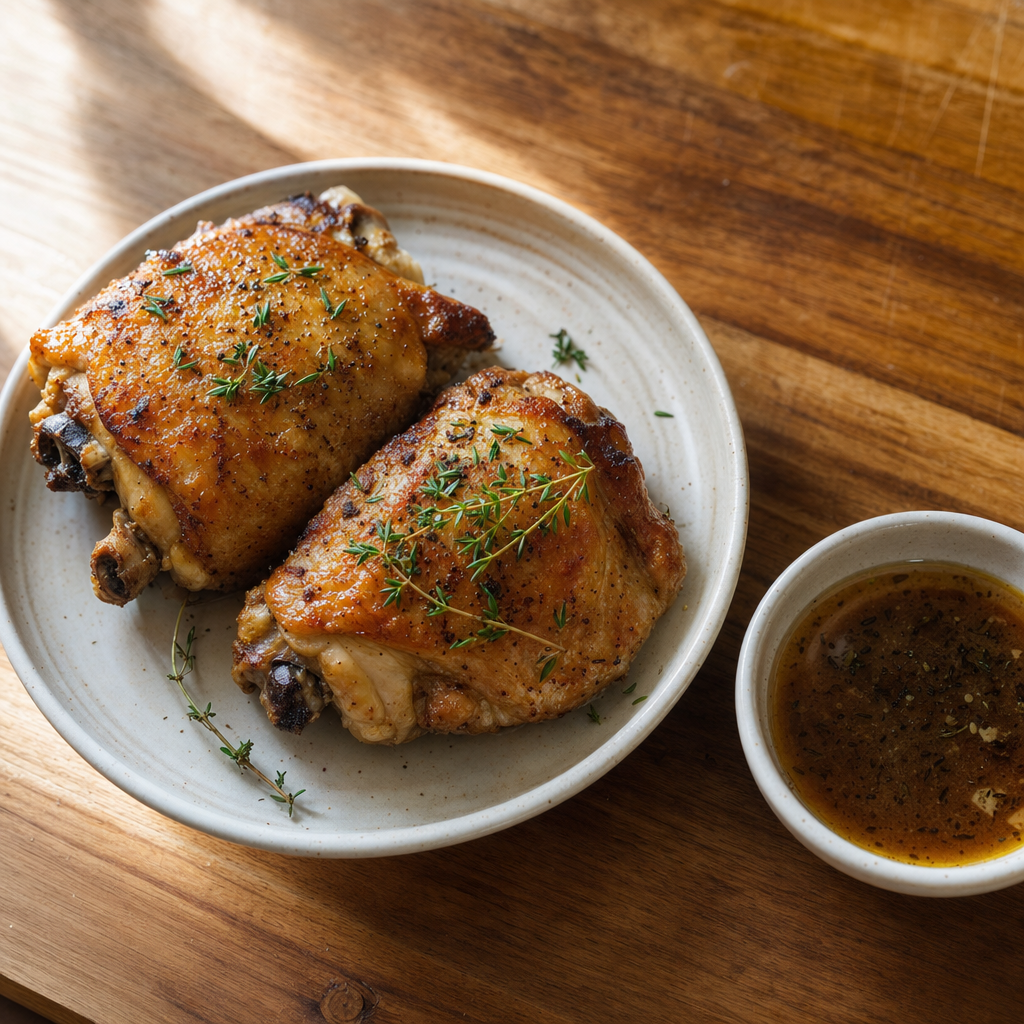
Chicken thighs are the better meal-prep choice for most people because they are cheaper, juicier, and harder to ruin than chicken breast. Cooked thigh meat lands around 21 grams of protein per 100 grams. Roast a tray, pull the meat, and you have tacos, rice bowls, salads, and soups covered for three days.
Best for: budget meal prep and people burned out on breast. Skip if: you need the leanest possible protein source. Better than: breast when adherence matters more than shaving off every gram of fat.
6. Chicken Breast
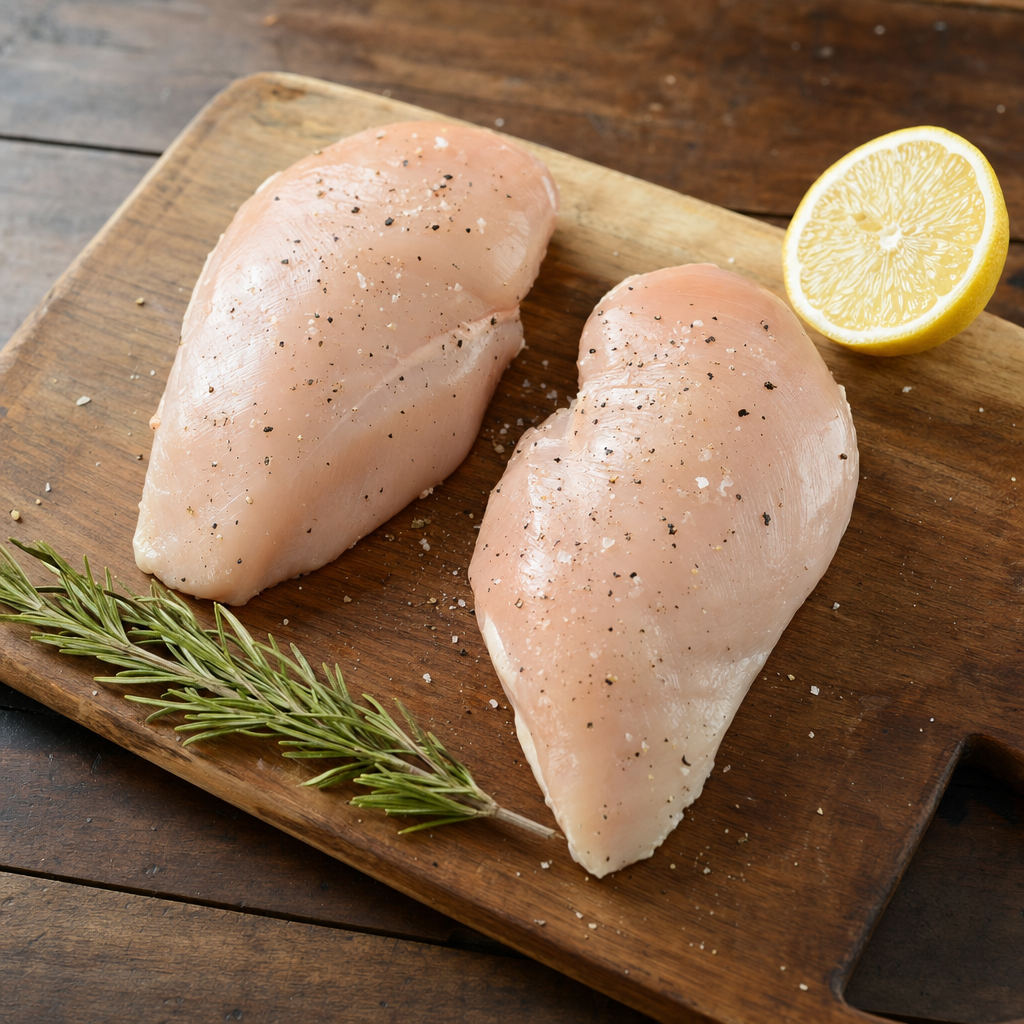
Chicken breast is still the lean-protein king by the numbers: roughly 31 grams of protein per 100 grams cooked. The problem is not the nutrition. The problem is boredom and dry texture. Pound it thin, salt it early, sear it hot, and stop cooking when it reaches a safe internal temperature instead of punishing it into sawdust.
Best for: low-fat cuts, salads, high-protein lunches. Skip if: you dread eating it by day three. Coach note: if breast makes you quit the plan, thighs are the smarter choice.
7. Lean Ground Turkey
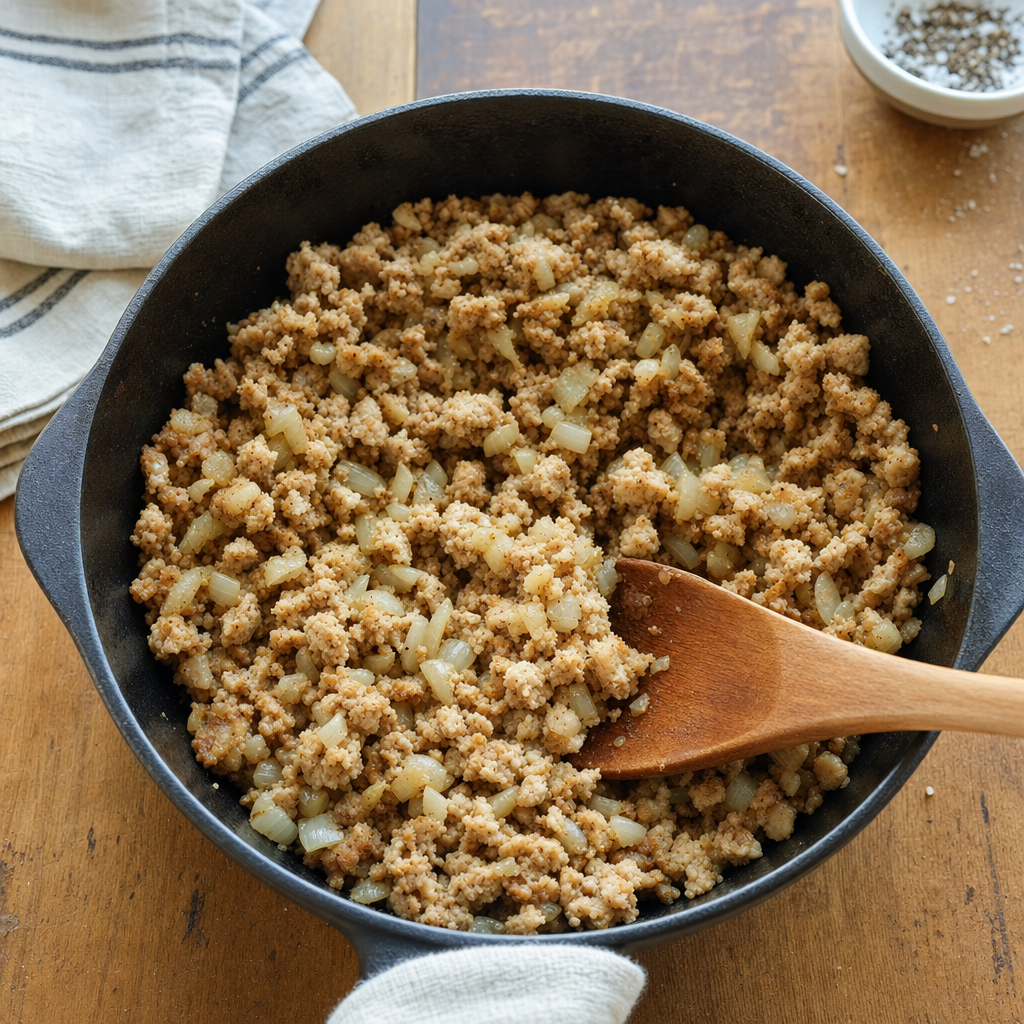
Lean ground turkey is the easiest dinner protein on this list. A cooked 100-gram serving can give you roughly 27 grams of protein, and it disappears into chili, taco filling, pasta sauce, bowls, and lettuce wraps. The 93/7 version is more forgiving; the 99/1 version is leaner but needs sauce.
Best for: weeknight dinners and calorie-deficit meals. Skip if: you hate the texture of very lean ground meat. Comparison: easier than chicken breast, leaner than most beef, less expensive than fish.
8. Salmon
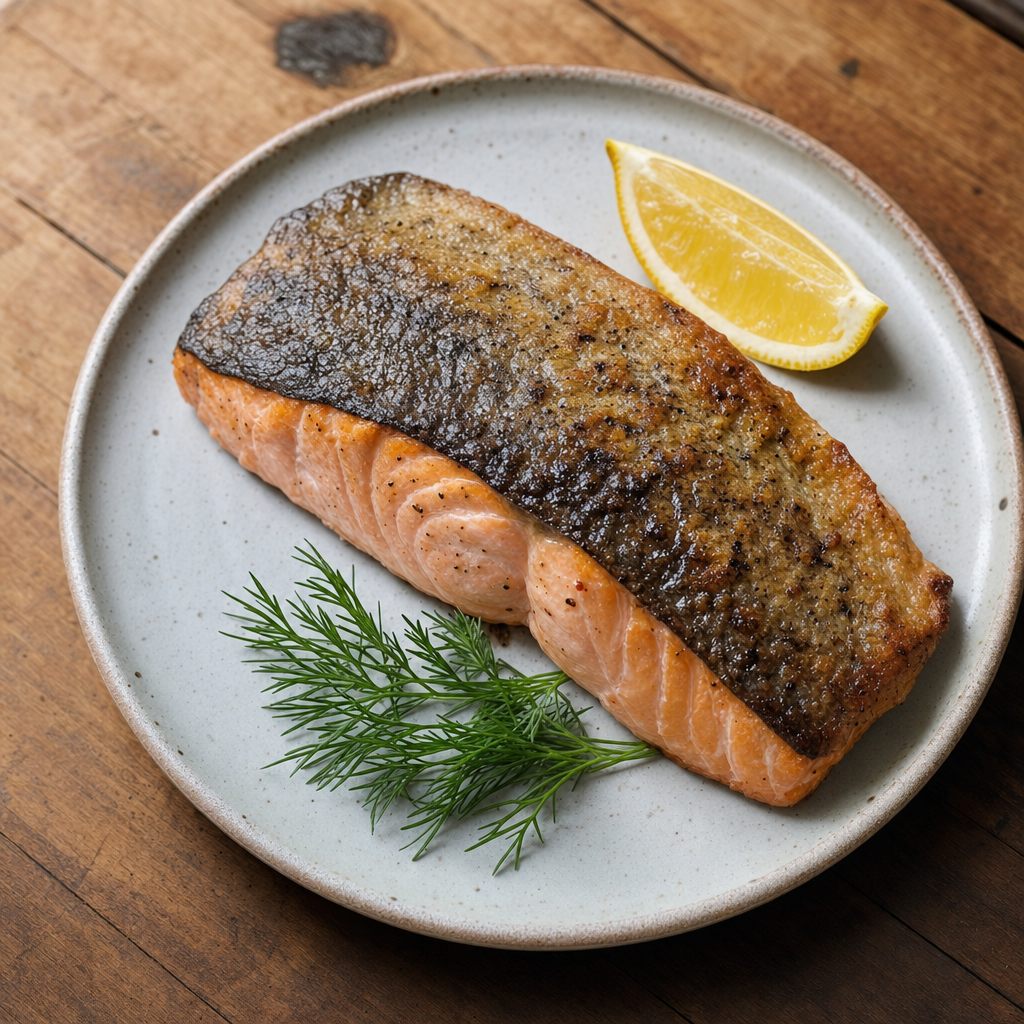
Salmon gives you about 22 grams of protein per 100 grams cooked, plus EPA and DHA omega-3 fats. It is not the cheapest daily protein, but two servings a week can add variety and cover nutrients chicken cannot. Bake at 425 degrees F for 10-12 minutes with salt, pepper, and lemon.
Best for: dinner upgrades, seafood rotation, omega-3 intake. Skip if: your grocery budget is tight. Budget swap: canned tuna or sardines give you cheaper seafood protein, though tuna needs mercury awareness.
9. Canned Tuna
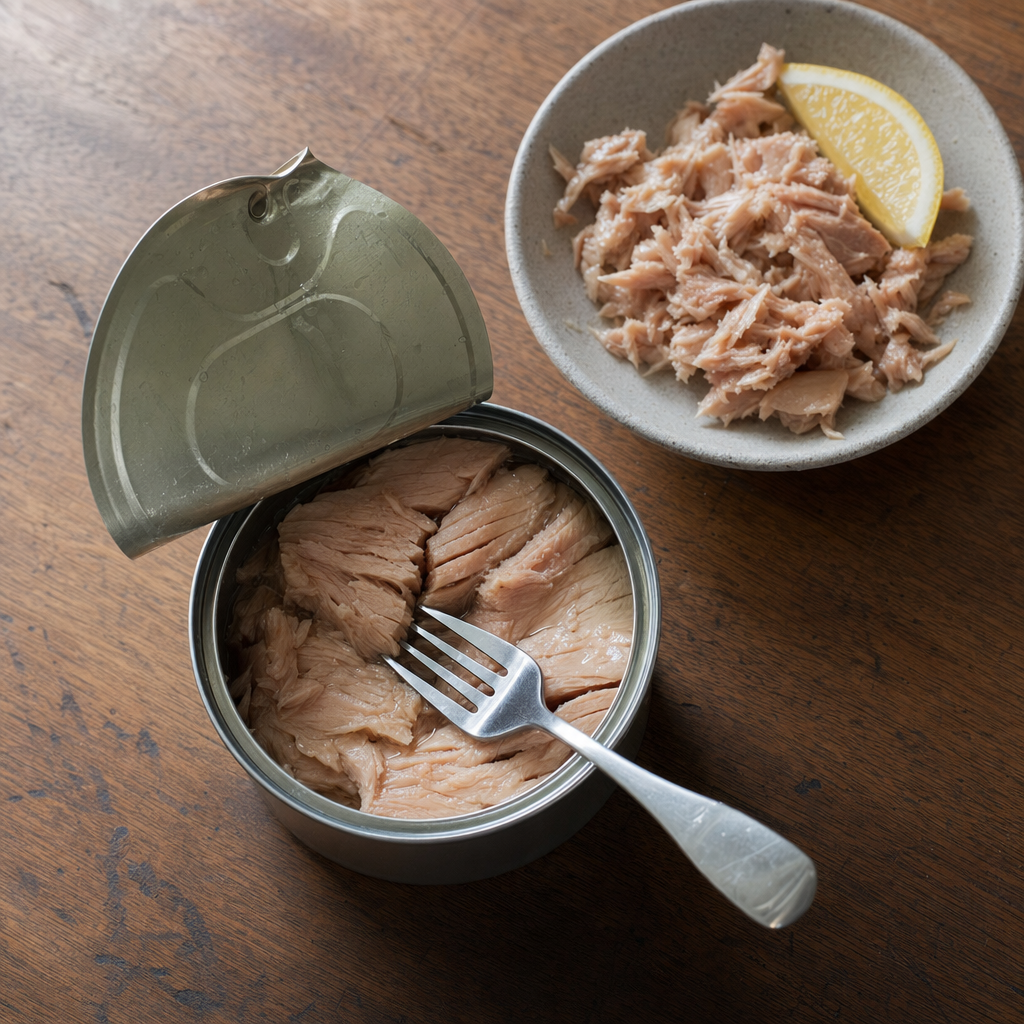
Canned tuna is cheap, shelf-stable, and brutally efficient: one 5-ounce can often gives you 26-33 grams of protein. Mix it with Greek yogurt, mustard, lemon, and pickles for a lunch that lands near 30 grams without a stove. The FDA/EPA fish guidance classifies canned light tuna differently from higher-mercury tuna types, so choose light tuna more often and keep intake conservative if you are pregnant, breastfeeding, or feeding children.
Best for: office lunches, emergency meals, low-cost protein. Skip if: tuna smell or mercury limits make it a bad fit. Coach note: foil packs are less messy than cans if you eat at work.
10. Lean Beef Sirloin
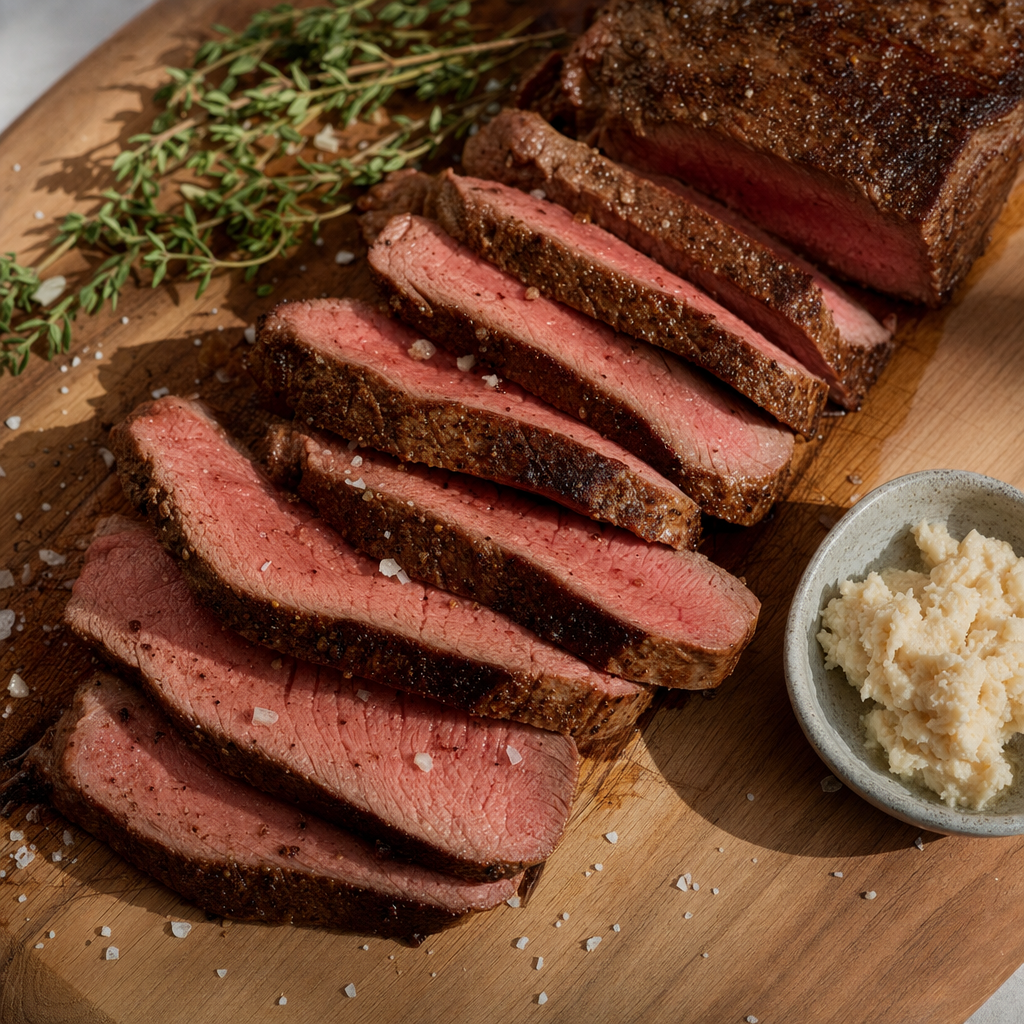
Lean sirloin gives you about 27 grams of protein per 100 grams cooked, plus iron, zinc, creatine, and B12. It is not a daily budget pick, but it is a useful rotation food for lifters who feel better with some red meat in the week. Keep portions reasonable and treat processed meats as a different category.
Best for: dinner variety, iron and B12, strength athletes. Skip if: your clinician has asked you to limit saturated fat or red meat. Comparison: more micronutrient-dense than chicken, usually more expensive than poultry.
11. Firm Tofu
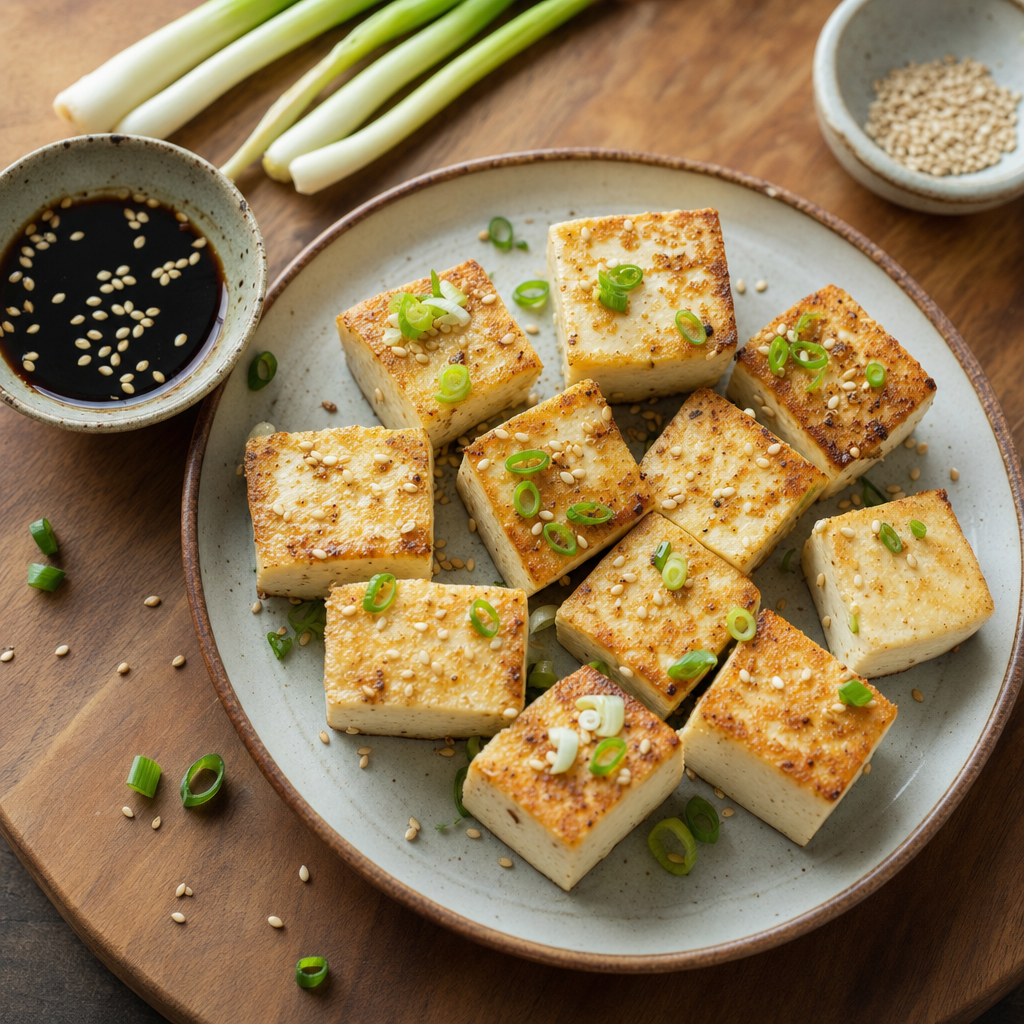
Firm tofu gives you about 10 grams of protein per 100 grams and is one of the few plant proteins that behaves like a main dish. Press it for 15 minutes, cube it, sear it hard, then add soy sauce, garlic, ginger, and scallions. Soy protein quality is stronger than many plant proteins, but a plant-based eater may still need a slightly higher daily total to match the amino-acid return of animal proteins.
Best for: plant-based meals, stir-fries, dairy-free protein. Skip if: you have a soy allergy. Coach note: tofu fails when it is wet and underseasoned. Press first, season aggressively.
12. Lentils
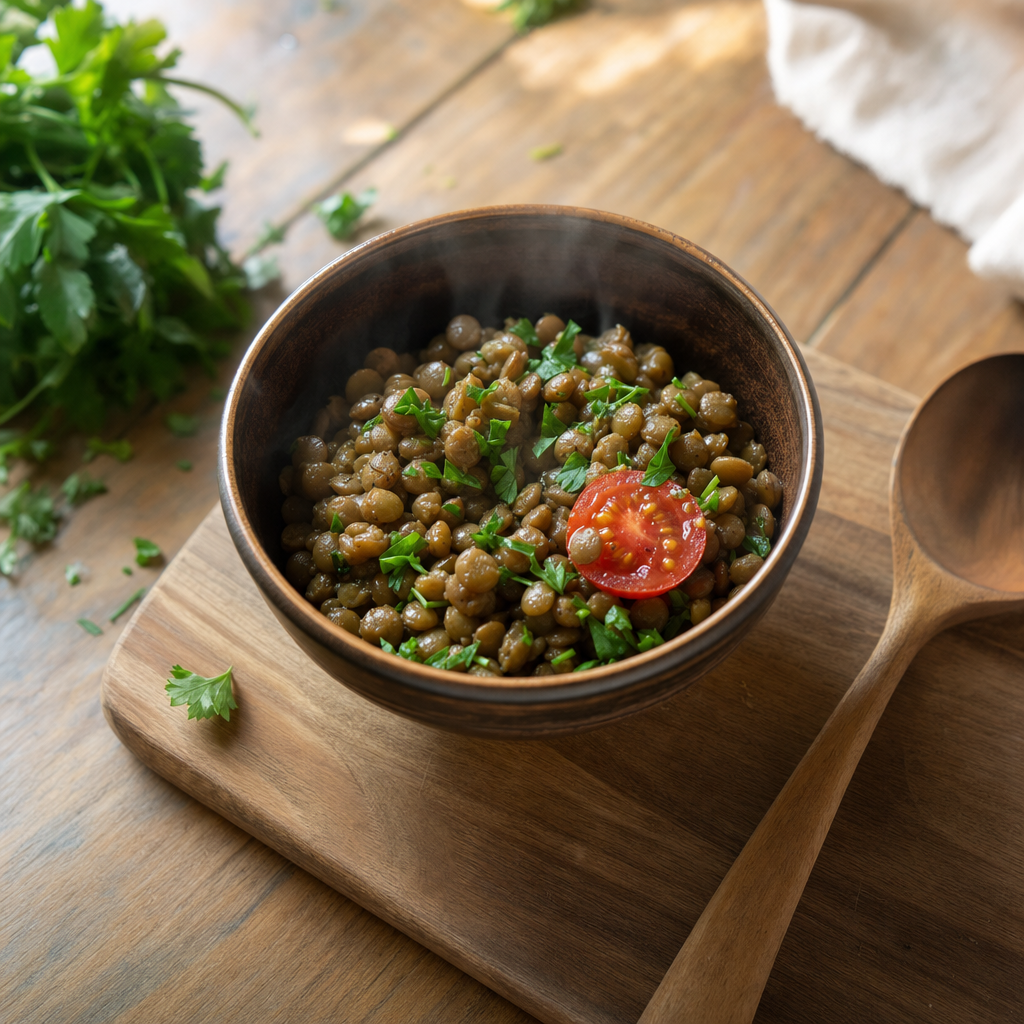
Lentils are not the densest protein here, but they are the best protein extender. A cooked 100-gram serving gives about 9 grams of protein plus fiber and slow carbs. Add lentils to ground turkey, chicken thighs, or tofu and the meal gets cheaper, more filling, and easier to batch.
Best for: fiber, budget stretching, family meals. Skip if: you need very low-carb protein or legumes upset your stomach. Comparison: lentils do not replace chicken gram for gram, but they make almost every protein meal more filling.
What Does a 150-Gram Protein Day Look Like?
A 150-gram protein day works best when breakfast carries real weight. If you leave 110 grams for dinner, you will chase protein all night. A better plan is four meals with 30-45 grams each, then a small buffer from snacks.
- Breakfast: 3 eggs plus 1 cup cottage cheese with berries – about 43 g protein.
- Lunch: chicken-thigh rice bowl with 6 ounces cooked chicken and vegetables – about 45 g protein.
- Snack: plain Greek yogurt plus 1 scoop whey – about 40 g protein.
- Dinner: salmon or lean turkey with 1 cup lentils and salad – about 40-45 g protein.
That day lands around 165-170 grams of protein. Swap salmon for canned tuna and use chicken thighs instead of breast and the same structure becomes a budget day. For a more complete week, use our high-protein meal plan for weight loss and our $50-per-week muscle-building grocery list as templates.
How Much Protein Can You Absorb in One Meal?
Your body can absorb more than 20 grams of protein in one meal. The better question is how much supports your goal. For muscle protein synthesis, spreading protein across 3-5 meals is still practical, but large meals are not wasted. Recent human data from Trommelen and colleagues showed a larger and longer anabolic response after 100 grams of protein compared with 25 grams after exercise.
Use that as permission to stop fearing a 50-gram dinner, not as a reason to cram the entire day into one shake. Most lifters do best with 30-50 grams per meal because it is easier to digest, easier to repeat, and easier to combine with fiber-rich foods. If you want timing detail, our protein absorption calculator explains the practical side.
Common High-Protein Food Mistakes
The biggest high-protein mistakes are not dramatic. They are the tiny shopping and prep errors that make protein annoying: buying sweetened “protein” snacks, cooking everything dry, skipping fiber, and relying on shakes when real food would keep you fuller.
- Mistake: counting high-protein marketing as high-protein food. Fix: check grams of protein per 100 calories. If it is under 10 grams, it is probably a snack with a protein halo.
- Mistake: buying only chicken breast. Fix: rotate breast, thighs, turkey, tuna, eggs, yogurt, and tofu so the plan survives week three.
- Mistake: using shakes for every gap. Fix: use whey when appetite or time is the blocker; otherwise default to food.
- Mistake: ignoring fiber. Fix: add lentils, berries, vegetables, oats, or beans. High protein with low fiber gets old fast.
- Mistake: treating plant protein as a one-for-one swap. Fix: eat a little more total protein and combine foods like tofu, lentils, grains, and soy milk.
FAQ
What food has the most protein per 100 grams?
Whey protein powder has the most protein per 100 grams on this list, usually around 75-85 grams depending on the product. Among whole foods, cooked chicken breast is the practical leader at about 31 grams per 100 grams, followed by lean turkey, lean beef, tuna, and salmon.
What are the cheapest high-protein foods?
Eggs, canned tuna, lentils, chicken thighs, cottage cheese, and Greek yogurt are usually the best cheap protein picks. Exact prices move by store and region, but these foods consistently beat salmon, steak, and most packaged protein snacks on cost per gram of protein.
How much protein do I need per day to build muscle?
Most adults who lift should start around 1.6 grams per kilogram of bodyweight per day, then adjust based on appetite, calories, and training volume. A 175-pound adult weighs about 79 kilograms, so that starting point is roughly 125-130 grams per day. Many lifters prefer 0.8-1 gram per pound because it is easy to remember.
Are plant proteins as good as animal proteins?
Plant proteins can absolutely build muscle, but many have lower digestible indispensable amino acid scores than animal proteins. Soy is one of the stronger plant options. If most of your protein comes from plants, eat a slightly higher total, include soy or pea protein when helpful, and spread protein across several meals.
Is canned tuna safe to eat every day?
Daily tuna is not the best default because mercury exposure depends on tuna type and total weekly intake. The FDA/EPA chart puts canned light tuna in a better category than albacore or yellowfin, but pregnant people, children, and anyone trying to limit mercury should follow the lower-intake guidance and rotate in salmon, sardines, eggs, dairy, chicken, and tofu.
Should I use protein powder or food?
Use food first when appetite and schedule allow it. Protein powder is best when convenience is the main blocker, after workouts, during travel, or when you need a low-volume protein source. If you drink protein instead of eating, ready-to-drink options can help, but compare sugar and calories against our ready-to-drink protein shake rankings.
Bottom Line
If you want the simplest high-protein grocery list, buy eggs, cottage cheese, canned tuna, chicken thighs, Greek yogurt, and lentils. Add chicken breast when you need leaner protein, salmon when you want seafood and omega-3s, tofu when you need a plant-based main, and whey protein when food cannot cover the gap. The winning plan is not the highest-protein spreadsheet. It is the one you can still eat next month.
Sources
- U.S. Department of Agriculture, Agricultural Research Service. FoodData Central. USDA. n.d. Accessed May 3, 2026.
- Jager R, Kerksick CM, Campbell BI, et al. International Society of Sports Nutrition Position Stand: Protein and Exercise. Journal of the International Society of Sports Nutrition. 2017;14:20. doi:10.1186/s12970-017-0177-8.
- Morton RW, Murphy KT, McKellar SR, et al. A systematic review, meta-analysis and meta-regression of the effect of protein supplementation on resistance training-induced gains in muscle mass and strength in healthy adults. British Journal of Sports Medicine. 2018;52(6):376-384. doi:10.1136/bjsports-2017-097608.
- Schoenfeld BJ, Aragon AA. How much protein can the body use in a single meal for muscle-building? Journal of the International Society of Sports Nutrition. 2018;15:10. doi:10.1186/s12970-018-0215-1.
- Trommelen J, van Lieshout GAA, Pabla P, et al. The anabolic response to protein ingestion during recovery from exercise has no upper limit in magnitude and duration in vivo in humans. Cell Reports Medicine. 2023;4(12):101324. doi:10.1016/j.xcrm.2023.101324.
- U.S. Food and Drug Administration and U.S. Environmental Protection Agency. Advice About Eating Fish. FDA. n.d. Accessed May 3, 2026.
- Herreman L, Nommensen P, Pennings B, Laus MC. Comprehensive overview of the quality of plant- and animal-sourced proteins based on the digestible indispensable amino acid score. Food Science & Nutrition. 2020;8(10):5379-5391. doi:10.1002/fsn3.1809.
- Hughes GJ, Ryan DJ, Mukherjea R, Schasteen CS. Protein quality of soy and the effect of processing: A quantitative review. Frontiers in Nutrition. 2022;9:984758. doi:10.3389/fnut.2022.984758.