

Arm Circles vs Handstand Push-Ups: Complete Comparison Guide
Arm Circles vs Handstand Push-Ups is a showdown between a low-load shoulder isolation and a high-load compound press. If you want clear guidance on when to pick light mobility work versus an advanced bodyweight press, this guide has your back. You’ll learn which exercise stresses the deltoid heads more, how secondary muscles like traps and triceps contribute, what equipment and progressions each requires, and practical cues to perform them safely. Read on to find the right choice for your goals—mobility, endurance, muscle growth, or raw pressing strength.
Exercise Comparison
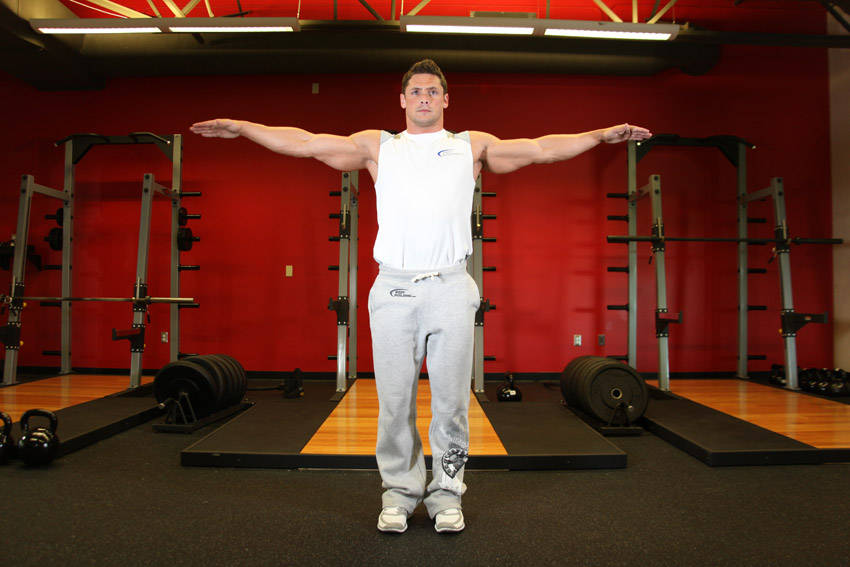
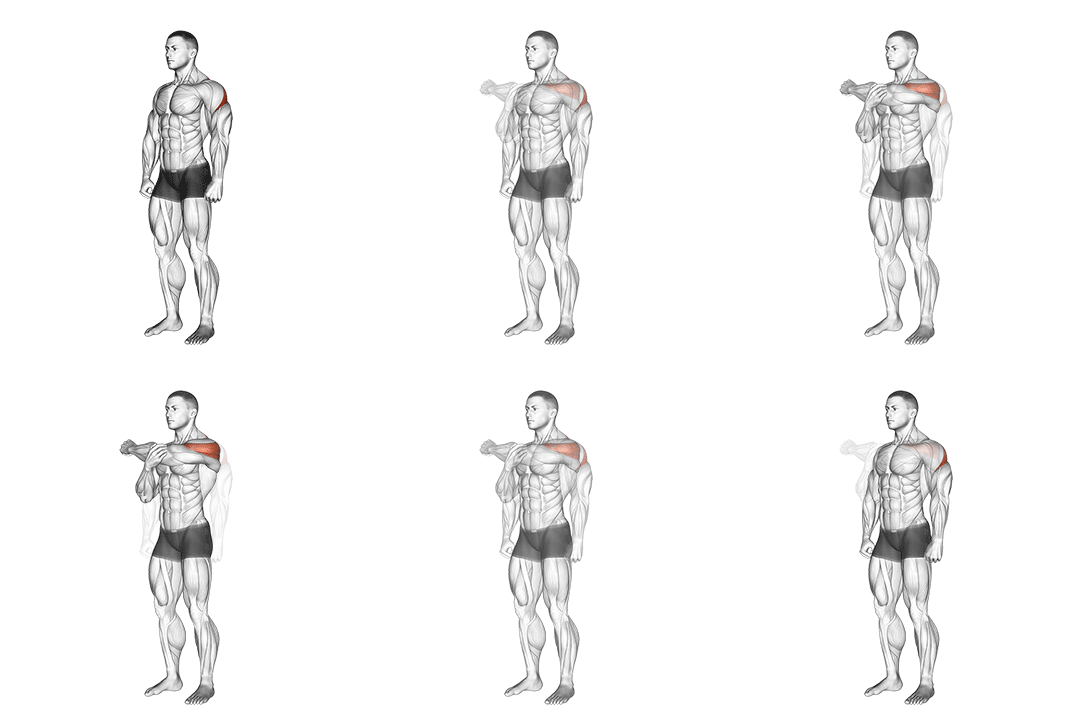
Arm Circles
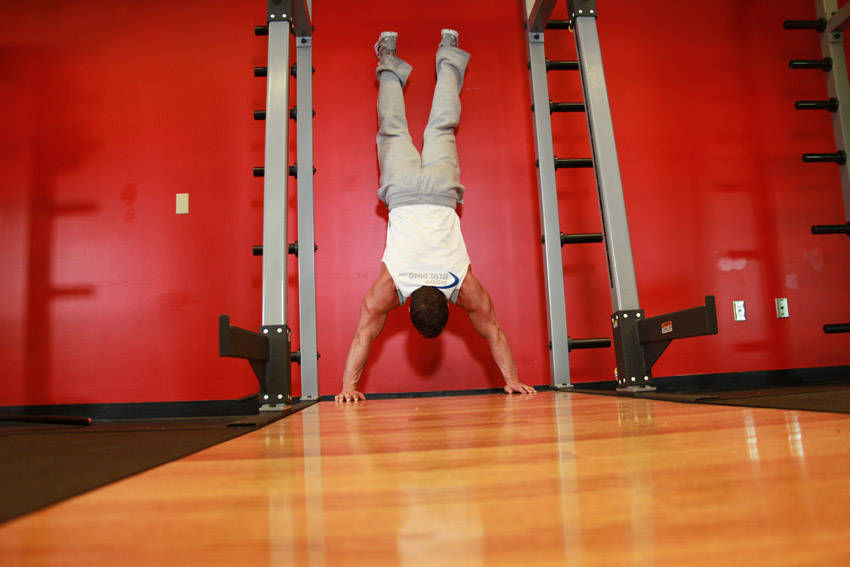
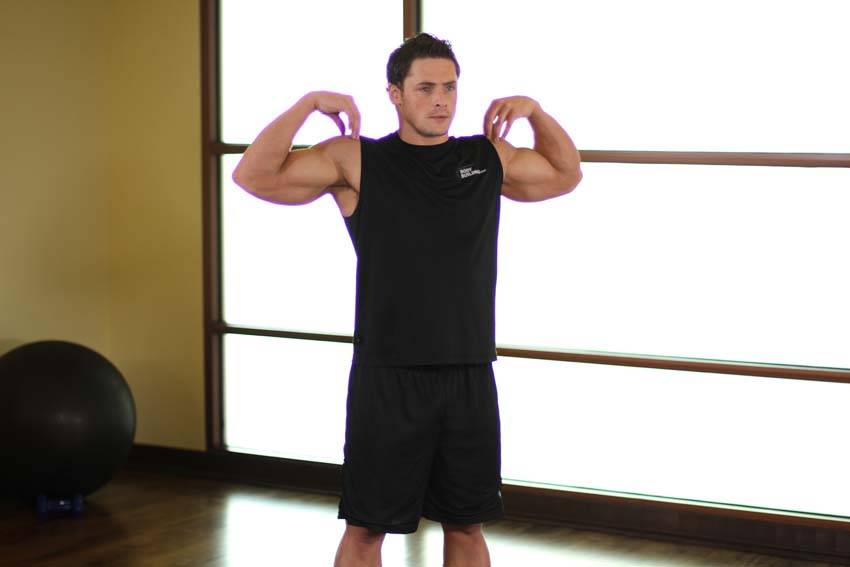
Handstand Push-ups
Head-to-Head Comparison
| Attribute | Arm Circles | Handstand Push-ups |
|---|---|---|
| Target Muscle |
Delts
|
Delts
|
| Body Part |
Shoulders
|
Shoulders
|
| Equipment |
Body-weight
|
Body-weight
|
| Difficulty |
Beginner
|
Advanced
|
| Movement Type |
Isolation
|
Compound
|
| Secondary Muscles |
1
|
1
|
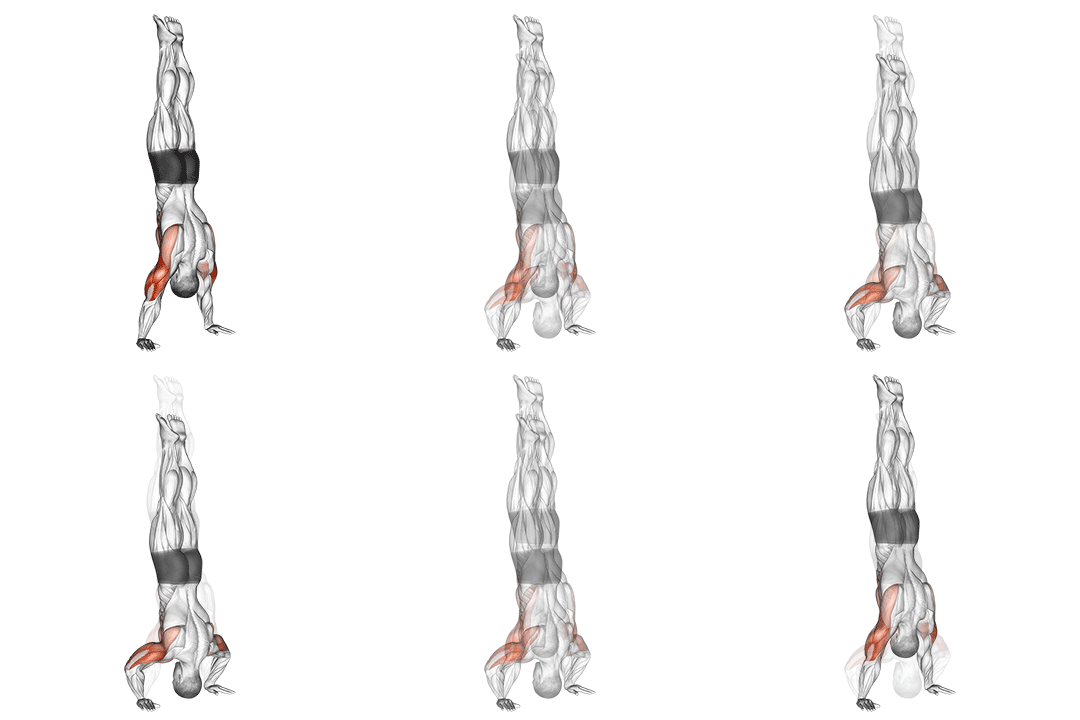
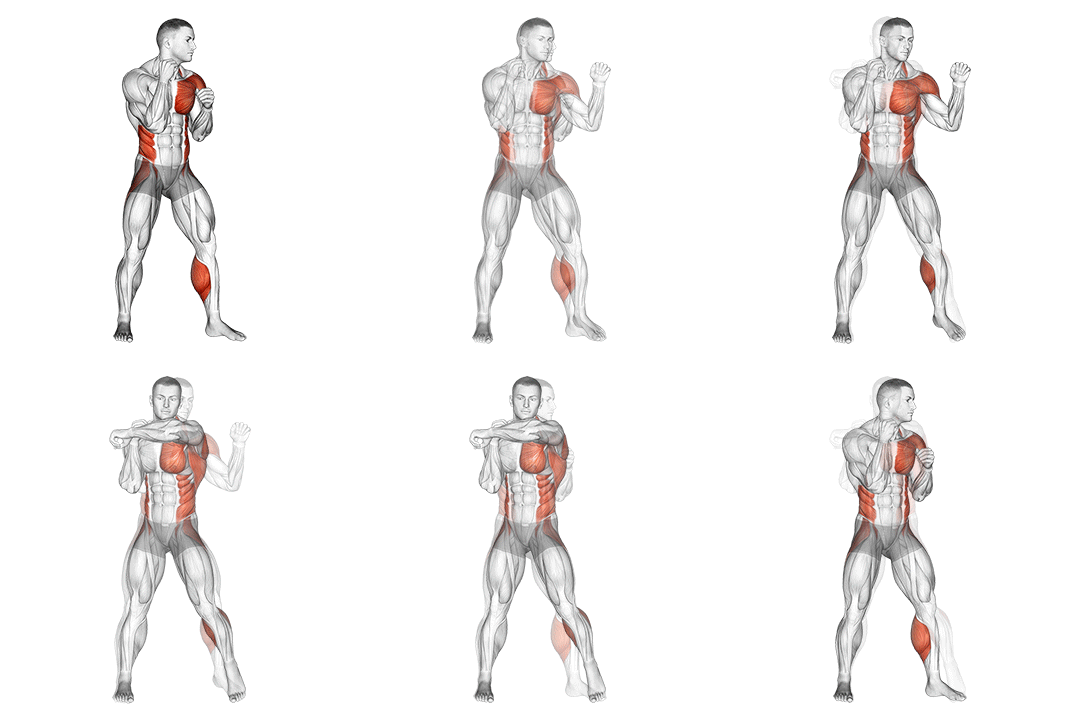
Secondary Muscles Activated
Arm Circles
Handstand Push-ups
Visual Comparison
Overview
Arm Circles vs Handstand Push-Ups is a showdown between a low-load shoulder isolation and a high-load compound press. If you want clear guidance on when to pick light mobility work versus an advanced bodyweight press, this guide has your back. You’ll learn which exercise stresses the deltoid heads more, how secondary muscles like traps and triceps contribute, what equipment and progressions each requires, and practical cues to perform them safely. Read on to find the right choice for your goals—mobility, endurance, muscle growth, or raw pressing strength.
Key Differences
- Arm Circles is an isolation exercise, while Handstand Push-ups is a compound movement.
- Difficulty levels differ: Arm Circles is beginner, while Handstand Push-ups is advanced.
- Both exercises target the Delts using Body-weight. The main differences are in their movement patterns and muscle activation angles.
Pros & Cons
Arm Circles
+ Pros
- Zero equipment and instant accessibility for all fitness levels
- Excellent warm-up for shoulder mobility and blood flow
- Low joint compression; safe for rehabilitation and daily use
- High-rep conditioning builds endurance and motor control
− Cons
- Low mechanical tension—poor for building significant shoulder strength or hypertrophy
- Limited progression options without adding external load
- May promote poor posture if done with excessive shrugging or internal rotation
Handstand Push-ups
+ Pros
- High mechanical tension across the deltoid for strength and muscle growth
- Compound movement develops triceps, scapular stabilizers, and proprioception
- Multiple progression pathways (deficits, weighted, freestanding)
- Transfers to overhead pressing strength and athletic inversions
− Cons
- High technical demand—requires balance and shoulder stability
- Greater compressive and shear forces increase injury risk if performed incorrectly
- Needs space, wall or spotter, and wrist/neck conditioning
When Each Exercise Wins
Handstand Push-Ups provide higher mechanical tension and longer muscle excursions, which are key drivers of hypertrophy. Use 3–5 sets of 6–12 reps, or add deficit/weighted variations to overload the deltoids.
The vertical force vector and bodyweight load create a strong stimulus for upper-body pressing strength. Progress via partials, tempo manipulations, and weighted progressions to increase force production.
Arm Circles teach shoulder control and endurance with minimal risk and no balance demands. Start with 30–60 second sets per direction to build motor control before advancing to loaded or inverted presses.
Arm Circles require zero equipment and limited space, making them ideal for quick home sessions. If you have ceiling height, a wall, and sufficient strength, handstand progressions are possible but not necessary.
Frequently Asked Questions
Can I do both Arm Circles and Handstand Push-Ups in the same workout?
Yes. Use Arm Circles as a dynamic warm-up (30–60 seconds per direction) to increase blood flow and improve scapular mobility, then perform Handstand Push-Ups for strength sets. That sequence reduces injury risk and primes the deltoids for heavy loading.
Which exercise is better for beginners?
Arm Circles are better for beginners because they require no inversion, minimal load, and teach shoulder control. Start with them while you build wrist strength, scapular stability, and pressing capacity before attempting handstand progressions.
How do the muscle activation patterns differ?
Arm Circles produce low-amplitude, continuous activation mainly in the medial/posterior deltoid and upper traps, keeping muscle fibers near mid-range length. Handstand Push-Ups create high-intensity concentric-eccentric cycles across all deltoid heads and recruit the triceps heavily due to greater external load and a vertical force vector.
Can Handstand Push-Ups replace Arm Circles?
Not entirely. Handstand Push-Ups can replace Arm Circles for strength and hypertrophy, but they don’t provide the same mobility, endurance, or low-load motor control benefits. Keep Arm Circles as part of warm-ups and corrective work even if you train handstand presses.
Expert Verdict
Use Arm Circles when your goal is shoulder health, warm-up mobility, endurance, or accessible conditioning. They’re low risk, require no equipment, and reinforce scapular rhythm—ideal for daily maintenance and beginners. Choose Handstand Push-Ups when your goal is real shoulder strength or hypertrophy: they load the deltoids and triceps under a vertical force vector and allow progressive overload. Build toward them only after establishing wrist strength, scapular control, and 8–12 weeks of pressing and inversion prep. For balanced programming, pair Arm Circles as warm-up/volume work with Handstand Push-Up progressions when you’re ready to train high mechanical tension.
Also Compare
More comparisons with Arm Circles
Compare More Exercises
Use our free comparison tool to analyze any two exercises head-to-head.
Compare Exercises