

Assisted Lying Calves Stretch vs Band Two Legs Calf Raise - (band Under Both Legs) V. 2: Complete Co
Assisted Lying Calves Stretch vs Band Two Legs Calf Raise - (band Under Both Legs) V. 2 puts a long, passive stretch against an active loaded plantarflexion. You’ll get clear, actionable guidance on which movement to use for mobility, muscle growth, and strength. I’ll cover primary and secondary muscle recruitment, exact technique cues (angles, hold times, reps), risk factors, equipment needs, and simple progressions you can do at home. Read on to pick the right exercise for your goals and to learn how to perform each with correct biomechanics.
Exercise Comparison
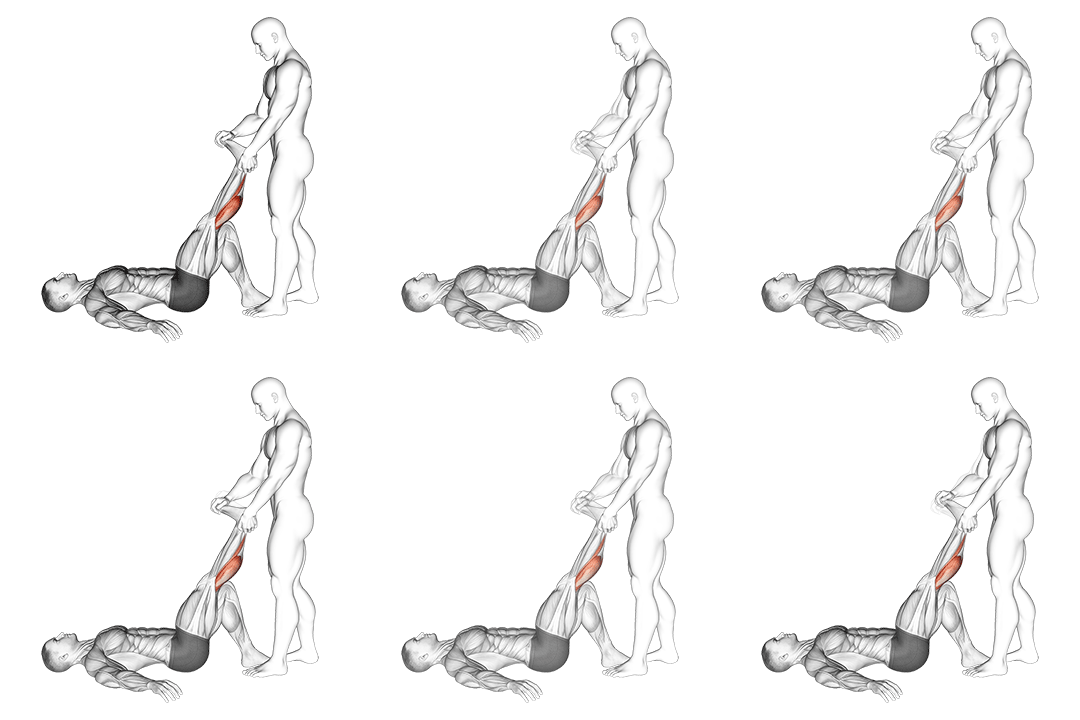
Assisted Lying Calves Stretch
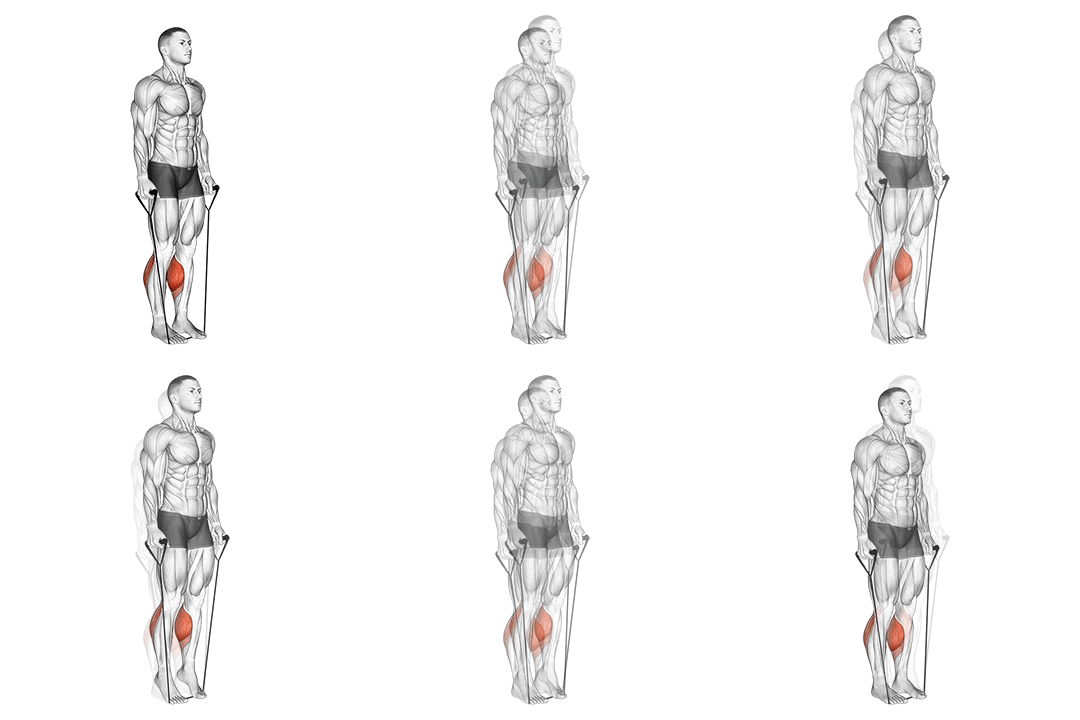
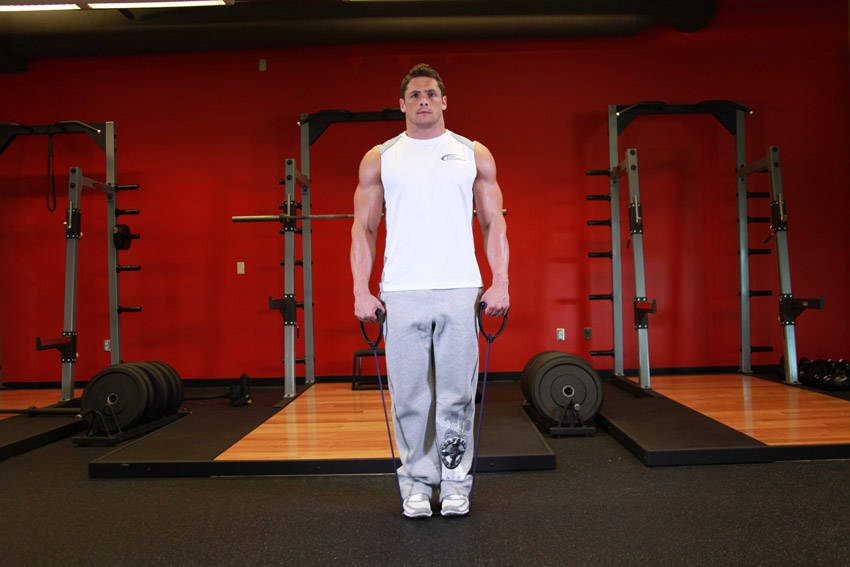
Band Two Legs Calf Raise - (band Under Both Legs) V. 2
Head-to-Head Comparison
| Attribute | Assisted Lying Calves Stretch | Band Two Legs Calf Raise - (band Under Both Legs) V. 2 |
|---|---|---|
| Target Muscle |
Calves
|
Calves
|
| Body Part |
Lower-legs
|
Lower-legs
|
| Equipment |
Band
|
Band
|
| Difficulty |
Beginner
|
Beginner
|
| Movement Type |
Isolation
|
Isolation
|
| Secondary Muscles |
1
|
2
|
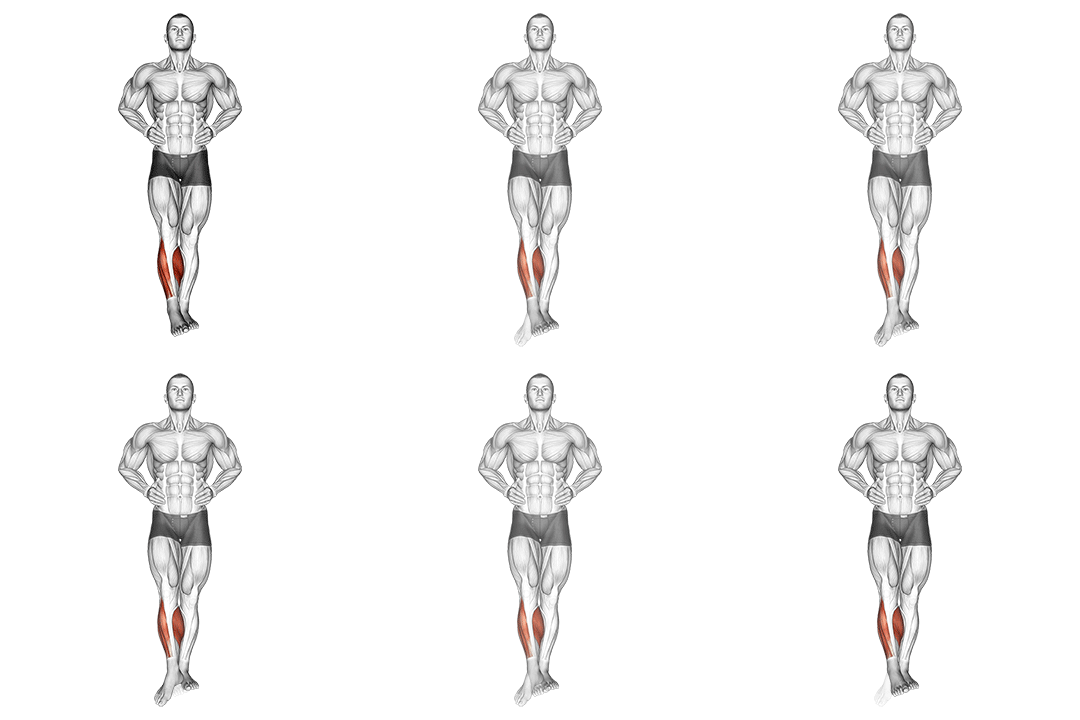
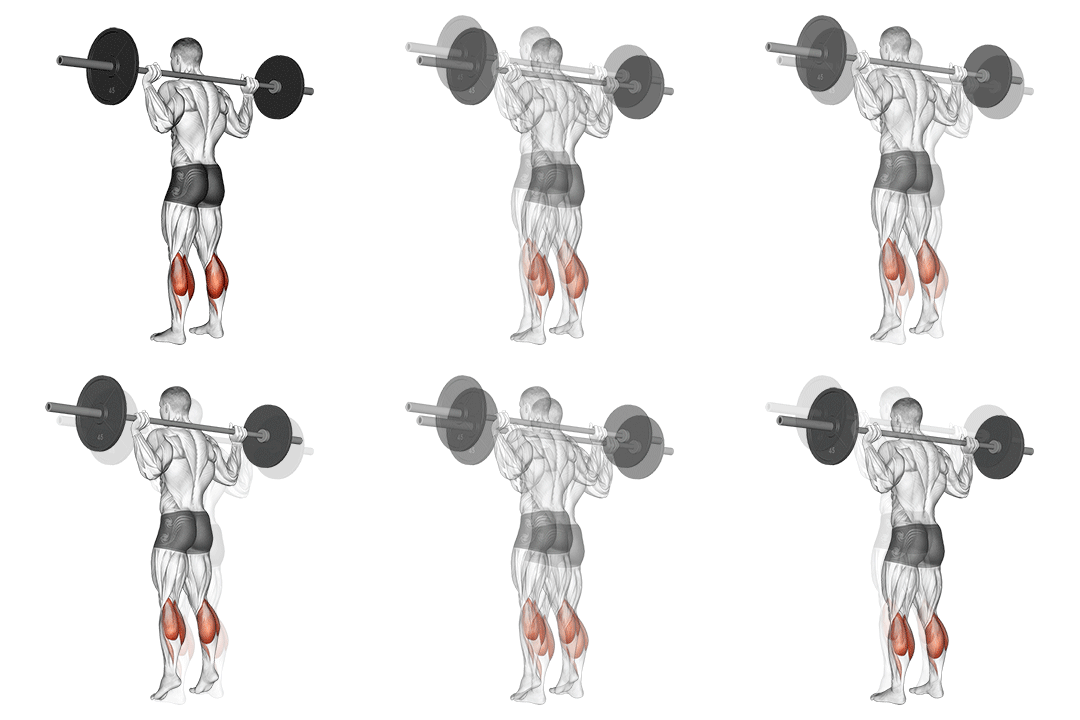
Secondary Muscles Activated
Assisted Lying Calves Stretch
Band Two Legs Calf Raise - (band Under Both Legs) V. 2
Visual Comparison
Overview
Assisted Lying Calves Stretch vs Band Two Legs Calf Raise - (band Under Both Legs) V. 2 puts a long, passive stretch against an active loaded plantarflexion. You’ll get clear, actionable guidance on which movement to use for mobility, muscle growth, and strength. I’ll cover primary and secondary muscle recruitment, exact technique cues (angles, hold times, reps), risk factors, equipment needs, and simple progressions you can do at home. Read on to pick the right exercise for your goals and to learn how to perform each with correct biomechanics.
Key Differences
- Both exercises target the Calves using Band. The main differences are in their movement patterns and muscle activation angles.
Pros & Cons
Assisted Lying Calves Stretch
+ Pros
- Direct passive lengthening of gastrocnemius and soleus to improve dorsiflexion
- Very low load — ideal when pain or inflammation limits active work
- Simple setup and safe for balance-impaired users
- Can improve muscle-tendon compliance and reduce stiffness with 30–60s holds
− Cons
- Minimal active mechanical tension — limited stimulus for muscle growth
- Less activation of ankle stabilizers and intrinsic foot muscles
- Progressions are slower and less varied for strength-focused goals
Band Two Legs Calf Raise - (band Under Both Legs) V. 2
+ Pros
- Provides concentric and eccentric loading for muscle growth and strength
- Easy to progress by increasing band tension or switching to single-leg
- Engages ankle stabilizers and foot muscles for functional strength
- Works well in limited space and can be combined into superset routines
− Cons
- Requires more balance and control — harder for those with mobility limits
- Higher load can aggravate Achilles or forefoot if done poorly
- Limited ROM unless performed on a step or with ankle dorsiflexion emphasis
When Each Exercise Wins
Loaded concentric-eccentric work produces higher mechanical tension and metabolic stress. Use 8–20 reps, 3–4 sets, controlled 1–2s concentric and 2–3s eccentric to stimulate muscle growth.
Progressive overload (heavier bands, single-leg variations) targets force production in plantarflexion. Focus on 4–8 reps with higher tension or slow eccentrics to build strength.
Supine position removes balance demands and uses low load while teaching end-range dorsiflexion and tissue tolerance. Hold 30–60s and repeat 2–3× to build flexibility before adding load.
Requires minimal equipment and space while offering scalable load for both endurance and strength. Pair with single-leg progressions or elevated steps for increased range of motion.
Frequently Asked Questions
Can I do both Assisted Lying Calves Stretch and Band Two Legs Calf Raise - (band Under Both Legs) V. 2 in the same workout?
Yes. Use the assisted lying stretch as a mobility primer or cool-down (30–60s holds), and perform the band calf raises for loading (8–20 reps, 3–4 sets). That combination improves range of motion and then applies mechanical tension for adaptation.
Which exercise is better for beginners?
Assisted Lying Calves Stretch is better for absolute beginners because it removes balance and load demands while improving dorsiflexion. Start with 2–3 sets of 30–60s holds before introducing loaded calf raises.
How do the muscle activation patterns differ?
The stretch produces low active EMG and high passive tension at long muscle lengths, promoting flexibility and tendon compliance. The band calf raise produces higher concentric and eccentric activation (greater mechanical tension), which is necessary for strength and muscle growth.
Can Band Two Legs Calf Raise - (band Under Both Legs) V. 2 replace Assisted Lying Calves Stretch?
Not entirely. If your goal is pure strength or hypertrophy, the band calf raise can replace the stretch for loading purposes. If you need end-range dorsiflexion, reduced stiffness, or rehab after injury, keep the assisted lying stretch in your routine.
Expert Verdict
Use the assisted lying calves stretch when your priority is mobility, pain reduction, or when balance or acute soreness limits active loading. It’s ideal for increasing dorsiflexion via 30–60s holds and improving muscle-tendon compliance. Choose the band two-legs calf raise when you want active mechanical tension for strength or muscle growth — perform 3–4 sets of 8–20 reps, control tempo, and progress by increasing band tension or switching to single-leg work. For a complete program, alternate: use the stretch as a warm-up or recovery tool and the band calf raise as the primary strengthening exercise.
Also Compare
More comparisons with Assisted Lying Calves Stretch
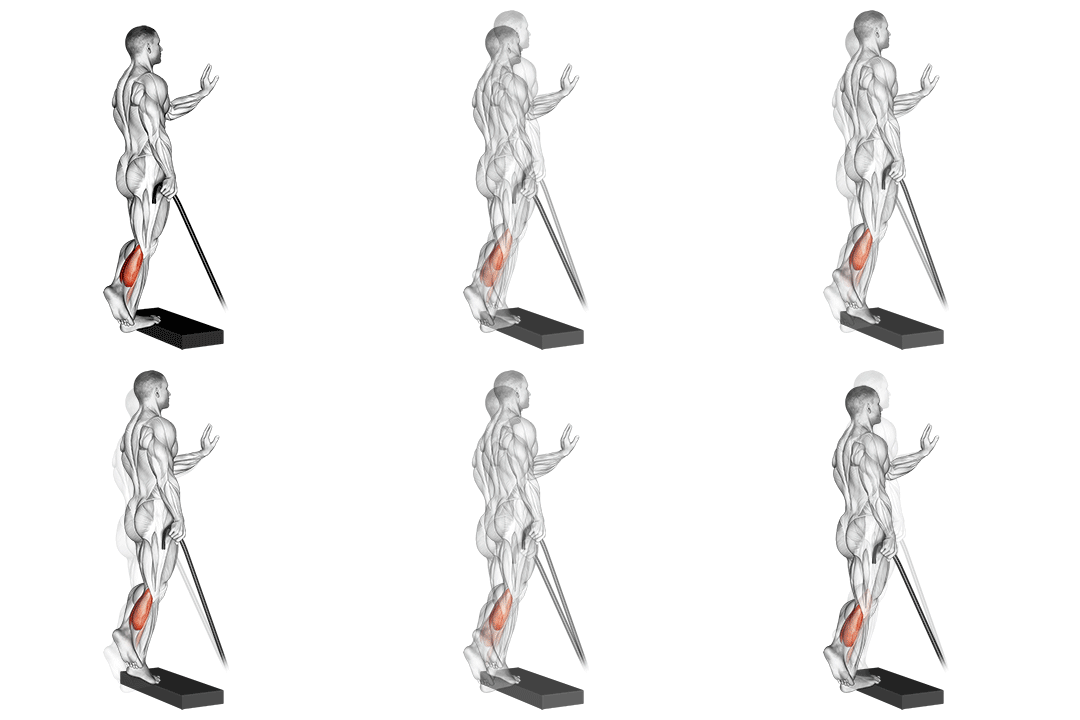
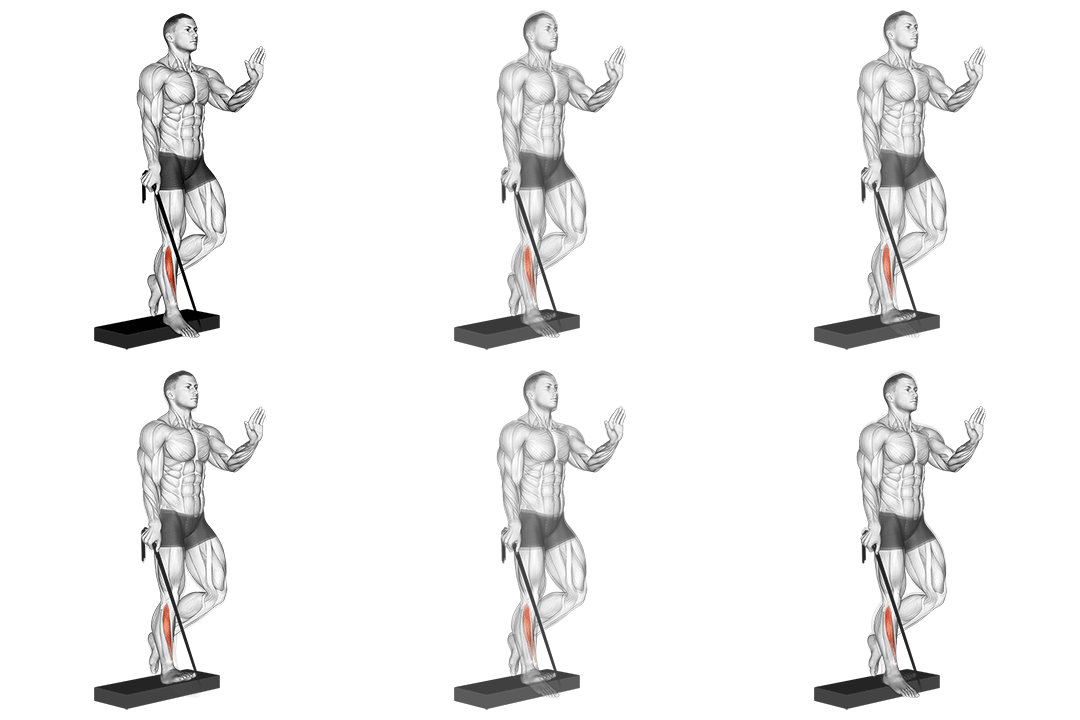
More comparisons with Band Two Legs Calf Raise - (band Under Both Legs) V. 2
Compare More Exercises
Use our free comparison tool to analyze any two exercises head-to-head.
Compare Exercises