

Barbell Deadlift vs Axle Deadlift: Complete Comparison Guide
Barbell Deadlift vs Axle Deadlift is a common debate for lifters focused on posterior chain strength and back development. You’ll get a clear, practical comparison that covers primary muscle activation, secondary recruitment, equipment needs, learning curve, programming choices, and safety cues. I’ll show how the two differ in grip demand, bar path, and force vectors, give rep-range recommendations (1–5 for max strength, 6–12 for hypertrophy), and offer when to pick each lift for your goals.
Exercise Comparison
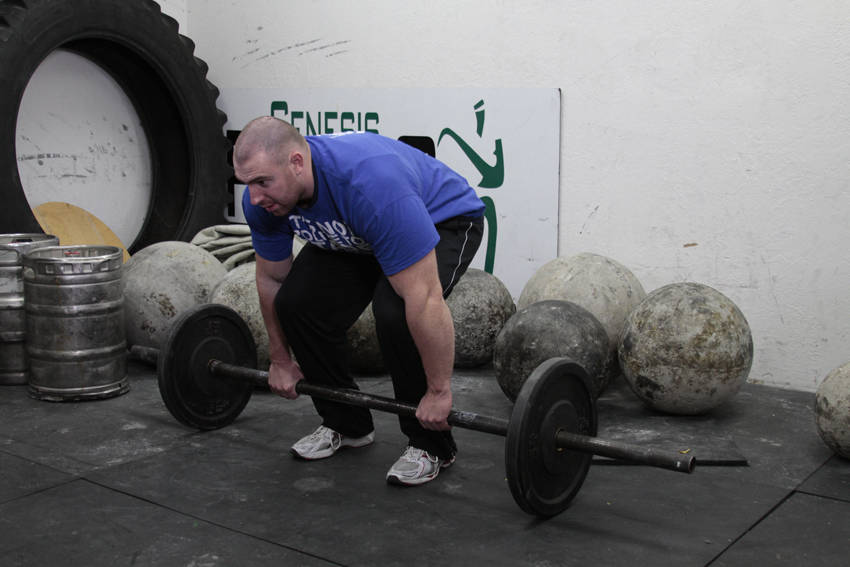
Axle Deadlift
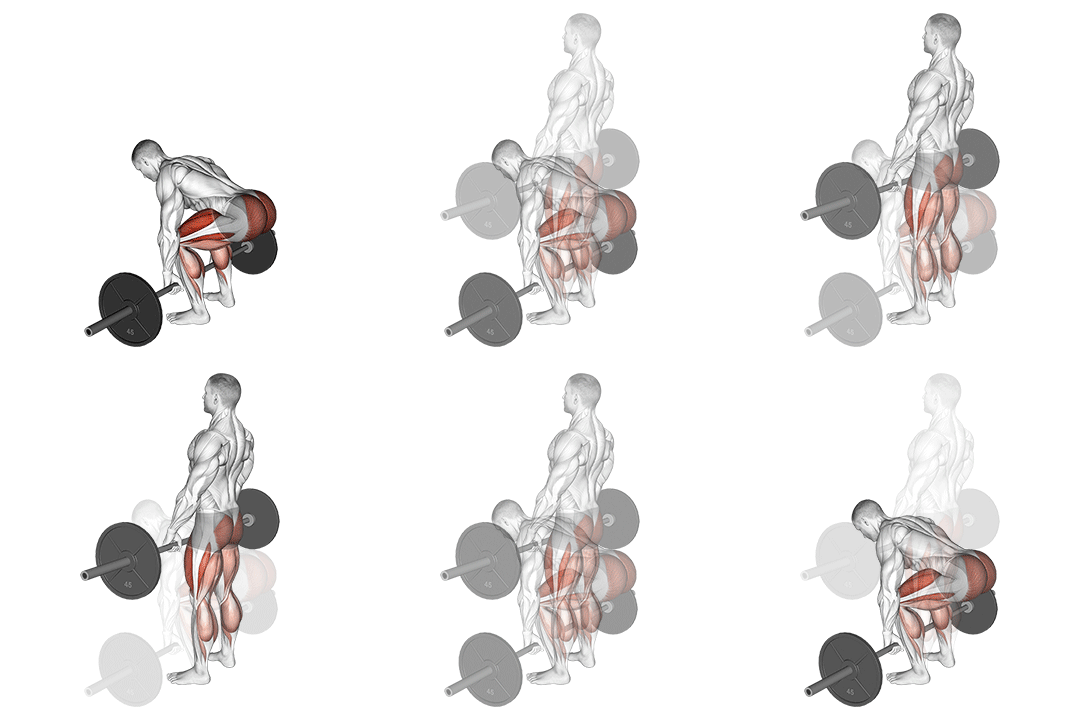
Barbell Deadlift
Head-to-Head Comparison
| Attribute | Axle Deadlift | Barbell Deadlift |
|---|---|---|
| Target Muscle |
Lower-back
|
Glutes
|
| Body Part |
Back
|
Upper-legs
|
| Equipment |
Other
|
Barbell
|
| Difficulty |
Advanced
|
Advanced
|
| Movement Type |
Compound
|
Compound
|
| Secondary Muscles |
6
|
2
|
Secondary Muscles Activated
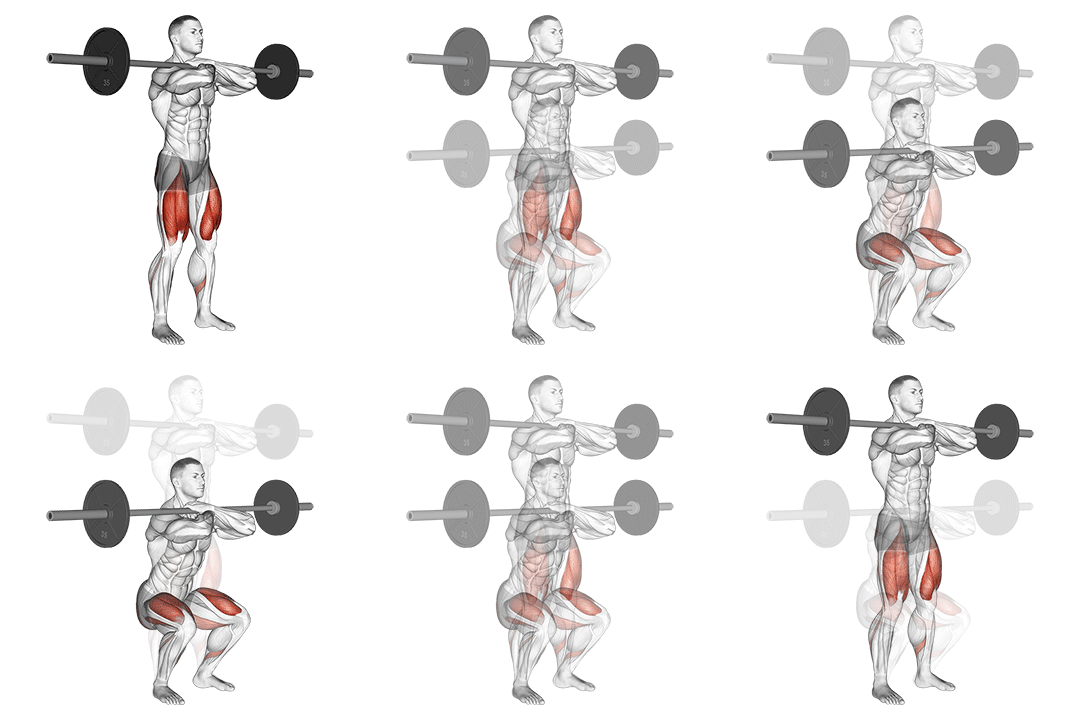
Axle Deadlift
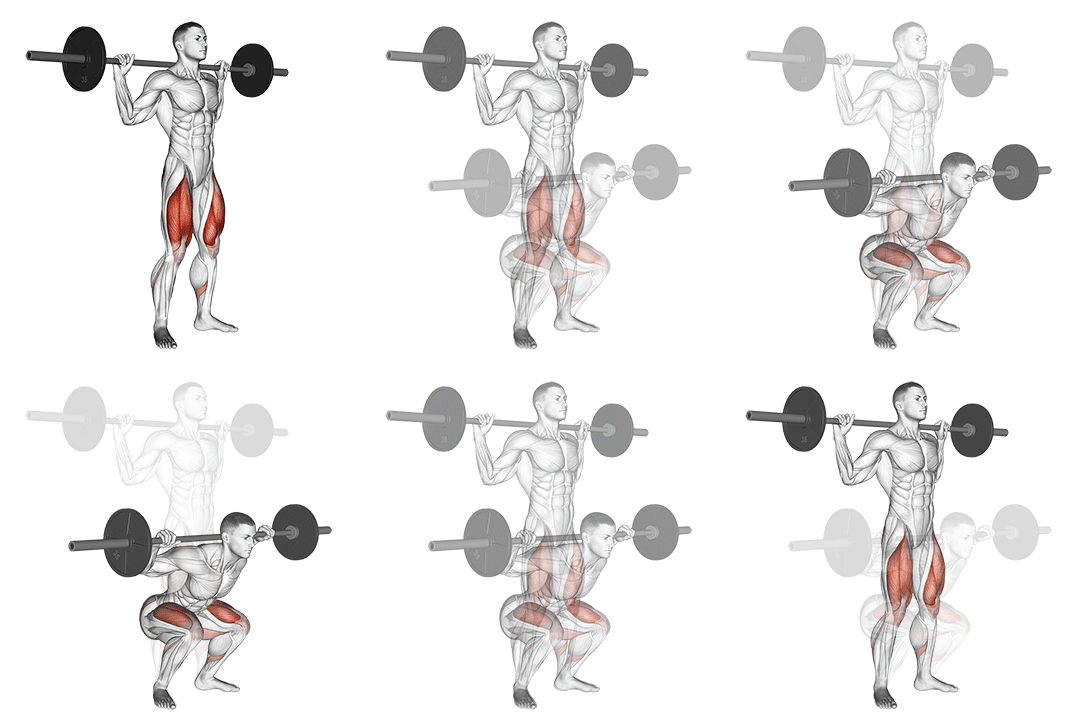
Barbell Deadlift
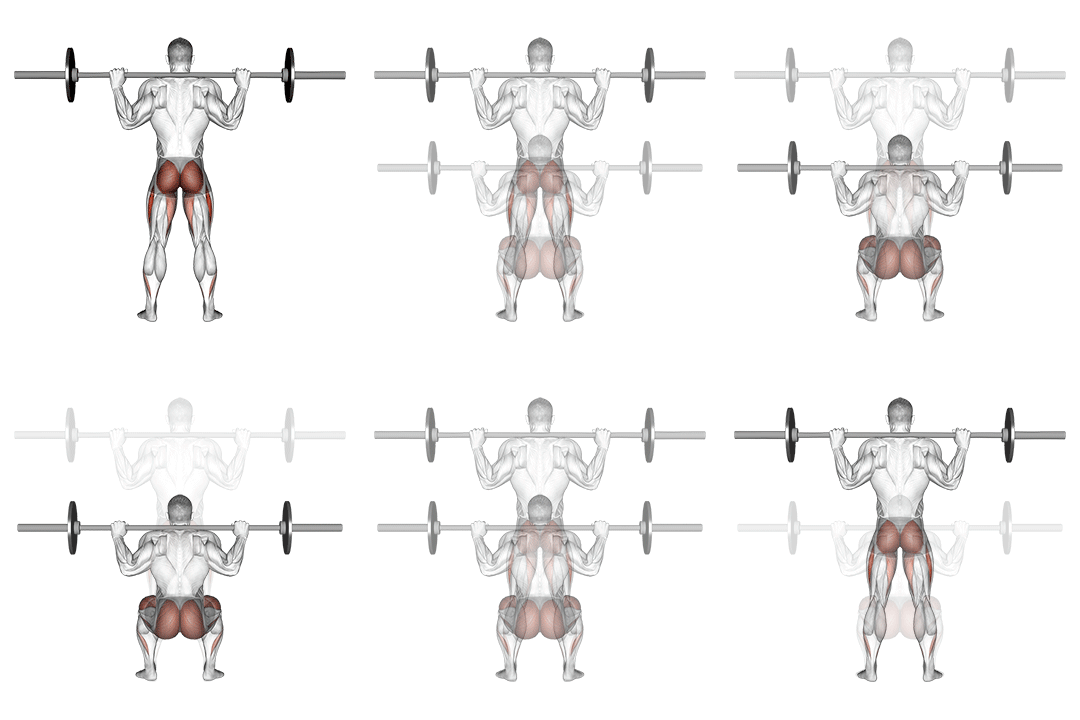
Visual Comparison
Overview
Barbell Deadlift vs Axle Deadlift is a common debate for lifters focused on posterior chain strength and back development. You’ll get a clear, practical comparison that covers primary muscle activation, secondary recruitment, equipment needs, learning curve, programming choices, and safety cues. I’ll show how the two differ in grip demand, bar path, and force vectors, give rep-range recommendations (1–5 for max strength, 6–12 for hypertrophy), and offer when to pick each lift for your goals.
Key Differences
- Axle Deadlift primarily targets the Lower-back, while Barbell Deadlift focuses on the Glutes.
- Equipment differs: Axle Deadlift uses Other, while Barbell Deadlift requires Barbell.
Pros & Cons
Axle Deadlift
+ Pros
- Highly accessible equipment in most gyms
- Cleaner vertical bar path with efficient force vectors
- Precise progression with microplates and technique variations
- Lower initial grip limitation lets you load posterior chain more
− Cons
- Can encourage lumbar rounding under maximal loads if technique fails
- Barbell grip still limits without straps at very heavy weights
- Less direct forearm/grip conditioning compared to axle
Barbell Deadlift
+ Pros
- Greater forearm and grip stimulus due to 2" diameter
- Builds brute strength and is specific to strongman-style events
- Longer time under tension per rep increases hypertrophic stimulus in stabilizers
- Useful for training grip endurance and thick-bar transfer
− Cons
- Specialty equipment that’s less available
- Thick grip often reduces maximal load by ~5–15%
- Harder to microload and progress precisely
When Each Exercise Wins
Barbell deadlifts allow you to maintain heavier absolute loads and do controlled sets in the 6–12 rep range with precise progressive overload. The cleaner hip hinge and predictable bar path let you overload the glutes, hamstrings, and erectors more consistently while using accessory variations for targeted hypertrophy.
Barbells support maximal loading, microloading, and specificity for powerlifting-style strength (1–5 reps). The slimmer bar lets you apply mixed or hook grips to handle top-end loads without being prematurely limited by grip strength.
Barbell deadlifts have simpler setup cues (neutral spine, hips back, shoulders over bar) and a gentler learning curve. The thinner bar and common availability make it easier to practice consistent technique and progress safely.
Most home gyms already have an Olympic bar and plates; axles and fat bars are less common. Barbell setups also allow smaller incremental loading, which helps steady progress when resources are limited.
Frequently Asked Questions
Can I do both Barbell Deadlift and Axle Deadlift in the same workout?
Yes. A common approach is to make the barbell deadlift your heavy main lift (work sets in the 1–5 rep range) and follow with axle deadlift sets for 3–6 reps or for timed holds to tax grip. Keep total volume and intensity managed to avoid CNS and grip overreach.
Which exercise is better for beginners?
Barbell deadlift is better for beginners because the slimmer bar and standard gym availability make it easier to learn neutral-spine hip-hinge mechanics. Start with lighter loads, focus on 3–5 sets of 5–8 reps, and progress technique before introducing axle work.
How do the muscle activation patterns differ?
Activation differences are subtle: both load erectors, glutes, and hamstrings heavily, but the axle increases forearm and grip activation and slightly prolongs time under tension for stabilizers. The barbell allows higher peak loads and a steadier vertical force vector, producing slightly higher peak posterior chain output per rep.
Can Axle Deadlift replace Barbell Deadlift?
Axle deadlifts can supplement or temporarily replace barbell deadlifts for grip-focused phases, but they don’t fully replace barbells for precise strength progression or powerlifting specificity. Use the axle for specialty cycles or to troubleshoot weak grip without removing barbell practice entirely.
Expert Verdict
Use the barbell deadlift as your primary strength and hypertrophy tool: it’s more accessible, easier to progress precisely, and lets you overload the posterior chain with predictable bar path and loading increments. Choose the axle deadlift when you want extra grip and forearm conditioning, to simulate strongman events, or to deliberately increase time under tension in stabilizers. If your goal is maximal 1RM strength or structured hypertrophy, prioritize barbell work and add axle sessions periodically as an accessory or specialty tool to stress grip and build thicker-bar resilience.
Also Compare
More comparisons with Axle Deadlift
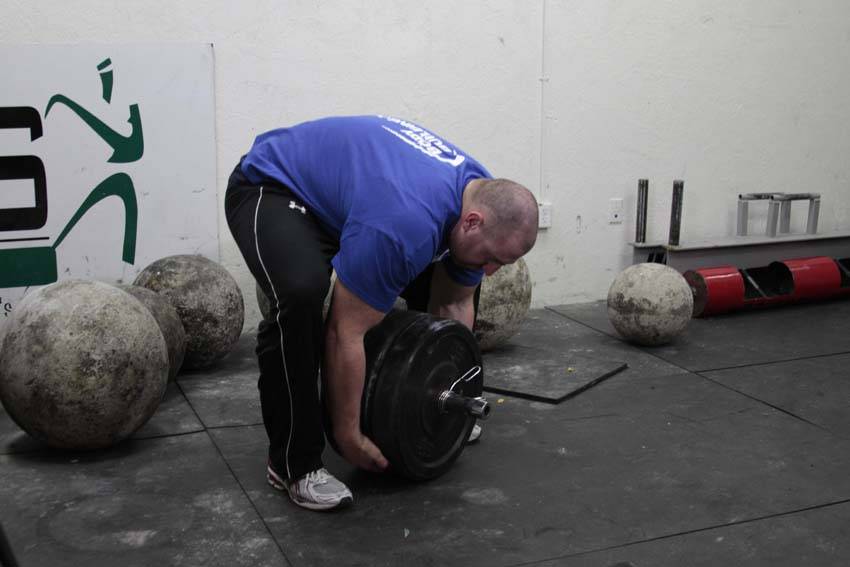
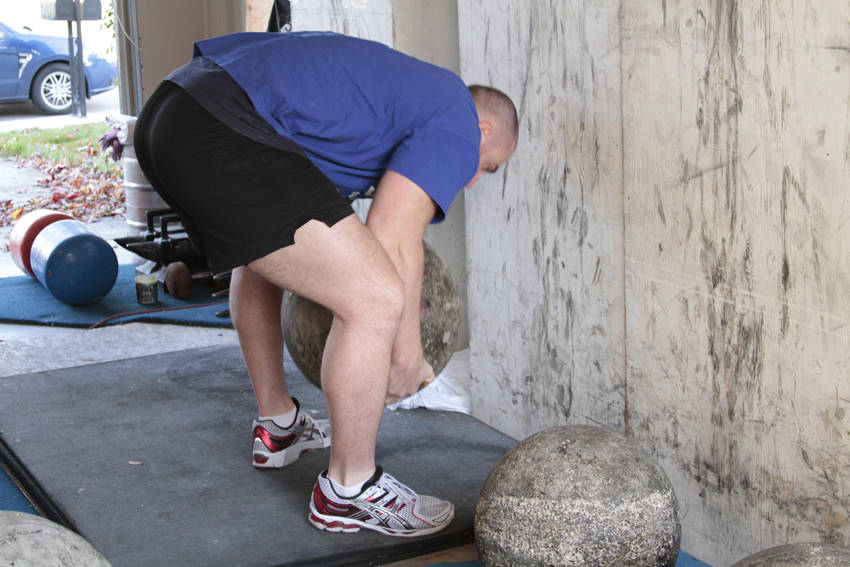

Compare More Exercises
Use our free comparison tool to analyze any two exercises head-to-head.
Compare Exercises