

Band Single Leg Reverse Calf Raise vs Calf Raises - With Bands: Complete Comparison Guide
Band Single Leg Reverse Calf Raise vs Calf Raises - With Bands — which should you pick for bigger, stronger calves? You’ll get a side-by-side look at muscle activation, technique cues, equipment needs, difficulty, and programming so you can choose the right move for your goals. I’ll show you how each exercise stresses the gastrocnemius and soleus differently, how the band’s force vector changes torque at the ankle, and practical rep/tempo ranges and progressions you can start using today.
Exercise Comparison
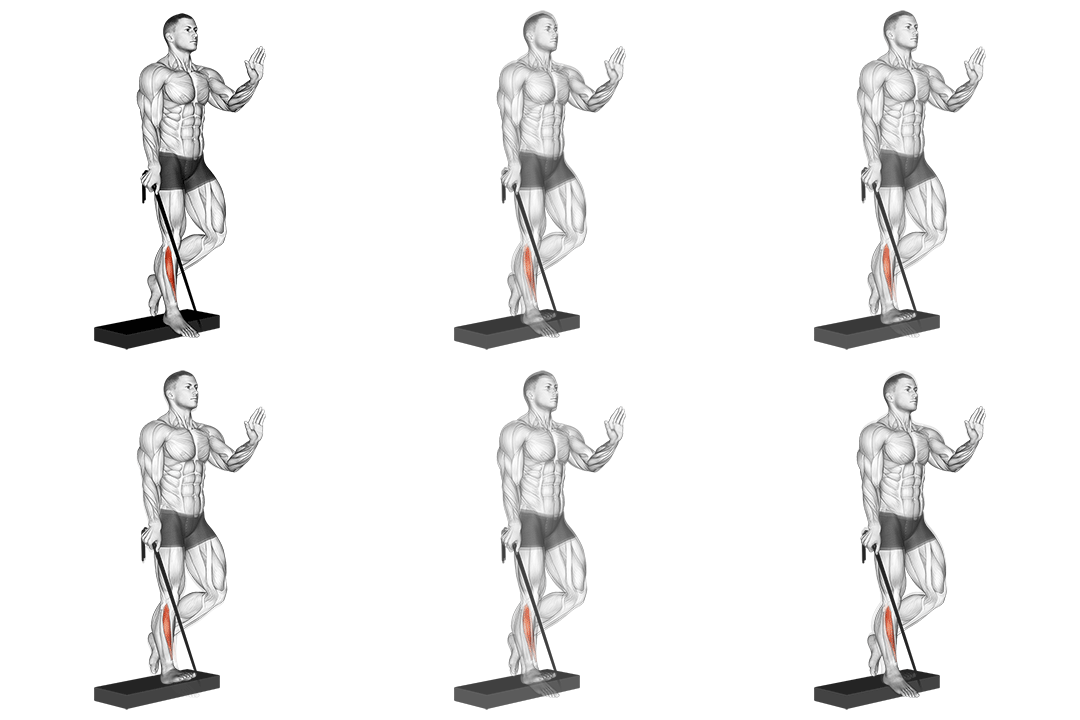
Band Single Leg Reverse Calf Raise
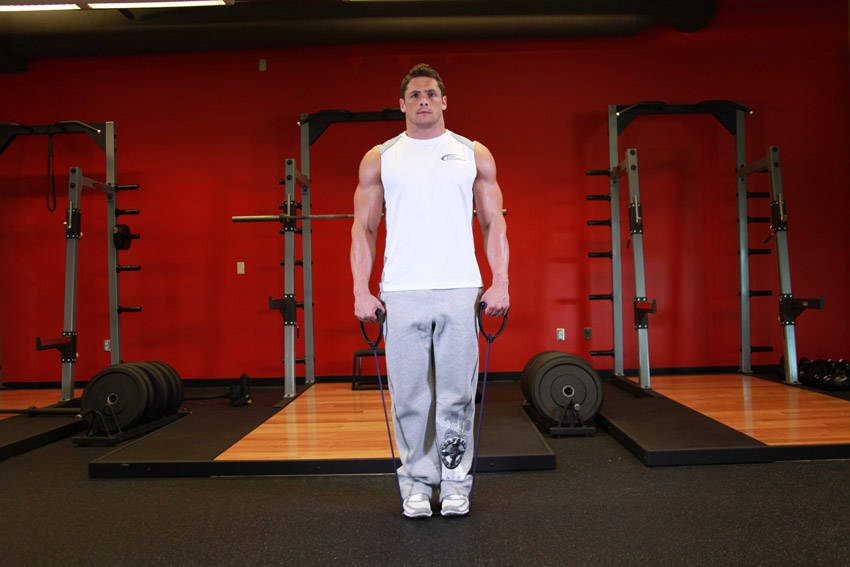
Calf Raises - With Bands
Head-to-Head Comparison
| Attribute | Band Single Leg Reverse Calf Raise | Calf Raises - With Bands |
|---|---|---|
| Target Muscle |
Calves
|
Calves
|
| Body Part |
Lower-legs
|
Lower-legs
|
| Equipment |
Band
|
Band
|
| Difficulty |
Beginner
|
Beginner
|
| Movement Type |
Isolation
|
Isolation
|
| Secondary Muscles |
2
|
0
|
Secondary Muscles Activated
Band Single Leg Reverse Calf Raise
Calf Raises - With Bands
Visual Comparison
Overview
Band Single Leg Reverse Calf Raise vs Calf Raises - With Bands — which should you pick for bigger, stronger calves? You’ll get a side-by-side look at muscle activation, technique cues, equipment needs, difficulty, and programming so you can choose the right move for your goals. I’ll show you how each exercise stresses the gastrocnemius and soleus differently, how the band’s force vector changes torque at the ankle, and practical rep/tempo ranges and progressions you can start using today.
Key Differences
- Both exercises target the Calves using Band. The main differences are in their movement patterns and muscle activation angles.
Pros & Cons
Band Single Leg Reverse Calf Raise
+ Pros
- Higher peak activation per calf due to unilateral loading
- Improves single-leg strength and balance, transferring to sprint and jump power
- Easier to overload one weak side and fix asymmetries
- Greater ability to manipulate intensity via tempo (slow eccentrics, pauses)
− Cons
- Requires more balance and stability; steeper learning curve
- Slightly higher ankle and Achilles stress if technique is poor
- Harder to accumulate total volume quickly compared to bilateral work
Calf Raises - With Bands
+ Pros
- Very accessible setup for home or gym with minimal equipment
- Easier to accumulate high training volume for hypertrophy (12–20+ reps)
- Lower balance demand makes it beginner-friendly
- Quickly scaled by swapping to thicker bands or adding reps/sets
− Cons
- Lower peak per-side activation compared to single-leg work
- Can hide left-right imbalances if you don’t test unilateral strength
- Less carryover to unilateral movements that demand stability
When Each Exercise Wins
For pure hypertrophy you can accumulate volume more easily with bilateral band raises (12–20 reps, multiple sets). The reduced balance demand lets you fatigue the calves with higher total time under tension and consistent reps.
Single-leg raises produce higher peak force per muscle and are better for building unilateral strength. Use heavier band tension, 6–10 rep ranges, slow eccentrics (3–4s), and paused top contractions to drive strength improvements.
Bilateral band raises are simpler to learn and safer for new trainees because they require less balance and coordination. Start with both feet, focus on full ROM and 2s up/3s down tempo before progressing.
Band-based bilateral raises need minimal setup and can be done anywhere with a loop or tube band. They’re faster to program and scale at home without rails or an exercise partner.
Frequently Asked Questions
Can I do both Band Single Leg Reverse Calf Raise and Calf Raises - With Bands in the same workout?
Yes. Start with the single-leg reverse raises for heavy, high-intensity work (6–10 reps) to target unilateral strength, then follow with bilateral band raises for volume (12–20 reps) to accumulate time under tension and metabolic stress.
Which exercise is better for beginners?
Calf Raises - With Bands are better for beginners because they require less balance and let you focus on full ankle ROM and tempo. Use a slow eccentric (3s) and aim for 12–15 reps to build a foundation before adding single-leg work.
How do the muscle activation patterns differ?
Single-leg raises create higher peak activation in the loaded calf due to greater per-limb torque and stability demands, while bilateral raises distribute force across both calves and allow more total volume. Band line-of-pull also alters torque: a forward-angled band increases mid-range plantarflexion moment versus a vertical pull emphasizing end-range contraction.
Can Calf Raises - With Bands replace Band Single Leg Reverse Calf Raise?
They can substitute for general calf conditioning and hypertrophy, but they won’t match the unilateral overload and balance work of single-leg raises. If your goal is to fix asymmetry or build single-leg strength, keep the single-leg variant in your program.
Expert Verdict
Choose Calf Raises - With Bands when you want simple, high-volume calf work that’s easy to set up at home and ideal for beginners or hypertrophy-focused phases (12–20 reps, 2–3 sets). Pick Band Single Leg Reverse Calf Raise when you need unilateral overload, want to correct side-to-side imbalances, or are targeting higher peak force and sport-specific transfer (6–10 reps, heavier band, slow eccentrics). Program both: use bilateral band raises for volume blocks and slot single-leg reverse raises into strength or correction phases to improve balance and per-limb capacity.
Also Compare
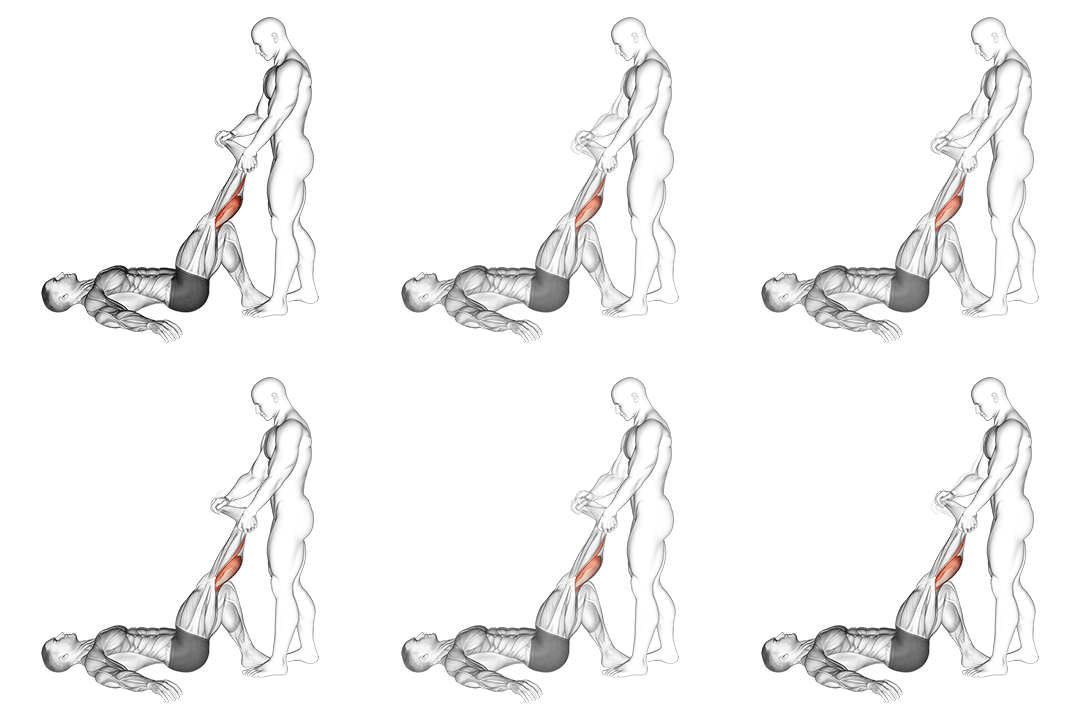
More comparisons with Band Single Leg Reverse Calf Raise
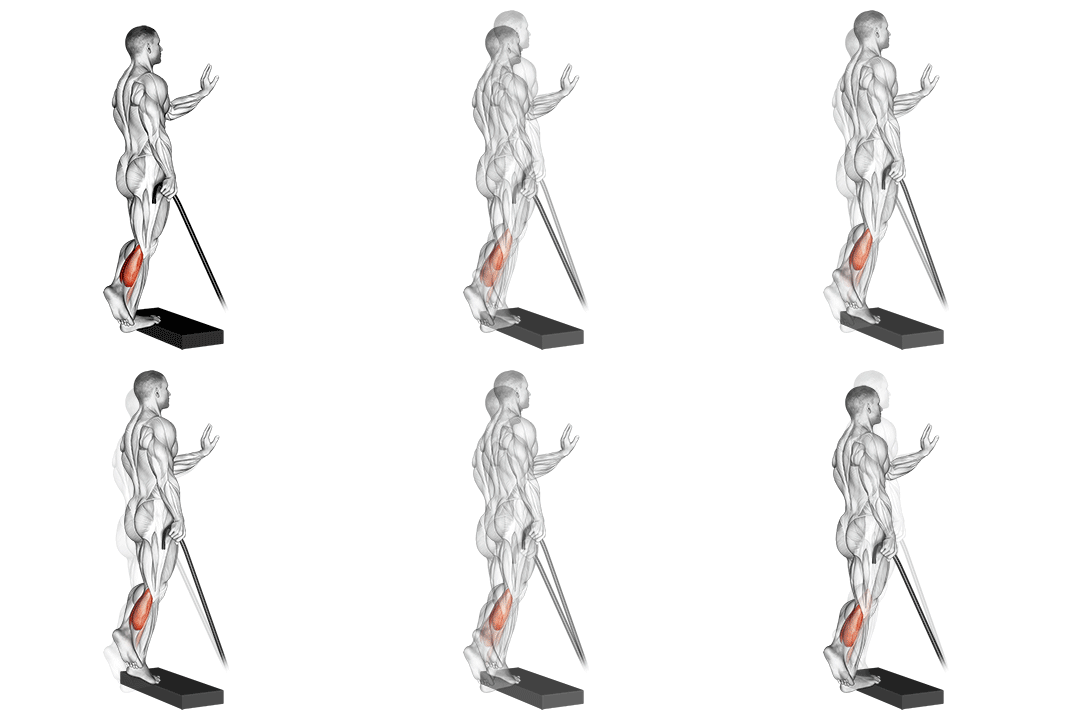
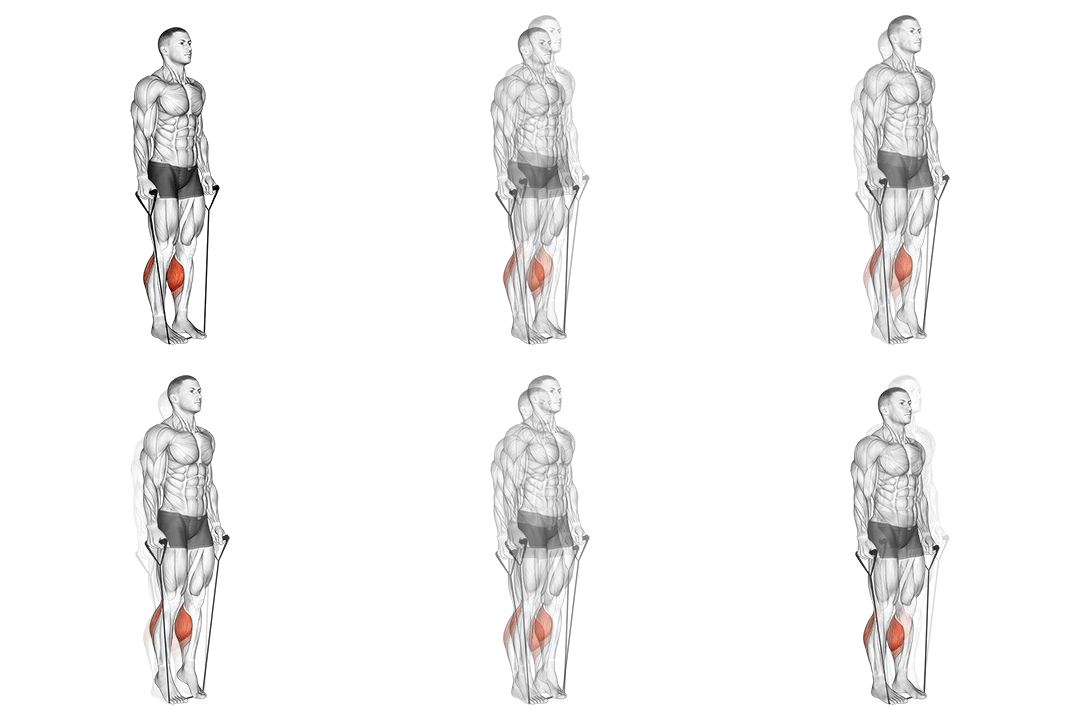
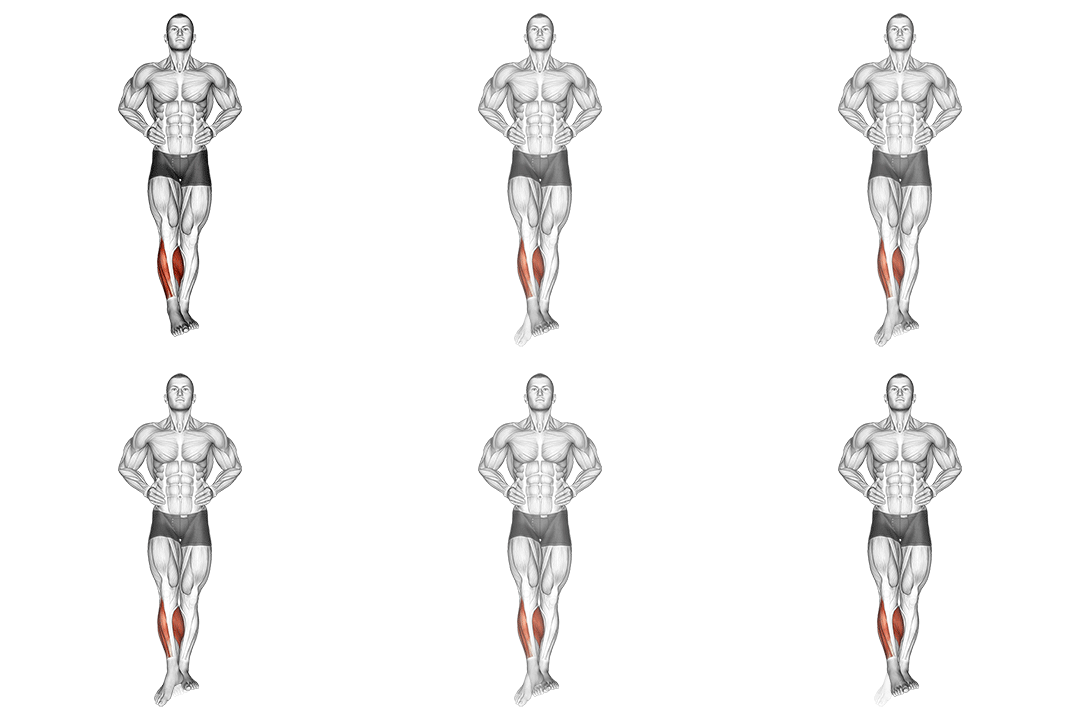
More comparisons with Calf Raises - With Bands
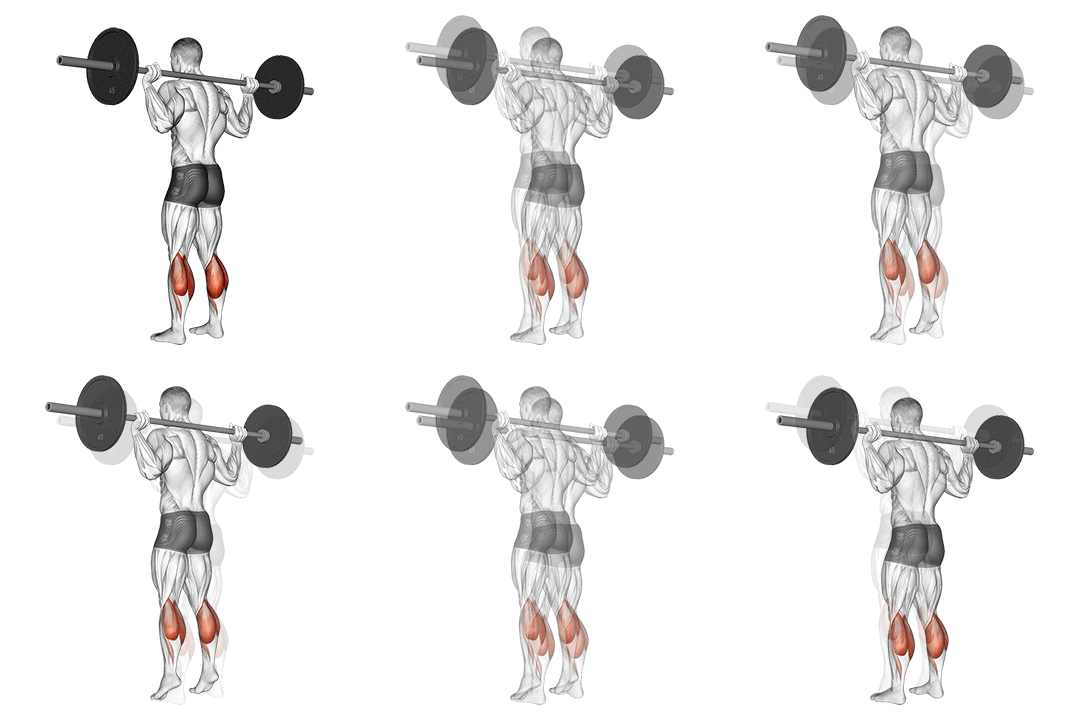
Compare More Exercises
Use our free comparison tool to analyze any two exercises head-to-head.
Compare Exercises