

Barbell Clean And Press vs Barbell Squat: Complete Comparison Guide
Barbell Clean And Press vs Barbell Squat — two cornerstone barbell moves that load your quads and build serious lower‑body capacity. You’ll get a clear, practical comparison that covers muscle activation, movement mechanics, equipment needs, learning curve, and when to pick each lift for hypertrophy, strength, or comfort training at home. I’ll show specific technique cues you can use, the biomechanics behind force production and length‑tension relationships, and rep‑range recommendations so you can choose the right exercise for your goals and training history.
Exercise Comparison
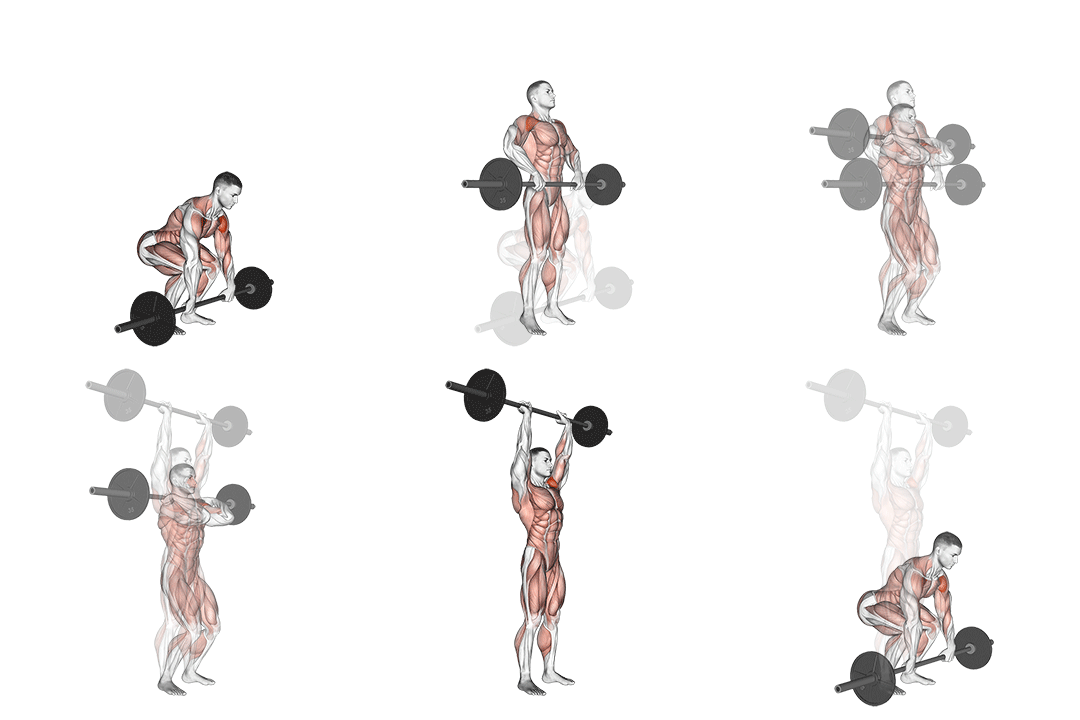
Barbell Clean And Press
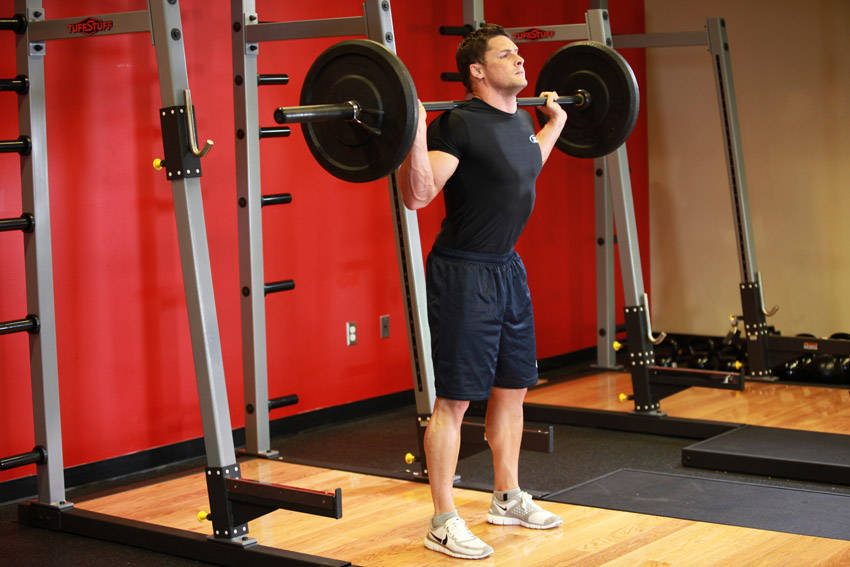
Barbell Squat
Head-to-Head Comparison
| Attribute | Barbell Clean And Press | Barbell Squat |
|---|---|---|
| Target Muscle |
Quads
|
Quads
|
| Body Part |
Upper-legs
|
Upper-legs
|
| Equipment |
Barbell
|
Barbell
|
| Difficulty |
Advanced
|
Intermediate
|
| Movement Type |
Compound
|
Compound
|
| Secondary Muscles |
4
|
4
|
Secondary Muscles Activated
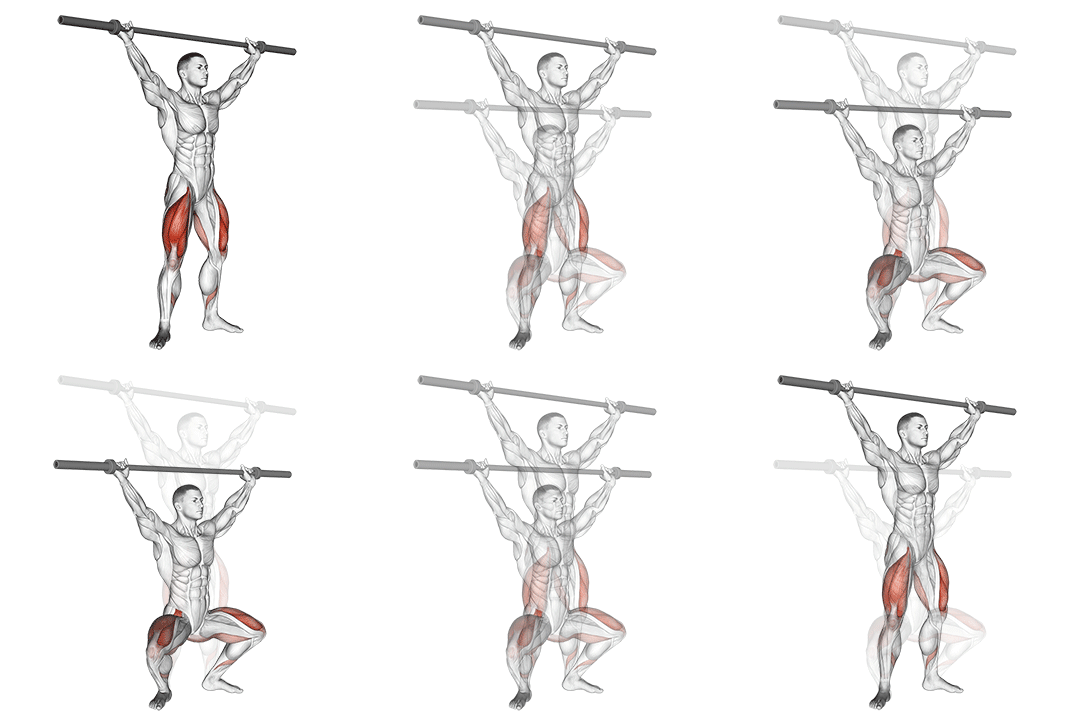
Barbell Clean And Press
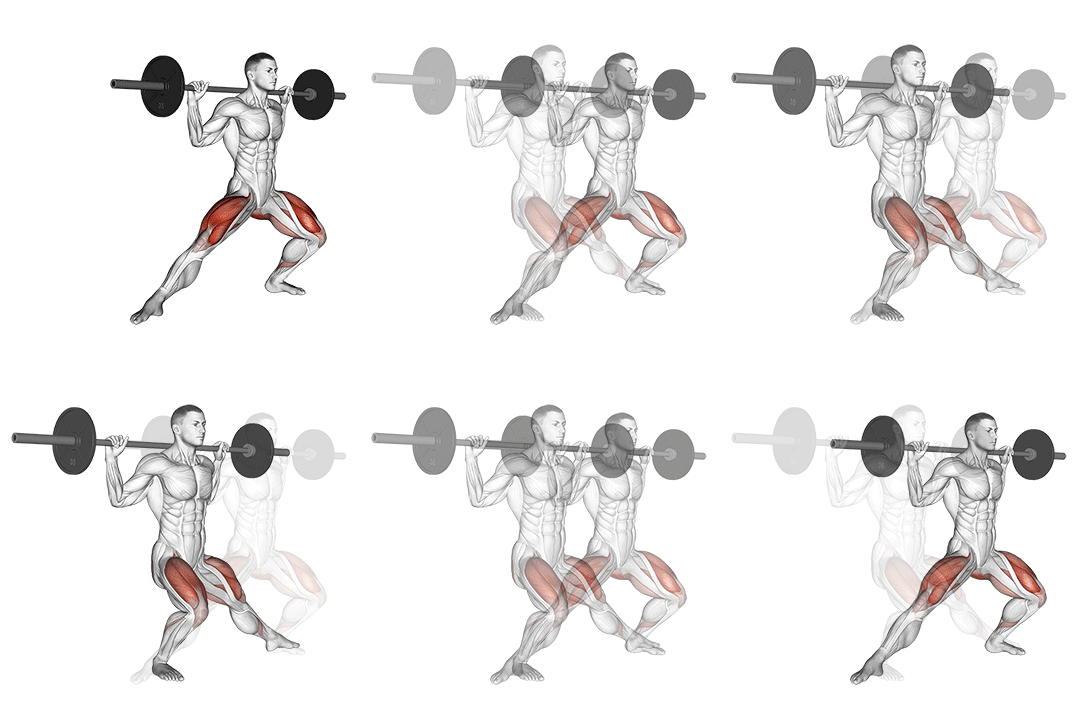
Barbell Squat
Visual Comparison
Overview
Barbell Clean And Press vs Barbell Squat — two cornerstone barbell moves that load your quads and build serious lower‑body capacity. You’ll get a clear, practical comparison that covers muscle activation, movement mechanics, equipment needs, learning curve, and when to pick each lift for hypertrophy, strength, or comfort training at home. I’ll show specific technique cues you can use, the biomechanics behind force production and length‑tension relationships, and rep‑range recommendations so you can choose the right exercise for your goals and training history.
Key Differences
- Difficulty levels differ: Barbell Clean And Press is advanced, while Barbell Squat is intermediate.
- Both exercises target the Quads using Barbell. The main differences are in their movement patterns and muscle activation angles.
Pros & Cons
Barbell Clean And Press
+ Pros
- Develops power and rate of force development through triple extension
- Full‑body coordination and conditioning — posterior chain + shoulders
- Transfers to athletic movements (jumping, sprinting) and explosive sports
- Improves overhead strength and shoulder stability in the press phase
− Cons
- High technical demand; requires coaching to avoid injury
- Needs more mobility (ankles, hips, thoracic spine, shoulders) and space
- Less sustained quadriceps time‑under‑tension for hypertrophy
Barbell Squat
+ Pros
- Maximizes mechanical tension on quads and glutes for hypertrophy
- Easier to progressively overload with heavy absolute loads
- Several safe variations (front, box, pause) to target weaknesses
- Trains spinal stability and core bracing under load
− Cons
- Higher compressive spinal load as weights increase
- Requires a rack for safe heavy training and 1RM work
- Mobility limitations (ankle and hip) can limit depth and effectiveness
When Each Exercise Wins
The back squat produces longer eccentric phases and sustained mechanical tension across 70–90° knee flexion, which optimizes sarcomere length‑tension overlap for quad and glute hypertrophy. You can safely accumulate volume in the 6–12 rep range to stimulate muscle growth.
The squat allows the greatest absolute loading and structured progressive overload (3–5 sets of 3–5 reps at 85–95% 1RM). Its vertical force vector and stable bar position transfer directly to raw lower‑body strength improvements.
Squats are simpler to learn with basic coaching and scale safely with a rack or box. You can build foundational strength, motor control, and mobility before adding more technical, explosive lifts like the clean and press.
If you have a squat rack or safety pins, the barbell squat gives the best return on time spent and is easy to program. Without a rack, bodyweight and goblet squat alternatives still mimic the squat stimulus better than attempting heavy cleans without coaching or bumper plates.
Frequently Asked Questions
Can I do both Barbell Clean And Press and Barbell Squat in the same workout?
Yes — but program them thoughtfully. Pair them by priority: do the more technical, high‑velocity clean and press early in the session for power (2–5 sets of 1–5 reps), then follow with squats for strength or hypertrophy (3–5 sets of 3–8 or 6–12 reps). Manage total volume to avoid central fatigue.
Which exercise is better for beginners?
Barbell Squat is better for most beginners because it’s easier to teach basic movement patterns and load safely. Learn bracing, hip hinge vs knee bend, and proper depth first; add cleans only after mastering mobility and explosive hip extension with lighter loads.
How do the muscle activation patterns differ?
The clean produces a short, high‑velocity burst of quad and posterior chain activation during the pull and triple extension, followed by shoulder and triceps activation in the press. The squat creates longer eccentric and concentric phases with sustained quad and glute activation, maximizing integrated muscle work over the set.
Can Barbell Squat replace Barbell Clean And Press?
If your priority is hypertrophy or maximal strength, the squat can replace the clean and press in most programs. If you need power development, rate of force production, or overhead pressing practice, keep the clean and press in your routine rather than substituting it with only squats.
Expert Verdict
Use the barbell squat when your goal is quads and lower‑body hypertrophy or raw strength: it creates sustained mechanical tension, is easy to load progressively, and offers versatile variations to target sticking points. Choose the barbell clean and press when you want to develop explosive power, rate of force development, and upper‑body pressing under dynamic conditions; it's best for athletic development and conditioning. If you’re newer or training heavy, prioritize the squat first to build a strength base, then add cleans for power work and skill once mobility and technique are solid.
Also Compare
More comparisons with Barbell Clean And Press
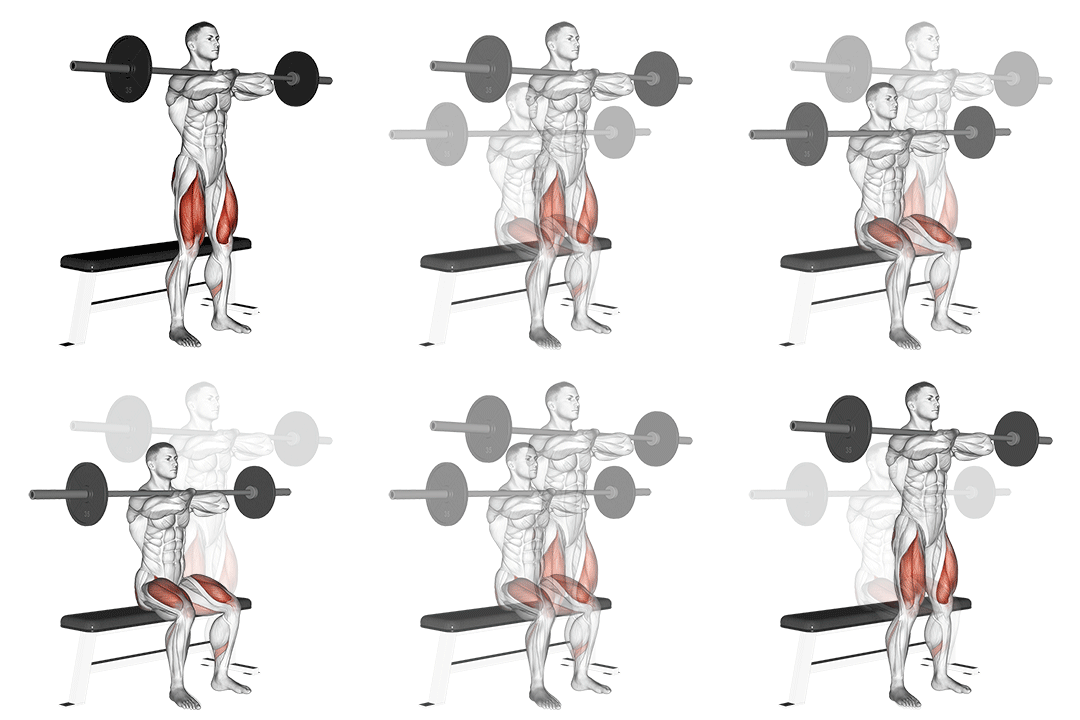
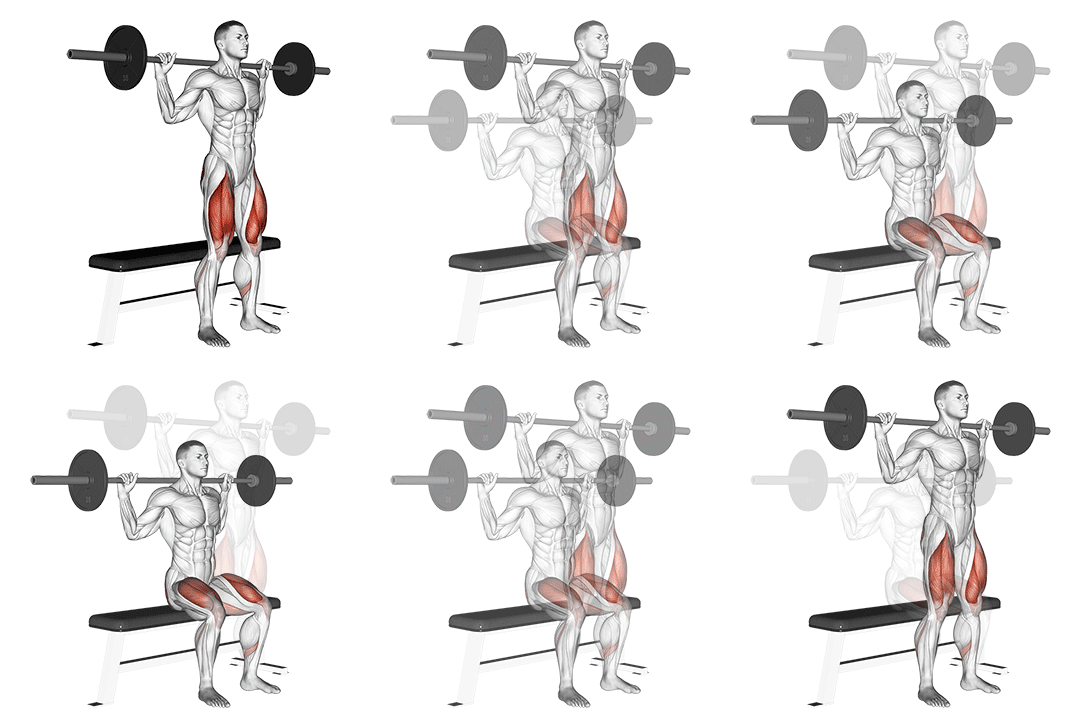
Compare More Exercises
Use our free comparison tool to analyze any two exercises head-to-head.
Compare Exercises