

Barbell Clean-grip Front Squat vs Barbell Full Squat (side Pov): Complete Comparison Guide
Barbell Clean-grip Front Squat vs Barbell Full Squat (side Pov) — you want the strongest, safest way to build your upper-legs and glutes. This side-by-side breakdown shows technique cues, biomechanics, muscle activation, equipment needs, and which lift fits your goal: hypertrophy, strength, skill, or convenience. Read on and you’ll get concrete rep ranges, joint-angle explanations, and clear recommendations so you can pick the right squat and program it into your training.
Exercise Comparison
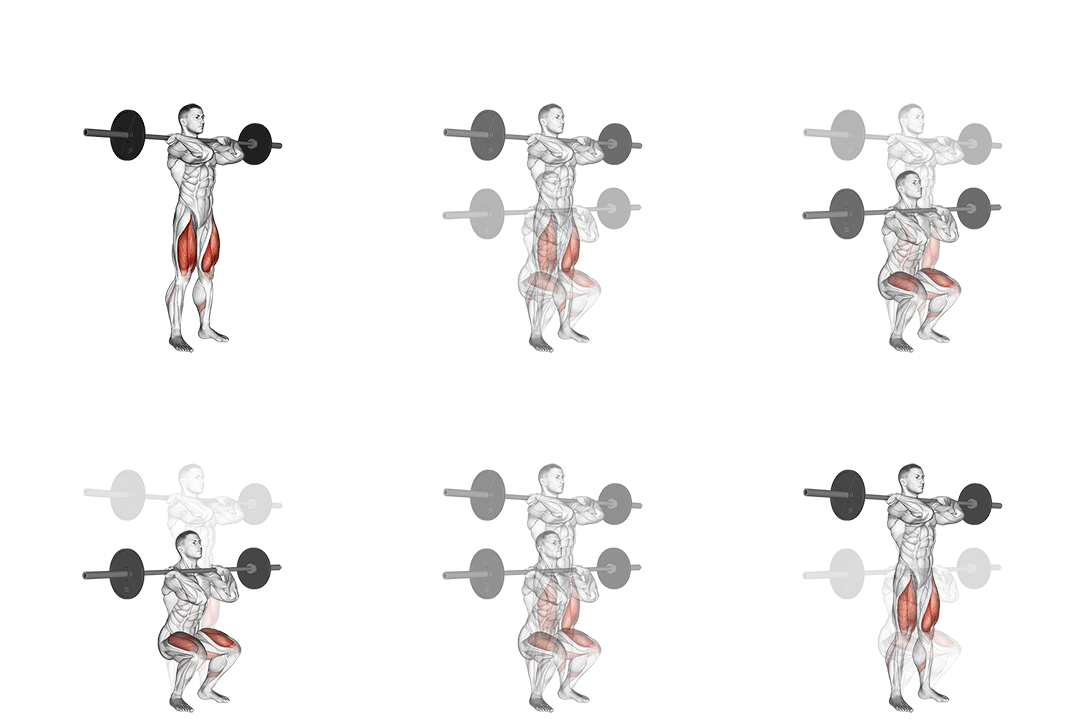
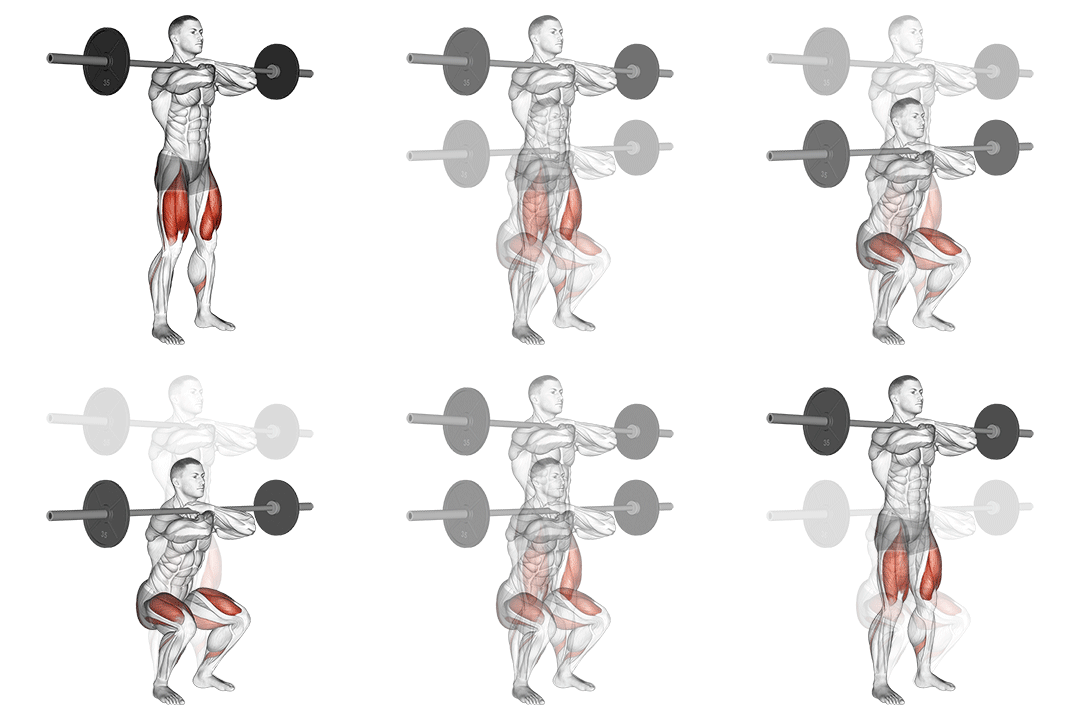
Barbell Clean-grip Front Squat
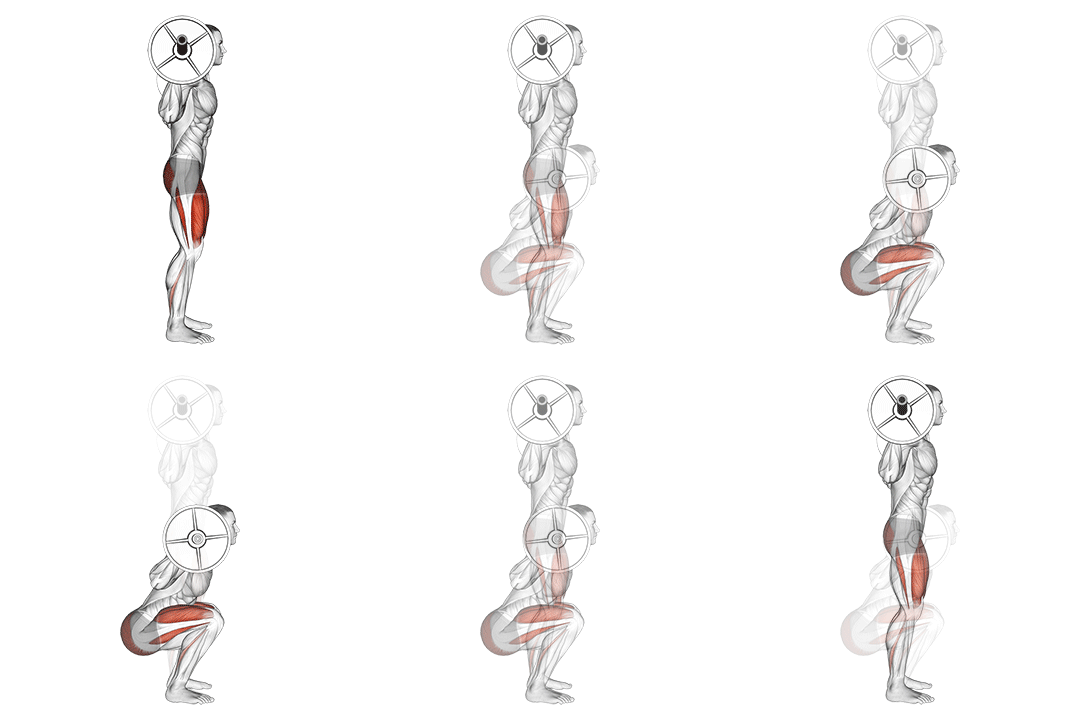
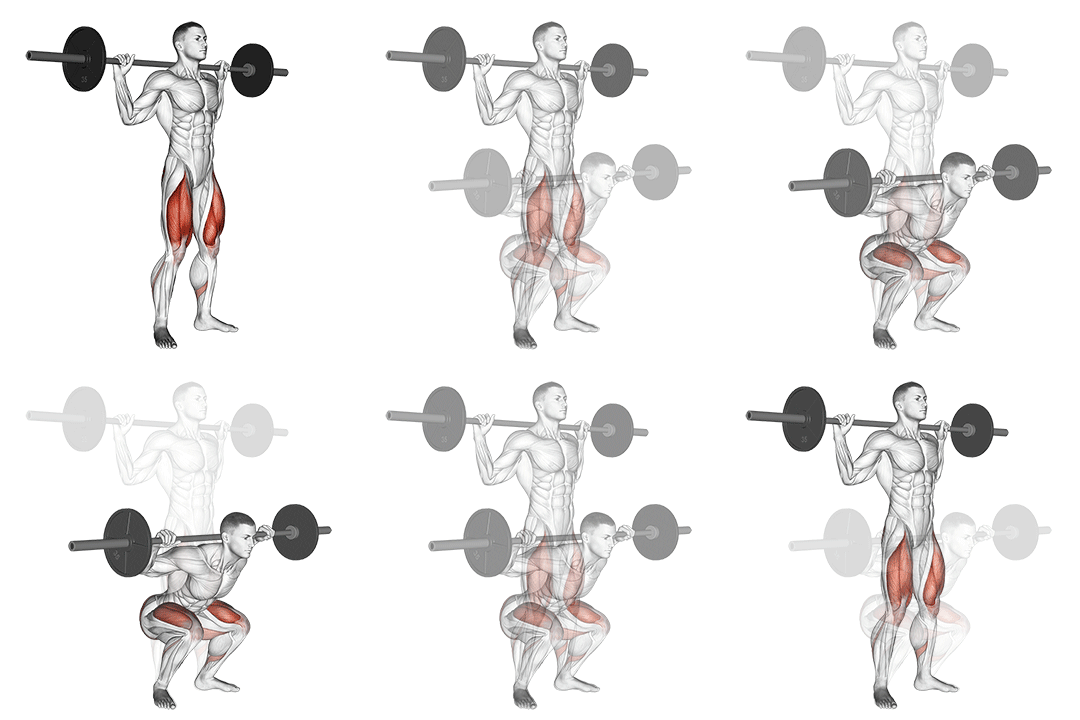
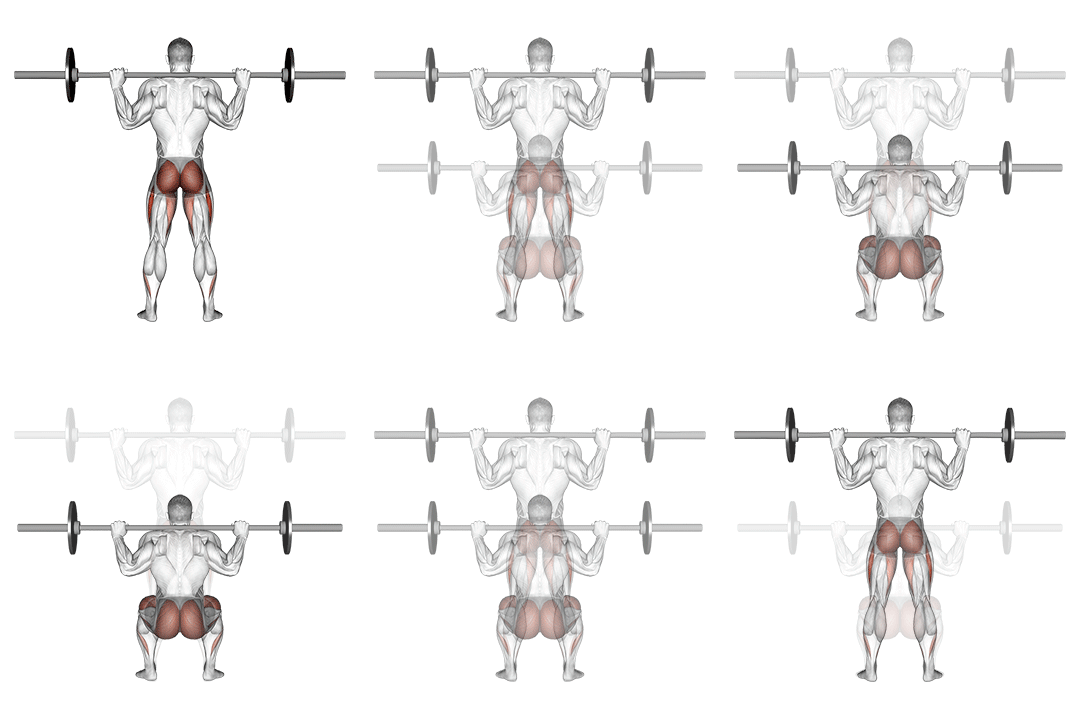
Barbell Full Squat (side Pov)
Head-to-Head Comparison
| Attribute | Barbell Clean-grip Front Squat | Barbell Full Squat (side Pov) |
|---|---|---|
| Target Muscle |
Glutes
|
Glutes
|
| Body Part |
Upper-legs
|
Upper-legs
|
| Equipment |
Barbell
|
Barbell
|
| Difficulty |
Advanced
|
Intermediate
|
| Movement Type |
Compound
|
Compound
|
| Secondary Muscles |
4
|
4
|
Secondary Muscles Activated
Barbell Clean-grip Front Squat
Barbell Full Squat (side Pov)
Visual Comparison
Overview
Barbell Clean-grip Front Squat vs Barbell Full Squat (side Pov) — you want the strongest, safest way to build your upper-legs and glutes. This side-by-side breakdown shows technique cues, biomechanics, muscle activation, equipment needs, and which lift fits your goal: hypertrophy, strength, skill, or convenience. Read on and you’ll get concrete rep ranges, joint-angle explanations, and clear recommendations so you can pick the right squat and program it into your training.
Key Differences
- Difficulty levels differ: Barbell Clean-grip Front Squat is advanced, while Barbell Full Squat (side Pov) is intermediate.
- Both exercises target the Glutes using Barbell. The main differences are in their movement patterns and muscle activation angles.
Pros & Cons
Barbell Clean-grip Front Squat
+ Pros
- Raises torso more upright, increasing quad torque and anti-flexion core work
- Cleaner transfer to Olympic lifts and front-rack strength
- Lower compressive shear on the lumbar spine due to anterior bar position
- Great for building quads and improving vertical force production
− Cons
- Demands high wrist, shoulder, and thoracic mobility
- Load ceiling is lower — you’ll usually lift ~10–25% less than back/full squat
- Technical: poor elbow position shifts load forward and reduces efficiency
Barbell Full Squat (side Pov)
+ Pros
- Easier to learn and coach from a side view, making setup simpler
- Allows greater hip range of motion and stretch-mediated glute loading
- Higher absolute loading potential for strength progressions
- Versatile depth for targeting quads or posterior chain by cueing stance and torso angle
− Cons
- Can encourage excessive forward lean in novices, increasing lumbar shear
- Deeper depth without mobility can compromise knee or hip comfort
- Less carryover to front-rack-specific sports movements
When Each Exercise Wins
Full squats allow greater hip flexion and stretch on the glutes at depth, increasing stretch-mediated hypertrophy. Use 6–12 reps with 60–80% 1RM and controlled 2–4 second eccentrics to maximize muscle growth.
You can typically handle heavier absolute loads in the full squat, which is ideal for neural adaptations and maximal strength. Program 3–6 sets of 2–6 reps at 85–95% 1RM with long rests for best strength progress.
Simpler setup and fewer mobility constraints make it easier to teach proper depth, knee tracking and hip drive. Start with bodyweight and goblet squats, then progress to a barbell full squat as form solidifies.
If you have a rack and can perform rack cleans safely, the front squat is compact for space and trains core intensely. If you lack upper-body mobility, the full squat is more practical and still builds glutes and legs efficiently.
Frequently Asked Questions
Can I do both Barbell Clean-grip Front Squat and Barbell Full Squat (side Pov) in the same workout?
Yes — sequencing matters. Do the more technical or heavier-intensity lift first. For example, start with front squats for 3–5 sets of 4–8 to prioritize technique, then follow with full squats or a lighter back-squat variation for volume work in 6–12 reps.
Which exercise is better for beginners?
Barbell Full Squat (side Pov) is generally better for beginners because the rack setup and bar placement are simpler and mobility demands are lower. Teach bodyweight and goblet patterns first, then progress to barbell full squats.
How do the muscle activation patterns differ?
Front squats shift the center of mass anteriorly, increasing knee-extension moments and quad EMG while reducing lumbar shear; full squats increase hip flexion at depth, boosting glute and hamstring activation and producing larger hip-extension torque near lockout.
Can Barbell Full Squat (side Pov) replace Barbell Clean-grip Front Squat?
It can replace front squats for general strength and glute development, but not where front-rack strength, vertical force transfer, or anterior core stiffness are specific goals. If you need sport-specific carryover to cleans/jerks, keep front squats in the program.
Expert Verdict
Choose the Barbell Full Squat (side Pov) when your priority is glute hypertrophy or maximal strength: it allows deeper hip flexion, higher absolute loads, and more stretch on the posterior chain. Pick the Barbell Clean-grip Front Squat when you need quad-dominant development, improved upright posture, and transfer to Olympic lifts; expect lower absolute loads but higher anterior core demand. Program both across phases: use front squats for technique, speed, and quad density blocks (4–8 sets of 6–10), and full squats for heavy strength and hypertrophy blocks (3–5 sets of 4–8 heavy or 6–12 moderate).
Also Compare
More comparisons with Barbell Clean-grip Front Squat
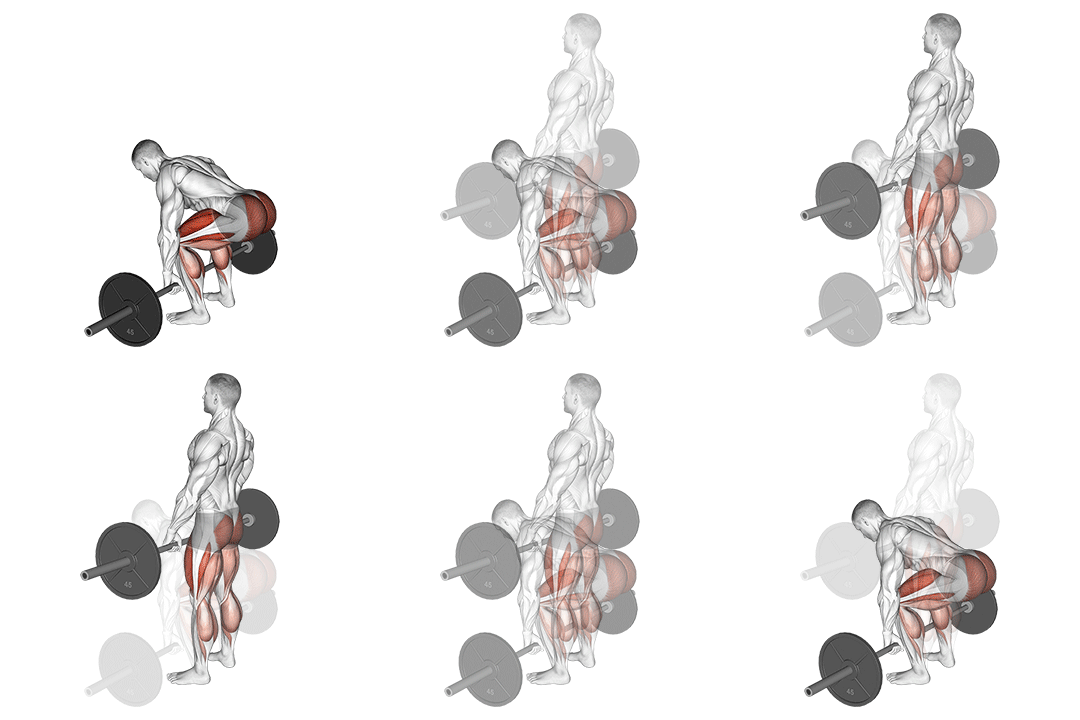
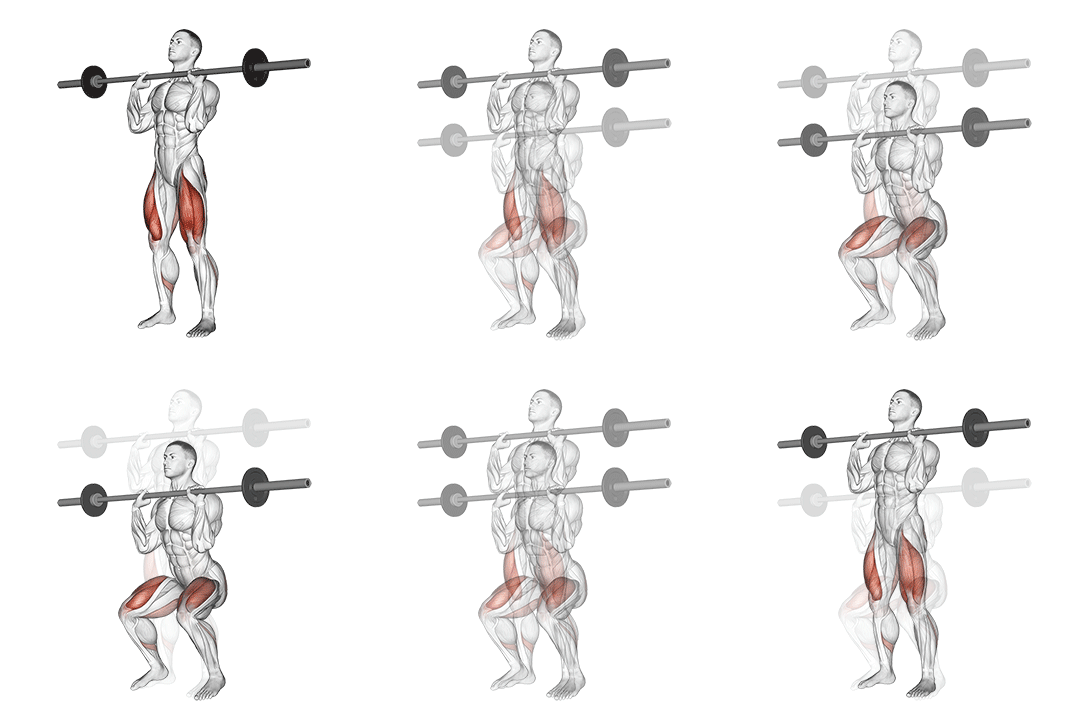
More comparisons with Barbell Full Squat (side Pov)
Compare More Exercises
Use our free comparison tool to analyze any two exercises head-to-head.
Compare Exercises