

Barbell Close-grip Bench Press vs Barbell Incline Reverse-grip Press: Complete Comparison Guide
Barbell Close-grip Bench Press vs Barbell Incline Reverse-grip Press — both are compound barbell presses that target the triceps while involving chest and shoulders. If you want clear guidance on which movement to prioritize, this comparison breaks down muscle activation, biomechanics, equipment needs, learning curve, injury risk, and programming cues. You'll get specific technique tips (grip width, elbow path, bench angle), recommended rep ranges for hypertrophy and strength, and practical scenarios showing which press fits your goal—whether you're chasing muscle growth, raw pressing strength, or a safer exercise for heavier loads.
Exercise Comparison
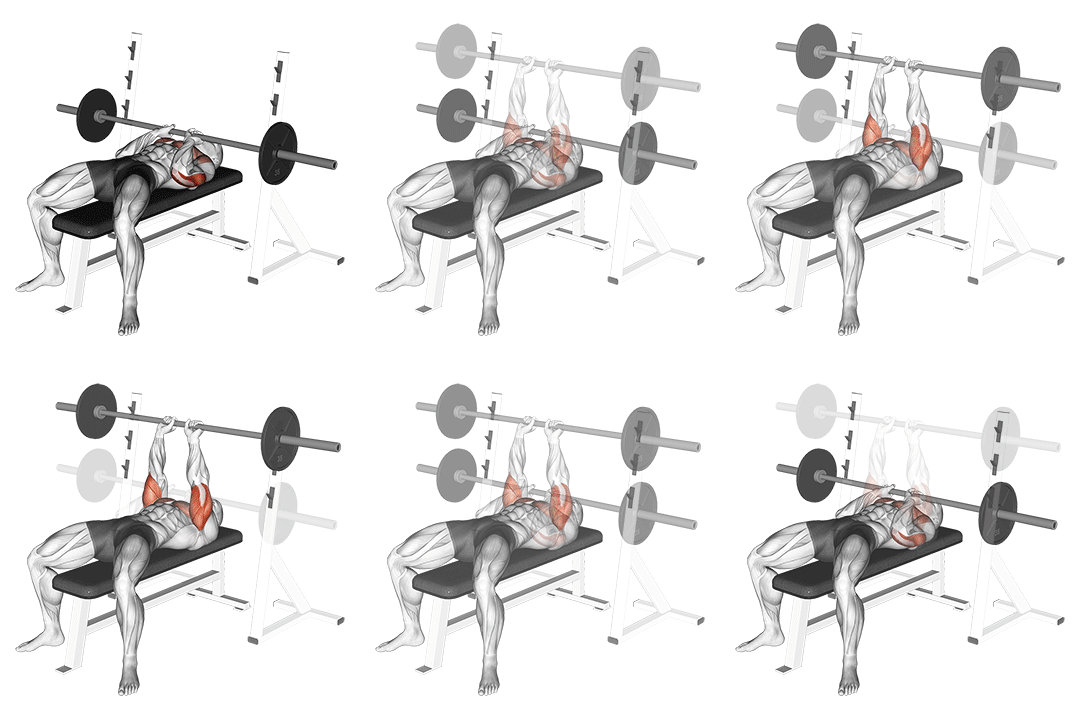
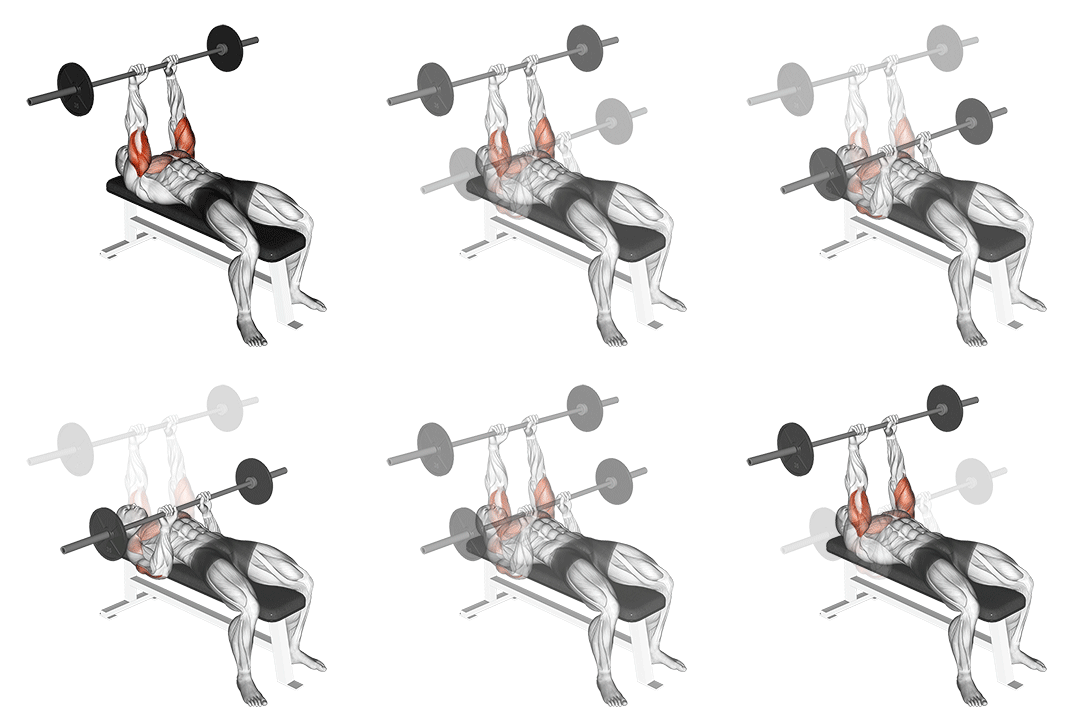
Barbell Close-grip Bench Press
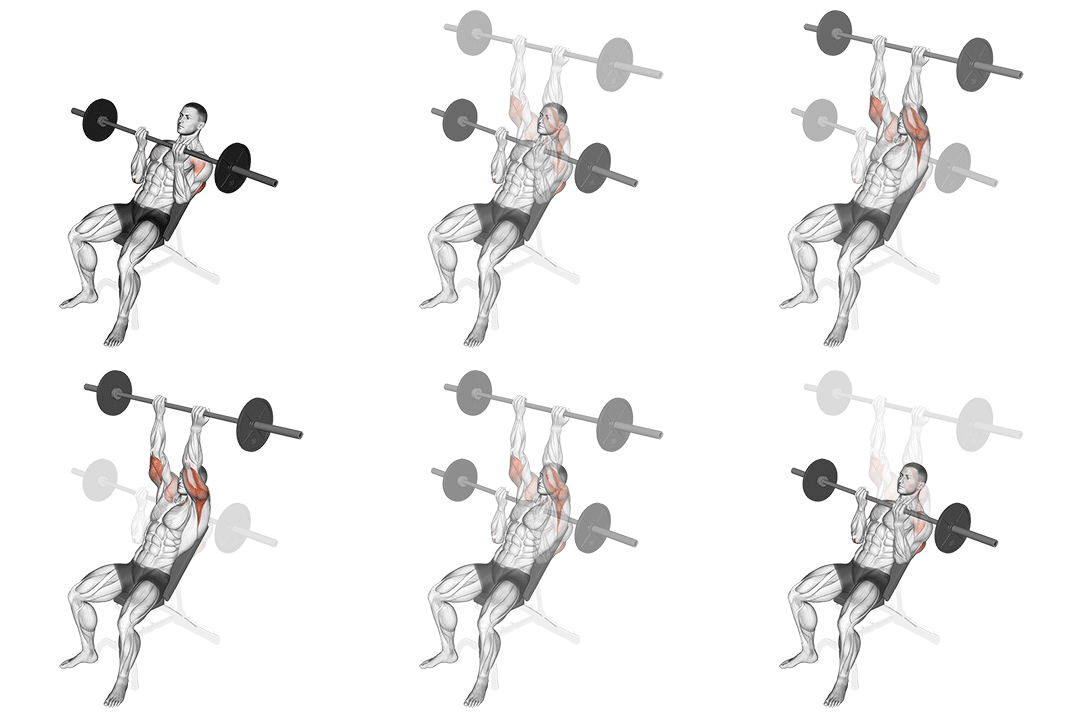
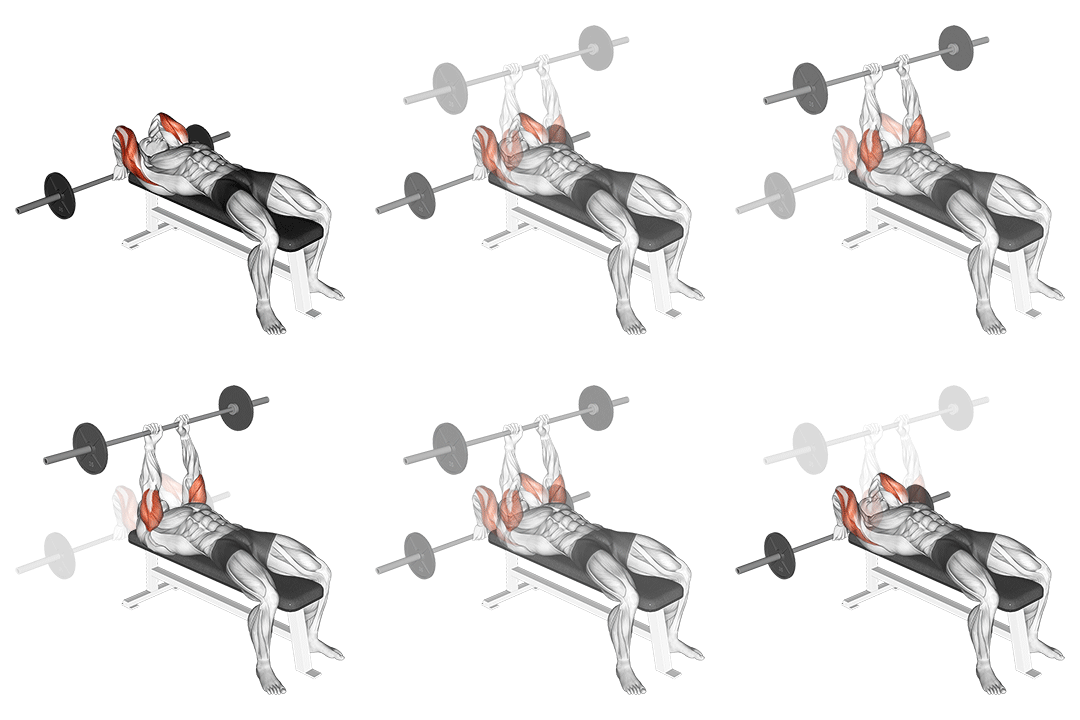
Barbell Incline Reverse-grip Press
Head-to-Head Comparison
| Attribute | Barbell Close-grip Bench Press | Barbell Incline Reverse-grip Press |
|---|---|---|
| Target Muscle |
Triceps
|
Triceps
|
| Body Part |
Upper-arms
|
Upper-arms
|
| Equipment |
Barbell
|
Barbell
|
| Difficulty |
Intermediate
|
Intermediate
|
| Movement Type |
Compound
|
Compound
|
| Secondary Muscles |
2
|
2
|
Secondary Muscles Activated
Barbell Close-grip Bench Press
Barbell Incline Reverse-grip Press
Visual Comparison
Overview
Barbell Close-grip Bench Press vs Barbell Incline Reverse-grip Press — both are compound barbell presses that target the triceps while involving chest and shoulders. If you want clear guidance on which movement to prioritize, this comparison breaks down muscle activation, biomechanics, equipment needs, learning curve, injury risk, and programming cues. You'll get specific technique tips (grip width, elbow path, bench angle), recommended rep ranges for hypertrophy and strength, and practical scenarios showing which press fits your goal—whether you're chasing muscle growth, raw pressing strength, or a safer exercise for heavier loads.
Key Differences
- Both exercises target the Triceps using Barbell. The main differences are in their movement patterns and muscle activation angles.
Pros & Cons
Barbell Close-grip Bench Press
+ Pros
- Direct triceps overload with favorable elbow extension moment arm
- Easier to load heavy for strength and progressive overload (3–6 reps for strength, 6–12 for hypertrophy)
- Requires only a flat bench and barbell—high accessibility
- Stable pressing platform reduces shoulder shear when elbow path is controlled
− Cons
- Narrow grip can increase elbow joint stress if range of motion is forced
- Less upper-chest emphasis compared with incline variations
- Technique lapses (flares or excessive wrist bend) reduce effectiveness and increase injury risk
Barbell Incline Reverse-grip Press
+ Pros
- Shifts load to upper chest and anterior deltoid while still working triceps
- Supinated grip can change force vector to target different triceps fibers
- Useful for variety and addressing sticking points at different joint angles
- Can improve pressing mechanics at inclined angles relevant to overhead variations
− Cons
- Requires adjustable bench and greater wrist mobility
- Higher risk of wrist discomfort or shoulder impingement if angle is too steep (>45°)
- Technically demanding—harder to load maximally without a spotter
When Each Exercise Wins
Close-grip allows heavier absolute loads and places consistent tension on the triceps across the lockout, making it ideal for 6–12 rep hypertrophy sets. Its stable horizontal vector creates a predictable stimulus for progressive muscle growth.
You can typically handle higher loads on the close-grip press, which supports low-rep strength work (3–6 reps) and overload of the elbow extension mechanism, accelerating increases in pressing strength.
The movement is easier to teach and matches the standard bench press pattern, so novices learn safe bar path, elbow tuck, and progressive loading faster than with the more technical incline reverse-grip.
Close-grip needs only a flat bench and barbell, making it far more practical for limited home setups where adjustable benches and spotters may not be available.
Frequently Asked Questions
Can I do both Barbell Close-grip Bench Press and Barbell Incline Reverse-grip Press in the same workout?
Yes. Pair them by doing the close-grip as your heavy compound set (3–6 or 6–8 reps) and the incline reverse-grip as a lighter accessory (8–12 reps). Space sets to avoid acute fatigue—use the incline as a secondary movement to target different angles.
Which exercise is better for beginners?
Barbell Close-grip Bench Press is better for beginners because the pattern is simpler and easier to progress safely. The incline reverse-grip adds wrist and coordination demands that may complicate early technique learning.
How do the muscle activation patterns differ?
The close-grip emphasizes triceps activation near lockout with a horizontal force vector and a longer favorable moment arm for elbow extension. The incline reverse-grip shifts some work to upper chest and anterior deltoid and alters timing of peak triceps torque because the shoulder is more flexed.
Can Barbell Incline Reverse-grip Press replace Barbell Close-grip Bench Press?
It can replace the close-grip as a variation but not as a primary substitute if your goal is maximal triceps overload or absolute strength. Use it intermittently to target upper chest and change joint angles, while keeping close-grip for core progression.
Expert Verdict
Use the Barbell Close-grip Bench Press as your primary triceps-focused compound when you need maximal loading, straightforward progression, and high training frequency. Its horizontal force vector and favorable length-tension position let you overload the triceps safely for both strength (3–6 reps) and hypertrophy (6–12 reps). Reserve the Barbell Incline Reverse-grip Press as a variation to emphasize upper chest and hit triceps at a different shoulder angle—use 8–12 reps at a 30°–45° bench incline to alter the force vector and address sticking points. Prioritize the close-grip for core programming and add the incline reverse-grip for targeted accessory work and variety.
Also Compare
More comparisons with Barbell Close-grip Bench Press
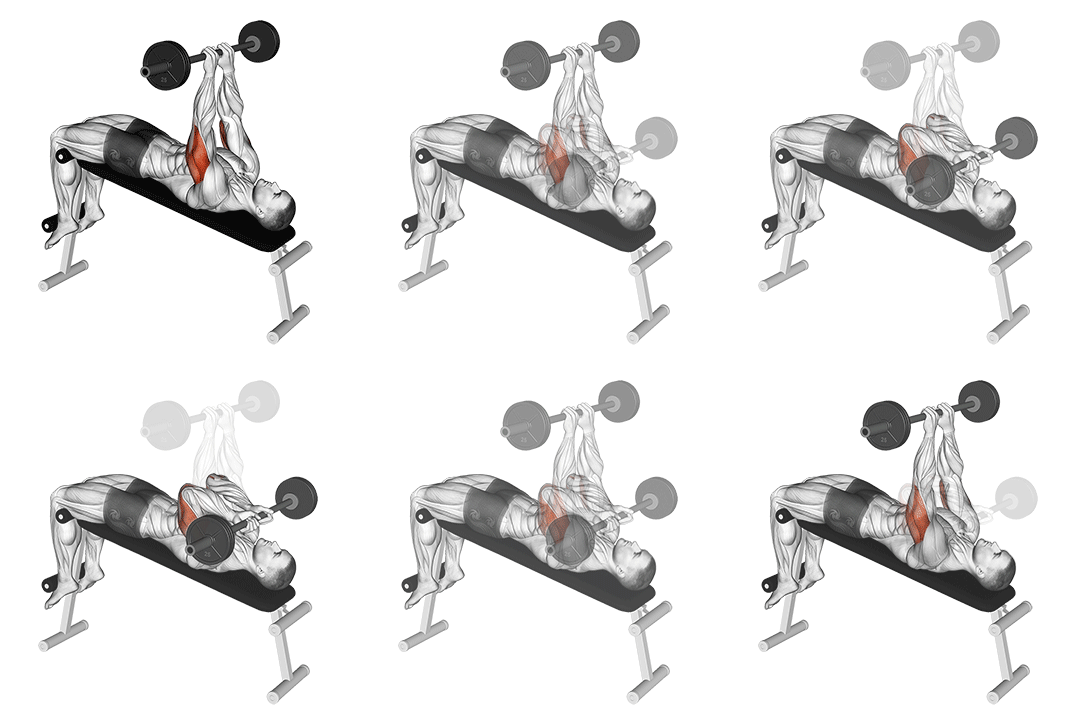
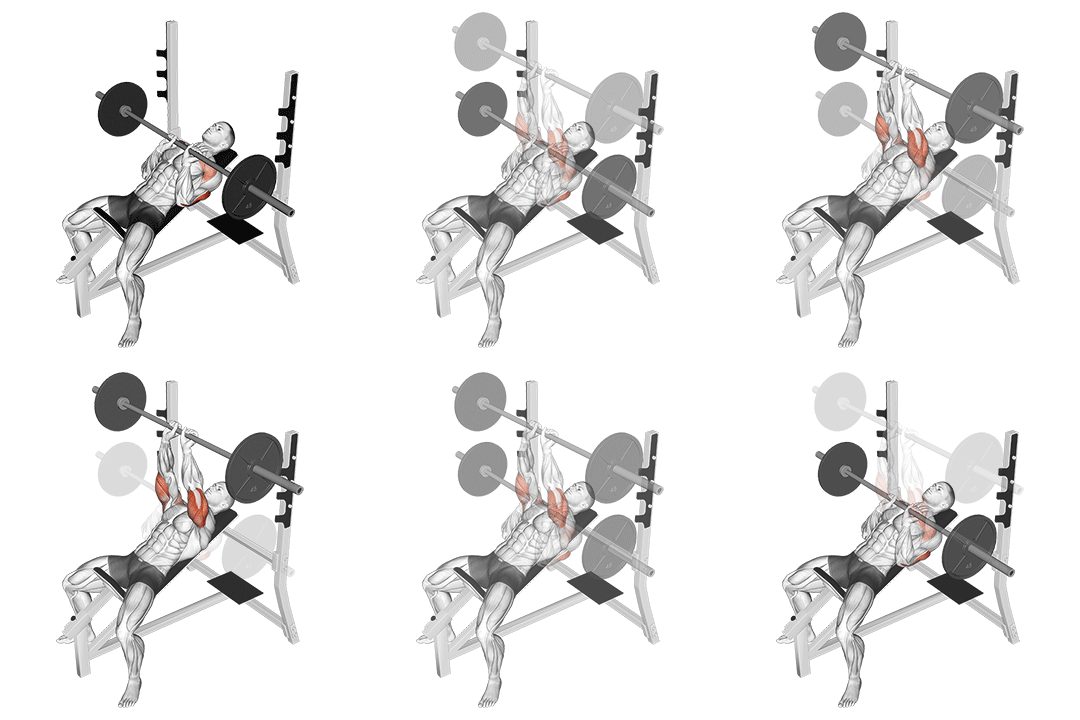
More comparisons with Barbell Incline Reverse-grip Press
Compare More Exercises
Use our free comparison tool to analyze any two exercises head-to-head.
Compare Exercises