

Barbell Close-grip Bench Press vs Barbell Jm Bench Press: Complete Comparison Guide
Barbell Close-grip Bench Press vs Barbell Jm Bench Press — both are compound, barbell-based triceps builders, but they load the elbow and shoulder differently. If you want clear guidance on which to use, you’re in the right place. I’ll cover biomechanics, muscle activation, setup and technique cues, rep and load ranges, injury risk, and programming recommendations so you can pick the right movement for triceps muscle growth, strength, or rehabilitation.
Exercise Comparison
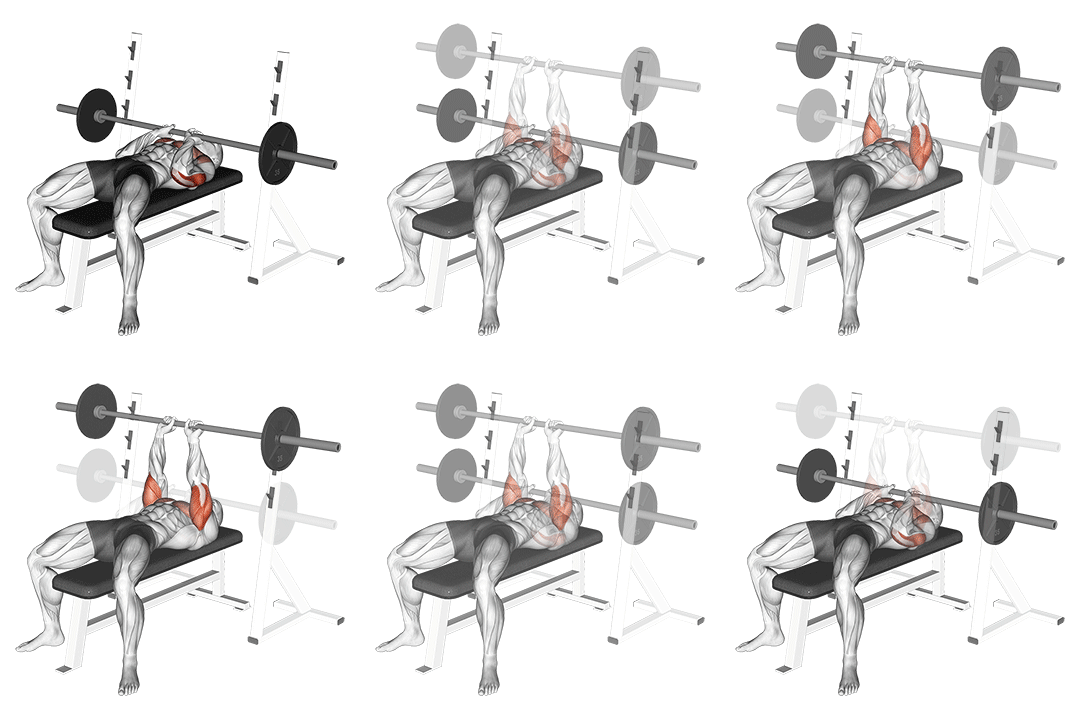
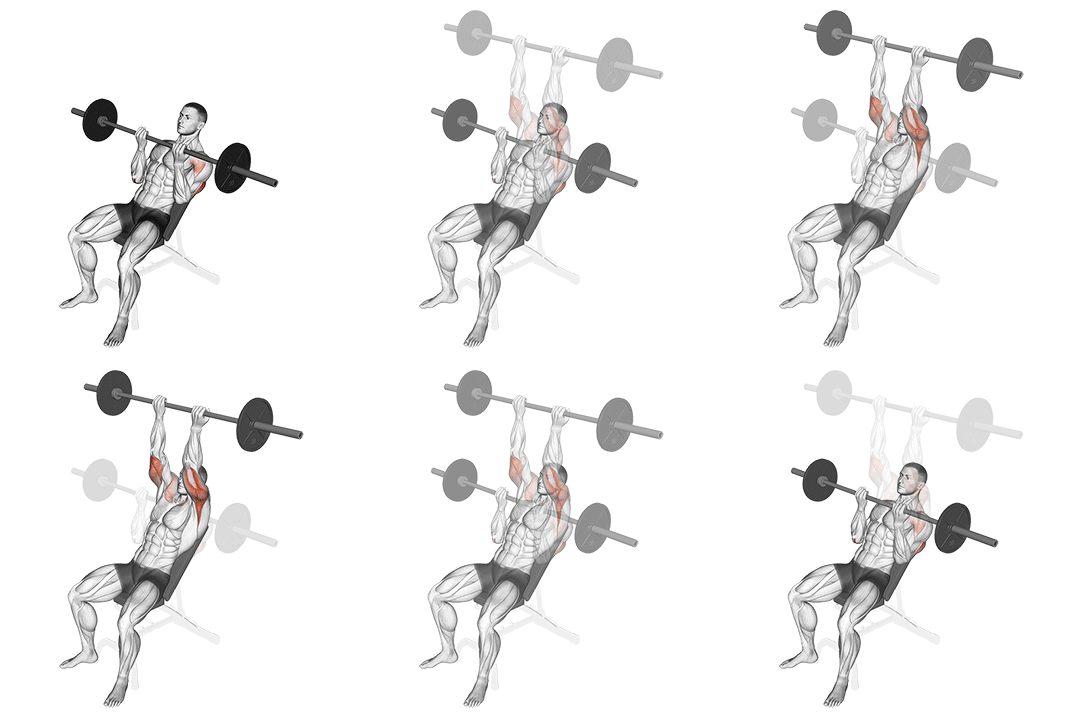
Barbell Close-grip Bench Press
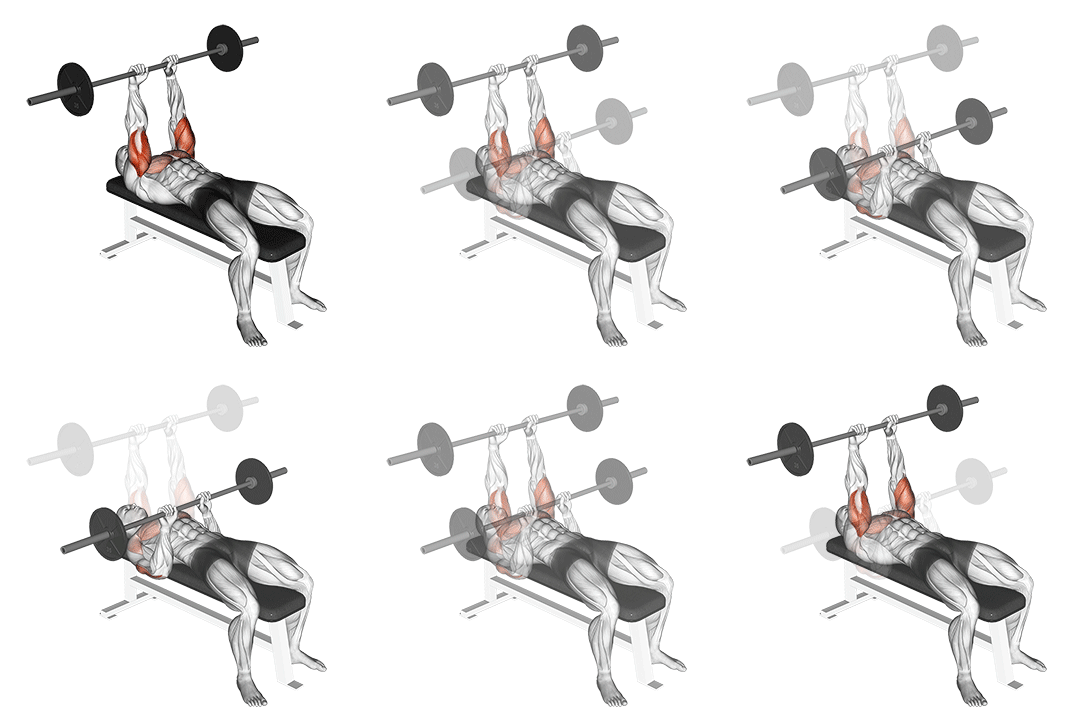
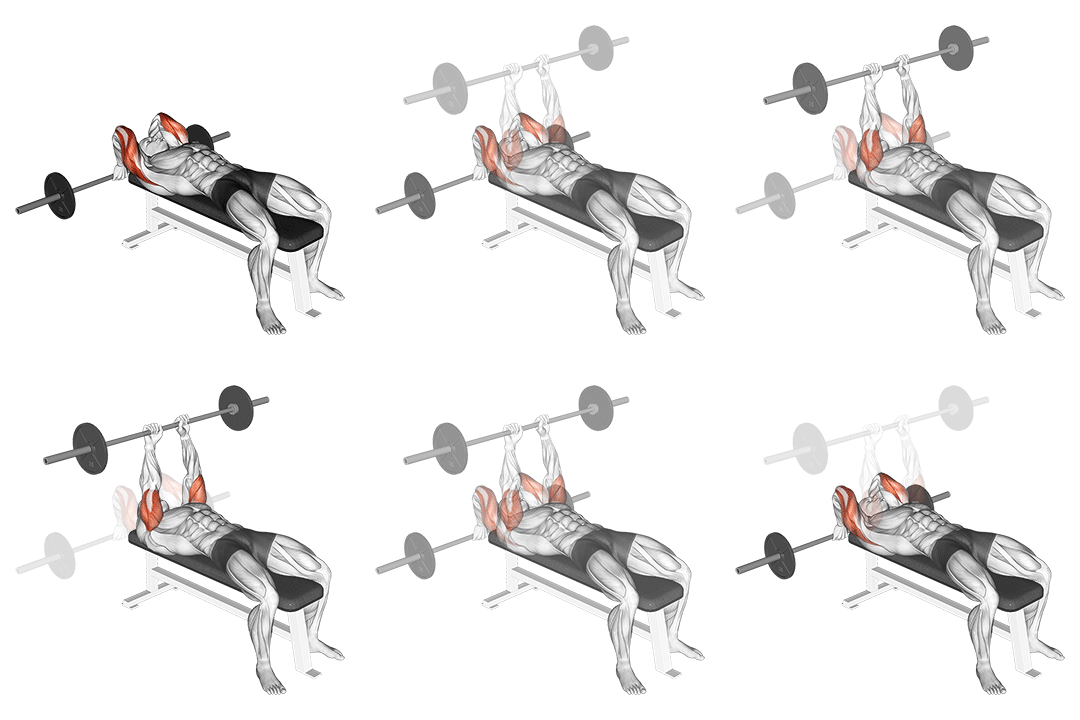
Barbell JM Bench Press
Head-to-Head Comparison
| Attribute | Barbell Close-grip Bench Press | Barbell JM Bench Press |
|---|---|---|
| Target Muscle |
Triceps
|
Triceps
|
| Body Part |
Upper-arms
|
Upper-arms
|
| Equipment |
Barbell
|
Barbell
|
| Difficulty |
Intermediate
|
Intermediate
|
| Movement Type |
Compound
|
Compound
|
| Secondary Muscles |
2
|
2
|
Secondary Muscles Activated
Barbell Close-grip Bench Press
Barbell JM Bench Press
Visual Comparison
Overview
Barbell Close-grip Bench Press vs Barbell Jm Bench Press — both are compound, barbell-based triceps builders, but they load the elbow and shoulder differently. If you want clear guidance on which to use, you’re in the right place. I’ll cover biomechanics, muscle activation, setup and technique cues, rep and load ranges, injury risk, and programming recommendations so you can pick the right movement for triceps muscle growth, strength, or rehabilitation.
Key Differences
- Both exercises target the Triceps using Barbell. The main differences are in their movement patterns and muscle activation angles.
Pros & Cons
Barbell Close-grip Bench Press
+ Pros
- Strong overall triceps activation while still recruiting chest and shoulders for heavier loads
- Easier to load progressively for strength (safely handle 85–95% of your bench-derived 1RM for low reps)
- Simpler bar path and setup—good for beginners and heavy work sets
- Lower shear stress at the elbow compared with JM press
− Cons
- Still recruits the chest and shoulders — less isolated triceps stimulus than the JM press
- Can aggravate wrists if grip is too narrow or thumbs aren’t wrapped
- Potential for shoulder discomfort if elbows flare excessively
Barbell JM Bench Press
+ Pros
- More focused triceps loading at terminal extension, useful for building lockout strength
- Reduces chest contribution, increasing triceps-specific stimulus for hypertrophy
- Shorter ROM at the shoulder may help trainees with pec/shoulder pain
- Useful as an accessory to fix weak triceps-driven portions of a lift
− Cons
- Higher shear forces at the elbow — greater injury risk under heavy loads
- Steeper technical demand; bar arc and elbow path must be controlled
- Harder to safely test 1RM — best used with submaximal loads and higher reps
When Each Exercise Wins
JM press concentrates load on the triceps, especially at lockout, improving time under tension for elbow extensors. Use 6–12 reps with controlled eccentric tempo to exploit the triceps’ length-tension curve.
Close-grip bench lets you safely move heavier loads and train lower rep ranges (3–6) to increase maximal strength while still involving stabilizing chest and shoulder muscles.
Simpler setup and straighter bar path make it easier to teach proper elbow tuck and bar control. It builds baseline pressing strength with lower technical risk.
Requires the same basic equipment but is safer to load and spot alone; the straight bar path and heavier loading options give better return on limited equipment.
Frequently Asked Questions
Can I do both Barbell Close-grip Bench Press and Barbell Jm Bench Press in the same workout?
Yes — pair them intelligently: use close-grip bench as the heavy main lift (3–6 reps) and JM press later as an accessory for 6–12 reps. Keep JM loads lighter and watch elbow pain; prioritize technique over load.
Which exercise is better for beginners?
Barbell Close-grip Bench Press is better for beginners because its straighter bar path and simpler setup reduce technical errors. It builds pressing strength while still training triceps, chest, and shoulders simultaneously.
How do the muscle activation patterns differ?
Close-grip bench produces distributed triceps activation through the range plus substantial pectoral and anterior deltoid activity due to horizontal adduction. JM press shifts peak activation toward terminal elbow extension, increasing triceps-specific loading and changing the length-tension relationship at the long head.
Can Barbell Jm Bench Press replace Barbell Close-grip Bench Press?
Replace only if your goal is focused triceps development or lockout work; it should not fully replace close-grip bench for maximal strength because it’s harder to safely load and poses more elbow stress. Use it as a supplemental exercise in most programs.
Expert Verdict
Use the Barbell Close-grip Bench Press as your primary triceps compound when you want to move heavy, build pressing strength, or keep technique simple. Program it in low- to moderate-rep blocks (3–6 for strength, 6–10 for hypertrophy) with attention to elbow tuck and wrist alignment. Choose the Barbell JM Bench Press as a targeted accessory when your goal is triceps hypertrophy or improving lockout. Keep loads conservative (50–75% of close-grip 1RM), use 6–12+ rep ranges, and practice the arcing bar path to limit elbow shear. Alternate them across training cycles for balanced muscle development and reduced overuse risk.
Also Compare
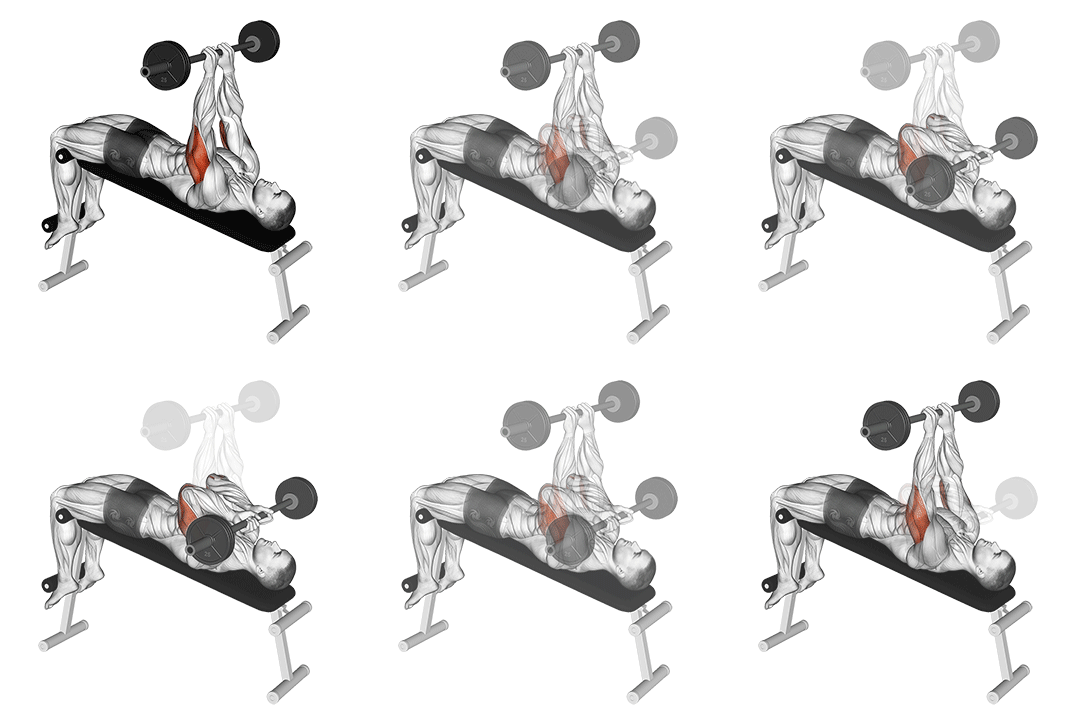
More comparisons with Barbell Close-grip Bench Press
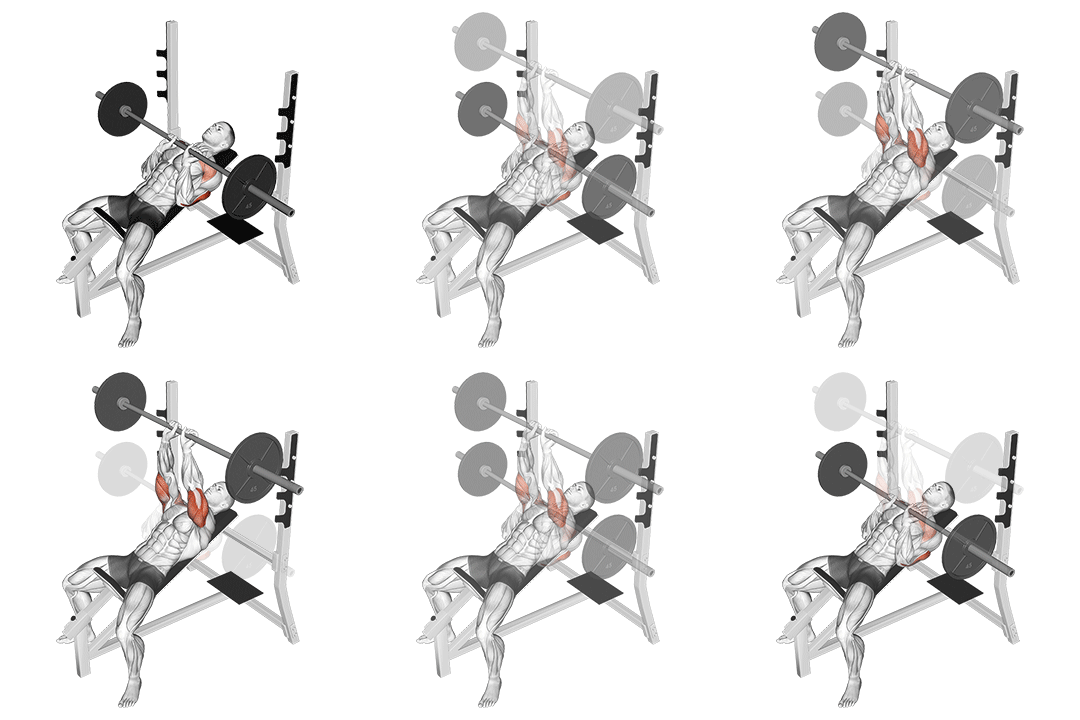
More comparisons with Barbell JM Bench Press
Compare More Exercises
Use our free comparison tool to analyze any two exercises head-to-head.
Compare Exercises