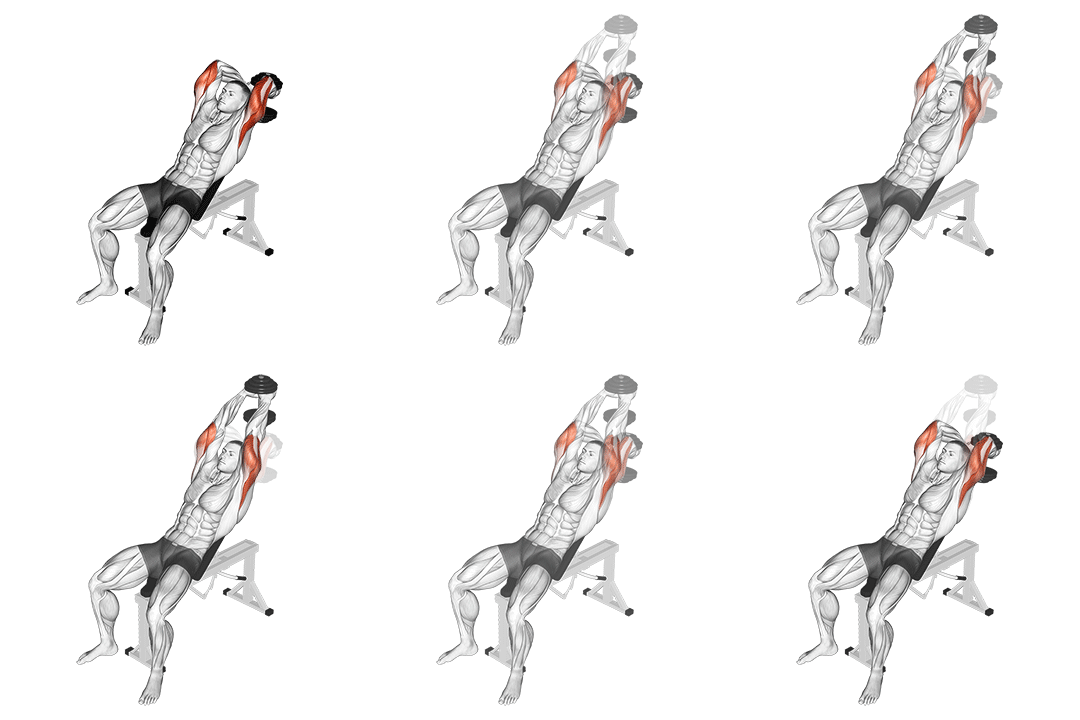
Barbell Close-grip Bench Press vs Dumbbell Floor Press

Compare target muscles, equipment, difficulty, movement type, and secondary muscles for Barbell Close-grip Bench Press and Dumbbell Floor Press.

Change comparison Share

Get comparison link

Select the link and use your device's Copy command.

Comparison overview

AI-generated
Barbell Close-grip Bench Press vs Dumbbell Floor Press — two compound presses that zero in on your triceps while recruiting chest and shoulders. If you want practical guidance on which to use for hypertrophy, raw strength, rehab-friendly pressing, or home training, this guide has your back. You’ll get clear technique cues, biomechanical reasons why one exercise shifts load differently, rep-range recommendations (3–6 for strength, 6–12 for hypertrophy), and programming tips to fit these lifts into your upper-arm and pressing days.

Exercise Comparison

Exercise A
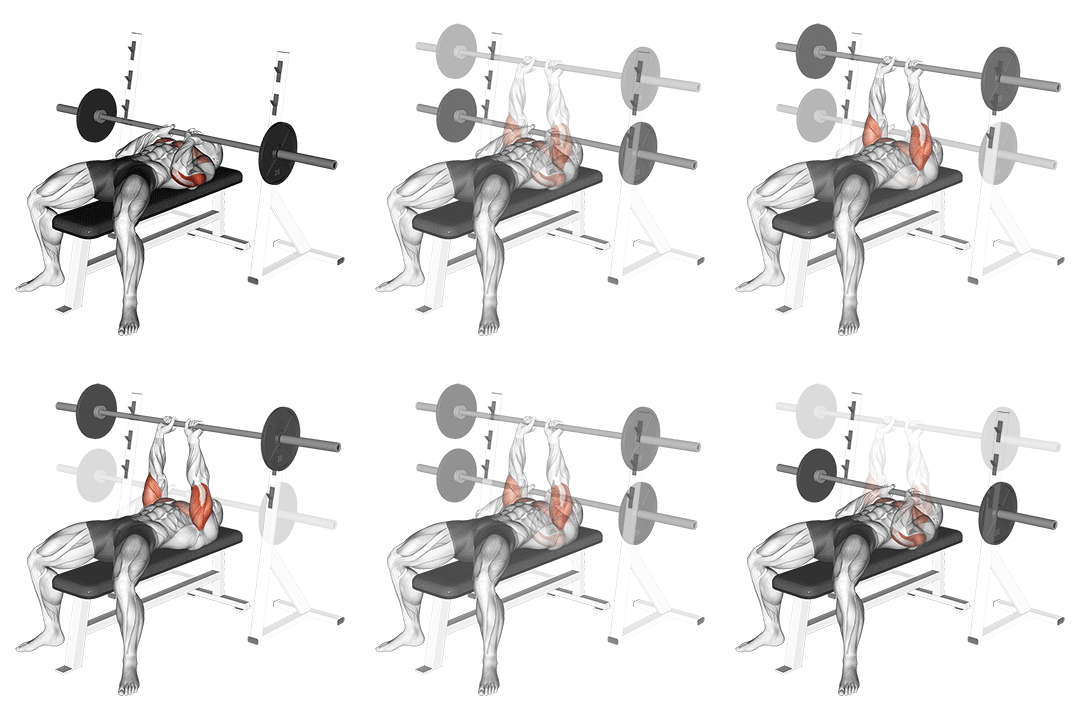
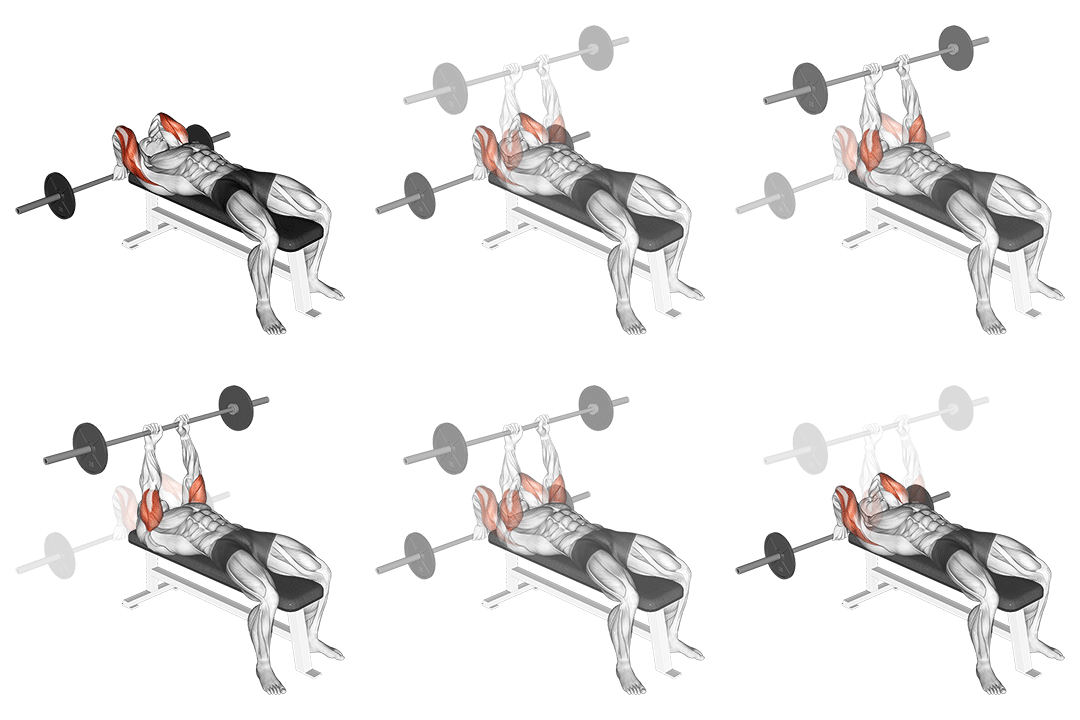
Barbell Close-grip Bench Press demonstration

Barbell Close-grip Bench Press

Target Triceps
Equipment Barbell
Body Part Upper-arms
Difficulty Intermediate
Movement Compound
Secondary Muscles
Chest Shoulders
VS
Exercise B
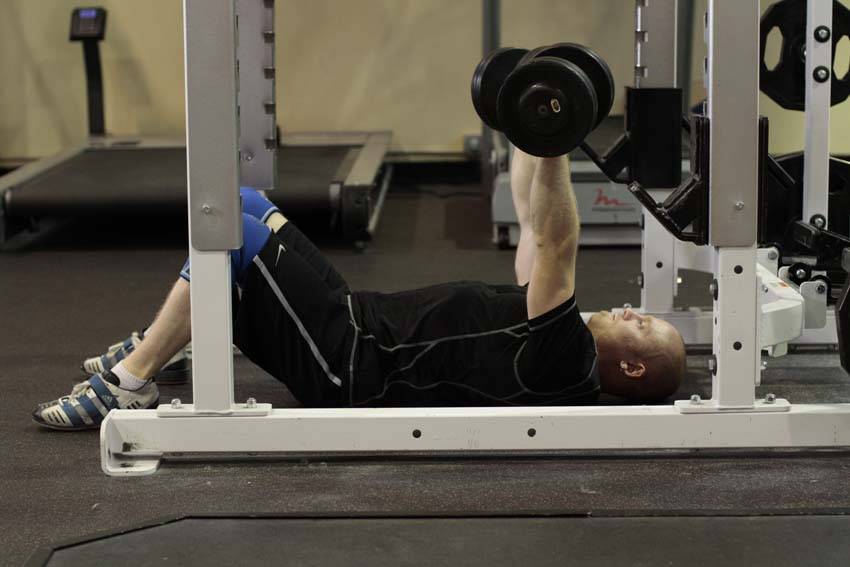
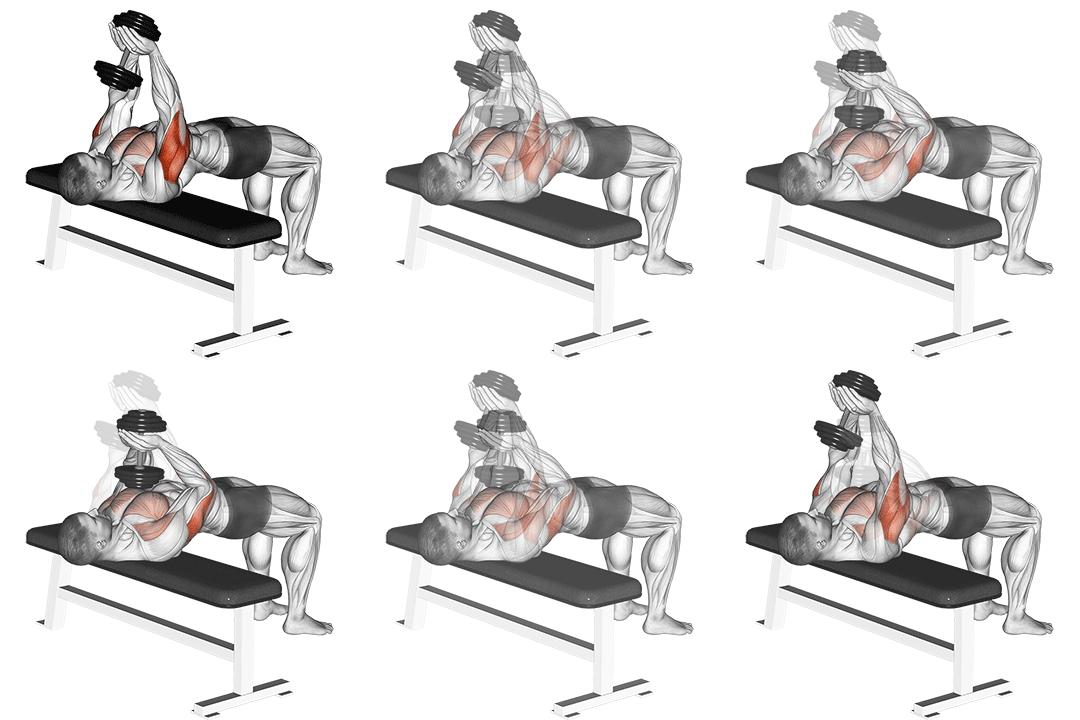
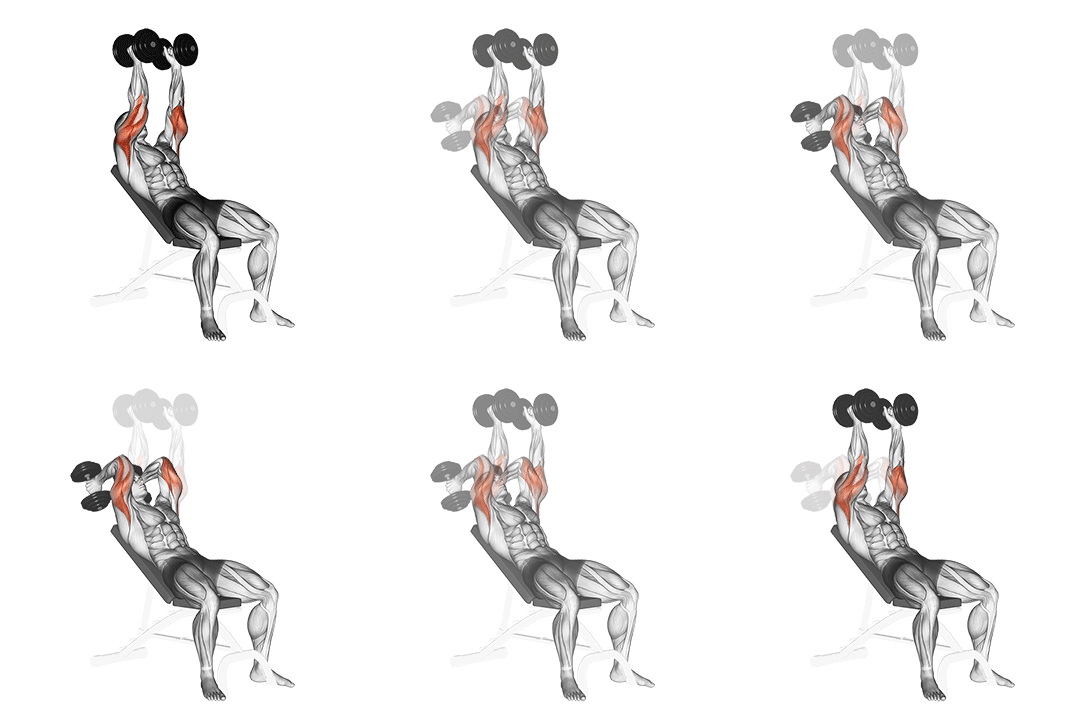
Dumbbell Floor Press demonstration

Dumbbell Floor Press

Target Triceps
Equipment Dumbbell
Body Part Upper-arms
Difficulty Intermediate
Movement Compound
Secondary Muscles
Chest Shoulders

Head-to-Head Comparison

Different values are marked. These are catalogue attributes, not performance scores.

Muscles used

Listed target and secondary muscles, shown on the body. Locations, not activation or strength scores.

  • Target
  • Secondary
  • Not highlighted

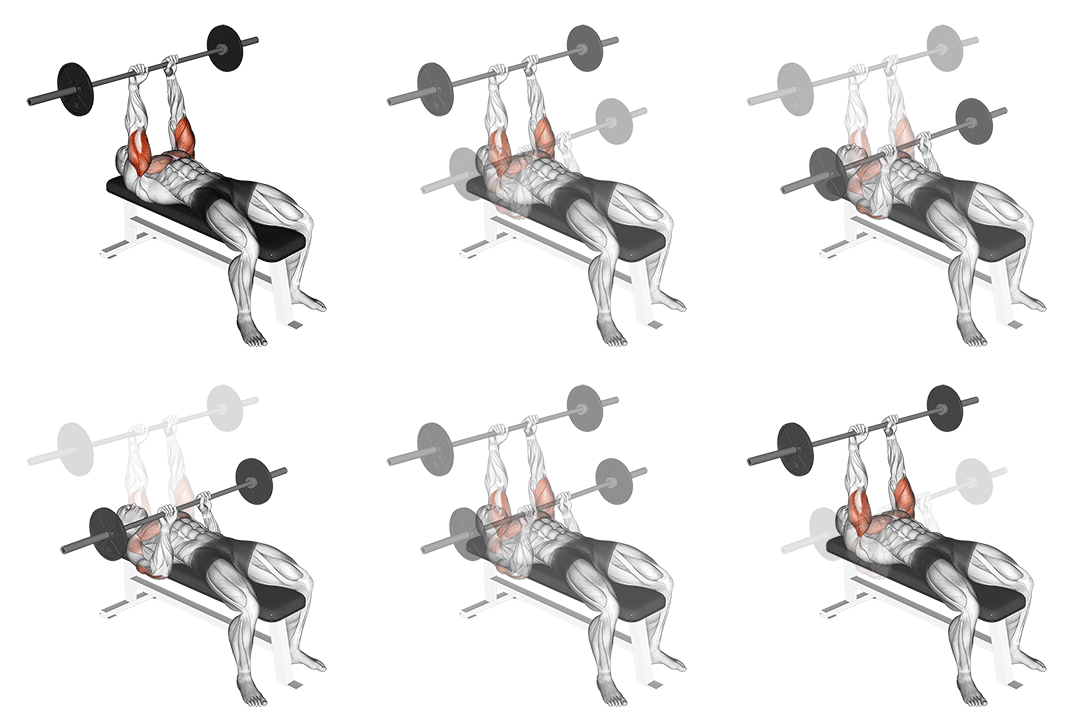
Barbell Close-grip Bench Press

Front
Barbell Close-grip Bench Press: front muscle locationsSolid: listed target. Striped: listed secondary. Grey: not highlighted. Locations, not activation or strength scores. See the muscle names below.
Back
Barbell Close-grip Bench Press: back muscle locationsSolid: listed target. Striped: listed secondary. Grey: not highlighted. Locations, not activation or strength scores. See the muscle names below.
Target
Triceps
Secondary
Chest, Shoulders

Not shown on diagram: Shoulders. These labels do not identify a precise region on this map.

Dumbbell Floor Press

Front
Dumbbell Floor Press: front muscle locationsSolid: listed target. Striped: listed secondary. Grey: not highlighted. Locations, not activation or strength scores. See the muscle names below.
Back
Dumbbell Floor Press: back muscle locationsSolid: listed target. Striped: listed secondary. Grey: not highlighted. Locations, not activation or strength scores. See the muscle names below.
Target
Triceps
Secondary
Chest, Shoulders

Not shown on diagram: Shoulders. These labels do not identify a precise region on this map.

Grey does not mean a muscle is unused. The diagrams show only the mapped catalogue labels.

Attribute Barbell Close-grip Bench Press Dumbbell Floor Press
Target Muscle
Triceps
Triceps
Body Part
Upper-arms
Upper-arms
Equipment Different
Barbell
Dumbbell
Difficulty
Intermediate
Intermediate
Movement Type
Compound
Compound
Secondary Muscles
Chest, Shoulders
Chest, Shoulders

Visual Comparison

An illustrative 1–10 profile derived from catalog difficulty, equipment, and listed-muscle fields—not measured performance or muscle activation.

Key Differences

  • Equipment differs: Barbell Close-grip Bench Press uses Barbell, while Dumbbell Floor Press requires Dumbbell.

Muscle comparison

Shared target muscles

Both exercises primarily target the triceps brachii. The close-grip barbell press allows higher absolute loads and a longer vertical bar path, so the triceps work through a greater torque curve across the elbow. The floor press shortens range of motion (ROM) at the bottom, shifting emphasis to the triceps near lockout and reducing peak stretch on the long head compared with the bench variation.

Secondary muscle differences

Secondary recruitment differs mainly in chest and shoulder contribution. The barbell close-grip bench recruits more sternal pec fibers and anterior deltoid involvement because the torso can achieve greater horizontal shoulder flexion and scapular retraction. The dumbbell floor press limits shoulder extension (the elbows hit the floor around 90–100° of elbow flexion), reducing pectoral stretch and shoulder torque, so chest and deltoid activation falls by an estimated 10–25% versus a full bench-style press.

Muscle involvement analysis

During the barbell close-grip press the force vector is more vertical with a consistent bar path, requiring coordinated scapular stabilization and producing high triceps activation from ~30–120° of elbow extension. The dumbbell floor press truncates the eccentric phase — the elbows stop on the floor — so peak triceps activity shifts toward the concentric lockout and the long head operates at a shorter muscle length, changing length–tension relationships and slightly reducing peak force capacity at the bottom.

Equipment and setup

Barbell Close-grip Bench Press: setup

Barbell Close-grip Bench Press requires a barbell, a flat bench, and ideally a rack and spotter or safety pins. You’ll need calibrated plates to load small increments if pushing for strength.

Dumbbell Floor Press: setup

Dumbbell Floor Press requires a pair of dumbbells and a clear floor space. No bench or rack is necessary; heavier dumbbells or adjustable dumbbells are helpful for progression.

Access and practicality

Dumbbell Floor Press is more accessible because it needs only dumbbells and floor space, no rack or spotter. That makes it a better option for home gyms and lifters without bench setups.

Learning and progression

Learning the movements

Dumbbell Floor Press has a gentler learning curve: the limited ROM, self-spotting safety, and neutral wrist positioning make it easier to perform correctly. Barbell Close-grip Bench Press requires mastering bar path, grip width (around shoulder-width to 6–12 inches narrower than standard), and setup under a rack.

Progression considerations

Barbell Close-grip Bench Press offers greater absolute progression potential because you can add small plate increments and handle heavier overall loads — valuable for low-rep strength work (3–6). Dumbbells excel for unilateral balance, tempo control, and progressive sets in hypertrophy ranges (6–12) but may limit maximal overload compared to a barbell.

Limitations and precautions

Barbell Close-grip Bench Press carries higher shoulder and wrist stress if performed with poor scapular control or overly narrow grips, increasing elbow joint compressive forces. Dumbbell Floor Press reduces shoulder extension and can lower shoulder injury risk, though heavy unilateral loading without control can stress the rotator cuff and elbows.

Pros & Cons

Barbell Close-grip Bench Press

+ Pros

  • Allows higher absolute loads for strength work and progressive overload
  • Longer ROM compared to floor press, increasing time under tension
  • Stronger carryover to barbell pressing patterns and bench strength
  • Precise loading using small plate increments

− Cons

  • Requires bench, rack, and often a spotter for heavy sets
  • Higher shoulder and wrist stress if technique or grip width are poor
  • Greater technical demand on bar path and scapular control

Dumbbell Floor Press

+ Pros

  • Minimal equipment—only dumbbells and floor space required
  • Reduced shoulder extension lowers shoulder stress and aids rehab
  • Safer to self-spot and easier for controlled eccentric work
  • Good for unilateral work to address left-right imbalances

− Cons

  • Limited maximal overload compared to barbell variations
  • Shortened ROM reduces pectoral stretch and may alter long-head triceps hypertrophy
  • Progression can stall without access to heavy dumbbells

When Each Exercise Wins

1
For muscle hypertrophy: Barbell Close-grip Bench Press

Barbell close-grip allows heavier absolute loads and a longer ROM, increasing time under tension and mechanical tension—key drivers of hypertrophy in the 6–12 rep range. You can also use tempo (3–1–1) and gradual load increments to progressively overload the triceps and sternal pec fibers.

2
For strength gains: Barbell Close-grip Bench Press

The barbell lets you load maximal weights and train low rep ranges (3–6) with small plate increments, which directly builds maximal force production and neural adaptations. It also carries over better to other barbell pressing strength because of similar bar path and coordination demands.

3
For beginners: Dumbbell Floor Press

The floor press limits ROM and removes the need for a spotter or rack, making it safer and easier to learn pressing mechanics and elbow control. It also reduces shoulder torque, which helps beginners build pressing strength without excessive joint strain.

4
For home workouts: Dumbbell Floor Press

Floor presses require only dumbbells and a clear floor area, so they fit in compact home setups and allow safe heavy work without a bench or rack. Adjustable dumbbells make progressive loading simple for home programming.

Frequently Asked Questions

Can I do both Barbell Close-grip Bench Press and Dumbbell Floor Press in the same workout?
Yes. Pair them by priority: do the heavy Barbell Close-grip Bench Press first for 3–6 heavy reps, then use lighter Dumbbell Floor Press sets for 6–12 reps as an accessory to target lockout strength and reduce shoulder stress. Keep total volume in check to avoid overtaxing the triceps.

Which exercise is better for beginners?

Dumbbell Floor Press is better for most beginners because it limits ROM, reduces shoulder torque, and removes the need for a spotter or rack. It helps you learn press mechanics and build triceps strength safely before progressing to heavier barbell work.

How do the muscle activation patterns differ?

The barbell close-grip press produces higher absolute triceps and pectoral activation across a longer ROM, engaging the long head more under stretch. The floor press truncates the eccentric range so peak triceps activation shifts toward the concentric lockout and the long head operates at shorter lengths, altering force production and length–tension dynamics.

Can Dumbbell Floor Press replace Barbell Close-grip Bench Press?

Dumbbell Floor Press can replace the close-grip press for accessibility, rehab, or lockout-focused training, but it won’t fully substitute when your goal is maximal barbell strength due to lower absolute loading capacity and shorter ROM. Use floor presses as an alternative or complementary lift depending on your goals.

Comparison Summary

Choose the Barbell Close-grip Bench Press when your primary goal is raw strength or maximizing mechanical tension for triceps and chest development — it supports heavier loads, precise progression, and better transfer to barbell pressing patterns. Opt for the Dumbbell Floor Press if you need a safer, more accessible option that protects the shoulders, fits home gyms, or targets lockout strength and unilateral imbalances. Program them together: use heavy close-grip barbell sets (3–6 reps) on strength days and floor press variations (6–12 reps, slow eccentrics) as supplemental or rehab-friendly work to balance joint stress and drive consistent muscle growth.

Exercise instructions

Steps from the exercise catalogue. Read the full sequence before starting.

Barbell Close-grip Bench Press

  1. Lie flat on a bench with your feet flat on the ground and your back pressed against the bench.
  2. Grasp the barbell with a close grip, slightly narrower than shoulder-width apart.
  3. Unrack the barbell and lower it slowly towards your chest, keeping your elbows close to your body.
Read remaining steps for Barbell Close-grip Bench Press
  1. Pause for a moment when the barbell touches your chest.
  2. Push the barbell back up to the starting position, fully extending your arms.
  3. Repeat for the desired number of repetitions.

Dumbbell Floor Press

  1. Lay on the floor holding dumbbells in your hands. Your knees can be bent. Begin with the weights fully extended above you.
  2. Lower the weights until your upper arm comes in contact with the floor. You can tuck your elbows to emphasize triceps size and strength, or to focus on your chest angle your arms to the side.
  3. Pause at the bottom, and then bring the weight together at the top by extending through the elbows.

Also Compare

Compare another pair

Choose two exercises to see their differences side by side.

Compare Exercises