

Barbell Decline Close Grip To Skull Press vs Barbell Incline Reverse-grip Press: Complete Comparison
Barbell Decline Close Grip To Skull Press vs Barbell Incline Reverse-grip Press — two intermediate barbell moves that both target the triceps but load the upper arms and shoulders differently. I’ll walk you through how each exercise stresses the triceps, what secondary muscles pick up the slack, the exact bench angles and rep ranges to use, and clear technique cues so you can perform each safely. Read on to decide which movement fits your muscle-growth, strength, or equipment constraints and how to program either one into 3–6 weekly sets.
Exercise Comparison
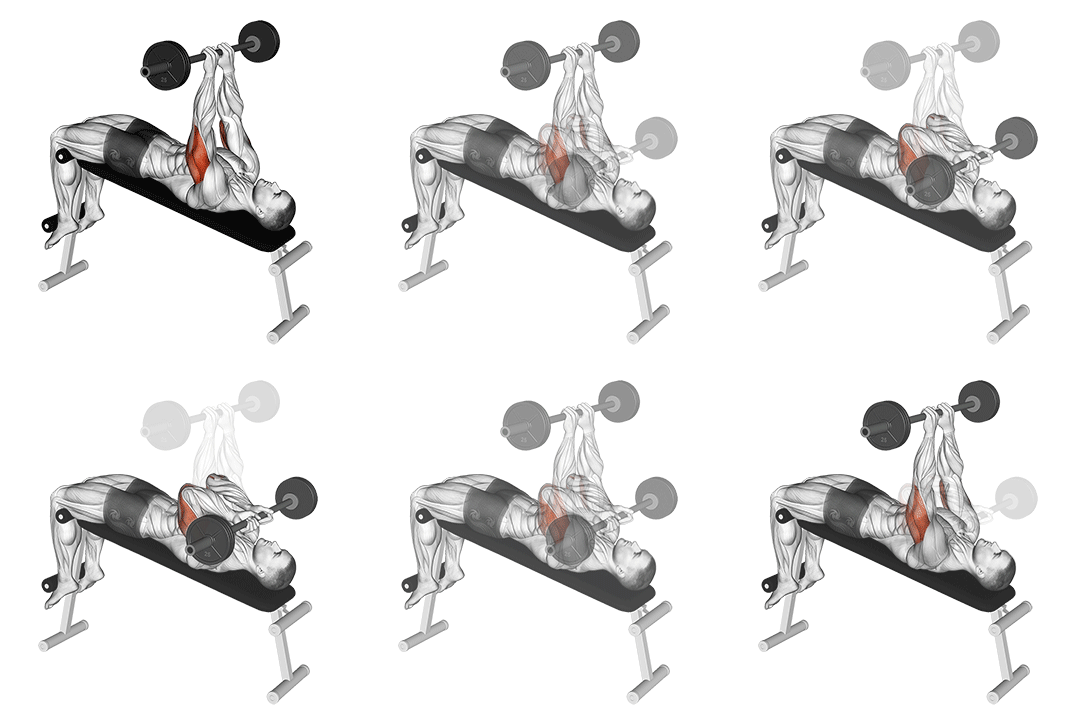
Barbell Decline Close Grip To Skull Press
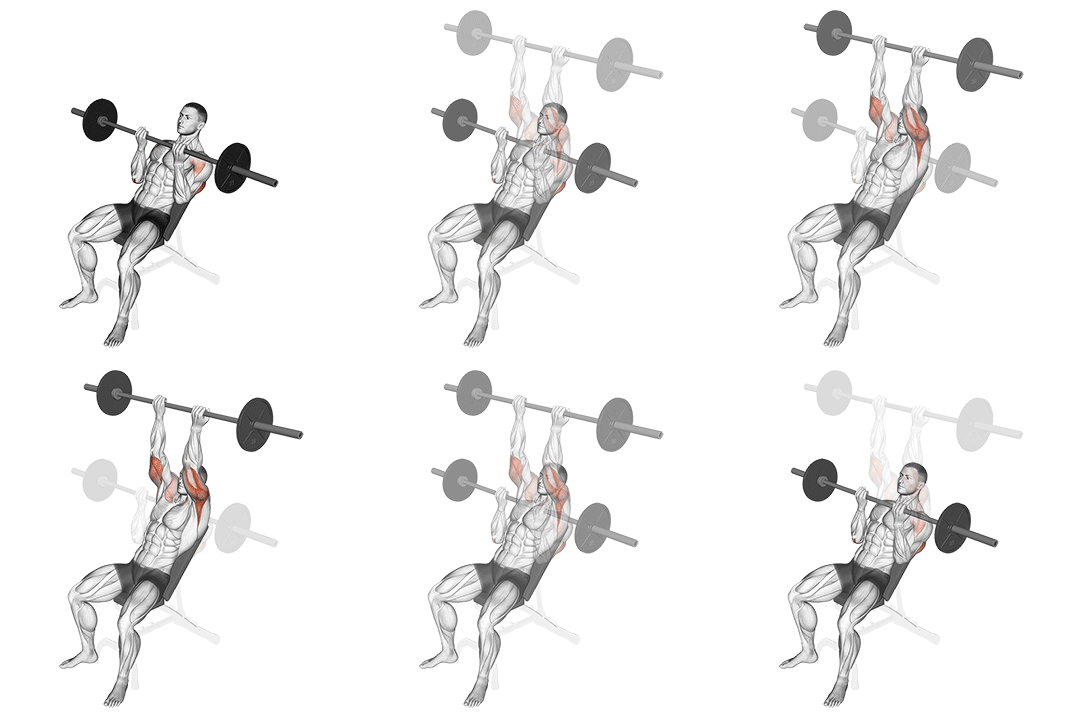
Barbell Incline Reverse-grip Press
Head-to-Head Comparison
| Attribute | Barbell Decline Close Grip To Skull Press | Barbell Incline Reverse-grip Press |
|---|---|---|
| Target Muscle |
Triceps
|
Triceps
|
| Body Part |
Upper-arms
|
Upper-arms
|
| Equipment |
Barbell
|
Barbell
|
| Difficulty |
Intermediate
|
Intermediate
|
| Movement Type |
Compound
|
Compound
|
| Secondary Muscles |
2
|
2
|
Secondary Muscles Activated
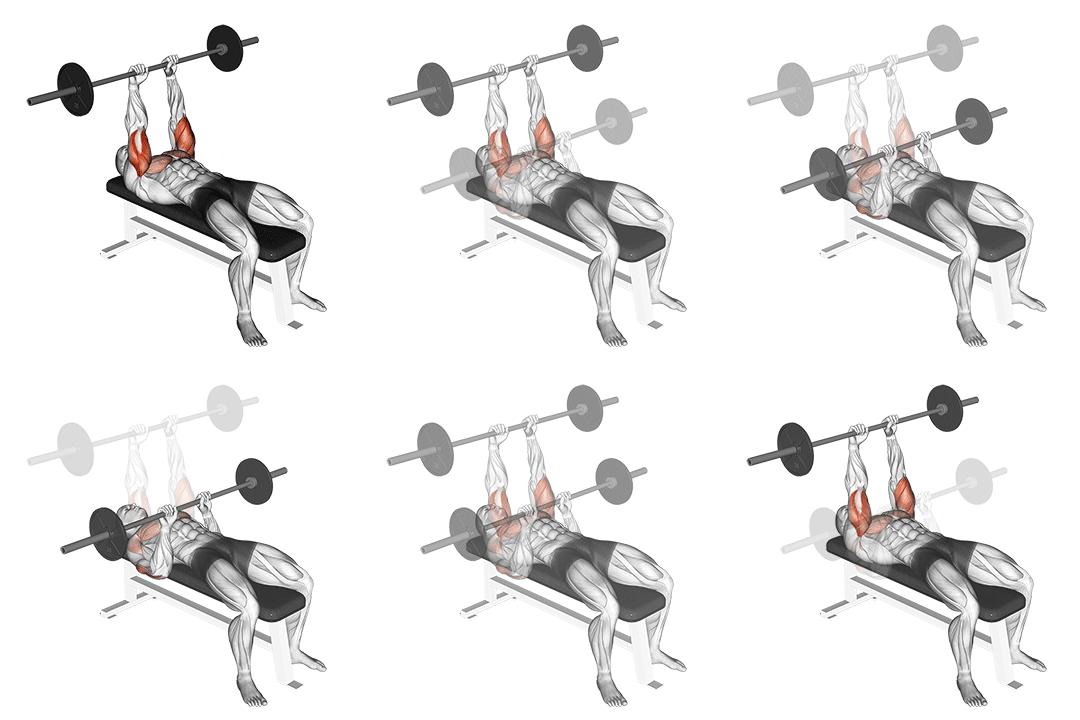
Barbell Decline Close Grip To Skull Press
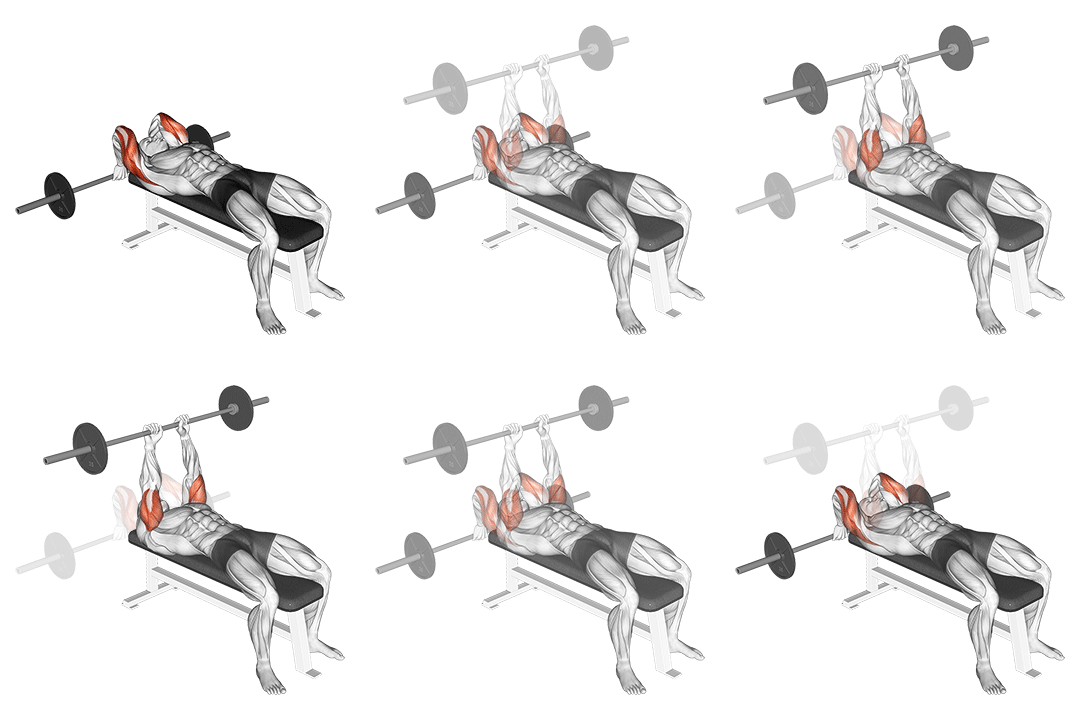
Barbell Incline Reverse-grip Press
Visual Comparison
Overview
Barbell Decline Close Grip To Skull Press vs Barbell Incline Reverse-grip Press — two intermediate barbell moves that both target the triceps but load the upper arms and shoulders differently. I’ll walk you through how each exercise stresses the triceps, what secondary muscles pick up the slack, the exact bench angles and rep ranges to use, and clear technique cues so you can perform each safely. Read on to decide which movement fits your muscle-growth, strength, or equipment constraints and how to program either one into 3–6 weekly sets.
Key Differences
- Both exercises target the Triceps using Barbell. The main differences are in their movement patterns and muscle activation angles.
Pros & Cons
Barbell Decline Close Grip To Skull Press
+ Pros
- Superior triceps isolation via long ROM and tucked elbow path
- Reduced shoulder involvement thanks to decline angle (-15° to -30°)
- Clear focus on elbow extension — great for targeting long and lateral heads
- Easy to program for hypertrophy: 3–5 sets of 8–15 reps
− Cons
- Requires decline bench, which many gyms lack
- Higher risk to elbows and face if bar path is off
- Limited absolute loading compared with compound incline presses
Barbell Incline Reverse-grip Press
+ Pros
- Easier to load heavier for strength due to compound pressing pattern
- Engages upper chest and anterior deltoid for better overall pressing transfer
- More accessible equipment-wise (adjustable bench and rack)
- Progresses well across rep ranges: 3–6 for strength, 6–12 for hypertrophy
− Cons
- Requires good wrist supination and biceps-tendon tolerance
- Less triceps isolation than skull-press at equal loads
- Can recruit more chest so triceps receive relatively lower percent of total work
When Each Exercise Wins
The decline skull-press isolates elbow extension with a long ROM and reduced shoulder involvement, letting you create greater localized triceps time under tension in the 8–15 rep range for more targeted muscle growth.
The incline reverse-grip press allows heavier loading and recruits chest and shoulders to assist the lift, which produces higher absolute loads and better transfer to pressing strength when trained in 3–6 rep ranges.
It has a more familiar bench-press pattern and safer setup; beginners can start with light weights to master wrist position and incline angle (30°) before increasing load.
Adjustable benches are more common than decline benches at home. If you lack an incline, a floor version or dumbbell supinated press can approximate the movement more safely than trying to rig a decline setup.
Frequently Asked Questions
Can I do both Barbell Decline Close Grip To Skull Press and Barbell Incline Reverse-grip Press in the same workout?
Yes — pair the incline reverse-grip press early as your heavy compound (3–6 reps) and use the decline skull-press later as an isolation accessory (8–15 reps). Keep total weekly sets to 6–12 per movement for triceps to avoid overuse.
Which exercise is better for beginners?
The Barbell Incline Reverse-grip Press is generally better for beginners because its setup is more familiar and safer to scale. Start light to build wrist mobility and practice a controlled bar path at 30°–45° incline.
How do the muscle activation patterns differ?
Skull-presses bias elbow extension with reduced shoulder torque, increasing long- and lateral-head triceps activation through a longer ROM. Incline reverse-grip presses shift the force vector upward, increasing upper-chest and anterior-delt recruitment while triceps still lead the final elbow extension.
Can Barbell Incline Reverse-grip Press replace Barbell Decline Close Grip To Skull Press?
It can replace it for general pressing strength and some triceps work, but not if your goal is strict triceps isolation. If you need targeted long-head development, keep skull-presses in your program as an accessory.
Expert Verdict
If your primary goal is targeted triceps hypertrophy and you have safe decline bench access, the Barbell Decline Close Grip To Skull Press gives the most focused elbow-extension stimulus and is ideal for 3–5 sets of 8–15 reps. If you want greater absolute strength, pressing transfer, or better equipment accessibility, the Barbell Incline Reverse-grip Press is the clearer choice — use 3–6 reps for strength phases or 6–12 for size. Program both if you can: use the incline reverse grip for heavier compound work and the decline skull-press as a triceps-focused accessory to accentuate long-head development.
Also Compare
More comparisons with Barbell Decline Close Grip To Skull Press
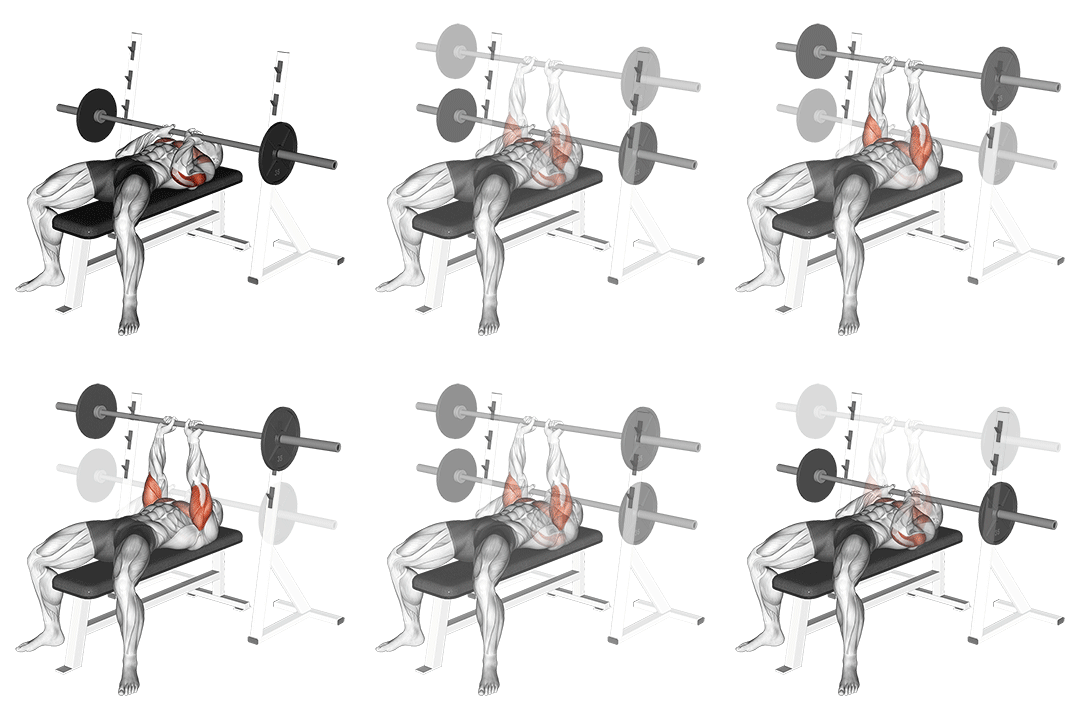
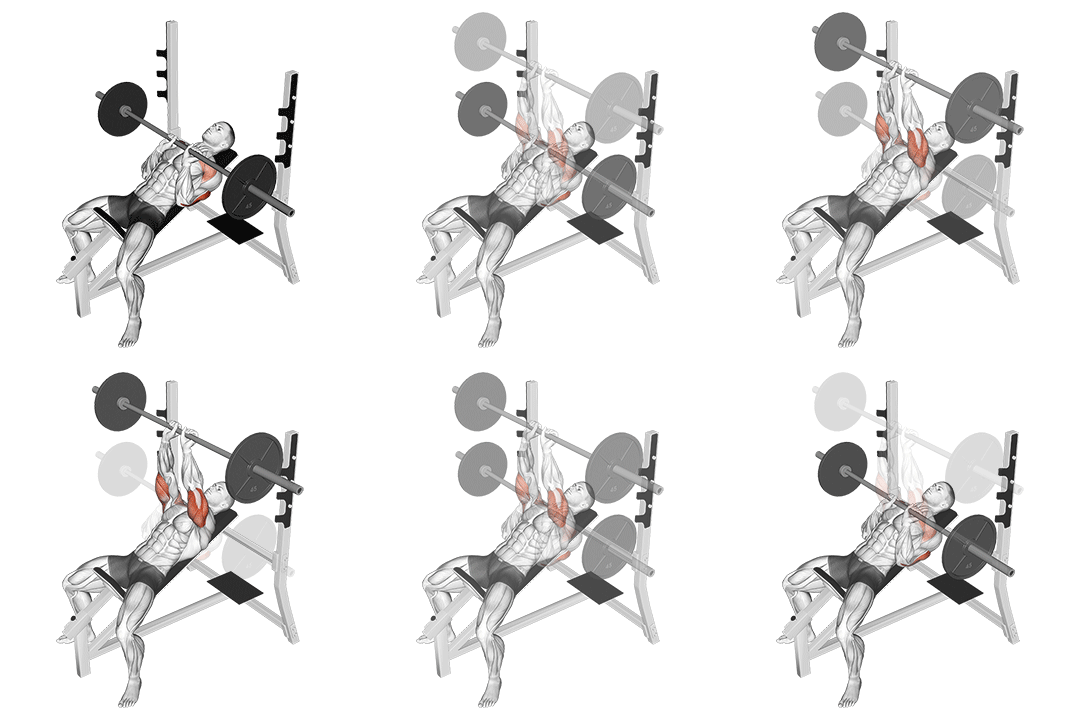
More comparisons with Barbell Incline Reverse-grip Press
Compare More Exercises
Use our free comparison tool to analyze any two exercises head-to-head.
Compare Exercises