

Barbell Floor Calf Raise vs Rocking Standing Calf Raise: Complete Comparison Guide
Barbell Floor Calf Raise vs Rocking Standing Calf Raise — two barbell isolation moves that target your calves but load them differently. If you want clear guidance on which to use, this page breaks down muscle activation, equipment and setup, learning curve, injury risk, and progression strategies. You'll get technique cues, rep ranges (8–20 reps), and biomechanical reasons—like how knee angle shifts gastrocnemius versus soleus recruitment and how range of motion changes length-tension. Read on to pick the exercise that fits your goals and practical setup.
Exercise Comparison
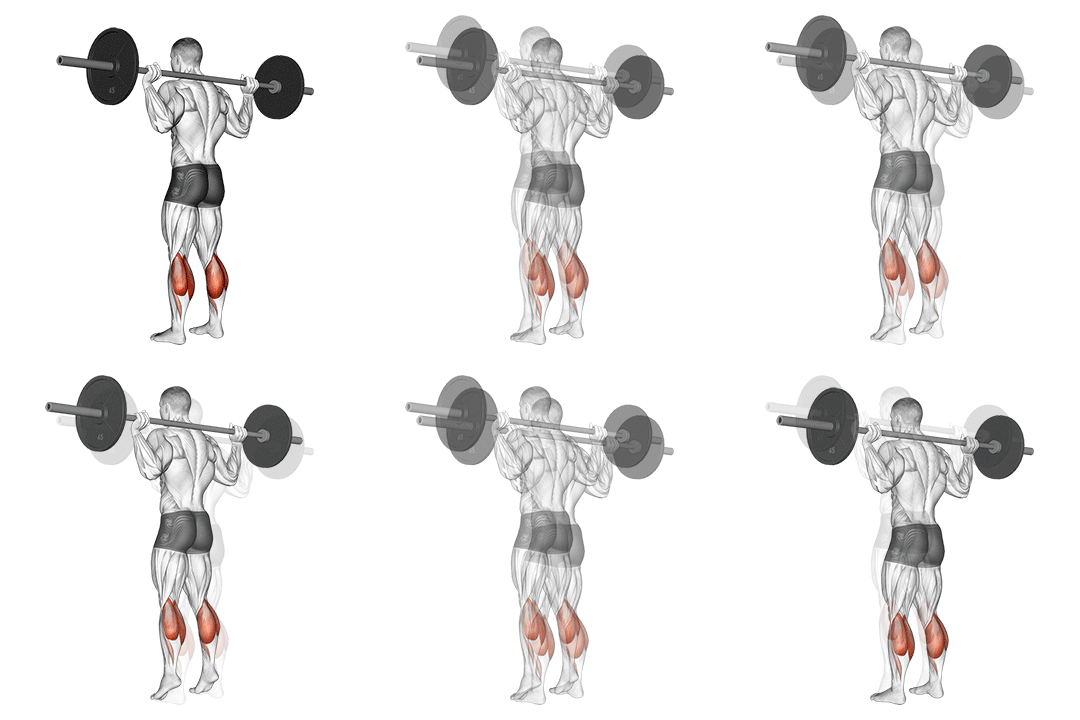
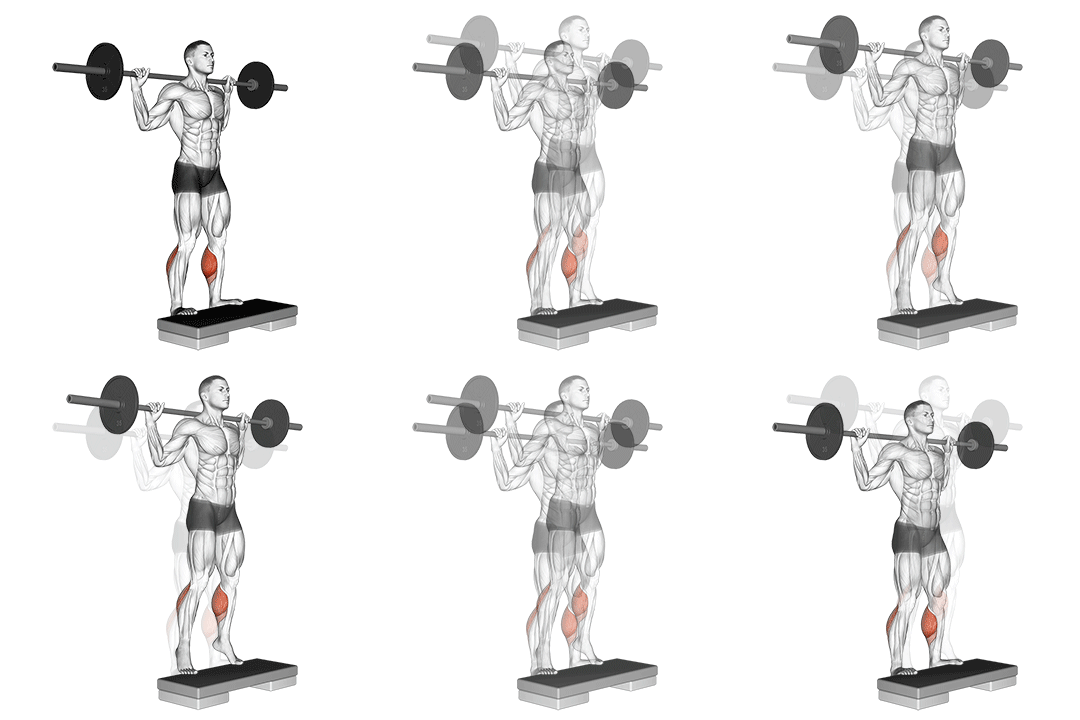
Barbell Floor Calf Raise
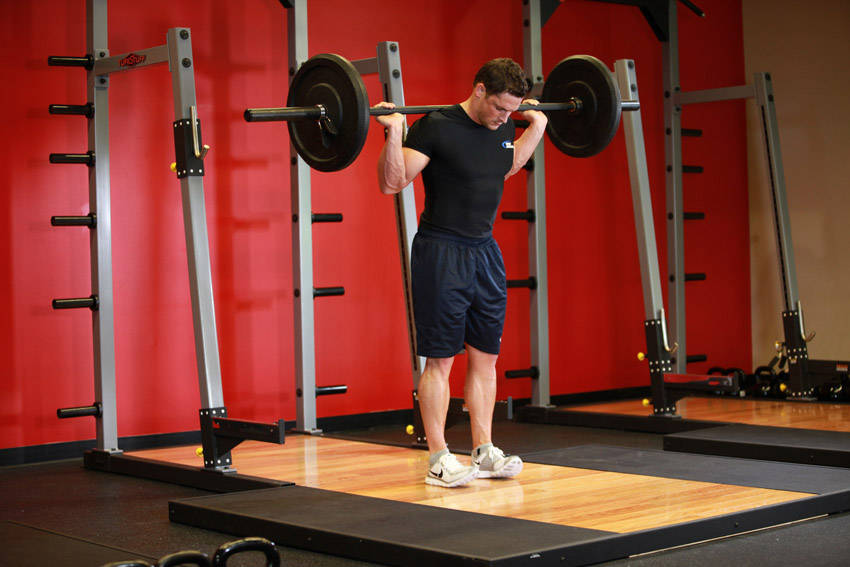
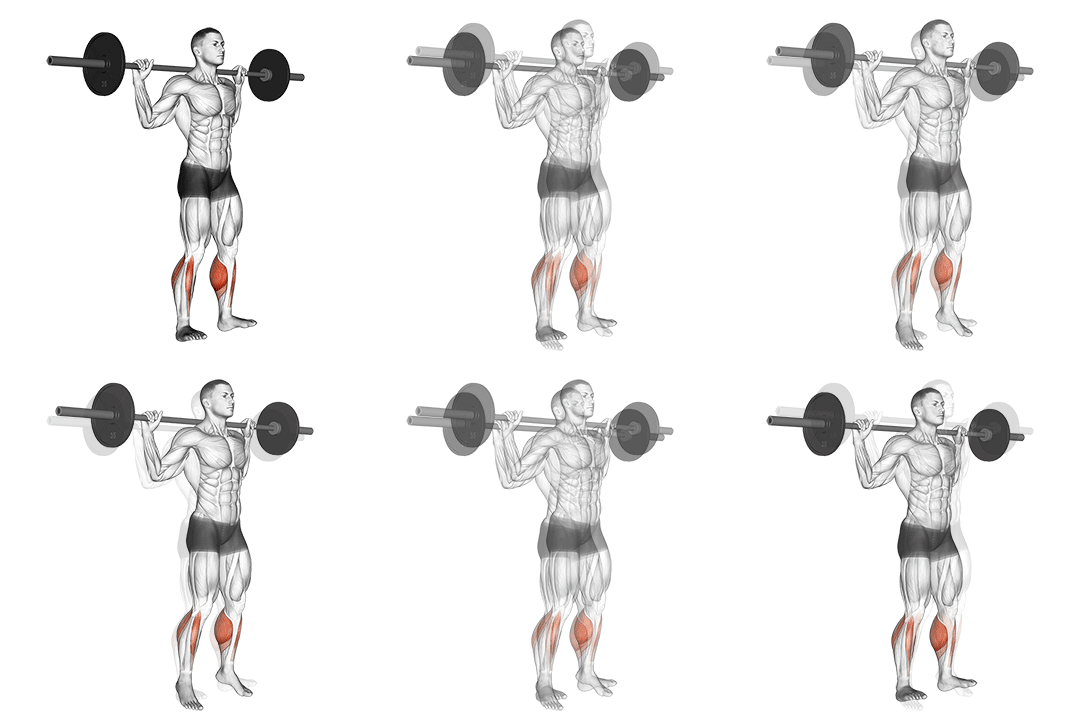
Rocking Standing Calf Raise
Head-to-Head Comparison
| Attribute | Barbell Floor Calf Raise | Rocking Standing Calf Raise |
|---|---|---|
| Target Muscle |
Calves
|
Calves
|
| Body Part |
Lower-legs
|
Lower-legs
|
| Equipment |
Barbell
|
Barbell
|
| Difficulty |
Beginner
|
Intermediate
|
| Movement Type |
Isolation
|
Isolation
|
| Secondary Muscles |
1
|
0
|
Secondary Muscles Activated
Barbell Floor Calf Raise
Rocking Standing Calf Raise
Visual Comparison
Overview
Barbell Floor Calf Raise vs Rocking Standing Calf Raise — two barbell isolation moves that target your calves but load them differently. If you want clear guidance on which to use, this page breaks down muscle activation, equipment and setup, learning curve, injury risk, and progression strategies. You'll get technique cues, rep ranges (8–20 reps), and biomechanical reasons—like how knee angle shifts gastrocnemius versus soleus recruitment and how range of motion changes length-tension. Read on to pick the exercise that fits your goals and practical setup.
Key Differences
- Difficulty levels differ: Barbell Floor Calf Raise is beginner, while Rocking Standing Calf Raise is intermediate.
- Both exercises target the Calves using Barbell. The main differences are in their movement patterns and muscle activation angles.
Pros & Cons
Barbell Floor Calf Raise
+ Pros
- Simple setup—done on flat floor with a barbell
- Easier to load heavily for strength (6–12 rep ranges)
- Lower balance demand for beginners
- Engages hamstrings and posterior chain for added stability
− Cons
- Limited ankle dorsiflexion reduces stretch-phase stimulus
- Less time under tension for eccentric-driven hypertrophy
- Spine and hamstring stabilization required under heavier loads
Rocking Standing Calf Raise
+ Pros
- Greater ROM and eccentric stretch for hypertrophy
- Higher time under tension suitable for 10–20 reps
- Improves ankle mobility and calf length-tension exposure
- More isolated ankle joint control with reduced hip involvement
− Cons
- Requires better balance and ankle mobility
- Harder to load very heavy safely
- Higher Achilles/ankle overload risk if performed with poor control
When Each Exercise Wins
Rocking Standing Calf Raise wins because the rocking motion increases dorsiflexion and eccentric loading, raising time under tension and mechanical stretch—key drivers of hypertrophy. Aim for 10–20 reps with slow (2–3s) eccentrics to maximize muscle growth.
Barbell Floor Calf Raise lets you handle heavier absolute loads with a stable base, favoring maximal force production and low-rep strength work (4–8 reps). The limited ROM reduces shear on the ankle so you can progressively add plate weight safely.
The floor raise has a gentler learning curve and lower balance demands; you can focus on concentric force and basic control before adding ROM or rocking coordination. It also gives a safer platform to build ankle strength while you learn bracing.
For home setups, the floor variation requires minimal space and no extra platform, and it’s simpler to load within a power rack or with dumbbells. Rocking requires free space and better ankle control, which is harder to manage without a coach.
Frequently Asked Questions
Can I do both Barbell Floor Calf Raise and Rocking Standing Calf Raise in the same workout?
Yes—pairing them works well. Do the heavy Barbell Floor Calf Raises first for 4–8 reps to target strength, then follow with Rocking Standing Calf Raises for 10–20 reps to increase ROM and hypertrophy with controlled eccentrics.
Which exercise is better for beginners?
Barbell Floor Calf Raise is better for beginners because it has a simpler motor pattern and lower balance demands. Beginners should master bracing and heavy concentric reps before adding rocking ROM work.
How do the muscle activation patterns differ?
The rocking variation produces greater eccentric gastrocnemius activation due to increased dorsiflexion, whereas the floor raise emphasizes concentric force and allows heavier loading. Knee angle remains extended in both, so gastrocnemius dominates; soleus contribution rises with higher rep, bent-knee modifications, or longer time under tension.
Can Rocking Standing Calf Raise replace Barbell Floor Calf Raise?
Rocking can replace floor raises if your primary aim is hypertrophy and you have solid ankle control, but it won’t match the heavy-loading potential for maximal strength. For balanced progress, rotate or combine both based on whether you want to emphasize size or absolute force.
Expert Verdict
Choose Rocking Standing Calf Raise when your goal is calf hypertrophy and you have the ankle mobility and coordination to control a longer ROM—use 10–20 reps with controlled (2–3s) eccentrics and occasional pausing at the bottom. Choose Barbell Floor Calf Raise when you want to prioritize strength, lift heavier loads, or are new to calf training; use 4–12 reps and add progressive weight while maintaining a braced, neutral spine. Both can complement each other: use floor raises for weekly heavy loading and rocking raises for accessory hypertrophy and mobility work.
Also Compare
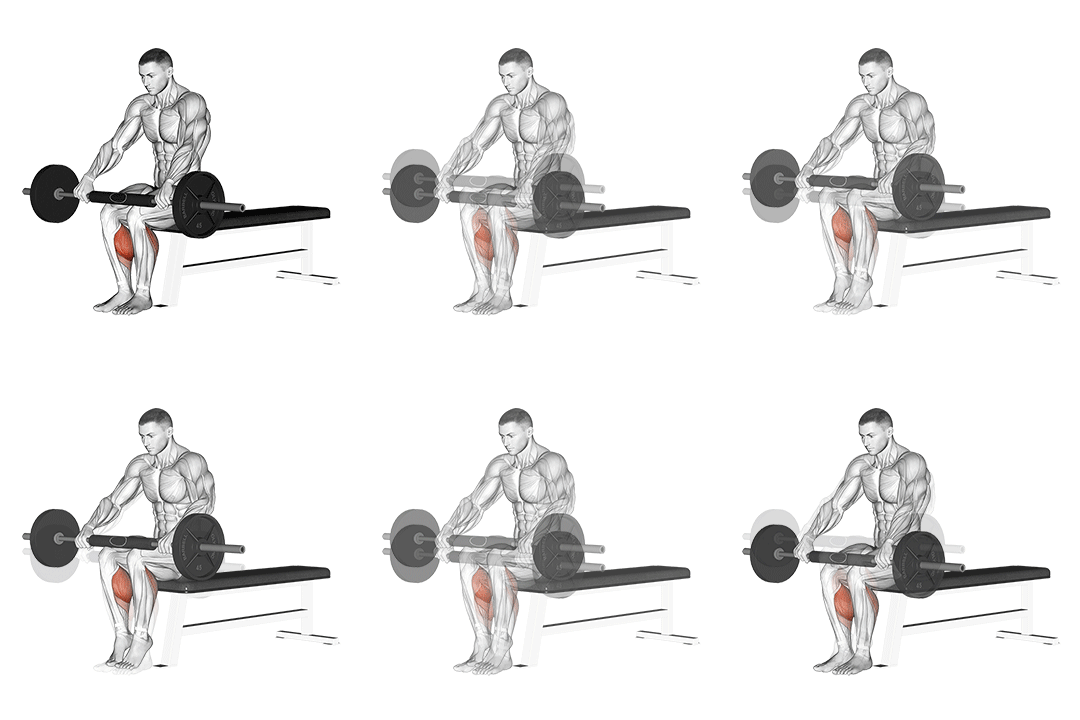
More comparisons with Barbell Floor Calf Raise
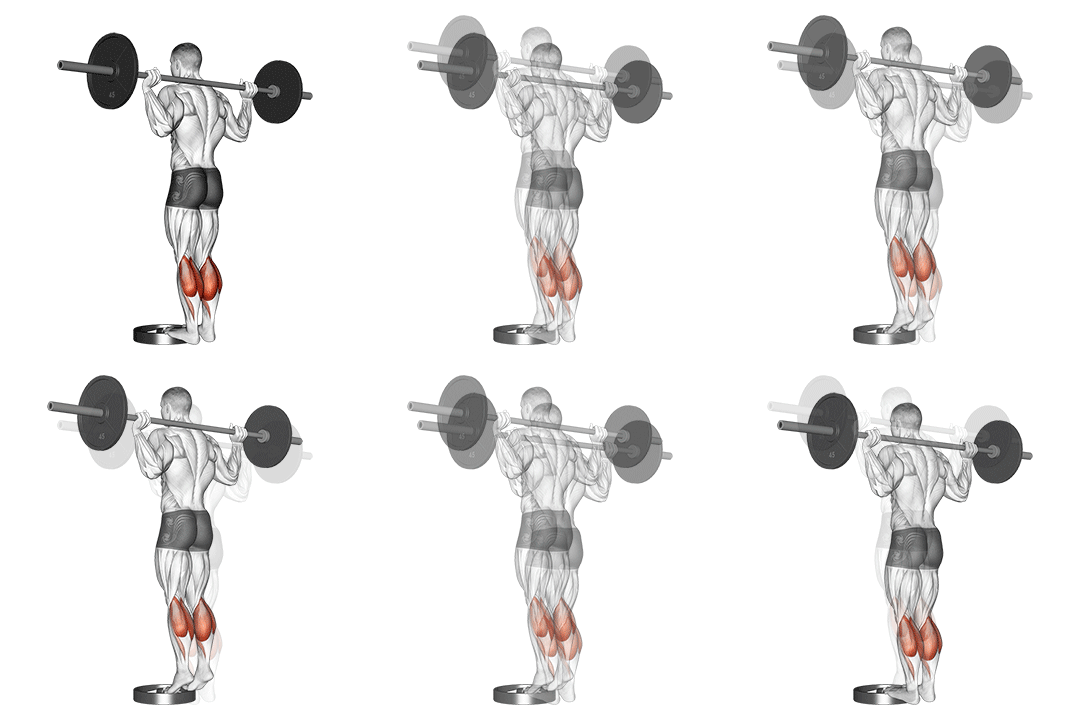
More comparisons with Rocking Standing Calf Raise
Compare More Exercises
Use our free comparison tool to analyze any two exercises head-to-head.
Compare Exercises