

Barbell Standing Rocking Leg Calf Raise vs Rocking Standing Calf Raise: Complete Comparison Guide
Barbell Standing Rocking Leg Calf Raise vs Rocking Standing Calf Raise — you’ll get clear guidance on which movement to use for calf size, strength, and training flow. I’ll walk you through muscle activation, equipment and setup, technical cues, progression options, and injury risk. Expect specific rep ranges (8–15 for hypertrophy, 4–6 for heavy strength work), joint-angle notes, and practical programming tips so you can pick or combine the exercises based on your goals and available gear.
Exercise Comparison
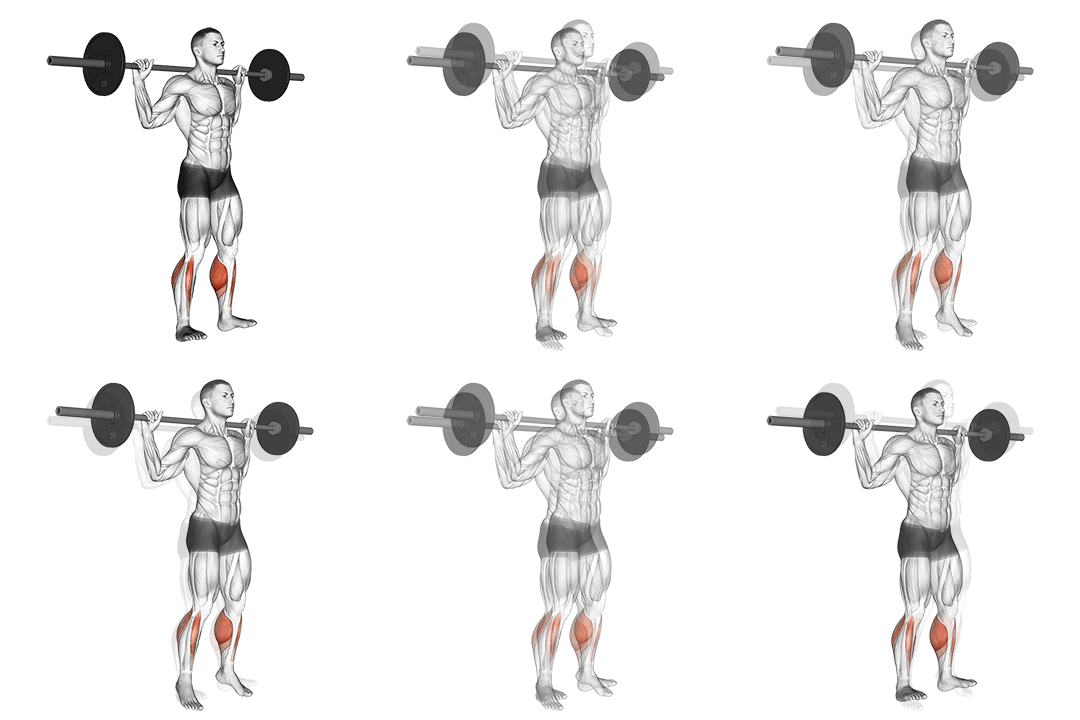
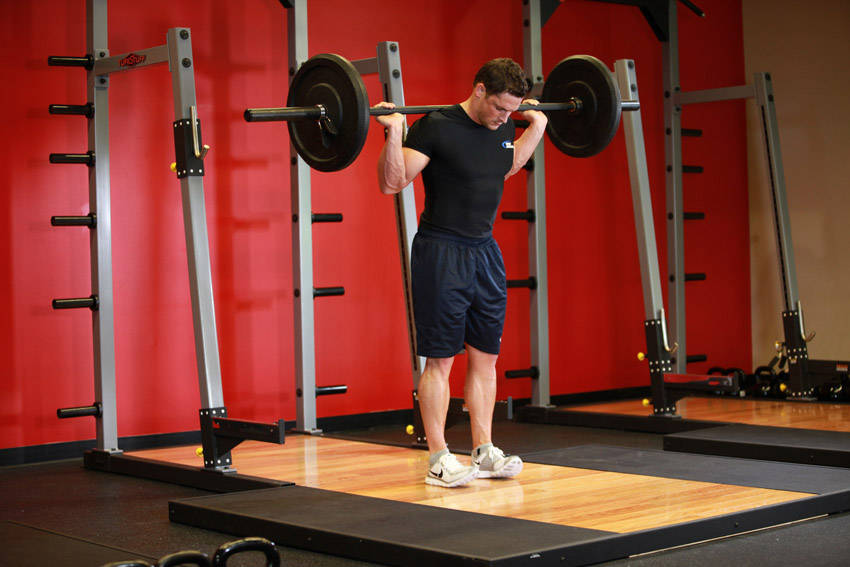
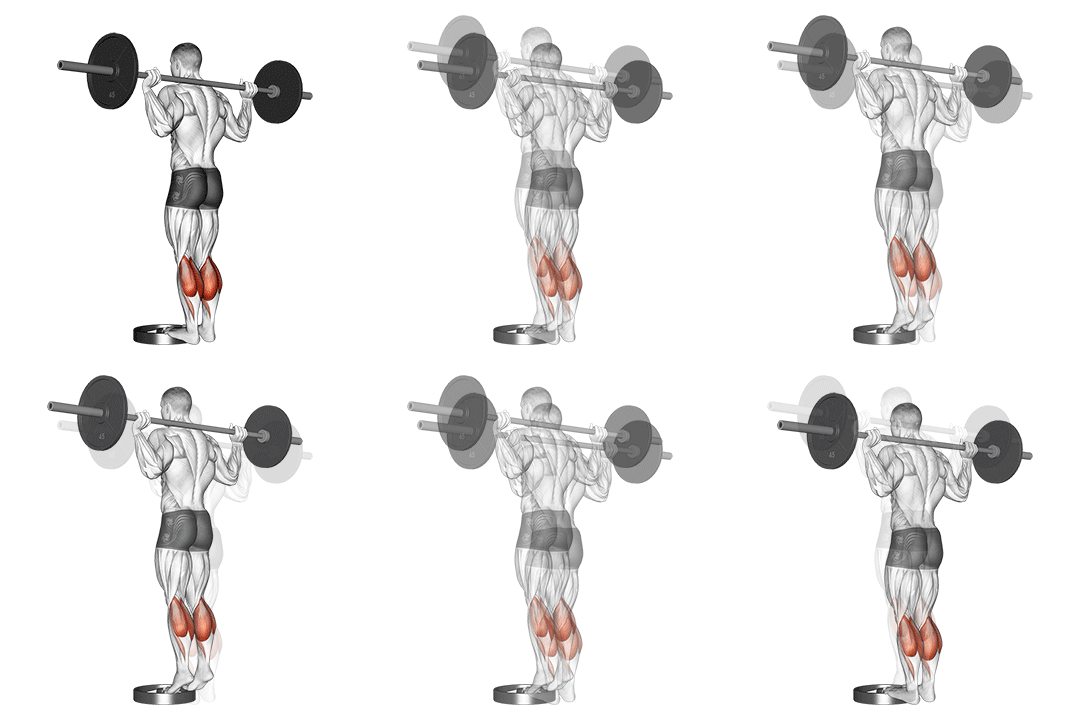
Barbell Standing Rocking Leg Calf Raise
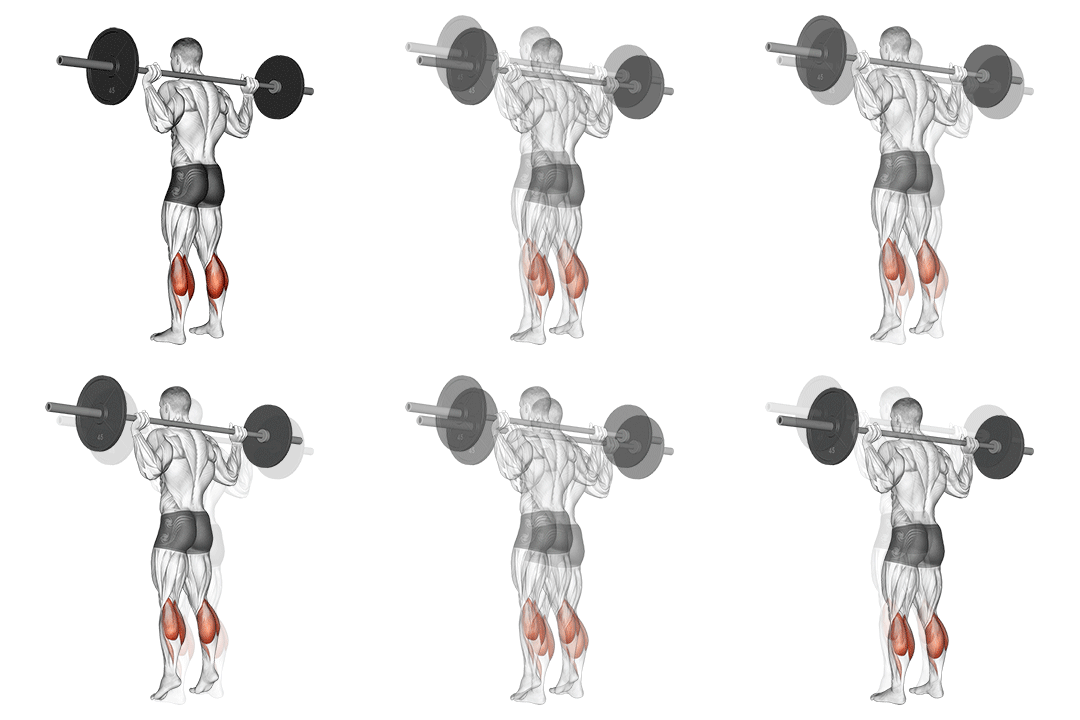
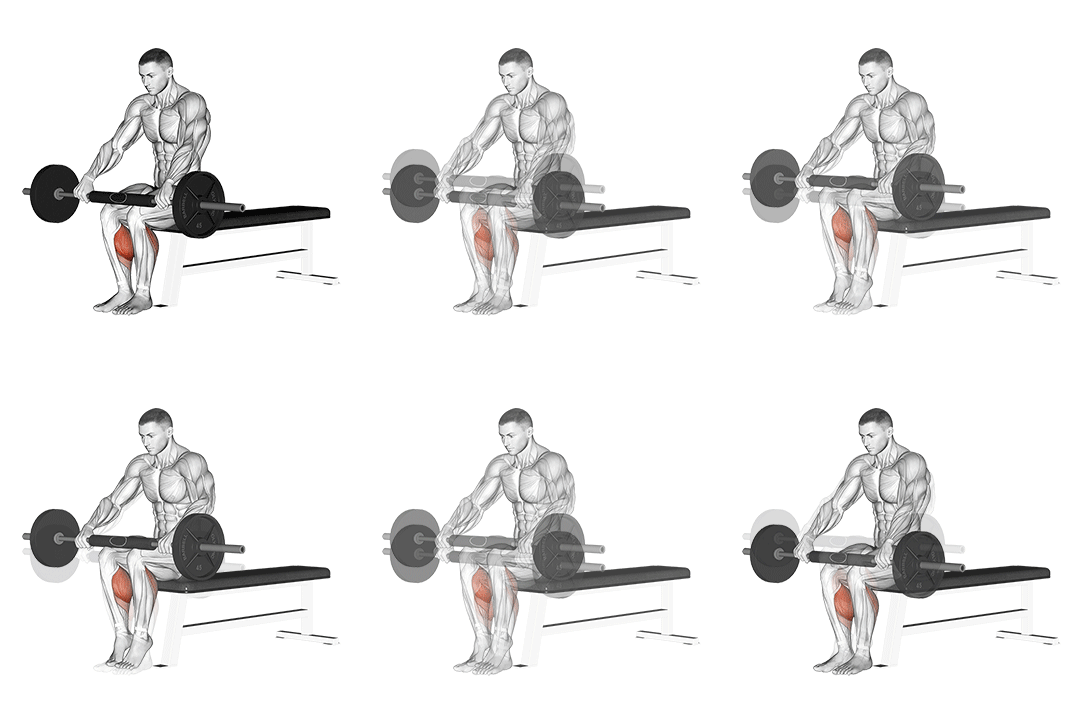
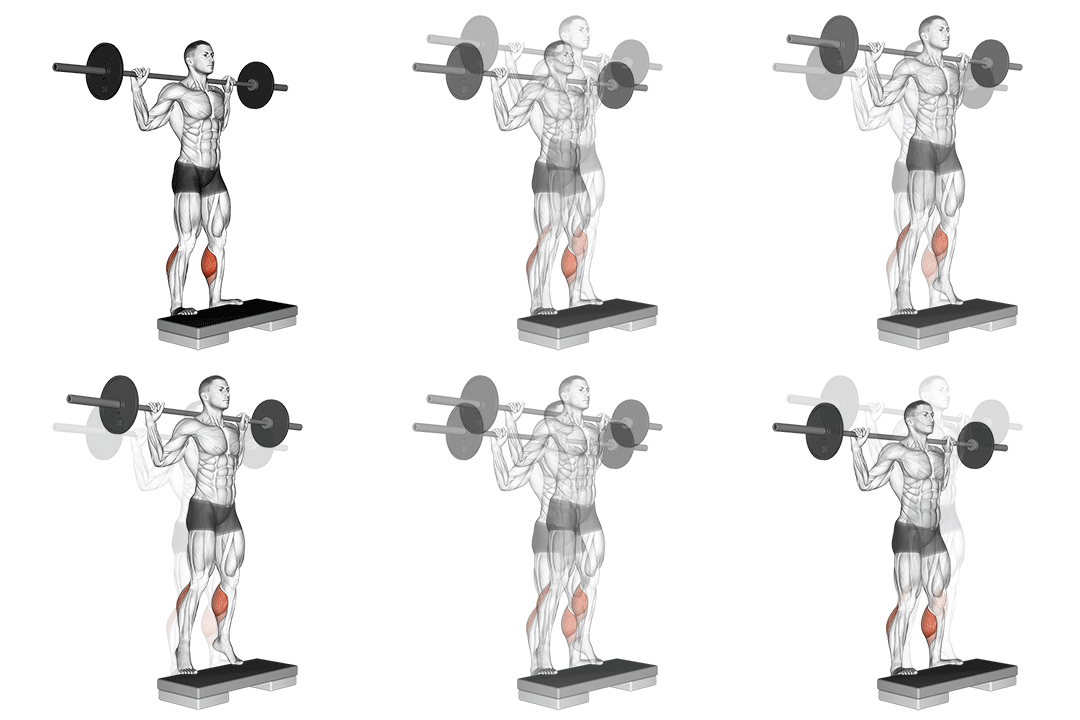
Rocking Standing Calf Raise
Head-to-Head Comparison
| Attribute | Barbell Standing Rocking Leg Calf Raise | Rocking Standing Calf Raise |
|---|---|---|
| Target Muscle |
Calves
|
Calves
|
| Body Part |
Lower-legs
|
Lower-legs
|
| Equipment |
Barbell
|
Barbell
|
| Difficulty |
Intermediate
|
Intermediate
|
| Movement Type |
Isolation
|
Isolation
|
| Secondary Muscles |
2
|
0
|
Secondary Muscles Activated
Barbell Standing Rocking Leg Calf Raise
Rocking Standing Calf Raise
Visual Comparison
Overview
Barbell Standing Rocking Leg Calf Raise vs Rocking Standing Calf Raise — you’ll get clear guidance on which movement to use for calf size, strength, and training flow. I’ll walk you through muscle activation, equipment and setup, technical cues, progression options, and injury risk. Expect specific rep ranges (8–15 for hypertrophy, 4–6 for heavy strength work), joint-angle notes, and practical programming tips so you can pick or combine the exercises based on your goals and available gear.
Key Differences
- Both exercises target the Calves using Barbell. The main differences are in their movement patterns and muscle activation angles.
Pros & Cons
Barbell Standing Rocking Leg Calf Raise
+ Pros
- Higher unilateral load potential for greater per-calf stimulus
- Greater demand on hip and knee stabilizers, improving overall lower-leg integration
- Easier to progressively overload each calf independently
- Strong carryover to single-leg athletic actions due to balance and control elements
− Cons
- Requires more balance and coordination — steeper learning curve
- Higher localized Achilles and ankle stress under heavy unilateral load
- Needs careful setup (platform height, bar position) to avoid lumbar rounding
Rocking Standing Calf Raise
+ Pros
- Simple setup and safer for beginners or heavy bilateral loading
- Consistent, repeatable ROM makes tempo and volume control straightforward
- Lower balance demand reduces compensatory hip/knee movement
- Good for high-volume sessions (12–20+ reps) with tolerable joint stress
− Cons
- Limited unilateral overload — each calf gets less relative load per limb
- Can plateau earlier for lifters seeking maximal single-leg strength
- Less secondary stabilizer recruitment, so carryover to unilateral tasks is smaller
When Each Exercise Wins
It lets you overload each calf independently and maintain tension through a long ROM, making 3–4 sets of 8–15 reps highly effective for stimulating muscle growth via mechanical tension and stretch-mediated hypertrophy.
Single-leg loading forces higher peak forces per limb and increases neuromuscular drive, which transfers better to maximal plantarflexion strength when using low-rep heavy sets (4–6 reps) under controlled tempo.
The bilateral setup reduces balance and stabilization demands so you can learn full ROM, control tempo, and accumulate volume safely—ideal for early-stage strength and size work.
Requires minimal balance setup and lets you use lighter barbells or household weights for higher-rep training; bilateral loading is easier to manage without spotters or a squat rack.
Frequently Asked Questions
Can I do both Barbell Standing Rocking Leg Calf Raise and Rocking Standing Calf Raise in the same workout?
Yes. Start with the stronger, more demanding variant (typically barbell single-leg) for 3–5 sets at lower reps (6–12), then use the bilateral rocking raise for 2–3 burnout sets of 12–20 to increase time under tension.
Which exercise is better for beginners?
Rocking Standing Calf Raise is better because it reduces balance demands and lets you learn full ankle ROM and tempo control. Begin with 2–3 sets of 10–15 reps and focus on 2–3 second eccentrics.
How do the muscle activation patterns differ?
Both target gastrocnemius and soleus, but single-leg barbell rocking increases unilateral gastrocnemius peak activation and stabilizer recruitment at the hip and knee. The rocking motion increases soleus stretch under dorsiflexion, shifting some load to stretch-mediated tension.
Can Rocking Standing Calf Raise replace Barbell Standing Rocking Leg Calf Raise?
It can replace it for general calf development or high-volume phases, but not for targeted unilateral strength or imbalance correction. If your goal is per-leg strength or correcting asymmetry, keep the barbell single-leg rocking variant in your plan.
Expert Verdict
Use Rocking Standing Calf Raise when you need a solid, safe builder for regular calf volume, controlled tempo work, or when training at home. It’s the practical choice for most programs and beginners. Choose Barbell Standing Rocking Leg Calf Raise when you want to prioritize unilateral overload, correct left-right imbalances, or push per-calf strength and hypertrophy with heavier per-leg loading. Program both: include bilateral rocking sets for high-volume conditioning (12–20 reps) and rotate in single-leg barbell rocking sets for focused 3–5 sets of 6–12 reps to drive asymmetric progress and tougher mechanical tension.
Also Compare
More comparisons with Barbell Standing Rocking Leg Calf Raise
More comparisons with Rocking Standing Calf Raise
Compare More Exercises
Use our free comparison tool to analyze any two exercises head-to-head.
Compare Exercises