Barbell Front Squat vs Barbell Romanian Deadlift

Compare target muscles, equipment, difficulty, movement type, and secondary muscles for Barbell Front Squat and Barbell Romanian Deadlift.

Change comparison Share

Get comparison link

Select the link and use your device's Copy command.

Comparison overview

AI-generated
Barbell Front Squat vs Barbell Romanian Deadlift — you can use both to build stronger, more developed upper legs, but they load the body very differently. This guide walks you through how each move recruits the glutes, quads, hamstrings, and core, what equipment and mobility each requires, practical technique cues, and rep-range recommendations for hypertrophy and strength. Read on and you’ll know when to prioritize front squats or Romanian deadlifts in your program, how to sequence them in a workout, and concrete cues to get better muscle activation and safer lifts.

Exercise Comparison

Exercise A
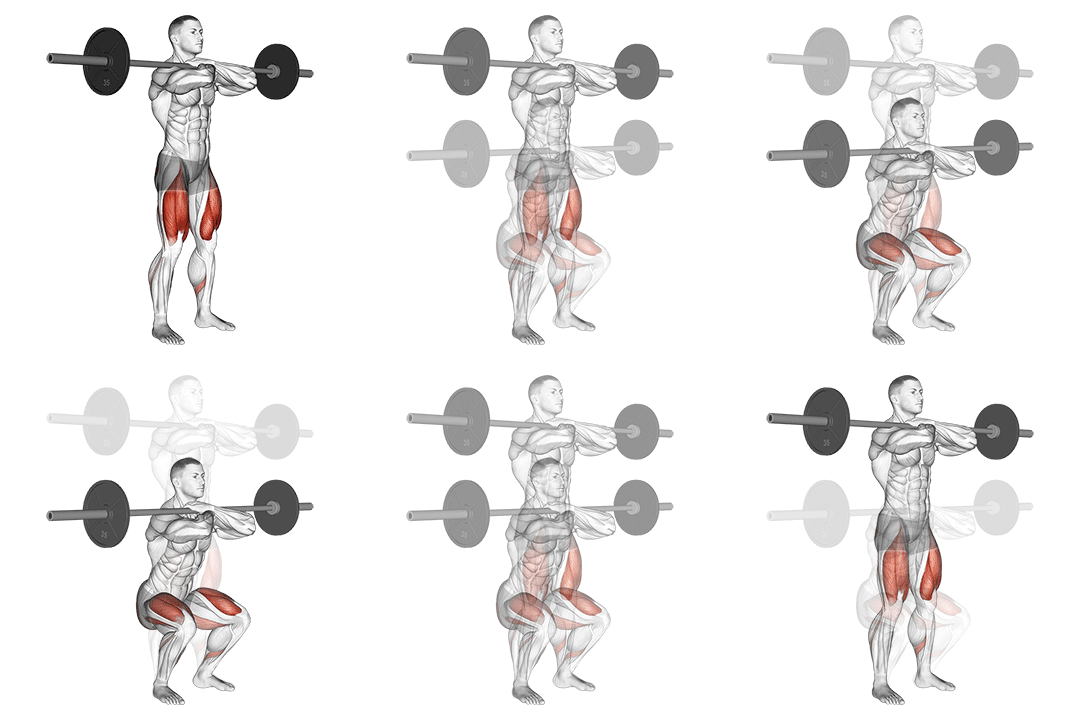
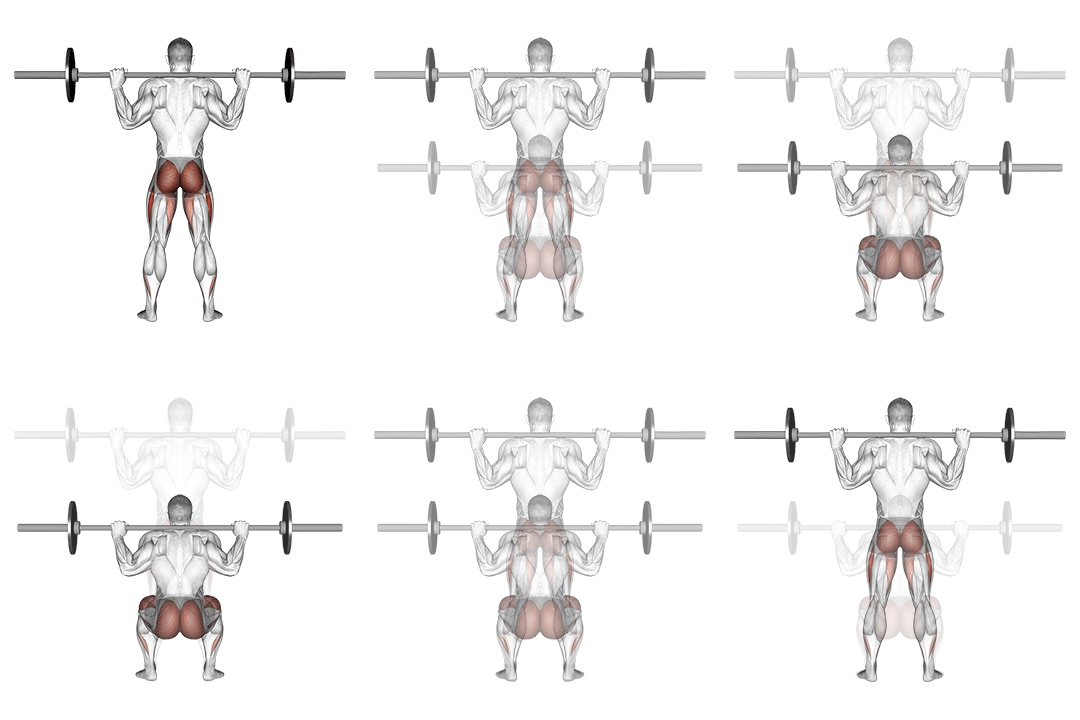
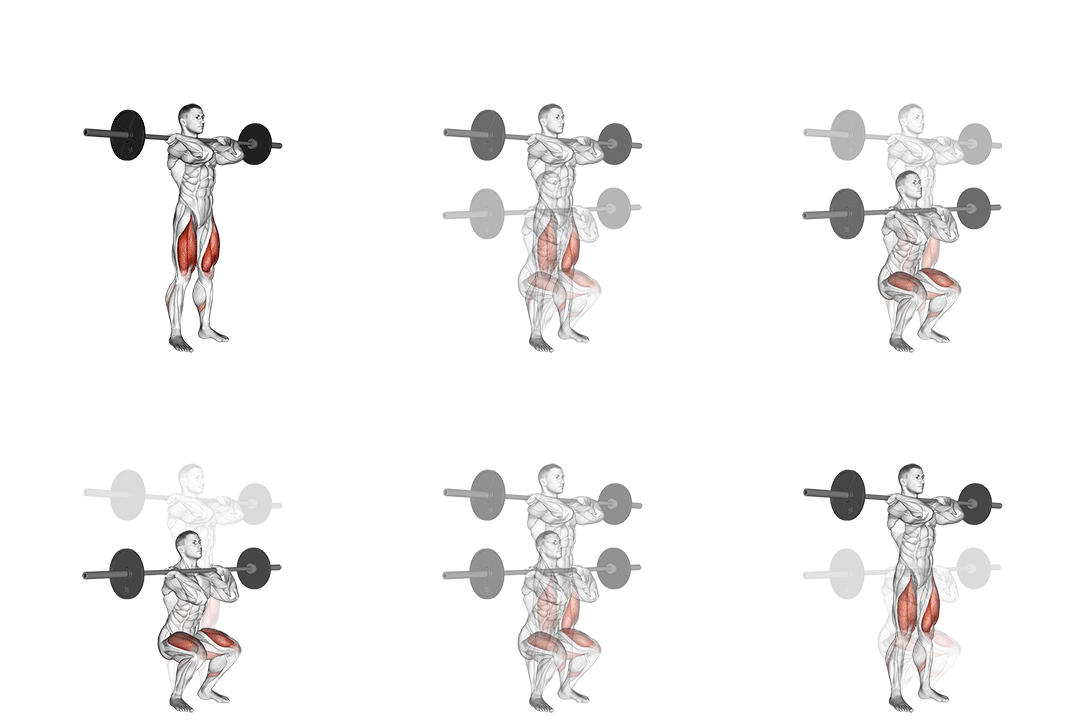
Barbell Front Squat demonstration

Barbell Front Squat

Target Glutes
Equipment Barbell
Body Part Upper-legs
Difficulty Intermediate
Movement Compound
Secondary Muscles
Quadriceps Hamstrings Calves Core
VS
Exercise B
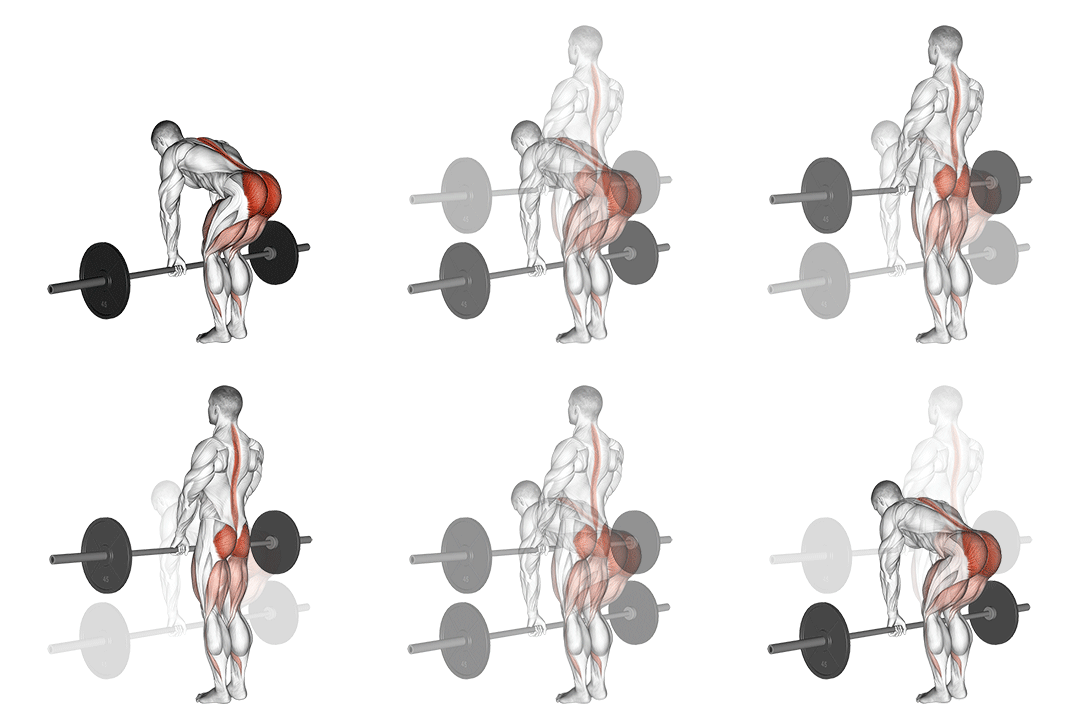
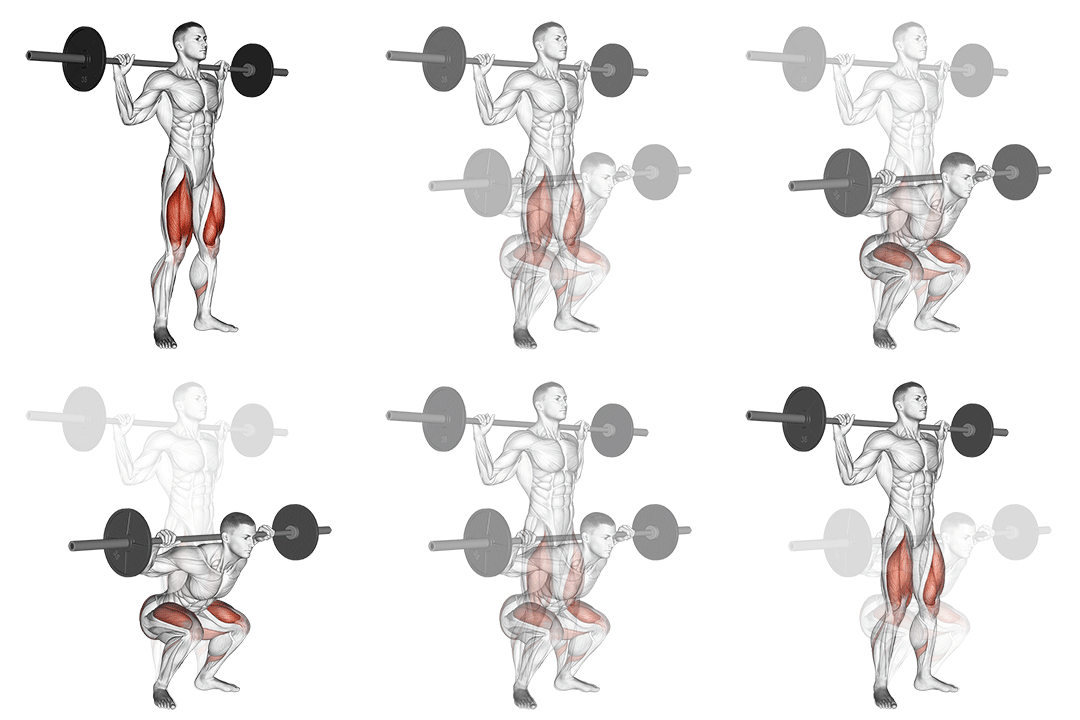
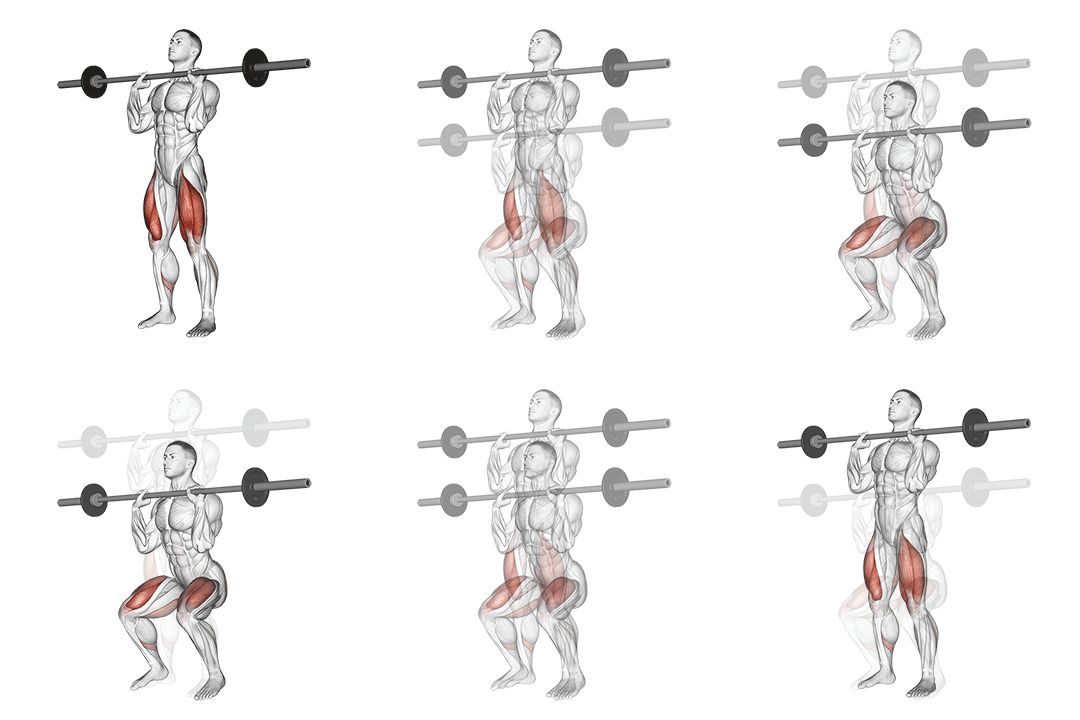
Barbell Romanian Deadlift demonstration

Barbell Romanian Deadlift

Target Glutes
Equipment Barbell
Body Part Upper-legs
Difficulty Intermediate
Movement Compound
Secondary Muscles
Hamstrings Lower Back

Head-to-Head Comparison

Different values are marked. These are catalogue attributes, not performance scores.

Muscles used

Listed target and secondary muscles, shown on the body. Locations, not activation or strength scores.

  • Target
  • Secondary
  • Not highlighted

Barbell Front Squat

Front
Barbell Front Squat: front muscle locationsSolid: listed target. Striped: listed secondary. Grey: not highlighted. Locations, not activation or strength scores. See the muscle names below.
Back
Barbell Front Squat: back muscle locationsSolid: listed target. Striped: listed secondary. Grey: not highlighted. Locations, not activation or strength scores. See the muscle names below.
Target
Glutes
Secondary
Quadriceps, Hamstrings, Calves, Core

Not shown on diagram: Core. These labels do not identify a precise region on this map.

Barbell Romanian Deadlift

Front
Barbell Romanian Deadlift: front muscle locationsSolid: listed target. Striped: listed secondary. Grey: not highlighted. Locations, not activation or strength scores. See the muscle names below.
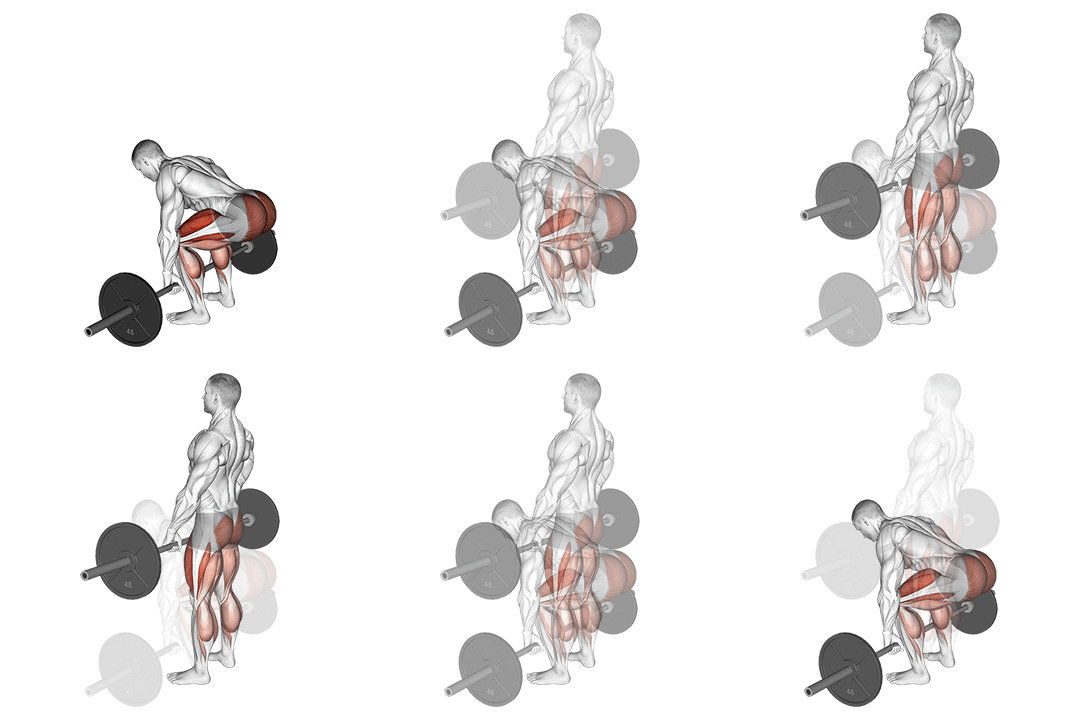
Back
Barbell Romanian Deadlift: back muscle locationsSolid: listed target. Striped: listed secondary. Grey: not highlighted. Locations, not activation or strength scores. See the muscle names below.
Target
Glutes
Secondary
Hamstrings, Lower Back

Grey does not mean a muscle is unused. The diagrams show only the mapped catalogue labels.

Attribute Barbell Front Squat Barbell Romanian Deadlift
Target Muscle
Glutes
Glutes
Body Part
Upper-legs
Upper-legs
Equipment
Barbell
Barbell
Difficulty
Intermediate
Intermediate
Movement Type
Compound
Compound
Secondary Muscles Different
Quadriceps, Hamstrings, Calves, Core
Hamstrings, Lower Back

Visual Comparison

An illustrative 1–10 profile derived from catalog difficulty, equipment, and listed-muscle fields—not measured performance or muscle activation.

Key Differences

  • Both exercises target the Glutes using Barbell. The catalogue does not establish which exercise is better for an individual goal.

Muscle comparison

Shared target muscles

Both exercises target the glutes as the primary muscle, but the front squat shifts more demand to the knee extensors (quadriceps) because of the large knee-extensor moment created by an upright torso and deeper knee flexion. The Romanian deadlift produces a larger hip-extension moment and places the glutes and hamstrings under longer-length eccentric tension, so glute activation comes with stronger hamstring involvement.

Secondary muscle differences

Barbell Front Squat recruits core and upper-back musculature to maintain a vertical torso and resist forward flexion, plus some calf involvement at lockout. The Barbell Romanian Deadlift loads the hamstrings and lumbar extensors more; it creates higher posterior chain shear and requires more eccentric control of hip flexion while knees stay in slight flexion (about 15–30°).

Muscle involvement analysis

Front squats produce peak quadriceps activation around 60–90° of knee flexion as the quads produce the largest force; the glutes contribute more as you rise past 40° hip extension. RDLs load hamstrings eccentrically during the hip hinge as hips move from ~80° flexion to full extension; glutes drive the concentric lockout under high hip-extension torque. Force vectors differ: front squat has larger vertical compressive load, RDL emphasizes horizontal shear and posterior chain torque.

Equipment and setup

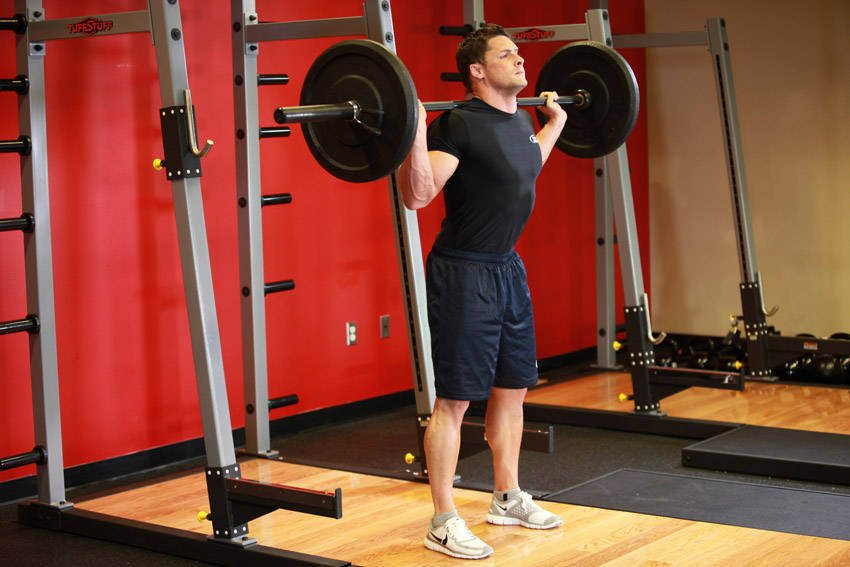
Barbell Front Squat: setup

Barbell Front Squat: barbell, squat rack with safety pins, collars; prefer a clean grip or cross-arm position and adequate thoracic extension and wrist mobility.

Barbell Romanian Deadlift: setup

Barbell Romanian Deadlift: barbell, collars, and optionally a rack or blocks to start from; requires less wrist/thoracic mobility but needs a stable platform and good hamstring flexibility.

Access and practicality

Barbell Romanian Deadlift — it generally requires less specialized setup and less upper-body mobility (no front rack), so you can perform it safely with a basic barbell and some technique coaching.

Learning and progression

Learning the movements

RDLs are easier to teach initially because the hip-hinge is a single, repeatable pattern; beginner cueing (push hips back, keep a neutral spine, 15–30° knee bend) quickly reduces risk. Front squats demand a front-rack position, upright torso control, and simultaneous hip-and-knee coordination, which raises the learning curve.

Progression considerations

Both scale well, but front squats offer clearer progressive overload for quad-dominant muscle growth via heavier sets and lower rep ranges (4–8) and paused variations. RDLs provide progressive overload for posterior-chain strength and eccentric control with heavier sets, slow eccentrics (3–5 seconds), and increased ROM.

Limitations and precautions

RDL has a higher relative risk to the lower back if you allow lumbar flexion under load; strict hip-hinge and neutral spine minimize this. Front squat places more compressive load on the spine and stress on the wrists/shoulders; inadequate rack setup or thoracic mobility can increase risk to the wrists and upper back.

Pros & Cons

Barbell Front Squat

+ Pros

  • High quad and glute stimulus due to large knee-extensor moment
  • Improves upright posture and core/bracing strength under load
  • Transfers well to cleans, front-rack sports positions, and squat strength
  • Easy to target hypertrophy with sets of 6–12 and paused reps

− Cons

  • Requires good thoracic extension and front-rack or cross-arm mobility
  • Higher spinal compressive load than a hinge-dominant lift
  • Can be hard on wrists and shoulders if mobility is limited

Barbell Romanian Deadlift

+ Pros

  • Excellent posterior-chain emphasis for glutes and hamstrings
  • Simpler to set up and teach the hip hinge pattern
  • Lower vertical compressive spinal load compared to a heavy back squat
  • Great for eccentric strength and improving deadlift lockout

− Cons

  • Higher demand on lumbar control—risk if form breaks
  • Less quad development than front squats
  • Reduced carryover to movements requiring an upright torso

When Each Exercise Wins

1
For muscle hypertrophy: Barbell Front Squat

Front squats place a stronger knee-extension torque and let you target quads and glutes simultaneously with 6–12 rep ranges and pauses at the bottom to increase time under tension for hypertrophy.

2
For strength gains: Barbell Romanian Deadlift

RDLs develop hip-extension torque and eccentric control that transfer directly to deadlift and posterior-chain strength; use 3–6 heavy sets of 3–6 reps or heavier eccentrics for maximal strength.

3
For beginners: Barbell Romanian Deadlift

The hip-hinge is easier to teach and scale; with cues like 'push hips back' and 'keep a neutral spine' beginners can quickly load posterior chain safely before adding complex rack positions.

4
For home workouts: Barbell Romanian Deadlift

RDLs need only a barbell and space and avoid the need for a squat rack or precise front-rack mobility, making them a more practical home-choice for posterior-chain development.

Frequently Asked Questions

Can I do both Barbell Front Squat and Barbell Romanian Deadlift in the same workout?

Yes — but sequence and volume matter. Do RDLs earlier if you plan heavy posterior-chain work (3–5 sets of 3–6) and follow with lighter front squats (3–4 sets of 6–10), or split them across separate days to maximize intensity and recovery.

Which exercise is better for beginners?

Barbell Romanian Deadlift is generally better for beginners because the hip-hinge is easier to teach and scale. Mastering RDL form builds posterior-chain strength and reduces injury risk before adding the coordination demands of the front rack.

How do the muscle activation patterns differ?

Front squats drive higher quadriceps activity due to large knee-extension moments and upright torso; RDLs bias hamstrings and glutes by increasing hip-extension torque and eccentric stretch on hamstrings with knees at ~15–30°.

Can Barbell Romanian Deadlift replace Barbell Front Squat?

No — the RDL cannot fully replace the front squat because it lacks the knee-dominant torque and core/bracing challenge of a front-loaded squat. Use RDLs to complement or supplement front squats depending on whether you need posterior-chain emphasis or quad-dominant development.

Comparison Summary

Use the Barbell Front Squat when your goal is targeted quadriceps and glute hypertrophy, core/bracing development, or sport-specific upright positions; program it for 4–6 sets of 6–12 reps, maintain a vertical torso and drive through the mid-foot. Choose the Barbell Romanian Deadlift to build hip-extension strength, hamstring length-tension loading, and eccentric control; perform 3–5 sets of 3–8 reps or slower 3–5 second eccentrics while holding a 15–30° knee bend and neutral spine. Both lifts complement each other: pair them across different days or sequence RDLs before squats only when managing volume and fatigue carefully.

Exercise instructions

Steps from the exercise catalogue. Read the full sequence before starting.

Barbell Front Squat

  1. Start by standing with your feet shoulder-width apart, toes slightly turned out.
  2. Hold the barbell in front of your shoulders, resting it on your collarbone and shoulders.
  3. Engage your core and keep your chest up as you lower your body down into a squat position, pushing your hips back and bending your knees.
Read remaining steps for Barbell Front Squat
  1. Lower until your thighs are parallel to the ground, or as low as you can comfortably go.
  2. Pause for a moment at the bottom, then push through your heels to return to the starting position.
  3. Repeat for the desired number of repetitions.

Barbell Romanian Deadlift

  1. Stand with your feet shoulder-width apart and your toes pointing forward.
  2. Hold the barbell with an overhand grip, hands slightly wider than shoulder-width apart.
  3. Bend at the hips, keeping your back straight and your knees slightly bent.
Read remaining steps for Barbell Romanian Deadlift
  1. Lower the barbell towards the ground, keeping it close to your body.
  2. Feel the stretch in your hamstrings as you lower the barbell.
  3. Once you feel a stretch in your hamstrings, push your hips forward and stand up straight.
  4. Squeeze your glutes at the top of the movement.
  5. Lower the barbell back down to the starting position and repeat for the desired number of repetitions.

Also Compare

Compare another pair

Choose two exercises to see their differences side by side.

Compare Exercises