

Barbell Good Morning vs Clean Deadlift: Complete Comparison Guide
Barbell Good Morning vs Clean Deadlift — you’re choosing between two hip-hinge staples that stress the hamstrings but load the body differently. This guide breaks down primary and secondary muscle activation, movement mechanics, equipment needs, risk profile, and programming cues so you can pick the right lift for hypertrophy, strength, or stability. You’ll get specific technique cues (bar position, hip angle, torso tilt), rep ranges, and clear recommendations for progressions and when to pair both in a session.
Exercise Comparison
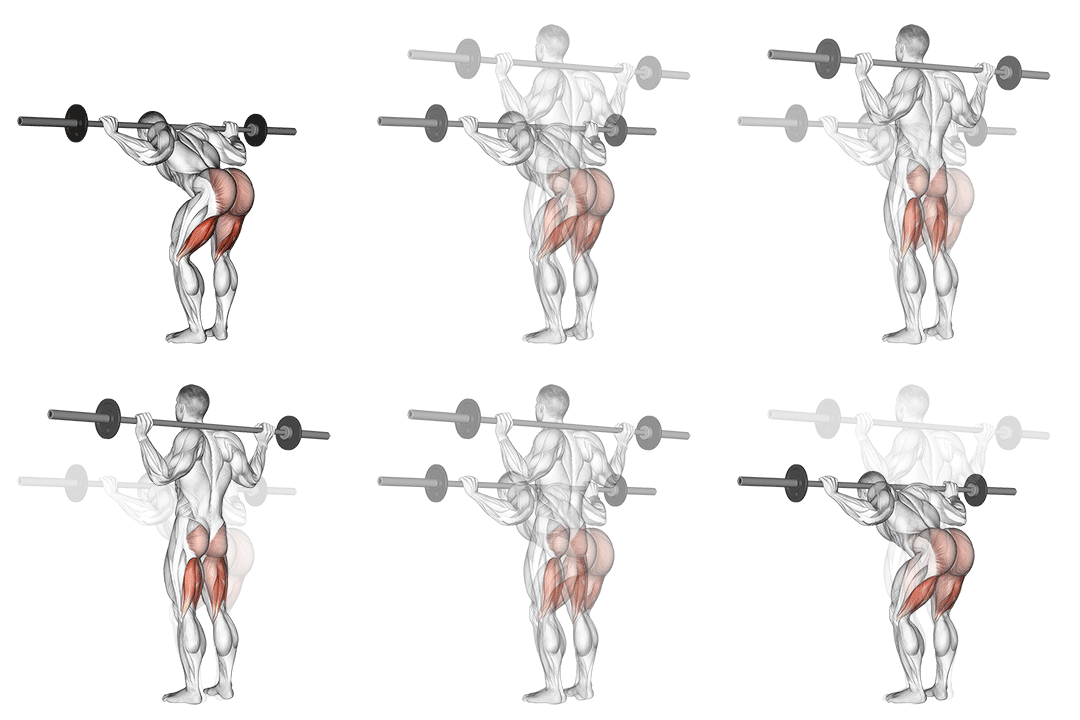
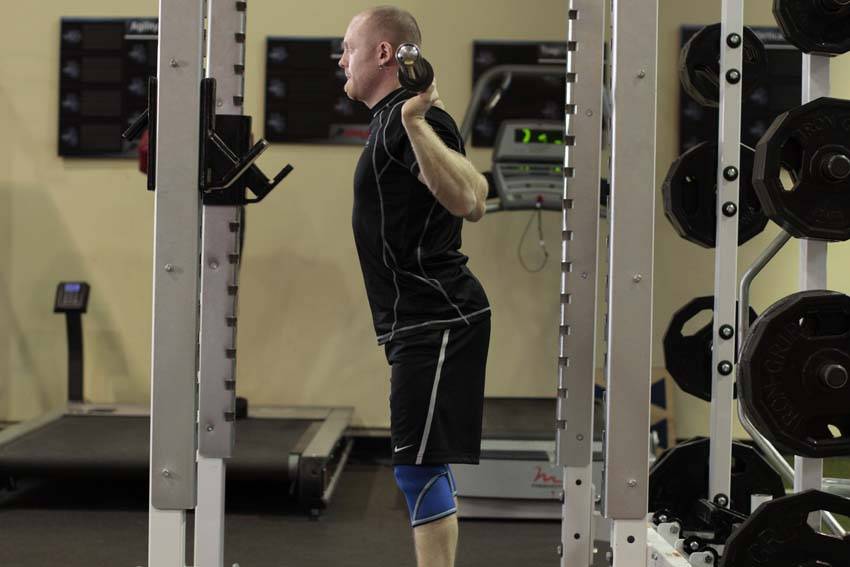
Barbell Good Morning
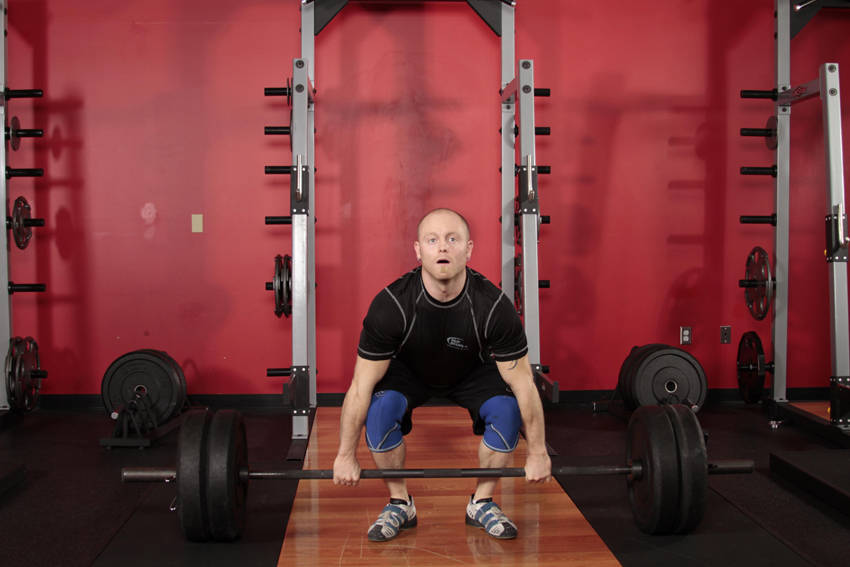
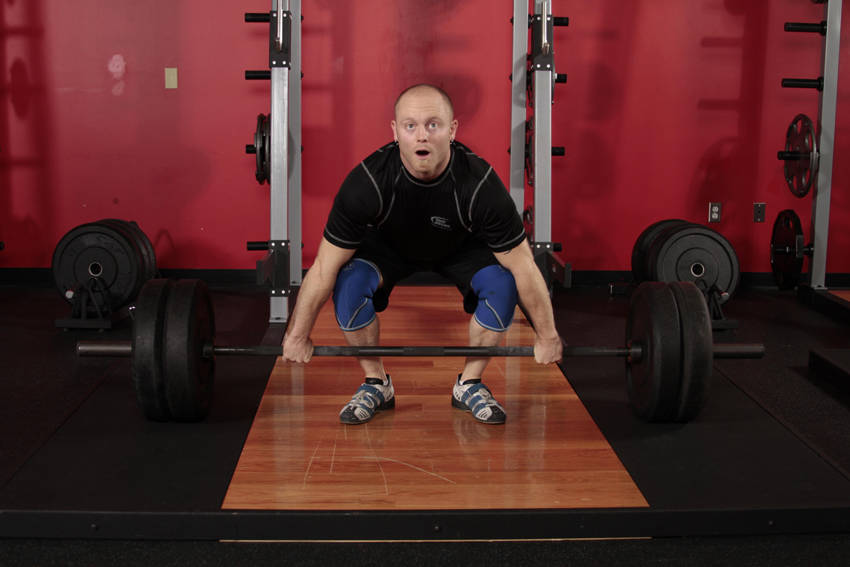
Clean Deadlift
Head-to-Head Comparison
| Attribute | Barbell Good Morning | Clean Deadlift |
|---|---|---|
| Target Muscle |
Hamstrings
|
Hamstrings
|
| Body Part |
Upper-legs
|
Upper-legs
|
| Equipment |
Barbell
|
Barbell
|
| Difficulty |
Advanced
|
Intermediate
|
| Movement Type |
Compound
|
Compound
|
| Secondary Muscles |
1
|
6
|
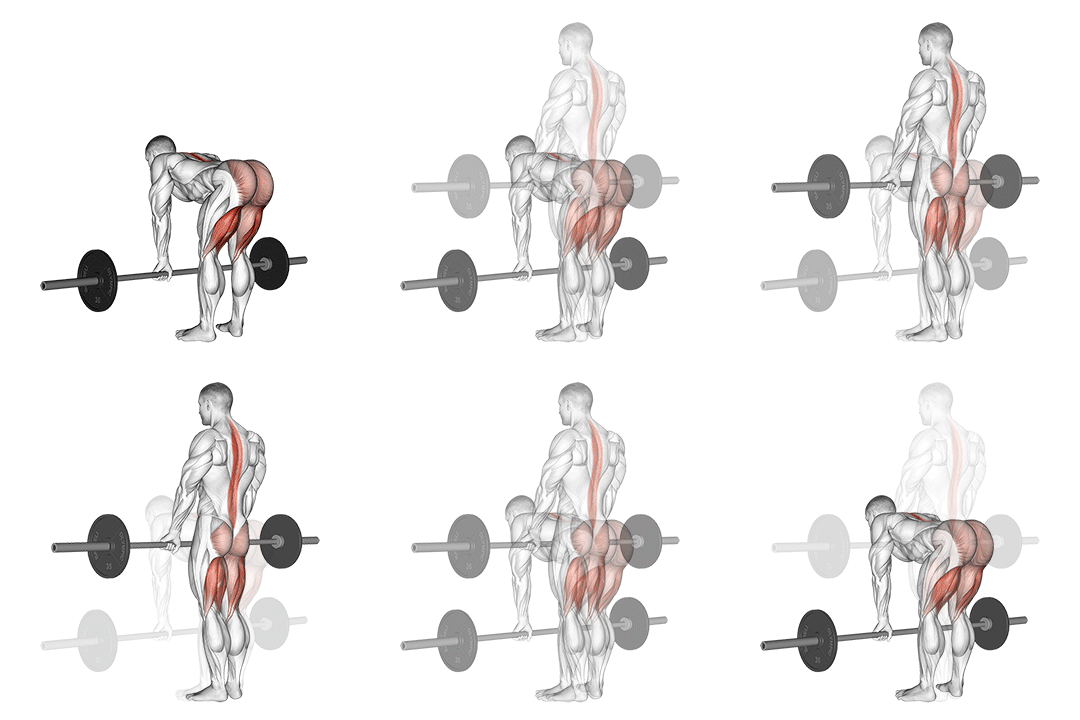
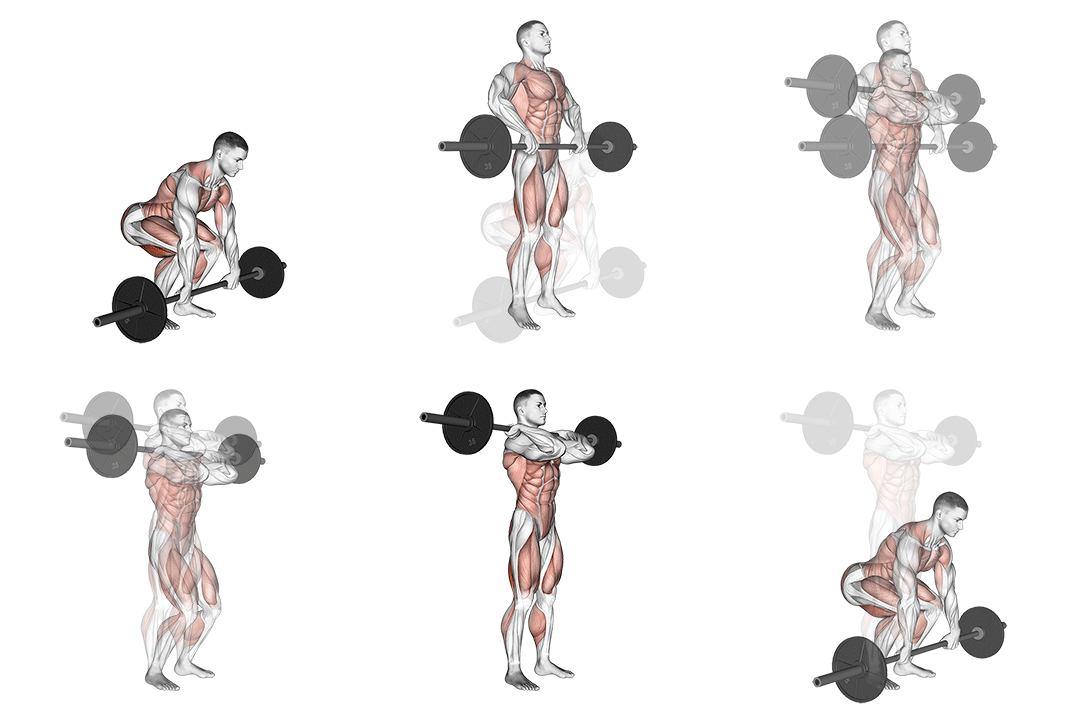
Secondary Muscles Activated
Barbell Good Morning
Clean Deadlift
Visual Comparison
Overview
Barbell Good Morning vs Clean Deadlift — you’re choosing between two hip-hinge staples that stress the hamstrings but load the body differently. This guide breaks down primary and secondary muscle activation, movement mechanics, equipment needs, risk profile, and programming cues so you can pick the right lift for hypertrophy, strength, or stability. You’ll get specific technique cues (bar position, hip angle, torso tilt), rep ranges, and clear recommendations for progressions and when to pair both in a session.
Key Differences
- Difficulty levels differ: Barbell Good Morning is advanced, while Clean Deadlift is intermediate.
- Both exercises target the Hamstrings using Barbell. The main differences are in their movement patterns and muscle activation angles.
Pros & Cons
Barbell Good Morning
+ Pros
- Direct hamstring and spinal erector overload through long muscle lengths
- Excellent for eccentric control and tempo work (3–5 s eccentrics)
- Minimal grip or upper‑back fatigue allows focused posterior chain work
- Easy to implement contrast sets with squats or deadlifts for hypertrophy
− Cons
- High lumbar shear if technique breaks — advanced motor control required
- Needs a rack for safe loading and unloading
- Limited carryover to knee‑dominant strength and pulling strength
Clean Deadlift
+ Pros
- Higher absolute loading potential for strength (1–5 reps)
- Broader muscle recruitment — traps, quads, glutes, forearms, and back
- More equipment-flexible (trap bar or dumbbells can be used)
- Better transfer to Olympic lifts and athletic triple extension
− Cons
- Greater grip and upper‑back demand can limit hamstring focus
- Technical timing of knee and hip extension must be learned
- Less sustained eccentric hamstring tension compared to Good Morning
When Each Exercise Wins
Good Mornings keep hamstrings and erectors under long, controlled eccentric tension, ideal for 6–12+ rep sets and 3–5 second eccentrics. The length‑tension advantage and posterior torque produce targeted muscle growth in the hamstrings and lower back.
Clean Deadlifts allow higher absolute loads and train triple extension and lockout strength; use 1–5 rep sets for maximal strength. Their vertical force vector and quad contribution improve overall pulling capacity and transfer to heavy lifts.
Clean Deadlifts are closer to a conventional deadlift pattern and can be scaled with lighter pulls or trap bar variations to build strength. Good Mornings demand advanced thoracic control and present a steeper technical barrier.
The Clean Deadlift can be performed with a trap bar or heavy dumbbells when a rack isn’t available, making it more adaptable. Good Mornings require a safe racking position and are harder to load/unload alone.
Frequently Asked Questions
Can I do both Barbell Good Morning and Clean Deadlift in the same workout?
Yes — but sequence matters. Do Clean Deadlifts early when neural freshness is highest (heavy sets, 1–5 reps), then use Good Mornings later as an accessory for 6–12 reps and tempo work to avoid fatiguing the lower back before heavy pulls.
Which exercise is better for beginners?
Clean Deadlifts are better for beginners because they scale more easily (lighter loads, trap bar, block pulls) and teach the basic pull pattern. Good Mornings are advanced and should follow once the hip hinge and thoracic control are solid.
How do the muscle activation patterns differ?
Good Mornings peak hamstring and erector activation at longer muscle lengths during the descent, emphasizing eccentric load and posterior torque. Clean Deadlifts show initial quad/hamstring co‑activation during the drive and peak upper‑back and trap activity at lockout due to the vertical force vector.
Can Clean Deadlift replace Barbell Good Morning?
Clean Deadlifts can substitute when you need a simpler, heavier pull and broader muscle work, but they won’t match the sustained eccentric hamstring and erector emphasis of Good Mornings. If your goal is targeted posterior chain hypertrophy or tempo eccentrics, keep Good Mornings in the program.
Expert Verdict
Use Barbell Good Mornings when your priority is targeted hamstring hypertrophy, posterior chain tempo work, and improving eccentric control: program 3–4 sets of 6–12 reps with 3–5 second eccentrics, and keep torso angle stable to protect the lumbar spine. Choose Clean Deadlifts when you want maximal strength, heavier loads, and broader carryover to athletic movements: program 3–6 sets of 1–5 reps for strength or 5–8 reps for mixed strength‑hypertrophy. If you want both outcomes, alternate them in a microcycle — Clean Deadlifts early in the week for strength, Good Mornings later for hypertrophy and technique.
Also Compare
More comparisons with Barbell Good Morning
Compare More Exercises
Use our free comparison tool to analyze any two exercises head-to-head.
Compare Exercises