

Barbell Good Morning vs Sumo Deadlift: Complete Comparison Guide
Barbell Good Morning vs Sumo Deadlift puts two advanced hip-hinge lifts head-to-head so you can pick the right tool for your hamstrings and posterior chain work. You’ll get clear comparisons of primary and secondary muscle activation, step-by-step technique cues, equipment needs, injury risk, and programming recommendations including rep ranges and progression tips. Read on to learn when to use each lift, how biomechanics like length-tension and force vectors change the stimulus, and practical sets and reps to match your goals.
Exercise Comparison
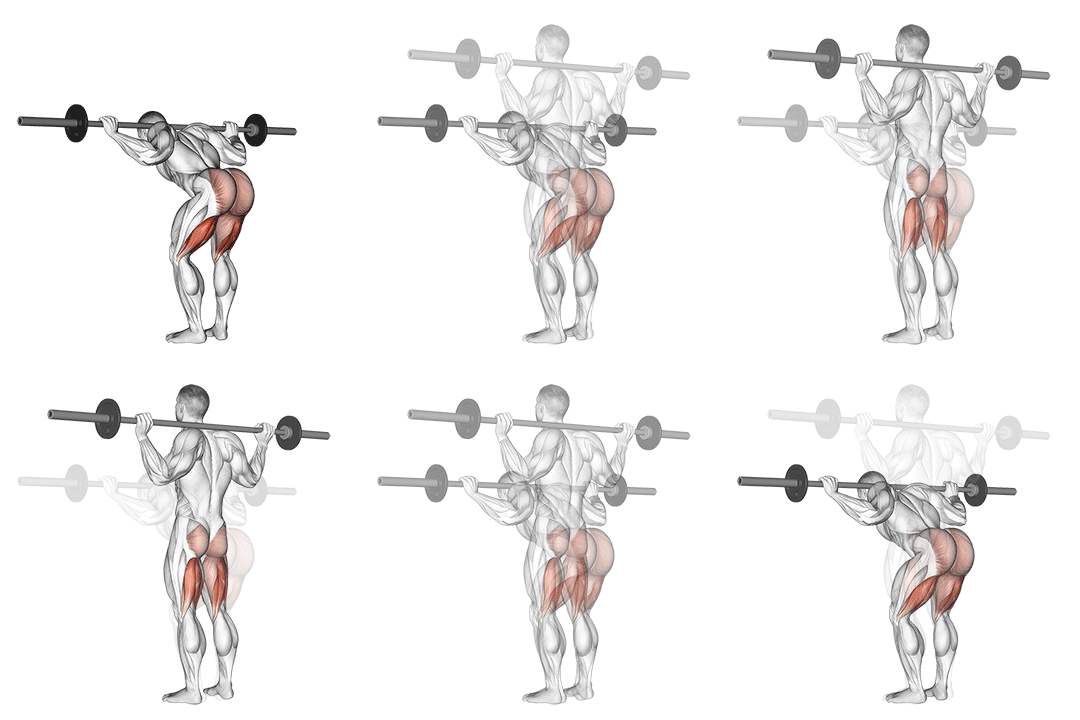
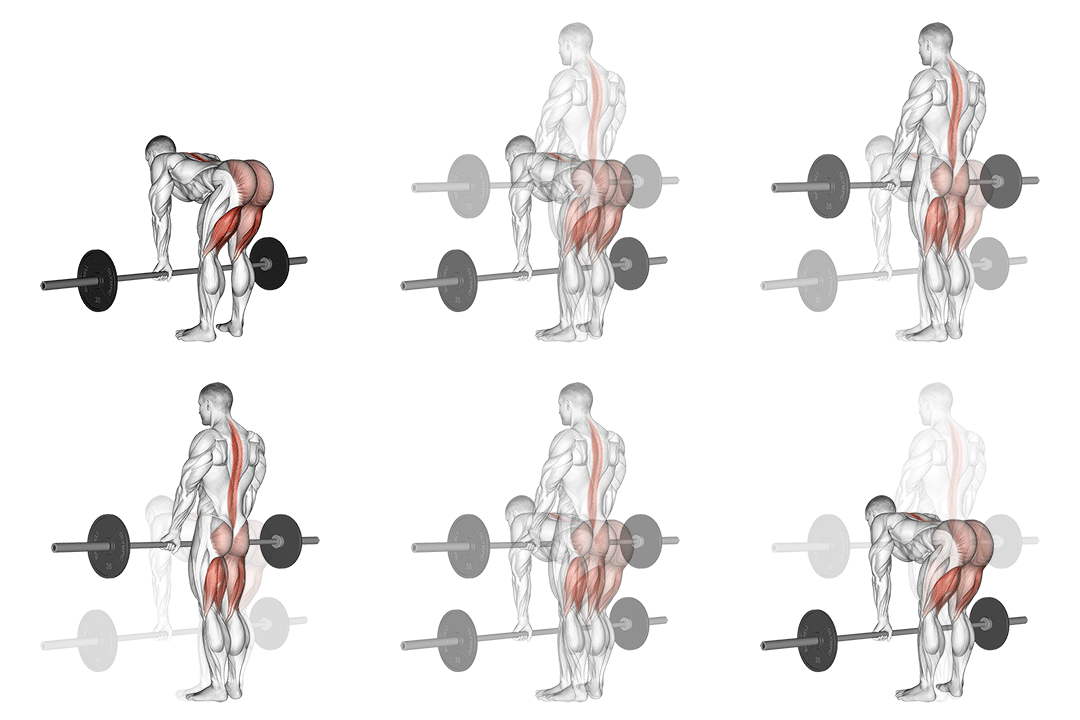
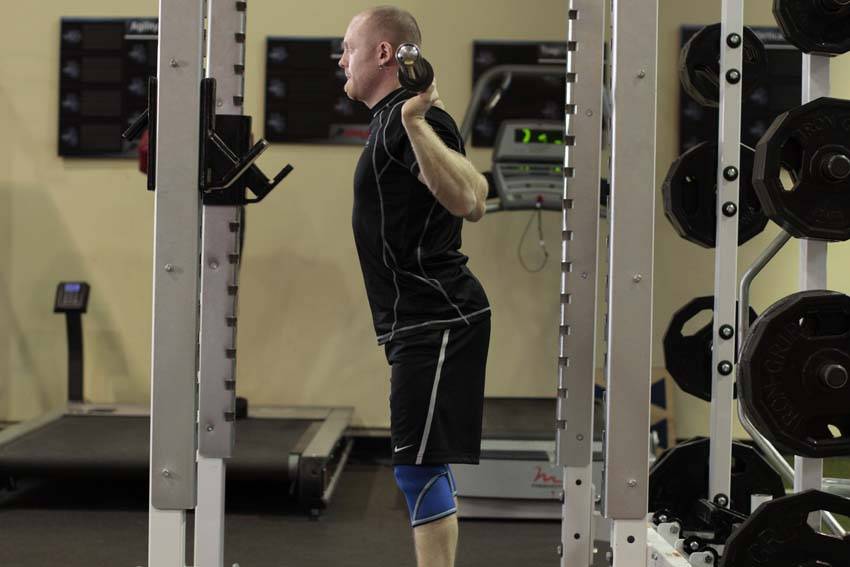
Barbell Good Morning
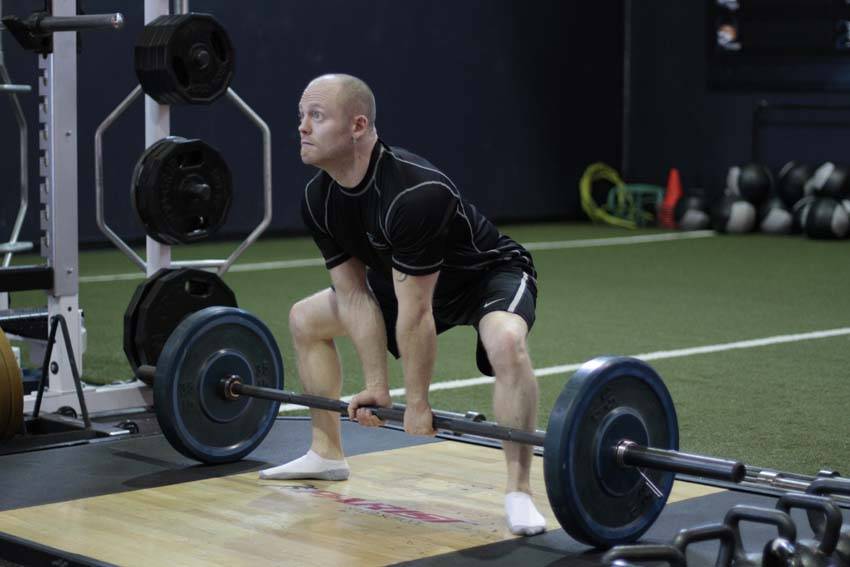
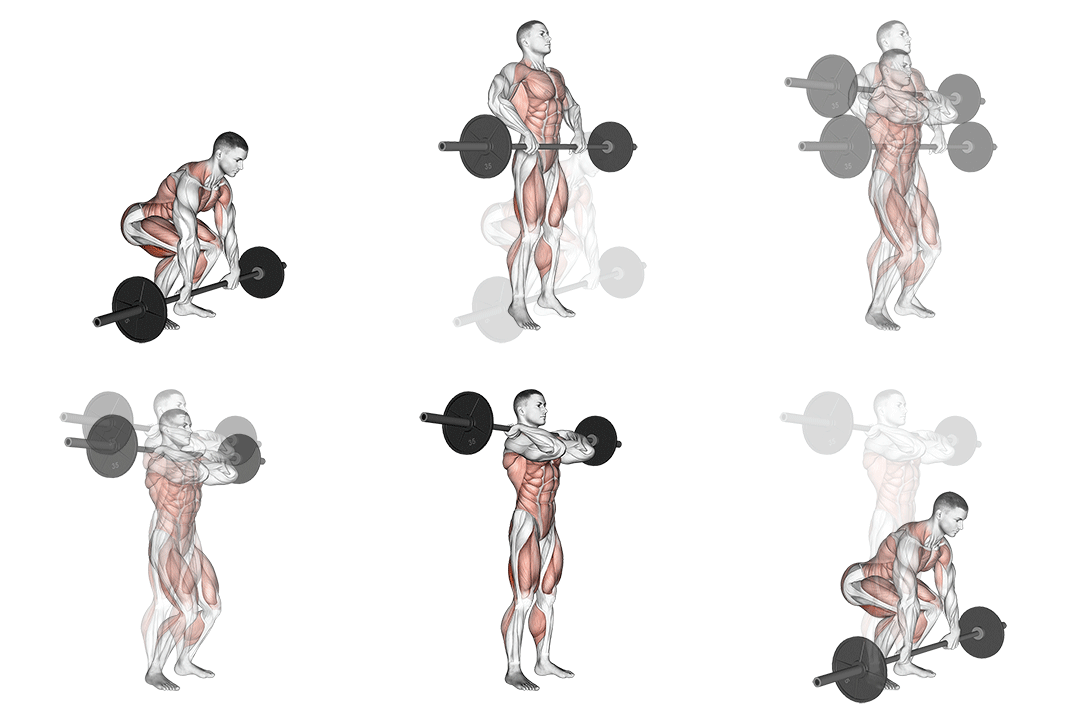
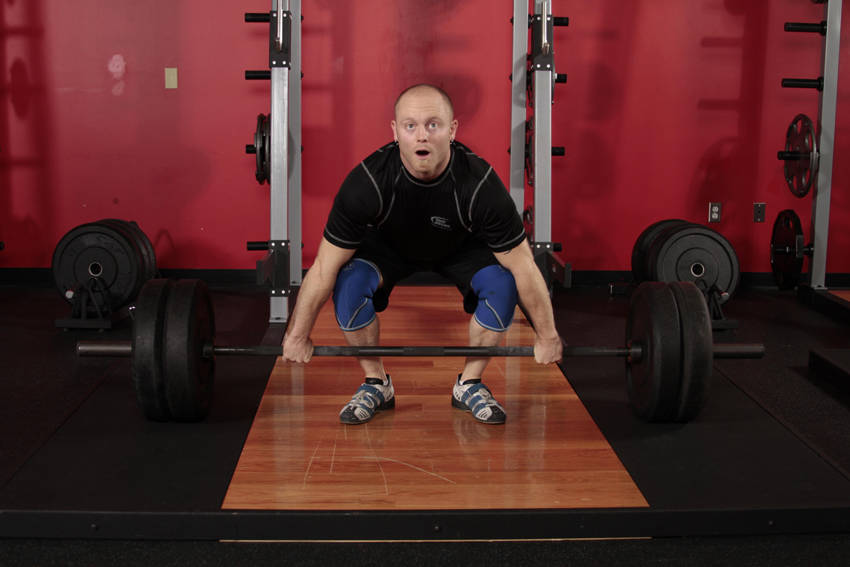
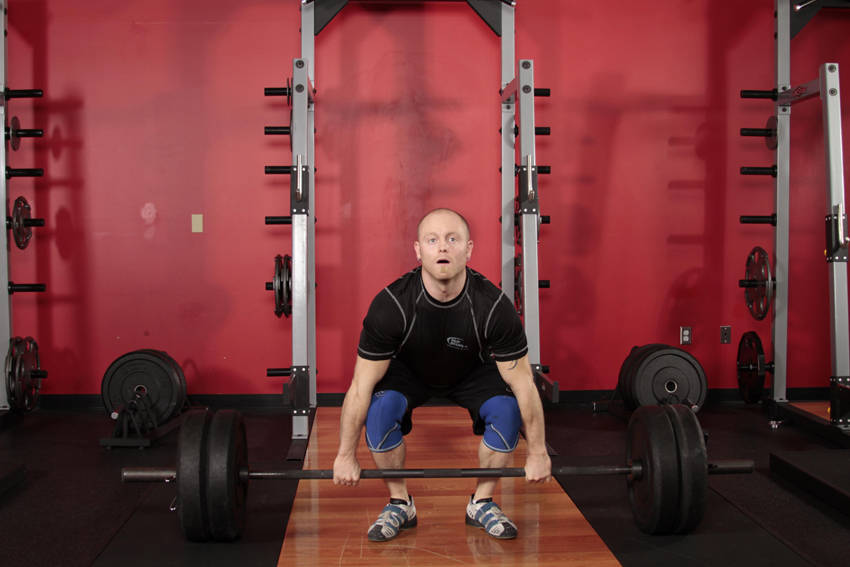
Sumo Deadlift
Head-to-Head Comparison
| Attribute | Barbell Good Morning | Sumo Deadlift |
|---|---|---|
| Target Muscle |
Hamstrings
|
Hamstrings
|
| Body Part |
Upper-legs
|
Upper-legs
|
| Equipment |
Barbell
|
Barbell
|
| Difficulty |
Advanced
|
Advanced
|
| Movement Type |
Compound
|
Compound
|
| Secondary Muscles |
1
|
7
|
Secondary Muscles Activated
Barbell Good Morning
Sumo Deadlift
Visual Comparison
Overview
Barbell Good Morning vs Sumo Deadlift puts two advanced hip-hinge lifts head-to-head so you can pick the right tool for your hamstrings and posterior chain work. You’ll get clear comparisons of primary and secondary muscle activation, step-by-step technique cues, equipment needs, injury risk, and programming recommendations including rep ranges and progression tips. Read on to learn when to use each lift, how biomechanics like length-tension and force vectors change the stimulus, and practical sets and reps to match your goals.
Key Differences
- Both exercises target the Hamstrings using Barbell. The main differences are in their movement patterns and muscle activation angles.
Pros & Cons
Barbell Good Morning
+ Pros
- Direct hamstrings eccentric overload through long muscle lengths
- Built-in tempo options to emphasize control and posterior chain endurance
- Minimal equipment beyond a rack and barbell
- Excellent for teaching hip hinge mechanics and posterior chain timing
− Cons
- High lumbar shear and spinal loading risk if form degrades
- Limited absolute loading compared with deadlifts
- Requires precise bracing and rack setup for safety
Sumo Deadlift
+ Pros
- Allows heavier absolute loads for strength and power
- Recruits multiple muscle groups including quads, glutes, and adductors
- Transfers to competitive and general strength performance
- More accessible to progress with low-skill cues and standard equipment
− Cons
- Less isolated hamstring emphasis than good mornings
- Higher demand on adductors and hips can aggravate groin issues
- Grip or back strength can become the limiting factor for hamstring stimulus
When Each Exercise Wins
Good Mornings place hamstrings under long-length eccentric tension, which promotes sarcomere remodeling and hypertrophy when programmed for 6–12 reps with controlled tempo. Use 3–4 sets of 6–10 with 2–3 second eccentrics to maximize time under tension.
Sumo lets you lift heavier absolute loads and train low-rep maximal strength (1–5 reps) with progressive overload. Its vertical force vector and ability to add load sequentially produce stronger neural and mechanical adaptations for maximal force.
Sumo has a simpler, more upright hinge pattern and is easier to teach basic bracing and drive mechanics. Beginners can safely progress load and learn posterior chain engagement faster than the precise spinal control required for good mornings.
Sumo only needs a loaded barbell and space, and you can scale with dumbbells or kettlebells if a barbell is unavailable. Good Mornings need a rack and stricter safety setup, making them less convenient at home.
Frequently Asked Questions
Can I do both Barbell Good Morning and Sumo Deadlift in the same workout?
Yes. Put the heavier lift first: perform Sumo Deadlifts early on low-rep strength days (1–5 reps), then use Barbell Good Mornings as an accessory for 3–4 sets of 6–12 with controlled eccentrics. Space them to avoid fatigue-driven technique breakdown and prioritize form.
Which exercise is better for beginners?
Sumo Deadlift is generally better for beginners because it has a shorter learning curve and lets you progressively add load with clearer technique cues. Teach bracing and hip drive first, then introduce good mornings once spinal control is solid.
How do the muscle activation patterns differ?
Good Mornings emphasize eccentric hamstring and lumbar erector activity through a long hip hinge and larger moment arm, while Sumo Deadlifts show earlier quad and adductor engagement and peak hamstring activity near lockout. The difference stems from torso angle and knee extension contribution, altering moment arms and force vectors.
Can Sumo Deadlift replace Barbell Good Morning?
Not entirely. Sumo can replace some hamstring work but won’t replicate the long-length eccentric stimulus and lumbar loading of good mornings. If your goal is isolated hamstring hypertrophy or eccentric control, keep good mornings in rotation; for overall strength, prioritize sumo.
Expert Verdict
Use Barbell Good Mornings when your primary goal is hamstring hypertrophy, posterior chain control, and eccentric strength; program them in moderate loads, 6–12 reps, and slow eccentrics to exploit length-tension mechanics. Choose Sumo Deadlifts when you want maximal strength, greater total-body recruitment, and easy progressive overload; train heavy singles to triples or 3–6 rep work for strength and 6–10 for muscle growth. If you have lower-back irritability or want heavier loading, favor sumo; if you want targeted hamstring lengthened loading and can maintain a braced torso, add good mornings as an accessory.
Also Compare
More comparisons with Barbell Good Morning
Compare More Exercises
Use our free comparison tool to analyze any two exercises head-to-head.
Compare Exercises