

Barbell Overhead Squat vs Barbell Squat: Complete Comparison Guide
Barbell Overhead Squat vs Barbell Squat — both load the quads hard, but they demand different movement control, mobility and loading strategies. You’ll get clear, actionable comparisons so you can pick the right lift for your goals. I’ll cover primary and secondary muscle activation, required equipment, technical cues (bar path, torso angle, knee tracking), learning curves, injury risk, and rep ranges for strength and hypertrophy. Read on to learn which exercise to prioritize in your program and how to coach each movement for safer, faster progress.
Exercise Comparison
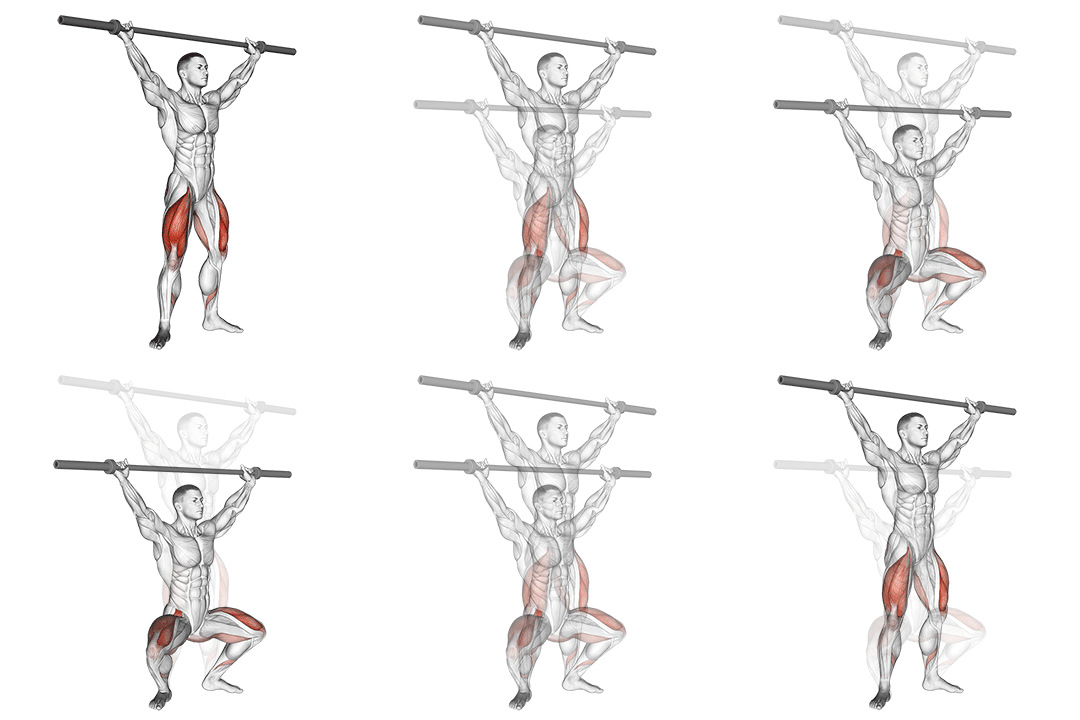
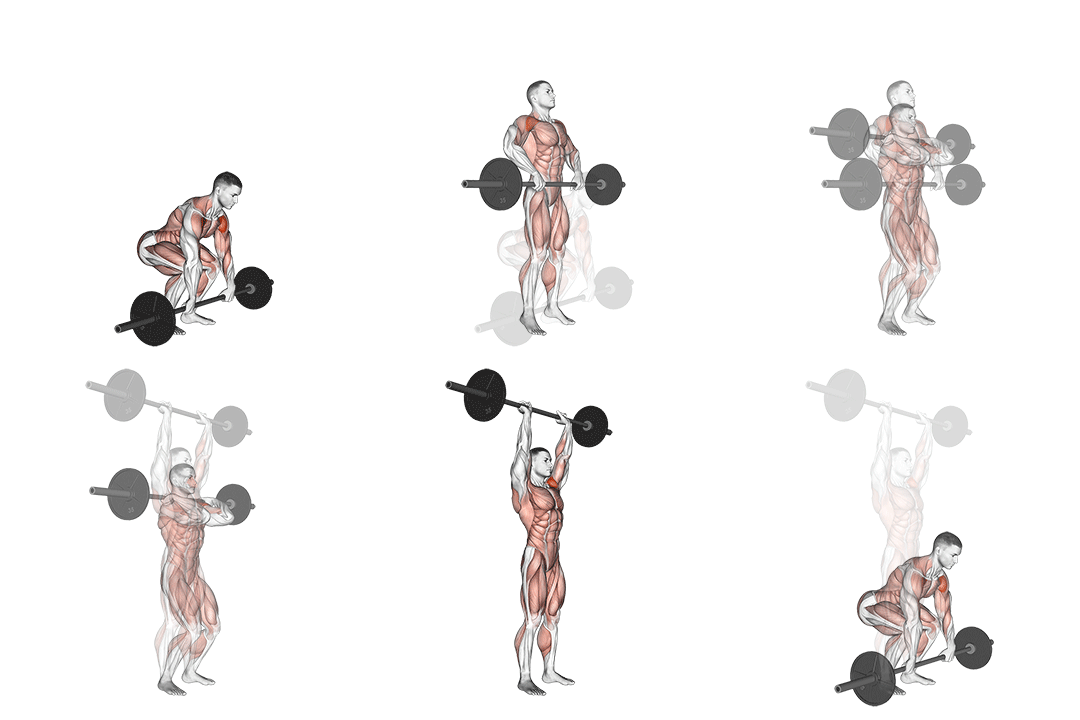
Barbell Overhead Squat
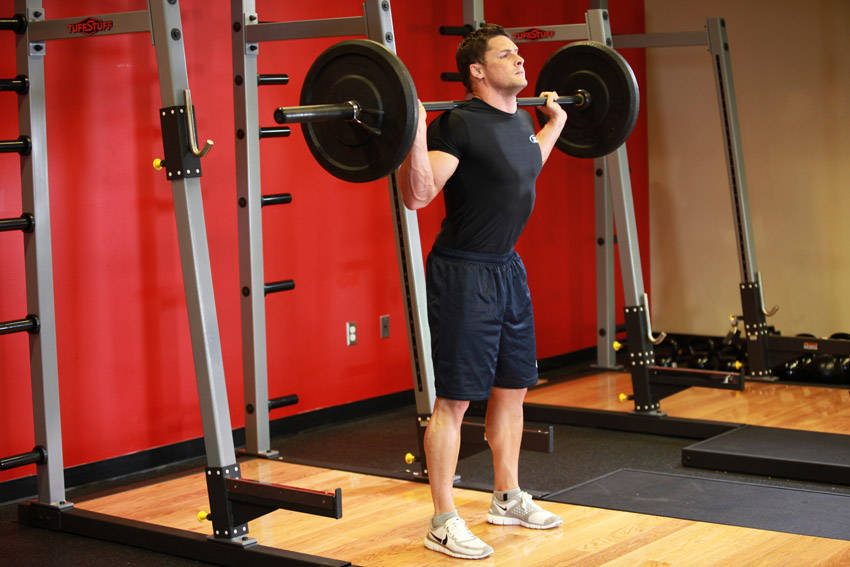
Barbell Squat
Head-to-Head Comparison
| Attribute | Barbell Overhead Squat | Barbell Squat |
|---|---|---|
| Target Muscle |
Quads
|
Quads
|
| Body Part |
Upper-legs
|
Upper-legs
|
| Equipment |
Barbell
|
Barbell
|
| Difficulty |
Advanced
|
Intermediate
|
| Movement Type |
Compound
|
Compound
|
| Secondary Muscles |
4
|
4
|
Secondary Muscles Activated
Barbell Overhead Squat
Barbell Squat
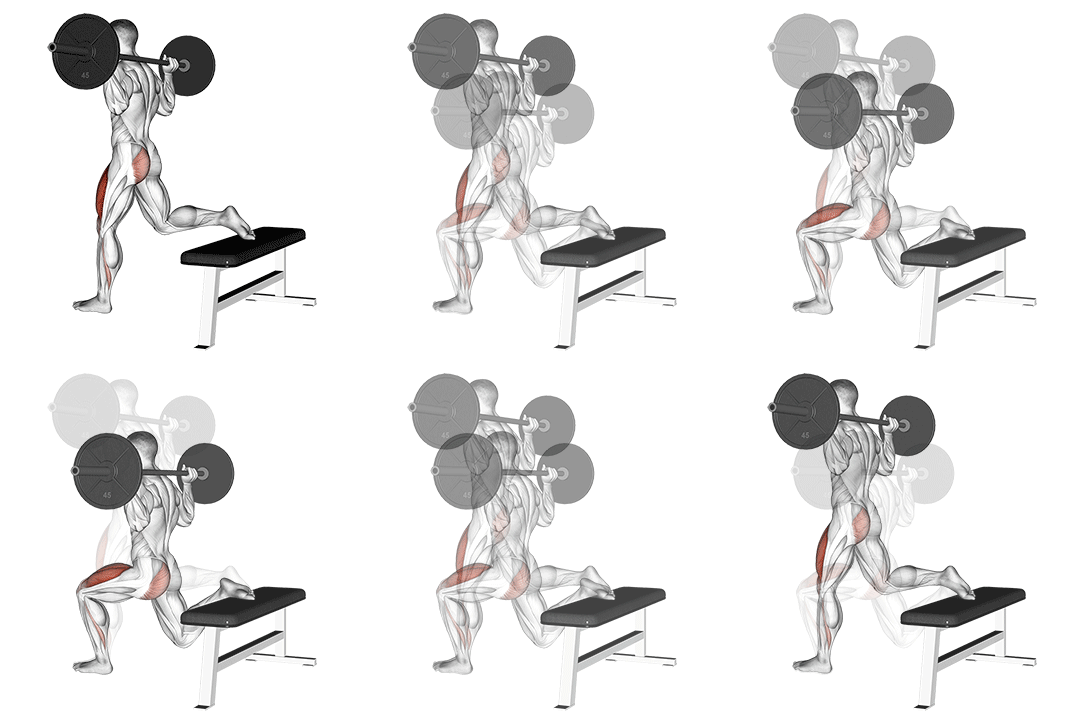
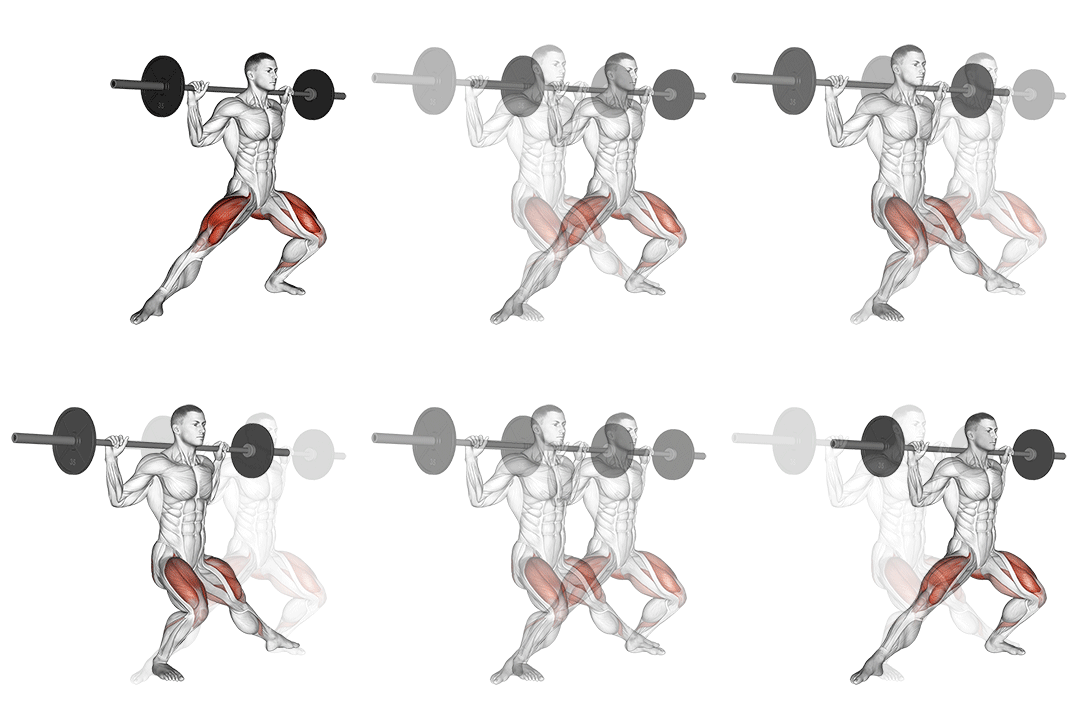
Visual Comparison
Overview
Barbell Overhead Squat vs Barbell Squat — both load the quads hard, but they demand different movement control, mobility and loading strategies. You’ll get clear, actionable comparisons so you can pick the right lift for your goals. I’ll cover primary and secondary muscle activation, required equipment, technical cues (bar path, torso angle, knee tracking), learning curves, injury risk, and rep ranges for strength and hypertrophy. Read on to learn which exercise to prioritize in your program and how to coach each movement for safer, faster progress.
Key Differences
- Difficulty levels differ: Barbell Overhead Squat is advanced, while Barbell Squat is intermediate.
- Both exercises target the Quads using Barbell. The main differences are in their movement patterns and muscle activation angles.
Pros & Cons
Barbell Overhead Squat
+ Pros
- Develops full-body stability — shoulders, traps, core and legs work together
- Improves thoracic extension, shoulder mobility and ankle dorsiflexion
- Great carryover to overhead athletic movements and Olympic lifts
- Challenges balance and proprioception, improving motor control
− Cons
- Requires high shoulder and thoracic mobility
- Lower absolute loading capacity compared to back squat (often 50–75% of back squat 1RM)
- Harder to program for heavy strength without compromising form
Barbell Squat
+ Pros
- Allows higher absolute loads — superior for maximal strength development
- Easier to learn and scale with progressive overload
- Directly targets quads while also effectively training glutes and hamstrings
- Widely supported by variations (front squat, box squat, pause squat) for specific adaptations
− Cons
- Requires careful lumbar control under heavy loads to avoid shear stress
- Less demand on upper back and shoulders for stability
- Can promote excessive forward lean if mobility or posterior chain strength is lacking
When Each Exercise Wins
The back squat lets you use heavier loads and stay in the 6–12 rep range with 3–4 sets, producing greater mechanical tension on quads and glutes. Its ability to progressive overload by 2–10% per mesocycle makes it superior for building muscle mass.
You can handle higher absolute loads and train low-rep schemes (3–6 reps, 4–6 sets) safely with a rack and pins, which maximizes neural adaptations and 1RM improvements. The back squat better transfers to raw lower-body strength tests.
It's simpler to teach the hip hinge and knee-drive pattern and to scale load progressively. Beginners can build baseline strength and mobility before attempting overhead stability demands.
Most home setups include a bar and rack or squat-stand; the back squat is safer to perform alone using safety pins and allows meaningful progression with limited equipment. Overhead squat requires mobility coaching and a safe drop area.
Frequently Asked Questions
Can I do both Barbell Overhead Squat and Barbell Squat in the same workout?
Yes — do the heavier, more technical lift first. If your goal is strength, perform back squats at the start (3–6 reps) and use overhead squats later as a lighter technical or accessory exercise (3–5 sets of 3–6). Maintain quality movement and adequate rest between sets.
Which exercise is better for beginners?
The barbell (back) squat is better for beginners because it has a gentler mobility demand and clearer progression. Master basic squat mechanics, ankle and hip mobility, and trunk bracing first before layering overhead stability work.
How do the muscle activation patterns differ?
Overhead squats increase isometric activation of shoulders, traps and core to stabilize the bar while quads and glutes work through the motion. Back squats allow greater concentric force from quads and glutes and higher erector spinae activation due to a larger hip moment and forward torso angle.
Can Barbell Squat replace Barbell Overhead Squat?
For pure strength and hypertrophy, yes — the back squat effectively replaces overhead squats because it allows heavier loading and clearer progression. If you need overhead mobility, shoulder stability or Olympic lifting transfer, keep overhead squats as a specialized supplement.
Expert Verdict
Choose the barbell squat when your primary goal is building quad and lower-body strength or increasing muscle size — it supports heavy loading, straightforward programming and measurable progression (3–6 reps for strength, 6–12 for hypertrophy). Use the overhead squat as a technical, mobility and stability tool: program it for 3–5 sets of 3–8 with lighter loads to develop thoracic extension, shoulder stability and balance. If you’re an athlete or Olympic lifter, prioritize overhead squat work for transfer; if you want raw squat strength or compact programming, prioritize the back squat and add overhead squats sparingly as accessory work.
Also Compare
More comparisons with Barbell Overhead Squat
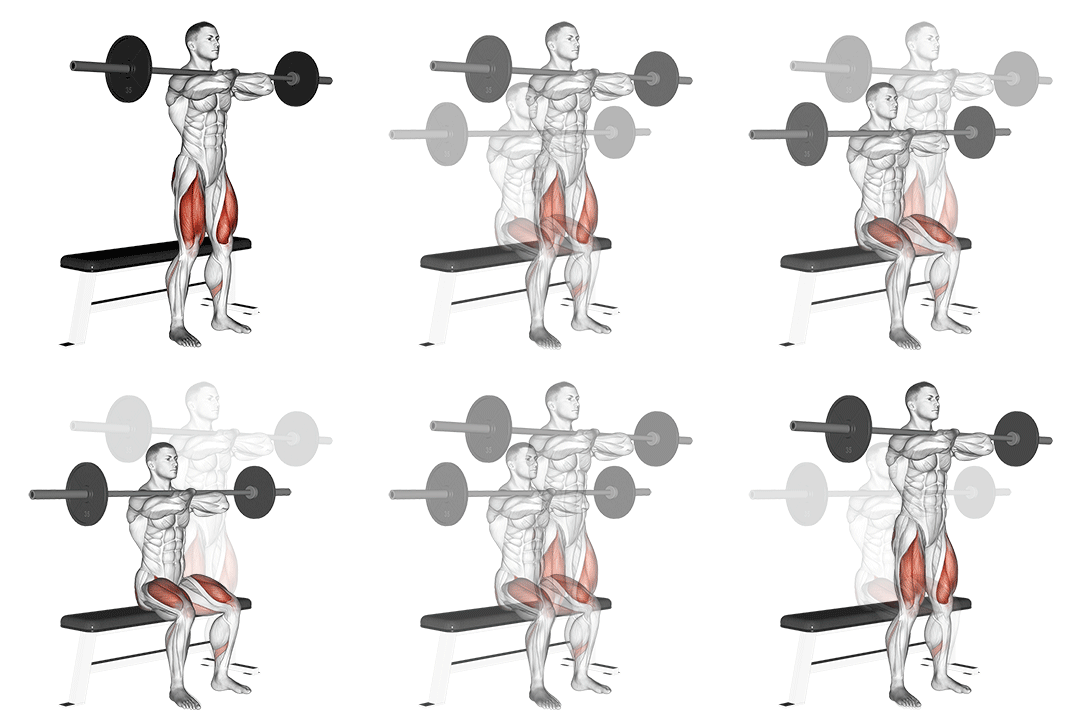
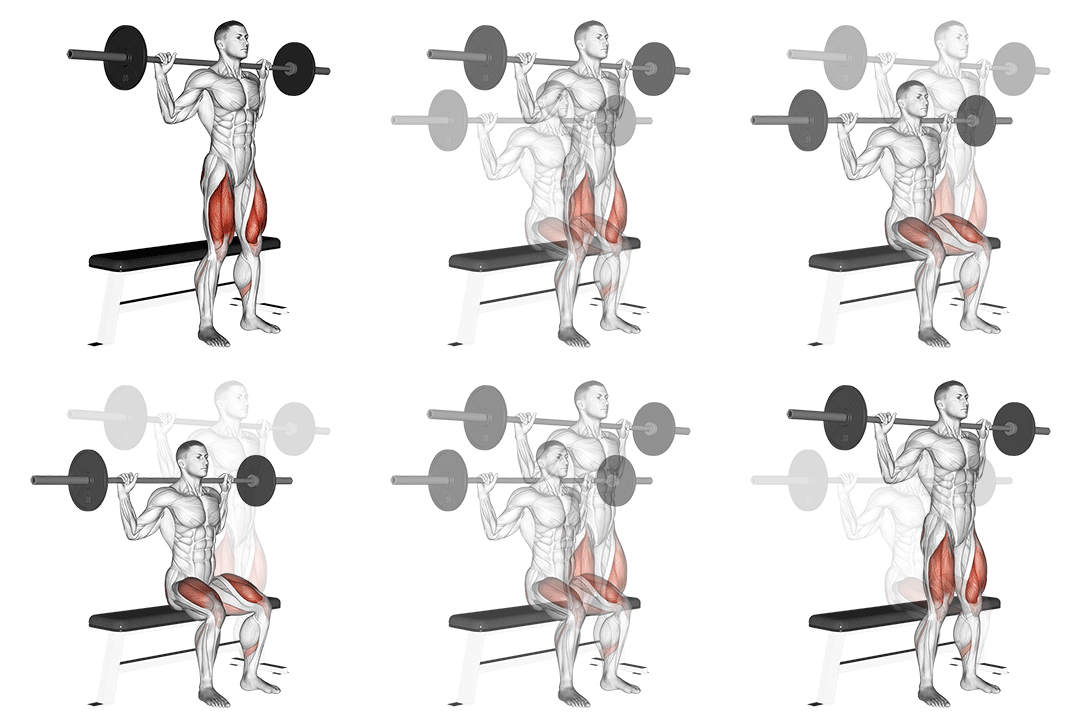
Compare More Exercises
Use our free comparison tool to analyze any two exercises head-to-head.
Compare Exercises