

Barbell Straight Leg Deadlift vs Power Clean: Complete Comparison Guide
Barbell Straight Leg Deadlift vs Power Clean: you’re comparing two barbell staples that both hit the hamstrings but do it very differently. {Exercise1} vs {Exercise2} will be broken down so you can choose by goal, not hype. I’ll cover primary and secondary muscle activation, key technique cues, equipment needs, learning curve, injury risk, and specific rep/load ranges. Read on and you’ll get clear coaching cues, biomechanical reasons why one emphasizes eccentric hamstring length-tension while the other prioritizes rate of force development, and short programming templates for strength, hypertrophy, and power.
Exercise Comparison
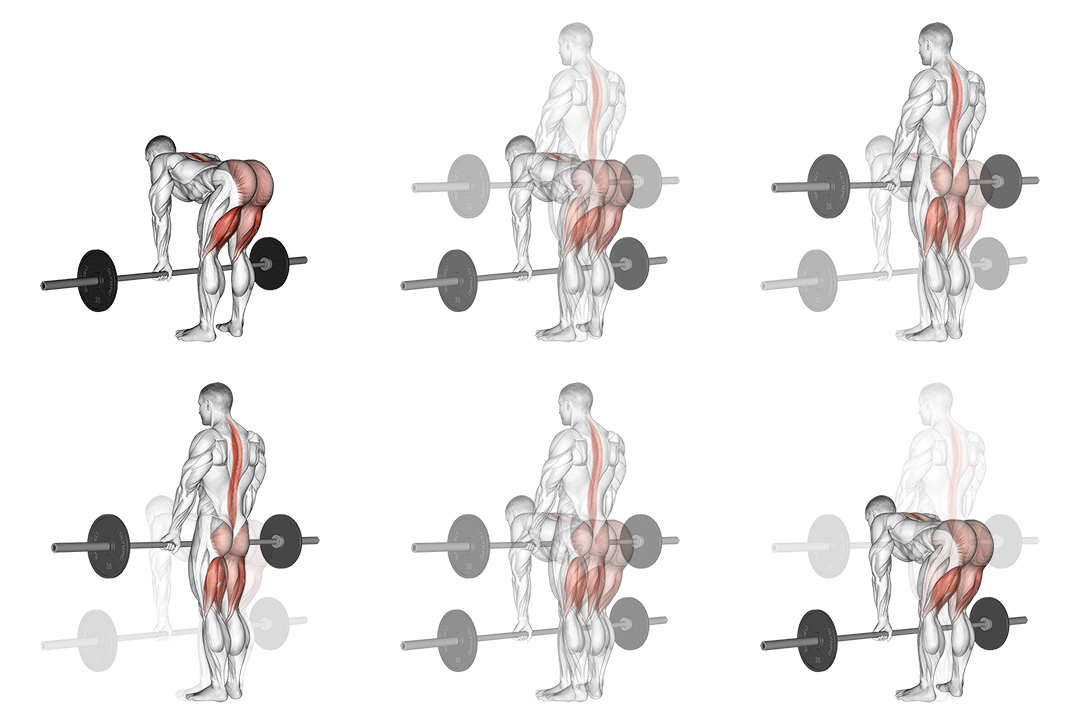
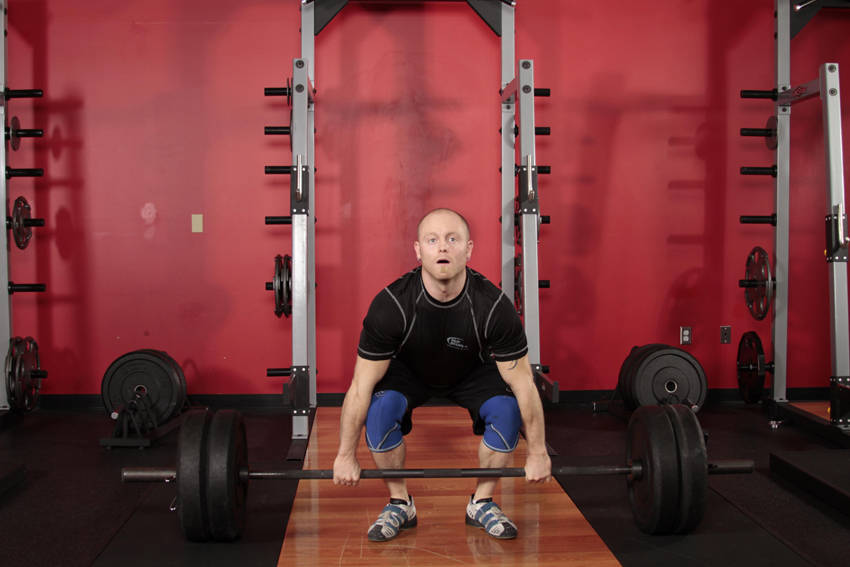
Barbell Straight Leg Deadlift
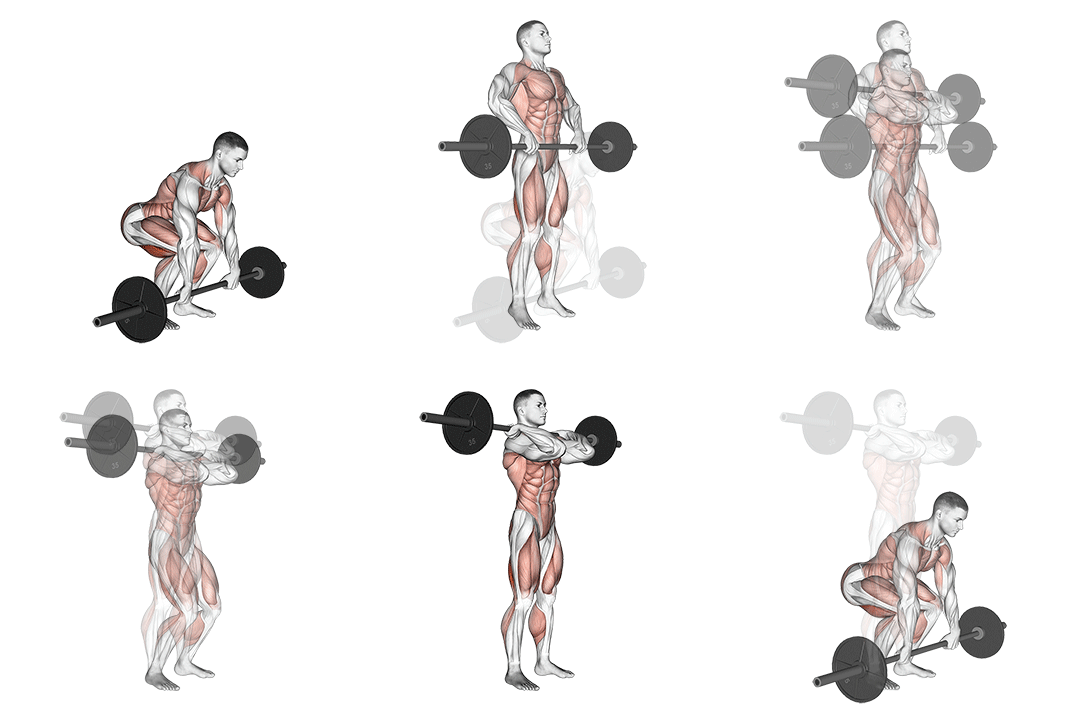
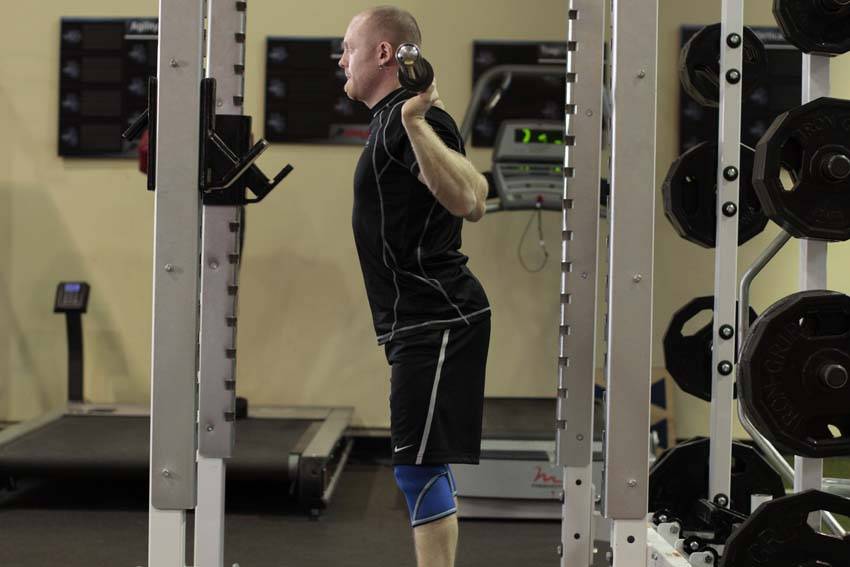
Power Clean
Head-to-Head Comparison
| Attribute | Barbell Straight Leg Deadlift | Power Clean |
|---|---|---|
| Target Muscle |
Hamstrings
|
Hamstrings
|
| Body Part |
Upper-legs
|
Upper-legs
|
| Equipment |
Barbell
|
Barbell
|
| Difficulty |
Intermediate
|
Advanced
|
| Movement Type |
Compound
|
Compound
|
| Secondary Muscles |
2
|
3
|
Secondary Muscles Activated
Barbell Straight Leg Deadlift
Power Clean
Visual Comparison
Overview
Barbell Straight Leg Deadlift vs Power Clean: you’re comparing two barbell staples that both hit the hamstrings but do it very differently. {Exercise1} vs {Exercise2} will be broken down so you can choose by goal, not hype. I’ll cover primary and secondary muscle activation, key technique cues, equipment needs, learning curve, injury risk, and specific rep/load ranges. Read on and you’ll get clear coaching cues, biomechanical reasons why one emphasizes eccentric hamstring length-tension while the other prioritizes rate of force development, and short programming templates for strength, hypertrophy, and power.
Key Differences
- Difficulty levels differ: Barbell Straight Leg Deadlift is intermediate, while Power Clean is advanced.
- Both exercises target the Hamstrings using Barbell. The main differences are in their movement patterns and muscle activation angles.
Pros & Cons
Barbell Straight Leg Deadlift
+ Pros
- Direct, sustained hamstring eccentric loading for hypertrophy and length-tension adaptation
- Simple technique—focus on hip hinge, neutral spine, and controlled eccentric
- Requires minimal equipment and space
- Easy to program for tempo and progressive overload (3–6 sets of 6–12 reps)
− Cons
- Less carryover to explosive power and athletic RFD
- Heavy eccentric loads increase lumbar stress if form breaks down
- Limited knee extension work compared to Olympic-style lifts
Power Clean
+ Pros
- High rate of force development—excellent for power and athletic transfer
- Engages multiple joints rapidly for whole-body coordination
- Develops triple extension (hips, knees, ankles) and explosive hip drive
- Easy to integrate into speed/power blocks with low-rep sets (1–5 reps)
− Cons
- Steep technical learning curve and need for coaching
- Requires bumper plates and more space; riskier in small gyms or homes
- Less sustained eccentric hamstring loading for hypertrophy
When Each Exercise Wins
SLDL places the hamstrings under long-duration tension and controlled eccentric stress, which drives muscle fiber microtrauma and growth. Use 3–5 sets of 6–12 reps with 2–4 second eccentrics and progressive load increases.
For maximal posterior chain strength the SLDL lets you chase heavy loads and focused hip-extension torque with lower technical variability. Program 3–6 sets of 3–6 heavy reps while maintaining strict spine position.
SLDL is easier to teach and safer to progress for lifters new to barbell movement patterns, emphasizing a reproducible hip hinge and tempo control before adding complexity.
SLDL needs only a barbell and modest space, avoids the need to drop loaded bumper plates, and is easier to scale for limited equipment setups.
Frequently Asked Questions
Can I do both Barbell Straight Leg Deadlift and Power Clean in the same workout?
Yes—if programmed smartly. Do Power Cleans early when you’re fresh to prioritize speed and RFD (low reps, 3–6 sets of 1–3), then use SLDLs later for volume and hamstring eccentric work (3–4 sets of 6–12). Keep total session volume manageable to avoid CNS and spinal fatigue.
Which exercise is better for beginners?
Barbell Straight Leg Deadlift is the better starting point because it teaches a consistent hip hinge and controlled loading. Once you master basic posture and force transfer, progress to Power Cleans with coaching and lighter loads to learn the timing and catch.
How do the muscle activation patterns differ?
SLDLs emphasize prolonged eccentric and mid-range concentric hamstring activation at long muscle lengths, increasing time under tension. Power Cleans generate short, high-amplitude hamstring bursts during the explosive hip extension and rely heavily on knee and ankle extension thereafter, increasing RFD but reducing eccentric time under load.
Can Power Clean replace Barbell Straight Leg Deadlift?
Not entirely—Power Cleans can supplement posterior chain development and improve power, but they don’t provide the sustained eccentric hamstring loading SLDLs do. Use Power Cleans for speed and athleticism, and retain SLDLs when your priority is hamstring hypertrophy or heavy posterior-chain strength.
Expert Verdict
Choose the Barbell Straight Leg Deadlift when your goal is focused hamstring hypertrophy, posterior chain strength, or low-tech home programming. Its long-length eccentric loading and simple hinge mechanics make it ideal for controlled progress—aim for 6–12 reps for size or 3–6 for strength with tempo control. Choose the Power Clean when you need explosive power, improved RFD, and athletic transfer; work in low-rep sets (1–5 reps) with moderate to heavy loads and prioritize technique and coaching. If you can, pair them across training phases: use SLDLs in hypertrophy and strength blocks, and Power Cleans during power or in-season athletic phases to express force quickly.
Also Compare
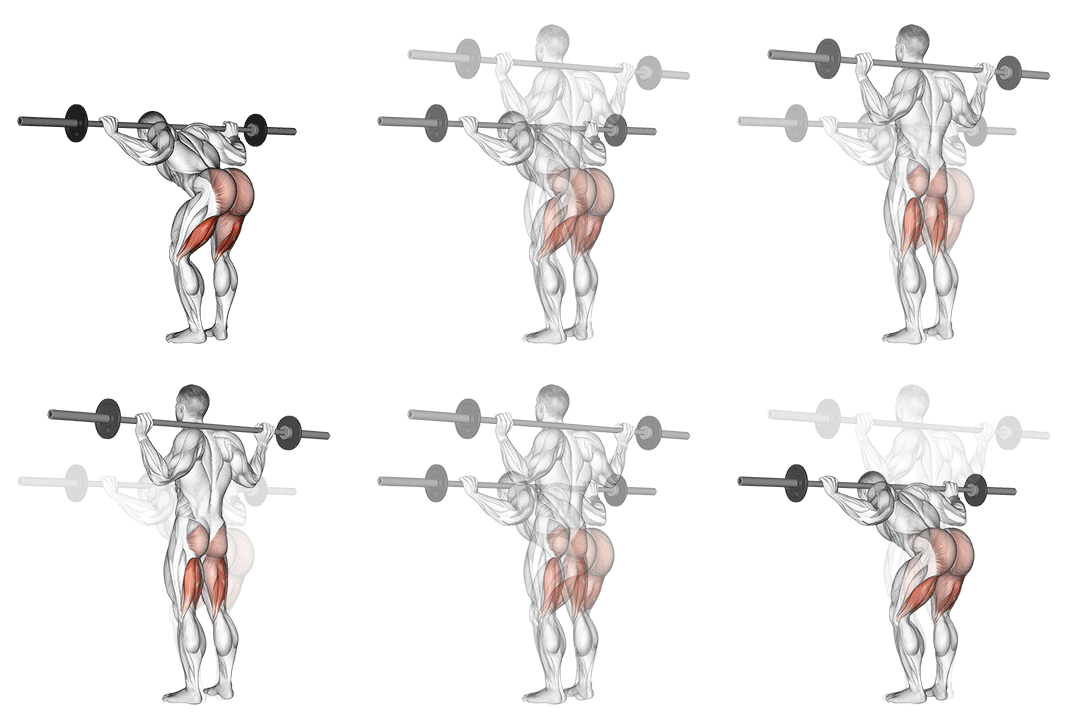
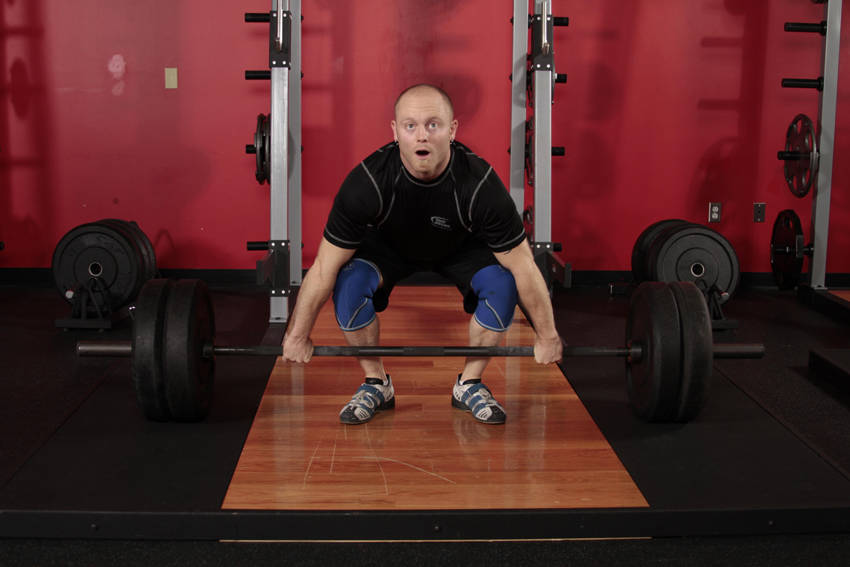
More comparisons with Barbell Straight Leg Deadlift
Compare More Exercises
Use our free comparison tool to analyze any two exercises head-to-head.
Compare Exercises