

Clean vs Power Clean
Compare target muscles, equipment, difficulty, movement type, and secondary muscles for Clean and Power Clean.
Get comparison link
Select the link and use your device's Copy command.
Comparison overview
AI-generatedExercise Comparison
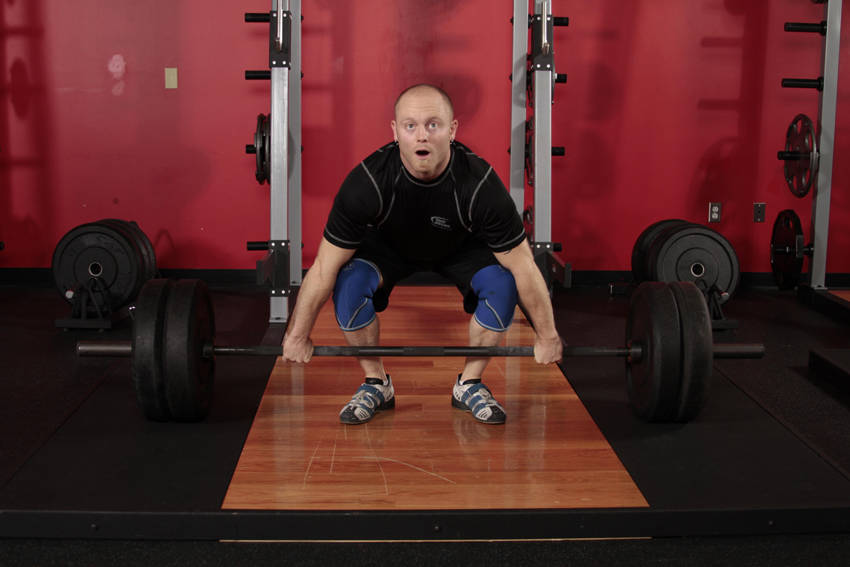
Clean
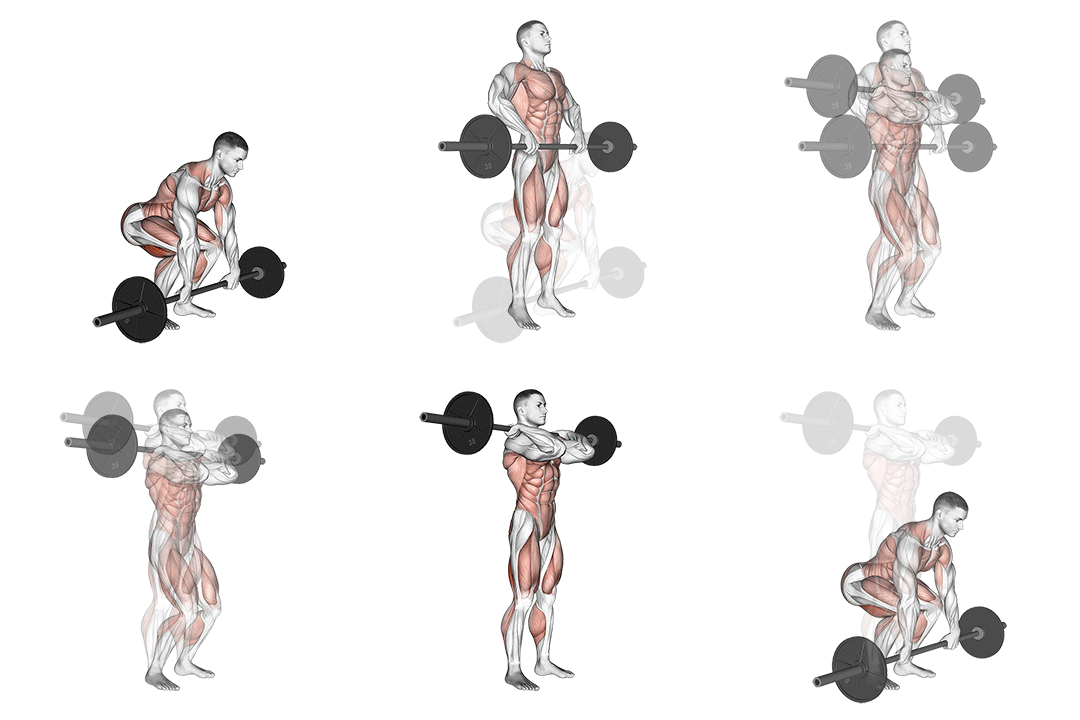
Power Clean
Head-to-Head Comparison
Different values are marked. These are catalogue attributes, not performance scores.
Muscles used
Listed target and secondary muscles, shown on the body. Locations, not activation or strength scores.
- Target
- Secondary
- Not highlighted
Clean
- Target
- Hamstrings
- Secondary
- Calves, Forearms, Glutes, Lower Back, Quadriceps, Shoulders, Traps
Not shown on diagram: Shoulders. These labels do not identify a precise region on this map.
Power Clean
- Target
- Hamstrings
- Secondary
- Glutes, Quadriceps, Calves
Grey does not mean a muscle is unused. The diagrams show only the mapped catalogue labels.
| Attribute | Clean | Power Clean |
|---|---|---|
| Target Muscle | Hamstrings |
Hamstrings |
| Body Part | Upper-legs |
Upper-legs |
| Equipment | Barbell |
Barbell |
| Difficulty | Advanced |
Advanced |
| Movement Type | Compound |
Compound |
| Secondary Muscles Different | Calves, Forearms, Glutes, Lower Back, Quadriceps, Shoulders, Traps |
Glutes, Quadriceps, Calves |
Visual Comparison
An illustrative 1–10 profile derived from catalog difficulty, equipment, and listed-muscle fields—not measured performance or muscle activation.
Key Differences
- Both exercises target the Hamstrings using Barbell. The catalogue does not establish which exercise is better for an individual goal.
Muscle comparison
Shared target muscles
Secondary muscle differences
Muscle involvement analysis
Equipment and setup
Clean: setup
Power Clean: setup
Access and practicality
Learning and progression
Learning the movements
Progression considerations
Limitations and precautions
Pros & Cons
Clean
+ Pros
- Stronger carryover to maximal strength due to deeper catch and greater knee extensor involvement
- Greater full-body coordination — trains thoracic control and front rack stability
- Better for quad and lower-back hypertrophy because of larger eccentric plus catch demands
- Easier to integrate into heavy strength blocks with front squats and complexes
− Cons
- Higher mobility and technical demand (ankle, hip, thoracic)
- Greater cumulative spinal and knee loading when performed frequently
- Slower to learn; requires more coaching and corrective drills
Power Clean
+ Pros
- More accessible technical entry point — simpler catch position
- Emphasizes hip-dominant power and rate of force development
- Lower mobility requirement makes it easier to program for athletes
- Can be trained for speed with lighter loads (30–60% 1RM) and higher bar velocity
− Cons
- Less carryover to deep-squat strength and quad hypertrophy
- Potential for very high peak forces if you chase velocity with poor technique
- Offers fewer direct upper-back and shoulder development benefits
When Each Exercise Wins
The full Clean requires a deeper catch that increases knee flexion and eccentric control, loading the quadriceps, lower back, and glutes through a larger range of motion. Use sets of 6–10 with accessory front squats to prioritize hypertrophy.
The Clean’s full-squat reception and front-rack demands translate better to maximal strength by stressing both hip and knee extensors under load. Pair heavy singles and doubles (85–95% 1RM) with front squats for stronger transfers.
Power Clean reduces mobility and deep-squat requirements, so novices can learn the triple-extension pattern more quickly. Start with hang or mid-thigh variations at 30–50% to build timing before increasing load.
Power Clean is more forgiving of limited space and no platform because you catch higher and can use standard rubber plates. It still trains explosive hip extension with fewer mobility and floor-impact concerns.
Frequently Asked Questions
Can I do both Clean and Power Clean in the same workout?
Which exercise is better for beginners?
How do the muscle activation patterns differ?
Can Power Clean replace Clean?
Comparison Summary
Exercise instructions
Steps from the exercise catalogue. Read the full sequence before starting.
Power Clean
- Start with the barbell on the ground in front of you, with your feet shoulder-width apart.
- Bend down and grip the barbell with an overhand grip, slightly wider than shoulder-width apart.
- Keep your back straight and chest up as you lift the barbell off the ground, extending your hips and knees.
Read remaining steps for Power Clean
- As the barbell reaches your mid-thigh, explosively pull it upwards, shrugging your shoulders and pulling your elbows high and to the sides.
- As the barbell reaches its highest point, quickly drop underneath it, rotating your elbows around and catching the barbell on your shoulders in a front squat position.
- Stand up with the barbell, fully extending your hips and knees.
- Lower the barbell back down to the starting position, keeping control of the weight throughout the movement.
- Repeat for the desired number of repetitions.
Also Compare
More comparisons with Clean
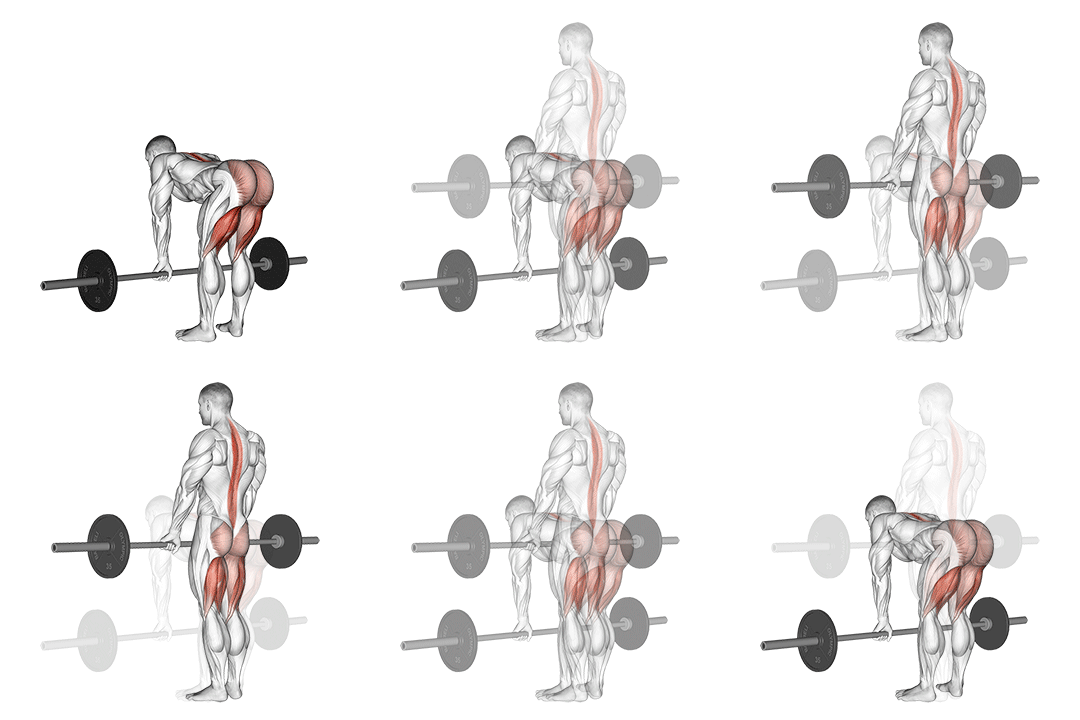
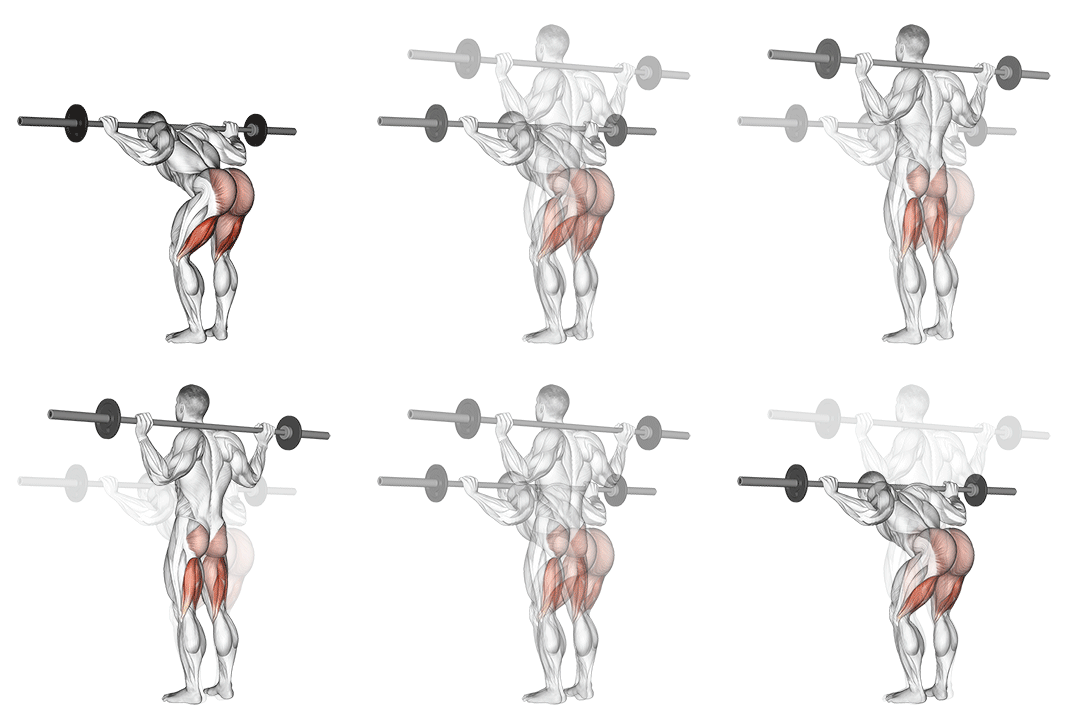
More comparisons with Power Clean
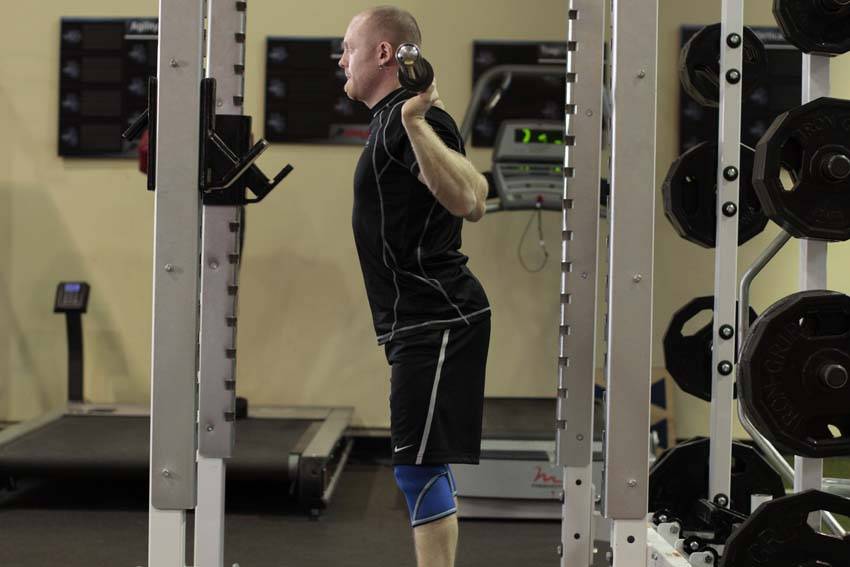
Compare another pair
Choose two exercises to see their differences side by side.