

Bodyweight Drop Jump Squat vs Forward Lunge (male): Complete Comparison Guide
Bodyweight Drop Jump Squat vs Forward Lunge (male) — two bodyweight moves that hit your glutes but do it very differently. I’ll walk you through how each loads the hip extensors, which secondary muscles take over, the biomechanics behind force production and landing, and clear programming cues so you can choose the right tool for power, hypertrophy, or rehab. Read on for technique tips, rep ranges, and specific scenarios where one exercise beats the other.
Exercise Comparison
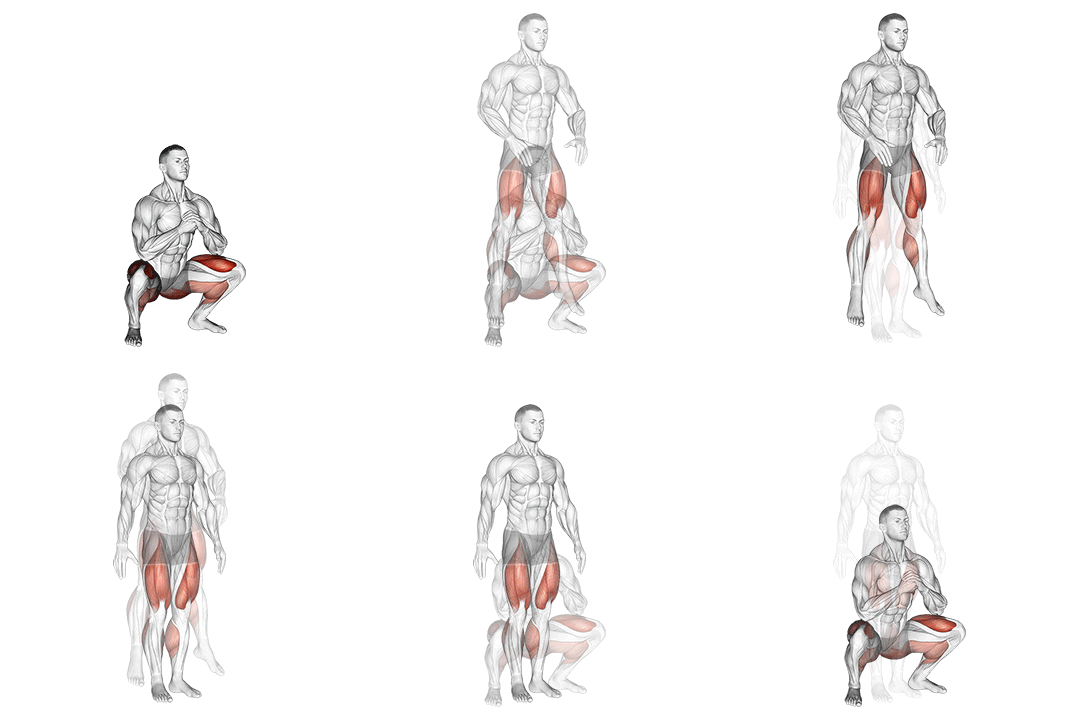
Bodyweight Drop Jump Squat
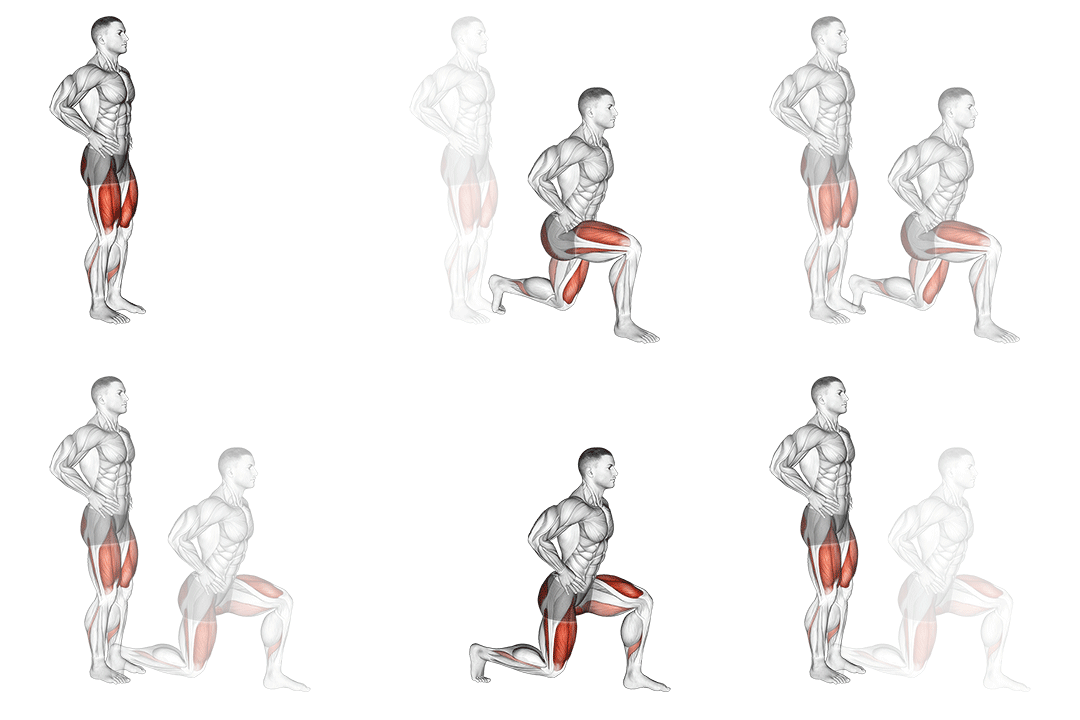
Forward Lunge (male)
Head-to-Head Comparison
| Attribute | Bodyweight Drop Jump Squat | Forward Lunge (male) |
|---|---|---|
| Target Muscle |
Glutes
|
Glutes
|
| Body Part |
Upper-legs
|
Upper-legs
|
| Equipment |
Body-weight
|
Body-weight
|
| Difficulty |
Intermediate
|
Beginner
|
| Movement Type |
Compound
|
Compound
|
| Secondary Muscles |
3
|
3
|
Secondary Muscles Activated
Bodyweight Drop Jump Squat
Forward Lunge (male)
Visual Comparison
Overview
Bodyweight Drop Jump Squat vs Forward Lunge (male) — two bodyweight moves that hit your glutes but do it very differently. I’ll walk you through how each loads the hip extensors, which secondary muscles take over, the biomechanics behind force production and landing, and clear programming cues so you can choose the right tool for power, hypertrophy, or rehab. Read on for technique tips, rep ranges, and specific scenarios where one exercise beats the other.
Key Differences
- Difficulty levels differ: Bodyweight Drop Jump Squat is intermediate, while Forward Lunge (male) is beginner.
- Both exercises target the Glutes using Body-weight. The main differences are in their movement patterns and muscle activation angles.
Pros & Cons
Bodyweight Drop Jump Squat
+ Pros
- High rate of force development—builds explosive hip extension
- Elevates peak glute activation via stretch-shortening
- Short, time-efficient sets (suitable for power training)
- Improves reactive strength and landing mechanics when coached
− Cons
- Higher impact increases joint stress and technical demand
- Requires a stable platform and adequate ceiling/space
- Less time under tension for muscle hypertrophy compared with slow unilateral work
Forward Lunge (male)
+ Pros
- Excellent for hypertrophy through long time under tension
- Easy to scale with weight, tempo, or range of motion
- Low equipment needs—doable anywhere
- Builds single-leg strength and balance, reducing asymmetries
− Cons
- Slower rate of force development—less transfer to explosive power
- Requires strict form to avoid forward knee shear and torso lean
- Can overuse the quads if performed with poor hip drive
When Each Exercise Wins
The forward lunge provides longer eccentric phases and sustained hip extension at controlled tempos, which increases time under tension and mechanical tension—key drivers for muscle growth. You can also add progressive overload easily with weight to target glute and quad hypertrophy (8–15 reps per leg).
Forward lunges allow straightforward progressive loading and full-range unilateral strength work, enabling gradual increases in external load and higher-volume sets that build maximal force capacity. Use 4–6 sets of 6–10 reps per leg with added weight for strength-focused progress.
Lunges require simpler motor control, lower impact, and teach hip-drive and knee tracking under load. Beginners can nail form with cues and progress to weighted variations before attempting plyometric drop jumps.
Lunges need no equipment and work in small spaces, making them ideal for home routines. Drop jumps demand a stable elevated surface and safe landing area, which many home setups lack.
Frequently Asked Questions
Can I do both Bodyweight Drop Jump Squat and Forward Lunge (male) in the same workout?
Yes. Pair them intelligently: do drop jumps early for power (low reps, full recovery) and add lunges later for hypertrophy or strength. Keep total lower-body volume manageable and watch fatigue so landing mechanics stay safe.
Which exercise is better for beginners?
Forward Lunge (male) is better for beginners because it has lower impact and teaches single-leg control and hip-drive. Start with bodyweight lunges, master 8–15 reps per leg, then progress to loaded or more advanced unilateral variations.
How do the muscle activation patterns differ?
Drop jumps rely on the stretch-shortening cycle, producing high peak glute activation and rapid concentric firing, while lunges create sustained glute and quad activation across a longer eccentric-concentric cycle. This means jump peak EMG bursts versus lunges’ prolonged mechanical tension.
Can Forward Lunge (male) replace Bodyweight Drop Jump Squat?
Forward lunges can replace drop jumps if your goal is strength or hypertrophy, since they deliver superior time under tension and overload potential. However, lunges won’t match the drop jump for improving reactive power and rate of force development.
Expert Verdict
Use the Bodyweight Drop Jump Squat when your goal is to improve power, rate of force development, and reactive strength—aim for short sets of 3–6 reps, 3–6 sets, and box heights of 20–40 cm while focusing on soft, hip-driven landings. Choose the Forward Lunge (male) when you want hypertrophy, unilateral strength, and easy progression: perform 3–4 sets of 8–15 reps per leg with controlled 2–0–1 tempos and add load over time. If you train for sport and explosive performance, prioritize plyometrics; if you need strength, size, or a beginner-friendly option, prioritize lunges.
Also Compare
More comparisons with Bodyweight Drop Jump Squat
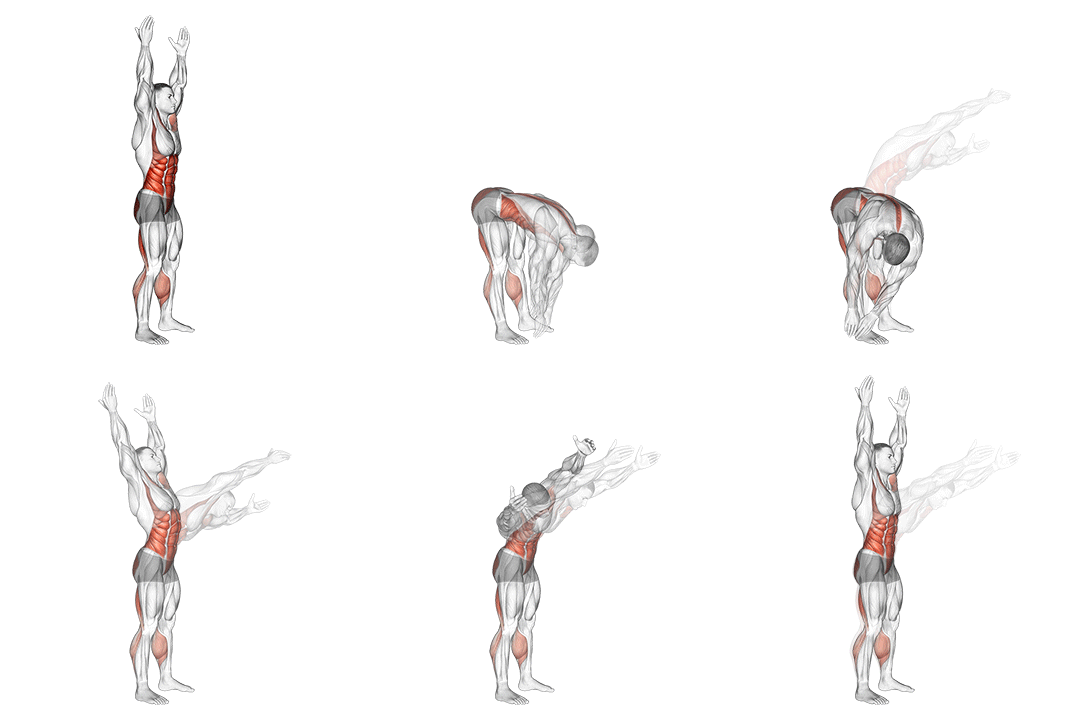
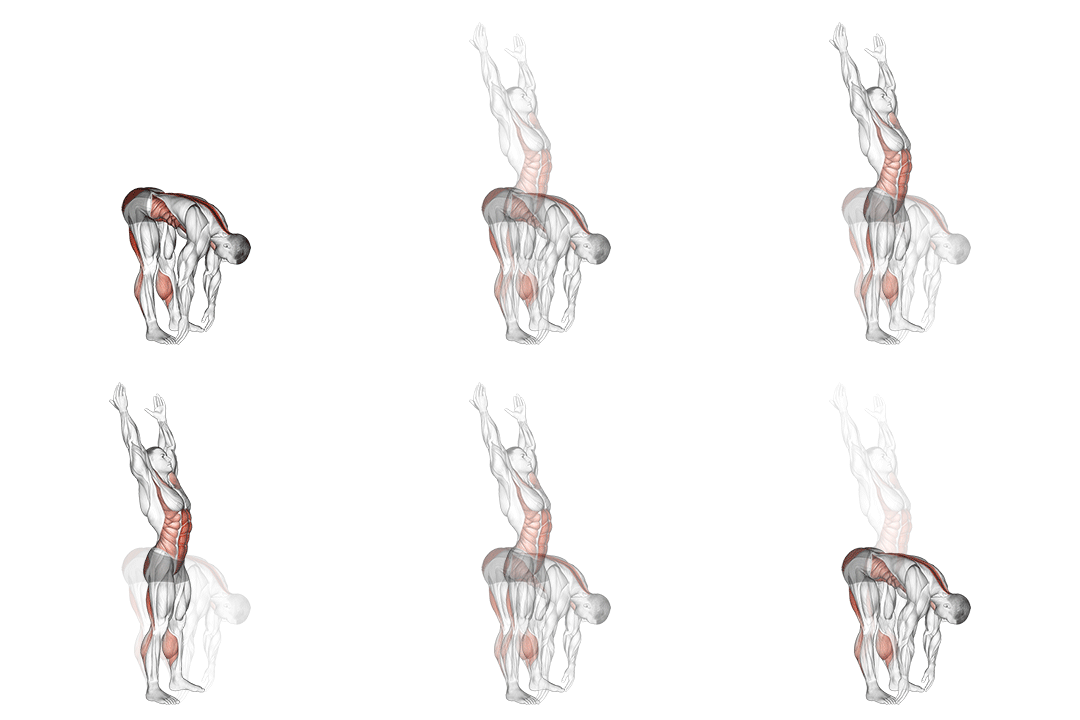
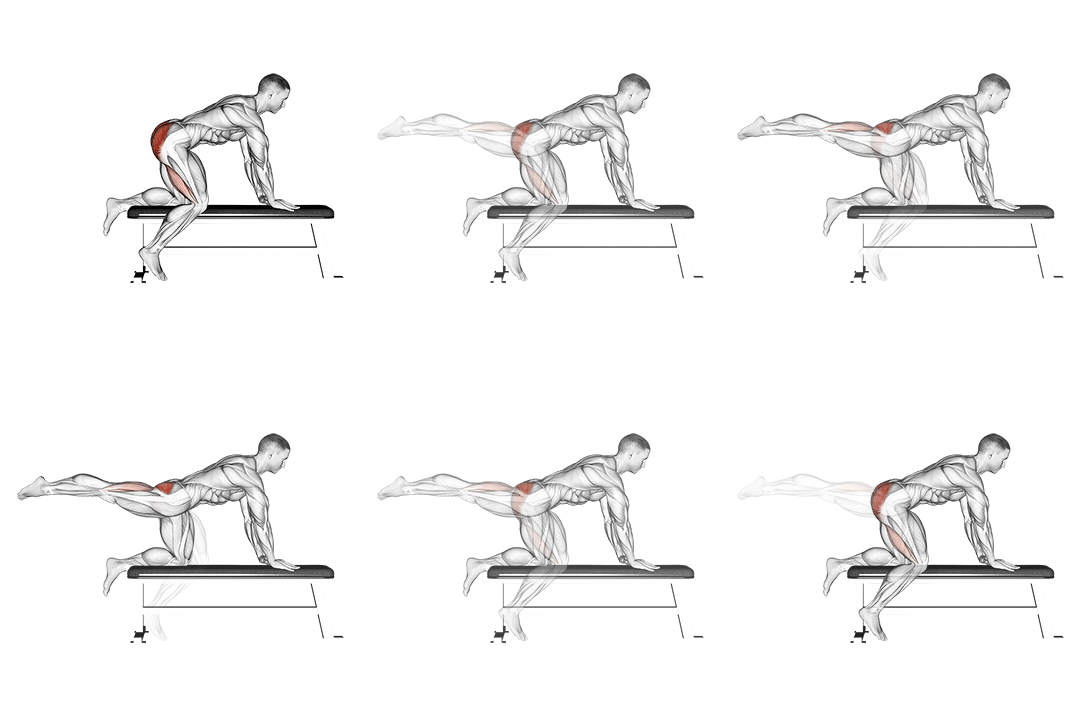
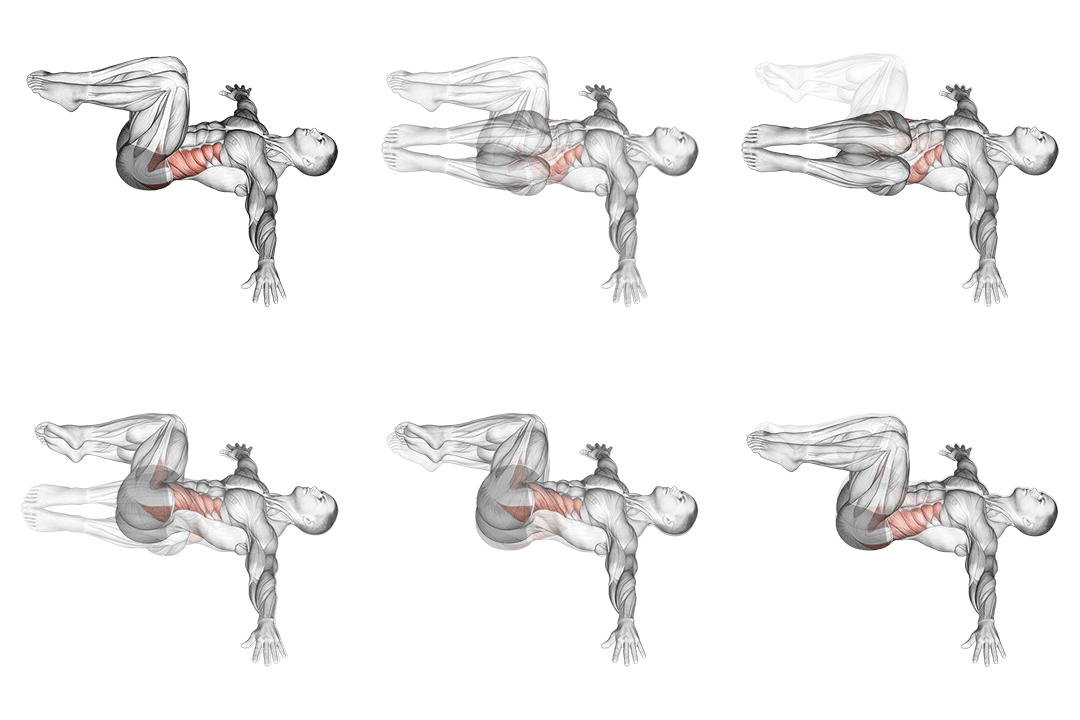
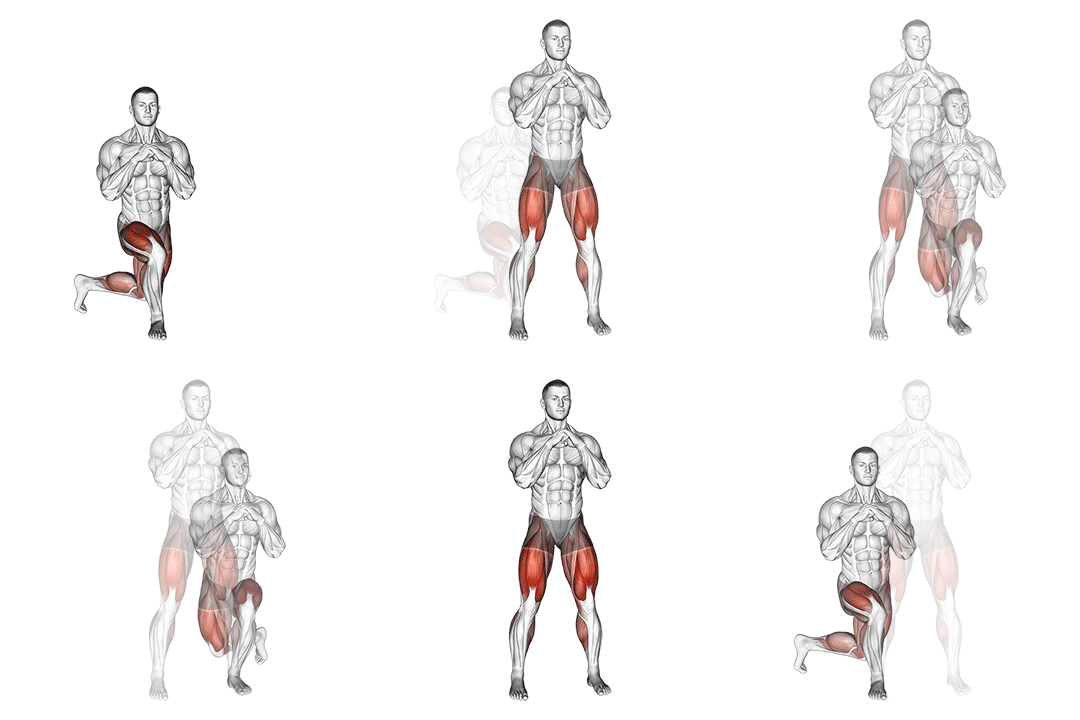
More comparisons with Forward Lunge (male)
Compare More Exercises
Use our free comparison tool to analyze any two exercises head-to-head.
Compare Exercises