

Clean Deadlift vs Good Morning: Complete Comparison Guide
Clean Deadlift vs Good Morning is a common choice when you want to build stronger hamstrings and a more powerful posterior chain. You’ll get a clear, practical comparison that covers muscle activation, biomechanics, technique cues, equipment needs, progression strategies, and injury risk. I’ll show where each exercise shines: which one loads the hamstrings at a longer length, which one lets you move heavier loads, and how to cue both movements so you recruit the right muscles. Read on to decide which movement fits your goals and how to program them into your training.
Exercise Comparison
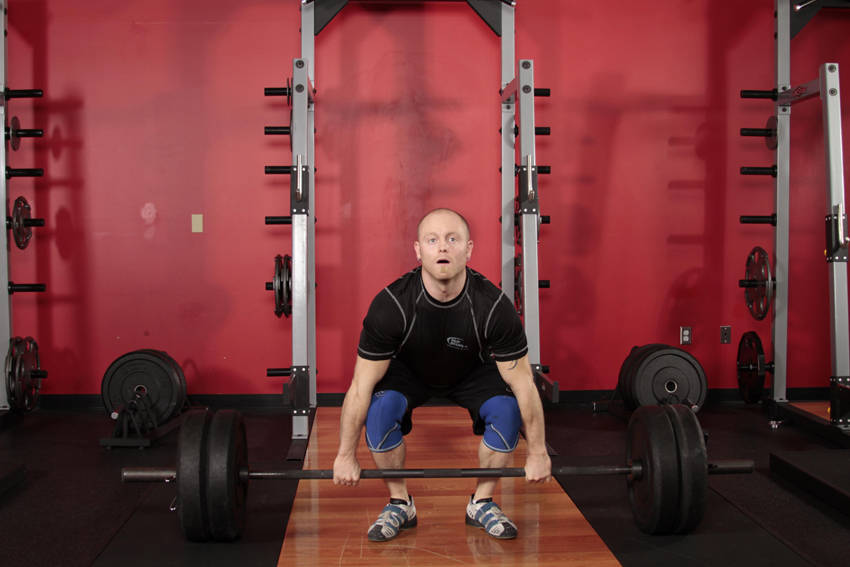
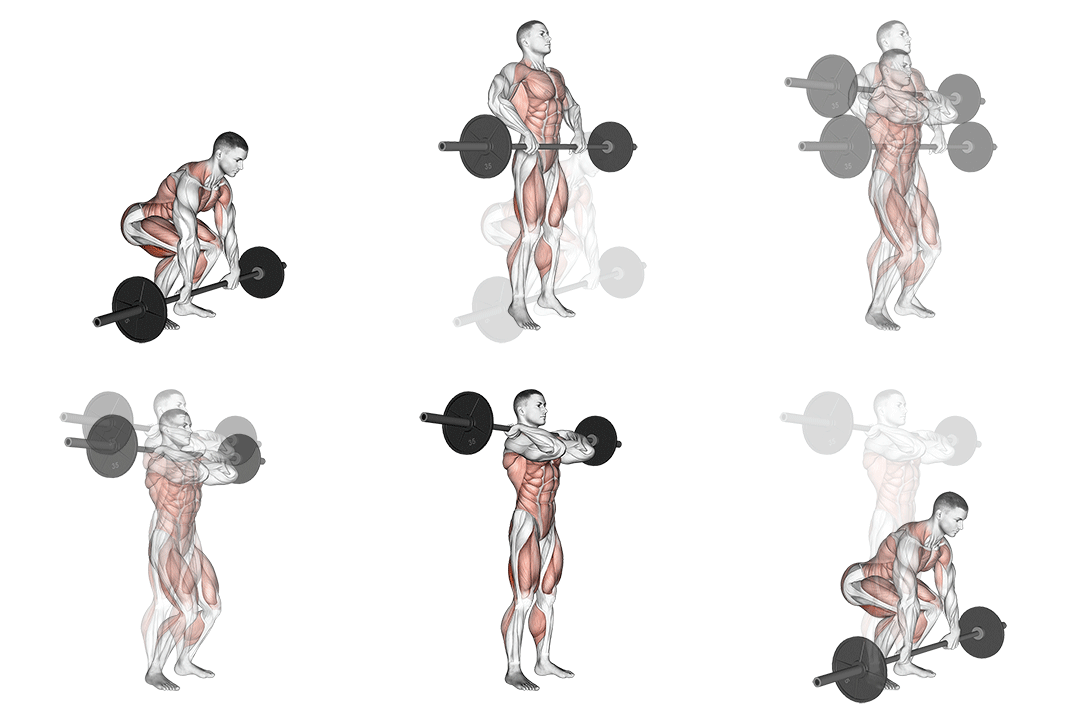
Clean Deadlift
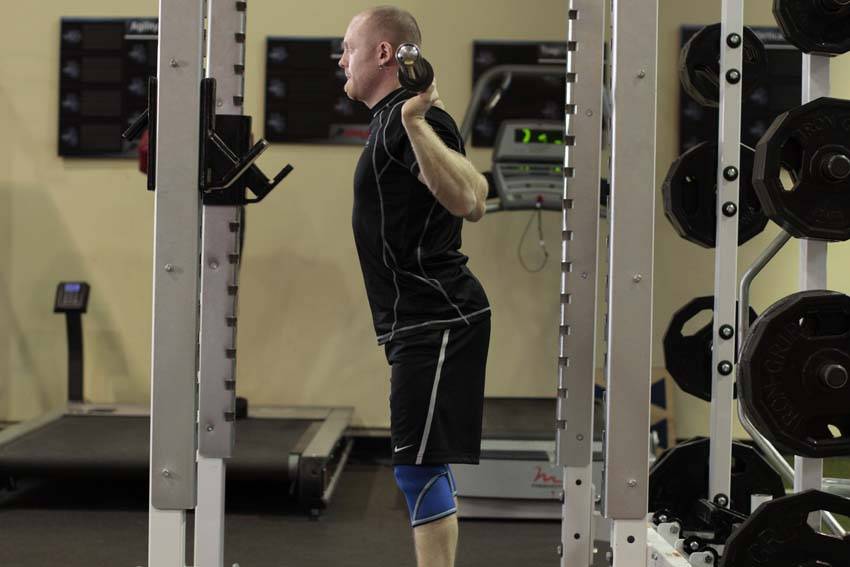
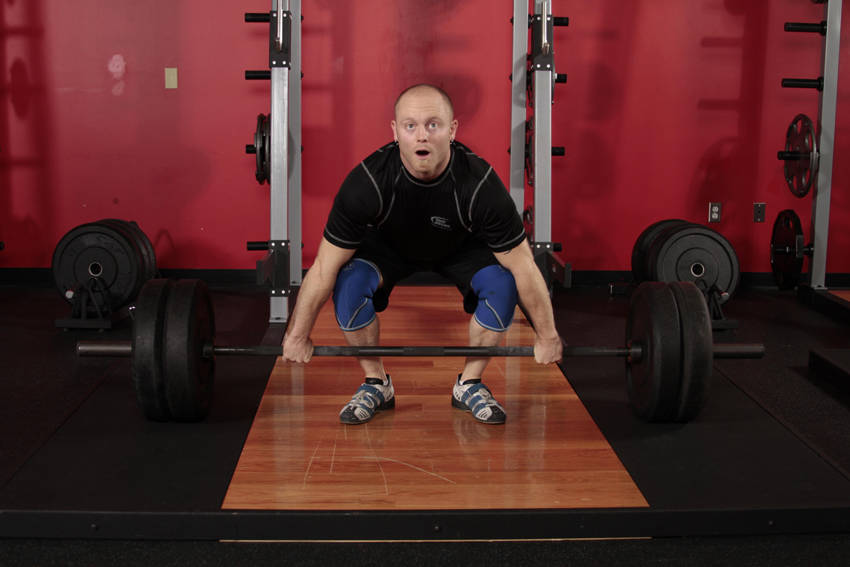
Good Morning
Head-to-Head Comparison
| Attribute | Clean Deadlift | Good Morning |
|---|---|---|
| Target Muscle |
Hamstrings
|
Hamstrings
|
| Body Part |
Upper-legs
|
Upper-legs
|
| Equipment |
Barbell
|
Barbell
|
| Difficulty |
Intermediate
|
Intermediate
|
| Movement Type |
Compound
|
Compound
|
| Secondary Muscles |
6
|
3
|
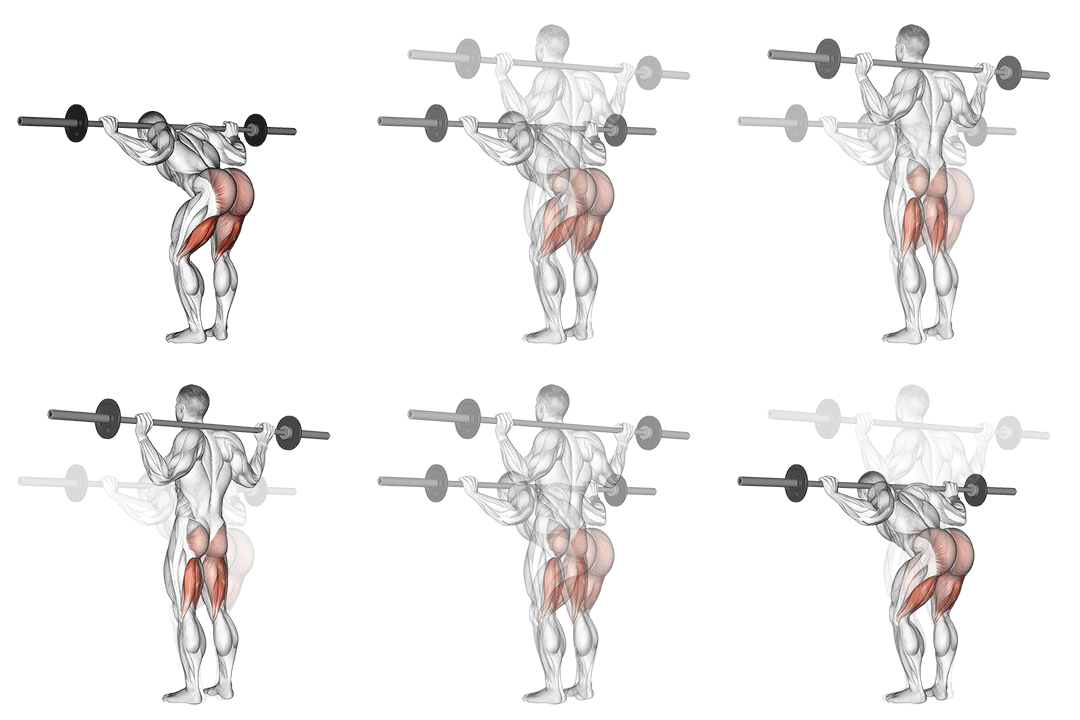
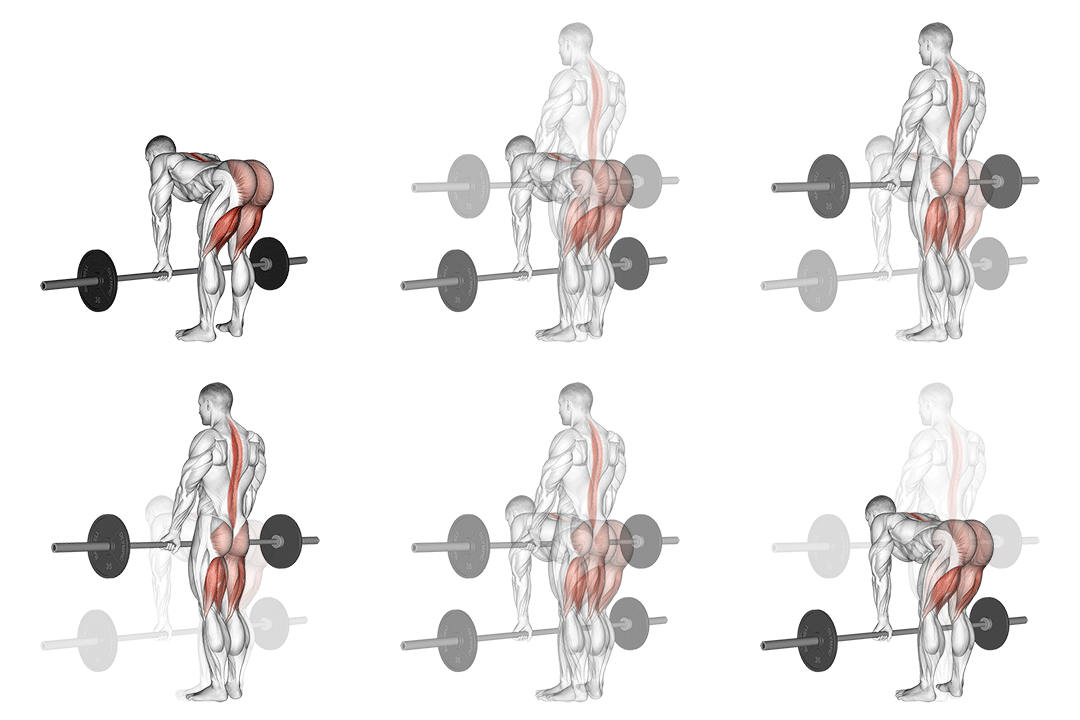
Secondary Muscles Activated
Clean Deadlift
Good Morning
Visual Comparison
Overview
Clean Deadlift vs Good Morning is a common choice when you want to build stronger hamstrings and a more powerful posterior chain. You’ll get a clear, practical comparison that covers muscle activation, biomechanics, technique cues, equipment needs, progression strategies, and injury risk. I’ll show where each exercise shines: which one loads the hamstrings at a longer length, which one lets you move heavier loads, and how to cue both movements so you recruit the right muscles. Read on to decide which movement fits your goals and how to program them into your training.
Key Differences
- Both exercises target the Hamstrings using Barbell. The main differences are in their movement patterns and muscle activation angles.
Pros & Cons
Clean Deadlift
+ Pros
- Allows heavier loads and higher neural drive for strength development
- Trains multiple joints—hips, knees, and upper back—for better transfer to lifts
- Improves grip strength and upper back conditioning
- Versatile: can be loaded for singles, doubles, or higher-rep work
− Cons
- More technical motor pattern with a steeper learning curve
- Greater demand on grip and quads, which can limit hamstring focus
- Requires more space and sometimes bumper plates for safe drops
Good Morning
+ Pros
- Targets hamstrings at longer muscle lengths, increasing time under tension
- Easier to set up in a rack and scale with lighter weights
- Improves lumbar endurance and postural control when done correctly
- Simple pattern to teach hip-hinge mechanics for posterior chain training
− Cons
- Higher shear forces on the lumbar spine if technique breaks down
- Limited maximal loading compared to floor lifts
- Less carryover to grip strength and upper-back pulling capacity
When Each Exercise Wins
Good Mornings load the hamstrings at longer lengths and provide greater time under tension—ideal for 6–12 rep sets. The sustained eccentric phase (roughly 30–80° hip flexion) stresses the length-tension relationship, promoting muscle growth in the hamstrings and glutes.
Clean Deadlifts allow higher absolute loads and better neural recruitment across hips, knees, and upper back. Use heavy singles to triples at 85–95% 1RM to build maximal posterior chain strength and transfer to explosive lifts.
Good Mornings teach a controlled hip hinge and can be coached inside a rack with lighter weights. They reduce the coordination demand of a floor pull and let you focus on neutral spine and hinge mechanics before advancing to more technical pulls.
Good Mornings need only a barbell and rack or can be substituted with dumbbells, kettlebells, or a band for similar loading. Clean Deadlifts often require more space, heavier plates, and higher technical proficiency to be effective and safe at home.
Frequently Asked Questions
Can I do both Clean Deadlift and Good Morning in the same workout?
Yes. Pair them intelligently: use Clean Deadlifts as your primary strength movement early in the session for heavy singles or triples, then use Good Mornings later for higher-rep hamstring hypertrophy and eccentric control. Keep total fatigue in check by reducing volume on accessory lifts when you perform both.
Which exercise is better for beginners?
Good Mornings are generally better for beginners because they simplify the hinge and can be coached in a rack with light loads. Teach neutral spine and hip hinge with Good Mornings before progressing to the more technical Clean Deadlift from the floor.
How do the muscle activation patterns differ?
Clean Deadlifts produce a short, high-intensity burst of hamstring and quad activation with peak activity near lockout, while Good Mornings create sustained eccentric-to-concentric hamstring loading at longer muscle lengths. Good Mornings emphasize hip extensor torque across a wider ROM; Clean Deadlifts combine hip and knee torque rapidly.
Can Good Morning replace Clean Deadlift?
Good Mornings can replace Clean Deadlifts when your focus is hamstring hypertrophy, spinal control, or limited equipment. They do not fully replace Clean Deadlifts for maximal strength or explosive transfer because you lose the heavy floor-pull and grip stimuli that drive those adaptations.
Expert Verdict
Both movements are valuable. Choose Clean Deadlifts when you want maximal loading, neural carryover, and multi-joint strength—program heavy singles to triples (85–95% 1RM) with strict setup and braced torso. Choose Good Mornings when your goal is hamstring hypertrophy, teaching the hinge, or training in constrained spaces—use 6–12 reps, controlled eccentrics, and rack setup to protect the spine. For programming, alternate blocks: a 4–8 week heavy Clean Deadlift block for strength, then a 4–8 week Good Morning block for hypertrophy and lengthened hamstring tension. Prioritize spinal control, cue neutral spine and hip hinge, and scale load to maintain clean technique.
Also Compare
More comparisons with Clean Deadlift
Compare More Exercises
Use our free comparison tool to analyze any two exercises head-to-head.
Compare Exercises