Clean vs Good Morning

Compare target muscles, equipment, difficulty, movement type, and secondary muscles for Clean and Good Morning.

Change comparison Share

Get comparison link

Select the link and use your device's Copy command.

Comparison overview

AI-generated
Clean vs Good Morning {Exercise1} vs {Exercise2} — you’re choosing between two barbell staples that hit the hamstrings but move very differently. If you want clear guidance on which to use for muscle growth, power, or safer loading, this guide has your back. You’ll get technical cues for execution, biomechanical reasons why each exercise stresses the posterior chain differently, suggested rep ranges (1–5 for power, 6–12 for hypertrophy), and practical programming tips so you can pick the right lift for your goals.

Exercise Comparison

Exercise A
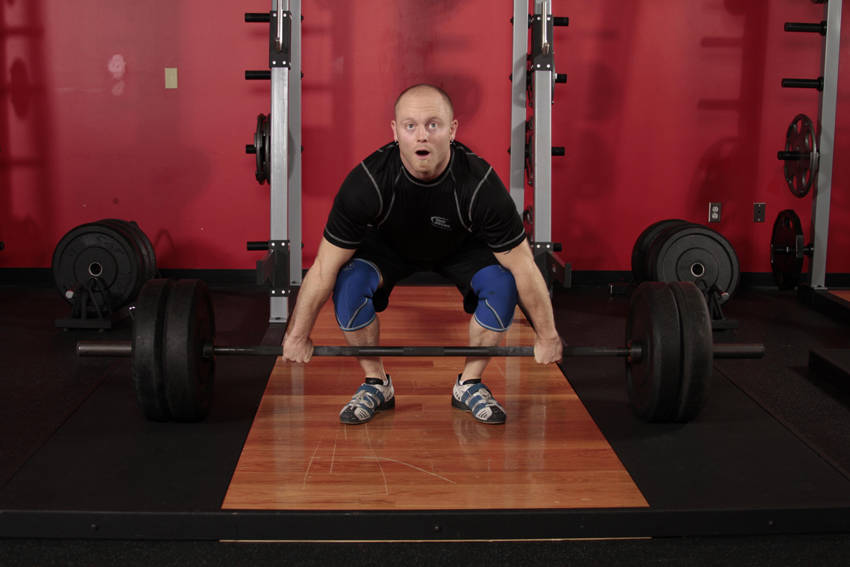
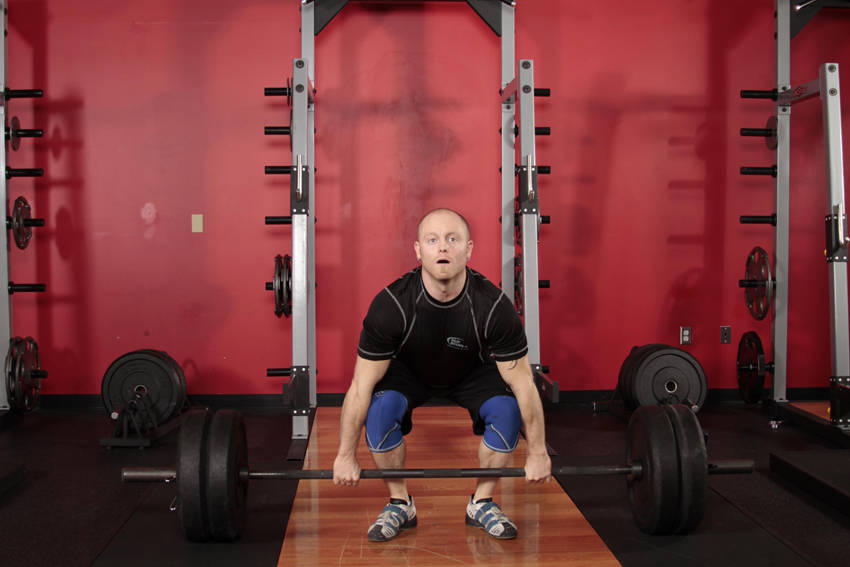
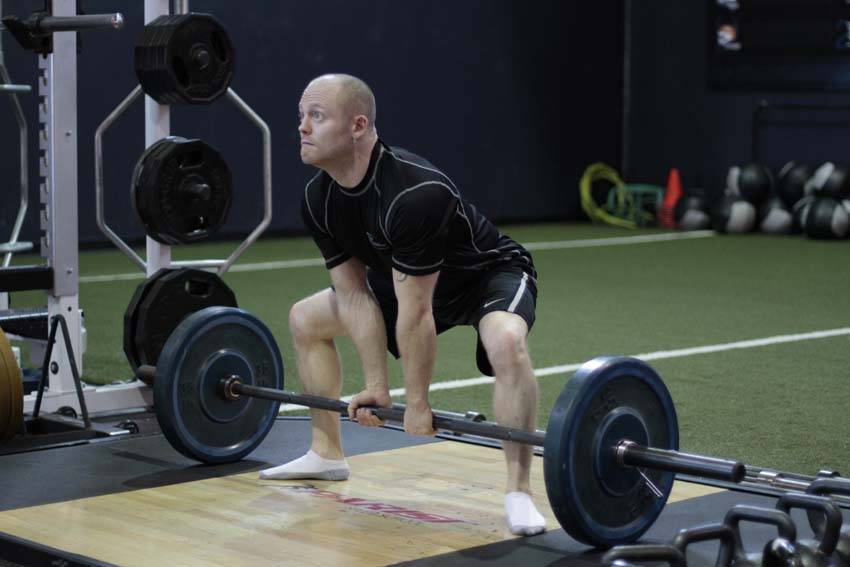
Clean demonstration

Clean

Target Hamstrings
Equipment Barbell
Body Part Upper-legs
Difficulty Advanced
Movement Compound
Secondary Muscles
Calves Forearms Glutes Lower Back Quadriceps Shoulders Traps
VS
Exercise B
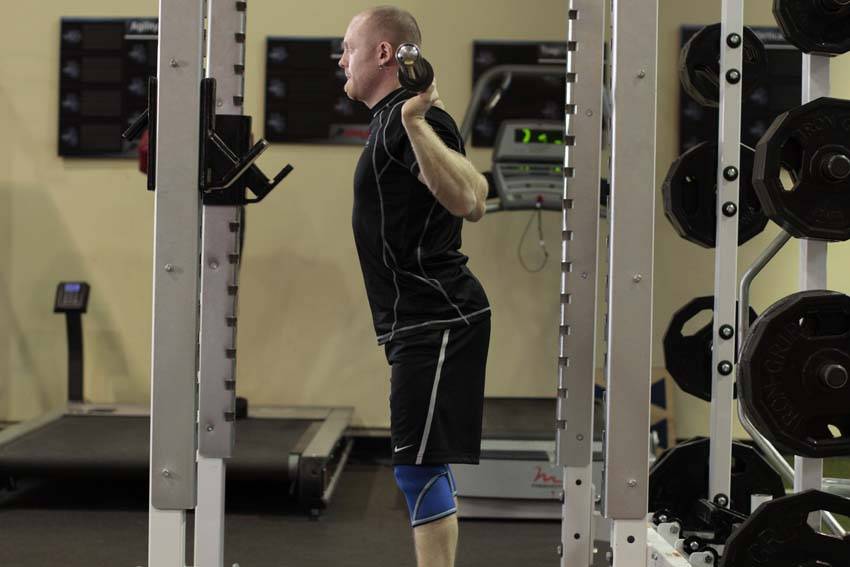
Good Morning demonstration

Good Morning

Target Hamstrings
Equipment Barbell
Body Part Upper-legs
Difficulty Intermediate
Movement Compound
Secondary Muscles
Abdominals Glutes Lower Back

Head-to-Head Comparison

Different values are marked. These are catalogue attributes, not performance scores.

Muscles used

Listed target and secondary muscles, shown on the body. Locations, not activation or strength scores.

  • Target
  • Secondary
  • Not highlighted

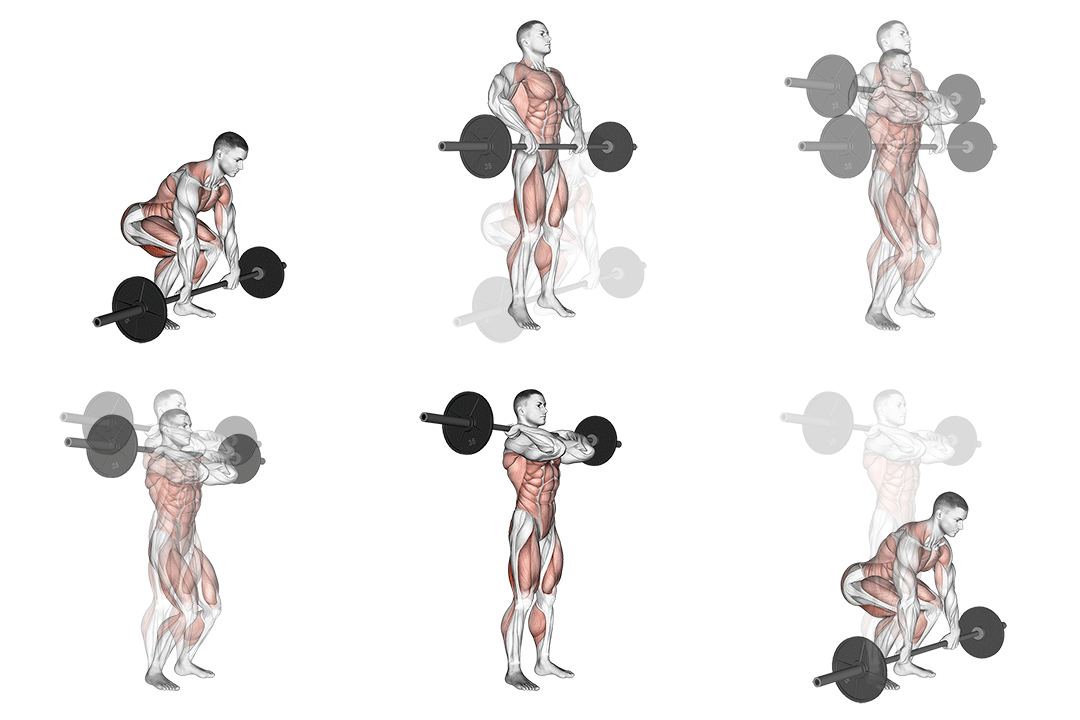
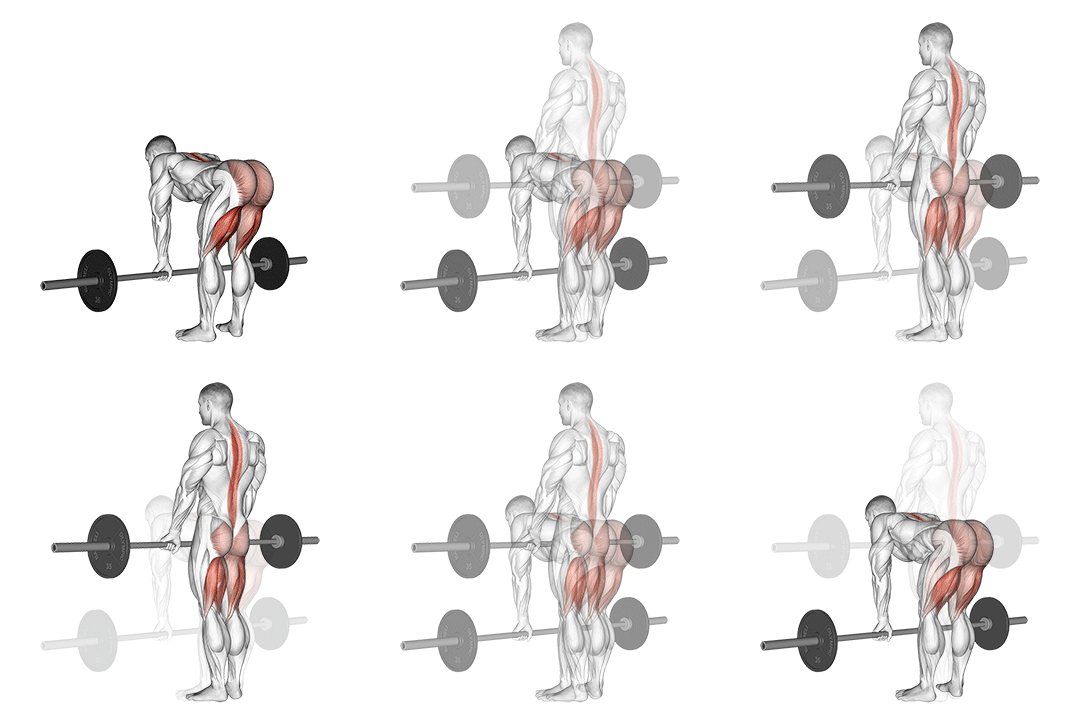
Clean

Front
Clean: front muscle locationsSolid: listed target. Striped: listed secondary. Grey: not highlighted. Locations, not activation or strength scores. See the muscle names below.
Back
Clean: back muscle locationsSolid: listed target. Striped: listed secondary. Grey: not highlighted. Locations, not activation or strength scores. See the muscle names below.
Target
Hamstrings
Secondary
Calves, Forearms, Glutes, Lower Back, Quadriceps, Shoulders, Traps

Not shown on diagram: Shoulders. These labels do not identify a precise region on this map.

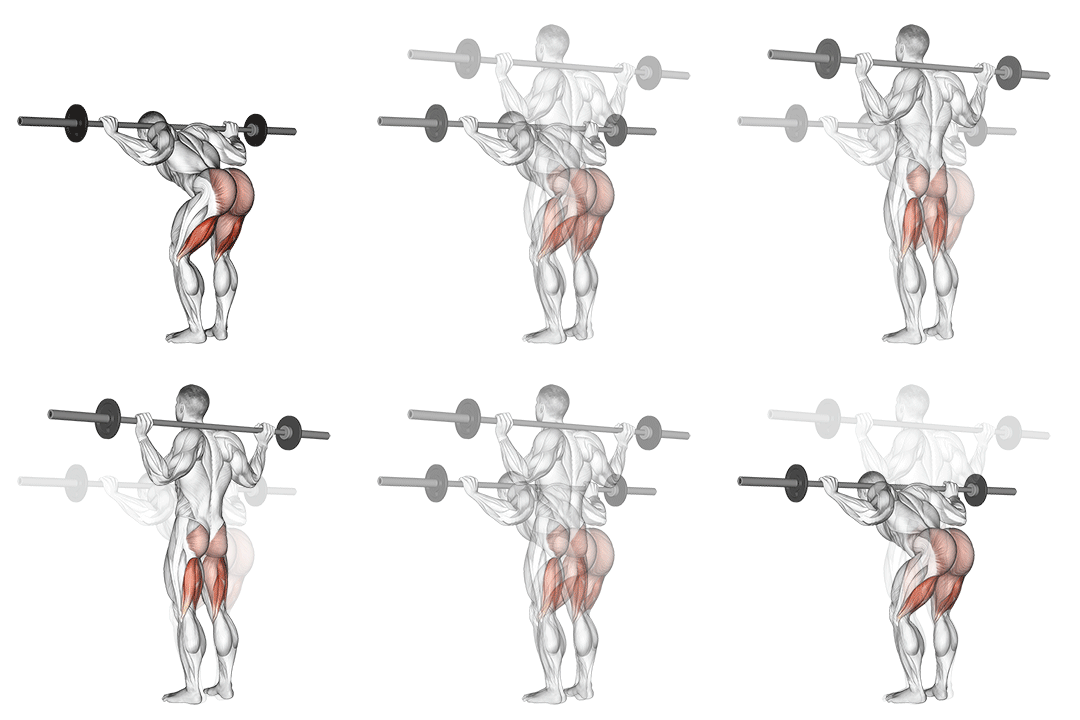
Good Morning

Front
Good Morning: front muscle locationsSolid: listed target. Striped: listed secondary. Grey: not highlighted. Locations, not activation or strength scores. See the muscle names below.
Back
Good Morning: back muscle locationsSolid: listed target. Striped: listed secondary. Grey: not highlighted. Locations, not activation or strength scores. See the muscle names below.
Target
Hamstrings
Secondary
Abdominals, Glutes, Lower Back

Grey does not mean a muscle is unused. The diagrams show only the mapped catalogue labels.

Attribute Clean Good Morning
Target Muscle
Hamstrings
Hamstrings
Body Part
Upper-legs
Upper-legs
Equipment
Barbell
Barbell
Difficulty Different
Advanced
Intermediate
Movement Type
Compound
Compound
Secondary Muscles Different
Calves, Forearms, Glutes, Lower Back, Quadriceps, Shoulders, Traps
Abdominals, Glutes, Lower Back

Visual Comparison

An illustrative 1–10 profile derived from catalog difficulty, equipment, and listed-muscle fields—not measured performance or muscle activation.

Key Differences

  • Difficulty levels differ: Clean is advanced, while Good Morning is intermediate.
  • Both exercises target the Hamstrings using Barbell. The catalogue does not establish which exercise is better for an individual goal.

Muscle comparison

Shared target muscles

Both exercises place the hamstrings as the primary target but via different roles. The Clean uses rapid hip extension and knee flexion control during the pull and catch, so hamstrings fire explosively during the second pull and decelerate the hips and knees. The Good Morning emphasizes a loaded hip hinge with the hamstrings under sustained eccentric and isometric tension at longer muscle lengths, driving hip extension through the concentric phase.

Secondary muscle differences

Cleans recruit the quadriceps, traps, shoulders and forearms strongly due to the triple-extension, pull and catch phases; the knee extension in the catch and the shrug transfer force vertically. Good Mornings load the lower back, glutes and abdominals more for spinal stabilization and trunk control, with minimal shoulder or upper-back coordination beyond bar placement.

Muscle involvement analysis

During a Clean, hamstring activation spikes during explosive hip extension and then drops as you receive the bar with a flexed knee — a fast, phasic pattern. In a Good Morning, hamstrings show prolonged activation through the eccentric descent and the concentric lockout, emphasizing length-tension mechanics and high passive tension when hips are flexed ~60–90°. Force vectors differ: Clean produces vertical force transfer to accelerate the bar; Good Morning applies a large horizontal shear on the hips that increases posterior chain moment arm.

Equipment and setup

Clean: setup

Clean requires a loaded barbell, lifting platform or solid floor, bumper plates (recommended), lifting shoes for stable ankle drive, and often chalk or straps for grip training.

Good Morning: setup

Good Morning needs only a barbell and rack to load/unload; you can use a regular bar, safety squat bar, or even a lighter trap bar. A power rack with safety pins is useful for practicing heavier sets safely.

Access and practicality

Good Morning is more accessible because setup is simpler, it tolerates lighter space and equipment, and learning the hinge pattern is faster than mastering the timing and speed demands of the Clean.

Learning and progression

Learning the movements

Clean is advanced: you must coordinate triple extension, shrug, pull-under and catch timing — expect weeks to months of technical practice. Good Morning is intermediate: it teaches the hip hinge and spinal bracing and is faster to learn with sets focusing on tempo.

Progression considerations

Clean offers broad progression for power and athletic development (hang clean, power clean, clean pulls) and scales with explosive intent; Good Morning allows linear overload for posterior-chain strength and hypertrophy with controlled eccentric progressions and tempo work.

Limitations and precautions

Clean carries higher acute injury risk from missed catches or high-speed loads (shoulder, wrist, or back impact), while Good Morning carries higher chronic lumbar risk if you allow spinal flexion under heavy loads. With strict technique and progressive loading, both risks are manageable.

Pros & Cons

Clean

+ Pros

  • Develops explosive hip extension and power transfer across hips, knees and ankles
  • Builds full-body coordination and strong upper-back and trap recruitment
  • High transfer to athletic movements and Olympic-style strength
  • Allows heavy triple-extension overload and varied progressions (hang, power, pulls)

− Cons

  • Steep technical learning curve with risk of technical failure at speed
  • Requires more setup (platform, bumper plates, lifting shoes) for safe practice
  • Less continuous hamstring time-under-tension for eccentric hypertrophy

Good Morning

+ Pros

  • Directly loads hamstrings at long muscle lengths for eccentric emphasis
  • Simple setup and faster to coach; excellent for posterior-chain hypertrophy
  • Scales well with tempo and higher-rep sets (6–12 reps) for muscle growth
  • Places high demand on spinal stabilizers and glutes with lower coordination needs

− Cons

  • Can increase lumbar shear if form breaks; needs strict bracing
  • Less carryover to explosive, triple-extension power compared with Cleans
  • Shoulder and trap development is limited compared with Olympic lifts

When Each Exercise Wins

1
For muscle hypertrophy: Good Morning

Good Mornings keep the hamstrings under continuous tension and load them at longer lengths, making 6–12 rep sets with 3–5 second eccentrics ideal for muscle growth and collagen remodeling.

2
For strength gains: Clean

Cleans develop whole-body strength and explosive hip extension; training heavy singles and triples (1–5 reps) improves rate of force development and transfers to maximal strength in compound movements.

3
For beginners: Good Morning

The Good Morning teaches the hip-hinge and spinal bracing with lower coordination demands, so you can safely build posterior-chain strength before progressing to complex Olympic variations.

4
For home workouts: Good Morning

Good Mornings require minimal equipment and less space, and you can safely practice progressive loading in a power rack without needing bumper plates or a lifting platform.

Frequently Asked Questions

Can I do both Clean and Good Morning in the same workout?

Yes. Do Good Mornings earlier as an accessory to build hinge strength (3–4 sets of 6–10), then perform Cleans later or on a separate day as low-volume power work (3–6 sets of 1–3) once you’re fresh.

Which exercise is better for beginners?

Good Mornings are better for beginners because they teach the hip hinge and demand less technical timing. Start light to establish neutral spine and progressive overload before attempting Cleans.

How do the muscle activation patterns differ?

Cleans produce a short, high-amplitude burst of hamstring activation around the explosive hip extension and pull-under, while Good Mornings maintain prolonged eccentric and isometric hamstring activity at longer muscle lengths, increasing passive tension and time-under-tension.

Can Good Morning replace Clean?

Not entirely. Good Mornings can replace Cleans for posterior-chain hypertrophy and strength but won’t develop the same rate-of-force development, coordination or jump/throw transfer that cleans provide. Use Good Mornings as a substitute if you lack coaching or equipment, then reintroduce Cleans for power work.

Comparison Summary

Choose the Clean when your goal is explosive strength, athletic transfer and whole-body coordination; program it for low-rep power sets (1–5 reps), practice the hang and pull phases, and prioritize technique for safe triple extension. Choose the Good Morning when your priority is posterior-chain hypertrophy or targeted hamstring strength: use 3–4 sets of 6–12 reps with controlled 2–4 second eccentrics, maintain a neutral spine and hinge at the hips. If you want both outcomes, start with Good Mornings to build hinge strength and follow with low-volume Cleans for power once your technique and trunk control are solid.

Exercise instructions

Steps from the exercise catalogue. Read the full sequence before starting.

Good Morning

  1. Begin with a bar on a rack at shoulder height. Rack the bar across the rear of your shoulders as you would a power squat, not on top of your shoulders. Keep your back tight, shoulder blades pinched together, and your knees slightly bent. Step back from the rack.
  2. Begin by bending at the hips, moving them back as you bend over to near parallel. Keep your back arched and your cervical spine in proper alignment.
  3. Reverse the motion by extending through the hips with your glutes and hamstrings. Continue until you have returned to the starting position.

Also Compare

Compare another pair

Choose two exercises to see their differences side by side.

Compare Exercises