

Deep Push Up vs Dumbbell Decline One Arm Fly: Complete Comparison Guide
Deep Push Up vs Dumbbell Decline One Arm Fly — you’re comparing two chest-focused moves with very different mechanics. I’ll walk you through how each targets the pectorals, the secondary muscle recruitment (triceps and shoulders), equipment needs, difficulty, and clear scenarios where one beats the other. You’ll get specific technique cues, rep ranges for hypertrophy and strength, and biomechanical reasons (force vectors, length-tension, joint angles) to pick the right exercise for your program. Read on so you can choose the exercise that matches your goals and limitations.
Exercise Comparison
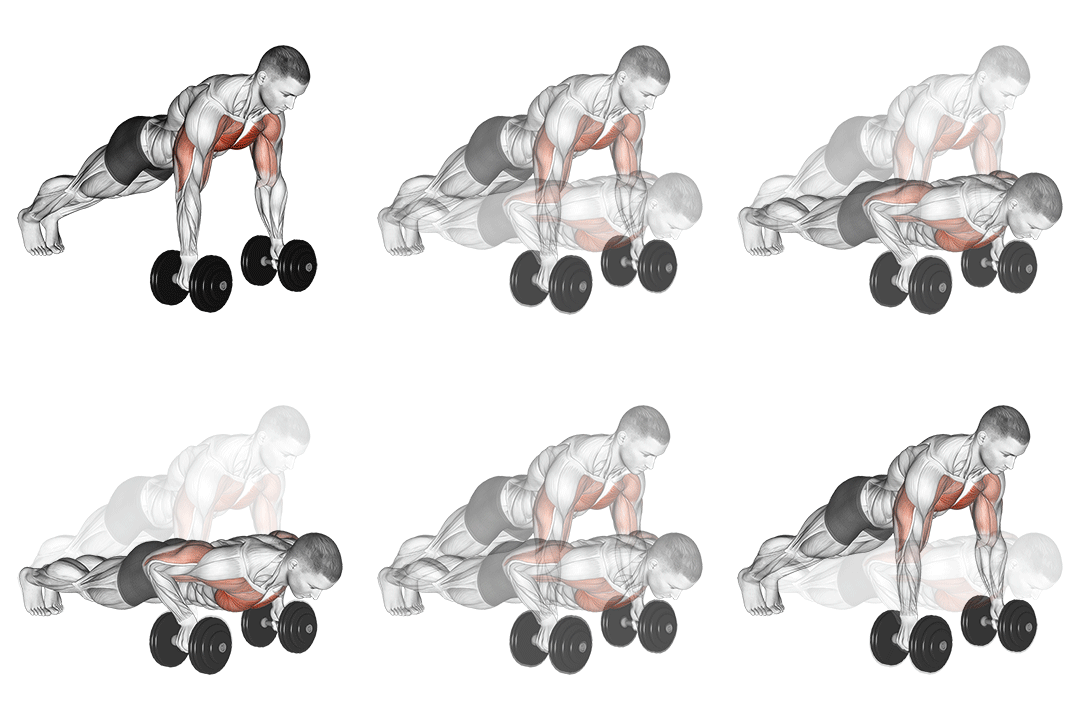
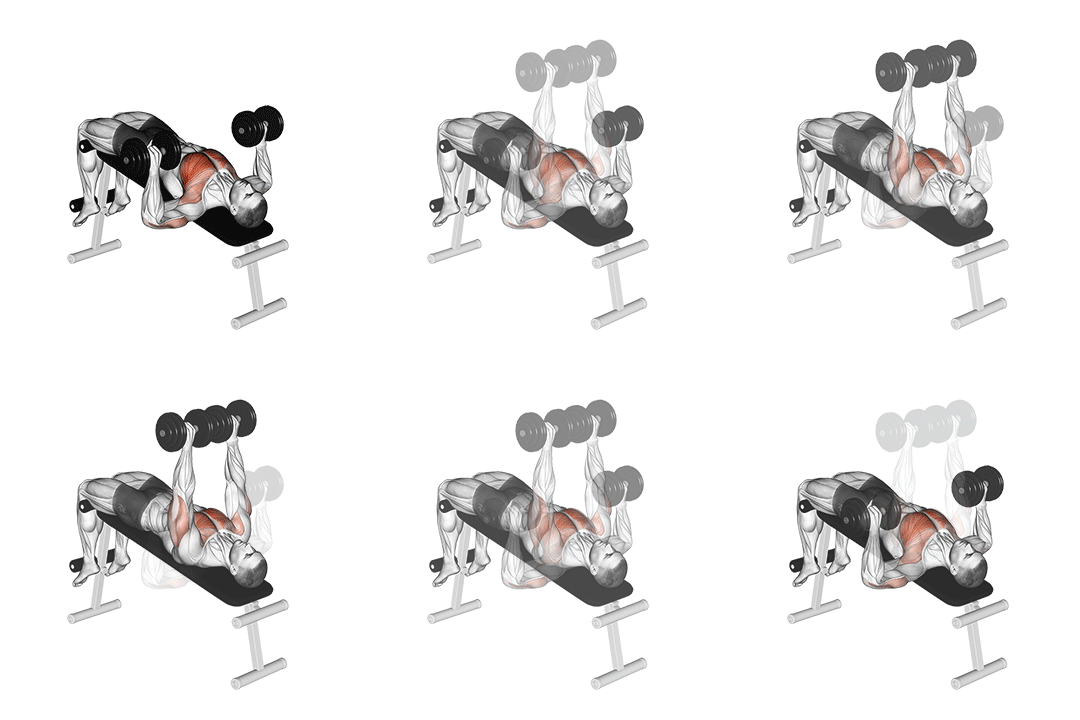
Deep Push Up
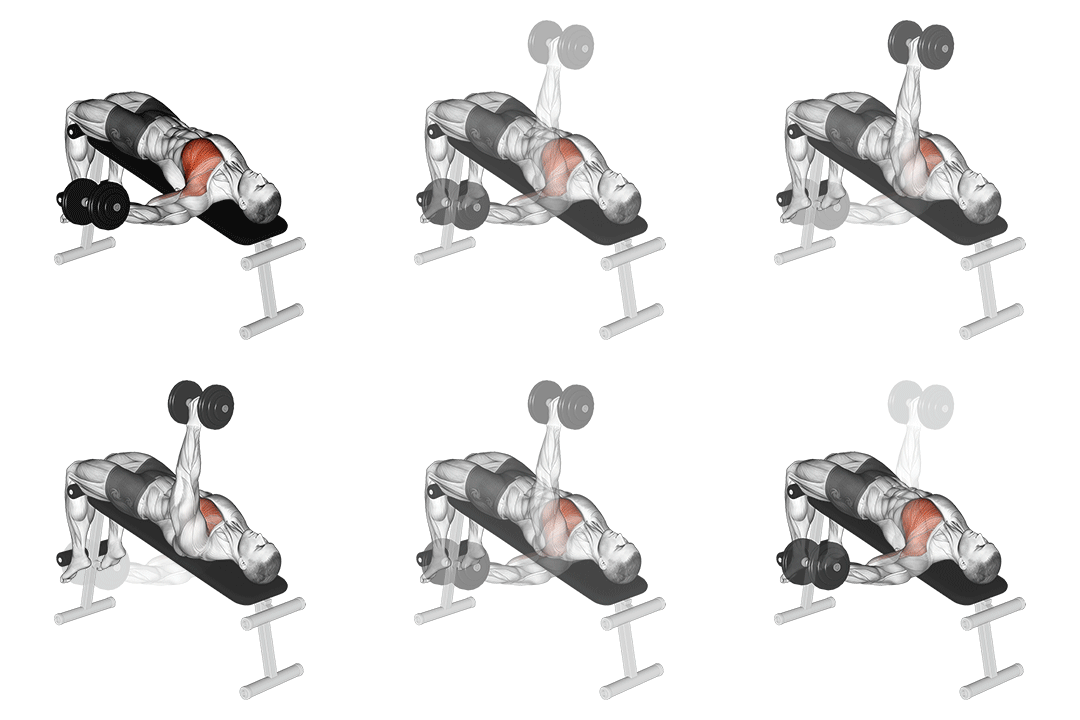
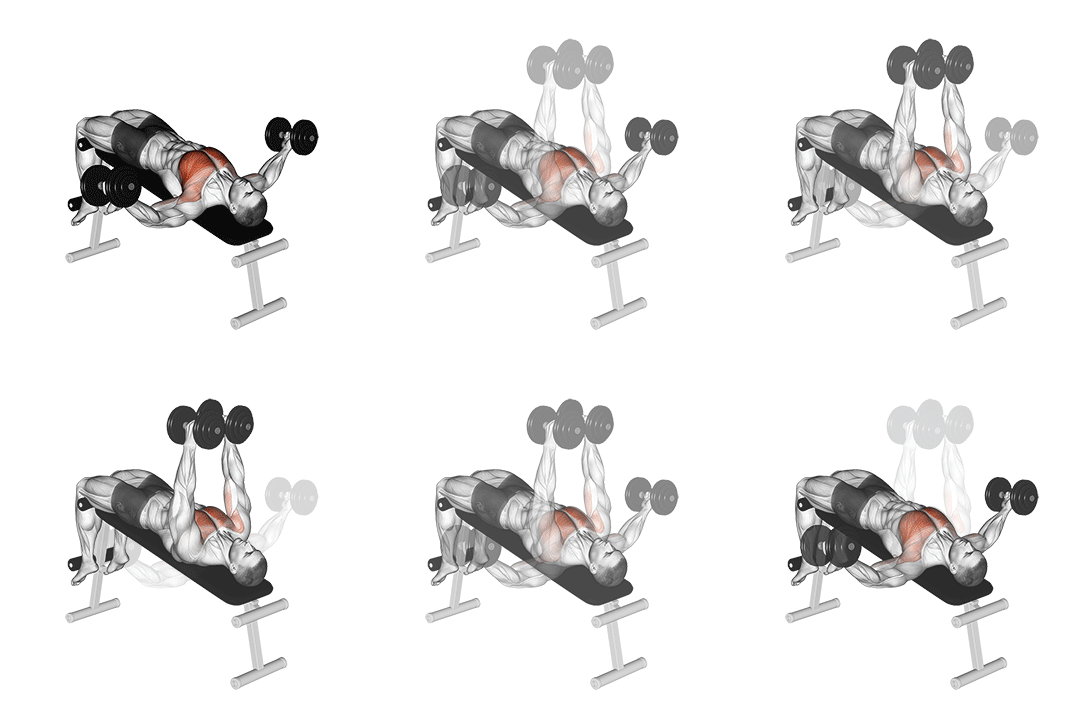
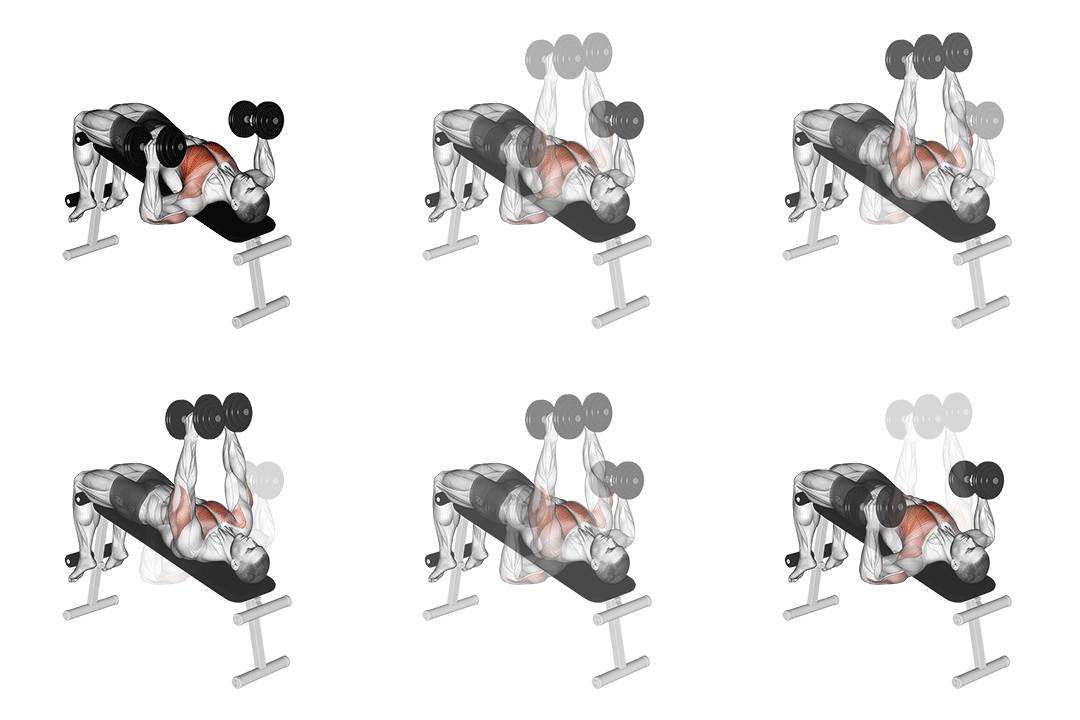
Dumbbell Decline One Arm Fly
Head-to-Head Comparison
| Attribute | Deep Push Up | Dumbbell Decline One Arm Fly |
|---|---|---|
| Target Muscle |
Pectorals
|
Pectorals
|
| Body Part |
Chest
|
Chest
|
| Equipment |
Dumbbell
|
Dumbbell
|
| Difficulty |
Intermediate
|
Advanced
|
| Movement Type |
Compound
|
Isolation
|
| Secondary Muscles |
2
|
1
|
Secondary Muscles Activated
Deep Push Up
Dumbbell Decline One Arm Fly
Visual Comparison
Overview
Deep Push Up vs Dumbbell Decline One Arm Fly — you’re comparing two chest-focused moves with very different mechanics. I’ll walk you through how each targets the pectorals, the secondary muscle recruitment (triceps and shoulders), equipment needs, difficulty, and clear scenarios where one beats the other. You’ll get specific technique cues, rep ranges for hypertrophy and strength, and biomechanical reasons (force vectors, length-tension, joint angles) to pick the right exercise for your program. Read on so you can choose the exercise that matches your goals and limitations.
Key Differences
- Deep Push Up is a compound movement, while Dumbbell Decline One Arm Fly is an isolation exercise.
- Difficulty levels differ: Deep Push Up is intermediate, while Dumbbell Decline One Arm Fly is advanced.
- Both exercises target the Pectorals using Dumbbell. The main differences are in their movement patterns and muscle activation angles.
Pros & Cons
Deep Push Up
+ Pros
- Compound pressing recruits pecs, triceps, and anterior deltoids—good for functional pressing strength
- Highly scalable: use incline regressions, added weight, or tempo changes for 4–12+ rep work
- Requires minimal equipment—handles or dumbbells for depth are optional
- Improves core and scapular control through closed-chain stability
− Cons
- Less isolated peak chest tension than a fly for targeting fibers
- Deeper ROM increases shoulder demand—requires good mobility and scapular control
- Harder to load axially for maximal single-arm pec overload compared to weighted machines
Dumbbell Decline One Arm Fly
+ Pros
- Isolates the pectorals with long muscle length under tension for pronounced hypertrophy stimulus
- Decline angle (15–30°) emphasizes lower pec fibers and changes force vector
- Unilateral work corrects imbalances and improves mind-muscle connection
- Peak contraction and deep stretch are easy to manipulate for time-under-tension sets
− Cons
- High shoulder torque at end range increases injury risk without strict technique
- Requires a decline bench and dumbbells—less accessible for home workouts
- Limited progression for maximal pressing strength compared to compound lifts
When Each Exercise Wins
The fly places the pecs at longer muscle lengths and creates a large moment arm for horizontal adduction, producing strong mechanical tension and time-under-tension in the 8–12 rep range—ideal for muscle growth. The decline angle also biases lower-pectoral fibers for targeted hypertrophy.
Deep Push Ups are a compound press that recruit triceps and deltoids alongside pecs and can be overloaded with a weight vest or added resistance. Use 4–6 heavy reps or weighted sets to build transferable pressing strength.
Progressions (incline, knee, tempo) let beginners build pressing mechanics and scapular control before advancing. The movement pattern is easier to scale and safer than heavy unilateral flies for inexperienced lifters.
Deep Push Ups need minimal gear—just a stable floor and optional handles—so you can achieve varied intensity at home. Decline unilateral flies require a bench and multiple dumbbells, limiting home applicability.
Frequently Asked Questions
Can I do both Deep Push Up and Dumbbell Decline One Arm Fly in the same workout?
Yes. Start with Deep Push Ups as your compound pressing exercise (3–5 sets) and follow with 2–4 sets of decline one-arm flies for focused hypertrophy. That sequencing uses the push-up for load and neural drive, then the fly for extra time under tension.
Which exercise is better for beginners?
Deep Push Up is better for beginners because you can regress it via incline or knees and gradually add load. The decline one-arm fly requires greater shoulder control and is better after you’ve built baseline strength and mobility.
How do the muscle activation patterns differ?
Deep Push Up spreads activation across pecs, triceps, and anterior deltoids with shifting peak demands through the range: pecs dominate at the bottom, triceps near lockout. The decline one-arm fly maintains continuous pec tension through horizontal adduction with a longer moment arm and greater pec stretch at end range.
Can Dumbbell Decline One Arm Fly replace Deep Push Up?
No if your priority is pressing strength or multi-joint power—flies won’t train triceps and core the same way. For pure chest isolation and hypertrophy it can substitute, but for overall upper-body strength the push-up or another compound press should remain in the program.
Expert Verdict
Choose the Deep Push Up when you want a scalable, equipment-light compound that builds pressing strength, engages triceps and shoulders, and improves core and scapular stability. Use progressive overload (weighted vests or plates) and 4–6 rep ranges for strength or 6–12 for hypertrophy. Opt for the Dumbbell Decline One Arm Fly when your goal is targeted pec hypertrophy and lower-pec development: perform sets of 8–12 with deliberate 2–3 second eccentric tempos and a 15–30° decline to maximize stretch and peak contraction. If you want both transfer and size, program the push-up as a primary compound and follow with unilateral decline flies for focused chest work.
Also Compare
More comparisons with Deep Push Up
More comparisons with Dumbbell Decline One Arm Fly
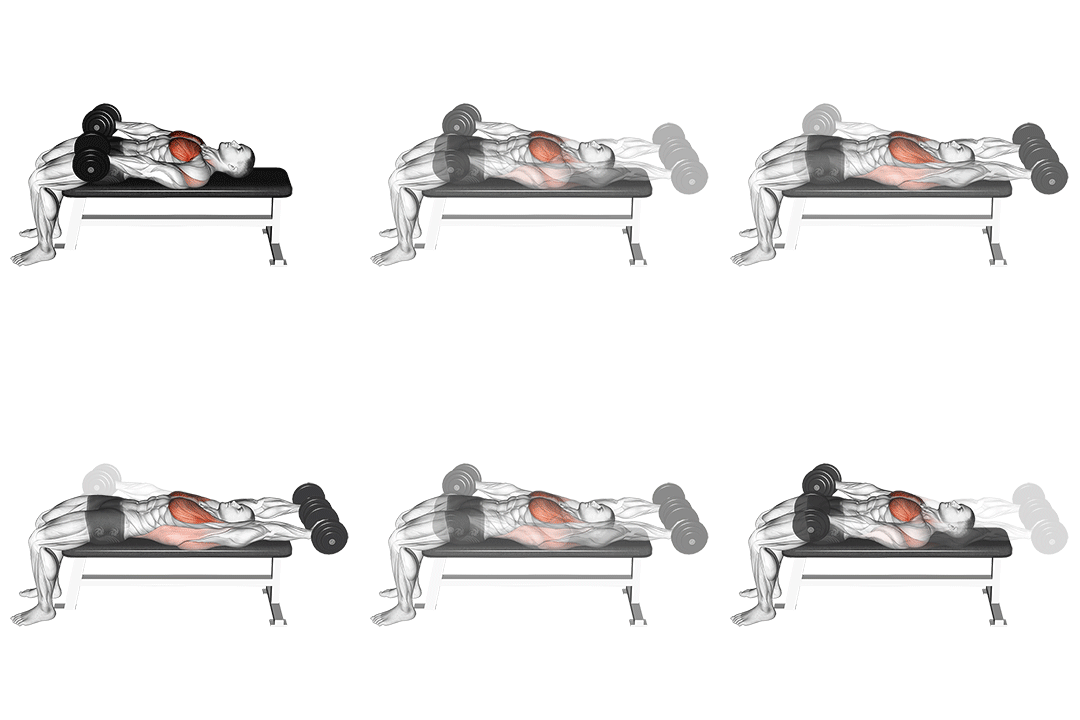
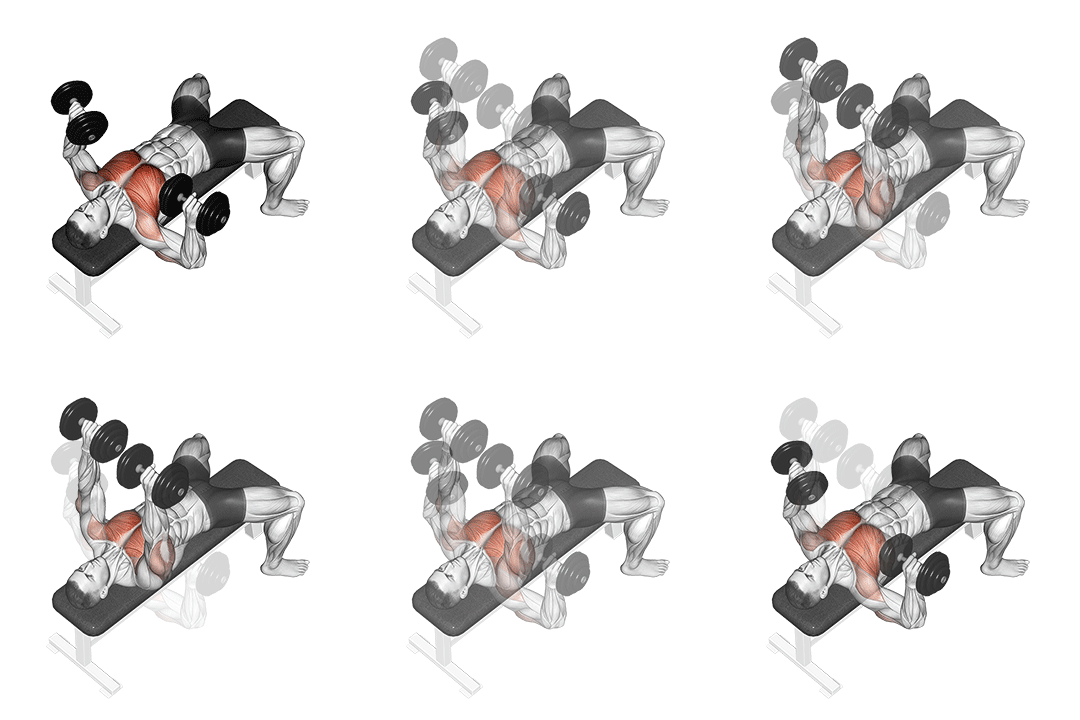
Compare More Exercises
Use our free comparison tool to analyze any two exercises head-to-head.
Compare Exercises