Dumbbell Alternate Side Press vs Dumbbell Arnold Press

Compare target muscles, equipment, difficulty, movement type, and secondary muscles for Dumbbell Alternate Side Press and Dumbbell Arnold Press.

Change comparison Share

Get comparison link

Select the link and use your device's Copy command.

Comparison overview

AI-generated
Dumbbell Alternate Side Press vs Dumbbell Arnold Press V. 2 — which should you include in your shoulder days? You’ll get a side-by-side look at how each exercise loads the delts, which secondary muscles light up, and the technique cues that matter. I’ll cover muscle activation, biomechanics (force vectors, length-tension), rep ranges for hypertrophy and strength, equipment needs, and clear programming recommendations so you can pick the best move for your goals and reduce injury risk.

Exercise Comparison

Exercise A
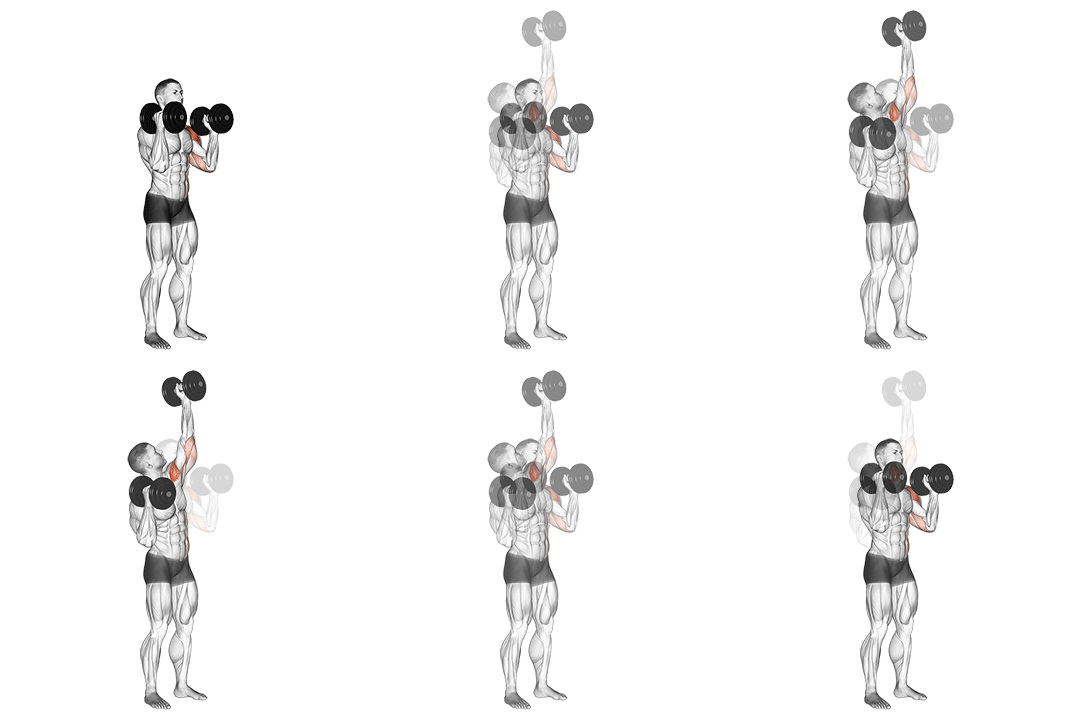
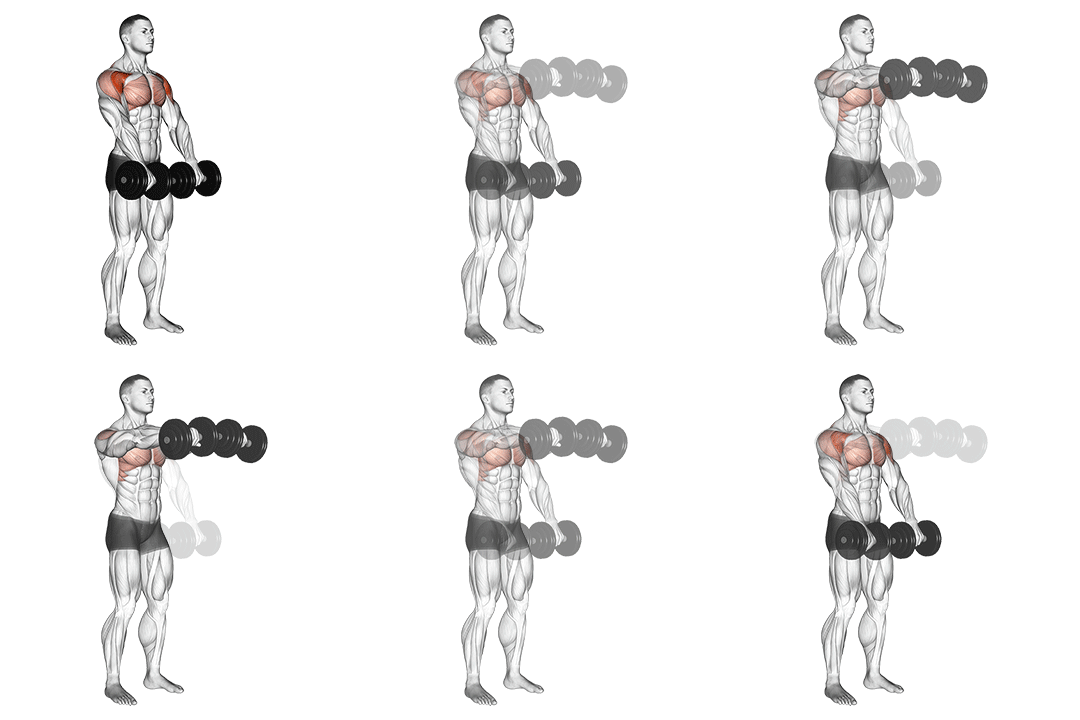
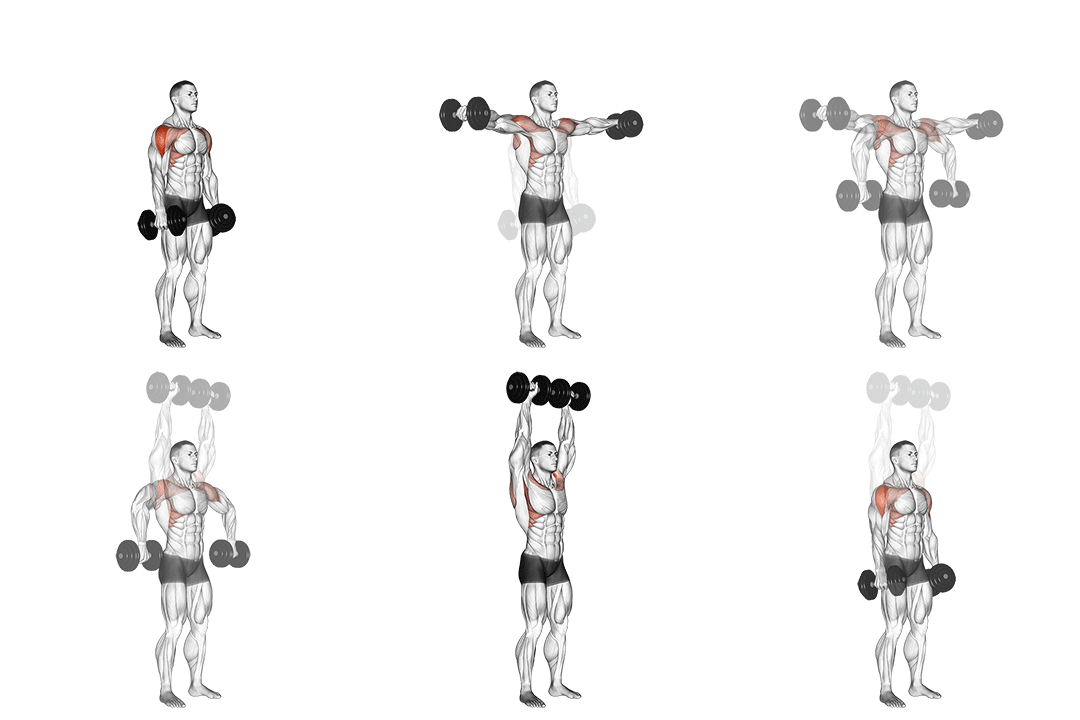
Dumbbell Alternate Side Press demonstration

Dumbbell Alternate Side Press

Target Delts
Equipment Dumbbell
Body Part Shoulders
Difficulty Intermediate
Movement Compound
Secondary Muscles
Triceps Core
VS
Exercise B
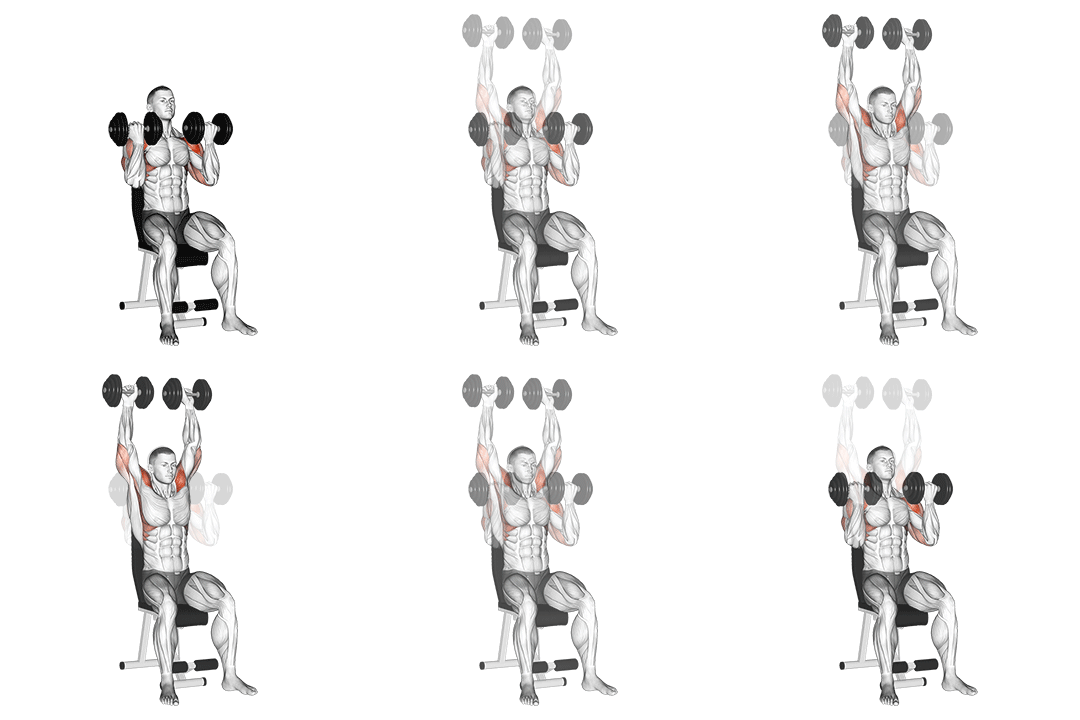
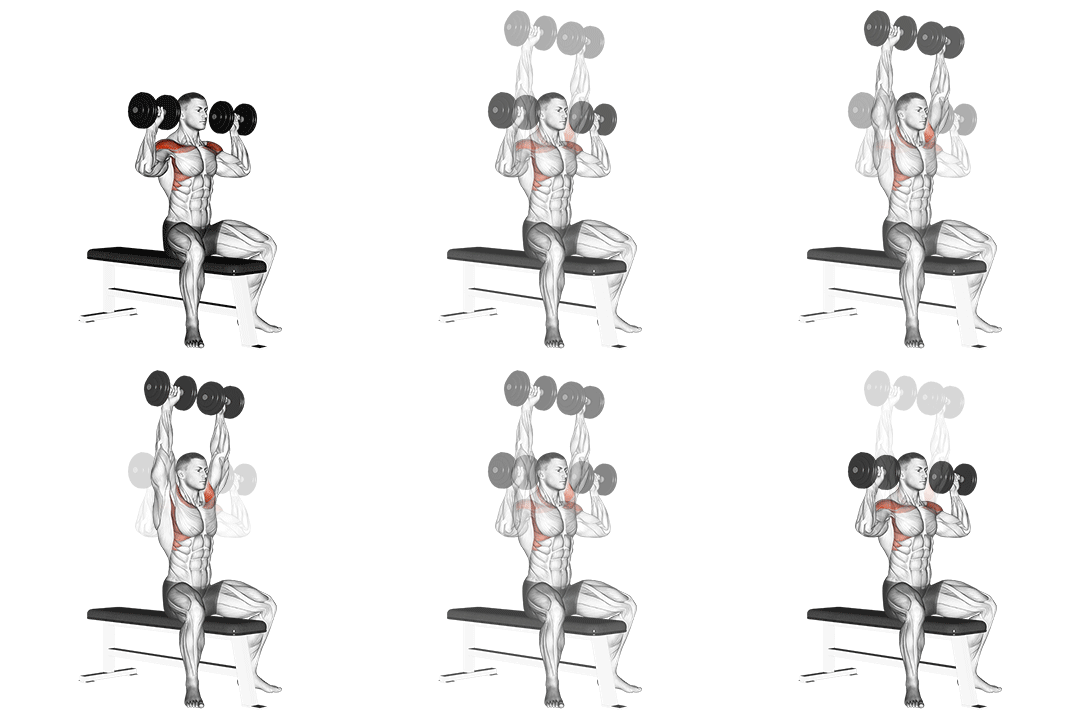
Dumbbell Arnold Press demonstration

Dumbbell Arnold Press

Target Delts
Equipment Dumbbell
Body Part Shoulders
Difficulty Intermediate
Movement Compound
Secondary Muscles
Triceps Upper Chest

Head-to-Head Comparison

Different values are marked. These are catalogue attributes, not performance scores.

Muscles used

Listed target and secondary muscles, shown on the body. Locations, not activation or strength scores.

  • Target
  • Secondary
  • Not highlighted

Dumbbell Alternate Side Press

Front
Dumbbell Alternate Side Press: front muscle locationsSolid: listed target. Striped: listed secondary. Grey: not highlighted. Locations, not activation or strength scores. See the muscle names below.
Back
Dumbbell Alternate Side Press: back muscle locationsSolid: listed target. Striped: listed secondary. Grey: not highlighted. Locations, not activation or strength scores. See the muscle names below.
Target
Delts
Secondary
Triceps, Core

Not shown on diagram: Delts, Core. These labels do not identify a precise region on this map.

Dumbbell Arnold Press

Front
Dumbbell Arnold Press: front muscle locationsSolid: listed target. Striped: listed secondary. Grey: not highlighted. Locations, not activation or strength scores. See the muscle names below.
Back
Dumbbell Arnold Press: back muscle locationsSolid: listed target. Striped: listed secondary. Grey: not highlighted. Locations, not activation or strength scores. See the muscle names below.
Target
Delts
Secondary
Triceps, Upper Chest

Not shown on diagram: Delts, Upper Chest. These labels do not identify a precise region on this map.

Grey does not mean a muscle is unused. The diagrams show only the mapped catalogue labels.

Attribute Dumbbell Alternate Side Press Dumbbell Arnold Press
Target Muscle
Delts
Delts
Body Part
Shoulders
Shoulders
Equipment
Dumbbell
Dumbbell
Difficulty
Intermediate
Intermediate
Movement Type
Compound
Compound
Secondary Muscles Different
Triceps, Core
Triceps, Upper Chest

Visual Comparison

An illustrative 1–10 profile derived from catalog difficulty, equipment, and listed-muscle fields—not measured performance or muscle activation.

Key Differences

  • Both exercises target the Delts using Dumbbell. The catalogue does not establish which exercise is better for an individual goal.

Muscle comparison

Shared target muscles

Both exercises primarily target the deltoids with emphasis on the anterior and medial heads through an overhead pressing pattern. Both produce a largely vertical force vector during the concentric phase, so both load the shoulder abduction and flexion systems. Overall, peak deltoid tension occurs near 0–30 degrees of shoulder flexion at the top of the press for both movements, meaning both drive similar primary delt stimulus when loaded with comparable intensity.

Secondary muscle differences

Dumbbell Alternate Side Press recruits the triceps strongly and imposes anti-rotation demand on the obliques and core, because unilateral loading creates transverse plane torque. Dumbbell Arnold Press V. 2 adds extra upper-chest (clavicular pectoralis) and anterior delt emphasis due to the internal rotation and forward arc of the hands; the rotational component also increases rotator cuff stabilizer activity.

Muscle involvement analysis

The Alternate Side Press uses a sequential unilateral pattern: one arm presses while the other rests, producing alternating peaks in EMG and sustained core bracing. The Arnold Press V. 2 combines rotation with pressing so the anterior delt sees higher activation through the mid-range as the hand moves from supination to pronation; this shifts the muscle’s length-tension curve and increases time under tension for the anterior head compared to a strict press.

Equipment and setup

Dumbbell Alternate Side Press: setup

One dumbbell per hand or a single dumbbell used alternately; stable standing platform and enough overhead clearance. No bench required. You can use dumbbells from 10–100+ lbs depending on strength.

Dumbbell Arnold Press: setup

A pair of dumbbells and similar overhead clearance. Because of the rotational component, choose weights you can control through the full rotation; starting loads are often 10–30% lighter than a strict press for the same rep range.

Access and practicality

Dumbbell Alternate Side Press — it requires the same minimal equipment but is more forgiving for space and easier to scale with a single dumbbell, making it more accessible for home setups and gyms with limited equipment.

Learning and progression

Learning the movements

Dumbbell Alternate Side Press is easier to learn: the single-arm vertical path and straightforward bracing pattern are intuitive for most lifters. Dumbbell Arnold Press V. 2 has a higher skill demand because you rotate the humerus 90 degrees while pressing, requiring coordinated shoulder and scapular control.

Progression considerations

Dumbbell Alternate Side Press offers broader progression: you can increase load per arm, add tempo variations, and progress to unilateral heavy sets or loaded carries for core demand. The Arnold Press V. 2 has solid hypertrophy potential via increased ROM but is typically progressed with smaller weight jumps due to its rotational complexity.

Limitations and precautions

Dumbbell Arnold Press V. 2 carries slightly higher shoulder risk if you push heavy while rotating under load, since internal rotation plus elevation increases subacromial and anterior cuff stress. The Alternate Side Press has lower shoulder-specific risk but increases lumbar demand if you don’t brace the core.

Pros & Cons

Dumbbell Alternate Side Press

+ Pros

  • Strong unilateral core and anti-rotation carryover
  • Easier to load heavy for strength (4–6 rep work)
  • Simple vertical force vector that targets medial delts effectively
  • Very accessible for home workouts and limited equipment

− Cons

  • Less anterior-delt emphasis than rotational presses
  • Potential low-back strain without proper bracing
  • Can create muscle imbalances if you favor one side

Dumbbell Arnold Press

+ Pros

  • Greater anterior delt and upper-chest recruitment via rotation
  • Longer time under tension across a larger ROM for hypertrophy (8–12 reps)
  • Improves scapular mobility and functional shoulder rotation
  • Challenging stabilizer and rotator cuff activation

− Cons

  • Harder to load heavy safely; weight often 10–30% lighter than strict press
  • Greater shoulder stress if technique breaks down
  • Higher coordination demand; steeper learning curve

When Each Exercise Wins

1
For muscle hypertrophy: Dumbbell Arnold Press V. 2

The rotational arc increases anterior delt and upper-chest stimulus and increases time under tension, making it ideal for 8–12 rep sets. Use controlled 2–3 second eccentrics and a 1–2 second pause at the top to exploit length-tension for hypertrophy.

2
For strength gains: Dumbbell Alternate Side Press

Single-arm loading lets you use heavier absolute loads per side and build maximal pressing strength (3–6 reps). The vertical force vector and reduced rotation let you focus on force production with less technical breakdown.

3
For beginners: Dumbbell Alternate Side Press

It’s simpler to learn and teaches core bracing and unilateral control without complex rotation. Start with light-to-moderate weight and 8–12 reps to build base strength and balance.

4
For home workouts: Dumbbell Alternate Side Press

Requires minimal space, can be done with one dumbbell, and scales well across rep ranges. The Arnold needs careful weight selection and more control, which can be harder without a spotter or varied dumbbell set.

Frequently Asked Questions

Can I do both Dumbbell Alternate Side Press and Dumbbell Arnold Press V. 2 in the same workout?

Yes — pair them strategically: use the Alternate Side Press as your heavy compound (3–6 reps) then add Arnold Press V. 2 as a hypertrophy finisher (8–12 reps). Maintain lower loads and perfect rotation technique on the Arnold to avoid shoulder overload.

Which exercise is better for beginners?

Dumbbell Alternate Side Press is better for beginners because it has a simpler movement path and builds essential unilateral strength and core stability. Start with light weights and focus on a neutral wrist and braced torso.

How do the muscle activation patterns differ?

The Arnold Press V. 2 increases anterior delt and upper-chest activation via internal rotation and an anterior force vector through mid-range, altering length-tension relationships. The Alternate Side Press produces alternating peaks in deltoid and triceps activation with higher core anti-rotation demand.

Can Dumbbell Arnold Press V. 2 replace Dumbbell Alternate Side Press?

Yes for hypertrophy-focused cycles, since the Arnold emphasizes anterior delts and time under tension, but it won’t fully replace the strength and unilateral core benefits of the Alternate Side Press. For balanced development, rotate both into your program.

Comparison Summary

Use Dumbbell Alternate Side Press when your priority is strength, unilateral control, and practicality—it’s easier to load, teaches anti-rotation core bracing, and suits beginners and home setups. Choose Dumbbell Arnold Press V. 2 when you want extra anterior-delt and upper-chest stimulus, greater time under tension, and improved shoulder rotation; keep loads lighter (typically 10–30% less than strict pressing) and focus on slow, controlled reps (8–12). Program both across a cycle: prioritize alternate presses for heavy phases (3–6 reps), and add Arnolds for hypertrophy blocks and mobility work.

Exercise instructions

Steps from the exercise catalogue. Read the full sequence before starting.

Dumbbell Alternate Side Press

  1. Stand with your feet shoulder-width apart, holding a dumbbell in each hand at shoulder height.
  2. Press one dumbbell overhead while keeping the other dumbbell at shoulder height.
  3. Lower the pressed dumbbell back to shoulder height while pressing the other dumbbell overhead.
Read remaining steps for Dumbbell Alternate Side Press
  1. Continue alternating sides for the desired number of repetitions.

Dumbbell Arnold Press

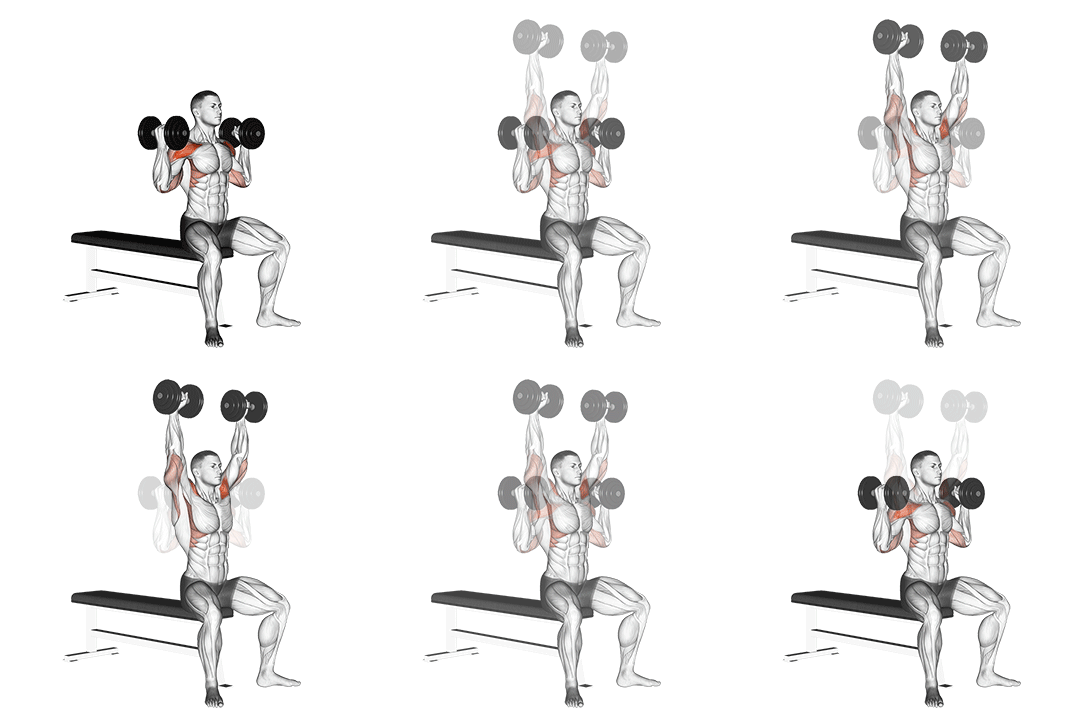
  1. Sit on a bench with back support and hold a dumbbell in each hand at shoulder level, palms facing your body and elbows bent.
  2. Press the dumbbells upward until your arms are fully extended and your palms are facing forward.
  3. Rotate your wrists as you lift, so that your palms end up facing forward at the top of the movement.
Read remaining steps for Dumbbell Arnold Press
  1. Pause for a moment at the top, then slowly lower the dumbbells back to the starting position.
  2. Repeat for the desired number of repetitions.

Also Compare

Compare another pair

Choose two exercises to see their differences side by side.

Compare Exercises