Dumbbell Arnold Press vs Dumbbell Arnold Press

Compare target muscles, equipment, difficulty, movement type, and secondary muscles for Dumbbell Arnold Press and Dumbbell Arnold Press.

Change comparison Share

Get comparison link

Select the link and use your device's Copy command.

Comparison overview

AI-generated
Dumbbell Arnold Press vs Dumbbell Arnold Press V. 2 — both are compound dumbbell presses that target your delts, but they load the shoulder differently. If you want to know which version better drives muscle growth, reduces shoulder stress, or fits into a home routine, this guide has your back. You’ll get clear technique cues, biomechanical reasoning (force vectors, length-tension, rotation timing), rep-range recommendations (3–6 for strength, 6–12 for hypertrophy), and programming advice so you can pick the right variant for your goals.

Exercise Comparison

Exercise A
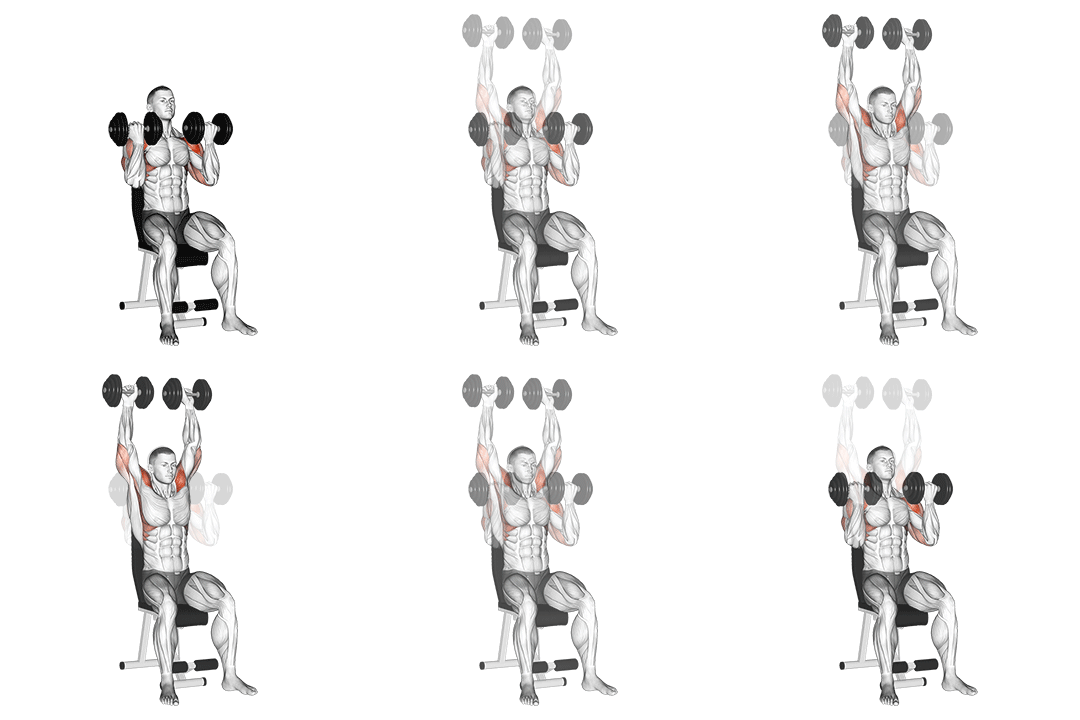
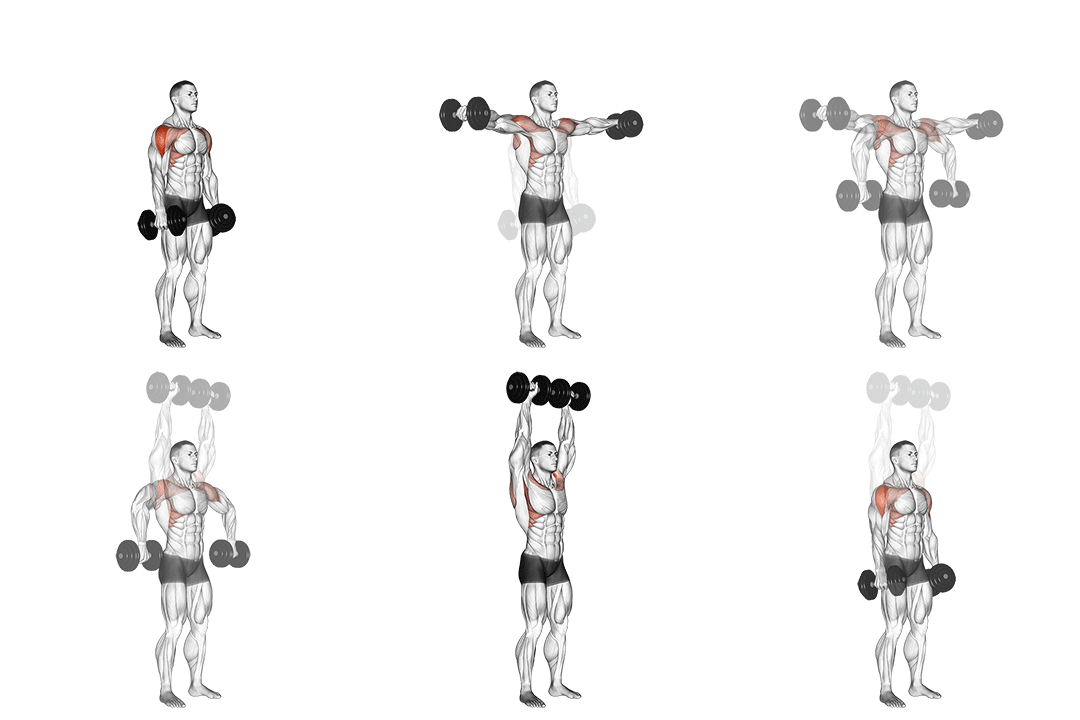
Dumbbell Arnold Press demonstration

Dumbbell Arnold Press

Target Delts
Equipment Dumbbell
Body Part Shoulders
Difficulty Intermediate
Movement Compound
Secondary Muscles
Triceps Upper Chest
VS
Exercise B
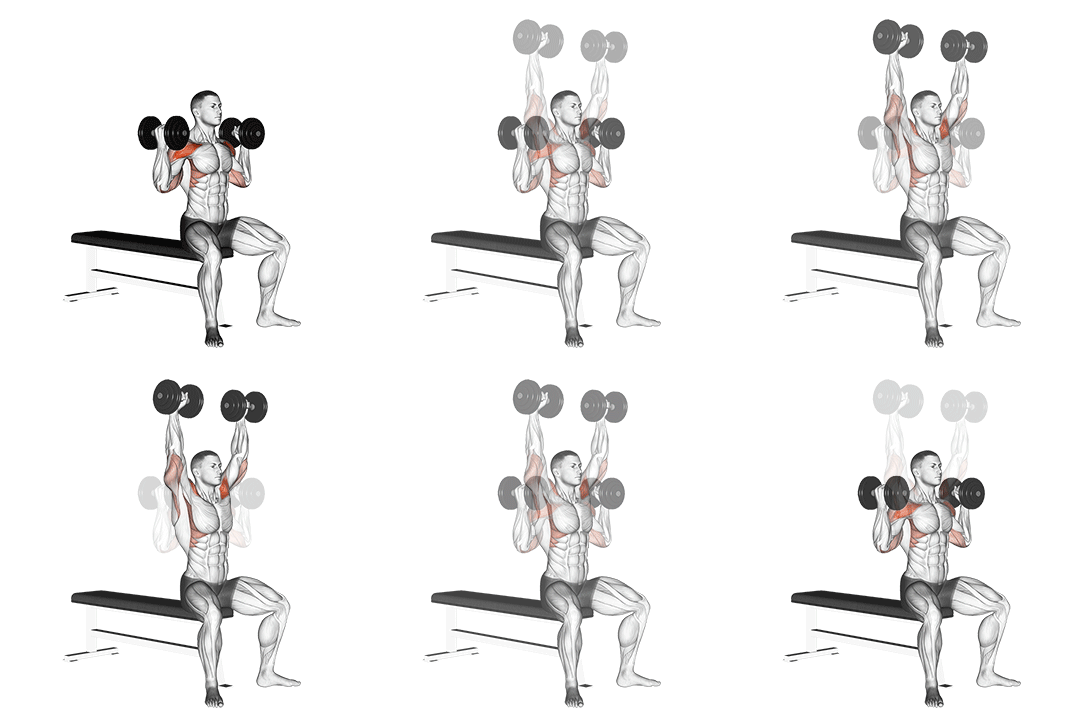
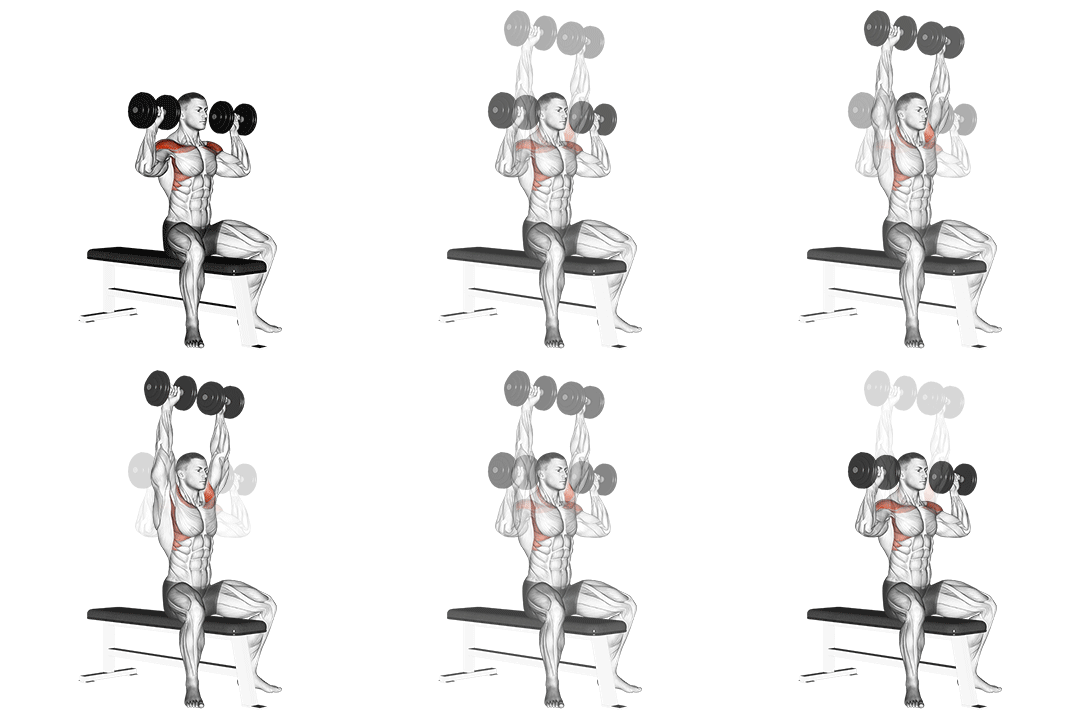
Dumbbell Arnold Press demonstration

Dumbbell Arnold Press

Target Delts
Equipment Dumbbell
Body Part Shoulders
Difficulty Intermediate
Movement Compound
Secondary Muscles
Triceps Upper Chest

Head-to-Head Comparison

Different values are marked. These are catalogue attributes, not performance scores.

Muscles used

Listed target and secondary muscles, shown on the body. Locations, not activation or strength scores.

  • Target
  • Secondary
  • Not highlighted

Dumbbell Arnold Press

Front
Dumbbell Arnold Press: front muscle locationsSolid: listed target. Striped: listed secondary. Grey: not highlighted. Locations, not activation or strength scores. See the muscle names below.
Back
Dumbbell Arnold Press: back muscle locationsSolid: listed target. Striped: listed secondary. Grey: not highlighted. Locations, not activation or strength scores. See the muscle names below.
Target
Delts
Secondary
Triceps, Upper Chest

Not shown on diagram: Delts, Upper Chest. These labels do not identify a precise region on this map.

Grey does not mean a muscle is unused. The diagrams show only the mapped catalogue labels.

Attribute Dumbbell Arnold Press Dumbbell Arnold Press
Target Muscle
Delts
Delts
Body Part
Shoulders
Shoulders
Equipment
Dumbbell
Dumbbell
Difficulty
Intermediate
Intermediate
Movement Type
Compound
Compound
Secondary Muscles
Triceps, Upper Chest

Visual Comparison

An illustrative 1–10 profile derived from catalog difficulty, equipment, and listed-muscle fields—not measured performance or muscle activation.

Key Differences

  • Both exercises target the Delts using Dumbbell. The catalogue does not establish which exercise is better for an individual goal.

Muscle comparison

Shared target muscles

Both exercises place the deltoids as the primary movers, with heavy recruitment of the anterior (front) head. The classic Arnold Press adds more anterior head emphasis through combined shoulder flexion and internal rotation, roughly shifting load toward the anterior deltoid (~50–55% of delt activation) while the lateral head gets ~25–30%. V.2 reduces the rotational component and uses a slightly wider/elbow-out path, shifting emphasis toward the lateral deltoid (~40–45%) while anterior activation drops to ~35–40%. Both keep the posterior head less involved (~10–15%).

Secondary muscle differences

Secondary recruitment differs: the classic Arnold Press increases upper chest (clavicular pec) involvement because of the forward flexion and internal rotation, and it also uses the triceps for lockout. V.2 generally lowers upper chest loading and slightly increases long-head triceps demand due to a more vertical force vector and greater elbow extension emphasis at lockout.

Muscle involvement analysis

The original Arnold includes a 90° rotation of the forearm during the concentric phase, changing the muscle length-tension curve mid-lift—this increases anterior head activation near mid-range. V.2 minimizes rotation so the lateral deltoid stays under tension through a larger abduction moment arm. Biomechanically, Arnold shifts the force vector more anteriorly (increasing pec/ant delt torque), while V.2 keeps the force vector more vertical, increasing pure abduction torque on the lateral head.

Equipment and setup

Dumbbell Arnold Press: setup

Dumbbell Arnold Press: a pair of dumbbells, a small clear space to press overhead, and optionally an adjustable bench for back support. No machines needed.

Dumbbell Arnold Press: setup

Dumbbell Arnold Press V. 2: the same basic setup — pair of dumbbells and space. You can perform it seated or standing; a bench helps stability but isn’t required.

Access and practicality

Dumbbell Arnold Press V. 2 — it’s slightly more accessible because it uses a simplified pressing path with less coordinated rotation, so beginners and lifters with limited shoulder mobility can load it sooner and use heavier weights safely.

Learning and progression

Learning the movements

The classic Arnold Press has a steeper learning curve due to the timed 90° forearm rotation and the need to sequence shoulder flexion with external rotation. V.2 is easier to pattern because it reduces rotation and keeps a more straightforward vertical press.

Progression considerations

Dumbbell Arnold Press V. 2 offers clearer progressive overload — you can add 2.5–5 lb per hand more consistently and maintain tension on the lateral delt. The classic Arnold still progresses well but requires more technical consistency to avoid replacing delt work with momentum.

Limitations and precautions

Relative injury risk is higher with the traditional Arnold Press because internal rotation under load at end range can irritate the rotator cuff or impinge the subacromial space, especially if you lack scapular control. V.2 reduces that rotational stress and is generally lower risk when you keep elbows slightly forward and scapulae stable.

Pros & Cons

Dumbbell Arnold Press

+ Pros

  • Greater anterior deltoid and upper-chest recruitment via combined flexion and rotation
  • Robust core and scapular stability demand that builds transfer to other pressing movements
  • Good for shoulder mobility work when performed with controlled rotation
  • Versatile: can be done seated or standing for different stability demands

− Cons

  • Higher rotational stress on the shoulder joint can increase impingement risk
  • Harder to maintain strict form under heavier loads, reducing pure delt tension
  • Requires more coordination and shoulder mobility than simpler presses

Dumbbell Arnold Press

+ Pros

  • Simpler motor pattern so you can load the lateral deltoid more consistently
  • Lower rotational stress reduces shoulder irritation risk
  • Easier to progressively overload with heavier dumbbells
  • Better for lifters focused on pure lateral deltoid hypertrophy

− Cons

  • Slightly less upper-chest activation compared to the classic Arnold
  • Can feel less ‘‘full-shoulder’’ due to reduced anterior head contribution
  • If done with flared elbows can still stress the AC joint — cue scapular control

When Each Exercise Wins

1
For muscle hypertrophy: Dumbbell Arnold Press V. 2

V.2 keeps the lateral deltoid under continuous tension through a larger abduction moment arm and a simpler path, making 6–12 rep sets more effective for deltoid hypertrophy while allowing safer increases in load.

2
For strength gains: Dumbbell Arnold Press

The classic Arnold recruits more anterior deltoid, upper chest, and stabilizers, which transfers better to heavy pressing patterns and builds raw pressing strength when trained in lower rep ranges (3–6).

3
For beginners: Dumbbell Arnold Press V. 2

V.2 has a simpler vertical pressing pattern with less rotation to coordinate, so beginners can learn proper bracing and loading while keeping shoulder stress low.

4
For home workouts: Dumbbell Arnold Press V. 2

With only dumbbells and minimal space needed, V.2 lets you safely use heavier weights and progress steadily at home without the mobility demands of the classic Arnold.

Frequently Asked Questions

Can I do both Dumbbell Arnold Press and Dumbbell Arnold Press V. 2 in the same workout?

Yes — pairing them can work well: use the classic Arnold as a lighter technical set (8–12 reps) to train rotation and scapular control, then follow with V.2 for heavier, higher-tension sets (6–10 reps). Space them to avoid excessive fatigue of the delts in a single cluster of sets.

Which exercise is better for beginners?

Dumbbell Arnold Press V.2 is better for beginners because it removes the timed forearm rotation and lets you focus on a vertical press pattern, easier load progression, and lower shoulder stress while you build stability.

How do the muscle activation patterns differ?

The classic Arnold adds a rotational component that increases anterior deltoid and clavicular pec activation by shifting the force vector anteriorly mid-rep; V.2 minimizes rotation, extending the lateral deltoid’s moment arm and maintaining more constant lateral-head tension throughout the movement.

Can Dumbbell Arnold Press V. 2 replace Dumbbell Arnold Press?

Yes — if your goal is focused lateral deltoid hypertrophy or you have shoulder mobility issues, V.2 is a valid replacement. If you want to train rotary control, anterior delts, and upper-chest together, keep the classic Arnold in your routine periodically.

Comparison Summary

If you want a shoulder press that blends anterior deltoid and upper-chest work and you have good shoulder mobility, choose the classic Dumbbell Arnold Press — it builds pressing strength and adds rotational control. If your priority is safer, repeatable lateral delt loading and straightforward progressive overload, pick Dumbbell Arnold Press V.2. Program-wise, use 3–6 reps for strength on heavy sets of the classic Arnold and 6–12 reps for hypertrophy with V.2. Always control the eccentric (2–4 seconds), keep the scapula stable, and avoid end-range internal rotation under load if you have shoulder pain.

Exercise instructions

Steps from the exercise catalogue. Read the full sequence before starting.

Dumbbell Arnold Press

  1. Sit on a bench with back support and hold a dumbbell in each hand at shoulder level, palms facing your body and elbows bent.
  2. Press the dumbbells upward until your arms are fully extended and your palms are facing forward.
  3. Rotate your wrists as you lift, so that your palms are facing forward at the top of the movement.
Read remaining steps for Dumbbell Arnold Press
  1. Pause for a moment at the top, then slowly lower the dumbbells back to the starting position.
  2. Repeat for the desired number of repetitions.

Dumbbell Arnold Press

  1. Sit on a bench with back support and hold a dumbbell in each hand at shoulder level, palms facing your body and elbows bent.
  2. Press the dumbbells upward until your arms are fully extended and your palms are facing forward.
  3. Rotate your wrists as you lift, so that your palms end up facing forward at the top of the movement.
Read remaining steps for Dumbbell Arnold Press
  1. Pause for a moment at the top, then slowly lower the dumbbells back to the starting position.
  2. Repeat for the desired number of repetitions.

Also Compare

Compare another pair

Choose two exercises to see their differences side by side.

Compare Exercises