

Dumbbell Alternate Side Press vs Dumbbell Bench Seated Press: Complete Comparison Guide
Dumbbell Alternate Side Press vs Dumbbell Bench Seated Press — both target the delts but they load your shoulders and torso very differently. You’ll get a clear breakdown of primary and secondary muscle activation, equipment and setup, difficulty and injury risk, plus practical progressions and rep ranges (3–6 for strength, 6–12 for hypertrophy). Read on to learn which press fits your goals, how to cue each movement for clean biomechanics, and specific situations where one outperforms the other.
Exercise Comparison
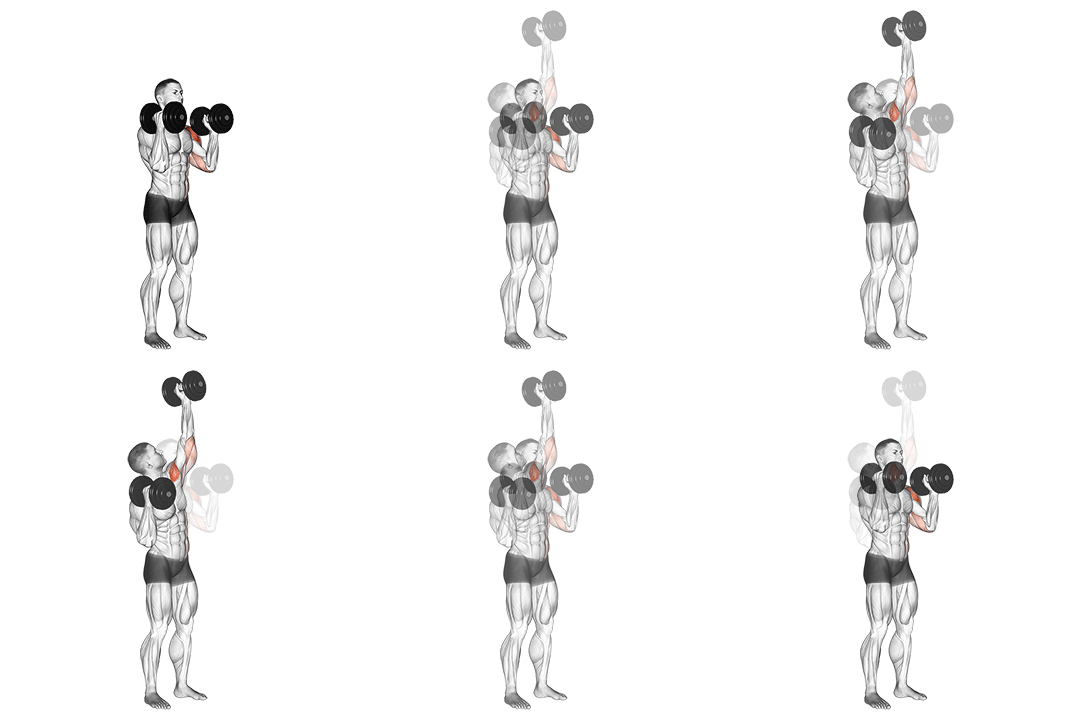
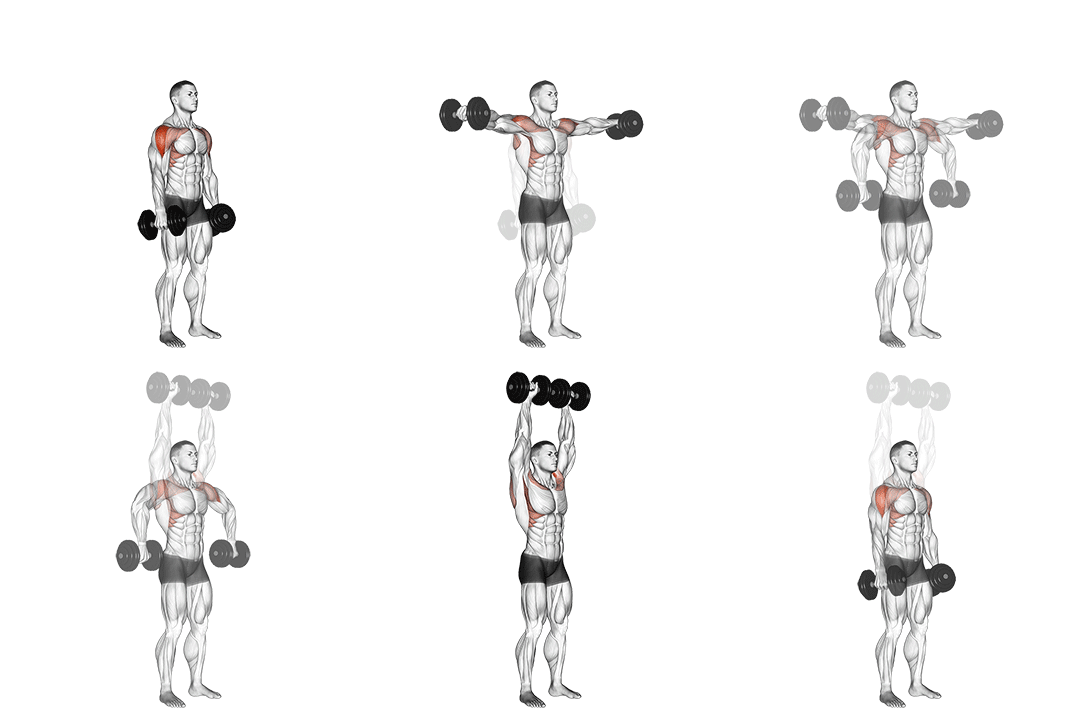
Dumbbell Alternate Side Press
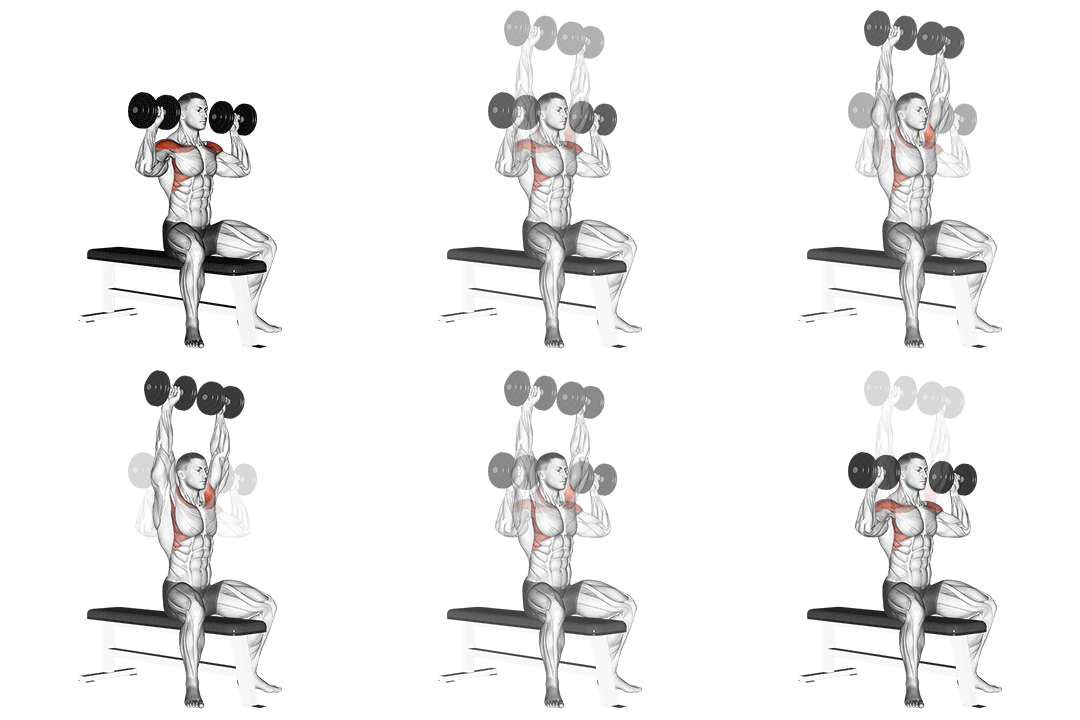
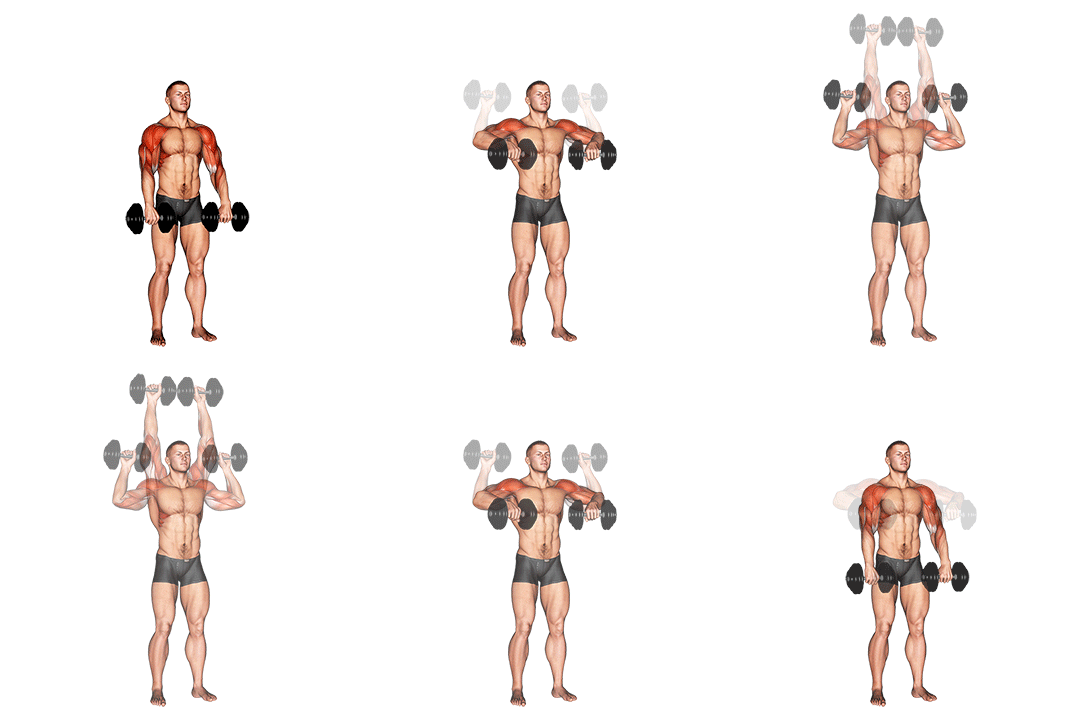
Dumbbell Bench Seated Press
Head-to-Head Comparison
| Attribute | Dumbbell Alternate Side Press | Dumbbell Bench Seated Press |
|---|---|---|
| Target Muscle |
Delts
|
Delts
|
| Body Part |
Shoulders
|
Shoulders
|
| Equipment |
Dumbbell
|
Dumbbell
|
| Difficulty |
Intermediate
|
Intermediate
|
| Movement Type |
Compound
|
Compound
|
| Secondary Muscles |
2
|
2
|
Secondary Muscles Activated
Dumbbell Alternate Side Press
Dumbbell Bench Seated Press
Visual Comparison
Overview
Dumbbell Alternate Side Press vs Dumbbell Bench Seated Press — both target the delts but they load your shoulders and torso very differently. You’ll get a clear breakdown of primary and secondary muscle activation, equipment and setup, difficulty and injury risk, plus practical progressions and rep ranges (3–6 for strength, 6–12 for hypertrophy). Read on to learn which press fits your goals, how to cue each movement for clean biomechanics, and specific situations where one outperforms the other.
Key Differences
- Both exercises target the Delts using Dumbbell. The main differences are in their movement patterns and muscle activation angles.
Pros & Cons
Dumbbell Alternate Side Press
+ Pros
- Minimal equipment — do it standing or seated with just dumbbells
- Improves unilateral shoulder strength and addresses left/right imbalances
- High core and serratus anterior activation due to anti-rotation demand
- Versatile — easy to modify tempo, partials, or single-arm variations
− Cons
- You typically lift less absolute weight per side (10–30% lower than bilateral presses)
- Higher demand on core and balance can complicate load increases
- Risk of torso lean and compensatory movement if not properly braced
Dumbbell Bench Seated Press
+ Pros
- Stable setup lets you handle heavier dumbbells and progressive overload
- Cleaner deltoid vertical loading for consistent mechanical tension
- Better for pure strength work (3–6 rep range) and progressive loading
- Reduced low-back demand due to back support
− Cons
- Requires a bench or upright support — less ideal for minimal-equipment settings
- Greater pectoralis involvement can reduce isolated delt stimulus if form lapses
- Heavier loads can increase shoulder compressive forces without proper scapular control
When Each Exercise Wins
Seated press lets you maintain higher absolute loads and consistent time under tension across sets (6–12 reps), delivering stronger mechanical tension on the delts. The stable base reduces energy leakage to the core so you can focus overload on the shoulder.
Because you can safely handle heavier dumbbells and progress in small increments, the seated press supports low-rep strength cycles (3–6 reps) and clearer neuromuscular adaptation in the prime movers.
Back support simplifies posture and scapular setup, reducing technique variables so a beginner can learn vertical pressing mechanics and build baseline strength before adding unilateral complexity.
It requires only dumbbells and open space, offers core and unilateral benefits, and doesn’t rely on a bench or rack — ideal when equipment is limited.
Frequently Asked Questions
Can I do both Dumbbell Alternate Side Press and Dumbbell Bench Seated Press in the same workout?
Yes. Use the Bench Seated Press as your primary heavy movement (3–6 or 6–12 reps) and follow with Alternate Side Press sets for unilateral balance, core work, and higher-rep finishers (8–15 reps). Sequence heavy bilateral work first to avoid fatigue-driven form breakdown.
Which exercise is better for beginners?
Dumbbell Bench Seated Press is generally better for beginners because the back support reduces coordination demands, letting you learn pressing mechanics safely. Start seated to build shoulder strength, then add unilateral work as your core stability improves.
How do the muscle activation patterns differ?
The Bench Seated Press produces steady vertical deltoid and triceps activation with more pec assistance when elbows move forward. The Alternate Side Press alternates peak delt activation and imposes high core and scapular stabilizer activity due to anti-rotation torque, changing length-tension and requiring more stabilizer recruitment.
Can Dumbbell Bench Seated Press replace Dumbbell Alternate Side Press?
If your goal is raw shoulder hypertrophy and strength, the seated press can replace the alternate press for primary training. However, you’ll lose unilateral strength carryover and core anti-rotation benefits, so keep the alternate press in accessory work if balance and core control matter.
Expert Verdict
Choose the Dumbbell Bench Seated Press when your priority is progressive overload and pure deltoid mechanical tension — it’s the go-to for hypertrophy and strength phases where you want predictable loading (3–12 rep ranges). Pick the Dumbbell Alternate Side Press when you need unilateral balance, core anti-rotation training, or minimal equipment; it’s ideal for conditioning phases, rehab-oriented work, or correcting left/right asymmetries. Program both: use seated presses for heavy sets and alternate presses as accessory work or supersetted stability work to enhance overall shoulder resilience and functional control.
Also Compare
More comparisons with Dumbbell Alternate Side Press
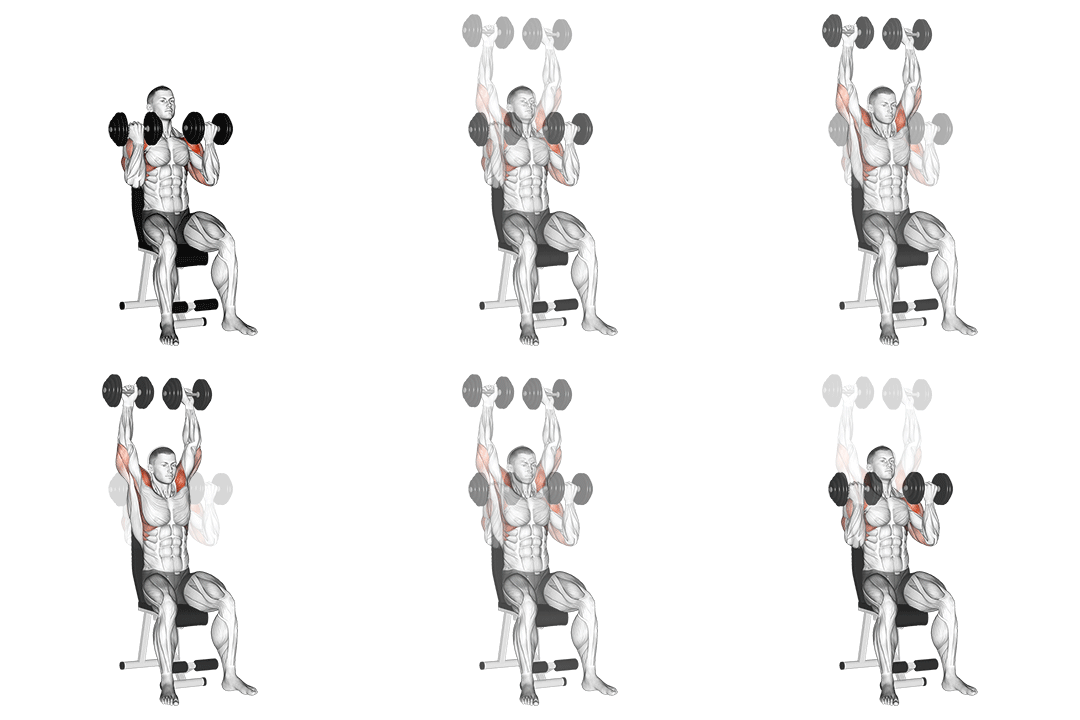
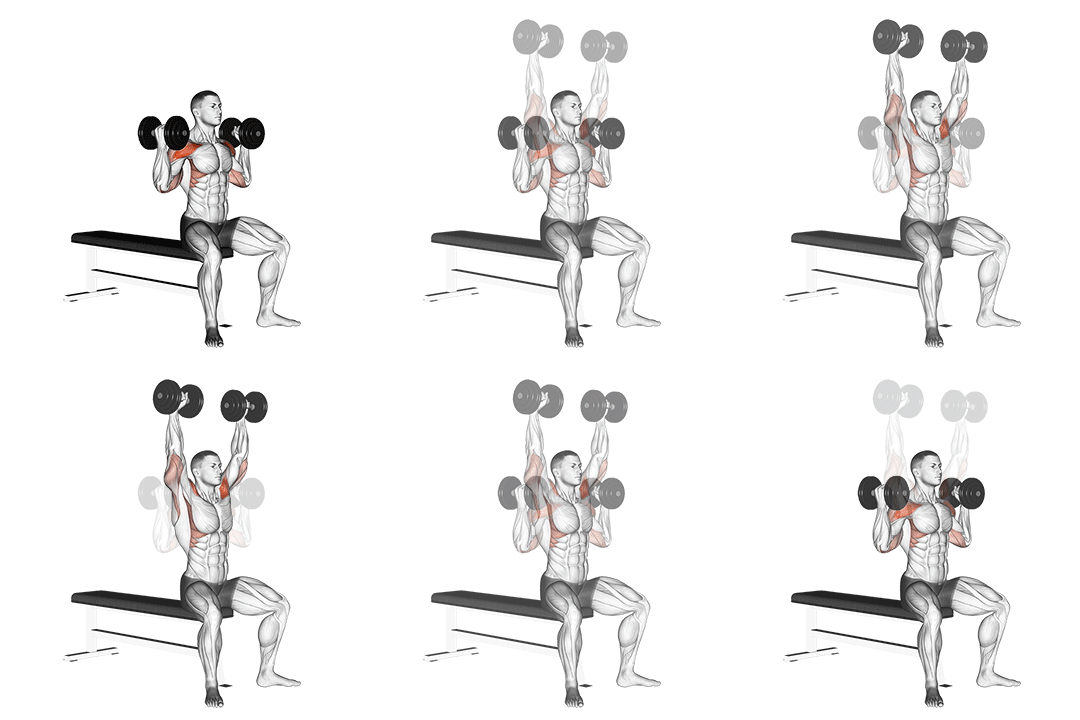
More comparisons with Dumbbell Bench Seated Press
Compare More Exercises
Use our free comparison tool to analyze any two exercises head-to-head.
Compare Exercises