

Dumbbell Alternate Side Press vs Reverse Flyes: Complete Comparison Guide
Dumbbell Alternate Side Press vs Reverse Flyes — if you want broader shoulder development, you need to pick the right tool. You’ll get a clear breakdown of how each move loads the deltoid heads, which one recruits extra muscles like triceps and core, and how to use rep ranges and angles to target hypertrophy or strength. I’ll cover movement mechanics, specific technique cues, equipment needs, and when to program each exercise into your workouts so you know exactly which to choose for your goals.
Exercise Comparison
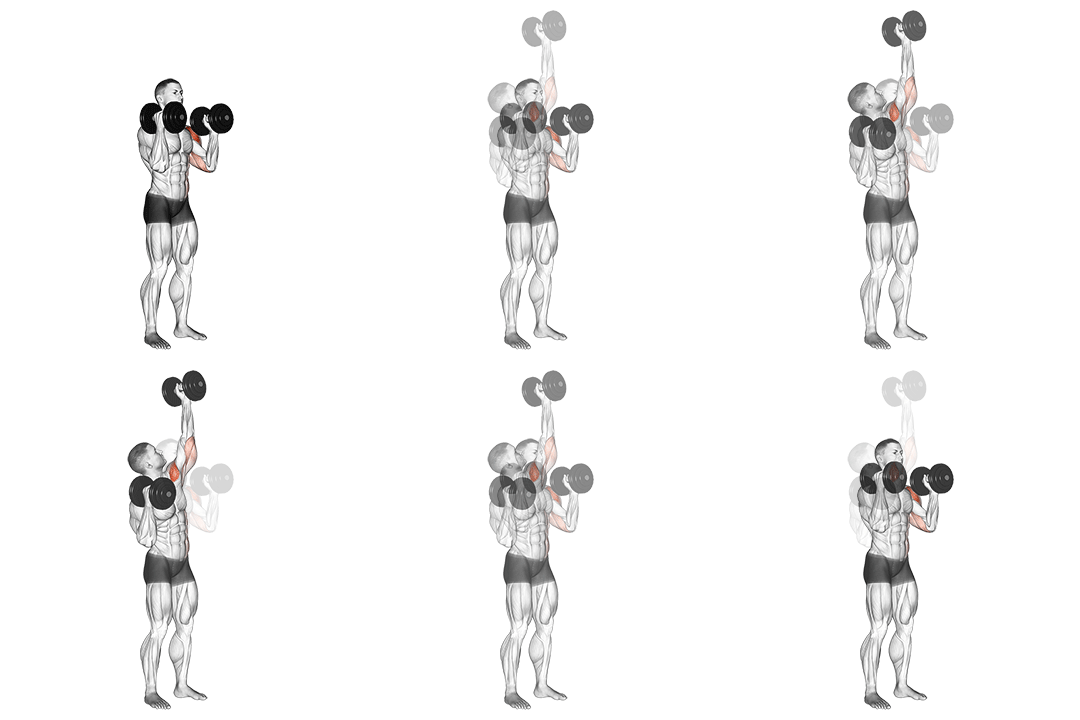
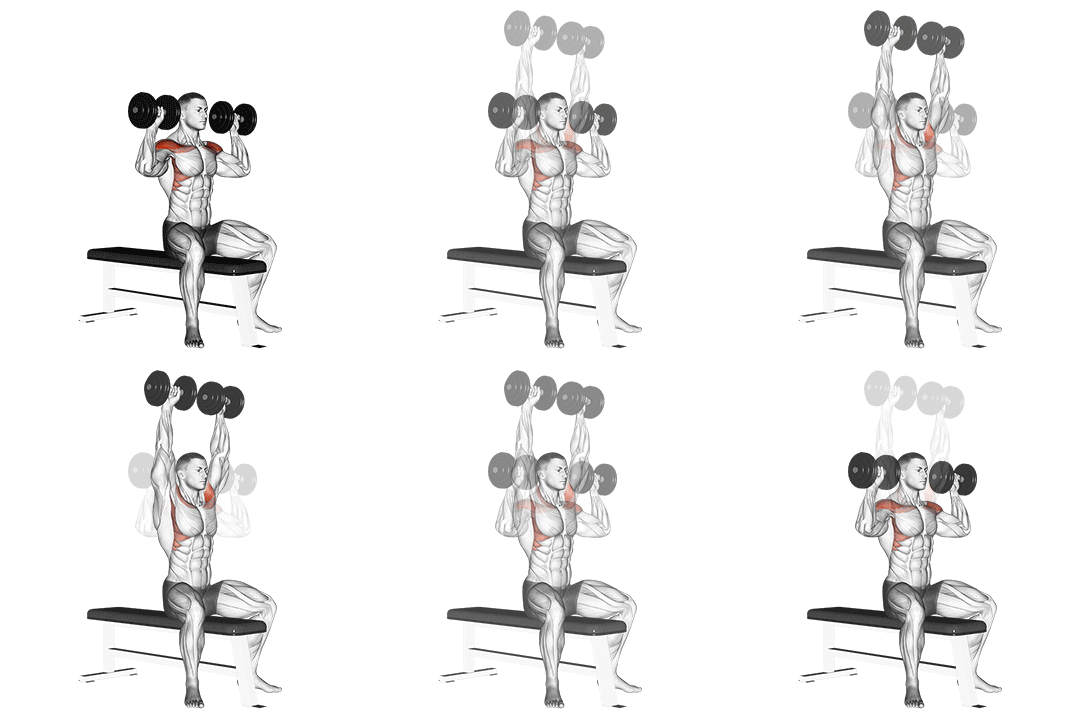
Dumbbell Alternate Side Press
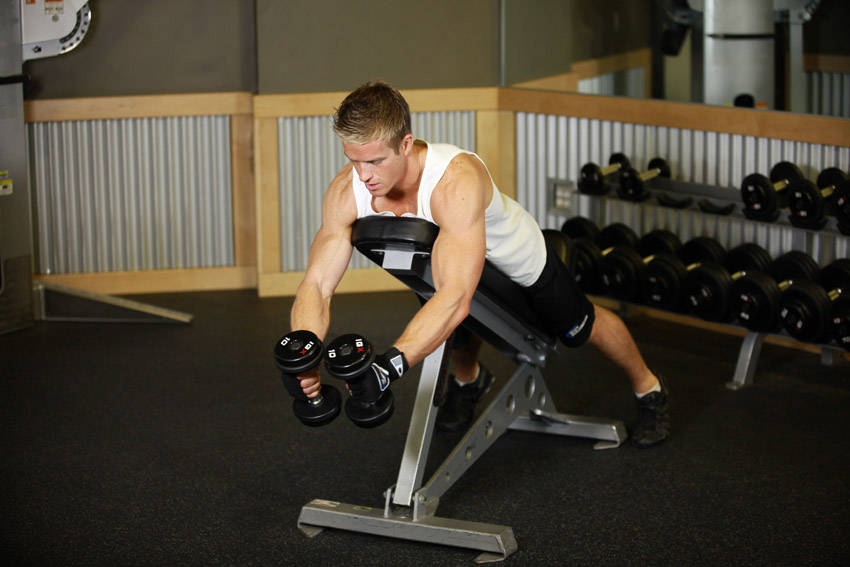
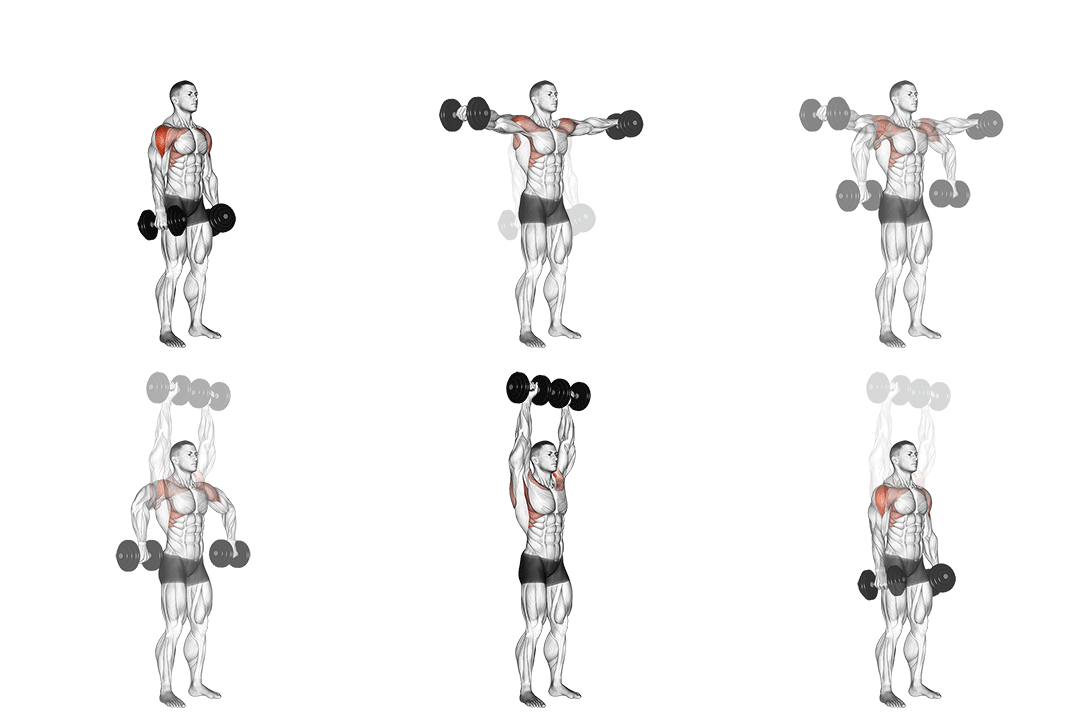
Reverse Flyes
Head-to-Head Comparison
| Attribute | Dumbbell Alternate Side Press | Reverse Flyes |
|---|---|---|
| Target Muscle |
Delts
|
Delts
|
| Body Part |
Shoulders
|
Shoulders
|
| Equipment |
Dumbbell
|
Dumbbell
|
| Difficulty |
Intermediate
|
Beginner
|
| Movement Type |
Compound
|
Isolation
|
| Secondary Muscles |
2
|
0
|
Secondary Muscles Activated
Dumbbell Alternate Side Press
Reverse Flyes
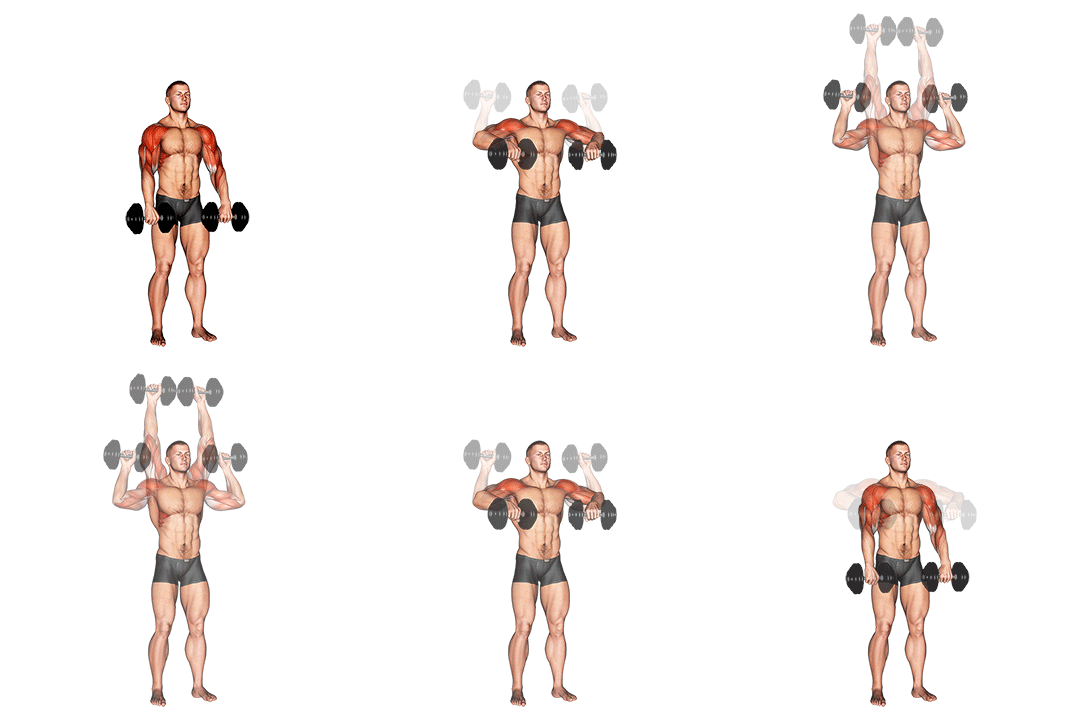
Visual Comparison
Overview
Dumbbell Alternate Side Press vs Reverse Flyes — if you want broader shoulder development, you need to pick the right tool. You’ll get a clear breakdown of how each move loads the deltoid heads, which one recruits extra muscles like triceps and core, and how to use rep ranges and angles to target hypertrophy or strength. I’ll cover movement mechanics, specific technique cues, equipment needs, and when to program each exercise into your workouts so you know exactly which to choose for your goals.
Key Differences
- Dumbbell Alternate Side Press is a compound movement, while Reverse Flyes is an isolation exercise.
- Difficulty levels differ: Dumbbell Alternate Side Press is intermediate, while Reverse Flyes is beginner.
- Both exercises target the Delts using Dumbbell. The main differences are in their movement patterns and muscle activation angles.
Pros & Cons
Dumbbell Alternate Side Press
+ Pros
- Compound movement that builds deltoid strength and unilateral stability
- Also trains triceps and forces anti-rotation core activation
- Easy to overload for strength with progressive dumbbell weight increases
- Functional vertical force vector transfers to pressing movements
− Cons
- Requires good core stability and scapular control to avoid compensations
- Higher shoulder joint compressive forces can aggravate impingement
- More technical; poor form quickly shifts load to neck or low back
Reverse Flyes
+ Pros
- Isolates posterior deltoid and scapular retractors for targeted development
- Simple movement pattern suitable for light weights and high reps
- Low systemic fatigue—easy to add as an accessory on any day
- Can be performed bent-over, seated, or on an incline for variation
− Cons
- Limited loading potential for maximal strength improvements
- Easy to cheat with momentum if torso position and scapula aren’t controlled
- Less carryover to vertical pressing and pressing strength
When Each Exercise Wins
The press allows heavier loading and recruits both lateral and anterior delts plus triceps, so you can hit progressive overload in the 6–12 rep range. Use controlled eccentric phases (2–4 seconds) and strict bracing to maximize muscle tension.
Its vertical force vector and capacity for heavier weights make it better for building pressing strength. Train in lower rep ranges (3–6) with longer rest and focus on stability and full lockout.
Reverse Flyes have a simpler movement path and lower coordination demands, letting beginners learn scapular control and posterior delt activation with light weights and higher reps (10–15).
Reverse Flyes need minimal space and light dumbbells, plus they’re easy to add as a finisher. If you only have lighter weights, flyes will still produce meaningful posterior shoulder stimulus.
Frequently Asked Questions
Can I do both Dumbbell Alternate Side Press and Reverse Flyes in the same workout?
Yes. Do the Alternate Side Press first as a primary compound to use heavier loads and fresh strength, then add Reverse Flyes as an accessory to finish posterior delts and scapular muscles with 3–4 sets of 8–15 reps.
Which exercise is better for beginners?
Reverse Flyes are better to start with because they teach scapular control and posterior delt activation with low load and simple mechanics. Once you have basic stability, add the Alternate Side Press to develop pressing strength and core stability.
How do the muscle activation patterns differ?
The press produces a vertical force vector that loads anterior and lateral deltoids and engages triceps and core, with peak deltoid torque in early to mid-range. Reverse Flyes produce a horizontal abduction vector that maximally activates the posterior deltoid and scapular retractors during the 60–90° path of motion.
Can Reverse Flyes replace Dumbbell Alternate Side Press?
Not if your goal is pressing strength or heavier deltoid overload. Reverse Flyes can substitute as a corrective or accessory choice to target rear delts, but they don’t provide the same vertical loading, triceps involvement, or core challenge as the Alternate Side Press.
Expert Verdict
Use the Dumbbell Alternate Side Press when your goal is overall shoulder strength, unilateral stability, and progressive overload—program it for 3–5 sets of 3–12 reps depending on strength or hypertrophy focus, and emphasize core bracing and scapular upward rotation. Choose Reverse Flyes when you need targeted posterior delt and scapular work, corrective training, or a low-fatigue accessory—perform 3–4 sets of 8–20 reps with strict scapular retraction and a 2–3 second eccentric. For balanced shoulder development, prioritize the press as a primary compound and slot reverse flyes later in the session to address rear delt and upper-back balance.
Also Compare
More comparisons with Dumbbell Alternate Side Press
Compare More Exercises
Use our free comparison tool to analyze any two exercises head-to-head.
Compare Exercises