

Dumbbell Arnold Press vs Dumbbell Cuban Press: Complete Comparison Guide
Dumbbell Arnold Press vs Dumbbell Cuban Press — two compound shoulder moves that look similar but load your delts and supporting muscles very differently. You’ll get clear guidance on which to use for hypertrophy, strength, rotator cuff health, and home training. I’ll cover muscle activation, movement mechanics (rotation angles, force vectors), equipment and setup, progression options, injury risk, and exact technique cues so you can pick the right press for your goals and program.
Exercise Comparison
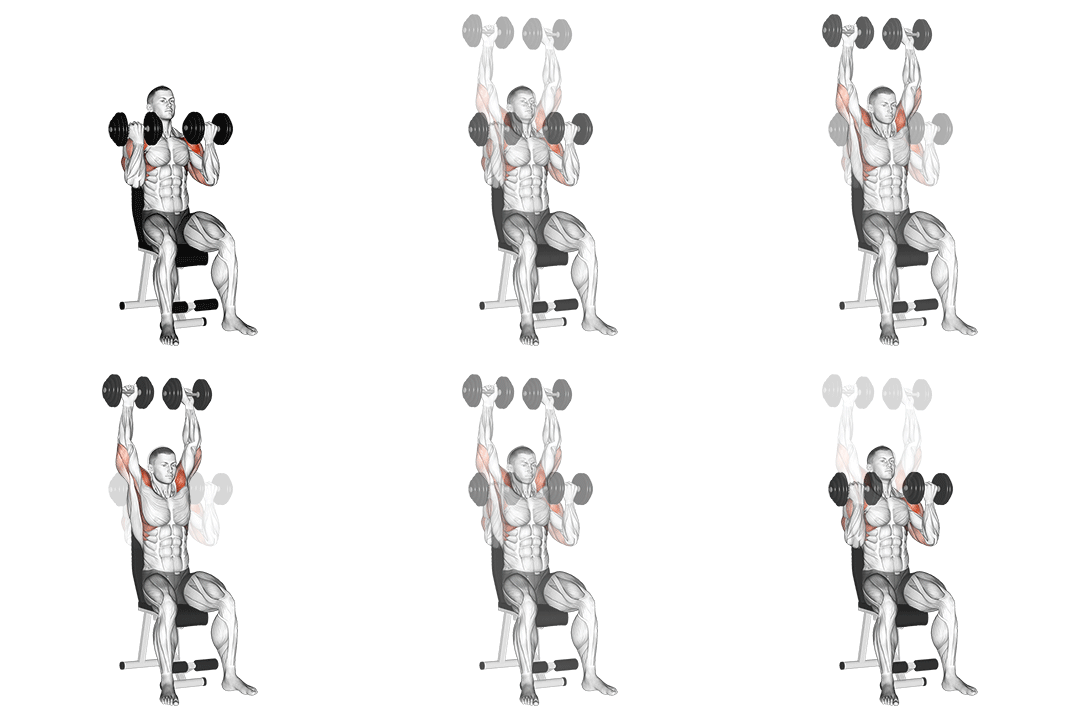
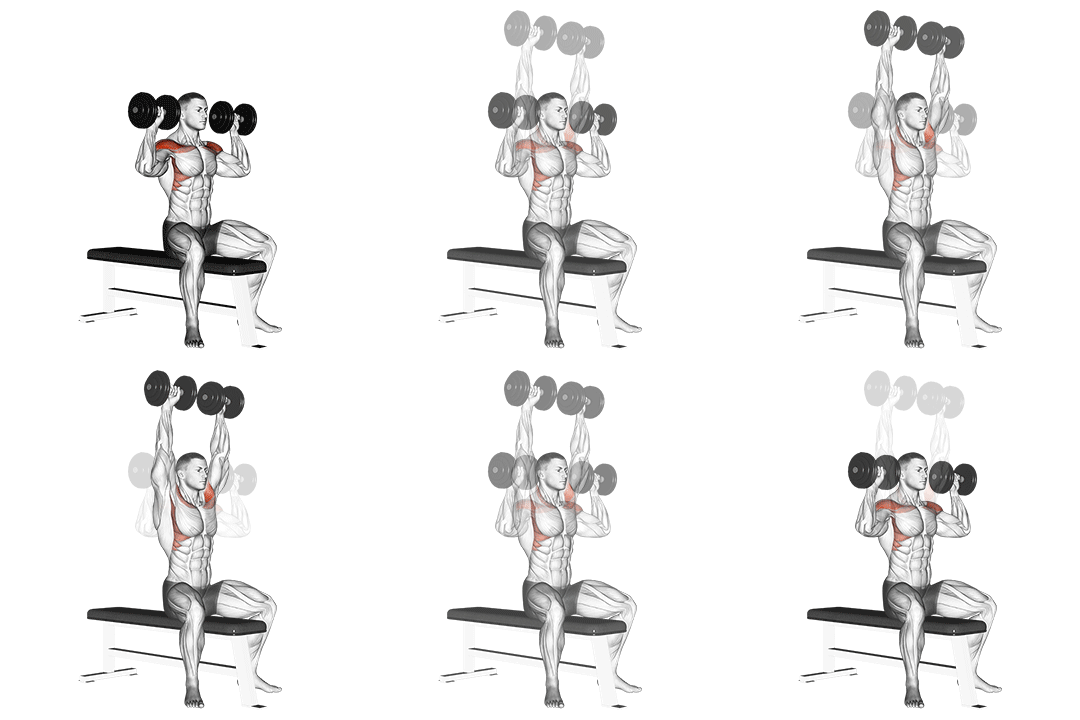
Dumbbell Arnold Press
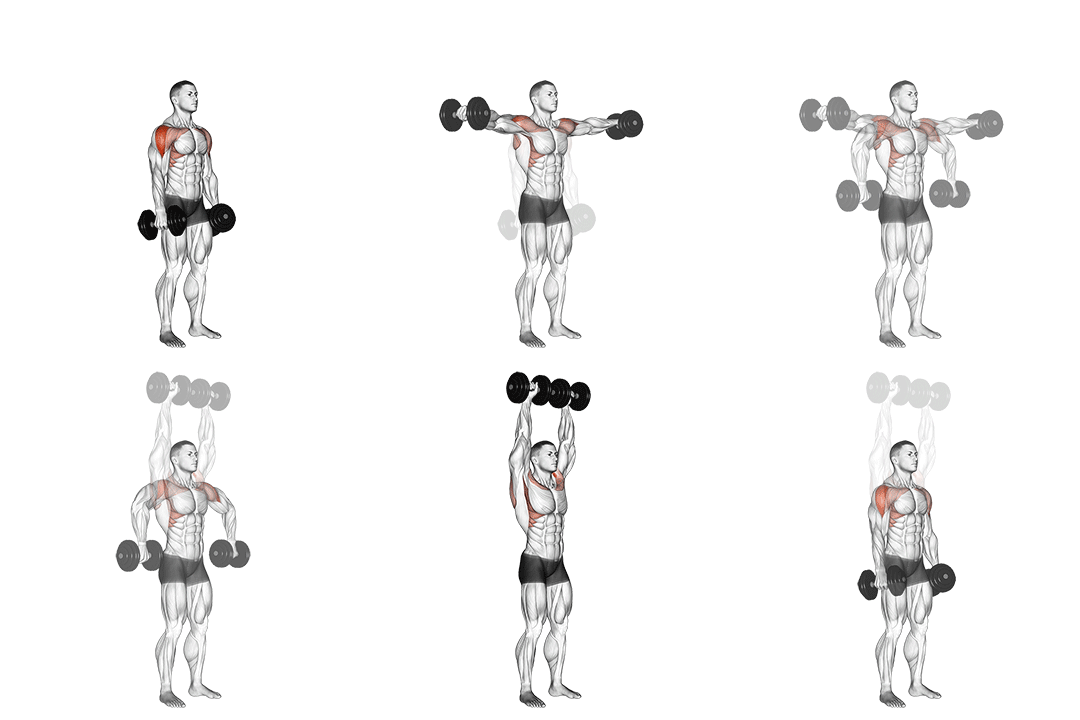
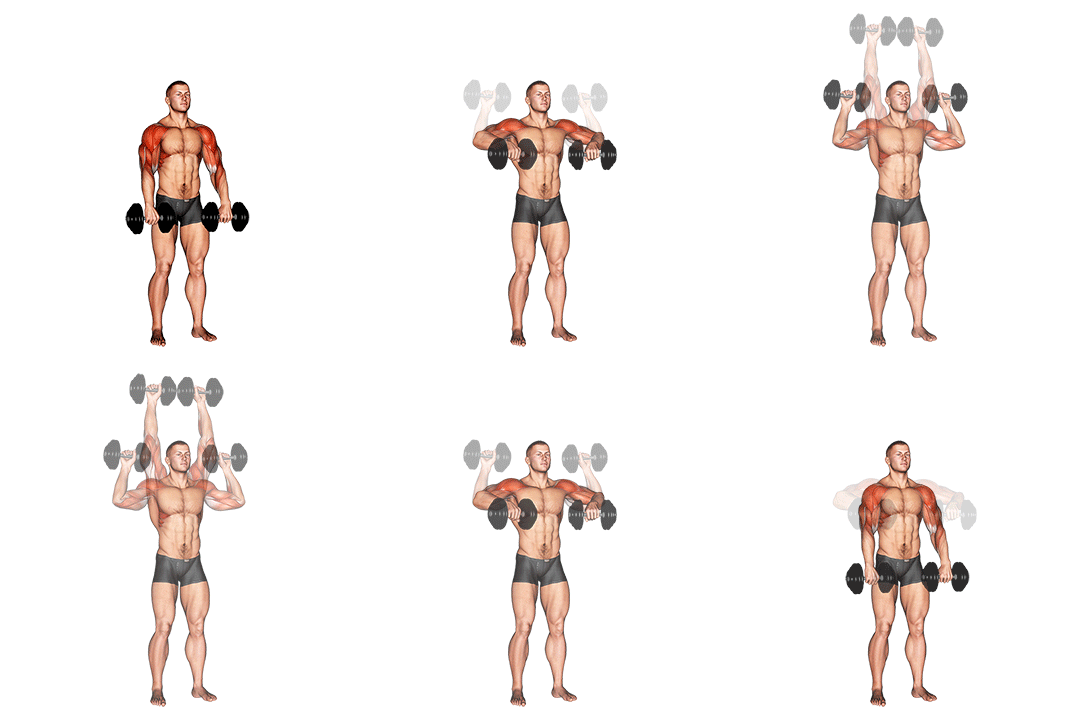
Dumbbell Cuban Press
Head-to-Head Comparison
| Attribute | Dumbbell Arnold Press | Dumbbell Cuban Press |
|---|---|---|
| Target Muscle |
Delts
|
Delts
|
| Body Part |
Shoulders
|
Shoulders
|
| Equipment |
Dumbbell
|
Dumbbell
|
| Difficulty |
Intermediate
|
Intermediate
|
| Movement Type |
Compound
|
Compound
|
| Secondary Muscles |
2
|
2
|
Secondary Muscles Activated
Dumbbell Arnold Press
Dumbbell Cuban Press
Visual Comparison
Overview
Dumbbell Arnold Press vs Dumbbell Cuban Press — two compound shoulder moves that look similar but load your delts and supporting muscles very differently. You’ll get clear guidance on which to use for hypertrophy, strength, rotator cuff health, and home training. I’ll cover muscle activation, movement mechanics (rotation angles, force vectors), equipment and setup, progression options, injury risk, and exact technique cues so you can pick the right press for your goals and program.
Key Differences
- Both exercises target the Delts using Dumbbell. The main differences are in their movement patterns and muscle activation angles.
Pros & Cons
Dumbbell Arnold Press
+ Pros
- Strong anterior and lateral deltoid stimulus through rotational press
- Easy to scale load for progressive overload (use heavier dumbbells)
- Can be performed seated to reduce lower-back involvement
- Also engages upper chest and triceps, useful for compound pressing overload
− Cons
- Requires good wrist/forearm control during rotation
- Can irritate anterior shoulder if done with poor mechanics
- Less emphasis on rotator cuff strengthening and scapular control
Dumbbell Cuban Press
+ Pros
- Builds rotator cuff strength and external rotation control
- Improves scapular stability and upper-back coordination
- Maintains constant elbow-abduction angle, stressing lateral deltoid differently
- Good corrective exercise for internal rotation-dominant athletes
− Cons
- Limited loading — typically performed with much lighter weights
- Higher technical demand; poor form risks impingement
- Less direct upper-chest involvement and reduced pure pressing overload
When Each Exercise Wins
The Arnold Press allows heavier progressive overload and longer time under tension for the anterior and lateral delts. Its rotational path engages the clavicular pecs and triceps, giving a larger compound stimulus in the 6–12 rep range for muscle growth.
Because you can safely load the Arnold Press heavier and perform seated variations to stabilize the torso, it’s better for building pressing strength. Use sets of 4–8 reps with controlled tempo to increase force capacity.
Beginners pick up the rotation and vertical press pattern faster and can scale with lighter weights or seated position. The Cuban Press requires advanced scapular control and external rotation awareness that beginners often lack.
Most home lifters have one pair of dumbbells; the Arnold Press gives maximal shoulder stimulus without needing light, technical progressions. If you have very light weights and mobility goals, add Cuban Presses as accessory work.
Frequently Asked Questions
Can I do both Dumbbell Arnold Press and Dumbbell Cuban Press in the same workout?
Yes. Pair them by doing heavy Arnold Press sets first for 4–8 or 6–12 reps, then use the Cuban Press as a lighter accessory for 8–15 reps to target rotator cuff and scapular control. Allow adequate recovery between pressing sequences to avoid fatigue-related technique breakdown.
Which exercise is better for beginners?
The Arnold Press is better for most beginners because it’s easier to learn and scale. Start seated with light dumbbells and master the rotation and vertical press before attempting the more technical Cuban Press.
How do the muscle activation patterns differ?
The Arnold Press shifts the deltoid line of pull from anterior bias into a vertical press, peaking anterior deltoid early and lateral deltoid mid-range. The Cuban Press includes an external-rotation phase that highly recruits rotator cuff muscles and upper-back stabilizers before a short press, changing activation timing and increasing scapular muscle demand.
Can Dumbbell Cuban Press replace Dumbbell Arnold Press?
No — not if your priority is heavy pressing or maximal shoulder hypertrophy. The Cuban Press is a valuable rotator cuff and stability tool but typically cannot match the loading and hypertrophic stimulus of the Arnold Press. Use it as a complement rather than a substitute.
Expert Verdict
Use the Dumbbell Arnold Press as your primary compound shoulder press when your goal is hypertrophy or pressing strength. Its rotation-to-press sequence shifts force vectors to load the anterior and lateral delts and lets you progressively increase load across 6–12 reps. Reserve the Dumbbell Cuban Press as an accessory or corrective lift: it strengthens external rotators, improves scapular mechanics, and adds durability to the shoulder when performed with light loads and strict form. If you wrestle with shoulder pain, prioritize Cuban Presses with very light weight for 8–15 controlled reps, then reintroduce heavier Arnold Press work as stability improves.
Also Compare
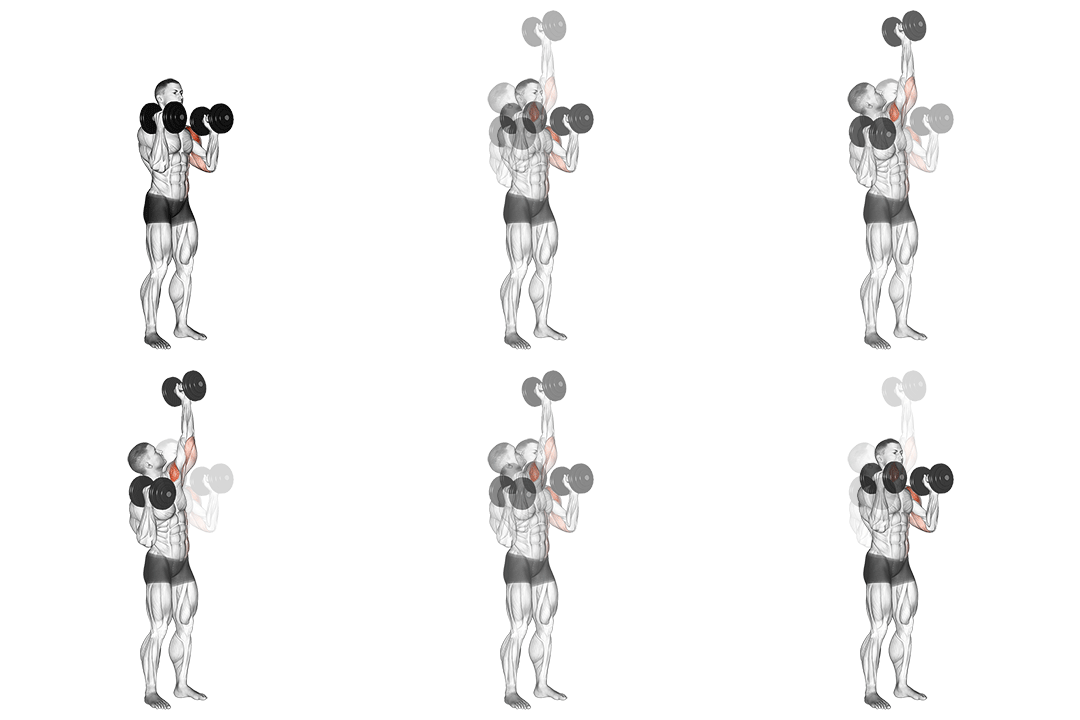
More comparisons with Dumbbell Arnold Press
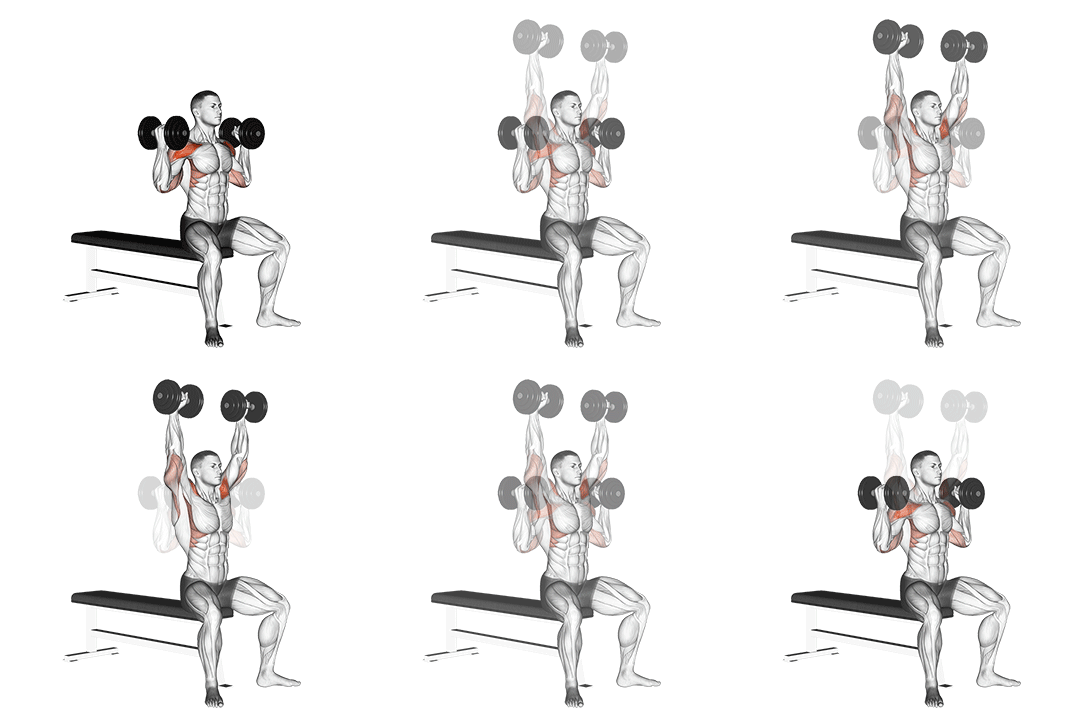
More comparisons with Dumbbell Cuban Press
Compare More Exercises
Use our free comparison tool to analyze any two exercises head-to-head.
Compare Exercises