

Dumbbell Forward Lunge Triceps Extension vs Dumbbell Incline Triceps Extension: Complete Comparison
Dumbbell Forward Lunge Triceps Extension vs Dumbbell Incline Triceps Extension — two intermediate dumbbell moves that both hammer the triceps but do it very differently. You’ll learn which exercise emphasizes pure triceps tension versus full-body stability, how equipment and bench angle (30–45 degrees) change the load, and precise technique cues to protect your elbows and shoulders. Read on to compare muscle activation, setup steps, rep ranges (6–12 for strength and hypertrophy, 12–20 for endurance), and when to program each move into your workouts.
Exercise Comparison
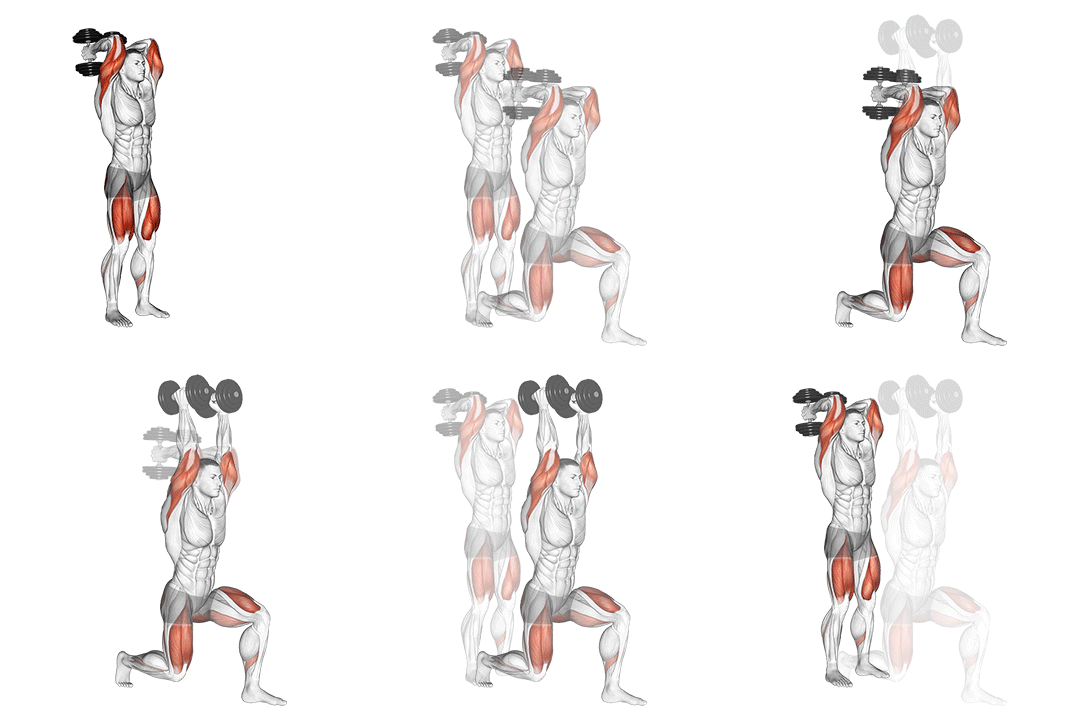
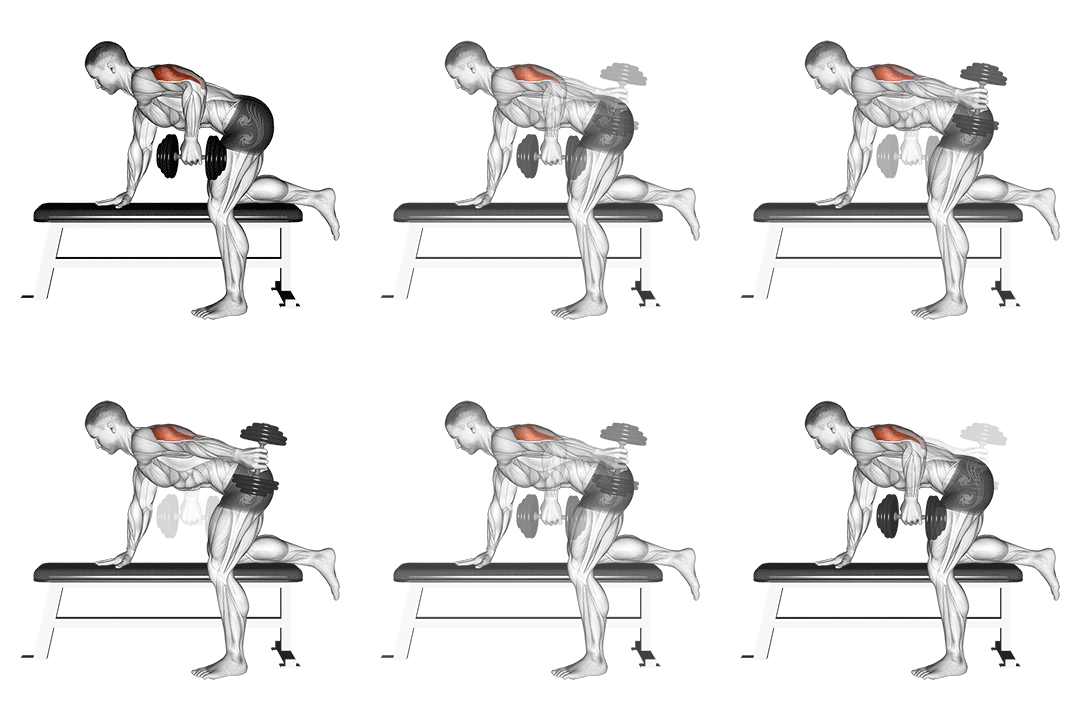
Dumbbell Forward Lunge Triceps Extension
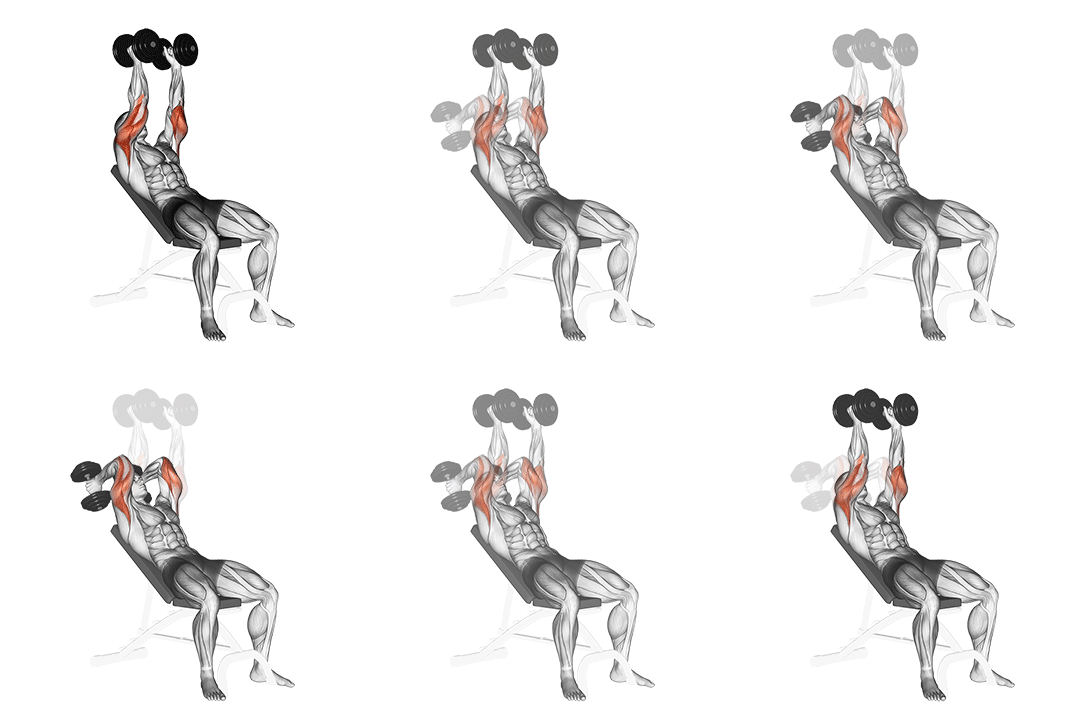
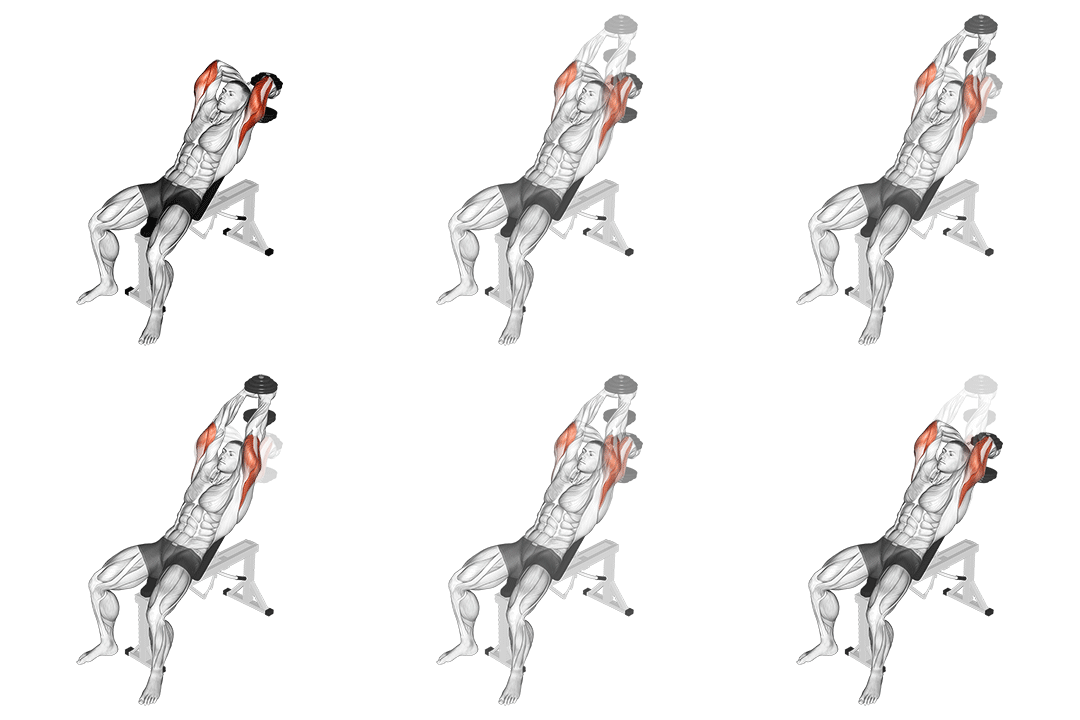
Dumbbell Incline Triceps Extension
Head-to-Head Comparison
| Attribute | Dumbbell Forward Lunge Triceps Extension | Dumbbell Incline Triceps Extension |
|---|---|---|
| Target Muscle |
Triceps
|
Triceps
|
| Body Part |
Upper-arms
|
Upper-arms
|
| Equipment |
Dumbbell
|
Dumbbell
|
| Difficulty |
Intermediate
|
Intermediate
|
| Movement Type |
Compound
|
Isolation
|
| Secondary Muscles |
2
|
1
|
Secondary Muscles Activated
Dumbbell Forward Lunge Triceps Extension
Dumbbell Incline Triceps Extension
Visual Comparison
Overview
Dumbbell Forward Lunge Triceps Extension vs Dumbbell Incline Triceps Extension — two intermediate dumbbell moves that both hammer the triceps but do it very differently. You’ll learn which exercise emphasizes pure triceps tension versus full-body stability, how equipment and bench angle (30–45 degrees) change the load, and precise technique cues to protect your elbows and shoulders. Read on to compare muscle activation, setup steps, rep ranges (6–12 for strength and hypertrophy, 12–20 for endurance), and when to program each move into your workouts.
Key Differences
- Dumbbell Forward Lunge Triceps Extension is a compound movement, while Dumbbell Incline Triceps Extension is an isolation exercise.
- Both exercises target the Triceps using Dumbbell. The main differences are in their movement patterns and muscle activation angles.
Pros & Cons
Dumbbell Forward Lunge Triceps Extension
+ Pros
- Combines triceps work with unilateral lower‑body stability and core anti‑rotation
- No bench required—great for minimal equipment setups
- Improves functional coordination and balance while training triceps
- Allows varied loading patterns (single‑arm, staggered stance, tempo)
− Cons
- Harder to overload the triceps in isolation because other muscles assist
- Higher technical demand—requires precise step length (about 2–3 feet) and torso control
- Increased knee and balance stress if form falters
Dumbbell Incline Triceps Extension
+ Pros
- Superior isolation of the triceps for focused tension and hypertrophy
- Bench support reduces balance demands so you can use heavier loads
- Adjustable bench angle (30–45°) lets you bias the long head
- Cleaner motor pattern—easier to standardize tempo and range of motion
− Cons
- Requires an adjustable bench
- Can place strain on the anterior shoulder if bench angle is too steep (>45°)
- Less carryover to lower‑body stability and functional movement patterns
When Each Exercise Wins
The incline version provides more consistent tension on the triceps and lets you progressively add load while controlling tempo (6–12 reps). Supporting your torso isolates the elbow extensor action, maximizing time under tension and mechanical stress on the triceps.
To build pure triceps strength and lockout power, being able to load heavier and maintain strict elbow mechanics favors the incline extension; use 4–8 reps with controlled eccentrics and near‑full range of motion.
Beginners benefit from the stable bench position that reduces balance variables so they can learn elbow extension mechanics and load progressively without compensatory hip or knee movement.
No bench needed and you build core and lower‑body stability at the same time. Use lighter weight and focus on step length (about 60–90 cm) and a 2–3 second eccentric to keep tension on the triceps.
Frequently Asked Questions
Can I do both Dumbbell Forward Lunge Triceps Extension and Dumbbell Incline Triceps Extension in the same workout?
Yes. Start with the incline triceps extension to target the triceps under fresh conditions (3–4 sets of 6–12), then finish with 2–3 sets of the lunge variation for metabolic stress and stability work. Keep total volume and intensity appropriate to recovery.
Which exercise is better for beginners?
The Dumbbell Incline Triceps Extension is better for beginners because the bench stabilizes your torso, letting you focus on elbow extension mechanics and progressive loading with lower injury risk.
How do the muscle activation patterns differ?
The incline version yields steady, high triceps activation throughout the rep due to fixed torso and a favorable shoulder angle for the long head. The lunge version produces intermittent triceps spikes while also recruiting core, shoulder stabilizers, and lower‑body musculature to maintain balance.
Can Dumbbell Incline Triceps Extension replace Dumbbell Forward Lunge Triceps Extension?
It can replace it if your goal is pure triceps development or heavier loading. If you want to preserve or train unilateral stability, core control, and lower‑body function, keep the lunge variation in your program as a complementary movement.
Expert Verdict
Use the Dumbbell Incline Triceps Extension when your goal is targeted triceps development or increasing lockout strength: set the bench to 30–45 degrees, use controlled 2–3 second eccentrics, and work in 6–12 reps for hypertrophy. Choose the Dumbbell Forward Lunge Triceps Extension when you want a multifunctional movement that trains triceps plus core and lower‑body stability—ideal for time‑efficient sessions and home workouts without a bench. Program both across a mesocycle: prioritize incline work for 4–8 weeks of focused triceps overload, then add lunges to reinforce stability and unilateral control.
Also Compare
More comparisons with Dumbbell Forward Lunge Triceps Extension
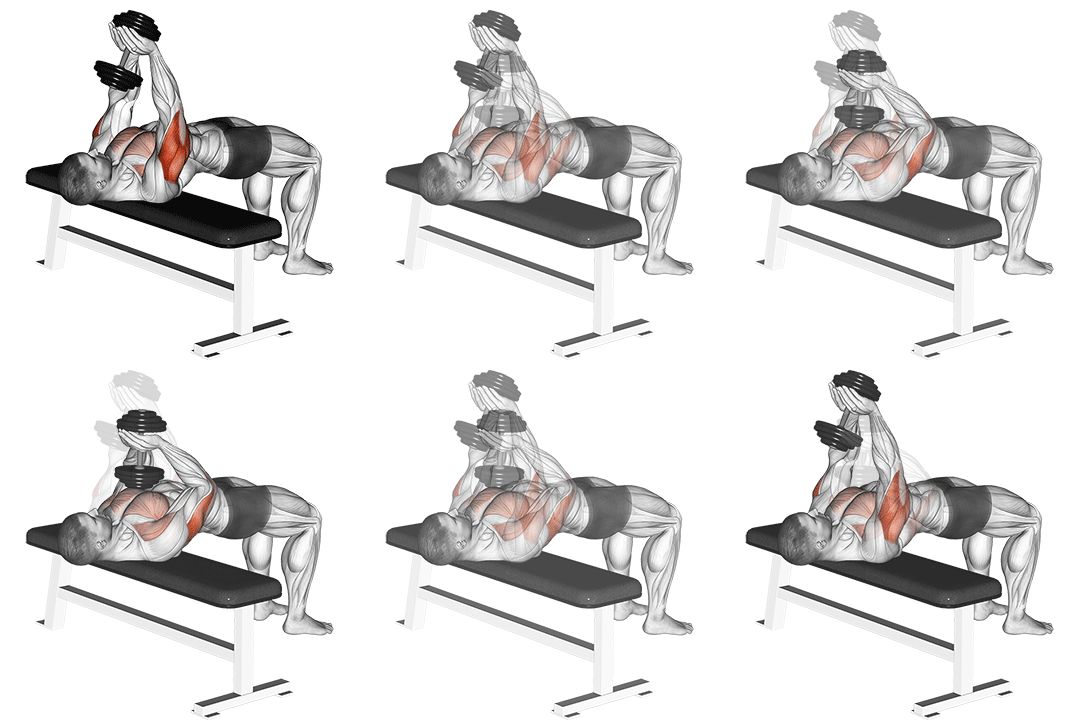
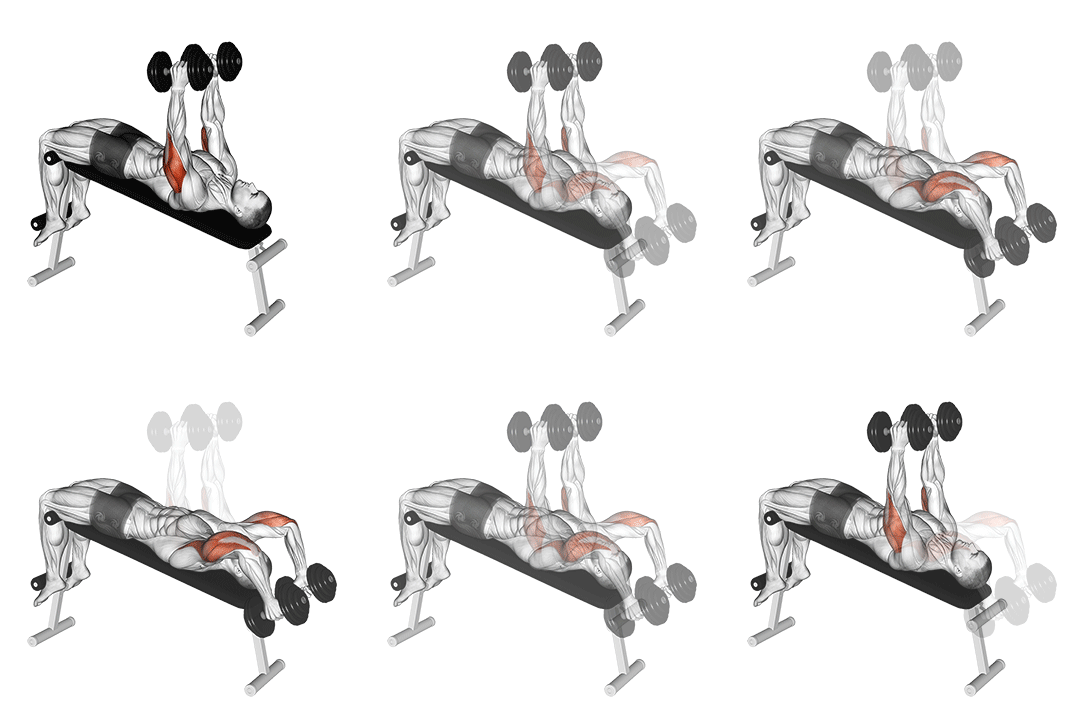
More comparisons with Dumbbell Incline Triceps Extension
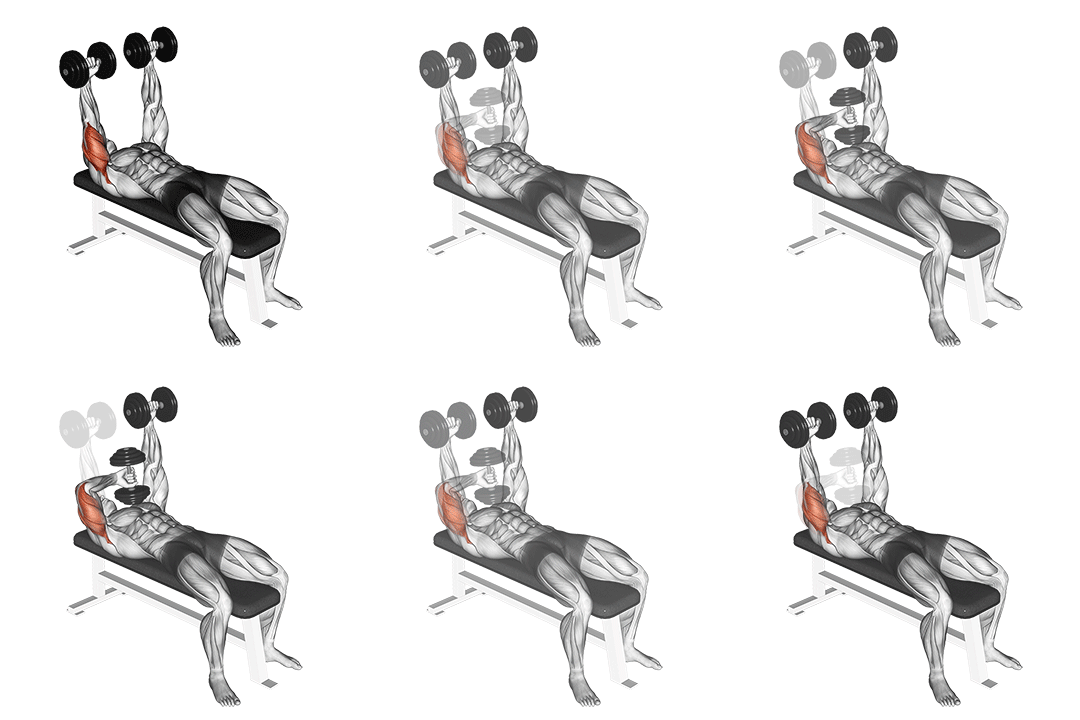
Compare More Exercises
Use our free comparison tool to analyze any two exercises head-to-head.
Compare Exercises